The early modern period was a time of great discoveries, as global expansion by the East India Companies brought exotic products and influences to Europe. It may have been this sense of the exotic that evoked a trend that was reflected in some enchanting room decorations and other creations in the early 18th century: singerie, a term derived from the French word singe ("monkey").

This type of decoration had its origins in Flemish painting of the late 16th century. Some painters began to poke fun at the manners and quirks of their fellow human beings by replacing them on the canvas with monkeys wearing clothes and imitating human behavior. This type of representation was intended to make society aware of its own imperfection.
Related: Tulipomania: The World's First Stock Exchange Bubble
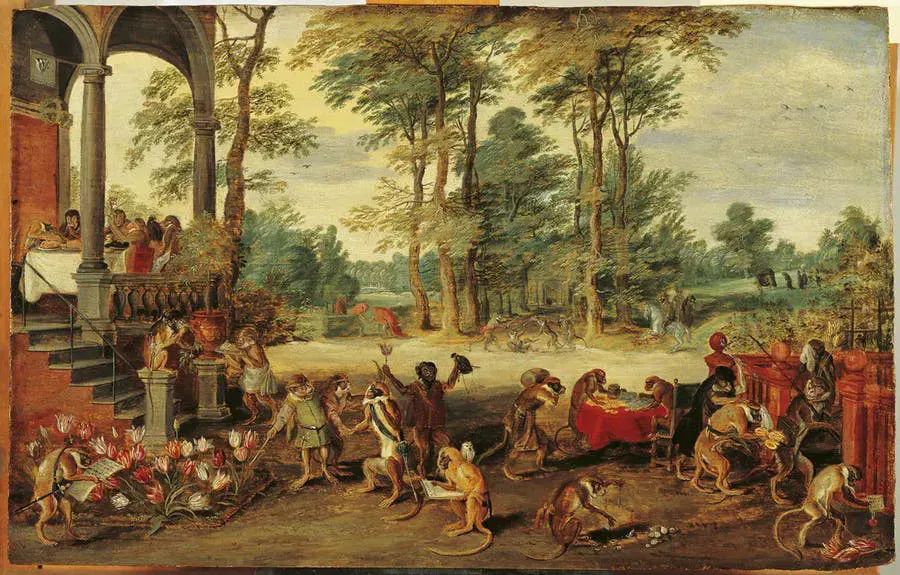
In the early 18th century, the art of monkeys was also used in other decorative areas, such as the design of entire rooms, where they ironically complemented the already fashionable style of Chinoiserie.
Related: Rococo: The Art of Shells and Idylls

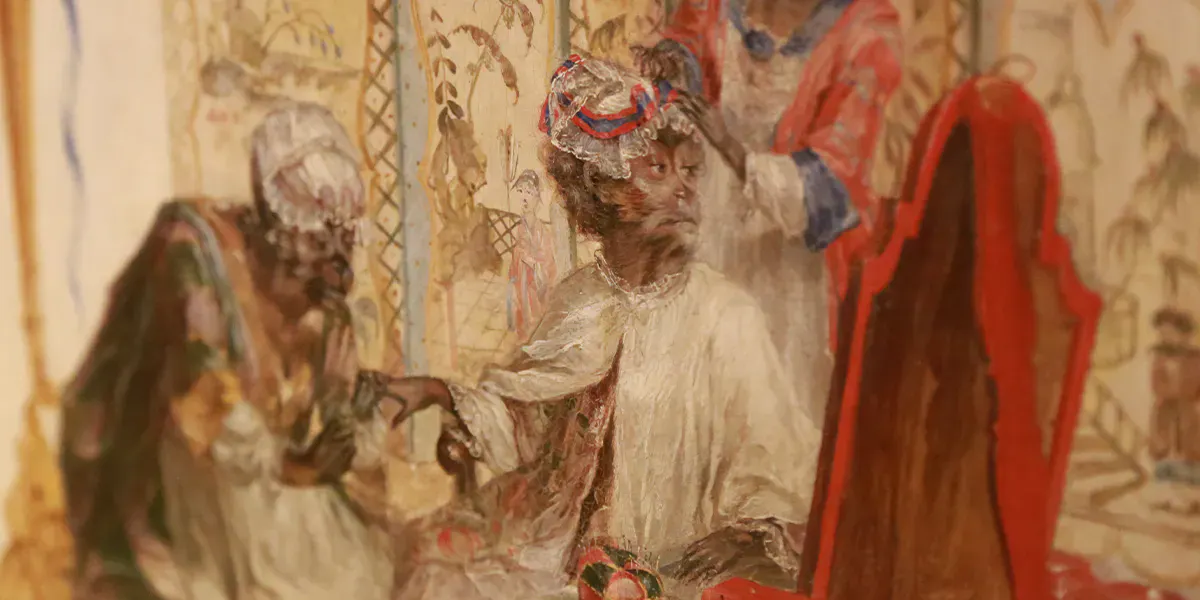
Two fine examples of singerie-style room décor are to be found in the Château de Chantilly, north of Paris, which was the residence of the princes of Condé, an offshoot of the French royal family. In 1735 and 1737 the animal painter Christophe Huet (1700-1759) was commissioned to design a room in the castle in this style. Huet placed his monkeys, which act as soldiers and tightrope walkers, in exotic landscapes framed by gilded rocailles.

Across the English Channel, Charles Spencer, 3rd Duke of Marlborough left a ceiling in his pavilion on Monkey Island (interestingly, the island's name derives not from the word monkey but from monk) designed by Huet's colleague Andien de Clermont around 1738, also painted in the ironic style of singerie.
Want to discover articles like this straight to your inbox? Then register today for our free newsletter!
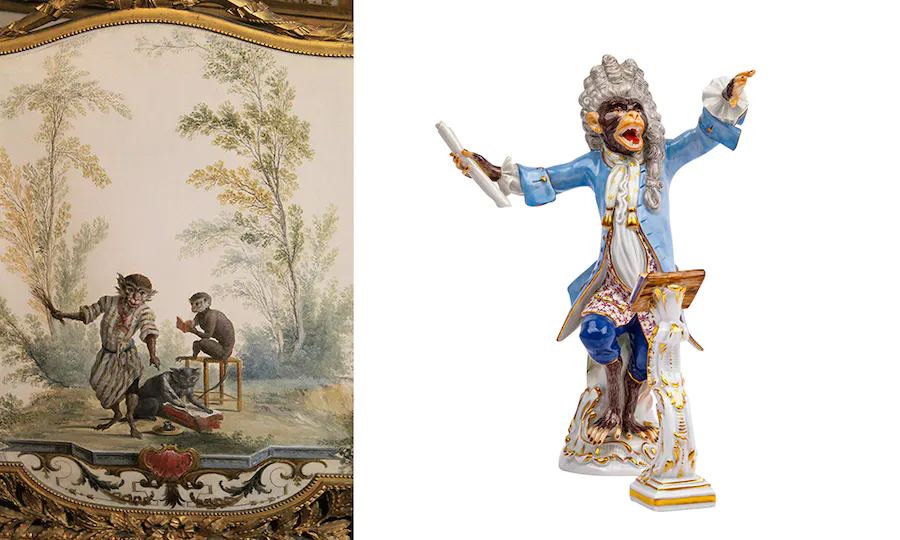
Christophe Huet's grandiose interior design also became known beyond the borders of France. Drawings of it reached Meissen in Saxony, where porcelain production had flourished since 1710. Corresponding drawings also reached Johann Joachim Kaendler, who worked as a model master in the manufactory. Kaendler recognized the enlightening spirit in the funny but also admonishing characters and decided to create something similar from the raw material entrusted to him.
Related: Collecting Like a King: Meissen Porcelain 101

When he finally presented his multi-figure monkey band, it immediately became very popular. One of the first customers to buy a monkey band was the then mistress of the French king, Madame de Pompadour. From then on, the bizarre band was part of the manufactory's repertoire and is still produced today.
Related: An Artist's Best Friend: 8 Painters and Their Pets
To this day, monkeys are often used in art to make fun of human (mis)behavior, for example in Devolved Parliament, with which Banksy targeted the British Parliament in 2009.