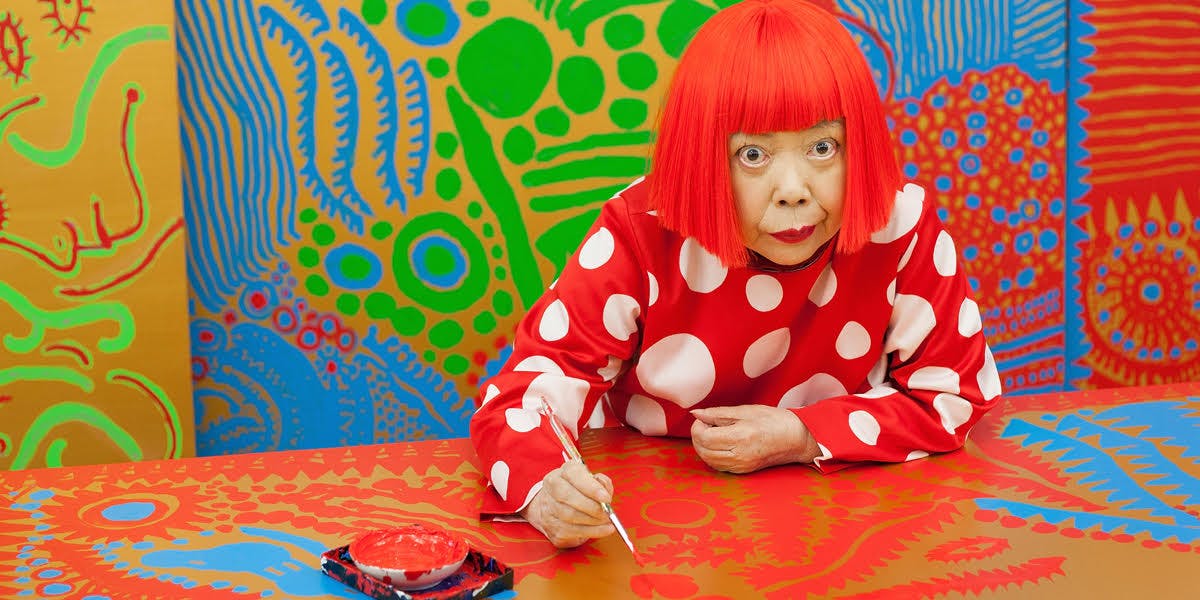
Pop art, polka dots, pumpkins: Yayoi Kusama is the mastermind behind some of contemporary art's most ubiquitous and Instagrammable concepts. The eccentric Japanese creative became one of the world’s most successful female artists at auction and has been a complex figure for decades. She came to fame during the 1960s Pop Art movement and was largely influenced by the hallucinations she has experienced since her childhood. Her prolific oeuvre, which melds Pop Art influences, sculpture, bright colors, geometric abstraction, and innovative installation, has infiltrated contemporary culture and cemented her as a visual pioneer.
I, Kusama, am the modern-day Alice in Wonderland.
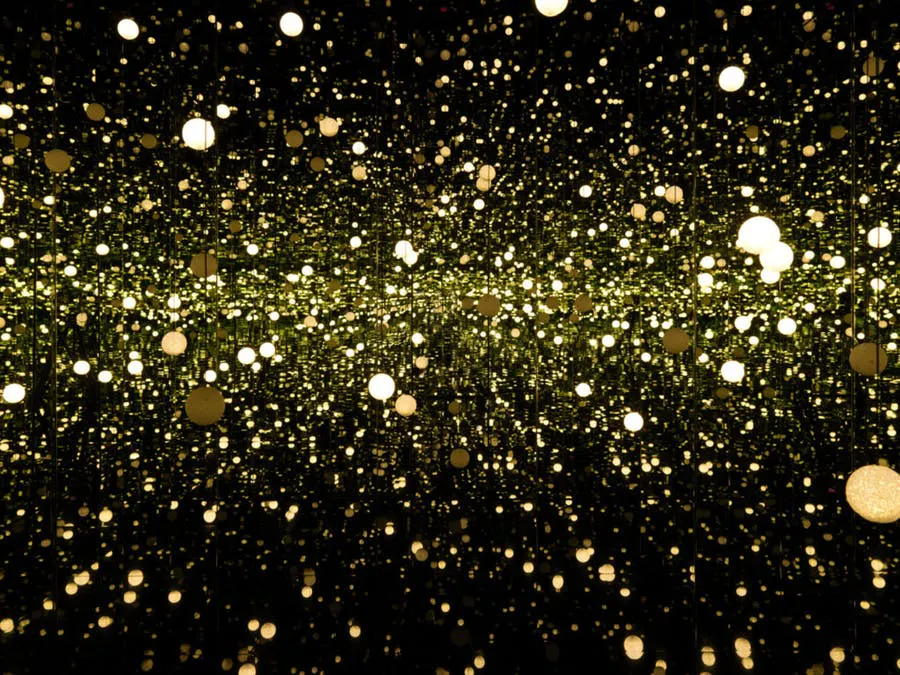
Born on March 22, 1929 in Nagano, Japan, Kusama's early life was challenging and later came to influence her art. Her parents' marriage was dysfunctional, and her exposure to her father's affairs led to an obsessive fear of sexuality, which has manifested in her sculptural installations. She suffered from mental health issues and would hallucinate visions of dot fields and bright flashes of color, inspiring her limitless patterns and infinity rooms in her art.
Related: 10 Artists Between Genius and Madness
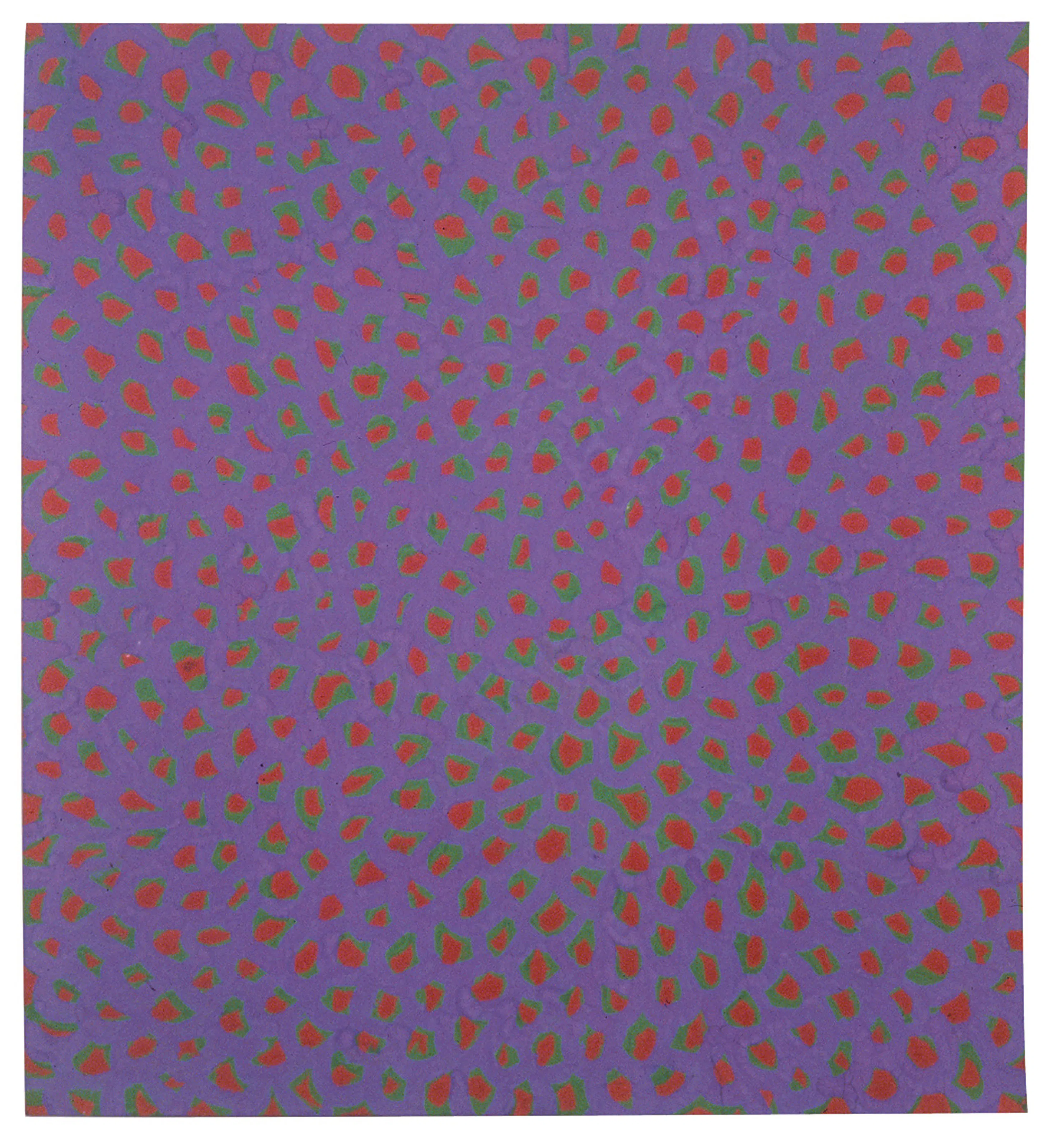
At 19, she went to an art school in Kyoto, where she studied nihonga, an early 20th-century revival of traditional Japanese art. However, she was much more interested in European and American avant-garde and dropped out shortly thereafter. Her early works in the 1950s in Tokyo incorporated bright, intense colors with accumulations of polka dots, often in watercolor, gouache, or oil on paper. Her early dreams of nets and fields were apparent in these often large-scale works as she took over canvases with tightly delineated endless webs and circles.
Related: Ukiyo-e: The Art of Japan
She moved to New York City in 1957, where she became close friends with modern artists, such as Georgia O'Keeffe, Donald Judd, Eva Hesse, and Joseph Cornell. There, her work ranged from paintings and installations to sculptures as she worked through her fears of sexuality, obsession with infinity, polka dots, and love of color. She combated sexuality with her accumulation series, where she would fill spaces and cover objects with amorphous, phallic sculptures. To her, mirrors were a manifestation of infinity, so she introduced installation rooms, which served as replications of the endless fields of light and color from her youthful visions.

Kusama gained widespread notoriety with her 'Happenings', such as when she staged a nude showcase in the sculpture garden at MoMA in 1969 and decorated people with body paint polka dots. Shocking and controversial, her work incorporated a variety of themes from protesting the Vietnam War to critiquing the money-driven art world. In 1966, she unofficially participated in the Venice Biennale when she sold images of herself on silver balls as part of her Narcissus series. Reverberations of Kusama's oeuvre appeared in the works of artists like Andy Warhol and Claes Oldenburg, who were inspired by her representations of repetition, pattern, and soft sculpture.
Related: Farewell to Claes Oldenburg: King of Monumental Sculptures
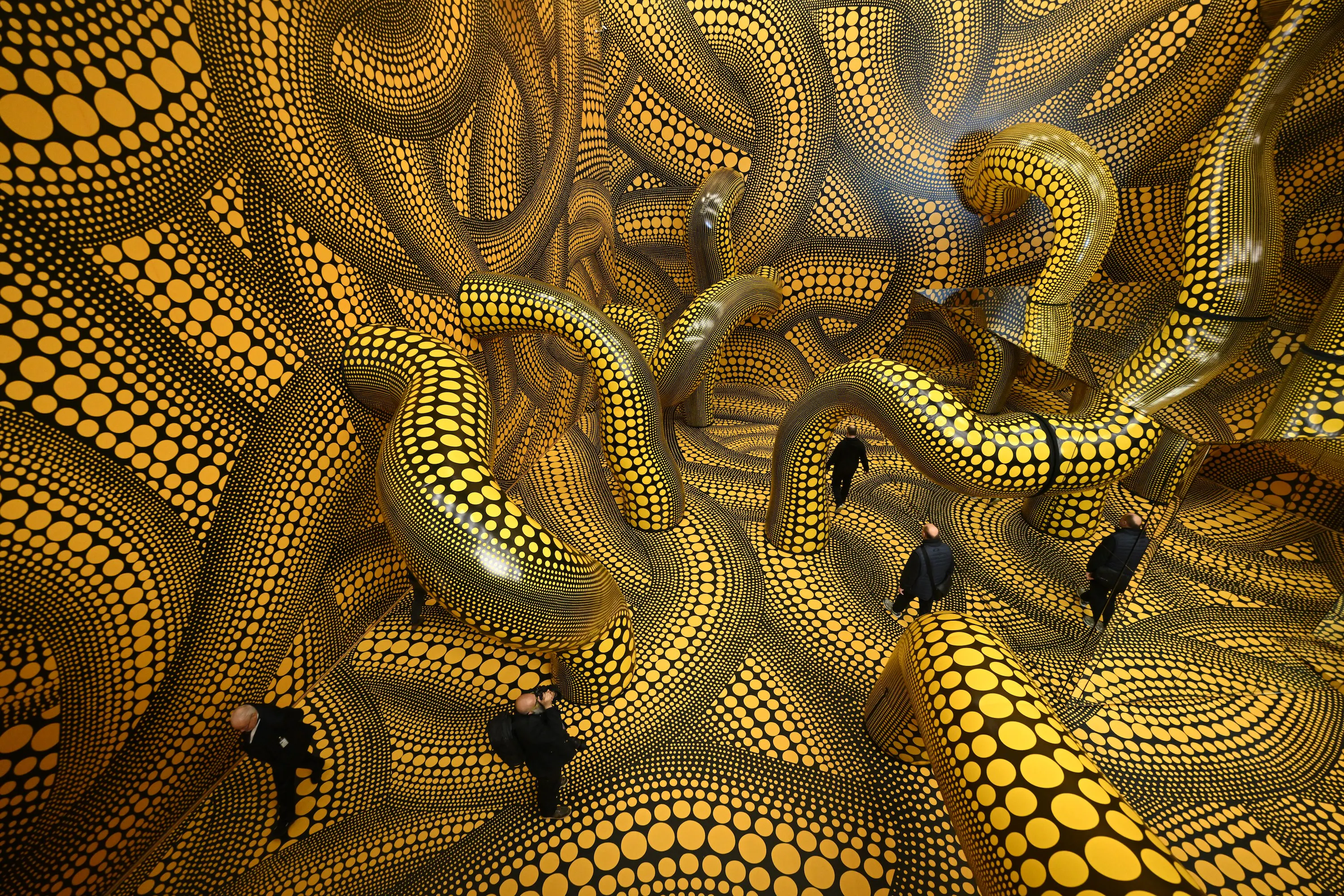
Upon returning to Japan in 1972, Kusama checked herself into a psychiatric hospital in Tokyo, where she lived for decades. In Tokyo, she transitioned into painting acrylics on canvas, as well as writing surrealist novels and poetry throughout the 1980s, all while she suffered from acute mental illness and suicidal thoughts.
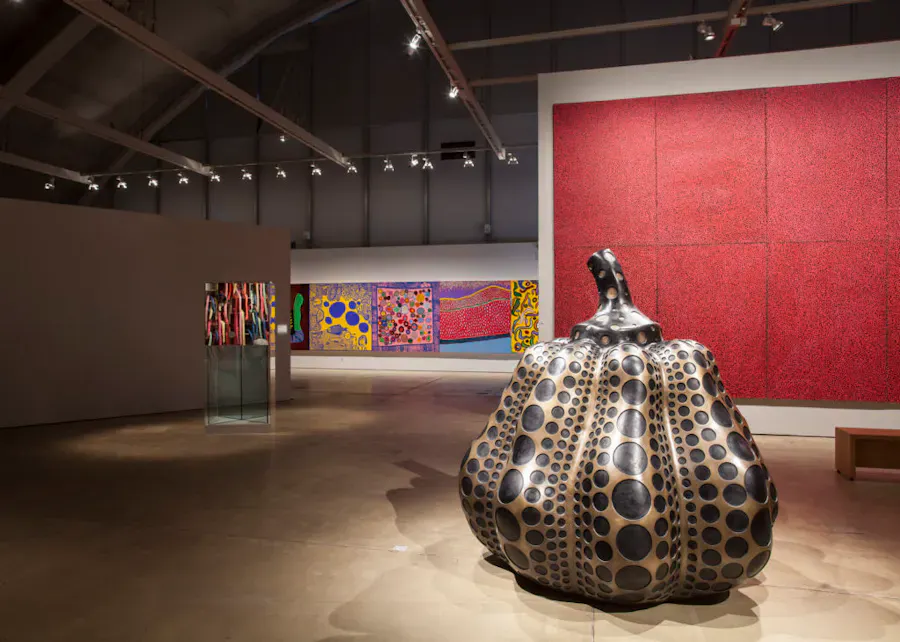
In 1993, she returned to widespread recognition at the Venice Biennale where she represented Japan and first introduced her iconic pumpkins. In the decades that followed, her work became increasingly popular, particularly as social media brought her Infinity Rooms to a wider audience.
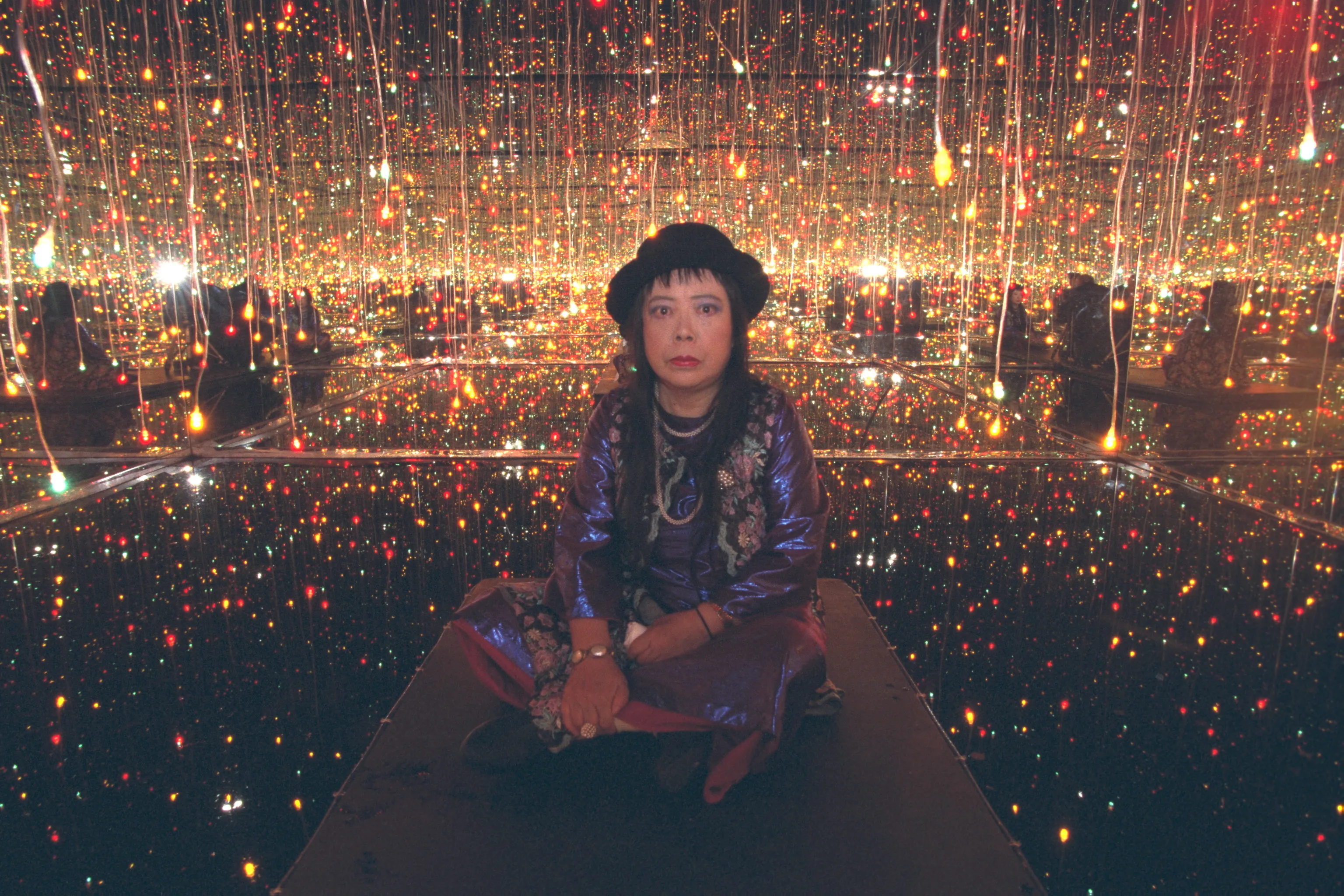
Kusama’s motifs have infiltrated many elements of society, from fashion and home décor to film and performance art. In 2012, Kusama collaborated with Louis Vuitton to design bags, accessories, and more for the luxury label, fusing together mainstream fashion with her recognizable patterns. Her artworks can be found in museums around the world, including MoMa, LACMA, Tate Modern, and Centre Pompidou. Her works repeatedly sell for millions of dollars at auction.
Related: The 10 Most Expensive Living Artists

In 2017, a major 50-year Kusama retrospective was launched at the Hirshhorn Museum in Washington DC, and her Infinity mirror rooms were installed in major museums around the world. That same year, the Kusama Museum in Tokyo opened, showcasing a wide variety of her works, from silkscreens and acrylics to her famous pumpkins.
Want more articles like this straight to your inbox? Subscribe to our free newsletter!
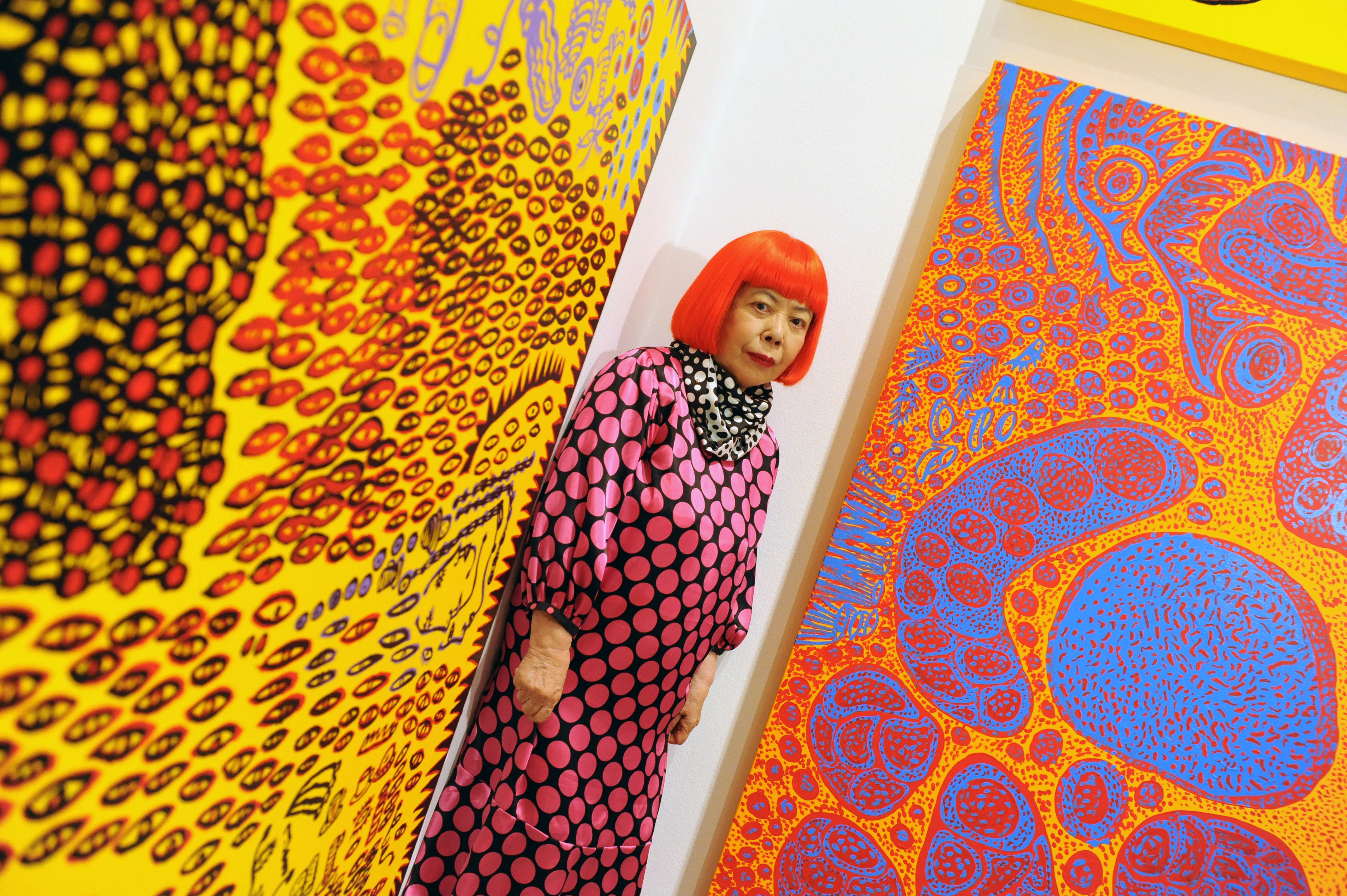
Throughout her career, Kusama made a bold mark on the art scene and popular culture. Her avant-garde vision created a visual language that was distinctively hers: psychedelic color schemes, mirror rooms where light and sculptures appear to extend infinitely, and art characterized by polka dot patterns and amorphous shapes. As she once stated, “I, Kusama, am the modern-day Alice in Wonderland.”
Yayoi Kusama died in Tokyo on August 14, 2026, at the age of 97.
Discover more articles on Barnebys Magazine here
This is an updated version of an article originally published on March 19, 2020.