
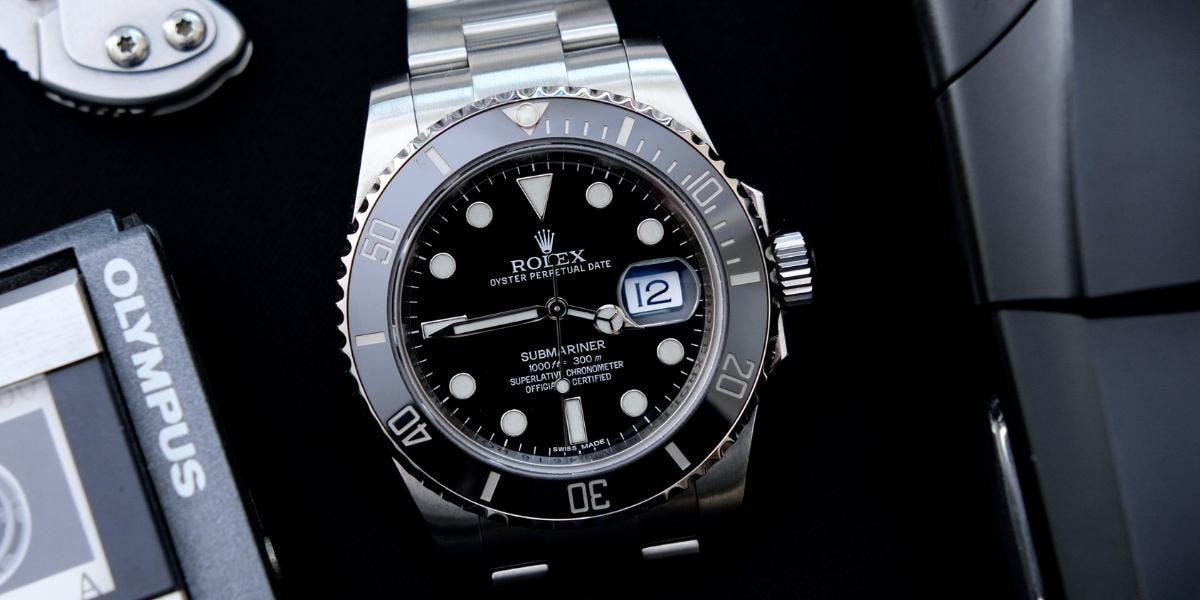
When talking about the history of diving and dive watches, it is often worth remembering that even today, after decades of exploration and technological development, we still know very little about the oceans. They cover 70% of our planet, and yet 95% of them remain completely unseen by human eyes. Related: 8 Facts You Didn't Know About Rolex
In 1953, Rene P. Jeanneret was feeling a desire to learn more about the ocean. An amateur diver, Rene was also the head of Rolex and good friends with Jacques Cousteau, the mythic oceanographer extraordinaire. Cousteau was directing the film version of his book The Silent World, an underwater masterpiece that brought the ocean's spectacular secrets to the public in color for the first time. It was the only documentary to win the Palme d'Or at Cannes until 2004 (it also won an Oscar).
Related: Who Wore the First Wristwatch?
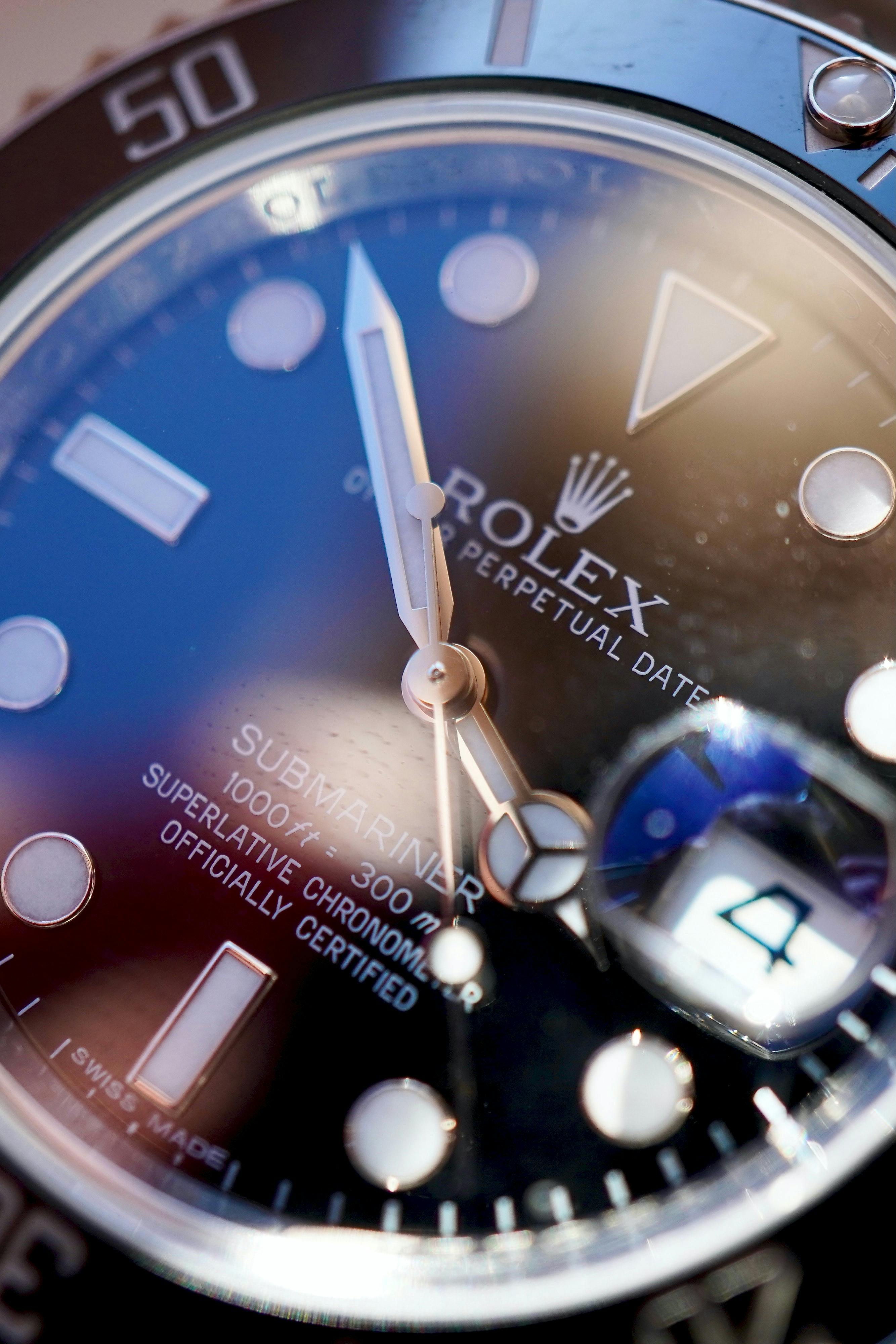
The film was released in 1956 and prominently features a prototype Rolex Submariner on Cousteau's wrist. The watch was the result of Jeanneret's decision to heavily invest in diving technology, and was shown to the world at watch trade show Baselworld in 1954. Not only was it extremely reliable, easy to read and waterproof to 200m, but the Submariner also featured a 'revolutionary time-recorder', or what we today call a rotating bezel. It seems such a simple thing to us now, but before the bezel, 1950s scuba divers couldn't accurately measure decompression periods, a crucial part of diving safety.
Related: Top 10 Most Popular Watch Brands
A legend had been born, and in its inimitable fashion, Rolex continued to adapt the watch over the next 60 years one small step at a time, as new technologies and design details were discovered. A collaboration with COMEX, the top underwater research group, led to the famed helium escape valve. COMEX found that for deep saturation dives, it was safer for divers to breathe a mix of oxygen and helium. But helium molecules are small enough to fit past otherwise perfect seals, building up in a watch until it pops open. The one-way valve introduced to solve this problem has been used on all Rolex Sea-Dwellers since, despite its very specialist application.
Related: Inner Beauty: The World of Watch Complications
The Submariner had already been accepted by the professional community as the dive watch of choice, and it was also becoming a hit with the wider public, thanks largely to the phenomenon of James Bond. Sean Connery's spy wore the watch in several early films, and an association with his effortless suave was immediately established.

Related: A Growing Movement: The Rise of Vintage Watches
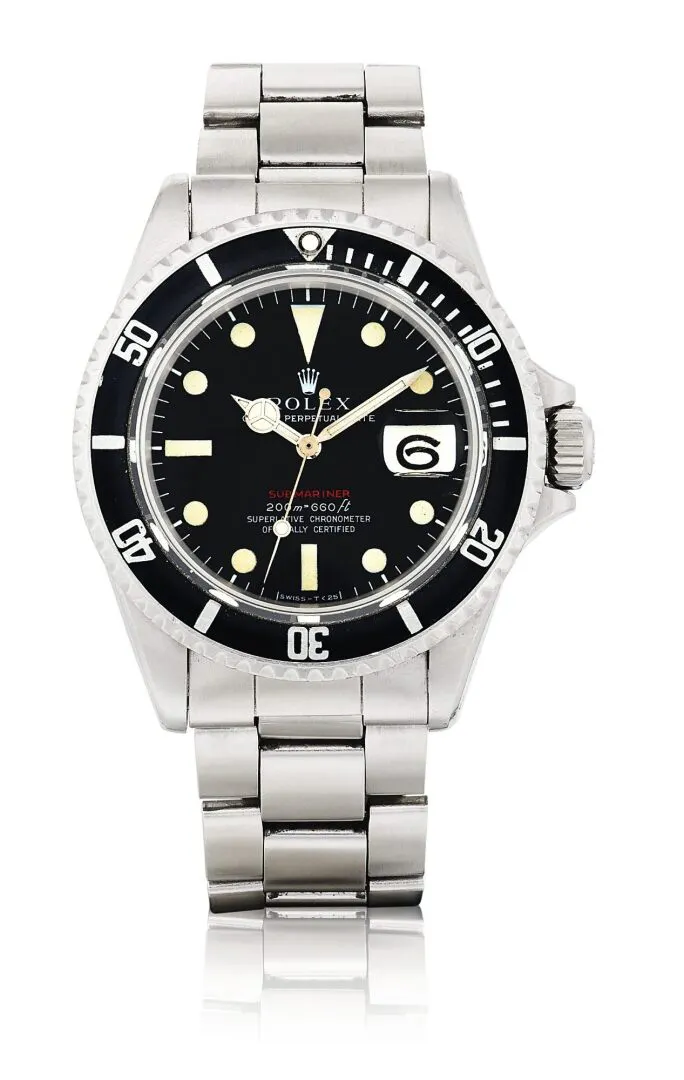
Since this time, of course, the vast majority of Submariners have never even seen the sea. The watch is so fashionable and popular that it has become one of the most commonly counterfeited timepieces in history. They can sell at auction for hundreds of thousands of dollars, with an early edition from 1956 setting the record for Submariners at Christie's in 2018, achieving $1.06 million. However, the Rolex Submariners continued appeal remains rooted in the everlasting enchantment of the ocean, which has endured since the beginning of time.
By John Wallis, a contributor to Watchfinder & Co.'s digital publication The Watch Magazine.


