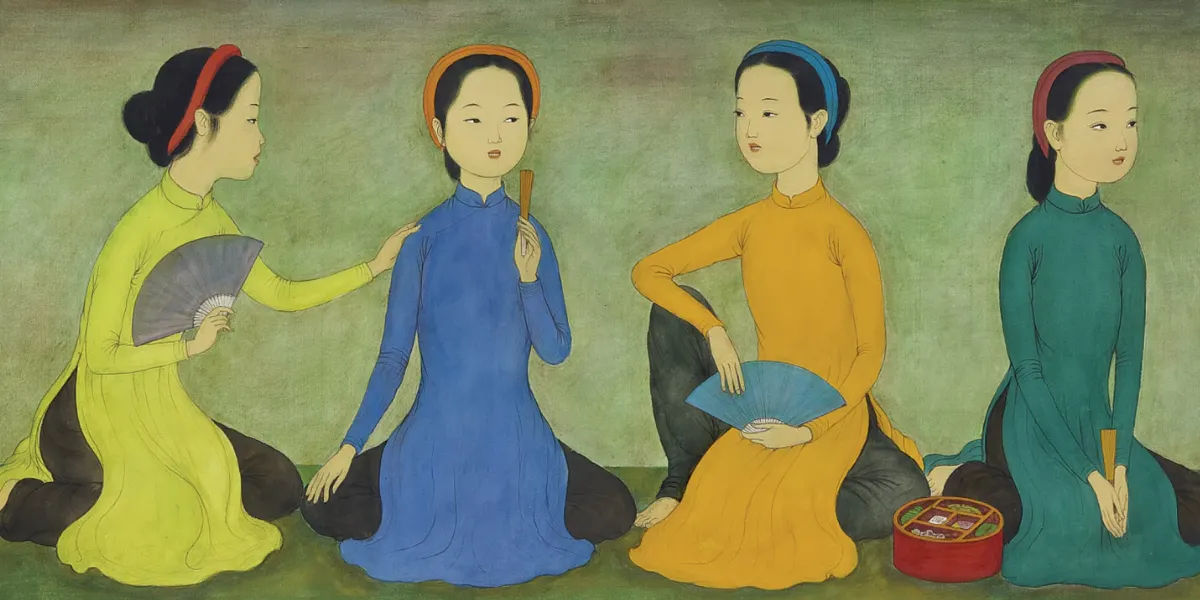
Amidst the complexities of the colonial period in Vietnam (1925-1945), a unique form of artistic expression emerged, blending traditional Vietnamese aesthetics with the influences of Western techniques. At the heart of this artistic evolution was the Ecole des Beaux-Arts de l'Indochine (EBAI), founded in 1925 by Victor Tardieu, a French academic and naturalist painter. Tardieu's vision was to bridge the gap between Vietnamese traditions and Western modernity, fostering a new generation of artists who could incorporate both influences.
EBAI was unlike other pre-existing professional schools in Vietnam, which were mainly created to train craftsmen. The school was founded to teach European techniques and styles, adapting the existing curriculum of the Ecole des Beaux-Arts in Paris and incorporating elements of Western art history and technical courses like oil painting and linear perspective.
Related: 5 Artists, 700 Years of Korean Art
Under Tardieu's leadership, the school aimed to encourage Vietnamese artists reconnect with their cultural roots while embracing Western modernity. French techniques were applied to traditional mediums such as lacquer and silk, leading to a sort of discernible tension between East and West evident in many of the artworks.
Related: Five Centuries of the Nude in Painting
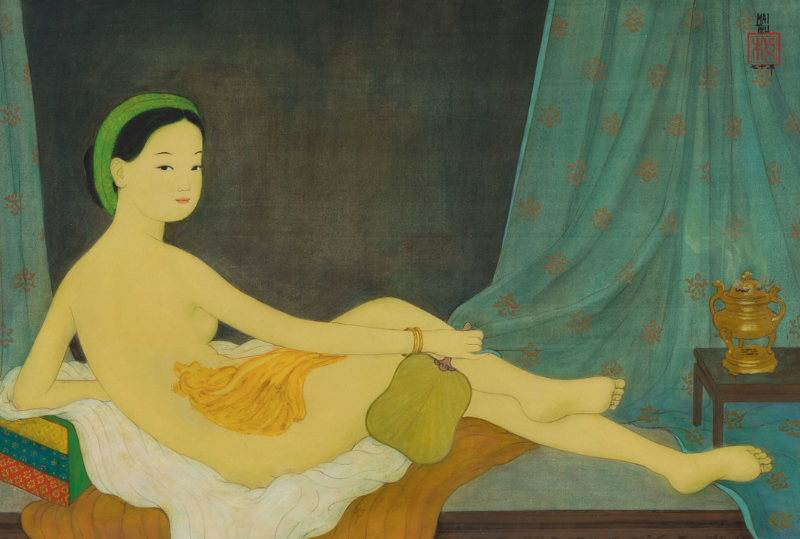
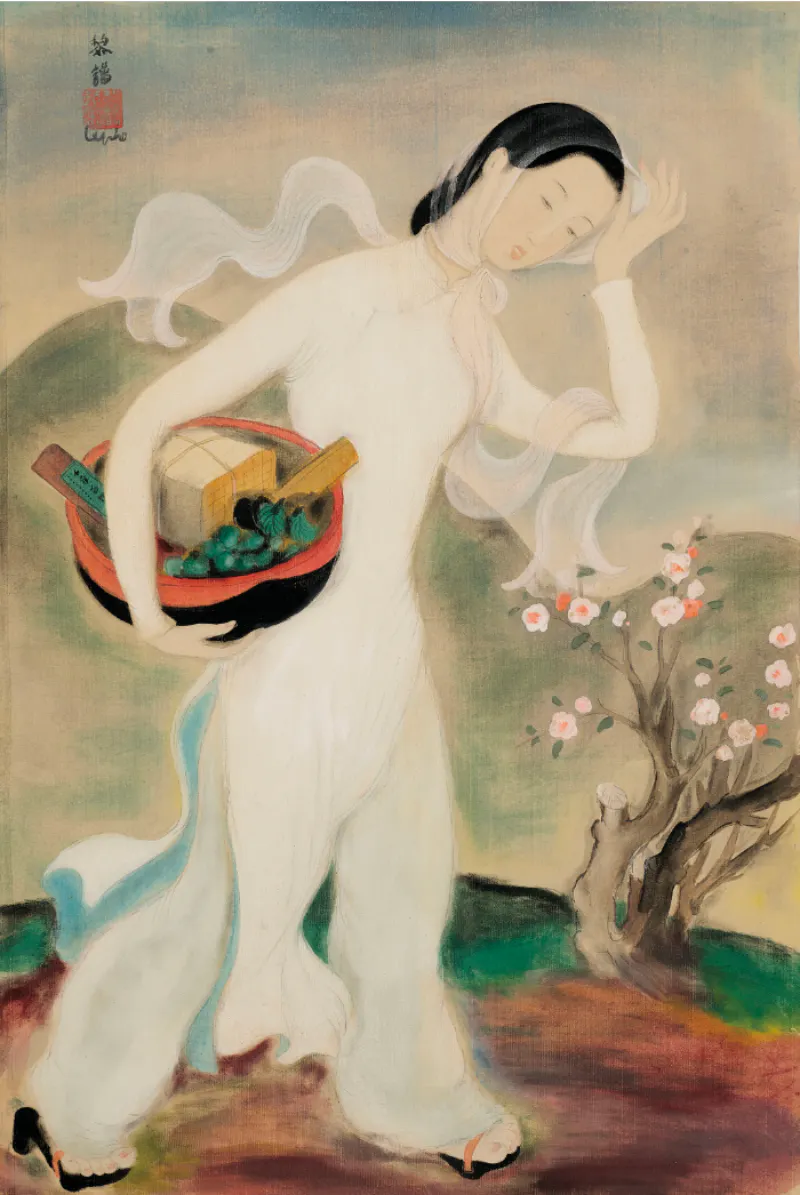
Silk painting, first introduced in Vietnam during the reign of the Ly and Tran Dynasty (spanning the 11th to the 15th centuries), underwent a major revival. In the modern era, artists like Nguyễn Phan Chánh, Lê Phổ, Mai Trung Thứ, Trần Văn Cẩn, and Lê Văn Đệ, who were among the first EBAI students, took up the tradition and became pioneers of Vietnamese silk painting.
Related: 4 Vietnamese Artists to Know
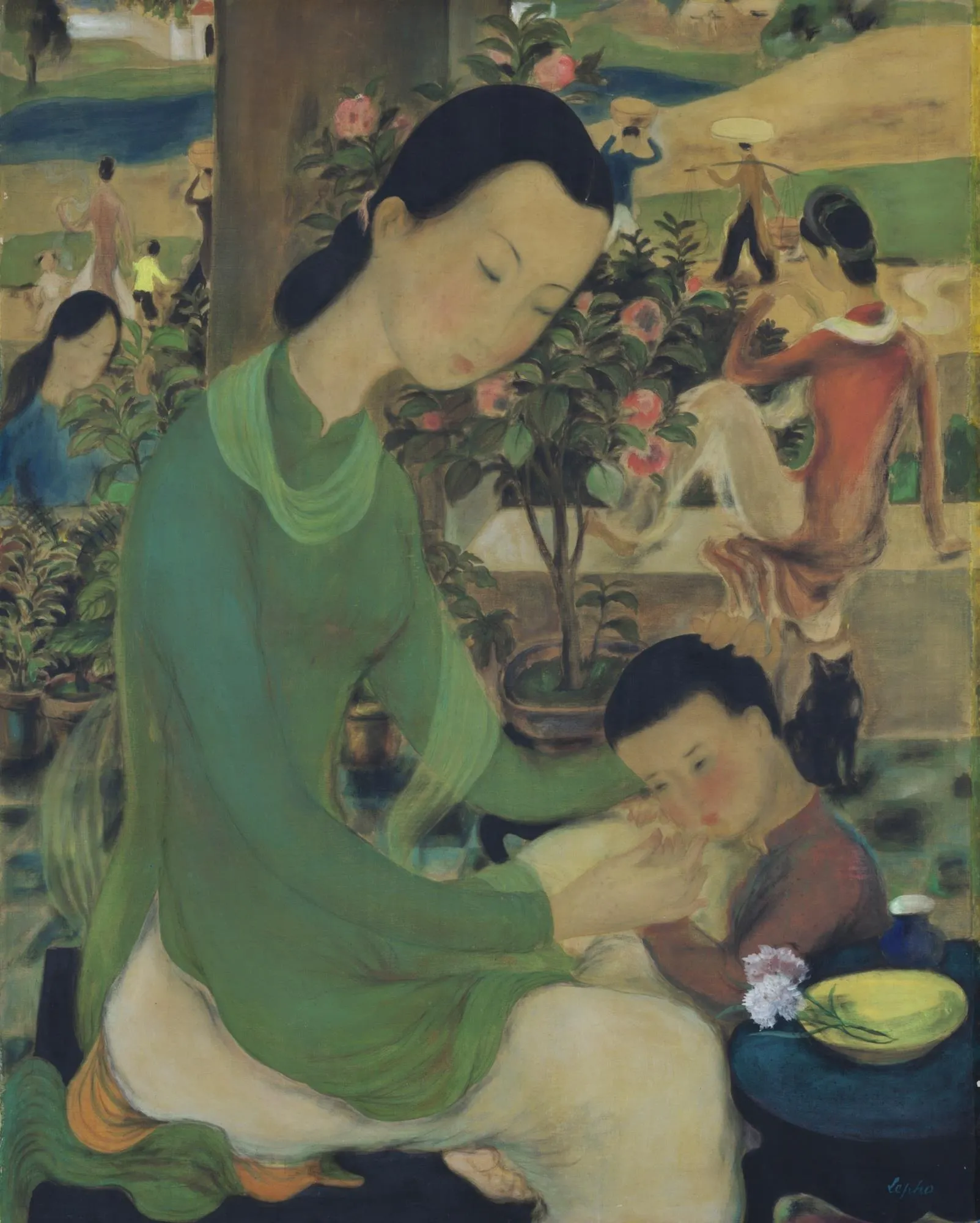
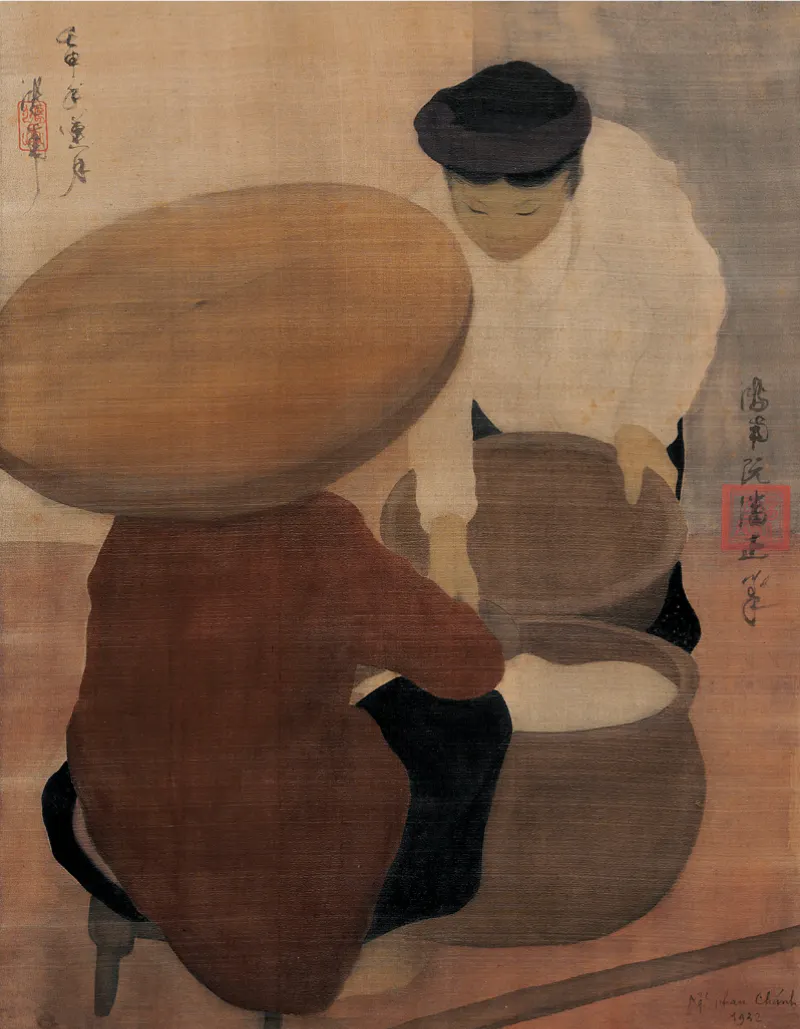
Unlike the traditional silk painting practices of China and Japan, Vietnamese silk painting witnessed a unique cultural transfer. Artists like Nguyễn Phan Chánh, for example, blended Western composition principles with Eastern traditions, incorporating elements like calligraphy and brush painting into the silk creations.
Want more articles like this delivered straight to your inbox? Subscribe to our free newsletter!
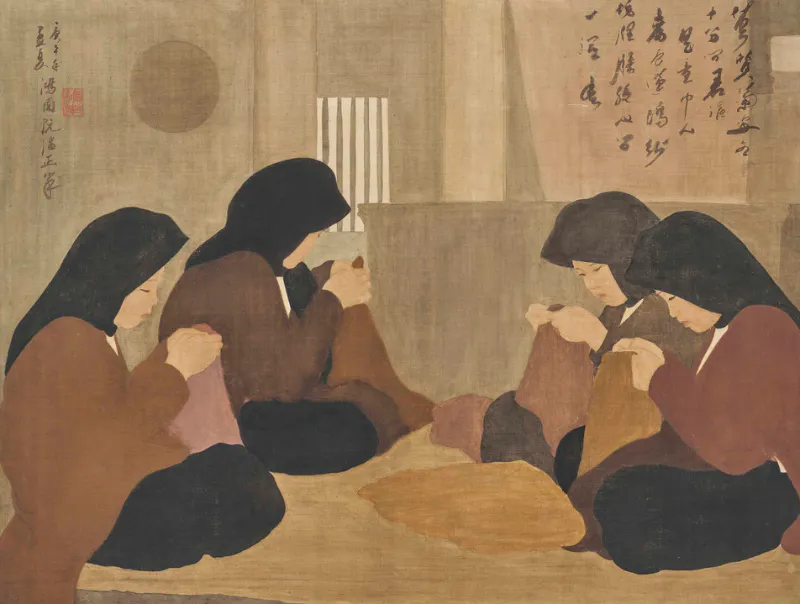
The Paris International Colonial Exhibition of 1931 was instrumental in establishing silk painting in the canon of modern Vietnamese art. The work of Nguyễn Phan Chánh, who is credited with the innovation of silk washing, was particularly well-received and garnered widespread acclaim. At the time, painting on silk was considered to be a mainly traditional Chinese art form, but Chánh argued that it 'expressed the national (Vietnamese) character to the highest degree.' His success established silk painting as a modern Vietnamese expression and paved the way for other artists, such as Lê Phổ and Mai Trung Thứ, to specialize in the medium.
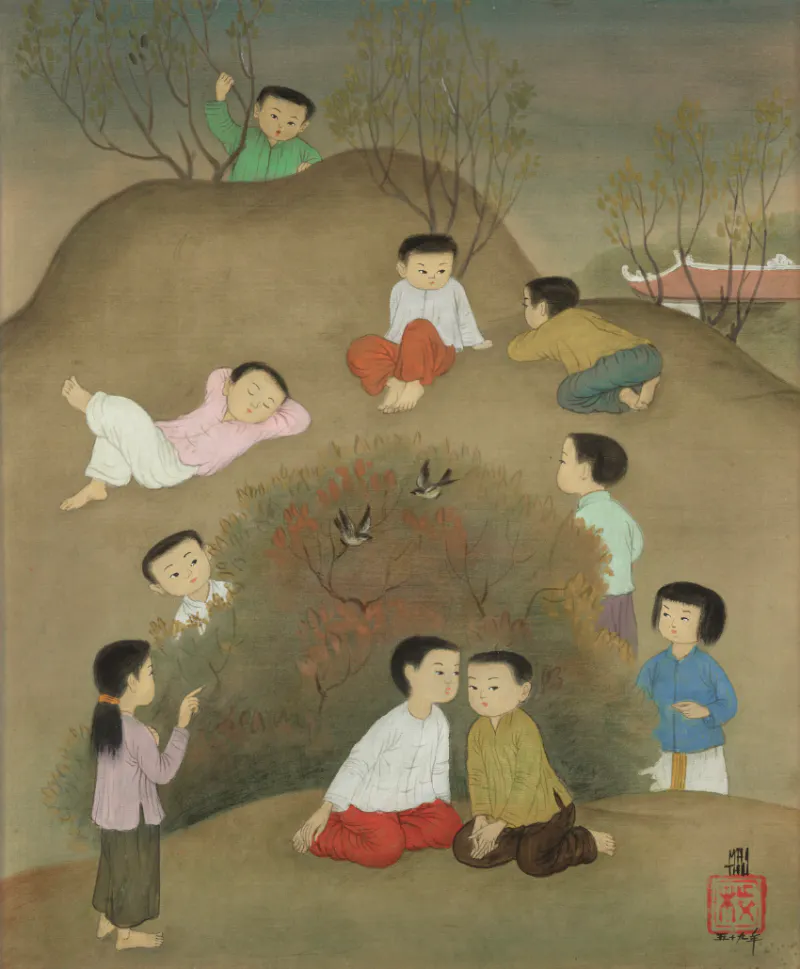
The colonial period presented its challenges, and the resistance wars (1945–1975) marked the official closing of EBAI, with many artists unable to complete their studies. Nevertheless, ever since the 1950s, Vietnamese silk painting has continued to define the artistic heritage of Vietnam.