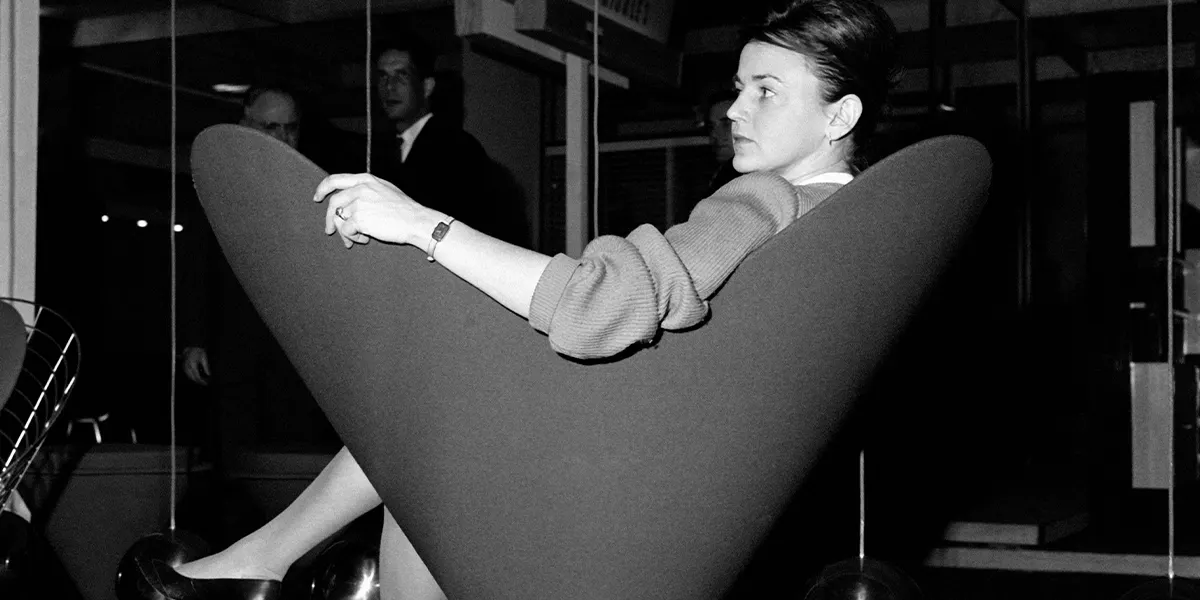
Verner Panton (1926–1998) was one of the most innovative furniture designers of the 20th century. Here are five facts about the Danish designer, whose work remains in high demand at auction.
1. He was Arne Jacobsen's assistant
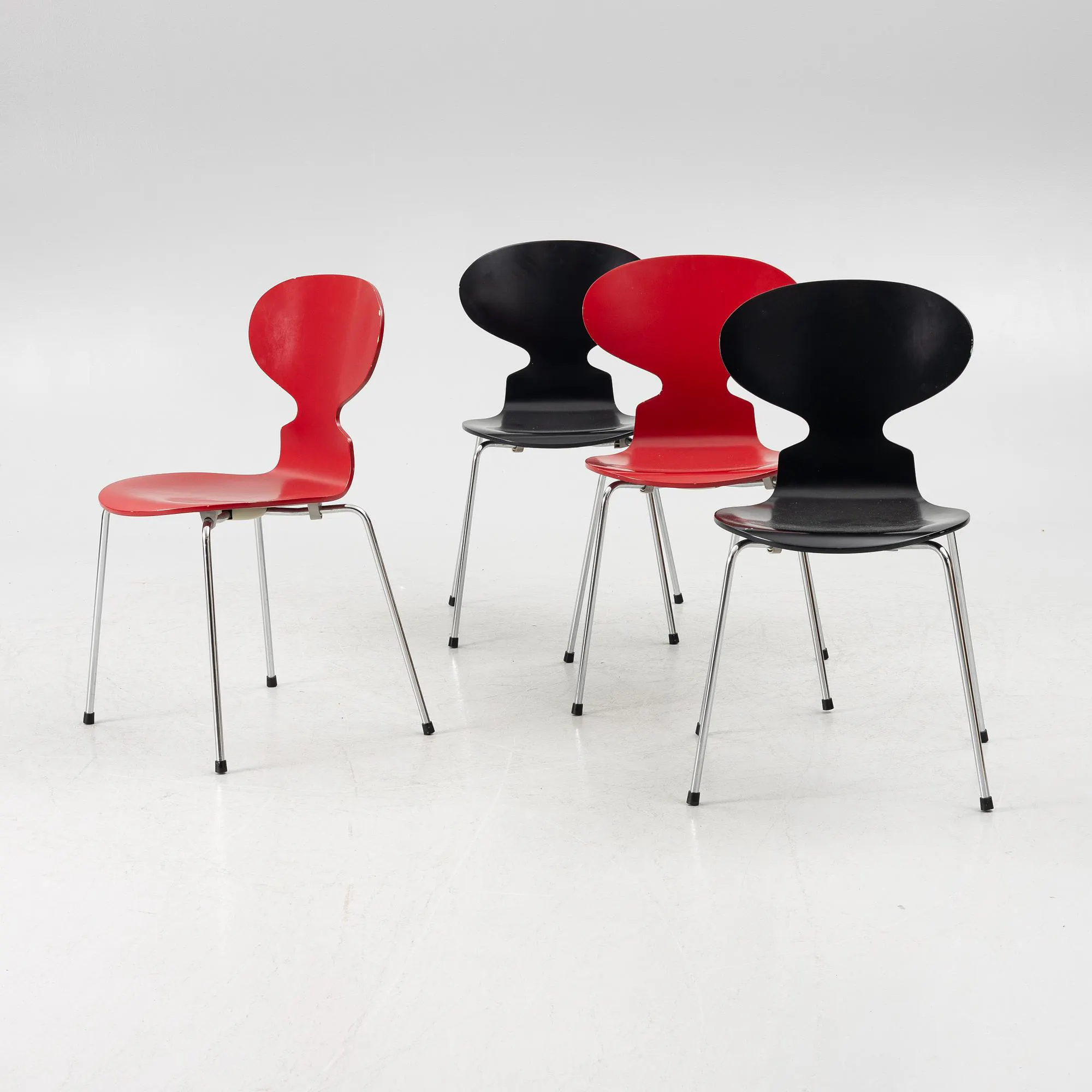
Verner Panton studied architecture in Odense and Copenhagen from 1947 to 1951. While still a student, he joined Arne Jacobsen’s architectural practice and later became his assistant. In this role, Panton contributed to the development of the Ant Chair, one of Jacobsen’s best-known designs.
Jacobsen worked primarily with traditional materials such as wood, metal, and textiles. Panton envisioned a very different direction for his own work. Even so, his time in Jacobsen’s office proved formative. He gained practical experience in project development and established important professional contacts.
See also: Arne Jacobsen: The Father of Danish Functionalism
2. He travelled across Europe in a converted VW bus
In 1952, Panton left Jacobsen’s office to pursue his own vision of international design, moving away from Danish functionalism. The following year, he set out on a two-year journey across Europe in a VW bus converted into a mobile design studio. He travelled in search of inspiration and new connections.
In France, he encountered the design avant-garde. In Italy, he met manufacturers willing to experiment. In Switzerland and Germany, he built relationships within a furniture industry interested in technical innovation, including contacts that later led to his collaboration with Vitra.
See also: The VW Bulli: From Economic Miracle to Globetrotter
3. He developed the first cantilever chair made from a single piece of plastic
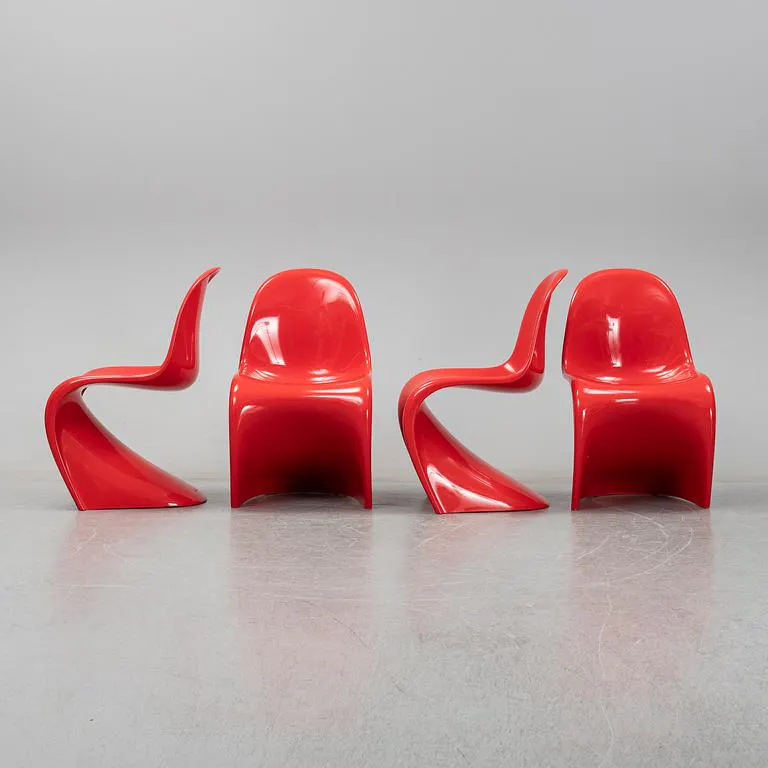
After returning to Denmark in 1955, Panton founded his own design studio in Copenhagen. One of his earliest ideas was a cantilever chair, a chair without back legs, made from a single piece of plastic. He initially produced a series of designs, refining them over time into an elegant S-shape.
In 1963, after moving to Basel, Panton began working with Vitra, who were willing to take on the technical challenges. At the time, available plastics were either too heavy, too brittle, or not dimensionally stable. Only in 1967 did the Panton Chair enter mass production, manufactured from thermoplastic.
See also: 12 Groundbreaking Chairs Across Three Centuries
4. He shaped the look of the 1960s and 1970s
The post-war period was marked by optimism and enthusiasm for technological progress, particularly space travel. Panton responded to these developments and helped define the visual language of the era.
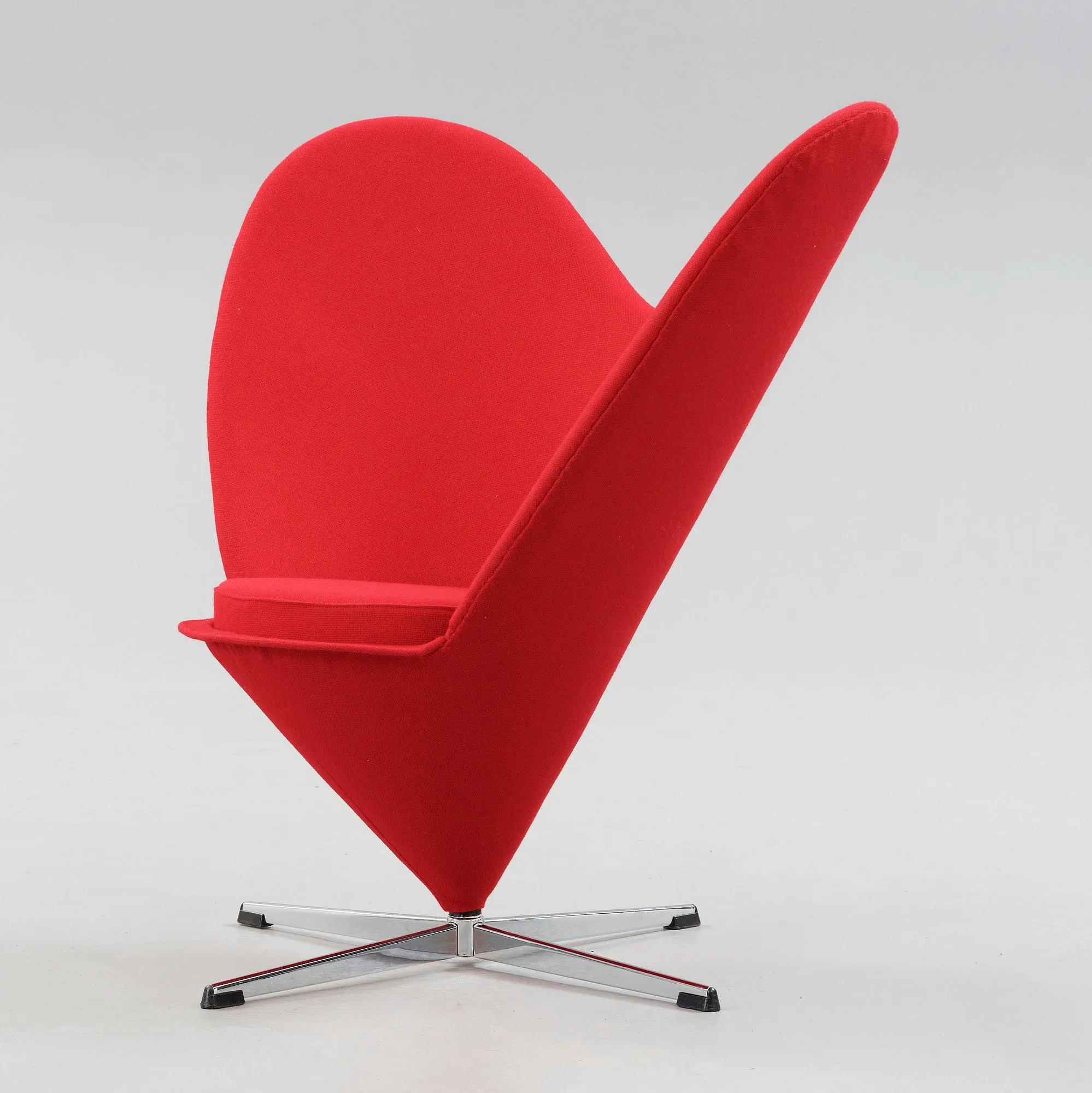
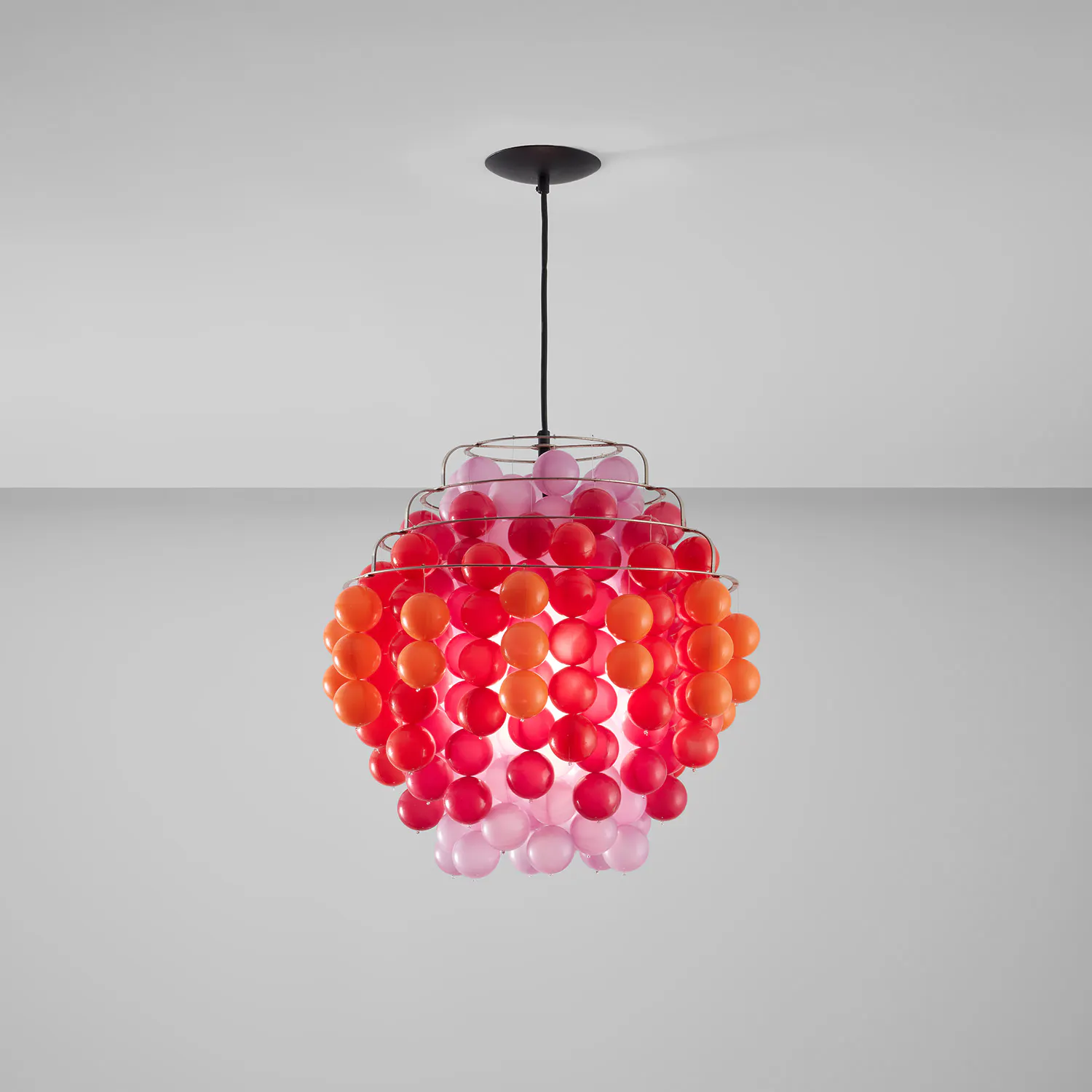
Pop design embraced strong colors and psychedelic patterns, while Space Age design explored futuristic forms. Panton was a key figure in both movements, applying these ideas to furniture, lighting, wallpaper, and textiles, often combining them in unified concepts. Examples include the Cone Chair (1958–60) and the Ball Lamps (1969/70). One of the lamps set the current auction record for Panton at Christie’s in 2007, selling for $193,000.
Want more articles like this straight to your inbox? Subscribe to our free newsletter!
5. He designed complete interiors
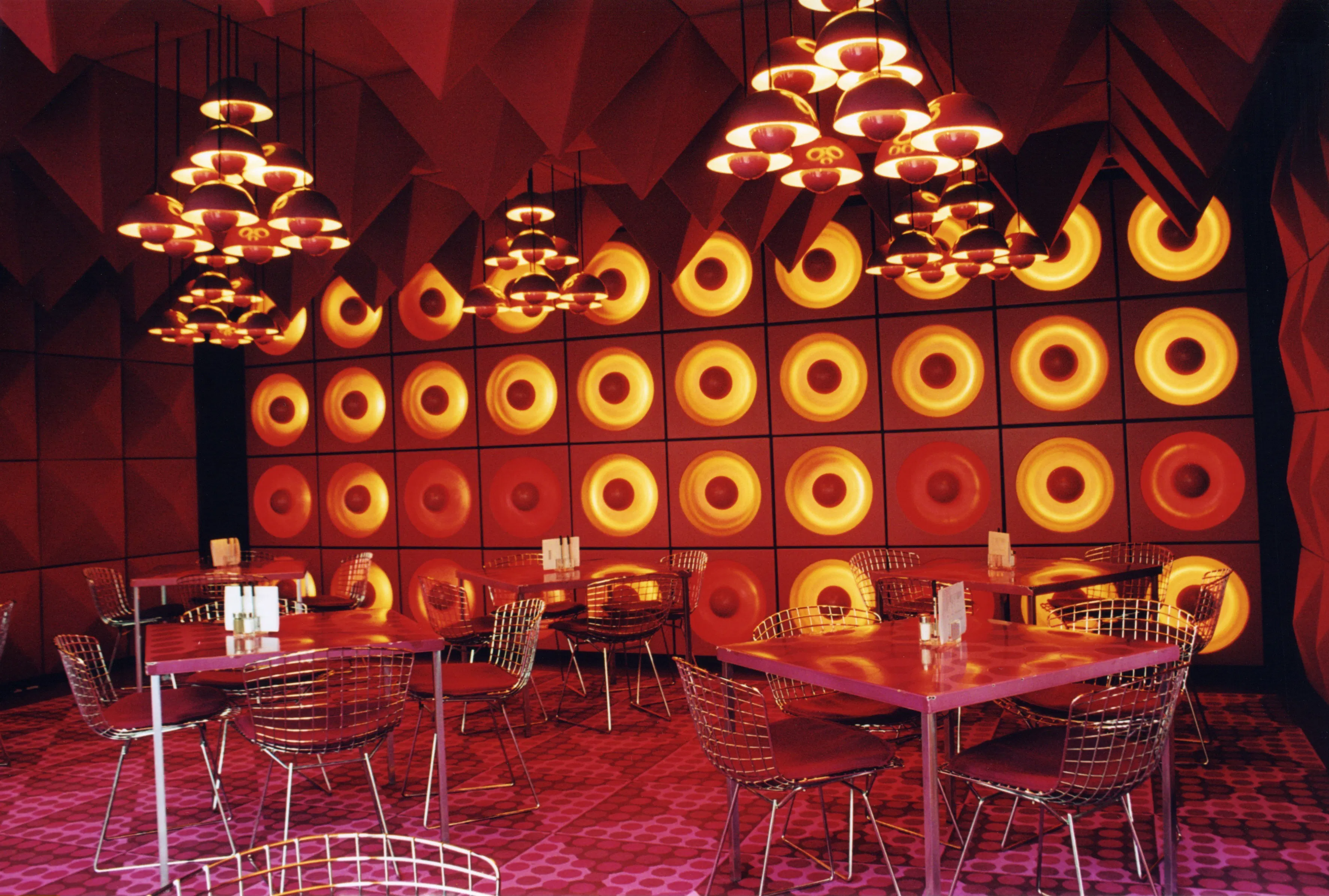
Color played a central role in Panton’s work, and he explored color psychology from an early stage. This approach shaped his concept of Total Design, in which he created entire environments that integrated furniture, lighting, and spatial effects into a cohesive whole.
Notable examples include the Hotel-Restaurant Astoria in Trondheim (1960); Visiona I and Visiona II (1968 and 1970), two excursion steamers designed for Bayer during the Cologne Furniture Fair; the Spiegel publishing house in Hamburg (1969); and the Varna restaurant in Aarhus (1971).