1. A match made in heaven
Did you know that the foundation of Maison Van Cleef & Arpels is love? It all began in 1895 when Estelle Arpels, the daughter of a gemstone dealer, married Alfred Van Cleef, the son of a stone cutter, in Paris. From the very beginning, love has been at the heart of the Maison, serving as a constant source of inspiration.
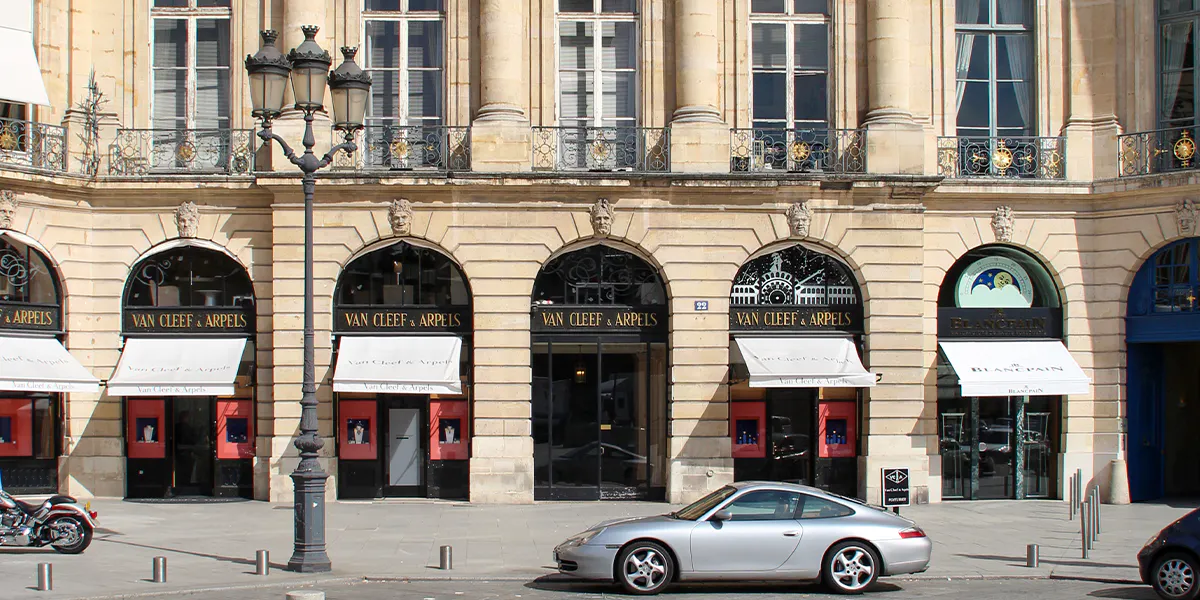
A few years later, in 1906, Alfred joined forces with Estelle’s brothers, Claude and Julien, to establish the Van Cleef & Arpels boutique at 22 Place Vendôme—an address synonymous with luxury and elegance, and the Maison’s home to this day.
See also: The 9 Most Popular Jewelry Brands
2. Royal clients
Van Cleef & Arpels quickly attracted an illustrious clientele, thanks to the exceptional craftsmanship and uniqueness of its creations—even royalty were among its patrons. For example, King Edward VIII ordered three extraordinary pieces in 1936 for the 40th birthday of his great love, Wallis Simpson. Over the years, more pieces were created, and Edward, who became known as the Duke of Windsor after his abdication, frequently met with the creative minds at the Maison to help design the jewels. The Duchess of Windsor, on the other hand, is said to have championed the legendary Zip Necklace, designed by Van Cleef & Arpels in 1938 and perfected in 1950. This masterpiece of jewelry, with a zipper as its central element, can be worn as a necklace when open and as a bracelet when closed.
See also: Crown Jewels: 5 Times Royal Jewelry Made Auction Headlines
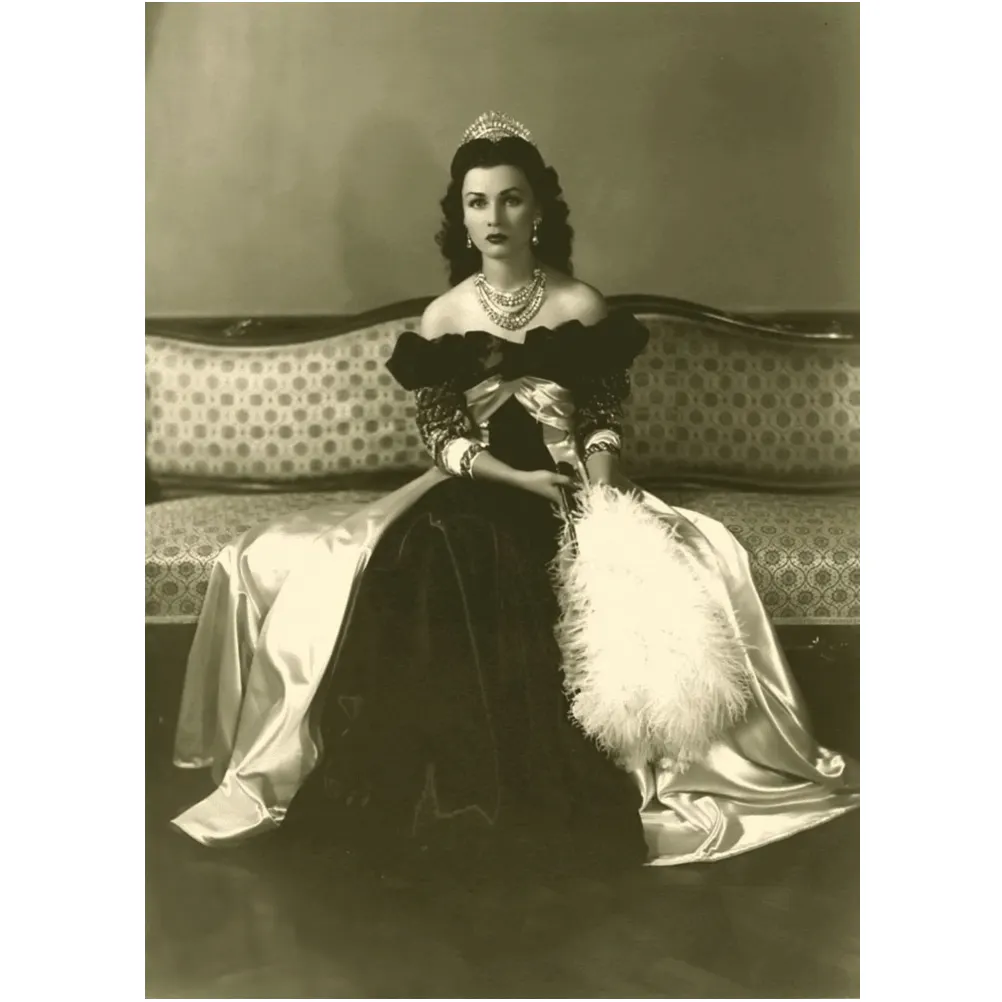
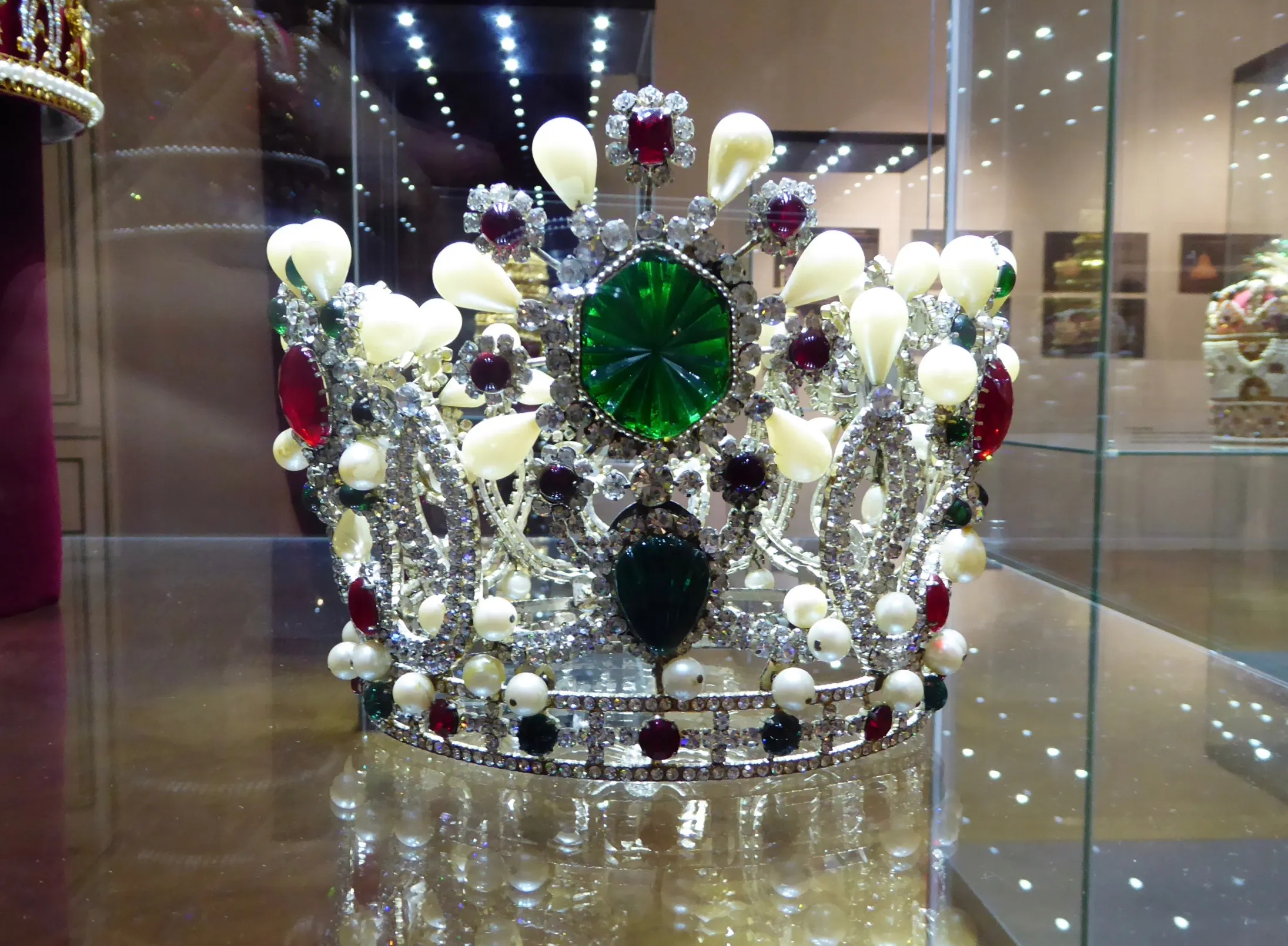
In 1939, when Princess Fawzia of Egypt married Persian Crown Prince Mohammad Reza Pahlavi, Van Cleef & Arpels was commissioned to create several exquisite pieces, including a tiara and a necklace for the bride, as well as jewelry for her mother, Queen Nazli of Egypt. Though the marriage ended in divorce in 1948, Mohammad Reza Pahlavi, who had become Shah of Iran in 1941, remarried in 1959, wedding Farah Diba. Their coronation in 1967 marked a historic moment—the first time a Persian ruler’s wife was also crowned. As no corresponding crown existed, the royal family once again turned to Van Cleef & Arpels. However, since the new crown had to be set with jewels from the Iranian Crown Jewels, which could not leave the country, Van Cleef & Arpels’ jewelers traveled to Iran to complete the work on-site.
See also: History's Most Famous Engagement Rings
In 1956, Grace Kelly received a jewelry set from Van Cleef & Arpels as a wedding gift from Prince Rainier III of Monaco. Shortly thereafter, the Maison was appointed as the official jeweler to the Monegasque royal family.
3. Ballet as a source of inspiration
In the early 1940s, Van Cleef & Arpels introduced the first creations inspired by ballet with the Ballerina brooches. This marked the beginning of a new tradition, which is still present in the Maison’s collection today.
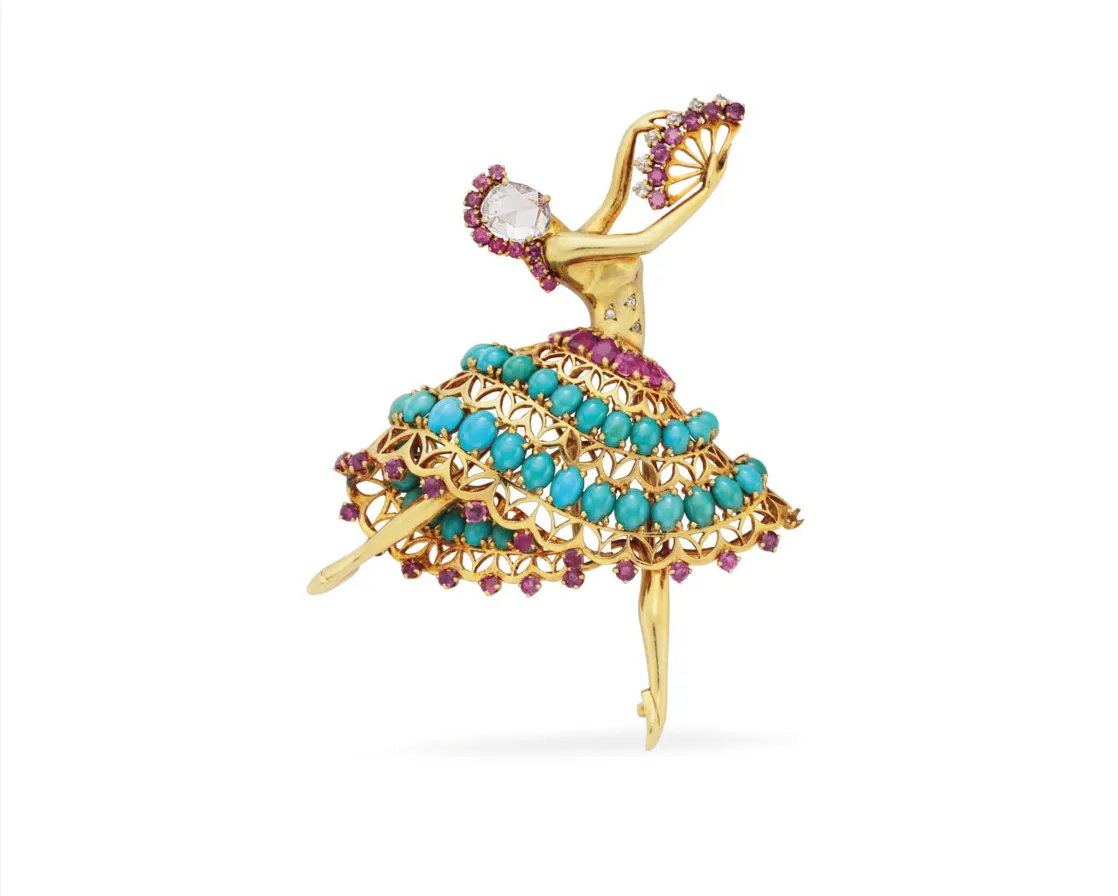
Since 1940, Van Cleef & Arpels has maintained a permanent presence on Fifth Avenue in New York, with its first management entrusted to Claude, the son of Julien Arpels. In the mid-1960s, Claude Arpels met George Balanchine, co-founder of the New York City Ballet, sparking the idea for Jewels—a ballet inspired by emeralds, rubies, and diamonds. The production premiered in 1967.
See also: Collecting Opera and Ballet in Art
4. The opera diva and her jewels
**"Though Ganna Walska dreamed of becoming a celebrated opera singer, she became better known for her glamorous private life. Married six times—including twice to wealthy American socialites—she amassed an impressive jewelry collection, with Van Cleef & Arpels among her preferred jewelers.
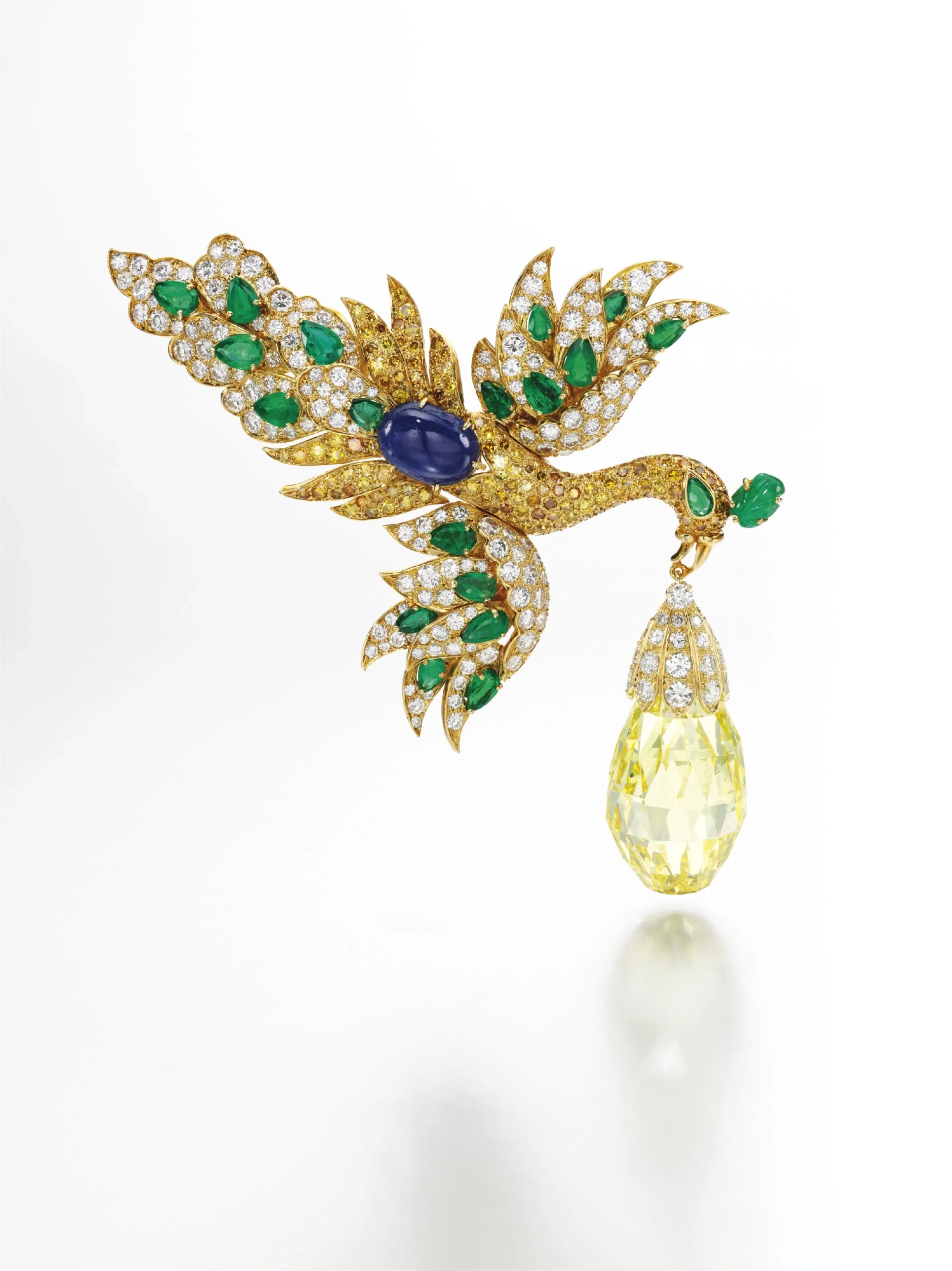
In 1971, Walska auctioned much of her collection at Sotheby’s in New York. Among the pieces was a striking 96.62-carat yellow briolette-cut diamond, which she had previously worn on a long sautoir necklace. Van Cleef & Arpels acquired the diamond and, the following year, transformed it into an extraordinary brooch at the request of a prominent American collector seeking a gift for his wife.
The resulting creation, known as the Walska Briolette Diamond Brooch, takes the form of a bird—likely a phoenix—holding the yellow diamond in its beak. Ingeniously designed, the diamond is detachable, while the bird’s diamond, emerald, and sapphire-adorned body offers versatility: its wings can be worn as earrings, and its tail feathers as a separate brooch.
In 2013, this masterpiece achieved the highest auction price ever for a Van Cleef & Arpels creation when it was sold at Sotheby’s in Geneva for nearly 10 million Swiss Francs.
Want more articles like this delivered straight to your inbox? Subscribe to our free newsletter
5. Mysterious, mysterious!
Throughout its long history, Van Cleef & Arpels has created numerous iconic designs, from its whimsical animal clips to the legendary Alhambra necklace. However, its most groundbreaking innovation—the true hallmark of the Maison’s craftsmanship—is the Mystery Set. This highly intricate technique renders the metal settings of gemstone-encrusted pieces completely invisible, creating a seamless surface with a velvety radiance.
See also: How Van Cleef & Arpels Got Its Four-Leaf Clover
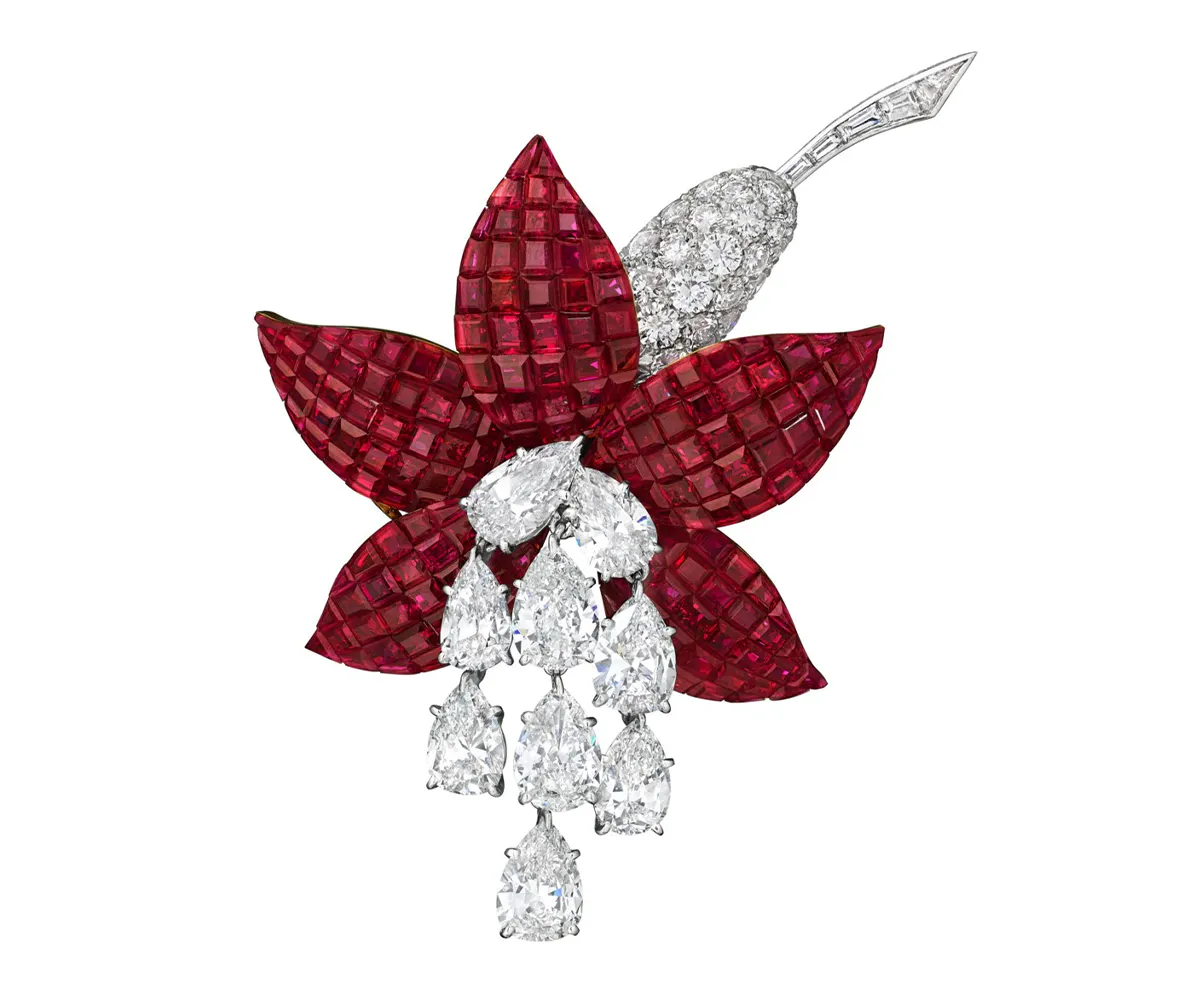
While several prestigious jewelers, including Cartier and Boucheron, experimented with similar methods in the early 20th century, only Van Cleef & Arpels succeeded in perfecting it. The Maison patented the technique in 1933. The Mystery Set is primarily used with rubies and sapphires, as emeralds proved too fragile for the precise cutting process, and white diamonds, being too hard and transparent, could reveal the underlying metalwork.
See also: 5 Facts to Know about Mystery Clocks
Mastering this technique requires extraordinary skill. Cutting each stone to fit precisely within the invisible setting is an art in itself—so intricate that only a handful of expert gem cutters in the world are capable of executing it.
For over a century, Van Cleef & Arpels has captivated the world with its innovation and artistry, cementing its place as a cornerstone of haute joaillerie and continually enchanting us with each new collection.