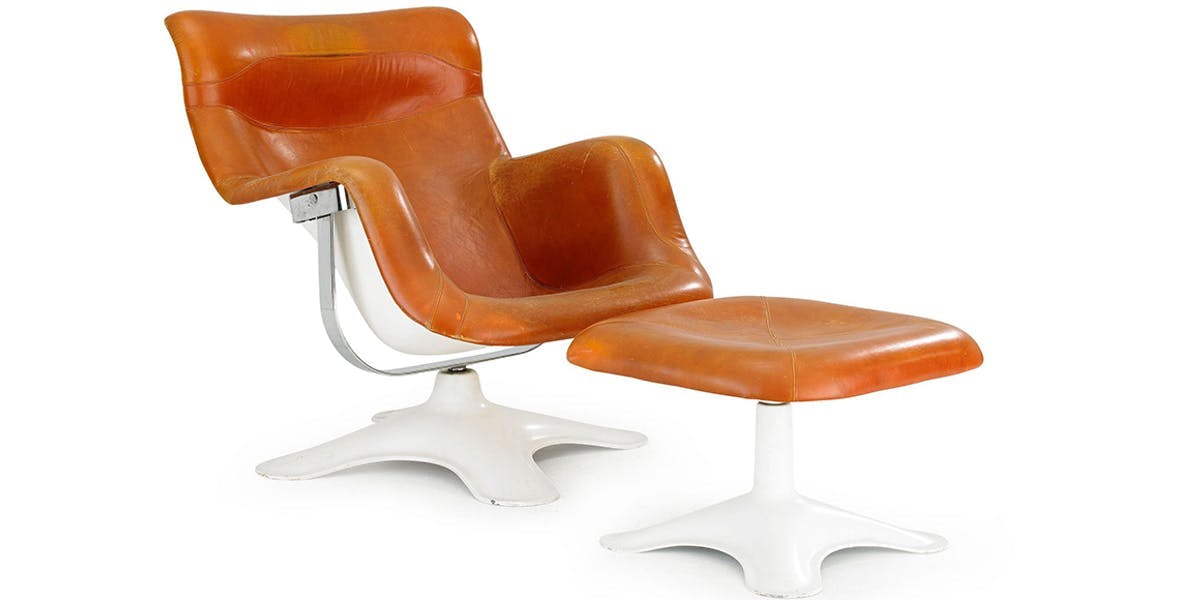
One early morning in 1964, director Gunnar Haimi walked uneasily around a shop in central Helsinki. How would he, in a delicate way, tell interior designer Yrjö Kukkapuro that his new futuristic armchair prototype was awful?
And then the first customer of the day rushed in through the door. He took one lap of the store, dropped into the Karuselli armchair, spun a few laps and said, "Well, I'll take one of these.”
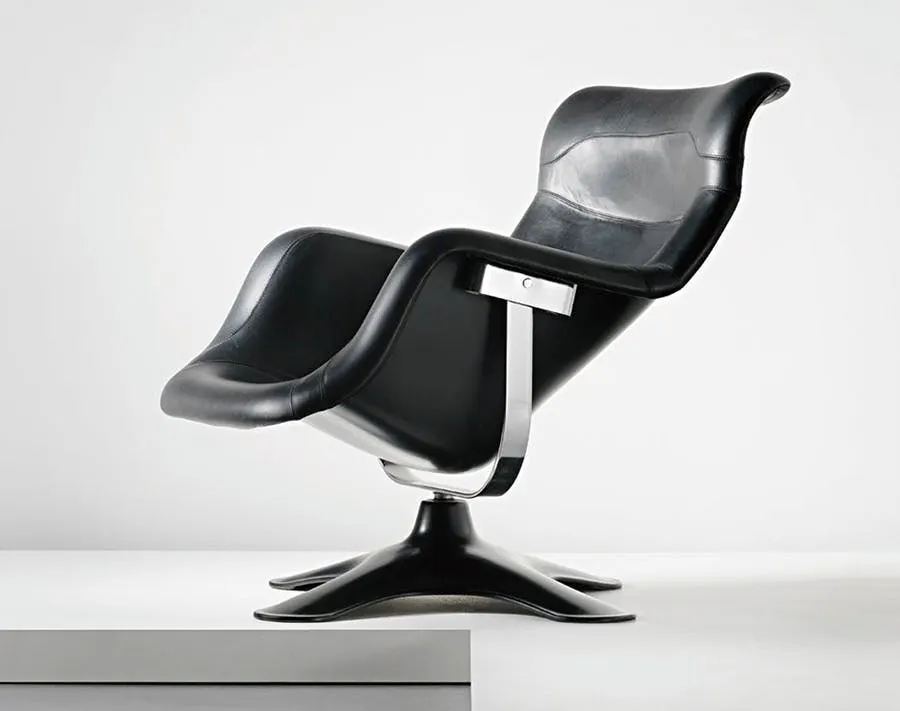
Karuselli was thus approved and the world became enriched by one of the finest armchairs ever created. The armchair has since been named the world's most beautiful by the New York Times, is on display at The Victoria and Albert Museum, and is one of the greatest design classics of our time, acclaimed by, for example, Sir Terence Conran – who traveled to Finland in the 1960s and asked to have the chair under license in England. By the way, did we mention that it was in a Karuselli that Marcel Breuer wanted to sit, where he would thus become immortalized?
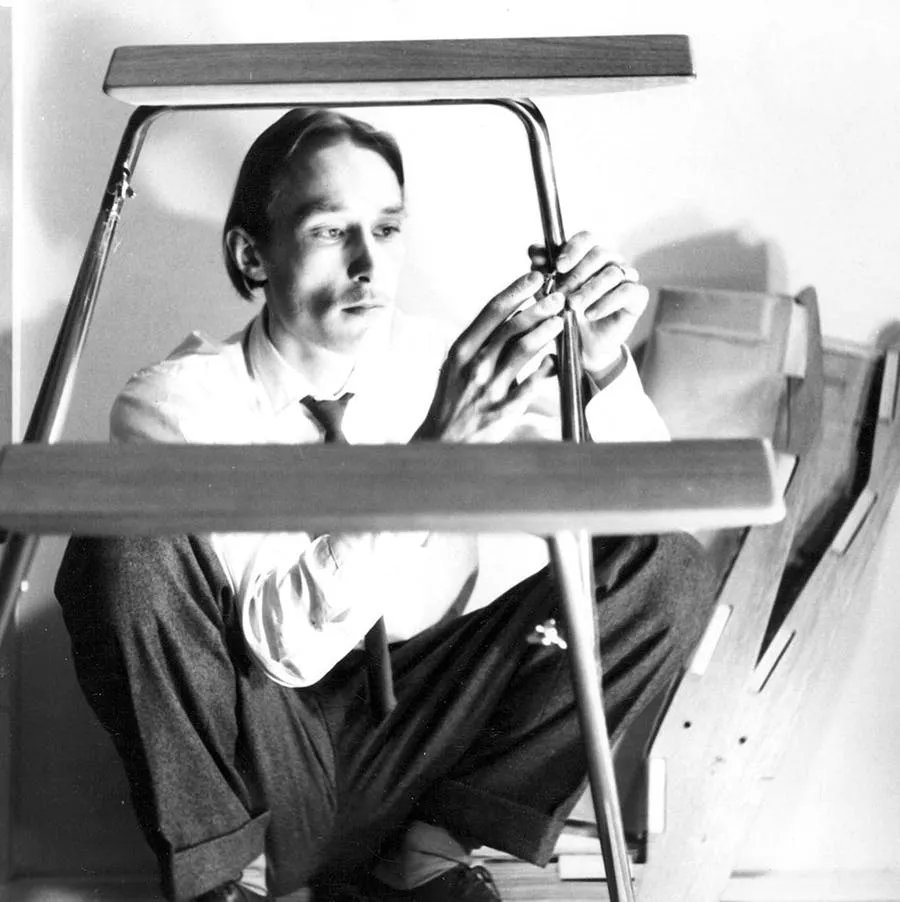
There are two stories about how Kukkapuro got inspired to design the armchair, one version for friends and one for parents: when he made snow angels with his daughter Isa; alternatively when, after a vodka odyssey, he sat in a pile of snow and felt it form around his body. No matter which version is true, the work was thus created, and it took Kukkapuro four years to develop the prototype.
See also: Alvar Aalto: A Finish Hero
The Danish designer was born in Viborg, in Karelin in 1933, and broke through the industry when one of his chairs was hand-picked for the exhibition Future Home in 1957. The exhibition also made his collection Moderno successful – not bad for a second year student at the Art Industrial College. The curator of the exhibition Antti Nurmesniemi is said to have remembered the young designer well.
Kukkapuro says in the book Designer:
I had Alvar Aalto and the teacher Ilmari Tapiovaara as role models – but my armchair was something new, I had already found a style of my own.
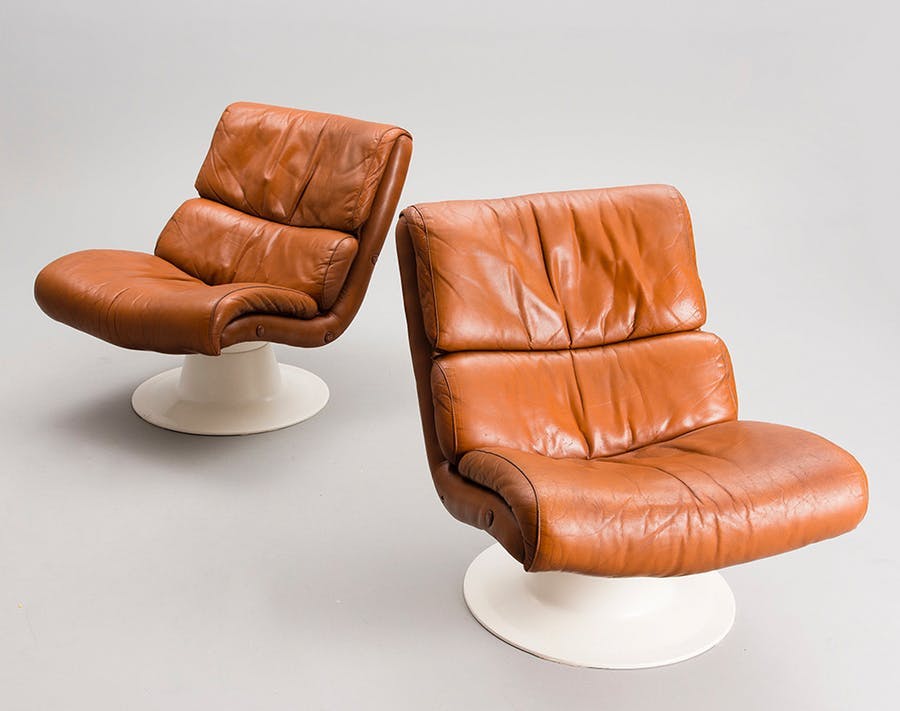
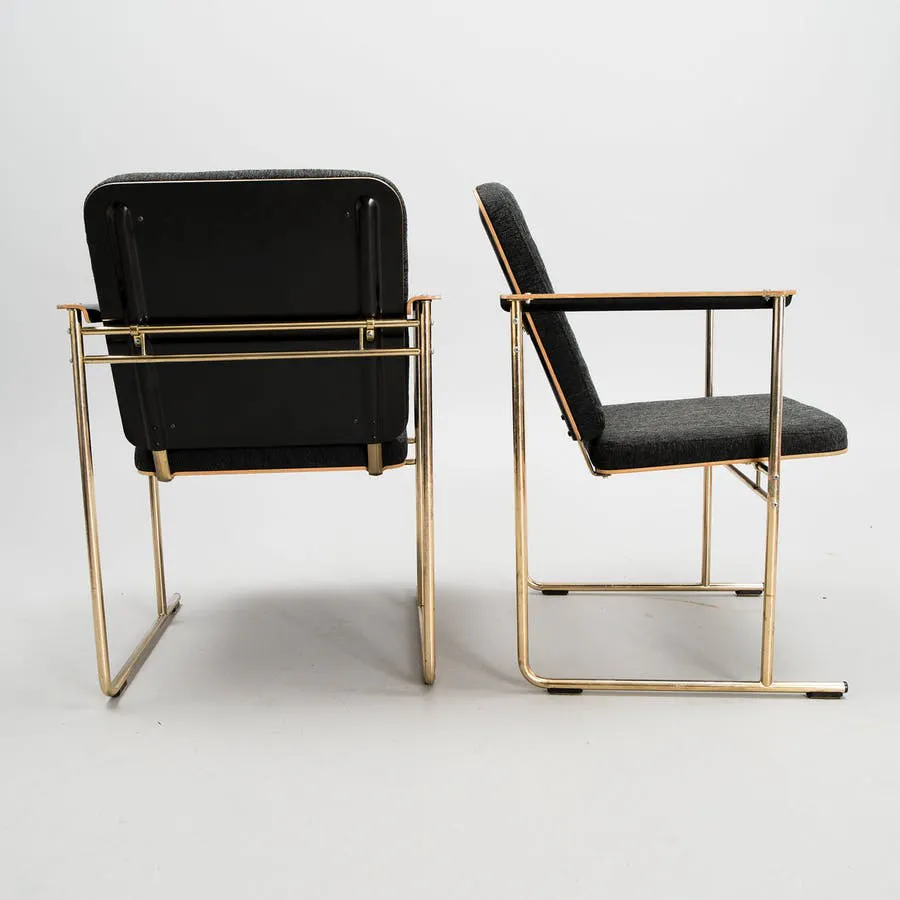
As well as Karuselli, Kukkapuro created the plastic series Saturn, the leather and steel chairs Skaala and Remi, and an Atelje series with a wooden base. Often Kukkapuro started with the largest variant in the family and continued to work towards smaller sizes.
See also: Josef Frank: The Definition of Modern Swedish Design
He continued working in the space age studio he and his wife (Graphic artist Irmeli Kukkapuro) had made outside Helsinki in the late 1960s, and in addition to assignments for Haimi, Kukkapuro eventually became principal designer at Avarte. The barren colors and round shapes of this era can be seen across his furniture, whether they were made for private or public environments.
I'm medium, have short legs and a long back – I test the chairs and they are comfortable for me; they fit almost all types of bodies.
When it came to design, ergonomics was most important for Kukkapuro – a lecture on the Swedish Åkerbloms chair and its perfect seated curves became an eye opener early on. According to Kukkapuro himself, his own physique was a big reason for the chair’s successes. "I'm medium, have short legs and a long back – I test the chairs and they are comfortable for me; they fit almost all types of bodies," he once said.
To create the "most comfortable chair in the world", Kukkapuro sat down in a thin metal net and let his shoulders, back and neck imprint it. When he was done with the mesh model he attached it to a steel pipe frame and covered it with sackcloth moistened with plaster. He had seen pictures of Saarinen and Eames Fiberglass chairs in magazines and was amazed at their formability. When he saved enough money, he laminated a Fiberglass shell; the armchair was dressed in leather, hung on a metal frame, got a spinning foot and the essence of reclining modernism was revealed: function, form and material in harmony.
See also: Arne Jacobsen: The Father of Danish Functionalism
After the launch at the furniture fair in Cologne in 1965, no one needed to be convinced about the greatness of plastic, and Kukkapuro thenceforth worked exclusively with the material for ten years. Karuselli is today sold by Artek and is becoming more and more common at auction – people should, however, search specifically for the Finnish master's custom-made furniture, found internationally.