
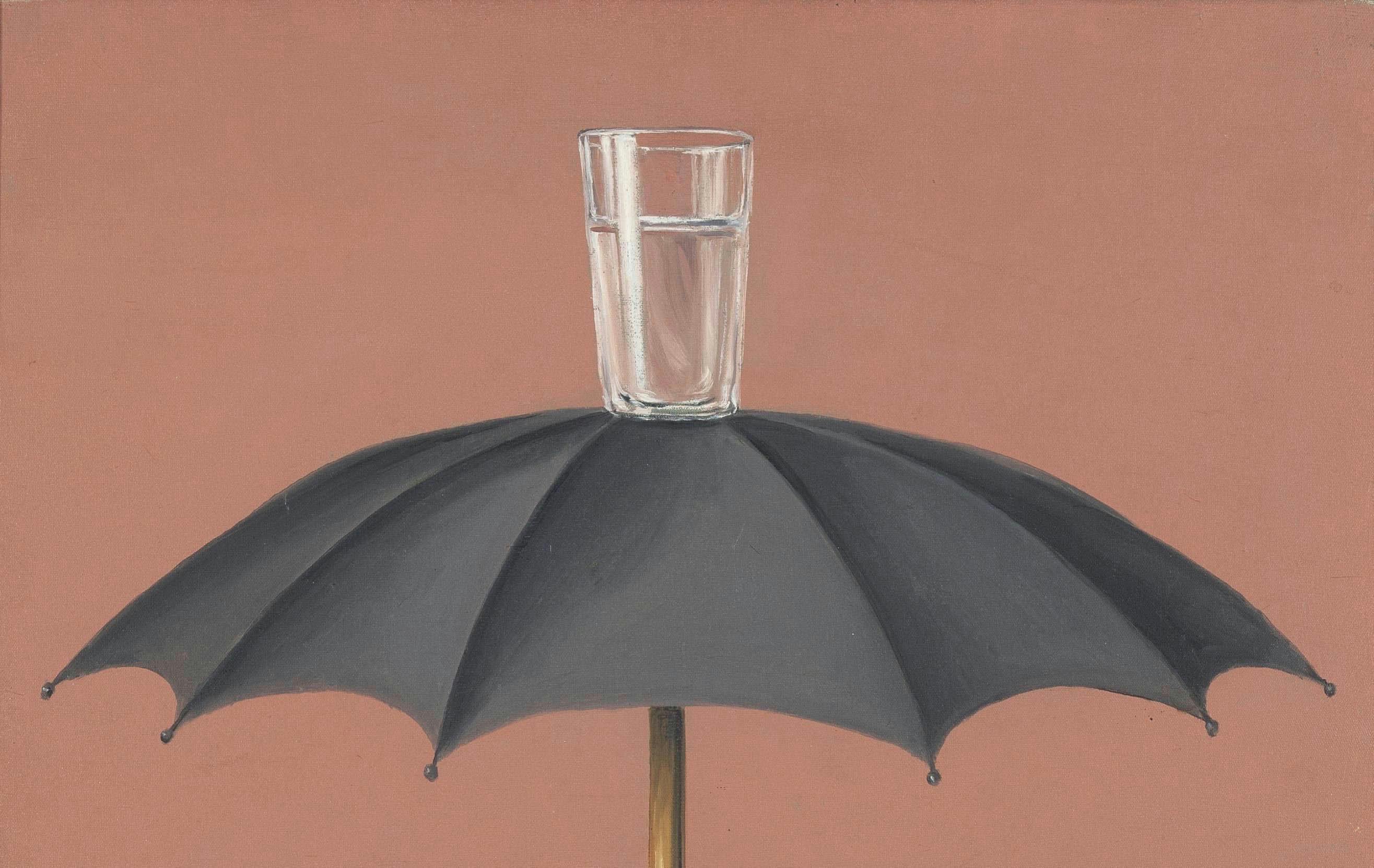
“As beautiful as the chance encounter of a sewing machine and an umbrella on an operating table.” – Comte de Lautréamont, Les Chants de Maldoror, 1868-69.
Representing the dislocation and distorting of reality, this quote, along with Lautréamont’s novel, went on to become one of the main sources of inspiration that influenced the birth of Surrealism. A radical and provocative movement in art history, here we explore its many facets, including its icons and masterpieces.
Psychoanalysis and taboos
Acknowledging the subconscious and investigating our most inner thoughts, known as psychoanalysis, was a fairly new practice at the start of the 20th century.. The Austrian psychologist Sigmund Freud famed the practice with his writings, which focused on the subconscious mind of his patients.
As beautiful as the chance encounter of a sewing machine and an umbrella on an operating table
By challenging rational thought through psychoanalysis, taboos surrounding sex, religion and desire began to break down as conventional ideas were pushed into widespread discussion. As the dispute regarding social normalities began to brew, the mind became the main source of inspiration for artists.
André Breton and The Surrealist Manifesto
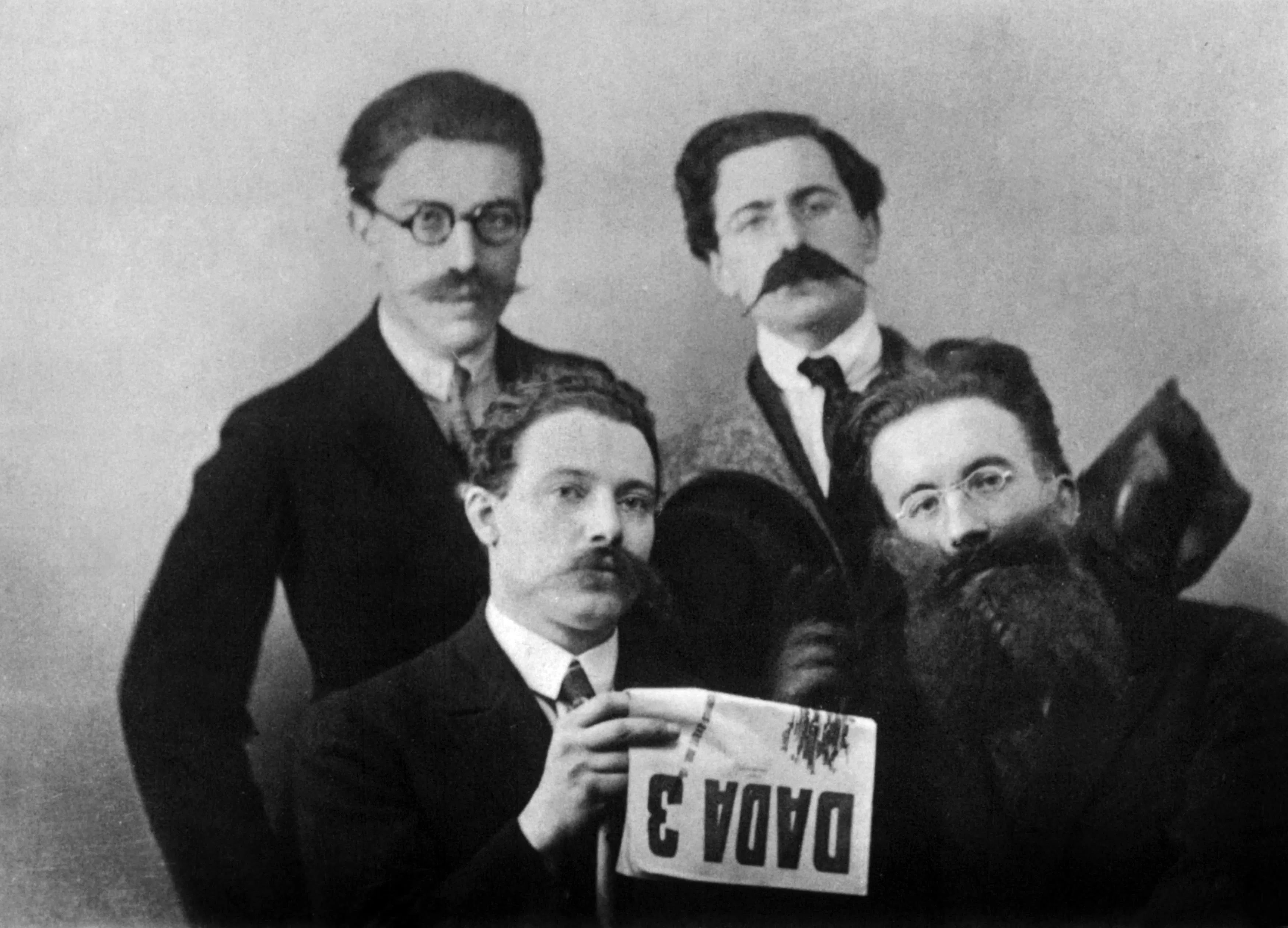
André Breton is respectively regarded as the pioneer of the Surrealist movement. Breton was a poet and a writer, of which his most notable works include the Surrealist Manifesto, published in 1924. For Breton, Surrealism was, above all, a revolutionary movement by how it defied social norms through its defiance against rationality in reality. It became a subversion from the conventionality in art, drawing ties with the philosophical idea of ‘art for art’s sake’.
See also: Francis Bacon: The Life and Work
His manifesto established the main principles of Surrealism, highlighting, in particular, the notion that dreams and the subconscious were the primary sources for Surrealist inspiration. Later on, this manifesto inspired the renowned Surrealist artists whose work still alludes and transcends today.
Ceci n’est pas une pipe
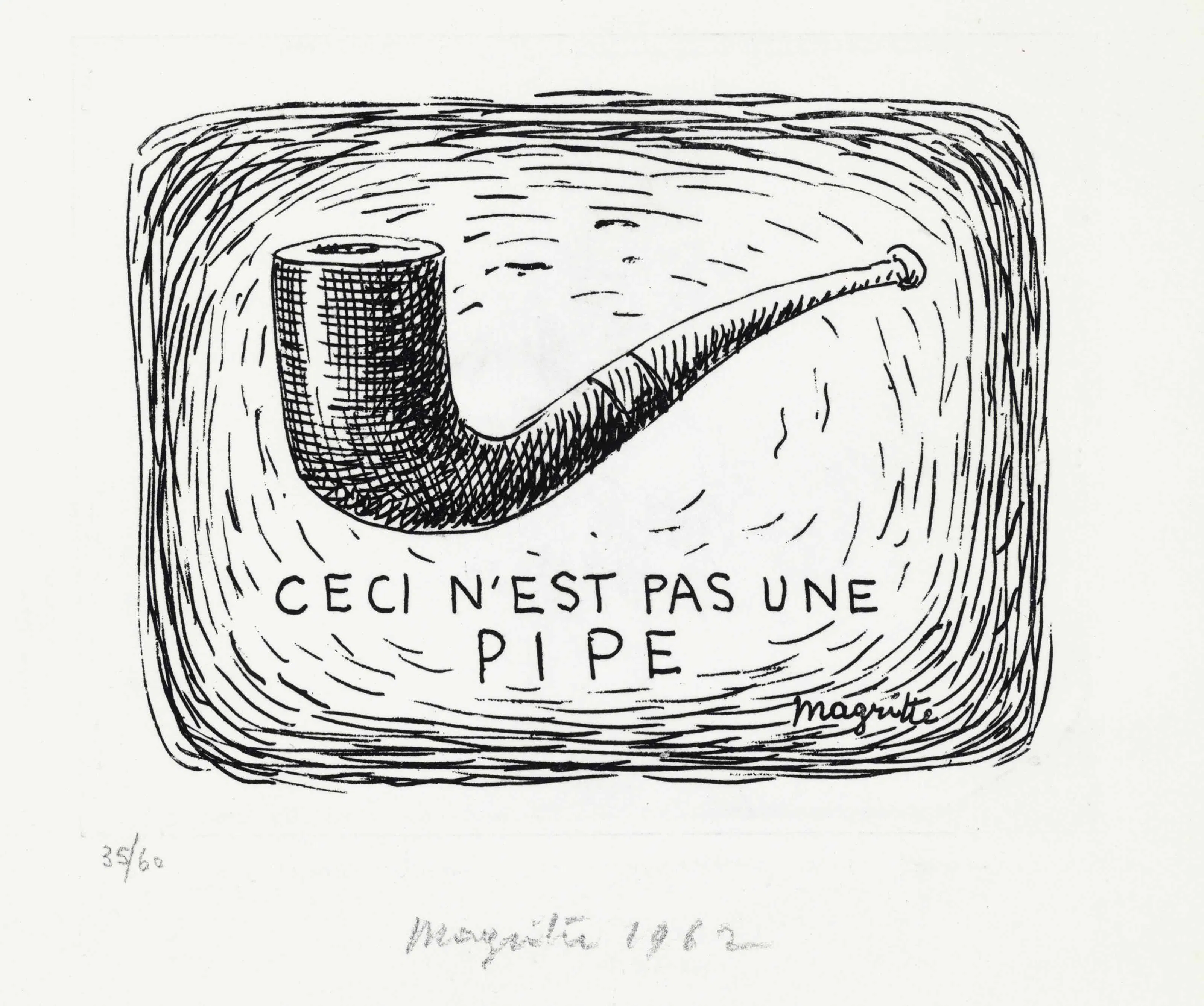
René Magritte’s iconic image of a pipe above the words ‘Ceci n’est pas une pipe’, meaning ‘this is not a pipe’, is as provoking as it is fascinating. Magritte’s The Treachery of Images, 1928-29 (also known as This is Not a Pipe), characterizes the surrealist discipline that challenges our perception of conventional thought. The juxtaposition of elements and words that together make no rational sense evokes a sense of uncertainty of our own understanding of reality.
See also: The Surrealist Ceramics of Wifredo Lam
Magritte was a Belgian artist and became a leading member of the Surrealist movement in Paris in the late 1920s. His artistry is best known for its wit and irrationality and, above all, embodies the dream-like qualities of the Surrealist dimension.
Dalí and the lobster

Salvador Dalí is a name that defined Surrealism and is the most well known of the Surrealist artists. His artistry is characterized by puzzling imagery and deformation of subjects and objects, which together create a chaotic, nonsensical scene.
See also: Abstract Art: From Genre to Movement
One of Dalí’s most famous artworks (and probably one of the simplest) is Lobster Telephone (1936), which denotes a sexual connotation through the eyes of the artist. With Dalí’s frequent association between food and sex, the lobster, in particular, is supposedly an erotic feature of this artwork as the lobster’s tail, where the sexual organs are located, is placed over the telephone’s mouthpiece.
The intimate placement of completely unrelated objects that often reveal a hidden connection, much like a dream, is a common depiction in Surrealism.
The woman who created her own Surrealism
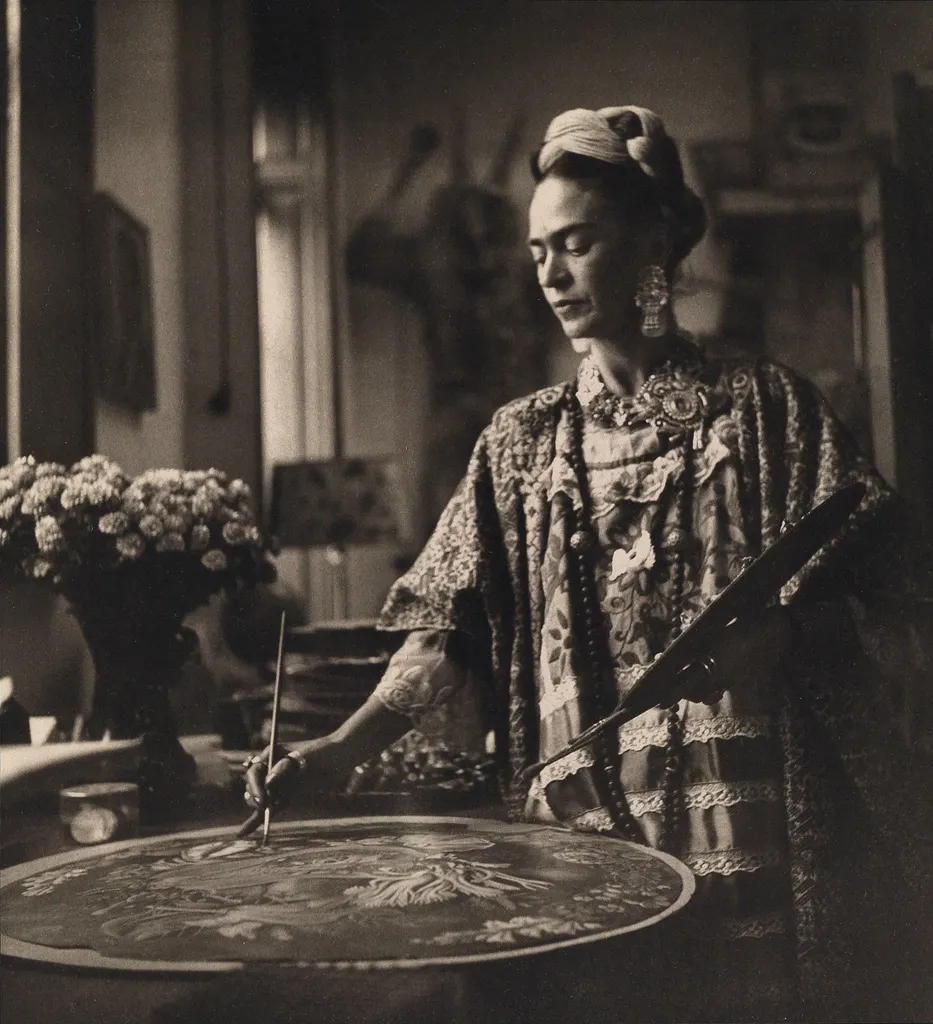
Frida Kahlo’s work was greatly influenced by Mexican folk culture but also had a Surrealist element to it. When Breton met Kahlo in Mexico in 1938, he was immediately drawn to her deeply personal and painful art. He invited Kahlo to exhibit her works in Paris, which eventually even led to the Louvre purchasing her painting The Frame (1938). The show itself was not very successful due to the Second World War, and Kahlo disagreed with Breton’s decision to exhibit her works next to the photographs of Manuel Alvarez Bravo and other Mexican folk art, which she described as “junk”.
See also: The True Story Behind Frida Kahlo's Iconic Style
Breton strongly believed that Kahlo was a Surrealist artist who invented her own movement, but Kahlo never wanted to be included into this group of artists as she once said that she “detested Surrealism” and that it was “bourgeois art”.
‘Assassination of painting’
Joan Miró is one of art history’s, and Surrealism’s, most renowned names. His work converses with the idea of revolutionizing the art world through the so-called ‘assassination of painting’, wherein his abstract forms and incongruous imagery convey the abandonment of conventionality in fine art.
See also: André Masson: Risk Taker
Under the influence of the Surrealists in Paris and by joining the group formed by Breton, Miró’s most iconic pieces were created.
His Birth of the World (1925), where the artist’s process consisted of splattering paint onto the canvas to create the erratic and unsettling background, depicts a playful representation for the beginning of life. Miró then applied the various motifs, which lack any association whatsoever, to form a consistently illogical masterpiece.
Surrealism in photography
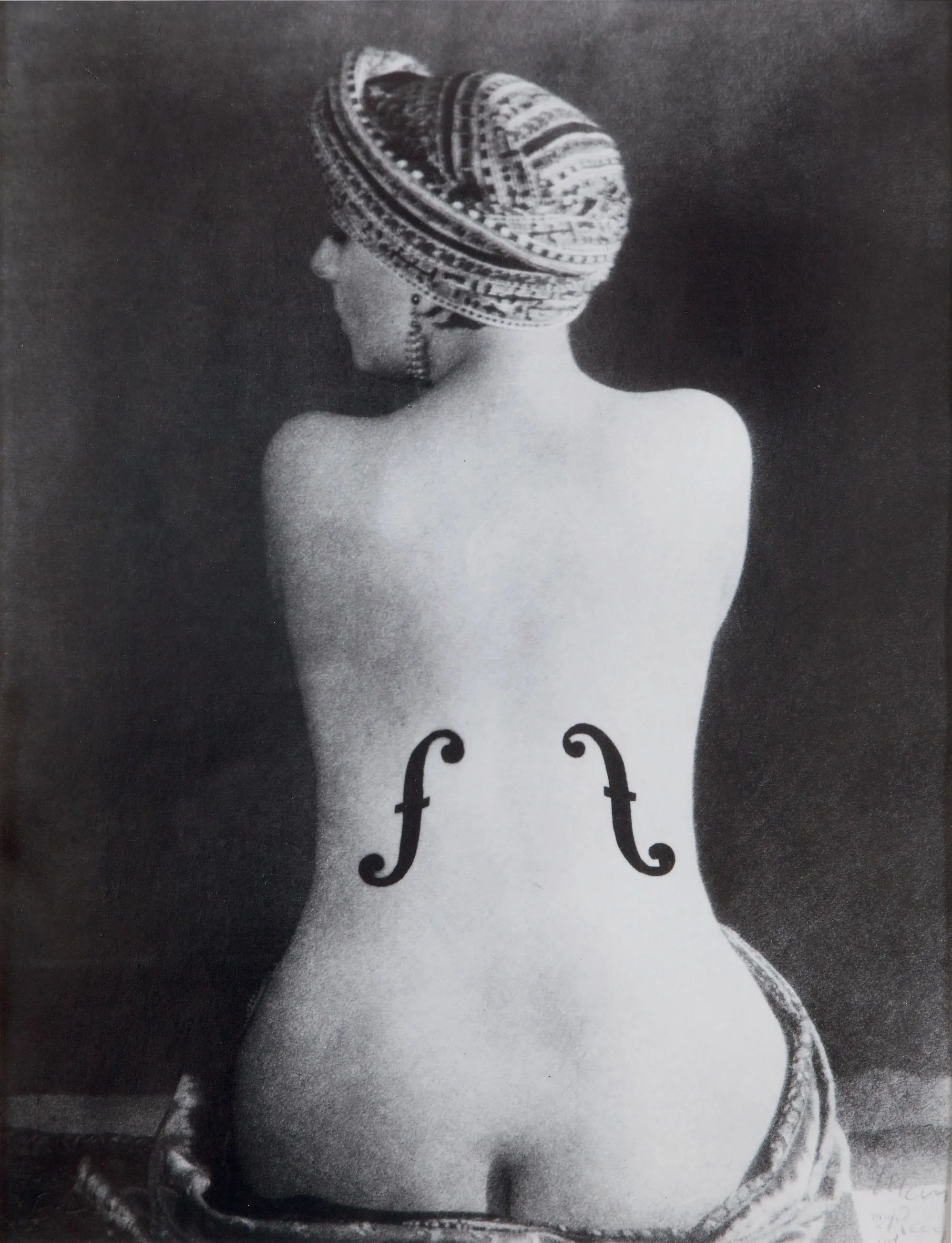
Man Ray is also an iconic name associated with the Surrealist movement, and is best known for his Surrealist photography. Having moved from the United States to the artists’ district of Montparnasse in Paris, he too became associated with the Surrealist movement brewing in the French capital during the early ‘20s.
Le Violon d’Ingres, also a French idiom for ‘hobby’, conveys a witty and playful image of a woman’s back with the two f-holes centered along her spine usually seen on a violin.
The model was, in fact, a muse and lover of Man Ray’s. The metaphorical representation of her body is an intimate portrayal of their relationship with one another, toying with the subconscious realm of inner emotions and desires.
The Surrealists of the 20th century managed to captivate the public imagination by playing with metaphysical ideas and provoking social conducts. The movement’s monumental impact on society was a game-changer for both the art world and modern life.