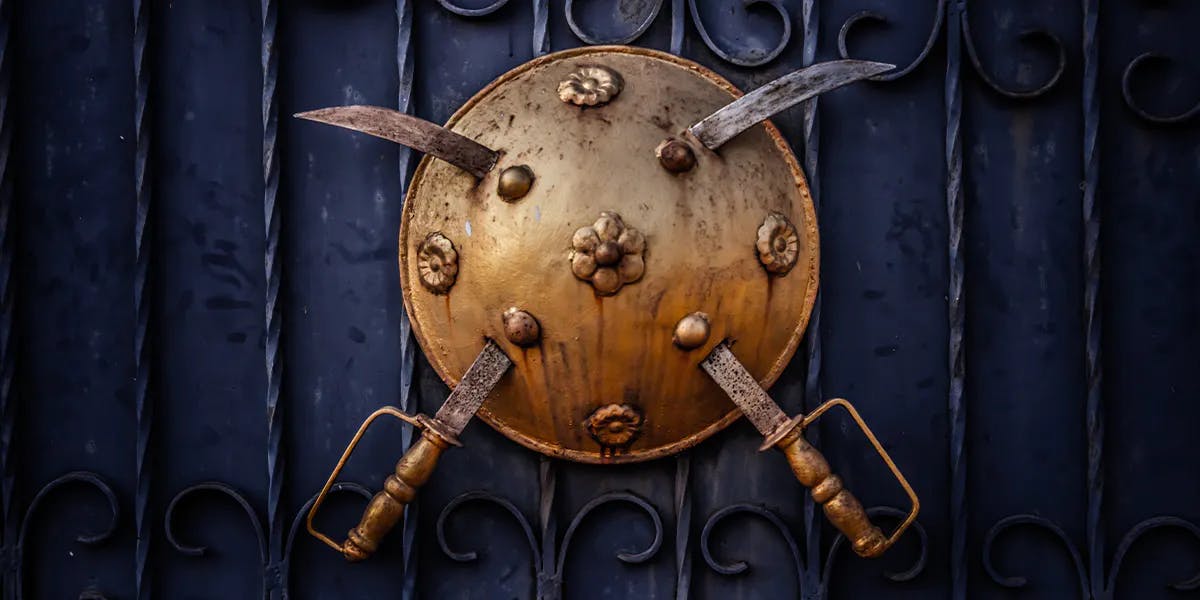
... the helmet and breastplate one wears for his personal safety; while the shield also protects his comrades in line.
A shield (from the Germanic schild meaning to divide) is a protective weapon consisting of a plate of various shapes and materials, used to protect the wearer in combat or for ceremonial purposes.
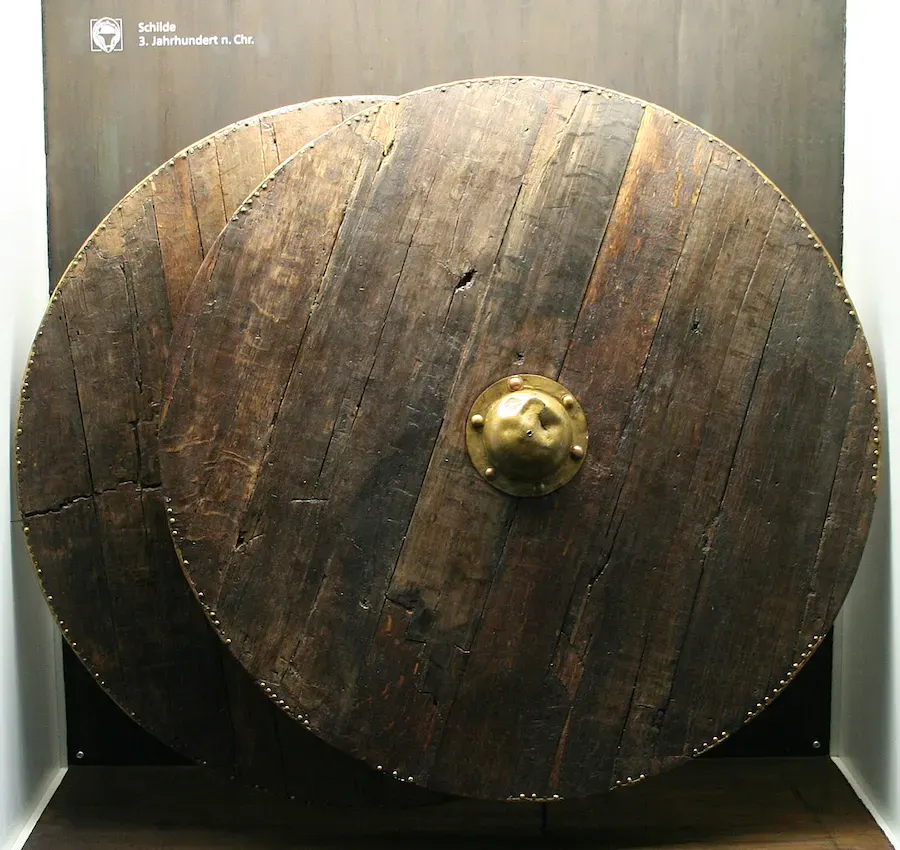
The first material used for the construction of the shields was wood. In ancient times the shields were designed to protect against weapons such as axes, clubs, slings and arrows. Other materials used included animal skins, wicker, woven reeds and tortoise shells. Later on, metals such as bronze and steel also began to be used. During the Middle Ages, poplar, linden or other wood resistant to splitting was used, sometimes covered with leather or raw skin and reinforced with studs or metal bands.
Do you have an item that you would like to have evaluated? Trust in ValueMyStuff!
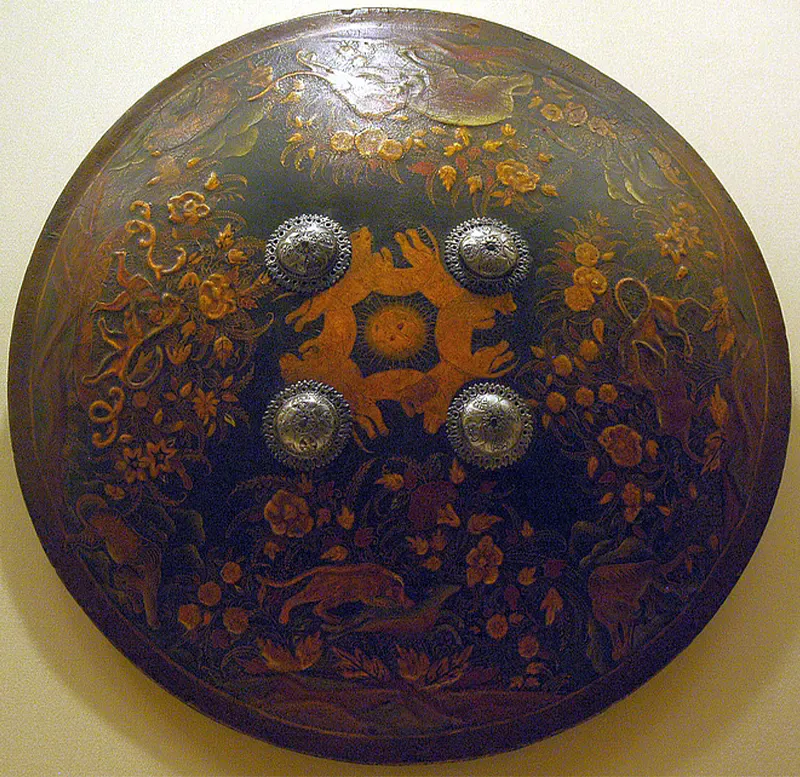
The thickness and shape of the shields, which were supported by a central handle or by straps tied to the arm, varied according to the defense strategy: they could be very large and square when they had to protect against the blows of numerous attacks coming from different directions or small and light if the warrior was involved in a hand-to-hand fight or needed to move quickly. There were also made in a variety of shapes: rectangular, square, round, oval, triangular, and scalloped. Some shields featured a hole for the eyes to protect the face but still allow good visibility.
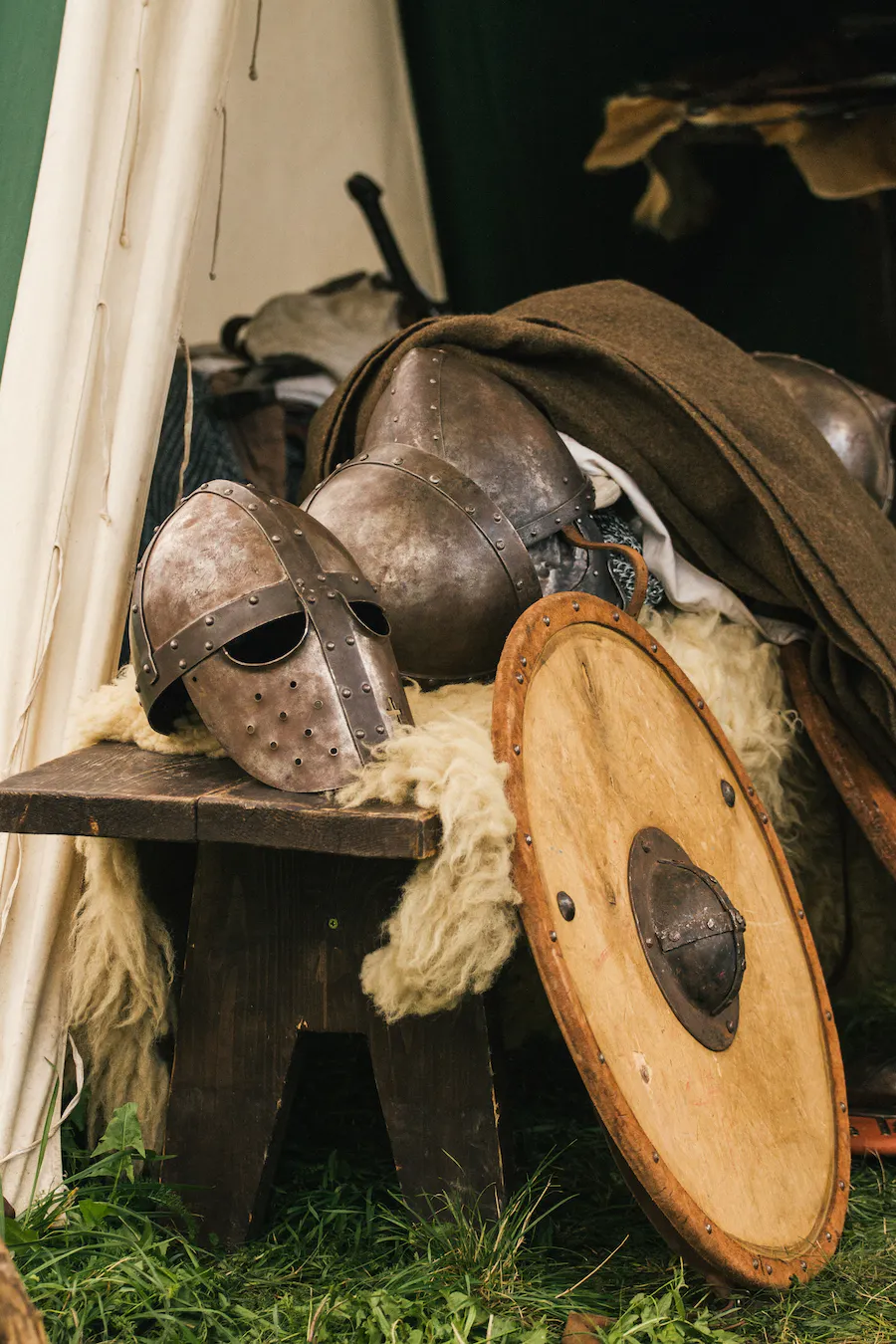
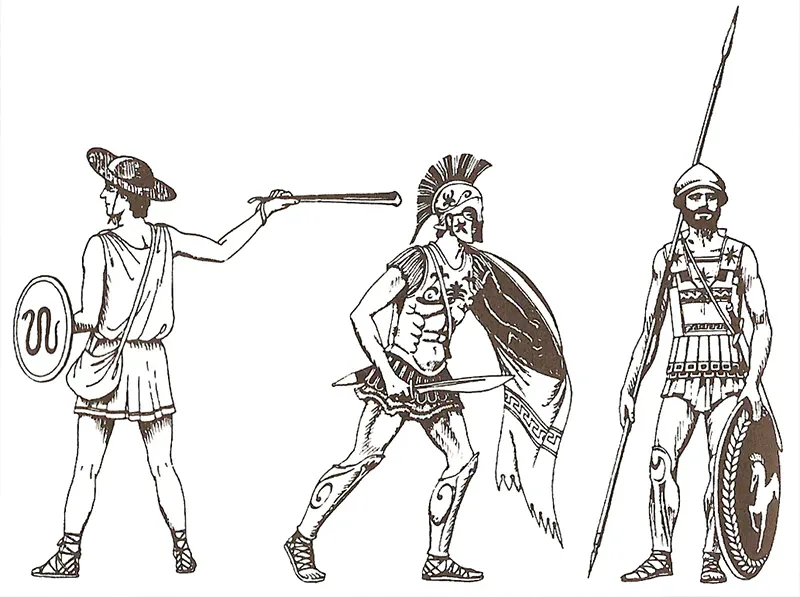
Among the Mycenaean Greeks (1750 to 1050 BC) were used two types of shields made with a wicker structure reinforced with leather: one rectangular "tower" and one "figure of eight". The hoplites, ancient Greek city-state soldiers, used a heavy shield (ἀσπίς, “aspis”) to fight in the so-called "hoplitic phalanx". Soldiers were trained in combat since childhood and learned to march in aligned formation, advancing against the enemy always side by side. In this way they created a huge wall of shields.
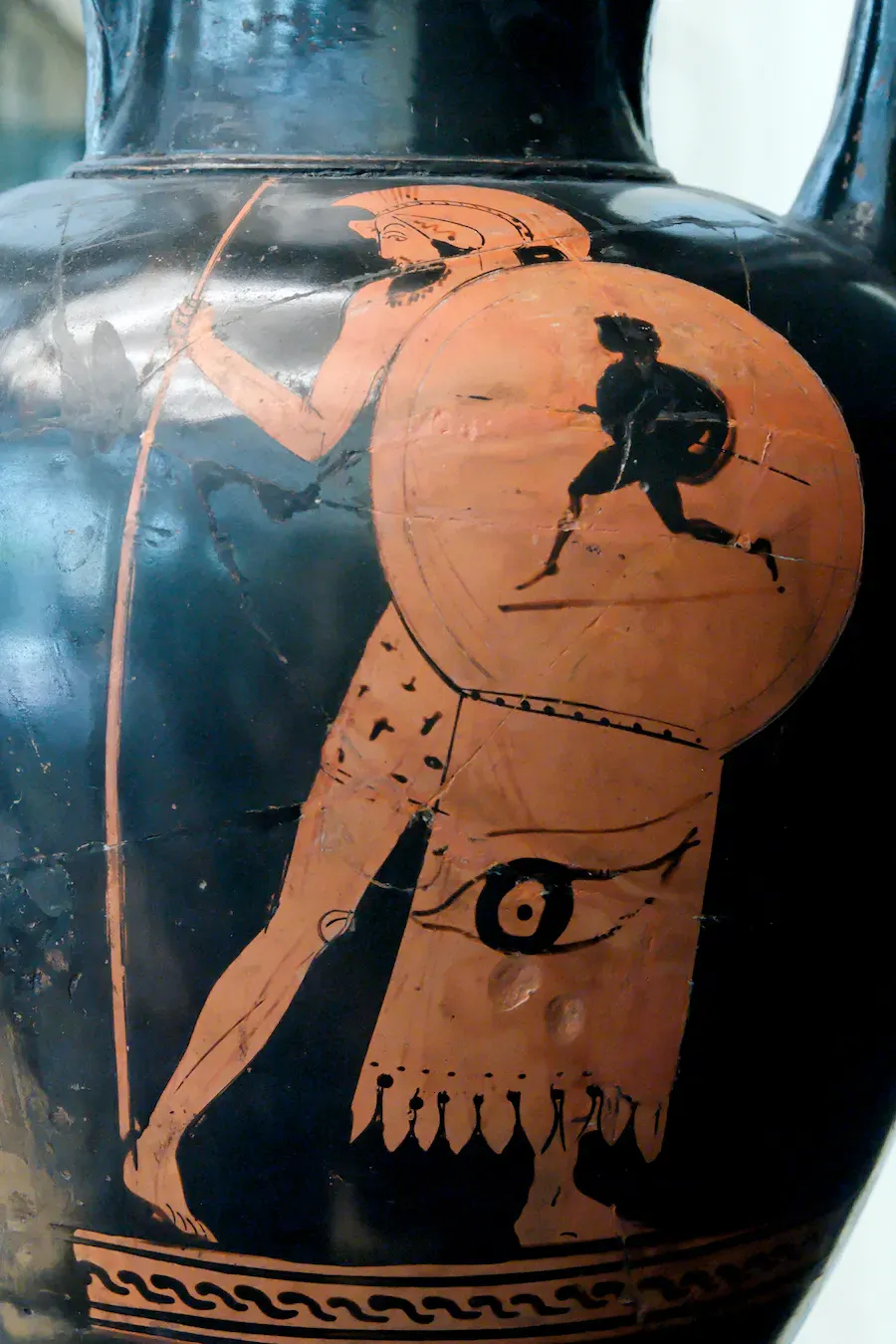
The hoplitic phalanx marched and moved in such a way that each soldier covered with his shield not only himself but also the companion on his right. This tactic, however, resulted in the fact that the left flank of the array was always exposed. For this reason, the best soldiers marched on the right flank of the formation, protecting the most vulnerable. It was a training based on teamwork and a spirit of sacrifice. The phalanx had to be as united as possible, physically and morally, therefore, before each battle. The hoplites ate all together following a strict diet, participated in religious rites and sang sacred songs called "paean".
Similarly to the Greeks, the ancient Romans also used a well-structured system in the deployment of their armies, within which the shield played a fundamental role. The so-called "testudo" (Latin for tortoise) was a formation of considerable complexity, which involved great collective coordination and consisted of entire groups of soldiers advancing next to each other, enclosed in a sort of huge armored box. The shield used was large, robust and rectangular in shape and provided enormous shelter for the troops as they advanced against the enemy, particularly during sieges.
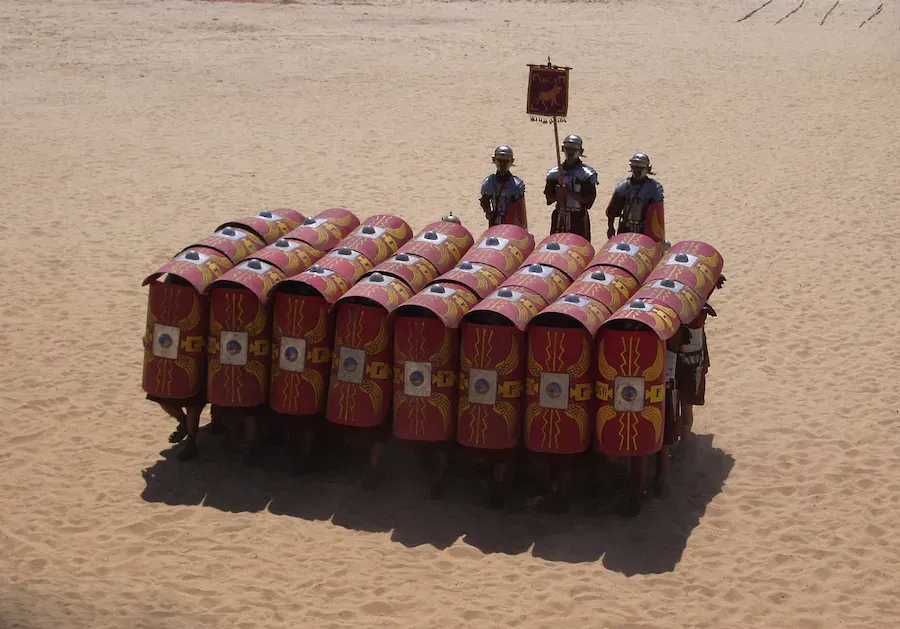
The legionaries of the first row and those positioned on the sides of the array held the shields for frontal protection, while the soldiers further inside, starting from the second row and alternating rows, held the shield raised, in order to provide cover at the top. The result was a compact and almost impenetrable mass that resembled the carapace of a tortoise. In addition to considerable protection, the formation concealed the real number of soldiers from the enemy's eyes, generating a surprise effect. One of the downsides was the fact that, having to advance in perfect sync, the soldiers had no way of moving too fast. However, they could march safely and without fatigue until the lineup was broken to begin the hand-to-hand fight.
Related: Money Talks: Ancient Roman Coins
The shields used by the Roman army changed a lot over time, both in terms of shape, materials and dimensions. At the time of Romulus the shield was round in shape; towards the end of the 5th century BC a convex oval shape was adopted, and the first imperial legions began to favor a rectangular shield bearing the emblems and name of their legion engraved on its surface. The first shields, made of wood, were sometimes covered with bronze plates, which had the drawback of weighing them down. For this reason, some shields were reinforced with copper alloy edges, a lighter material than bronze and reducible to a thinner thickness. Later the use of raw leather was preferred. Shields were sometimes equipped with an umbo, that is a round prominence in the center, which deflected the blows and also served as a recess to house the handle.
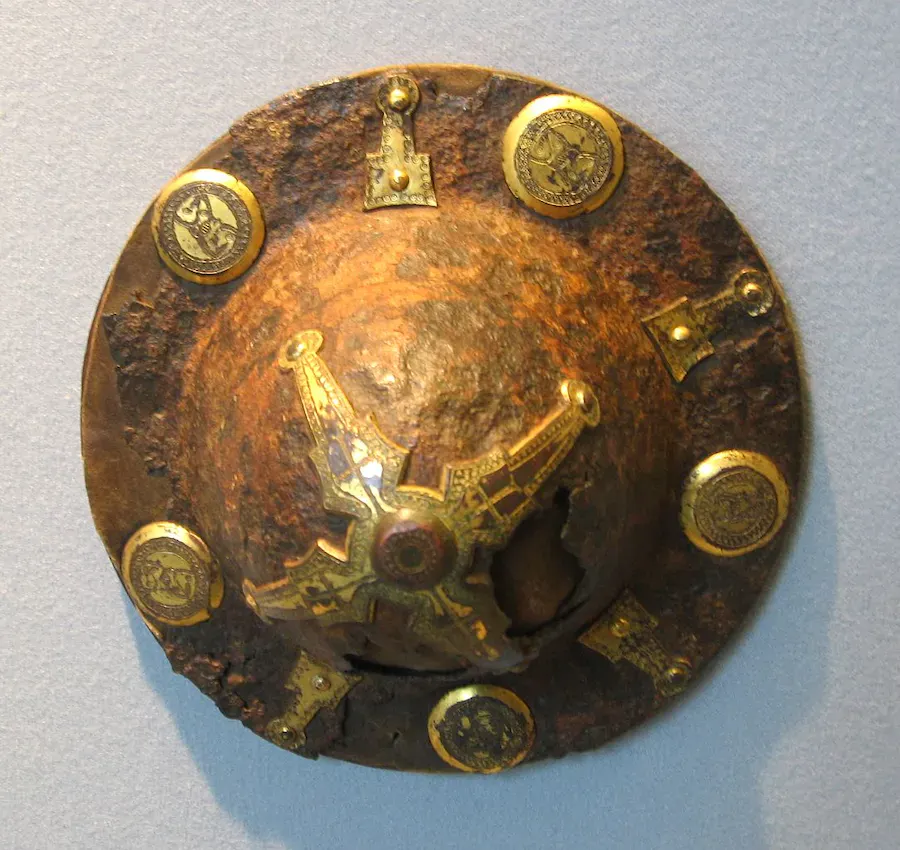
The umbo is also present in Viking era armor, in which the shield was the most common means of defense, made of wood. Linden wood was commonly used, or alder and poplar, which were notoriously light and broke less easily than oak.
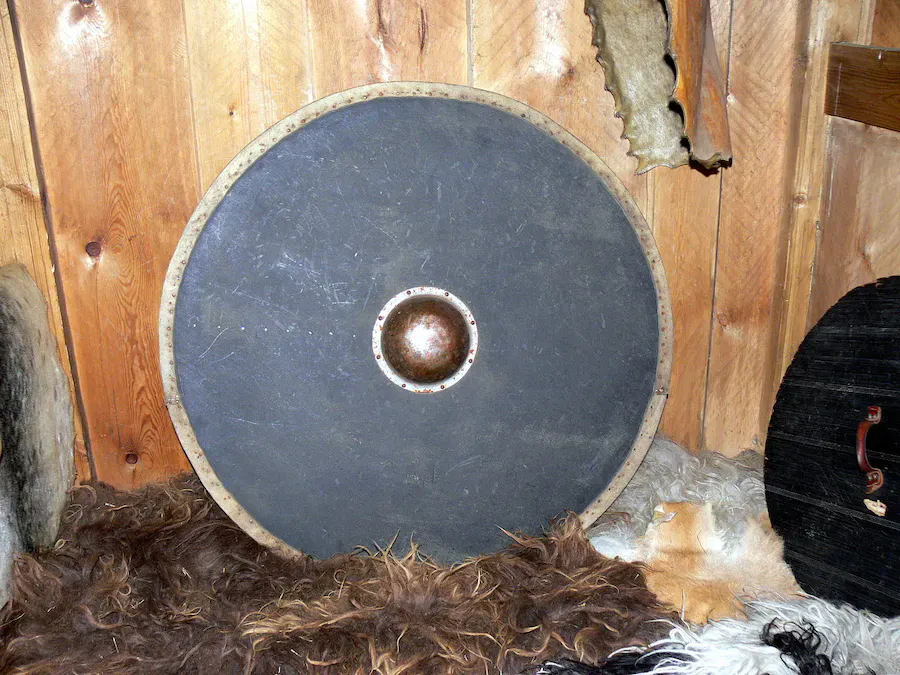
Many Viking shields were painted in plain colors, others were decorated with simple Greek or crosses. Minimalism prevailed, although there is no lack of examples of more elaborate shields, and in some cases the shields could be adorned with gold and silver around the umbo and belt blocks.
Do you want to receive articles like this by email? Sign up to our newsletter!
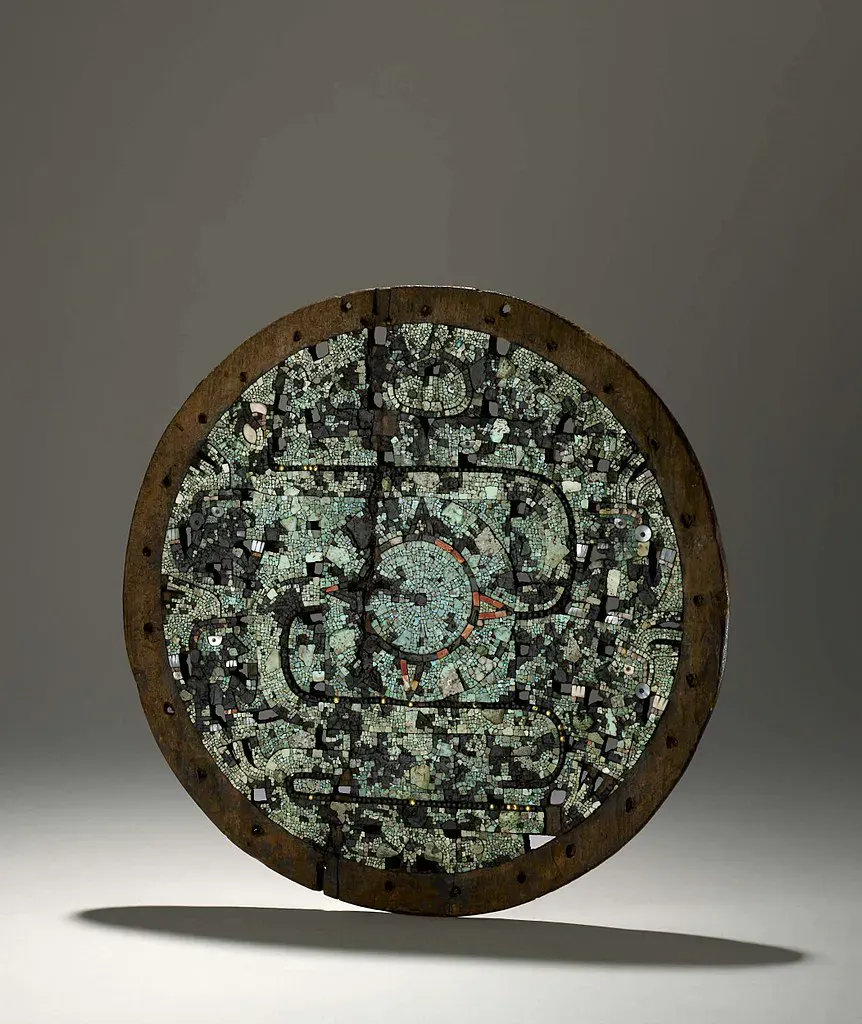
The shields of the Aztec warriors were called "chimalli." These were shields used more as a decorative ornament than as a defense weapon. They were built with materials such as animal skins, bird feathers, plants such as bamboo, agave and cotton, precious metals. Their creation was a community tradition, a real art that involved carpenters, goldsmiths and painters. Some were purely ceremonial shields.
Related: The 5 Most Famous Civilizations of Pre-Columbian Art
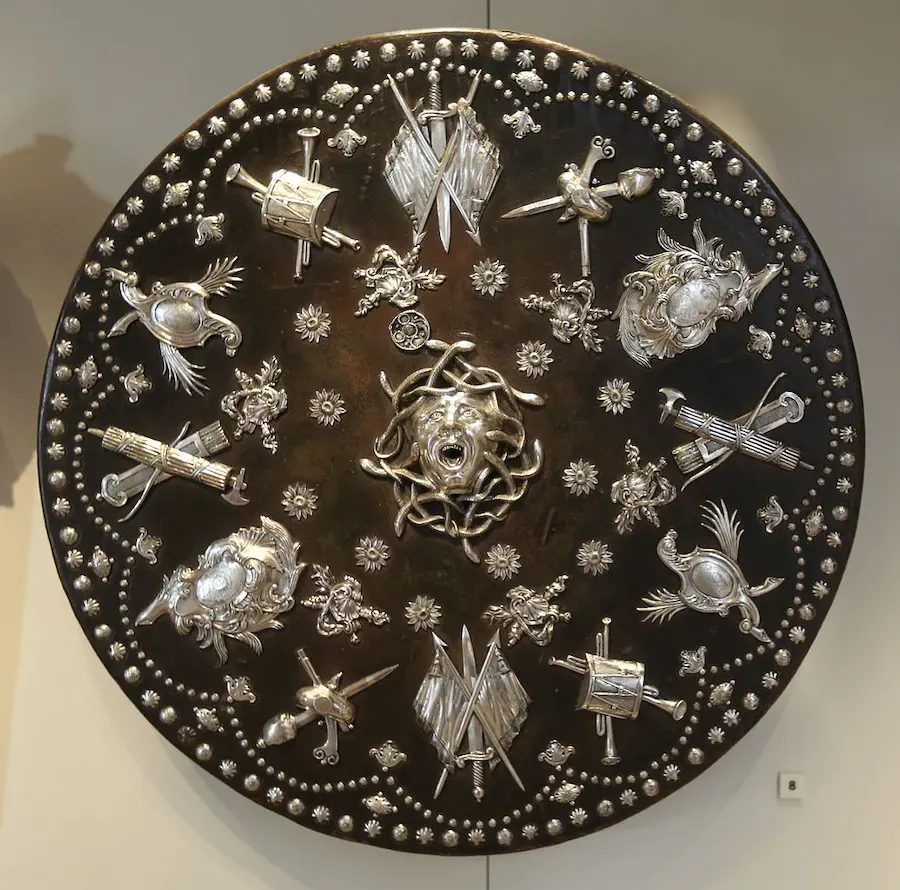
Over time and in various populations of the world, the external surface of the shields has taken on different aspects. They could be decorated with a painted motif, an animal or a symbol, often mythological, which identified the army to which it belonged. These decorations were systematized in heraldic devices in the Early Middle Ages, a period when there are also new types of "kite" shields, introduced around the 10th century by the Normans. It was a shield rounded at the top and tapered at the bottom, which combined the versatility of the round shields with greater protection, since the extension downwards also covered part of the legs, without increasing the total weight of the weapon too much. Over time, shields began to be used less and less. It should be noted, however, that even in the 18th century, Scottish clans used to wield a small shield known as the "targe". Highland targes were the last type of European shield actively used in battle, forming part of the combatants' equipment until the Battle of Culloden in 1746.
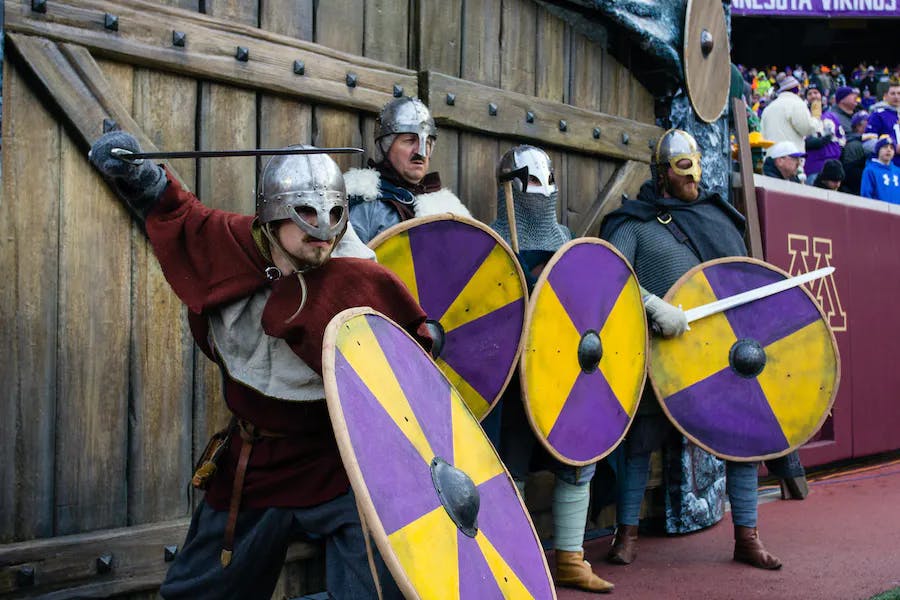
The shield has generally fallen into disuse following the introduction of gunpowder and firearms, which have rendered it virtually useless. However, the shield continues to be used in costume parties and historical re-enactments of past eras. Today there are riot shields and ballistic shields used by police forces. Law enforcement shields often have a large "POLICE" sign or the name of a certain group, such as "US MARSHALS," which identifies the police agency of the US federal government.
Today, antique shields can sell for tens of thousands of dollars at auction. A Villanovan embossed ceremonial round shield sold in the UK in 2004 for 41,825 GBP ($76,916) and a Spanish shield for a horse tournament from the 16th century sold for 42,000 EUR ($59,556) in Italy in 2014.