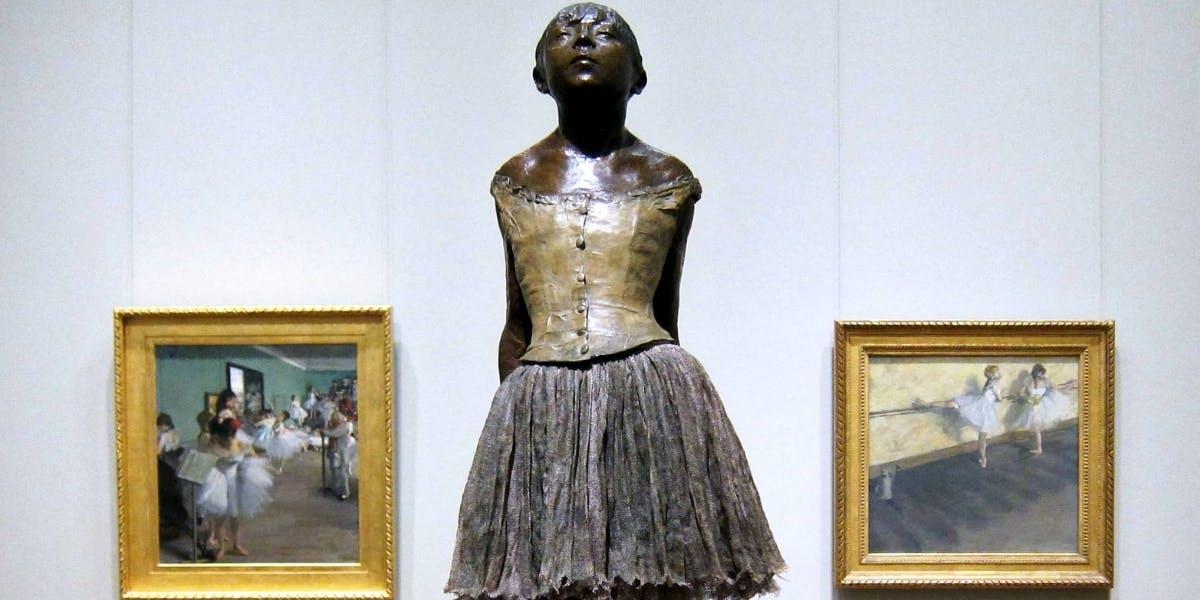
Edgar Degas' numerous renderings of Parisian ballerinas are his most famous and recognized artworks. Seemingly revealing a spectacular world of dance, costume and performance, his paintings, sketches and sculptures documented a behind-the-scenes look at the Paris Opera Ballet, an organization that also hid unfortunate truths for many of the ballerinas.
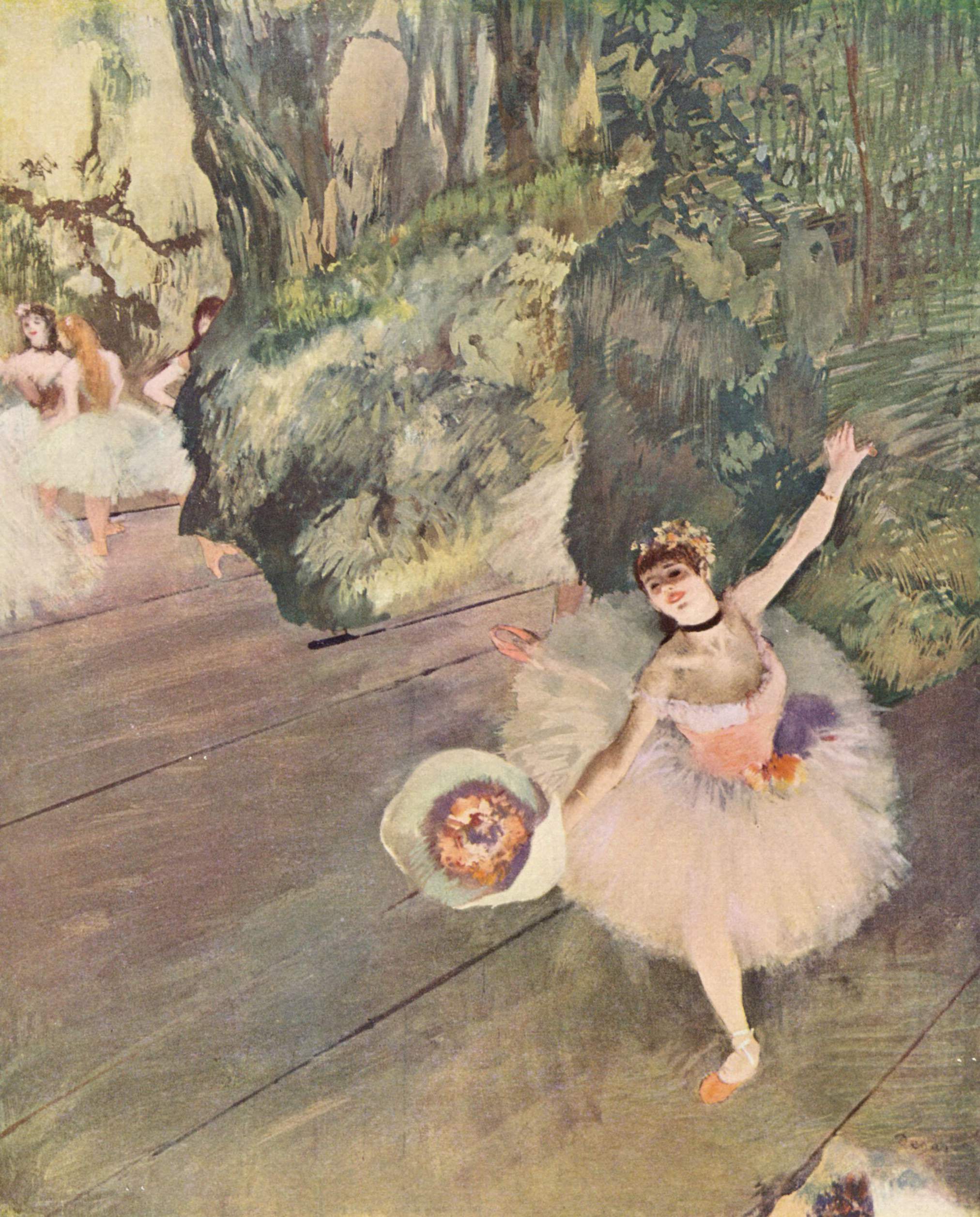
Degas, who was born in Paris in 1834, considered himself a realist rather than an Impressionist and turned to painting the world he observed around him. He started portraying ballet dancers in 1870, as these works sold well at a time when he had to help settle his brother's debts. Degas was friends with Jules-Joseph Perrot, a celebrated ballet choreographer, and thus gained access to dance rehearsals and performances of the Paris Opera. Later, he often had the ballerinas pose for him in his studio.
Related: Impressionism: Between Shadow and Light
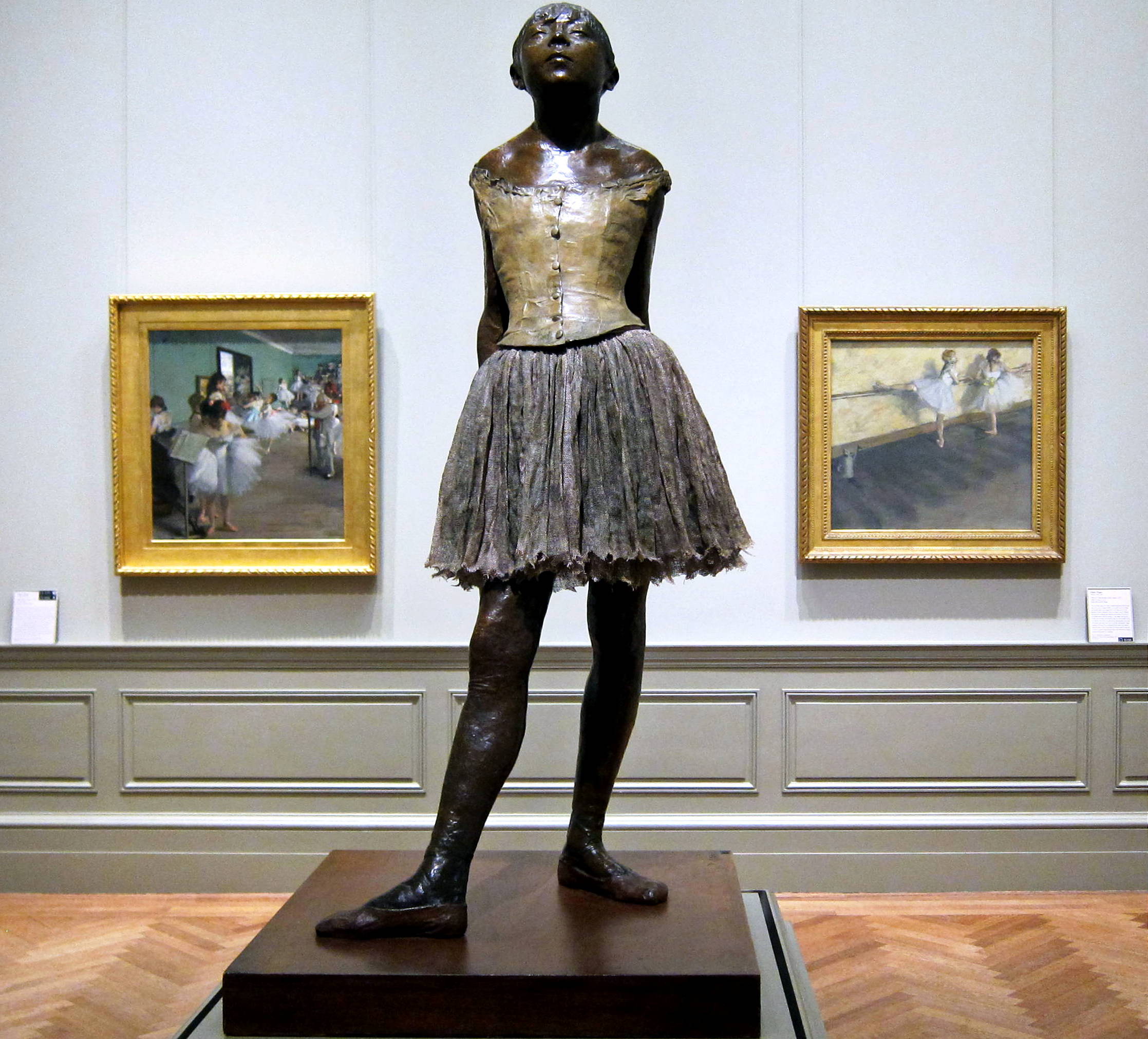
In 1880, Degas began a sculpture of his ballerina muse, Marie van Goethem, a 14-year-old Paris Opera Ballet dancer originally from Belgium. To earn extra money, Marie had modeled for Degas since 1878 for both paintings and sketches. In 1881, Little Dancer of Fourteen Years, a wax sculpture dressed in a real tutu, bodice and slippers, was presented at the Sixth Impressionist Exhibition in Paris. However, most of the reviews were negative, declaring the sculpture "quite simply hideous," "a "flower of precocious depravity," and a "semi-idiot." Degas never exhibited a sculpture again. After his death in 1917, the sculpture was cast in bronze for 69 editions, with the original wax sculpture now in the collection of the National Gallery of Art in Washington, DC.
Related: On and Off the Canvas: Art's Most Famous Muses
The unfavorable reaction to the sculpture also spelled the end of Marie's dancing career. She missed classes and was frequently seen at two taverns with reputations as brothels, as reported in a Parisian journal. After her dismissal from the Paris Opera Ballet in 1882, Marie seemingly fell into oblivion, with no documentation of her later life or even year of death, but her brief ballerina career has been forever immortalized by Degas.
Related: Painting and Provocation: Suzanne Valadon
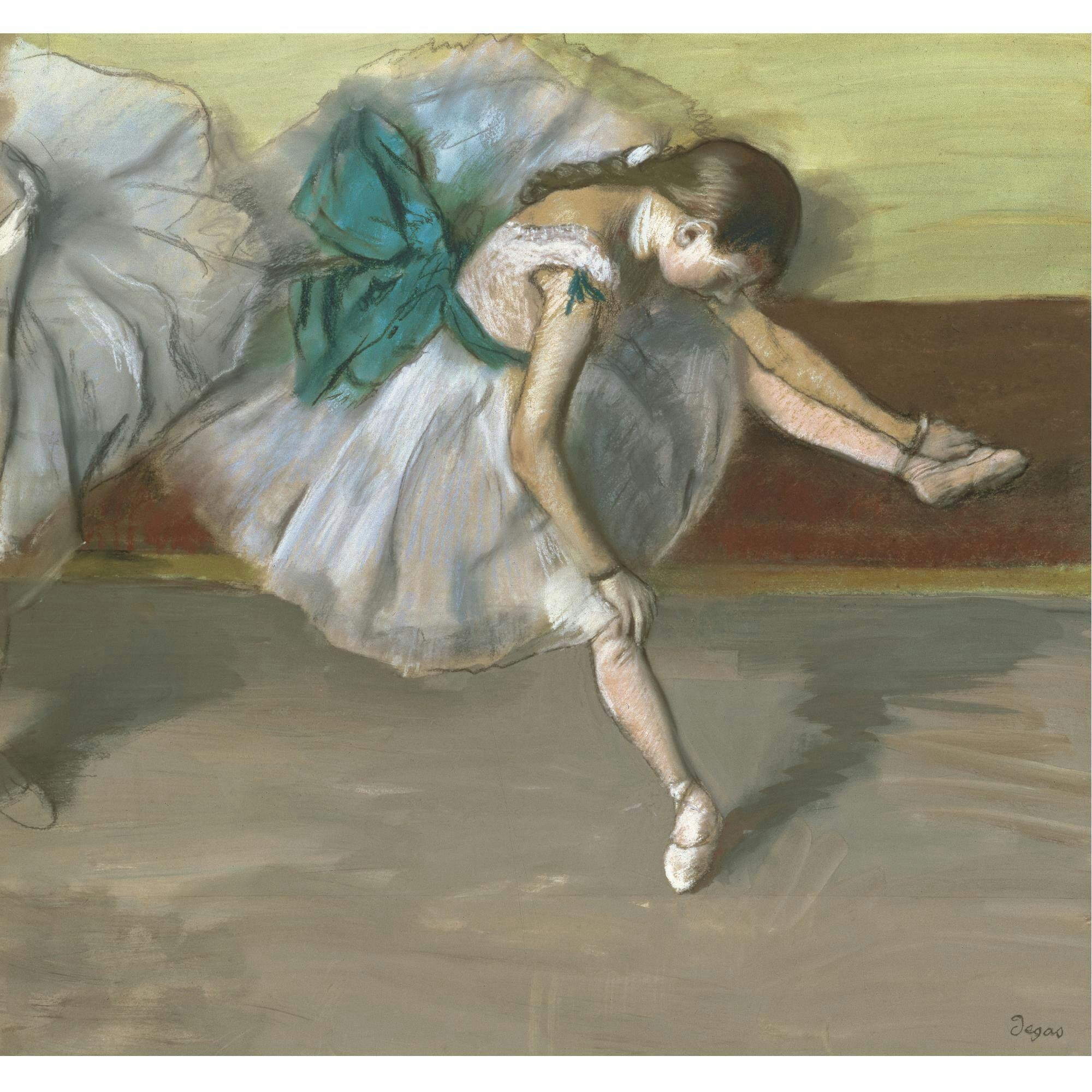
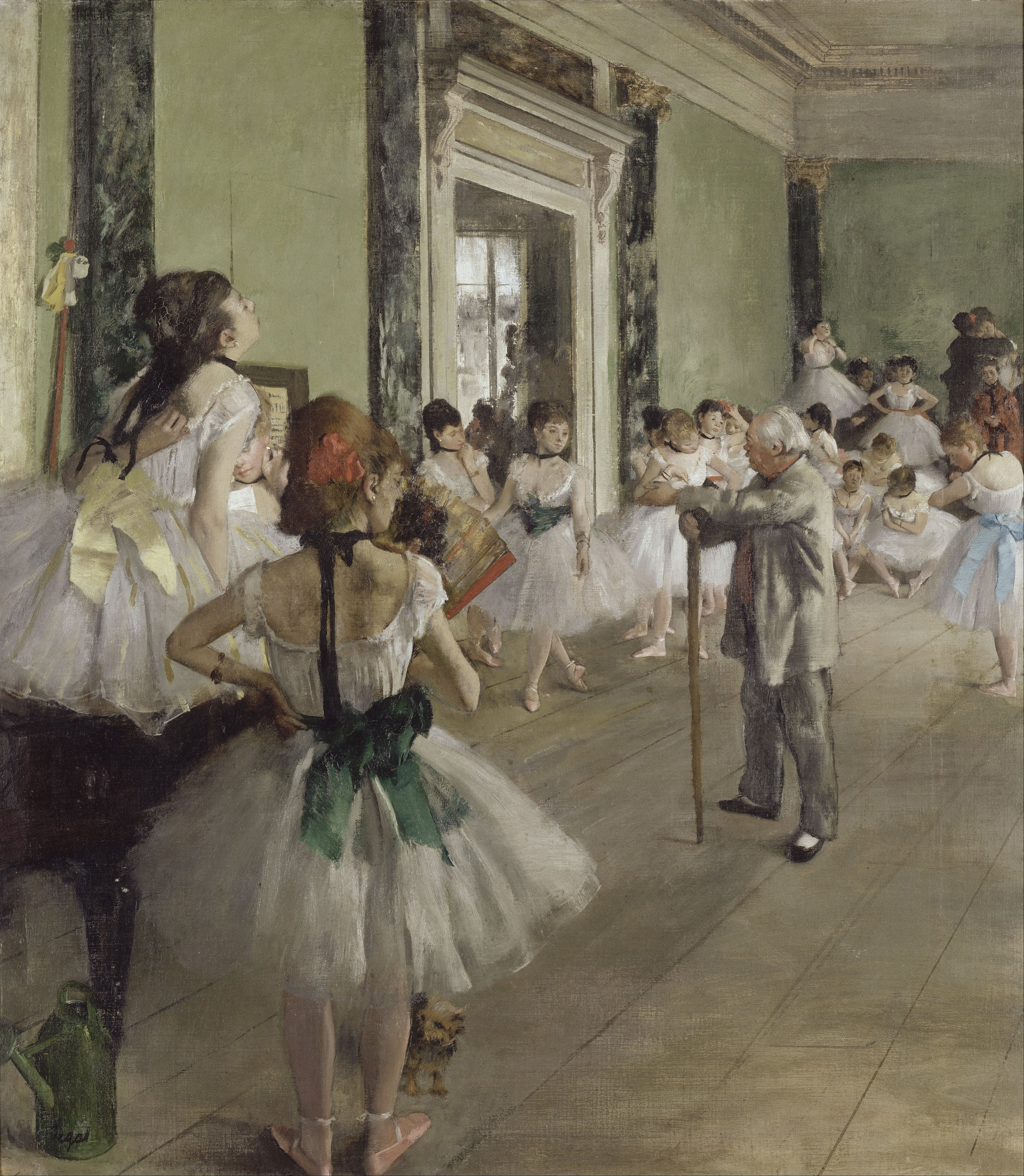
However, many young dancers, like Marie, had to balance their craft with seeking financial security. The ballet, with all its elegance, discipline and artistry, was often a front for prostitution. Most of the ballerinas, snidely referred to as "les petits rats," came from humble backgrounds and were encouraged to go into the ballet to find wealthy patrons. The ballet was funded by Parisian businessmen and aristocrats, who, in return, enjoyed exclusive access to the ballerinas back stage and at rehearsals. They would often privately sponsor certain ballerinas as well, paying for their apartments and clothing.
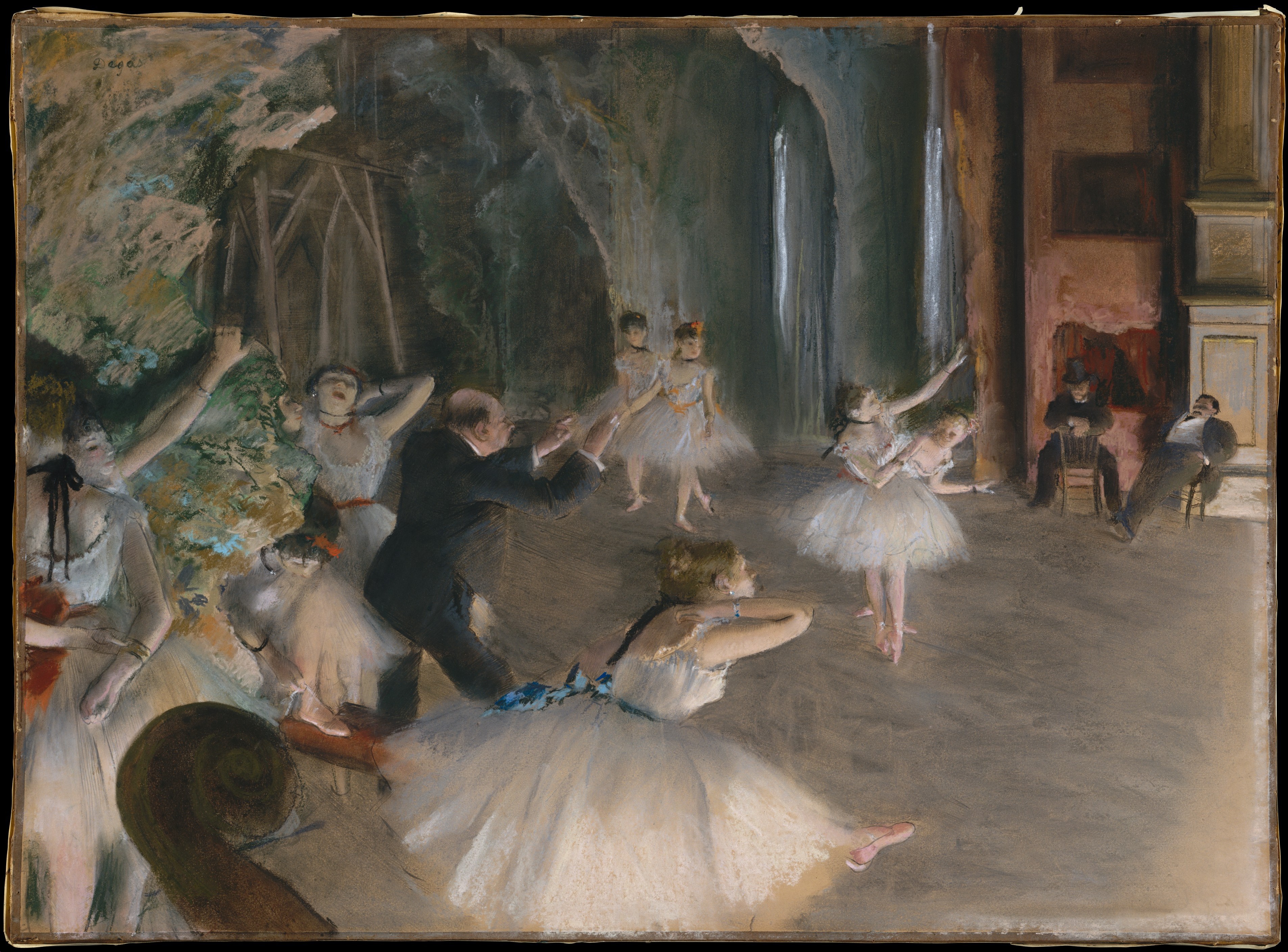
Degas, though not a patron of the ballet, observed this ritual of older men with teenage ballerinas and captured it in his paintings. In his renderings of rehearsals, one can spot men in black suits and hats lounging at the edges of the stage, watching the ballerinas practice, often with lascivious intentions. These exploitative relationships were so ingrained in the corps de ballet that almost all ballerinas were suspected of exchanging sexual favors for patronage.
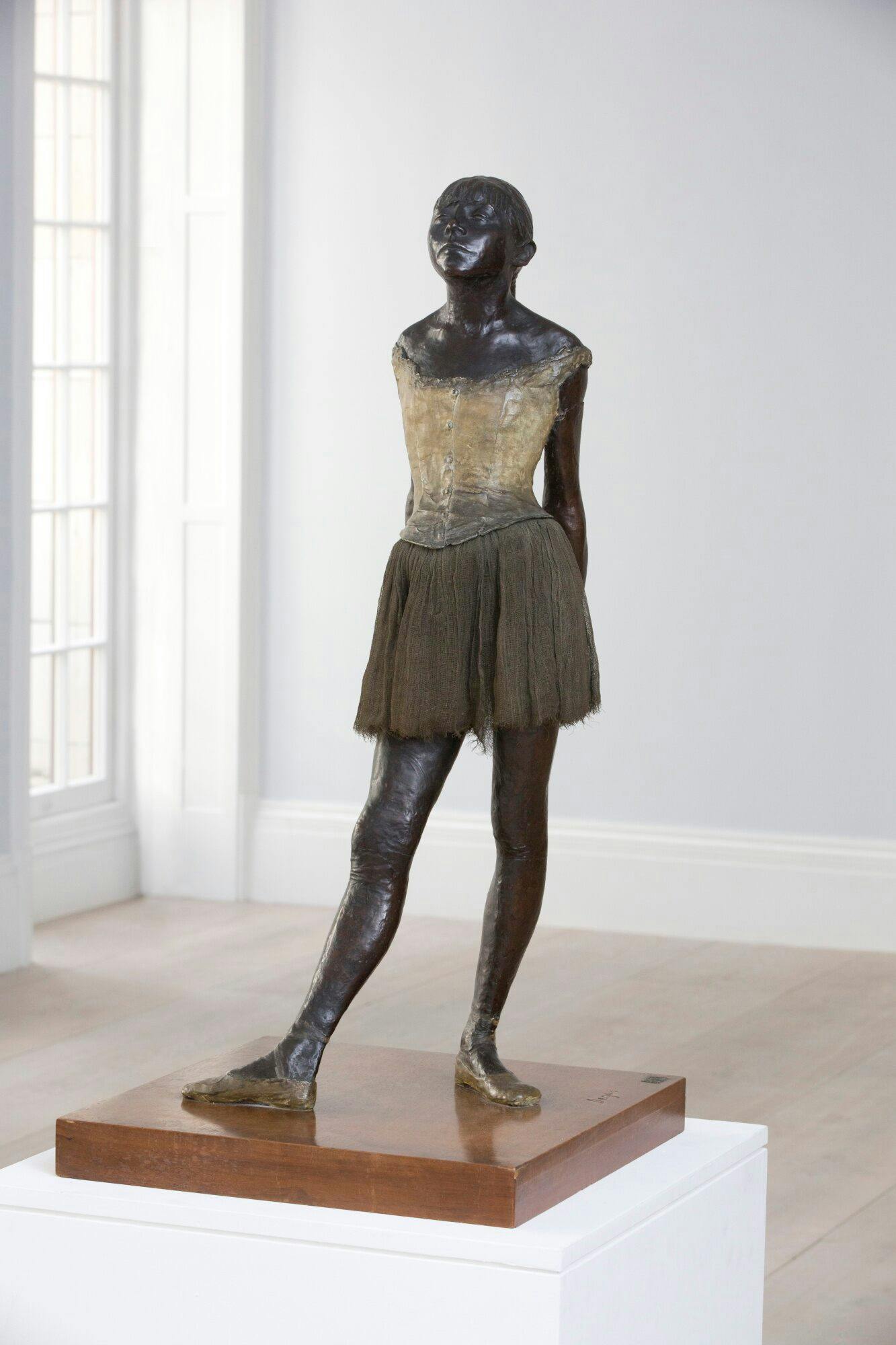
Despite the tawdry underbelly lurking in the 19th-century world of ballet, Degas' depictions of ballerinas are his most enduring subject. His ballet paintings hang in the world's most prestigious museums and command the highest prices for works by him. Danseuse au repos sold for $37 million at Sotheby's in 2008, and The Little Dancer casts in bronze, once so extremely ill-received, also achieve impressive sums, with an edition selling for $41.2 million at Christie's in May 2022, setting his auction record.
Related: Degas' Little Dancer Sets a World Record
These elegant ballerinas, often forced to grow up at a young age due to taxing dance practice and unwanted male attention, fascinated Degas, who always sought to explore life's endless contradictions in his work.
Find more articles on Barnebys Magazine
This is an updated version of the article published on May 26, 2021