The sale of Russian Art to be held at Aguttes on November 13th brings together top artists. The auction will open on a collection of theater drawings from the Eurasian Museum in Washington, former property of the artist Yuri Yurovsky, with a spotlight on the works of artist Tatiana Bruni. The works of painters Martiros Sergeyevich Sarian, Constantin Alexeevich Korovin and Ossip Zadkine will also be presented, followed by a set of decorative and military objects at the end of the session.
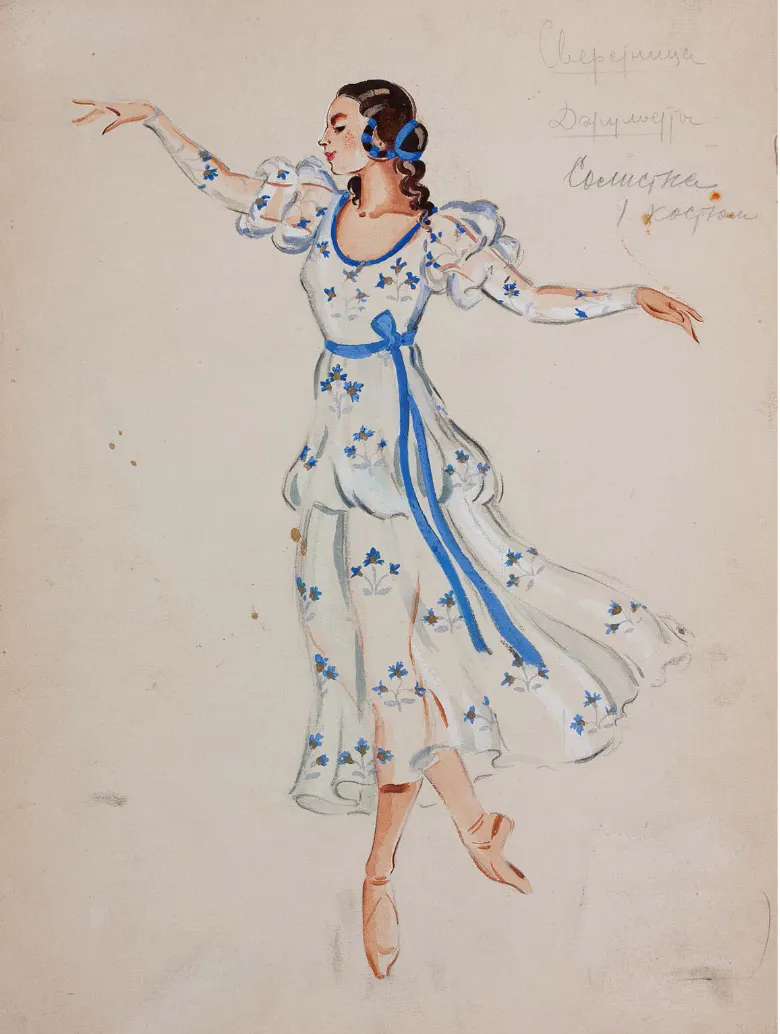
Yuri Yurovsky was an artist from the Kiev School and a knowledgeable collector. Sensitive to the beauty of nature and the rhythm of tones, he established himself as a master of color, a true poet of the landscape. Surrounded by the great painters of his time throughout his career, Yurovsky was also interested in the world of music, collecting the designs of ballet and opera designers for many years. His collection reflects the evolution of Russian theatrical tradition and includes a wide range of traditional and modern artists.
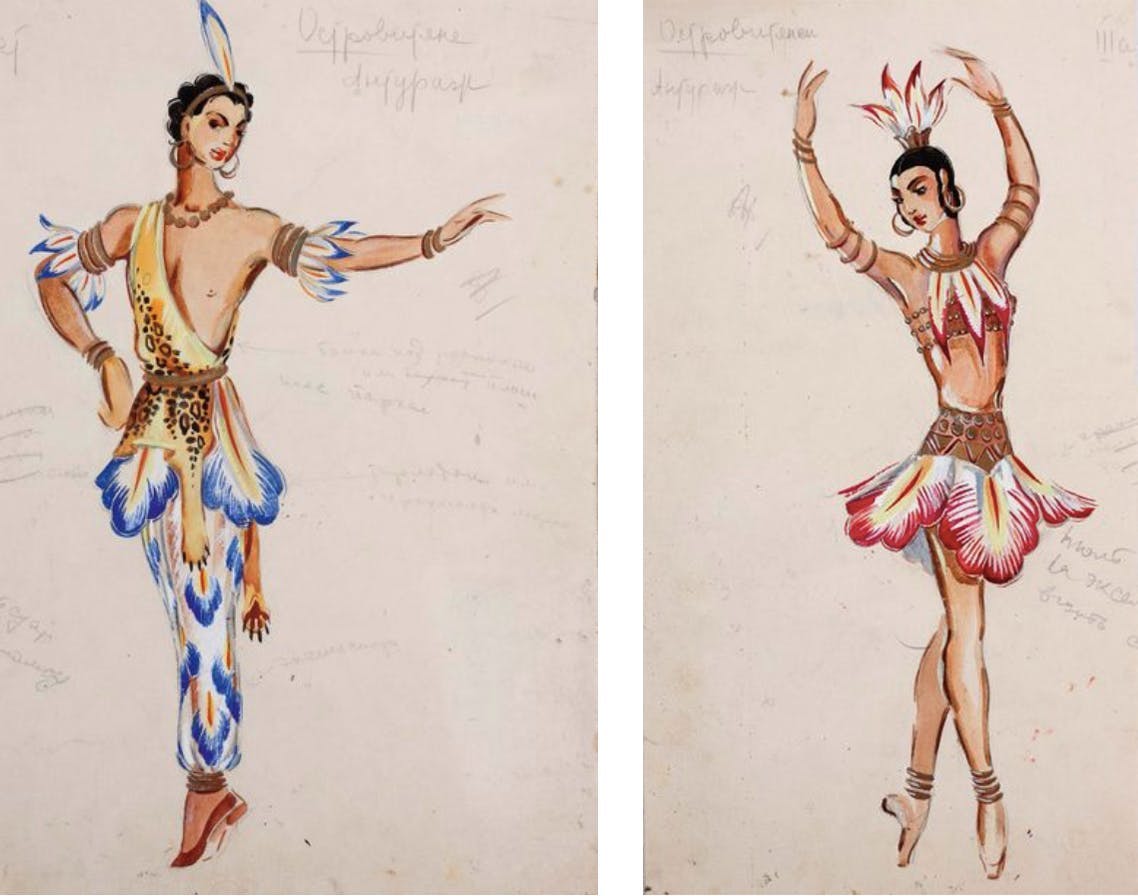
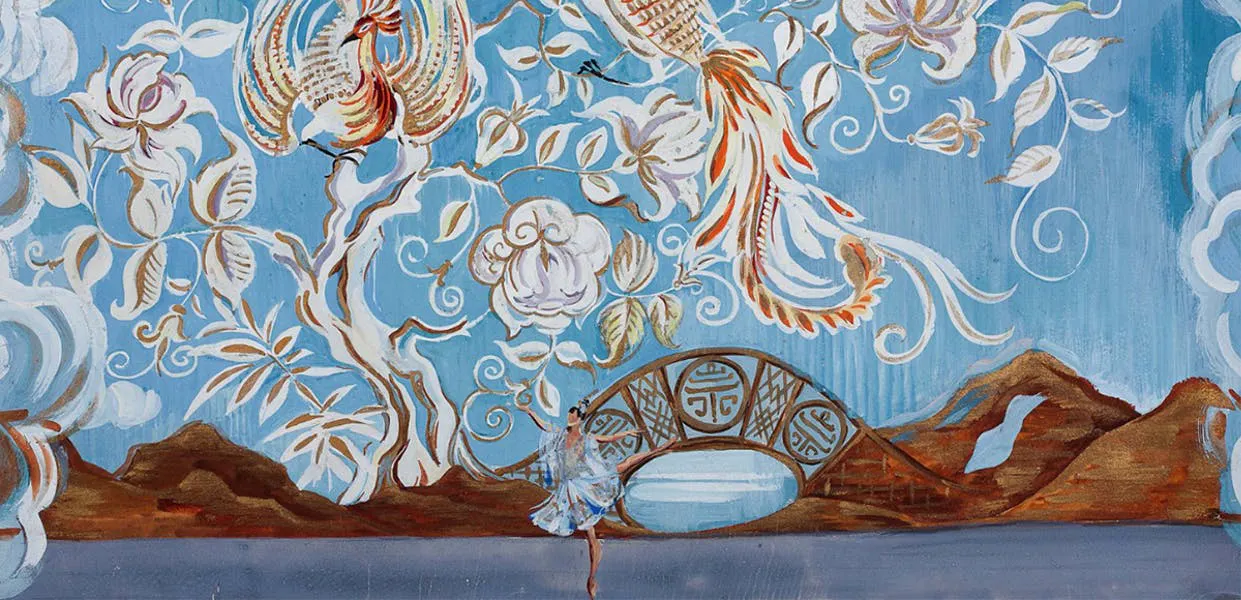
One of Yurovsky's favorite artists to collect was Tatiana Bruni. Great-granddaughter of Fyodor Bruni, the rector of the Imperial Academy of Arts and painter of the Brazen Serpent, Tatiana Gueorguievna Bruni was part of a great Russian artistic dynasty. Born in St. Petersburg in 1902, she studied ballet and regularly visited concert halls in the city.
Trained by Petrov-Vodkine, Bruni made her debut in the art of landscape, before returning to the world of ballet. In the 1920s, she worked for the Young Ballet, an experimental company founded by Giorgi Balanchivadze, who became the great George Balanchine, undisputed master of the field.
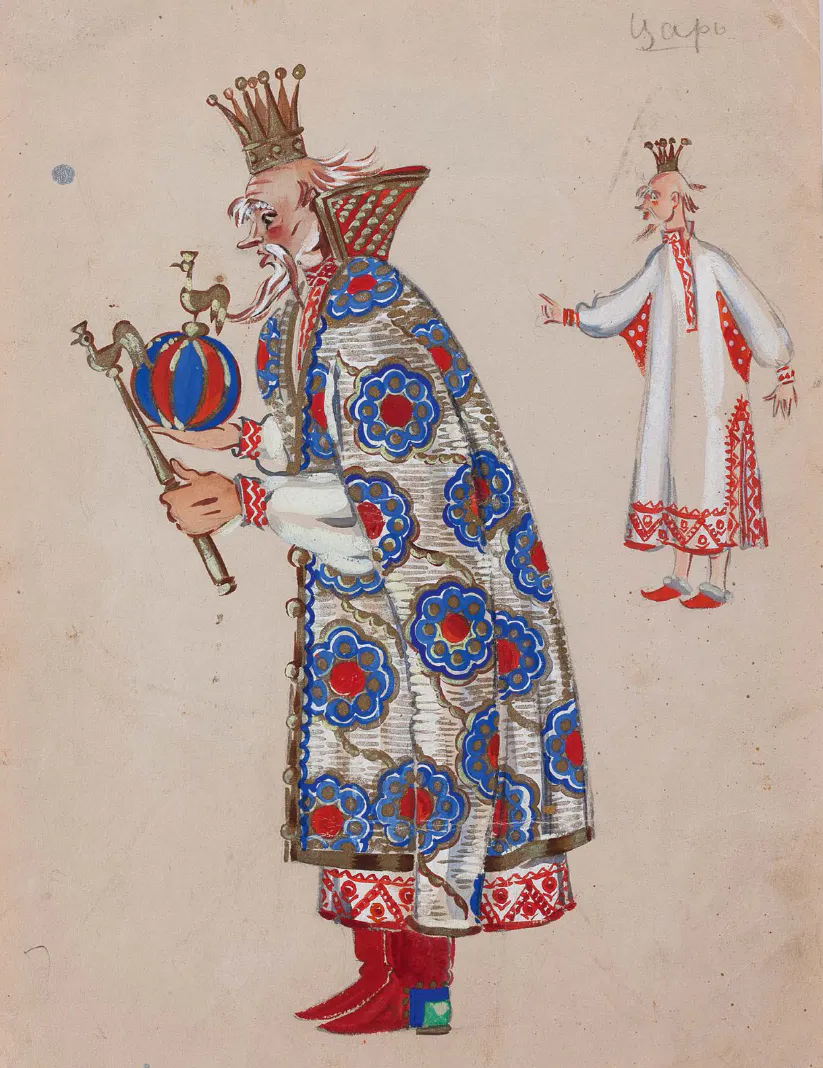
Bruni contributed to more than 200 productions during her career, in the theaters of Leningrad, Kiev, Moscow, Sverdlovsk, Perm, Yaroslavl and Saratov, but it is at the Marinsky Theater that she did the majority of her artwork. Although her style is inspired by the trends of 20th century scenography, the work remains very personal and recognizable.
Thus, for more than half a century, it perpetuated the great theatrical tradition of imperial Russia. With an inexhaustible creativity, she let the color express itself. Her drawings in the fairy atmosphere adapt to the universe of different productions, bringing out sometimes the warm tones of Spain, sometimes the spell of the Middle East.
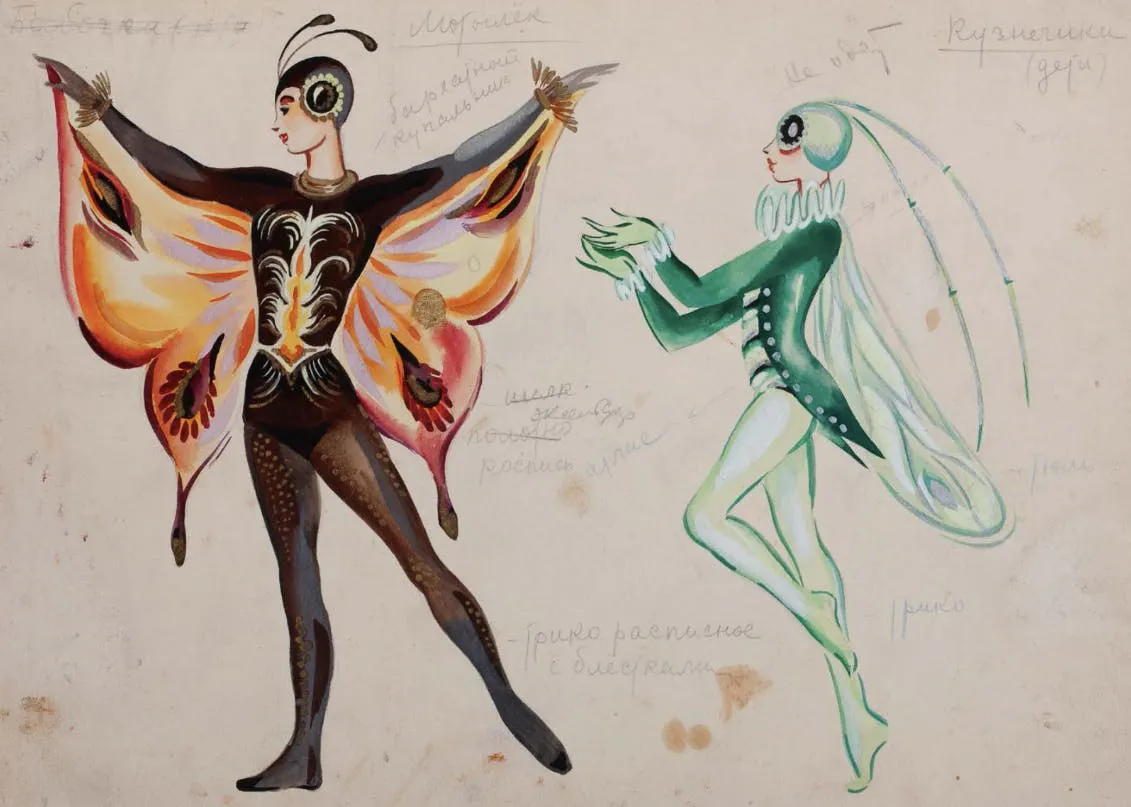
The corpus of drawings presented comes from famous ballets such as The Sleeping Beauty (1943), Romeo and Juliet (1944), Swan Lake (1945), or The Red Poppy (1948). "Let's keep in mind that this dream-like theater goes through the tragic years of Russian history and keeps alive the spirit of Balanchine's Young Ballet, of which she was one of the muses," said the auction house.
Yurovsky's collection includes other famous decorators like Michel Pavlovich, Feodor Feodorovich Nirod and Anatole Galaktionovich.
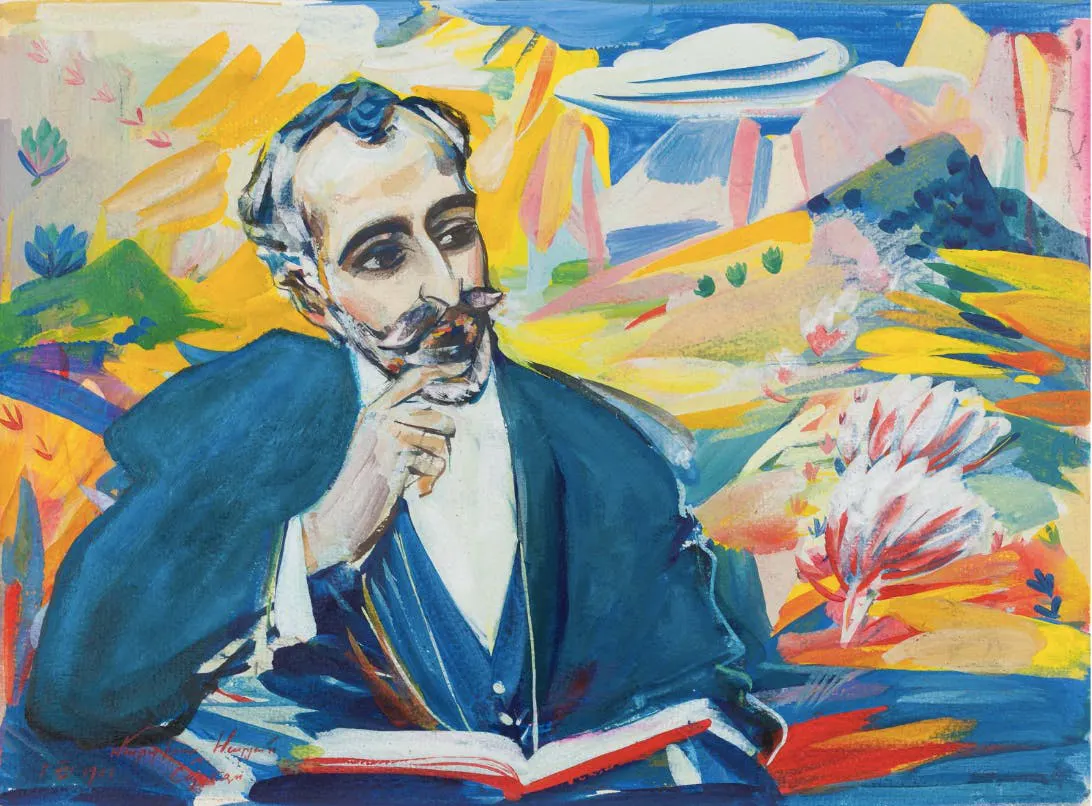
The second part of the sale will be dedicated to painting and will include, among others, three works by Martiros Sergeyevich Sarian, an Armenian painter born in Russia considered the father of modern Armenian painting. Sarian represents nature, people, vegetation, and animals to create a true paradise on earth. His work was strongly influenced by Gauguin's work.
"Nature begets man so that through his eyes he can see himself, marvel at his own beauty," he said. His paintings are flooded with light and color. Deeply enamored with Armenia, he was one of the first to feel the need to develop his own style based on ancient national traditions.
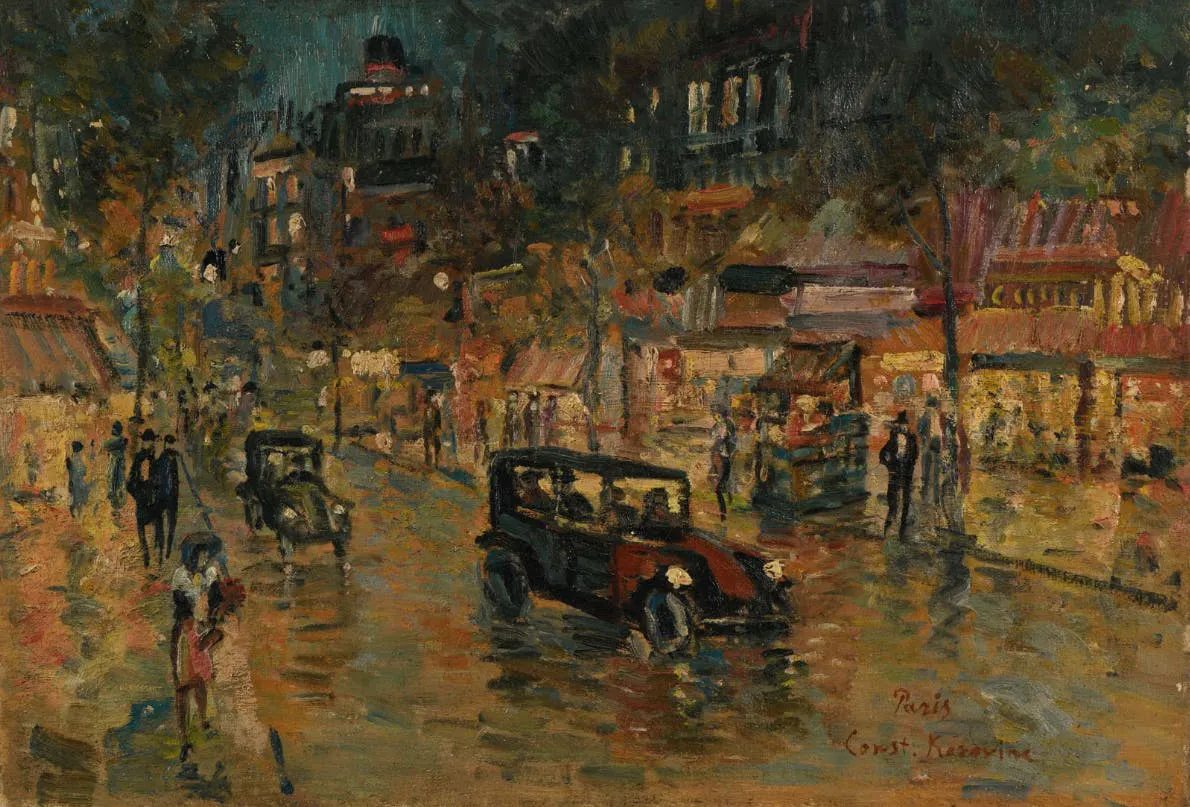
Constantin Alexeevich Korovin, who will be represented at the sale with oil on canvas Parisian Boulevard at Night, is a post-impressionist painter and stage designer. His many travels in France made him discover Impressionism, a current that strongly influenced him, so much so that he decided to break with the harsh and rigid style of Ambulants (a realistic movement that appeared in Russia in the 1860s). He received a Gold Medal for his decoration of the Russian Pavilion at the 1900 Paris Exposition Universelle.
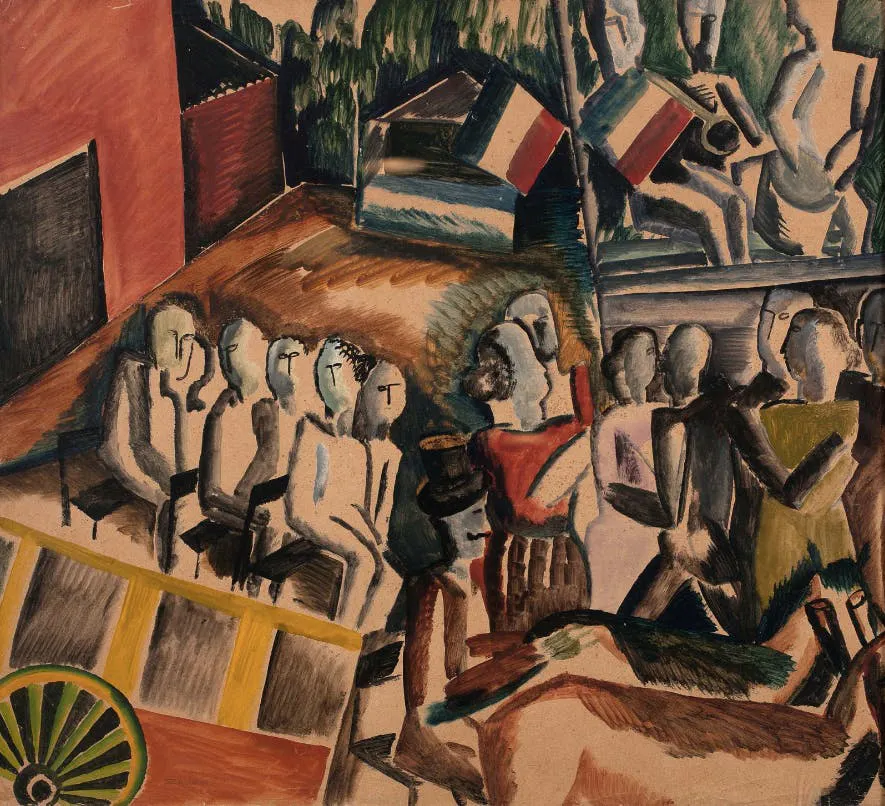
The Ball of July 14 is a work by Ossip Zadkine, a French painter of Russian origin established in France in 1910. He is considered the master of cubist sculpture. His work includes over 400 sculptures, several thousand drawings, paintings, watercolors, gouaches and tapestry cartoons.
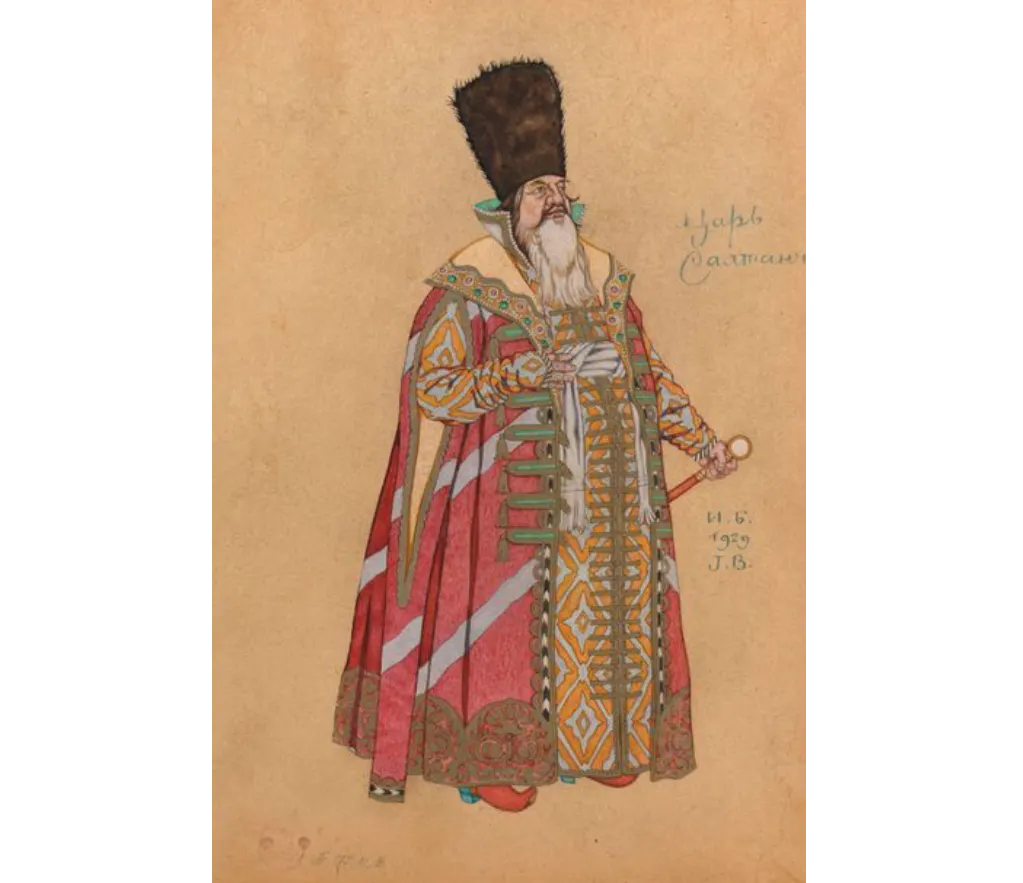
We finish with a work on paper by Ivan Yakovlevitch Bilibine, a theater designer, painter and book illustrator from an old Russian family already mentioned at the time of Ivan the Terrible. He devoted himself to the illustration of bylines (epic tales belonging to the Russian oral tradition) in the early 1900s, and produced in parallel costumes and stage sets, notably the opera Rimsky's Golden Cockerel. Korsakov in 1909 at the Zimina Theater in Moscow. For this production, he is inspired by fairy tales and adopts the ornamental motifs of the old Russian style.
The catalog of 269 lots, which will be auctioned on November 13, offers a beautiful panorama of Russian creation and a unique opportunity to acquire a fragment of the famous Russian theatrical tradition.