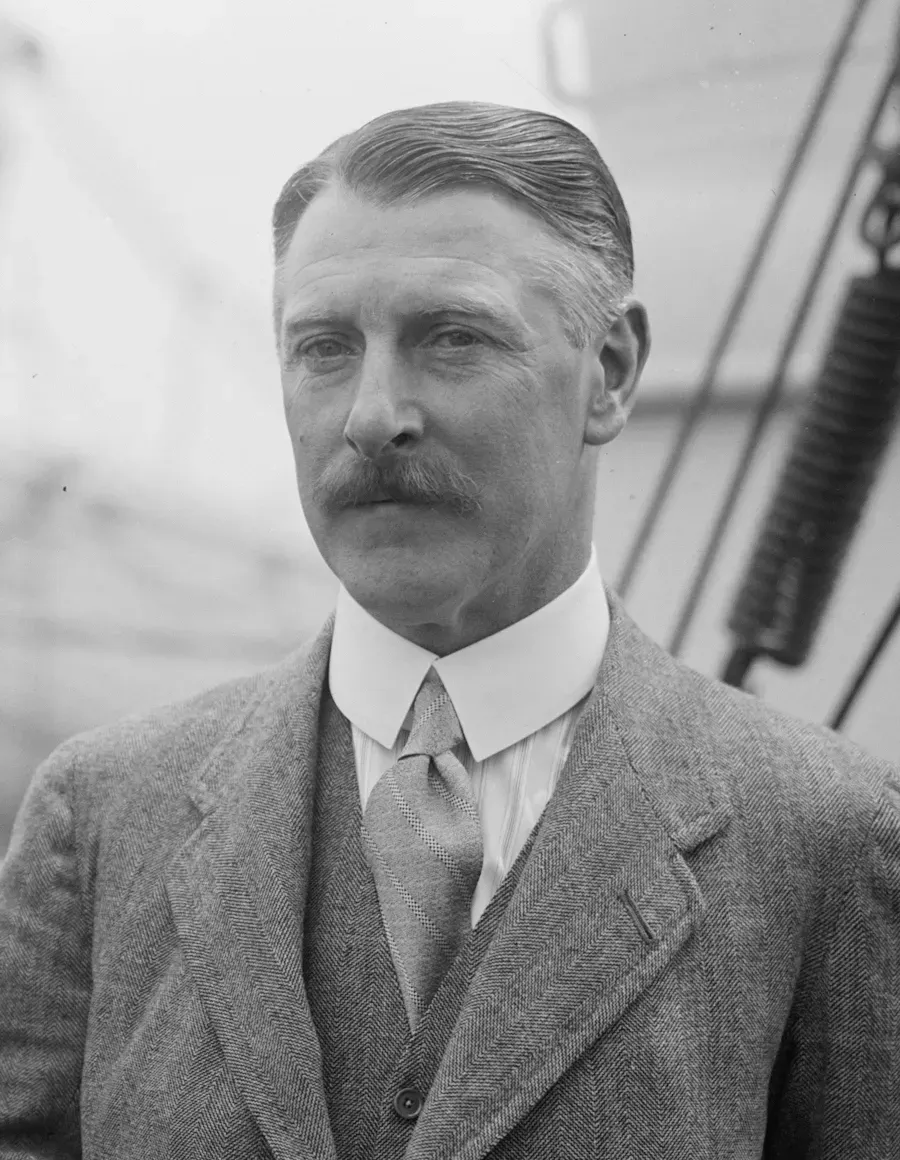
On September 21, 1915, a local lawyer named Cecil Chubb (1876-1934) visited the Palace Theater in Salisbury, Wiltshire. The program included an auction with objects belonging to the recently deceased Sir Edmund Antrobus. Apparently Chubbs had been asked by his wife Mary to buy new chairs for the dining room, but on a spur of the moment, he bid on something completely different. Lot number 15 was a piece of land on which one of the most famous archaeological sites in the world is located: Stonehenge.
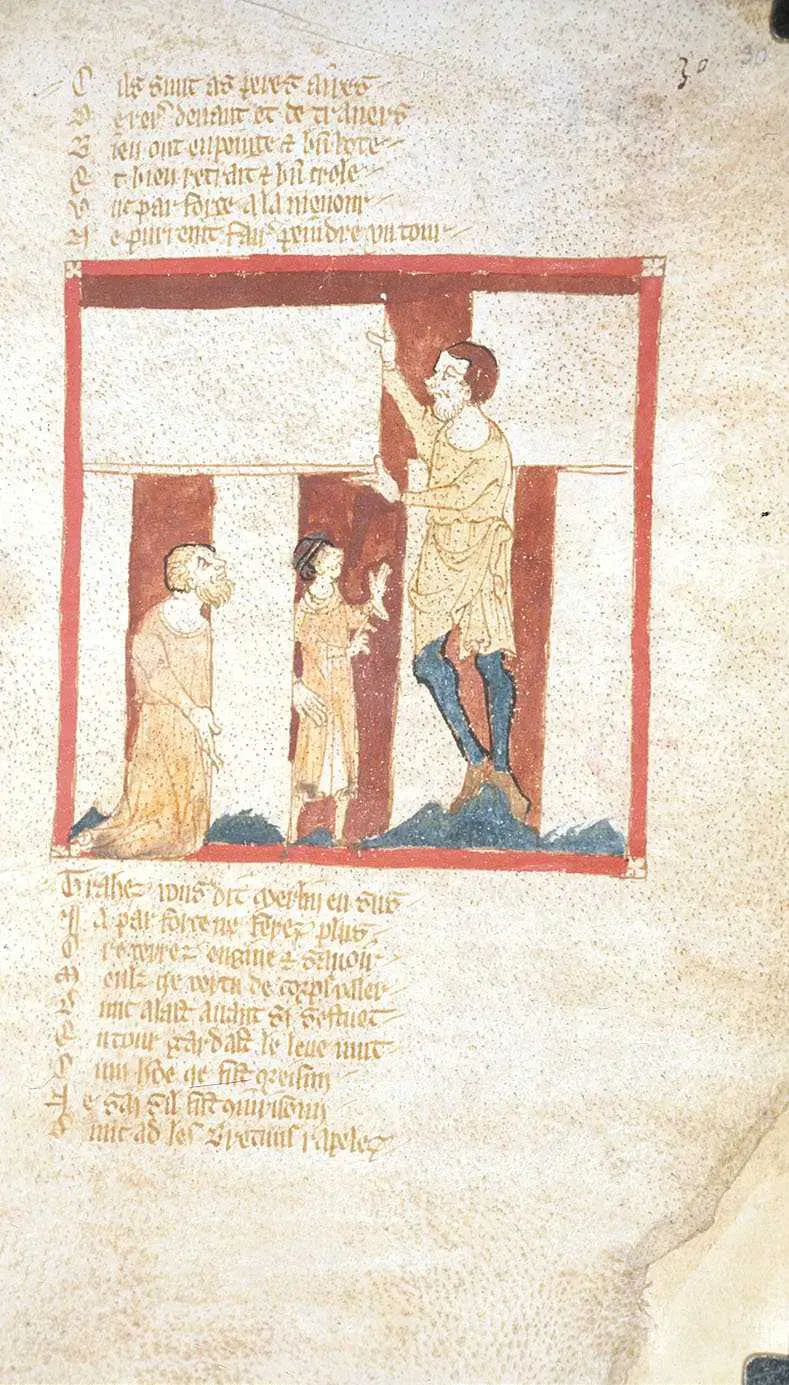
Stonehenge was first mentioned in writing around 1130–1035 in Henry of Huntingdon's Historia Anglorum (History of England) and in Geoffrey of Monmouth's famous Historia regum Britanniae (History of the Kings of England), which recounts that the enchanter Merlin brought the great stones from Ireland by magic. This theory lasted until the 17th century. More detailed studies of the site followed, but they gave rise to new erroneous theories, attributing Stonehenge sometimes to the Romans, sometimes to the Phoenicians, and sometimes to the Danes.
Related: Has a New 'Spanish Stonehenge' Been Discovered?
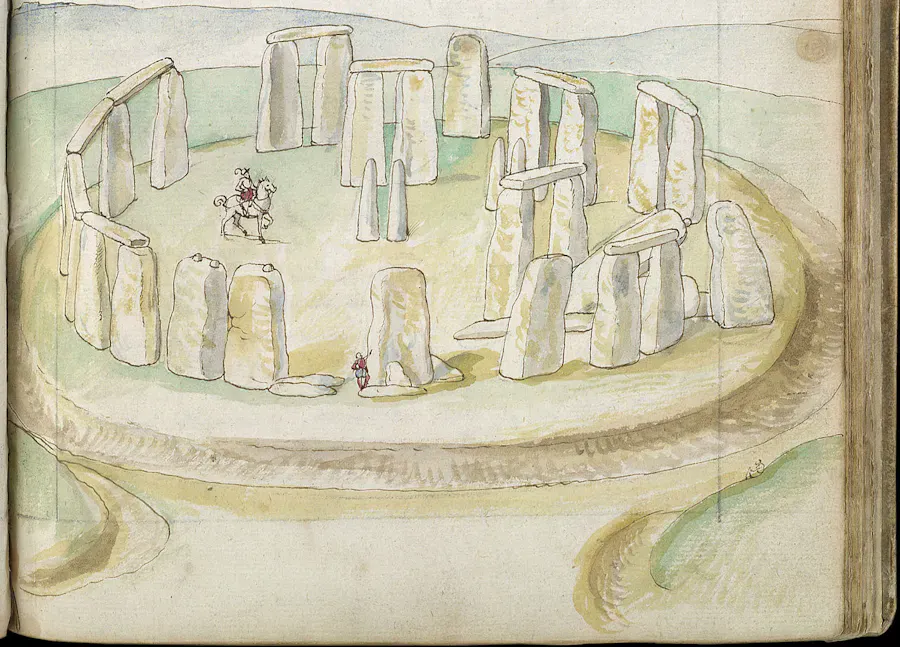
At the end of the century it was finally recognized that it must have been the work of local builders. However, the Celts were believed to be responsible, whose druids were said to have held ceremonies in the stone circle.
Related: A Trove of ‘Exceptional’ Ancient Bronzes Found in Tuscan Spa
When Stonehenge went up for auction in 1915, there was already a theory based on measurements that the alignment of the complex was based on astronomical reasons and was aligned with the summer solstice. It was also clear from some artifacts unearthed in the area that Stonehenge had already been used in the Bronze Age. However, the relevant research was still in its infancy. And perhaps there would have been no scientific research if Cecil Chubbs hadn't been inspired to bid that day.
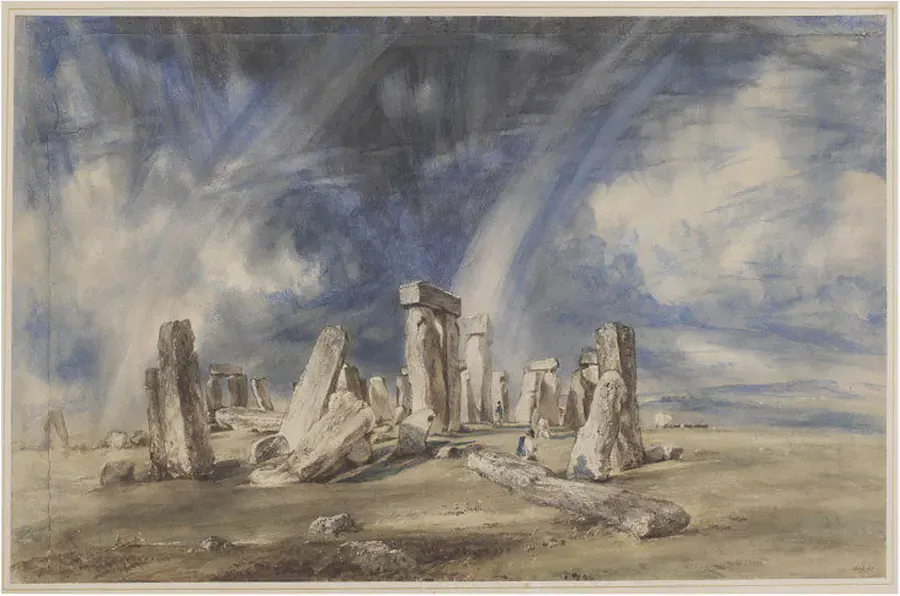
Chubbs put £6,600 on the table for Stonehenge, which is equivalent to around £560,000 today. According to the English Heritage website, after his unplanned purchase, Chubbs was interviewed by a local press reporter, telling him that he wanted Stonehenge to be bought by someone from Salisbury. He also wanted to use his purchase to help protect the archaeological site.
Related: A Sea Monster and an Ancient Mausoleum: An Unprecedented Discovery in France
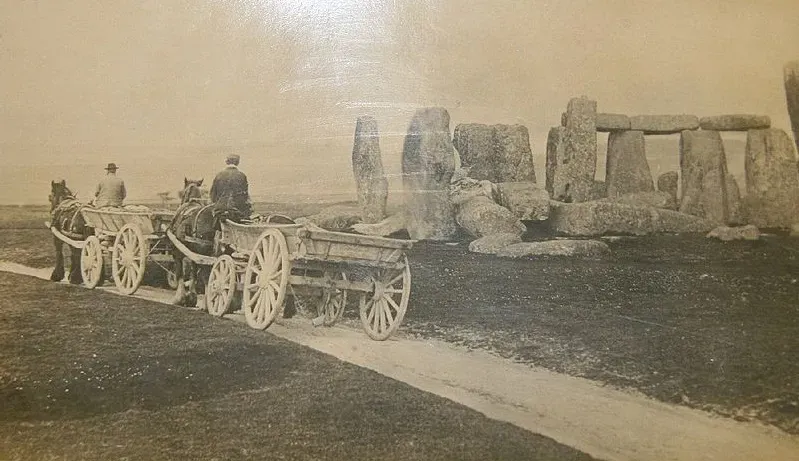
Three years later, that protection took the form of handing Stonehenge over to the British government. The donation was completed on October 26, 1918, with Chubbs decreeing that Stonehenge must remain open to the public and be preserved and that nothing could be built in the immediate vicinity. For his generosity, Cecil Chubbs was knighted the following year, earning him the nickname "Viscount Stonehenge."
Want to discover articles like this straight to your inbox? Then sign up for our free newsletter!
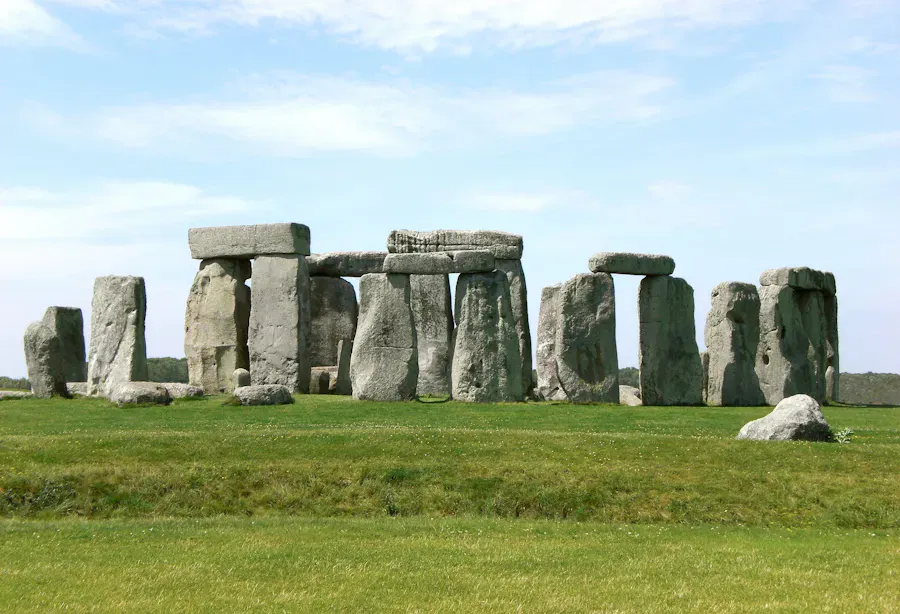
Excavations and research in the 20th and 21st centuries have shown that Stonehenge's origins date back to the Neolithic period and that the famous stone circle was part of a much larger complex. Stonehenge is now managed by English Heritage and has been a UNESCO World Heritage Site since 1986.