
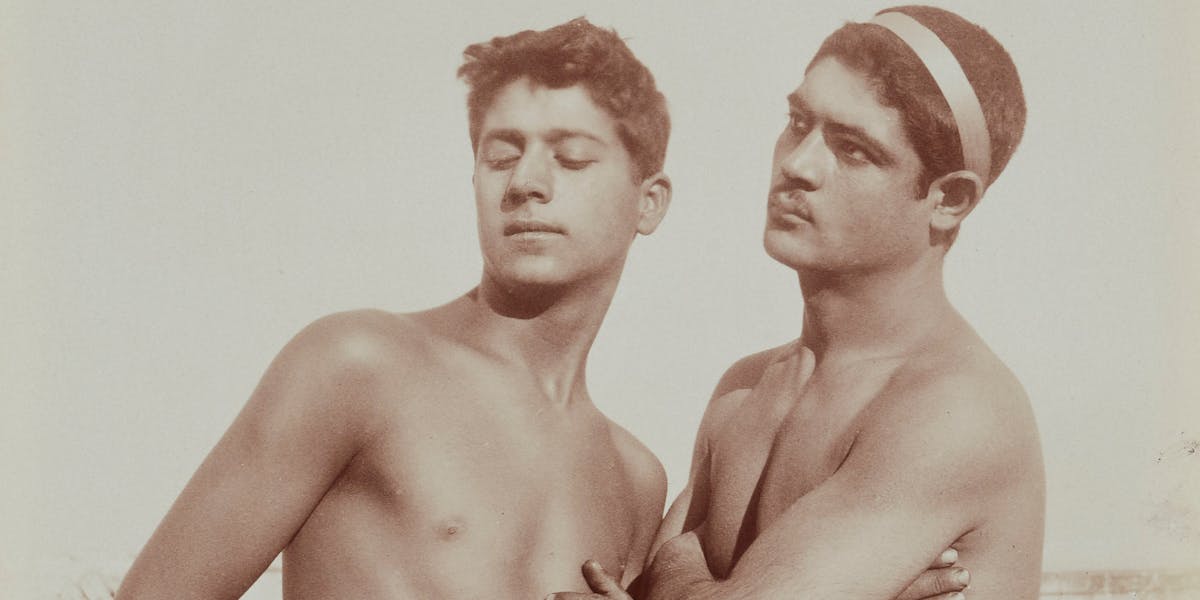
Taormina, 1878: a 22-year-old art student moves to Sicily to treat his tuberculosis, just like many other Europeans at the time. But unlike the others, Wilhelm von Gloeden's stay would not be short, as he would settle on the Italian island and live there until his death. It was during this time that he became known for his nude photographs.
Wilhelm von Gloeden was born in a castle near Weimar in Central Germany, 1856. The young man, who came from an aristocratic family, studied art history at Rostock University and then painting in Weimar.
During the same period, however, he contracted tuberculosis, a disease that went by the nickname of 'the white plague'. For better or worse, the disease was said to affect people who possessed an artistic genius, and so to cure the disease, the young man set out on a journey to Southern Italy, beginning in Naples, where his cousin Wilhelm von Plüschow lived.
Related: Julia Margaret Cameron: The Visionary Victorian Photographer
It was thanks to his cousin who had long devoted himself to nude photography, that von Gloeden learned the basics of photography and later moved to the small town of Taormina, where he began photographing himself.
Related: Sally Mann: One of Today’s Most Remarkable Photographers
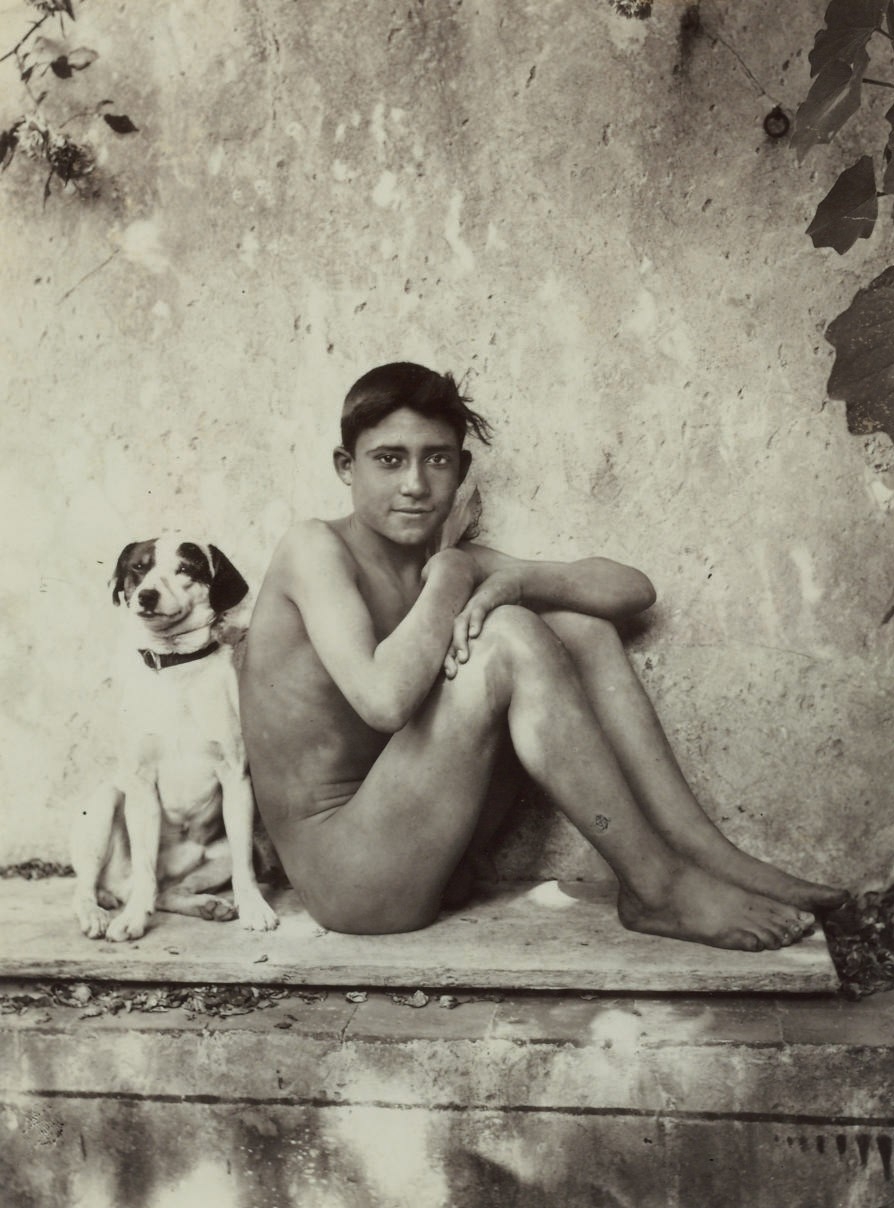
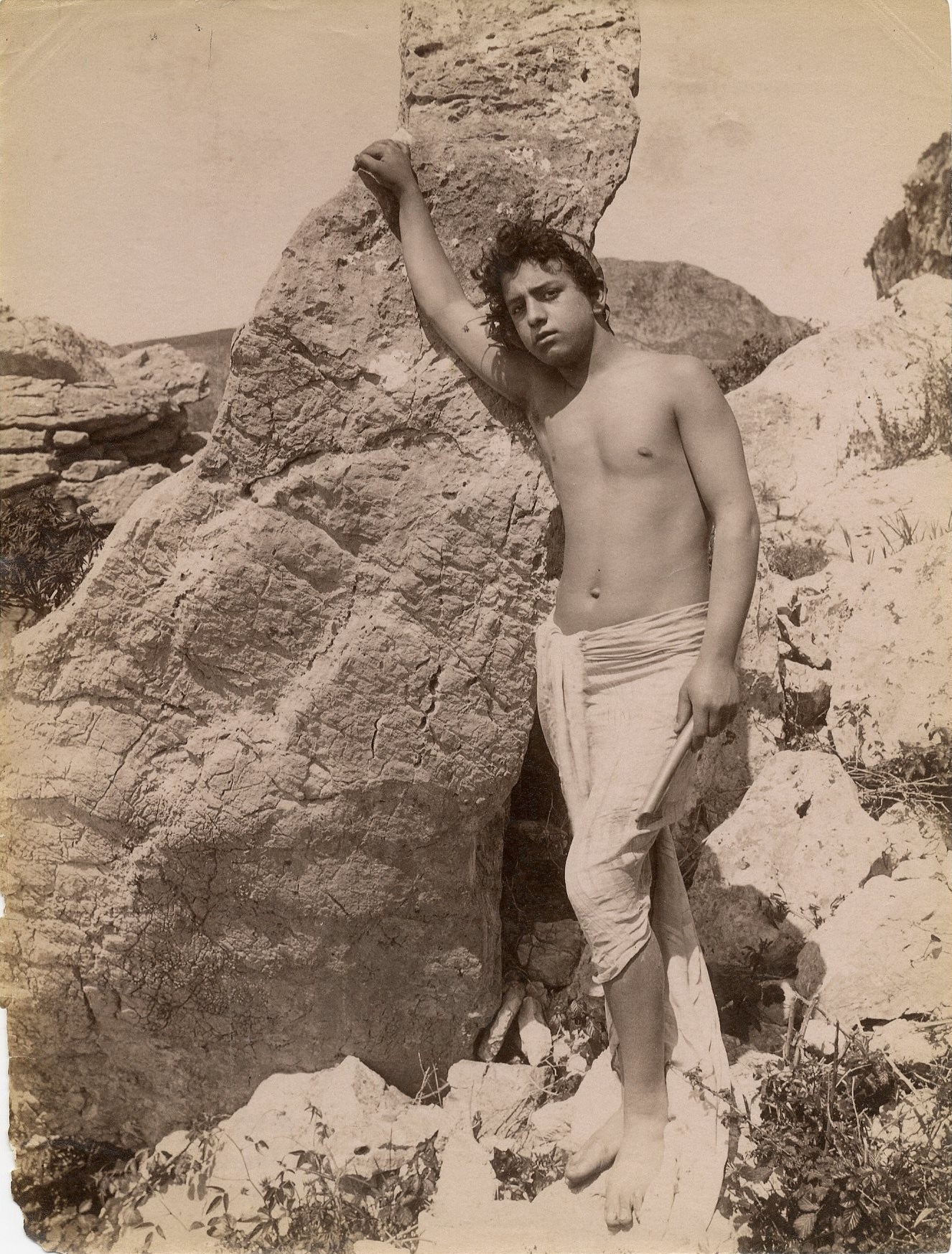
Inspired by the Sicilian landscape and the romantic idea that Europeans had of Southern Italy, von Gloeden began photographing Taormina's boys, posing as classical Greek figures who wore only draped loose clothing – if that. The boys were always encouraged to pose in the most natural environments among the ruins and remains of the island, so to recreate a vision of idyllic and idealized Greek splendor.
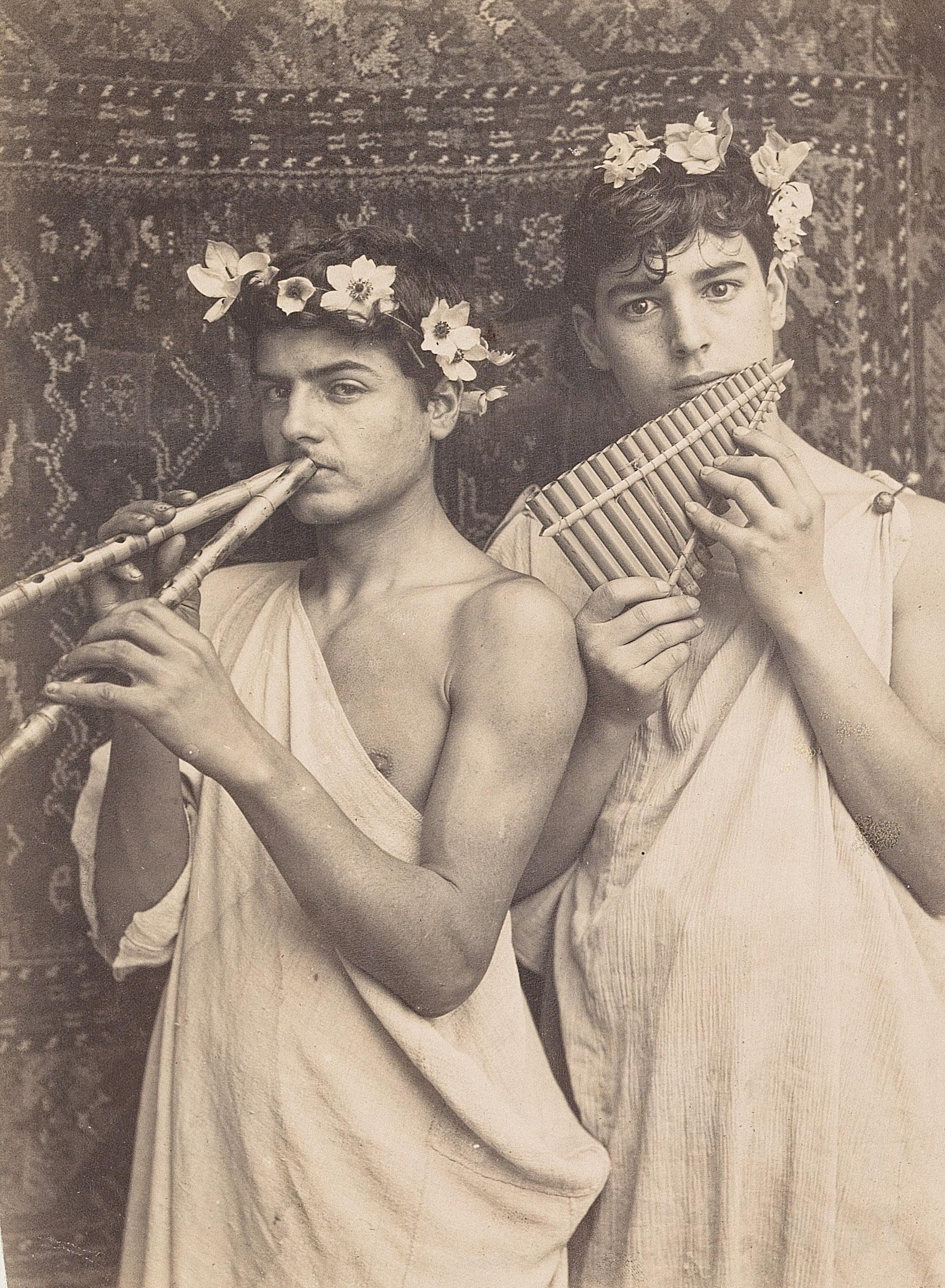
Despite being openly gay, the male nude photographs taken by von Gloeden were accepted by the island's residents without much fuss. What helped him was not only his tactfulness and care not to exceed any limits, but also the fact that the profit made on the postcards with the young men on was always shared equally.
Related: The Tales Behind Art History’s Most Important Muses
Von Gloeden didn't only take photographs of nude men, but also photographed the Sicilian landscape too. Postcards with his pictures contributed greatly to Taormina’s touristic development (which at the time was visited by, among others, D.H. Lawrence and Oscar Wilde). Through his photographs, von Gloeden also documented the catastrophic earthquake in Messina in 1908.
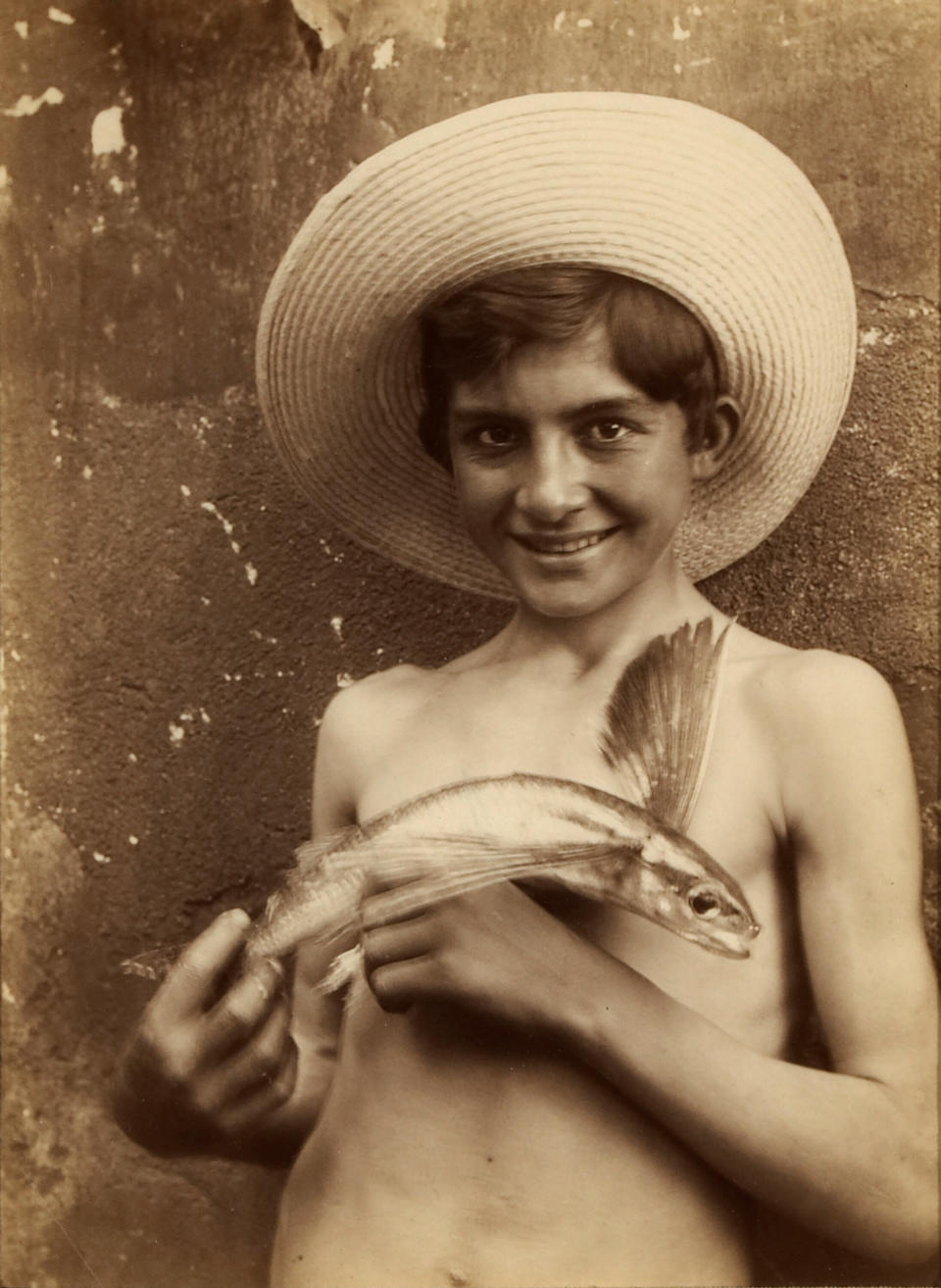
Von Gloeden's photographs were literally illustrative – not only because they were part of a new type of art, but they were also a kind of forerunner to what we know today as image processing, as he was among the first to retouch the imperfections on his models' skins or fix the flaws from shooting with different color saturations.
Related: Over the Rainbow
His photographs' artistic and technical value, together with the novelty of portraying nude men, gave von Gloeden an excellent reputation throughout Europe. His pictures have been exhibited at museums in London, Cairo, Berlin, Rome and Philadelphia. Certainly, the fame and esteem that belonged to the intellectual strata of society were one of the reasons why von Gloeden could openly live as a homosexual without too much pressure. For instance, although he was reported on several occasions, he was never convicted.
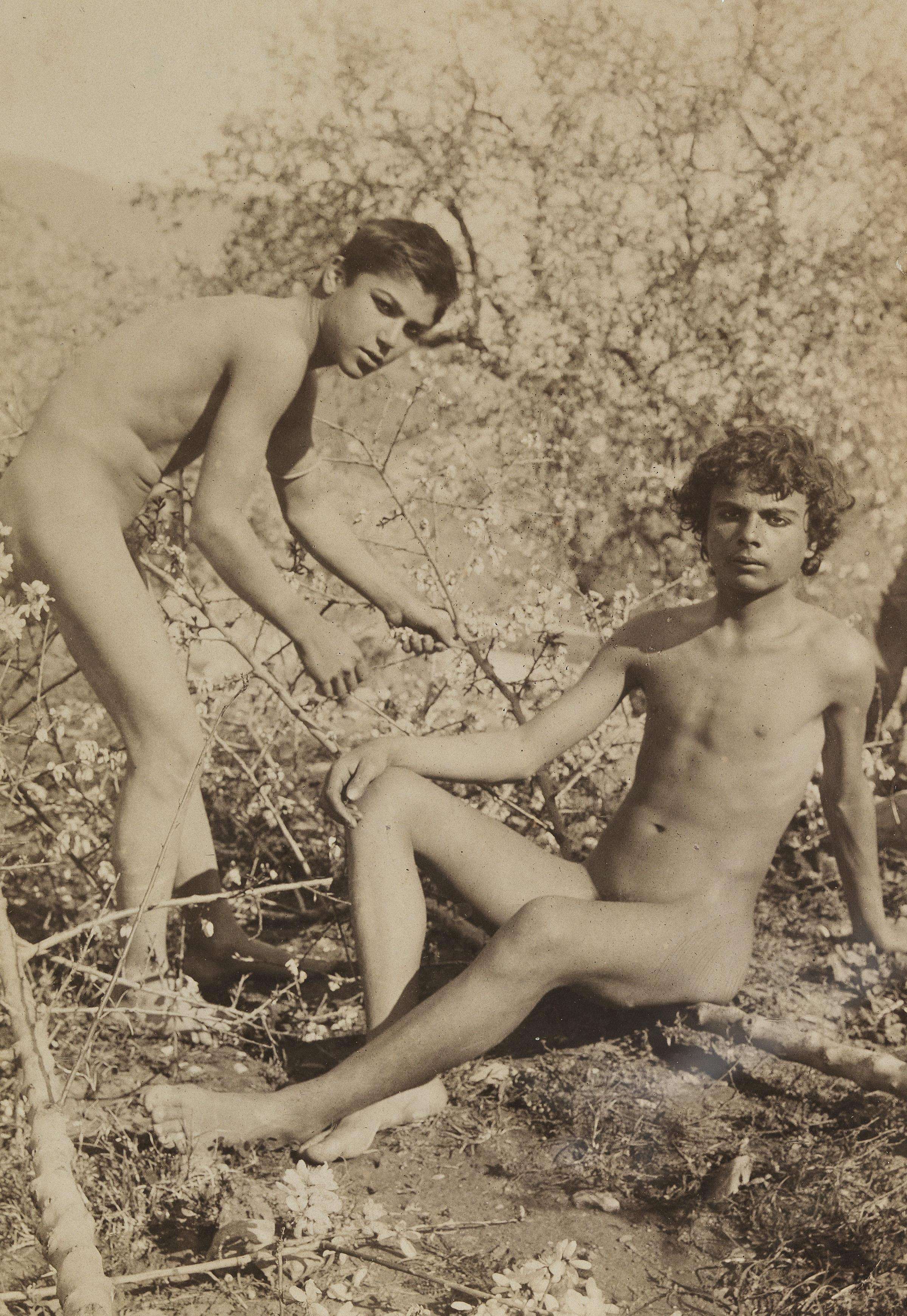
Wilhelm von Gloeden left Taormina when World War I broke out but he returned in 1919. He lived there for the rest of his life with his sister, who ran the household, and Pancrazio Buciuni, 'Il Moro' – his lover and heir to von Gloeden's belongings after his death in 1931.
Related: Why is Erotica Still a Touchy Subject in the Art World?
A large part of von Gloeden's photographs and negatives – which were considered pornographic material and at the time were strictly forbidden – were destroyed in a police raid at Il Moro's home in 1936. Il Moro ended up being imprisoned, but was later released. Only a third of von Gloeden's photographs survived the event.
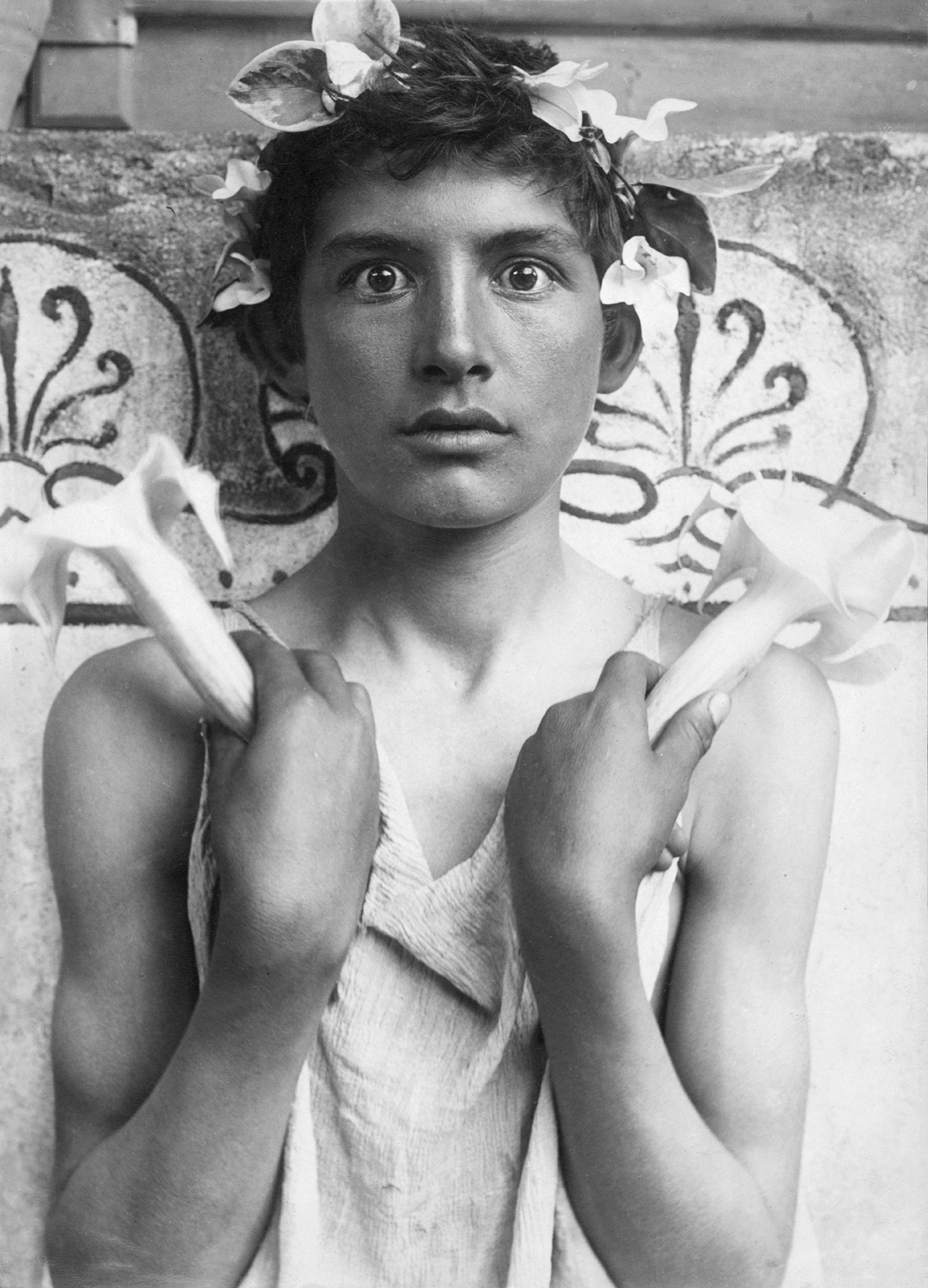
Since the 1970s, von Gloeden's photographs have begun to circulate in the auction market. Many of his photographs have sold for over €15,000, well above their estimated prices. In 2005, an album of 49 photographs with male nude portraits went to Christie's for €16,800, a final hammer price corresponding to twice the estimated price.