From July 21-31, the UNESCO World Heritage Committee met in New Delhi, India's capital, to decide on new additions to the institution's prestigious list and possible deletions. None of the more than 1,200 World Heritage Sites worldwide were removed this year, but 24 new ones were added. The 19 nominations in the field of culture span approximately 2 million years of human history.
The new entry with the oldest finds includes the archaeological and palaeontological sites of Melka Kunture and Balchit in the highlands of Ethiopia, which provide evidence of settlement by hominid groups 2 million years ago.
The emergence of modern humans and their early cognitive abilities, based on the Pleistocene colonisation of South Africa, is illustrated by three sites that have been combined into one World Heritage Site. Also consisting of several sites and located in South Africa, the most recent addition to the list is the site commemorating the legacy of Nelson Mandela.
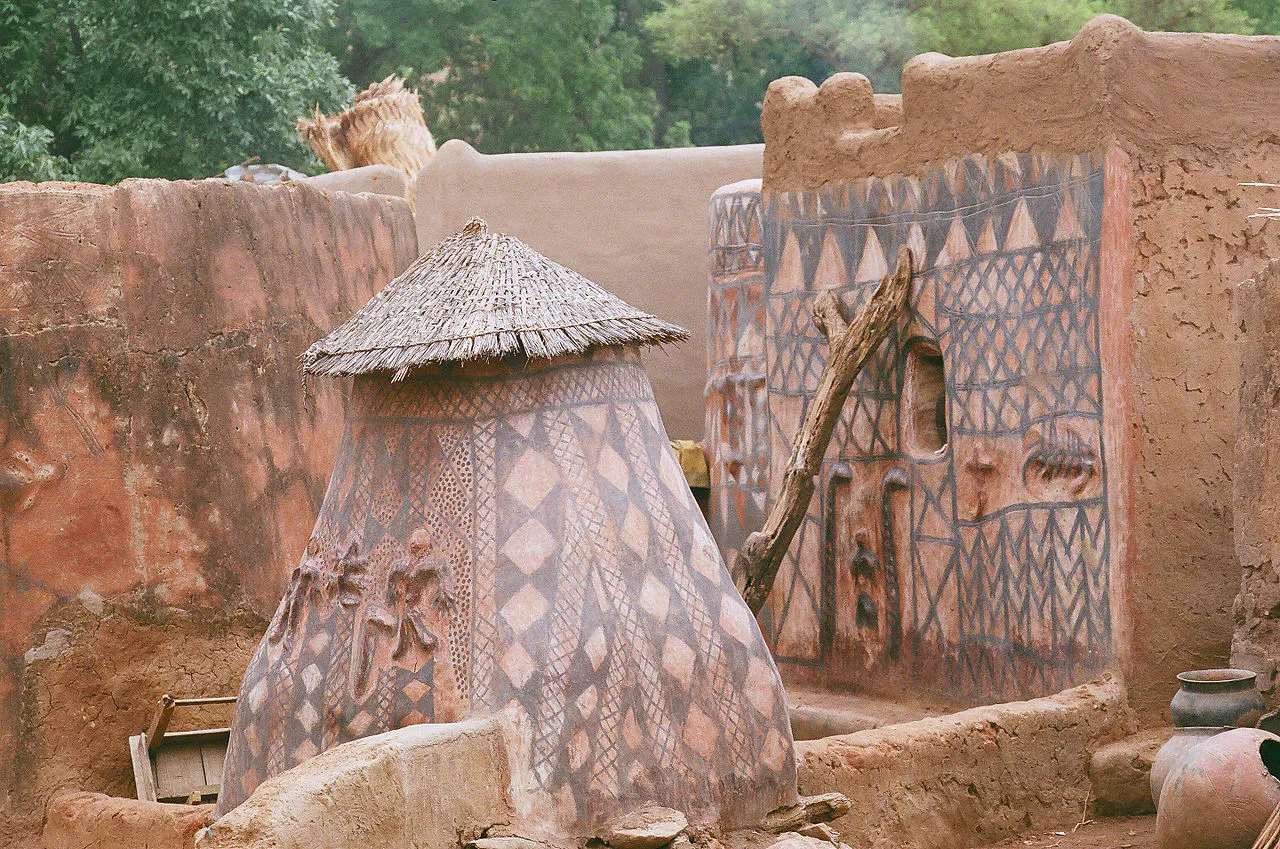
Also on the African continent are the ruins of the Swahili city of Gedi, which was part of the flourishing trading network on the coast of Kenya from the 10th to 17th centuries, and the royal court of the village of Tiébélé in Burkina Faso, with its traditionally built and elaborately decorated mud houses, an impressive testimony to the craftsmanship of the Kassena.
Related: How Dogon Art Inspired Western Artists
In north-west Iran, the newly registered site of Hegmataneh boasts three thousand years of uninterrupted settlement history, during which it served as the capital and residence of various Persian empires. The archaeological area around the remains of the city of Qaryat al-Faw in Saudi Arabia bears witness to the intensive settlement of the site, which was suddenly abandoned in the late pre-Islamic period, with finds dating back to the Palaeolithic period.
Want more articles like this straight to your inbox? Subscribe to our free newsletter!
With its basalt structures from the Byzantine and early Islamic periods, Umm al-Jimal in modern-day Jordan is considered the best-preserved site of its kind in the southern Hauran region. The site, inhabited until the end of the 8th century, was built in the 5th century on the site of a former Roman settlement. A fourth new World Heritage Site in the Middle East, which was also inscribed on the List of World Heritage in Danger, is Tell Umm el-ʿAmr in the Gaza Strip, a ruined monastery that bears witness to early Christianity in the region.
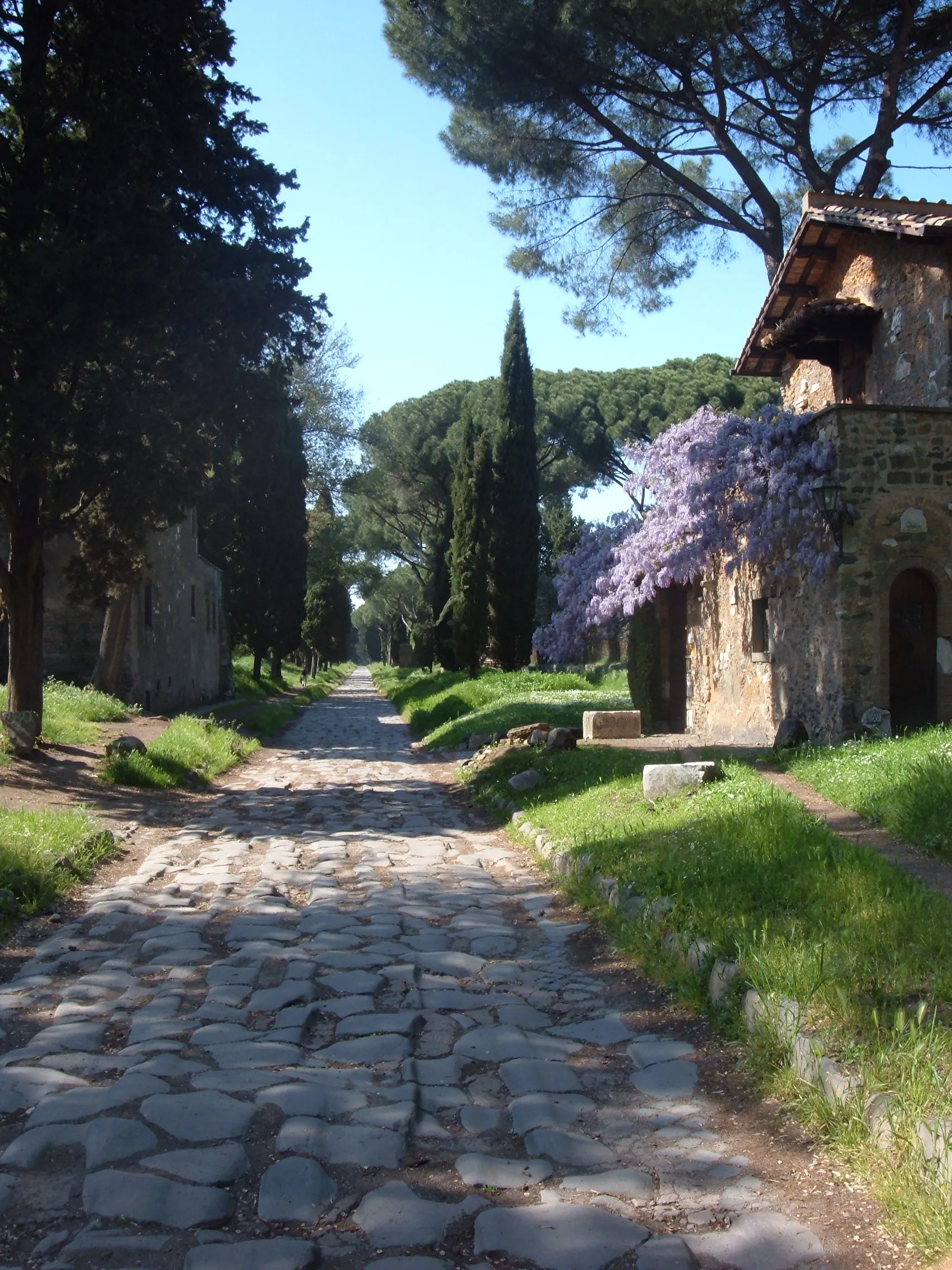
Like South Africa, Romania can also look forward to two new World Heritage Sites in 2024. The first is Constantin Brâncuși's sculptural ensemble in Târgu Jiu (Table of Silence, Gate of the Kiss, Pillar of Infinity), dedicated to the Romanian fallen in the First World War and inaugurated in 1938. The second is the borders of the Roman Empire, commemorated by several sites along the Dacian Limes. A World Heritage Site from Roman times has also been included in Italy: the famous Via Appia, the "Queen of Roads," which, running from Rome to Brindisi, was not only an important trade and military route for the expansion of the Roman Empire but also a masterpiece of engineering at the time.
Related: The 10 Most Expensive Sculptures Sold at Auction
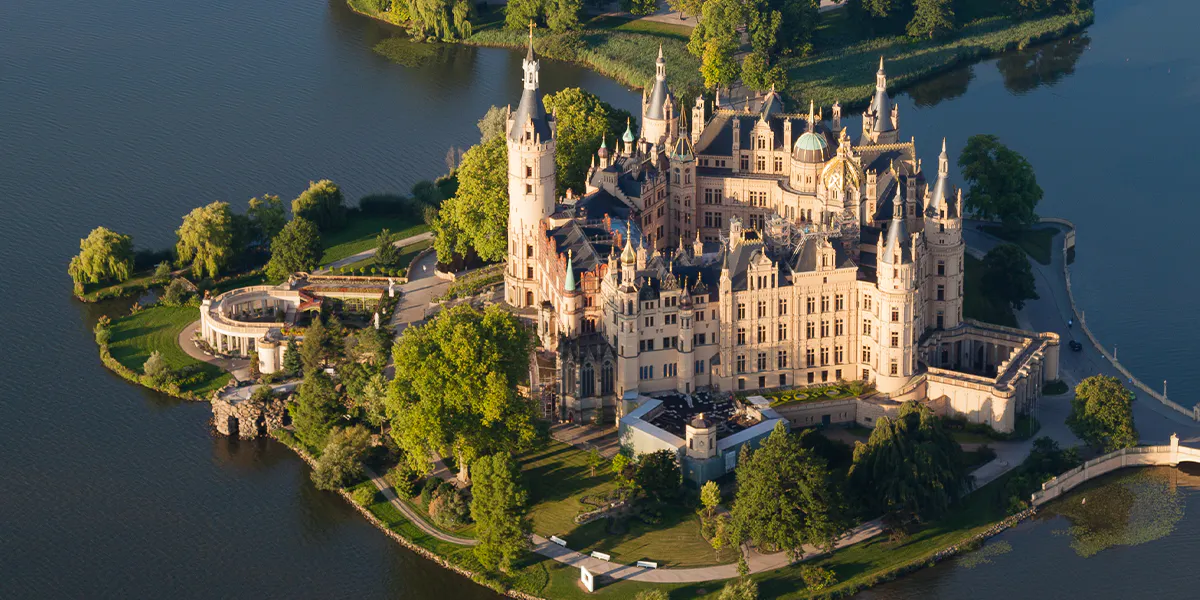
In Germany, Mecklenburg-Western Pomerania's capital Schwerin can now boast a UNESCO World Heritage Site with the Residence Ensemble, which comprises a total of 37 buildings and a park landscape. The centerpiece is Schwerin Palace, extended in the 19th century in the neo-Gothic style and now an outstanding example of the aesthetics of historicism. The new Russian World Heritage Site on Lake Kenosero is less grand. There, over 1,500 wooden buildings tell of the rural life that developed in the region from the 12th century onwards.
Related: From Neo-Gothic to Knightly Romanticism: Medieval Revival in the 19th Century
In Japan, the gold mines on the island of Sado have now been added to the World Heritage List. There is evidence of gold and silver mining on Sado since the 12th century, making Japan one of the world's leading gold producers in the 17th century. Historic shafts, processing plants, and residential buildings have been preserved on Sado.
Similar to Schwerin, an ensemble of buildings in Beijing has also been designated a World Heritage Site. The central axis in the historic centre of the metropolis, with Jingshan Park, the Forbidden City, and the Gate of Heavenly Peace, is imbued with the Confucian ideal of symmetry and balance.
Related: A Timeline of Chinese Porcelain: Neolithic to Modern
With archaeological and palaeoanthropological finds dating back up to 50,000 years, the Niah Caves complex in the Malaysian part of the island of Borneo, including a Homo sapiens skull, is an important site providing evidence of the early presence of modern humans in the Southeast Asian archipelago.

The Phu Phrabat Historical Park in north-east Thailand is home to the world's most important collection of Sīma stones. The stones served as boundary markers for the sacred areas of Buddhist temples and monasteries. The collection in the history park dates back to the Dvaravati period (7th-11th century). India can also look forward to a new World Heritage Site: the Maidam burial sites in present-day Assam. The elite of the Ahom dynasty were buried in the burial mounds from the 13th to 19th centuries.
Related: How Greek Art Influenced Buddhist Representations
The Marquesas Islands in French Polynesia have been declared a UNESCO World Heritage mixed cultural and natural site, home to breathtaking nature with endemic species and the Ènata culture.
There has been a significant expansion for the settlements of the Moravian Church built according to a standardised pattern. While only the Christiansfeld settlement in Denmark was designated as part of the World Heritage Site in 2015, this has now been extended to the settlements of Bethlehem in Pennsylvania, Gracehill in Northern Ireland, and the original congregation of Herrnhut in Saxony.
In 2025, the 47th session of the World Heritage Committee will take place in Bulgaria from July 6-16. One nomination to be decided at that time includes the castles of the Bavarian fairytale king Ludwig II.