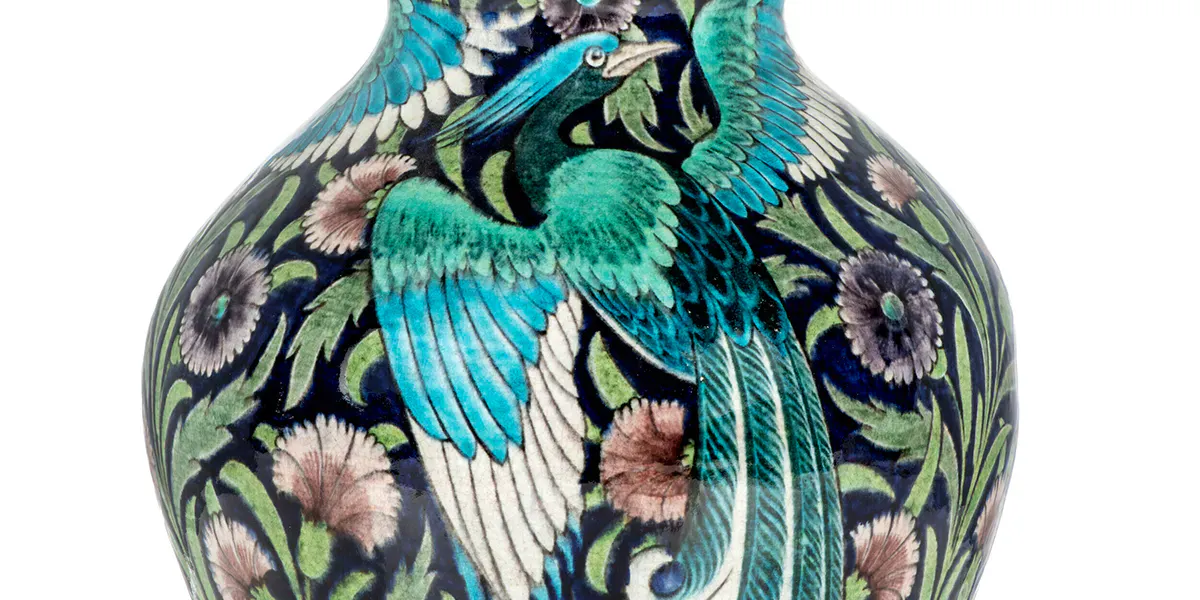
Throughout history, flowers have symbolised much more than beauty. In the Victorian era, strict social etiquette led people to use flowers as a discreet form of communication, known as floriography. With guidebooks to decode meanings, flowers conveyed love, admiration, and sorrow without words. Beyond personal messages, they’ve carried deep symbolic significance in art, representing love, purity, mortality, and spirituality, adding layers of meaning to visual expressions.
See also: Spring in Art: 10 Works of the Season
From ancient civilisations to the Renaissance, floral art has evolved with cultural and artistic trends. Egyptians used lotus flowers to symbolise life and death, while Renaissance painters linked them to purity and devotion. In the Dutch Golden Age, still-life paintings showcased flowers as both beauty and status symbols. Impressionists like Monet and Renoir captured their fleeting essence. Today, floral symbolism continues to captivate in art and literature, with flowers' hidden meanings resonating across time.
1. Roses
Roses are perhaps the most universally recognised symbol of love and passion, with their meanings varying by color. Red roses signify deep romance, white roses represent purity and innocence, and darker shades can express sorrow or shame. Historically, pink roses conveyed secret love and pleasure. In religious art, red roses have also been linked to Christ’s sacrifice, their petals symbolising the wounds of the crucifixion.
See also: Pop Art in Bloom: Andy Warhol's Flowers
2. Lilies
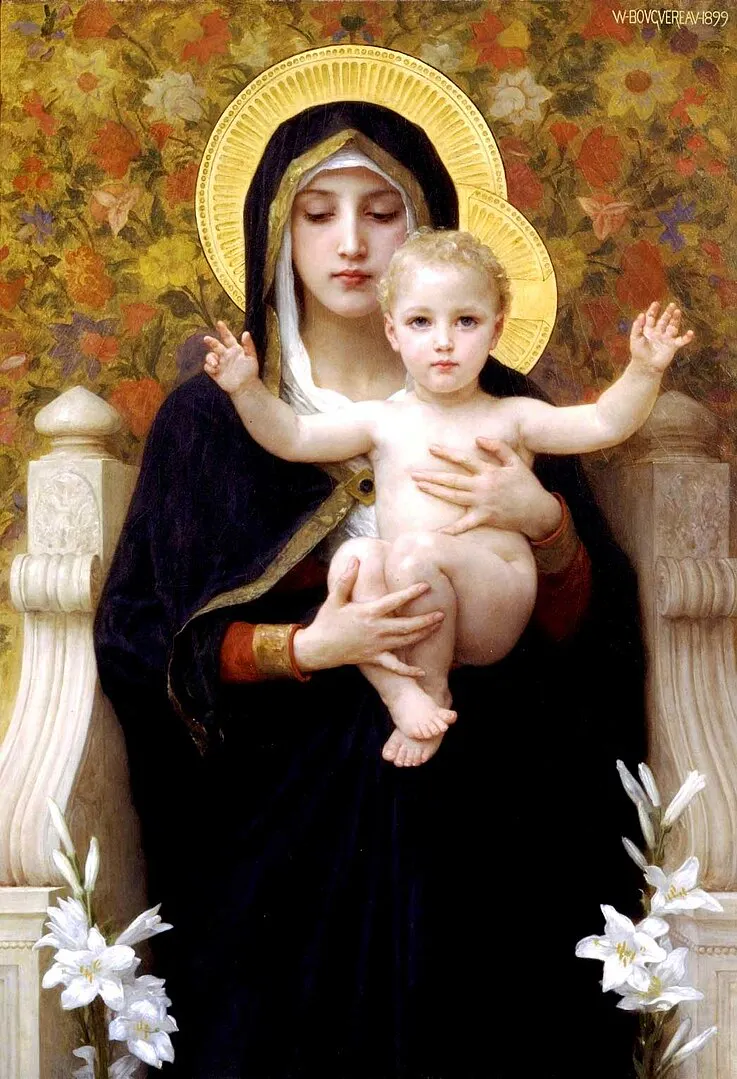
Lilies are widely associated with purity, innocence, and spirituality. In Christian art, white lilies often appear in Annunciation scenes, symbolising the Virgin Mary's chastity. Their presence in funerary art reinforces their role as symbols of resurrection and the soul’s return to heaven. In contrast, Greek mythology links lilies to fertility and divine beauty.
3. Sunflowers
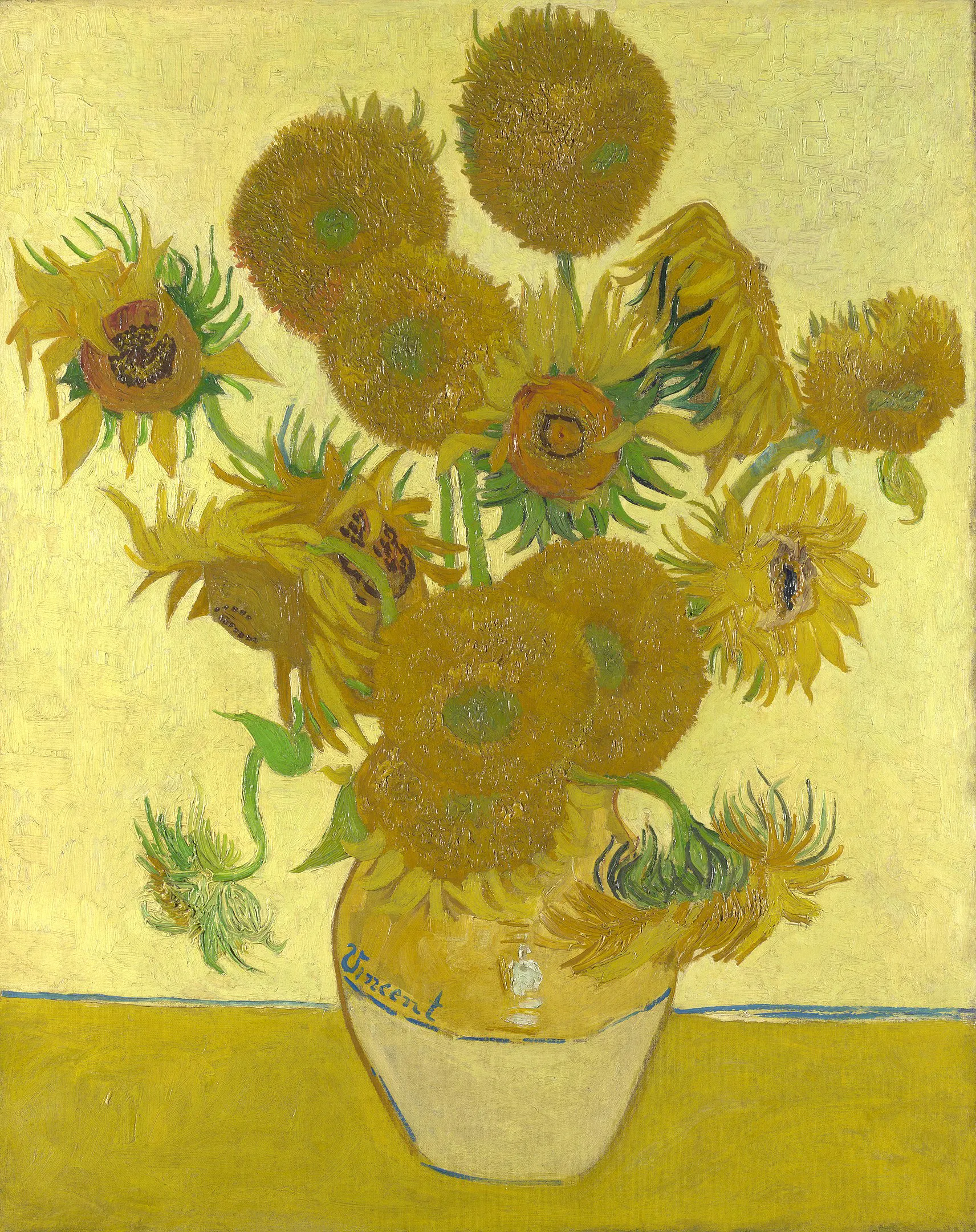
Sunflowers, symbolising gratitude, held a special place in Vincent van Gogh’s heart. Though others found it surprising, he was captivated by their simple beauty and accessibility. His Sunflowers series remains a testament to finding inspiration in the everyday, transforming humble flowers into timeless art.
4. Cherry Blossoms

Cherry blossoms symbolise life’s transience, their brief yet spectacular bloom serving as a metaphor for fleeting beauty—a concept deeply rooted in Japanese philosophy. In art, they often represent renewal, hope, and the impermanence of worldly pleasures.
See also: Ephemeral Beauty: Cherry Blossoms in Japanese Art
5. Lotus Flowers
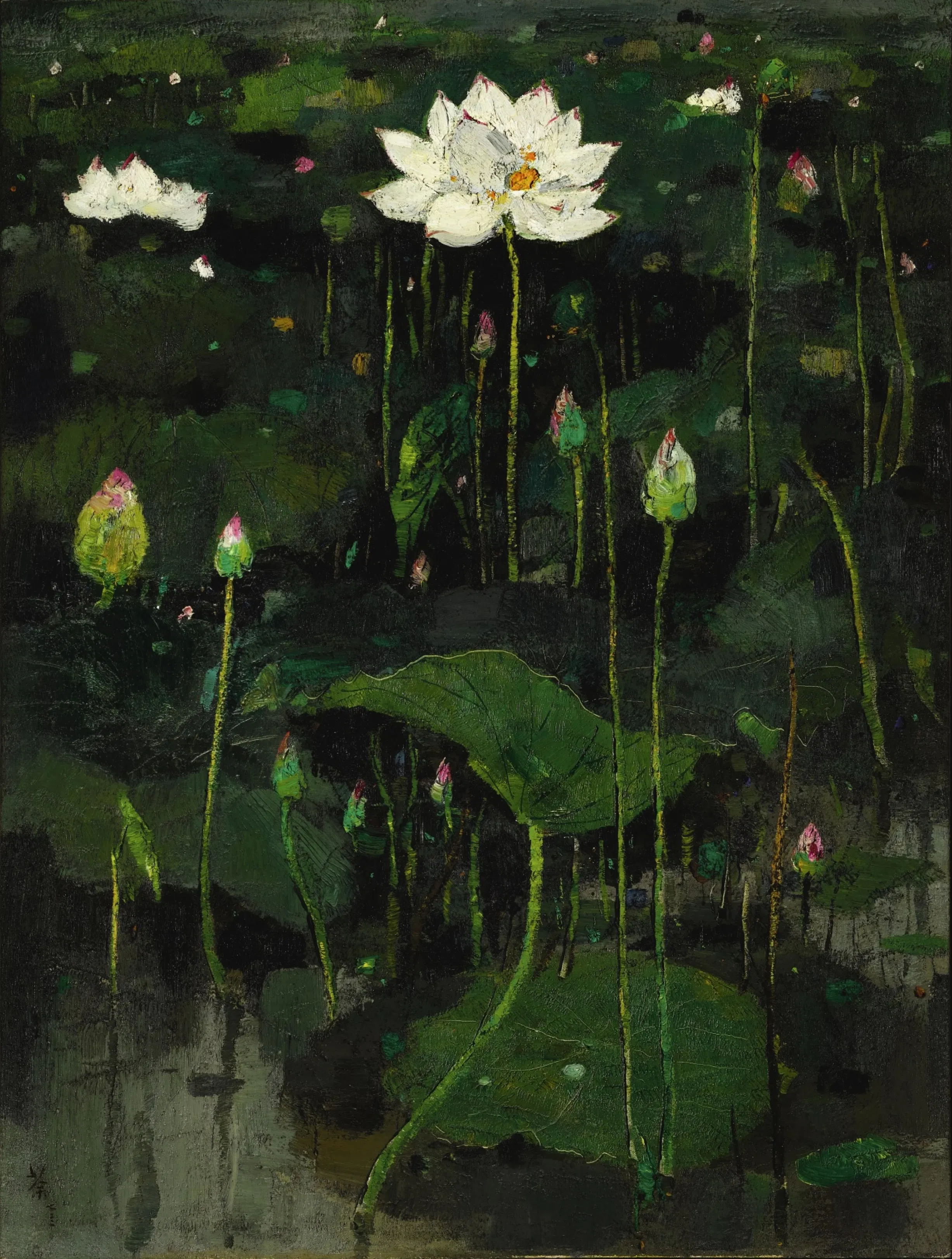
A powerful symbol in Buddhist and Hindu traditions, the lotus flower represents spiritual awakening and enlightenment. Rising from murky waters into pure bloom, it embodies personal growth and transcendence. In ancient Egyptian art, the lotus also symbolised rebirth and divine connection.
Want more articles like this straight to your inbox? Subscribe to our free newsletter!
6. Orchids

Orchids have long symbolised beauty, refinement, and exoticism, with different species carrying distinct meanings. Phalaenopsis orchids represent innocence, while Cattleya orchids are associated with love and passion. In Chinese culture, orchids are revered as symbols of strength and integrity.
7. Poppies
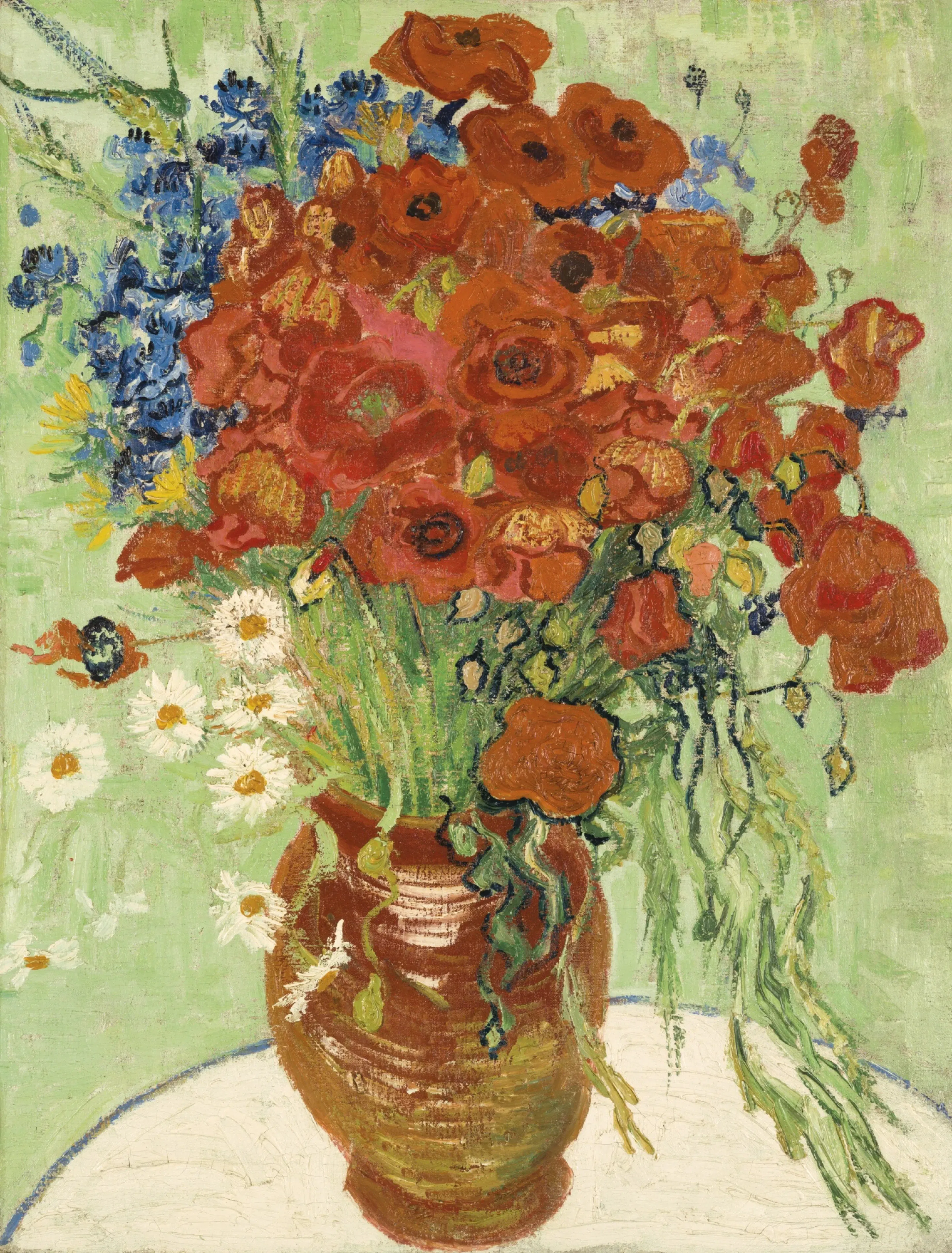
Poppies carry deep symbolism, often representing remembrance and sacrifice. In British culture, red poppies honour fallen soldiers, while in classical art, they symbolise sleep, peace, and even death due to their connection to opium.
See also: The Magic of Josef Frank’s Patterns
8. Daffodils

Among the first flowers of spring, daffodils symbolise renewal and new beginnings. Their name ties to the Greek myth of Narcissus, reinforcing themes of self-reflection and transformation. In art, they often represent hope and fresh starts.
9. Snowdrops
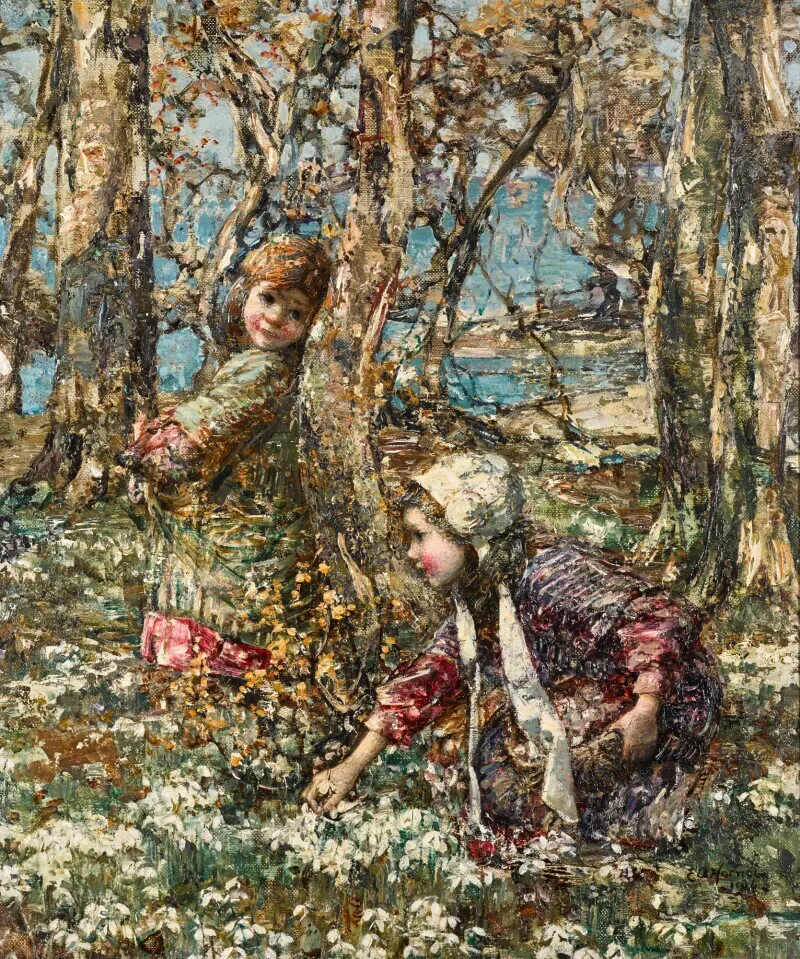
Snowdrops, delicate white flowers that bloom in harsh winter, symbolise hope and resilience. Their early appearance signals the arrival of spring and renewal. In Christian symbolism, they are associated with purity and rebirth.
10. Tulips
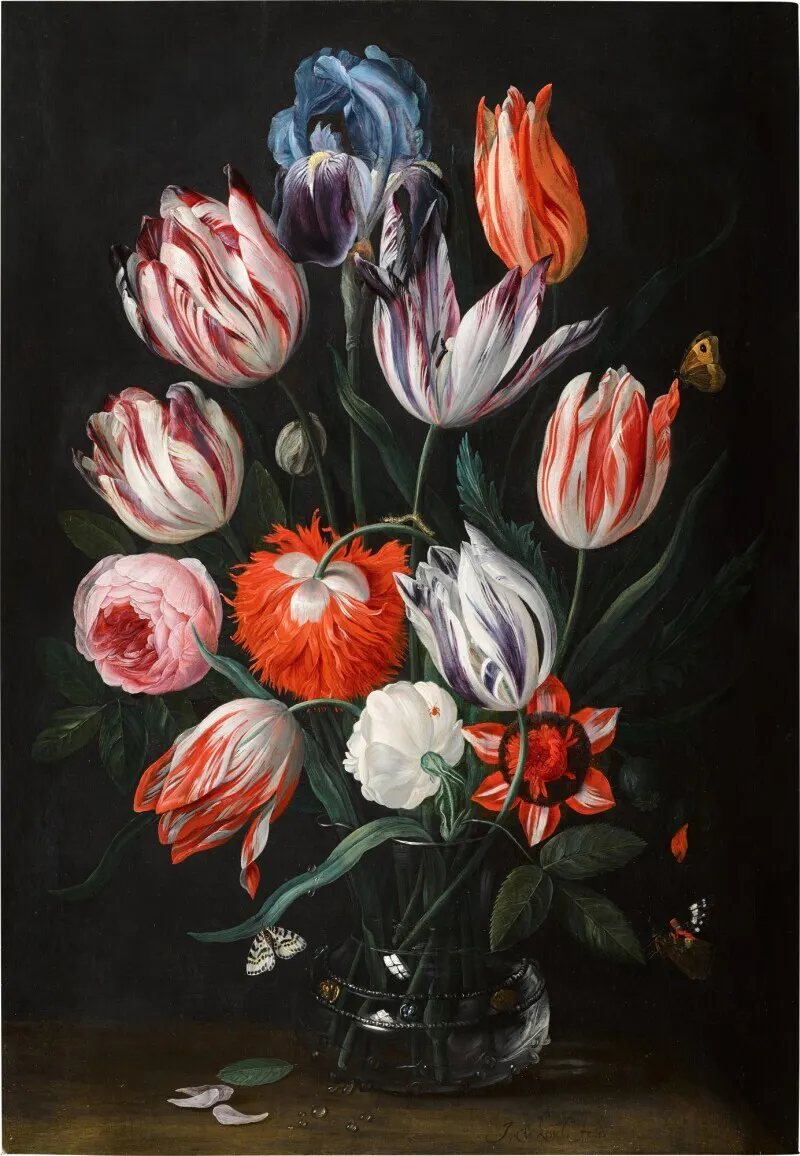
Tulips have long symbolised deep, unconditional love, with their meaning varying by colour—red for passion, white for forgiveness, and yellow for cheerfulness. During the Dutch Golden Age, their rarity and value made them a popular subject in still-life paintings.
See also: Tulipomania: The World's First Stock Exchange Bubble
11. Carnations
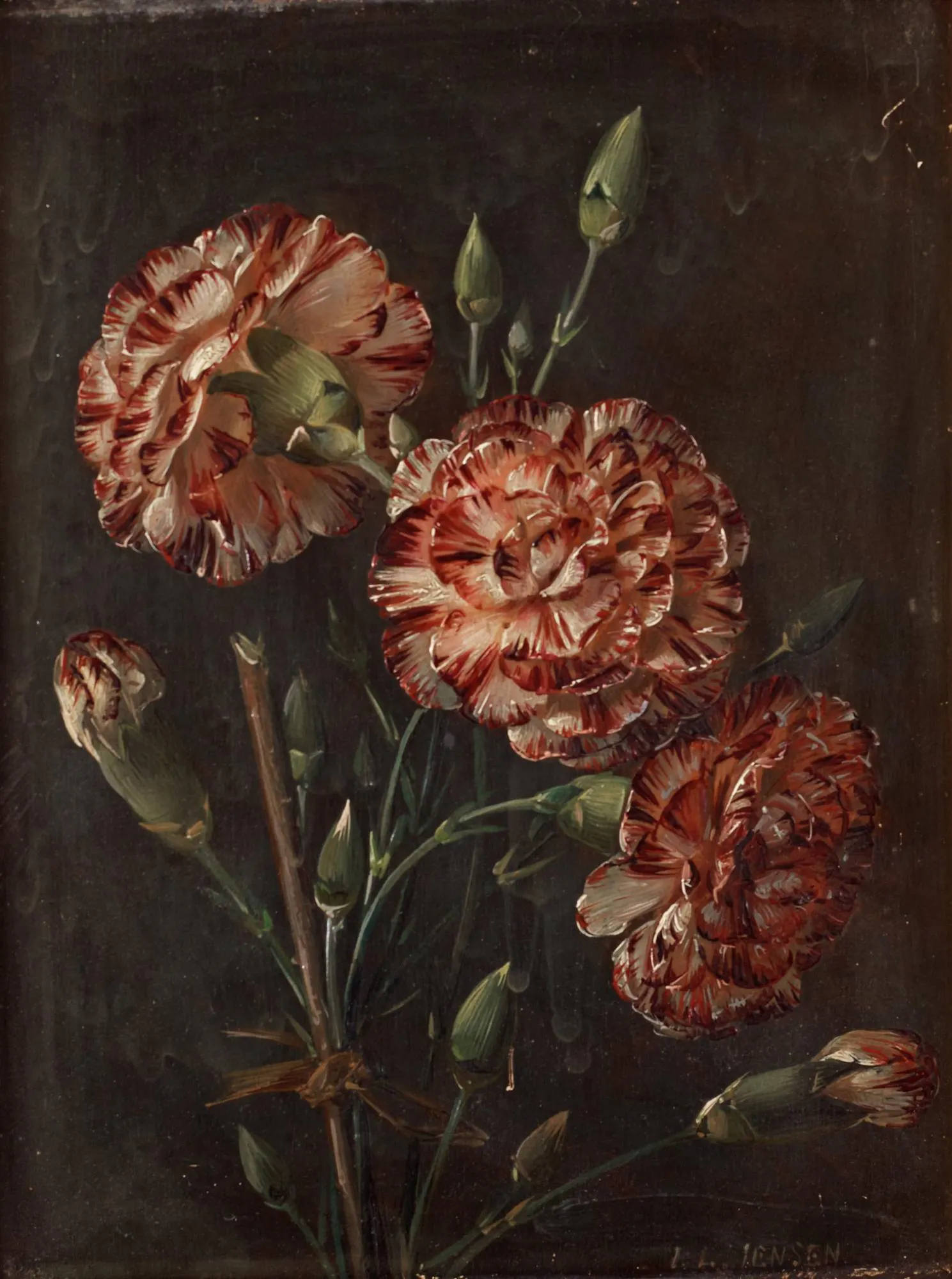
Red carnations are linked to Christ’s sacrifice, while white carnations symbolise purity and faith. In China, they are a traditional wedding flower, representing commitment and joy.
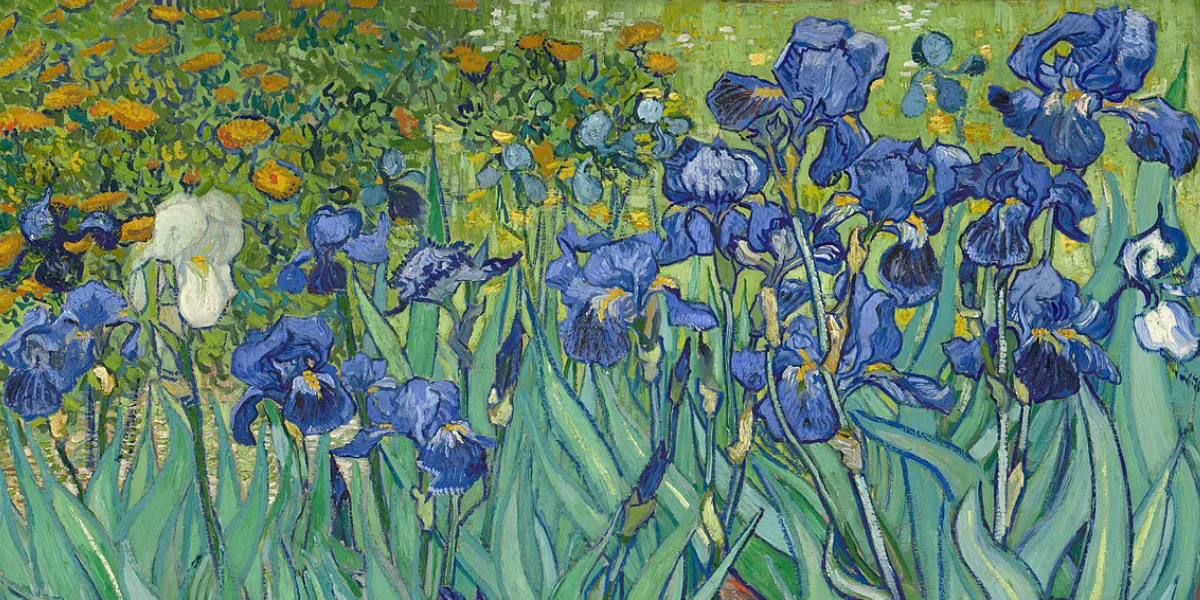
12. Iris
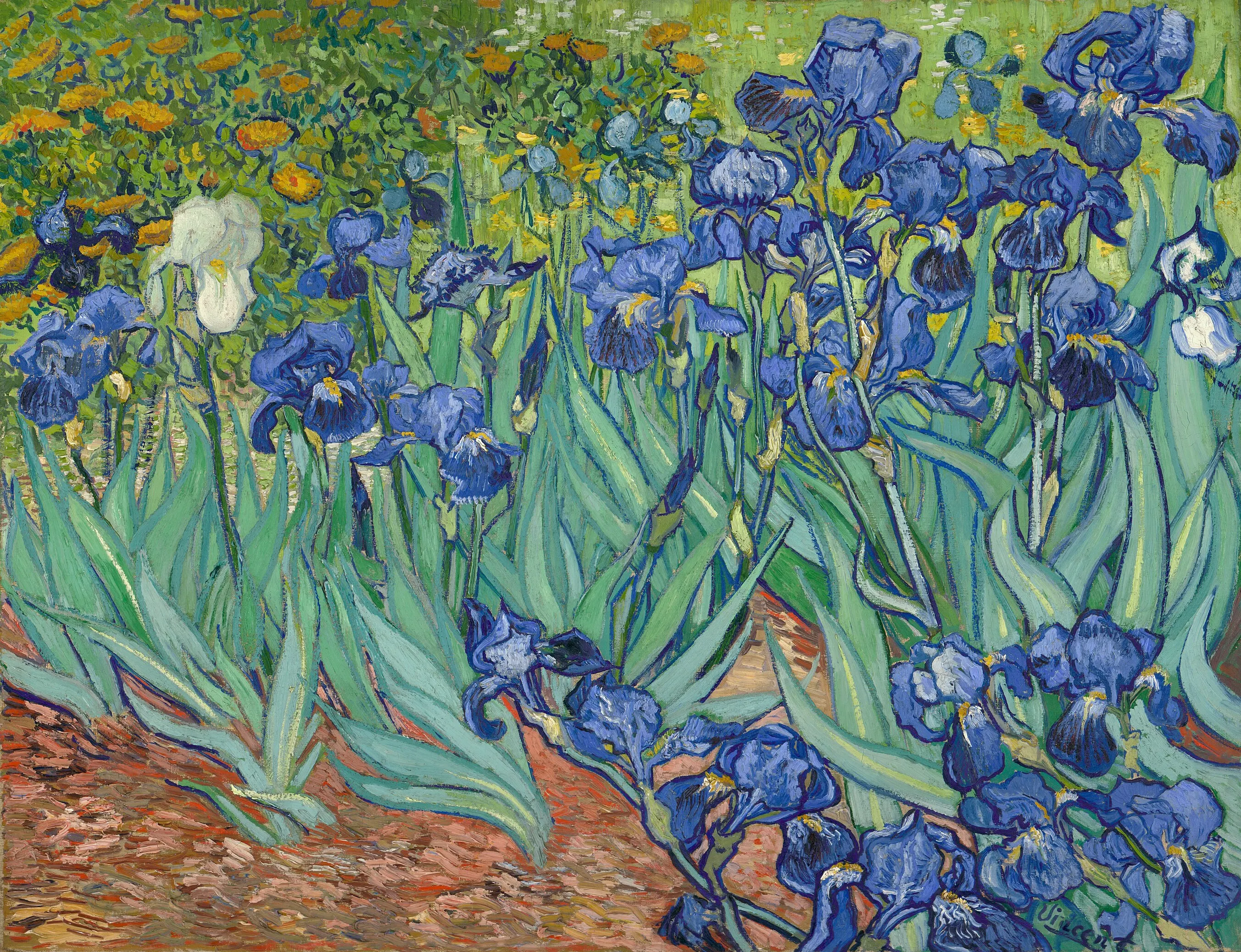
The iris is deeply connected to messages from beyond, as the Greek goddess Iris was believed to carry messages between the heavens and the underworld. Its three petals represent faith, valour, and wisdom, making it a prominent symbol in heraldry and religious art.
13. Hyacinths
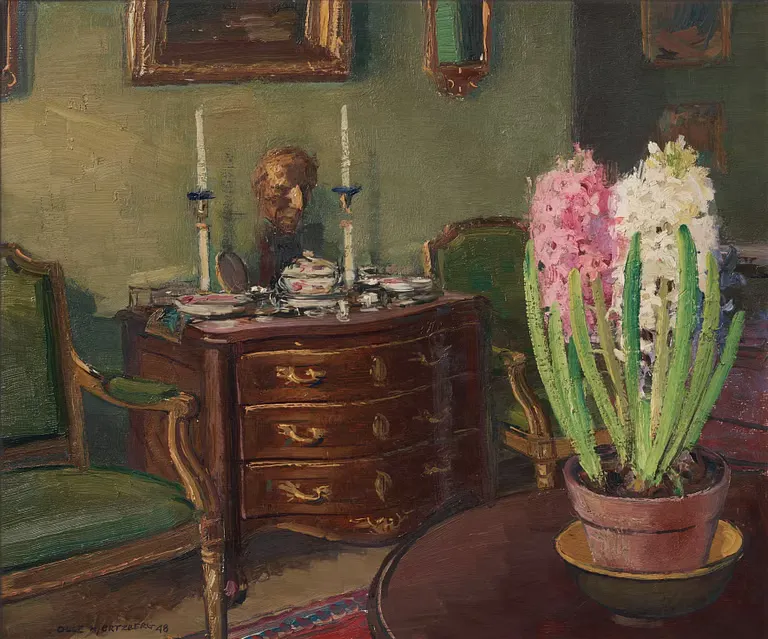
Hyacinths are linked to themes of devotion and sorrow, rooted in Greek mythology. Named after the divine hero Hyacinthus, who was loved by Apollo, they symbolise both deep love and tragic loss. In classical literature, they were also associated with wedding celebrations.
14. Peonies
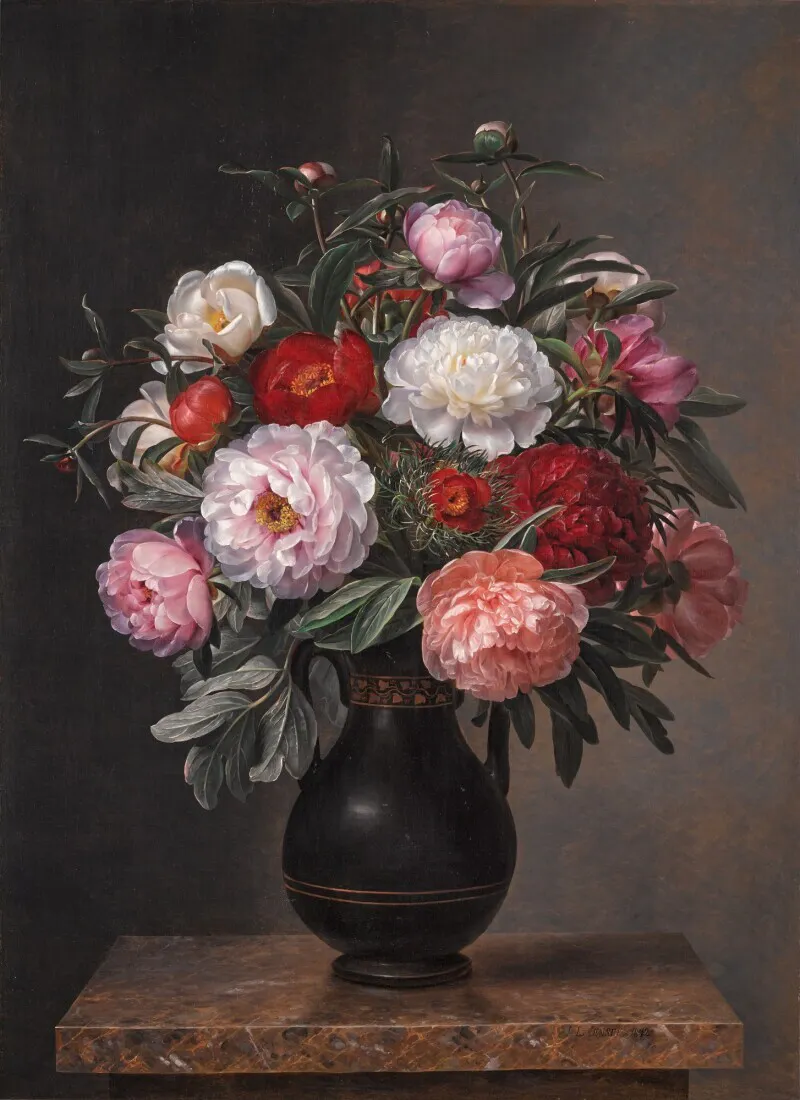
Peonies have long symbolised prosperity, romance, and honour. In Eastern traditions, they are associated with wealth and good fortune, while in Western art, they often represent love and beauty. Their lush blooms make them a popular motif in decorative arts.
Want more articles like this straight to your inbox? Subscribe to our free newsletter!
For centuries, flowers have symbolised love, faith, mortality, and renewal in art. Their meanings continue to resonate, bridging the past and present.