Less is more.
One of the symbolic mottos of Minimalism is the phrase 'Less is more'. With this expression, the architect and designer Ludwig Mies van der Rohe wanted to indicate how elegance does not lie in the richness of means, but rather in the reduction of superfluous elements.
Related: 6 Giants of Mid-Century Modern Design
Minimalism flourished particularly from the 1960s onwards as a reaction to the excesses of earlier art, exploding in London and New York, especially in the 1980s. The movement was seen by many as a response to the prevailing chaos of urban life following the building explosion, industrialization and population boom.
There is some debate as to who specifically coined the term Minimalism; however, art historian Richard Wollheim is often mentioned for using the term 'minimalism' in his 1965 essay entitled Minimal Art. Wollheim used the term to describe the emerging art movement of those years, characterized by its simplified forms and emphasis on the viewer's experience.
The balance and harmony of the 'Essential'
From an aesthetic point of view, Minimalism offers harmony and order and restores a purified, essential form of beauty. One of the main goals of Minimalist design and architecture is to focus on the essential, removing unnecessary details and superfluous elements that often distract, prioritizing instead the functionality and usefulness of a space, the balance of the various components, and the harmony of the structure as a whole. The architectural space must be efficient and ergonomic. Clarity of design draws attention to essential elements and leaves a deeper, more memorable impression on the observer. Eliminating unnecessary frills, designers and architects focus on restraint and what really matters to create impactful and timeless works.
Related: 8 Must-see Design Museums Around the World
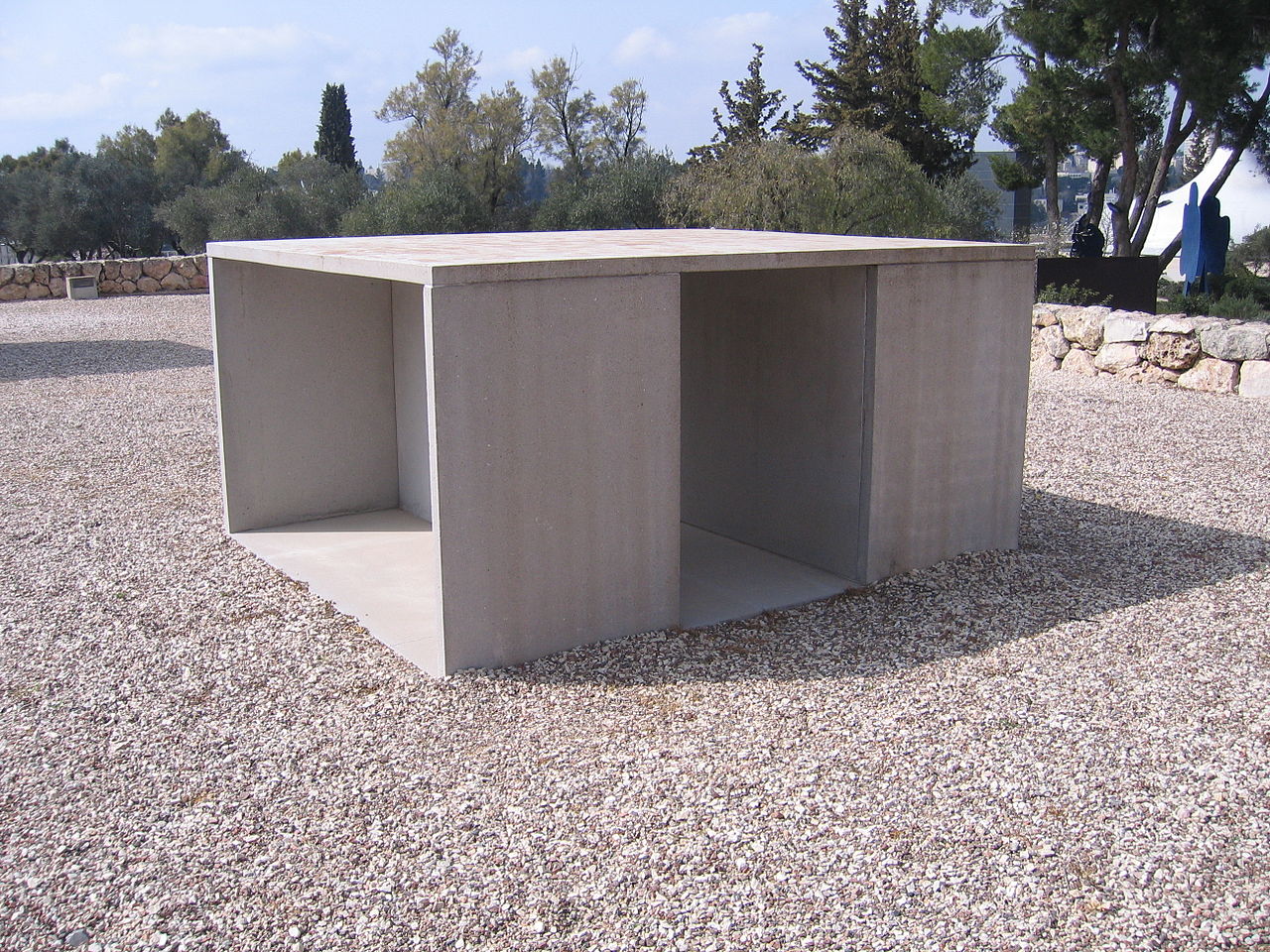
Simplicity, Order and Functionality
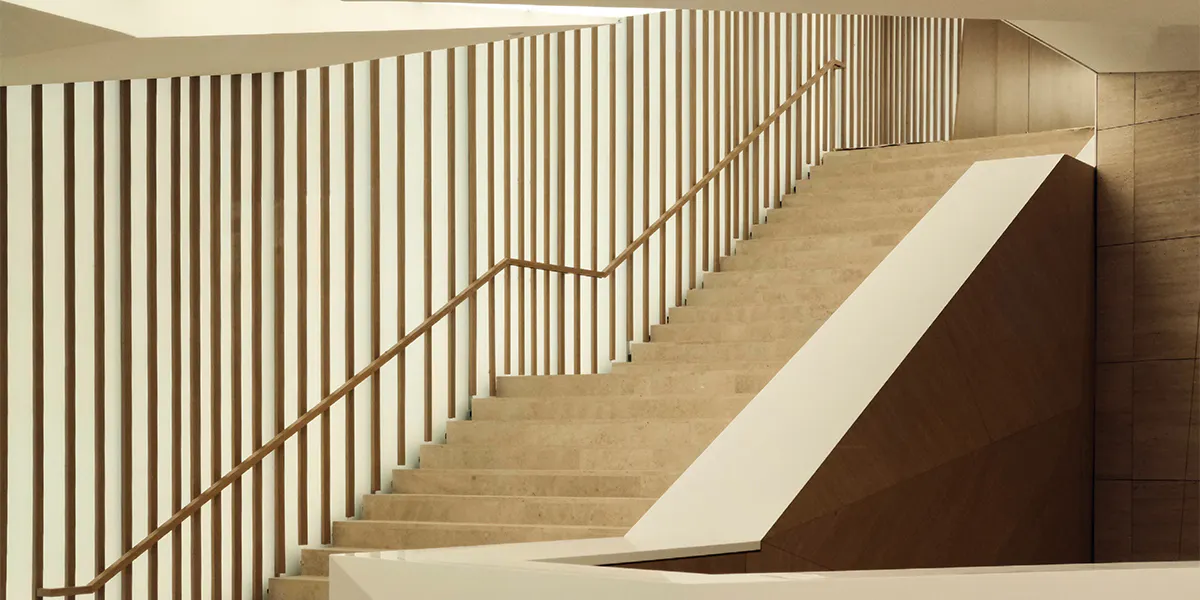
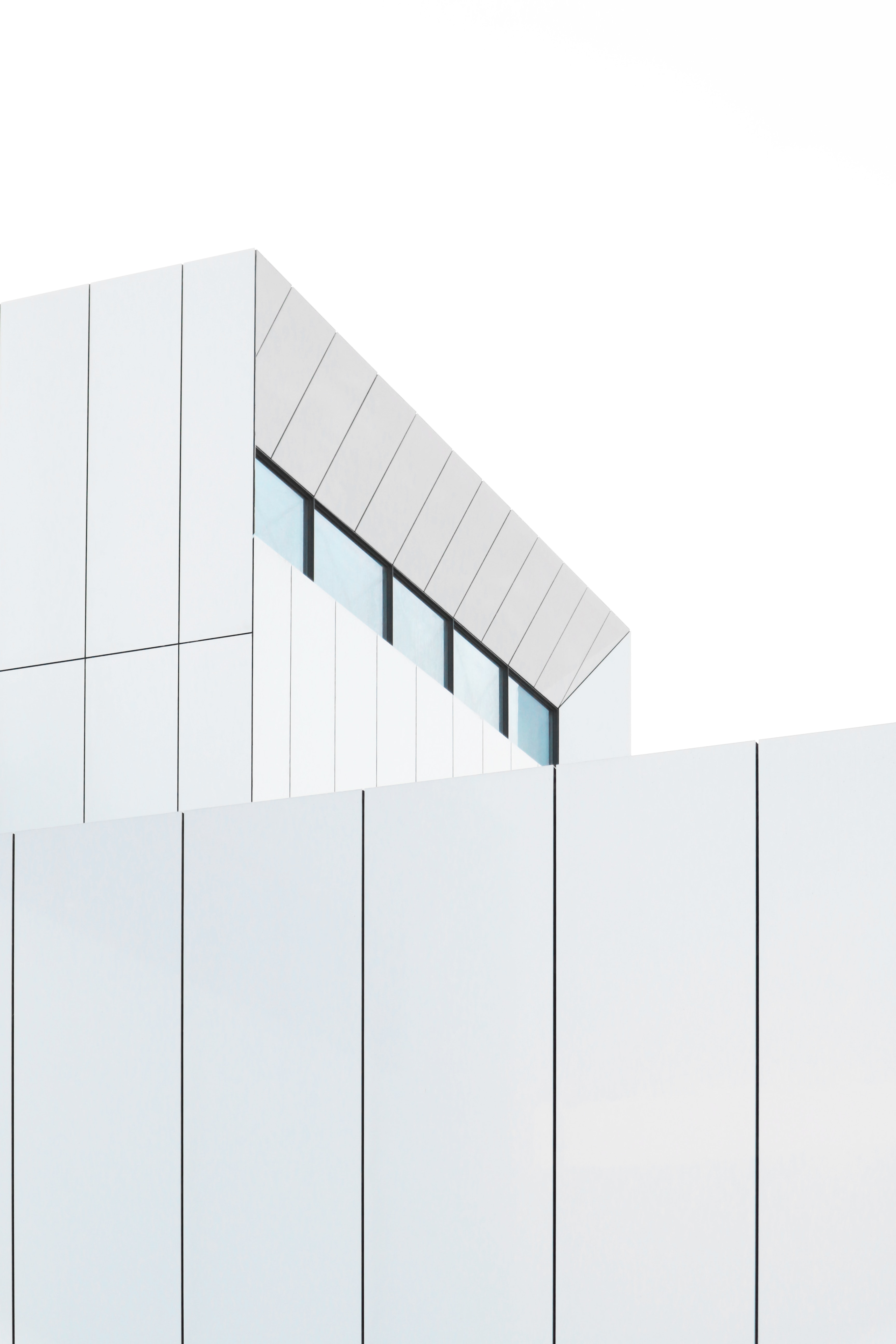
In minimalist design and architecture, the subject is reduced to its necessary elements. Simplicity is obtained using cool lighting and rather large spaces with a limited number of items. Architectural creations are characterized by the extensive use of industrial and building materials and the presence of large geometric volumes, with monolithic units, and cubic and rectangular shapes. Ample space is also given to elements organized in open structures and serial sequences, while colors are often limited to white, black, grey and beige. The minimalist style focuses on multi-functionality and flexibility in space management. The aim is to make rooms suitable for different functions, following an essential, no-frills construction approach that guarantees openness, spaciousness and visual calm.
Intense, clear and powerful.
Underlying this is the idea that simplicity can have a greater aesthetic impact than complex or ornate designs, as it results in a more refined, elegant and solid visual or spatial experience. 'Intense, clear and powerful' said the American artist Donald Judd. Rather than excessive ornamentation, potentially synonymous with clutter, Minimalism opts for clean lines and uncluttered forms.
Related: Why Brutalist Architecture Became the Post-War Aesthetic
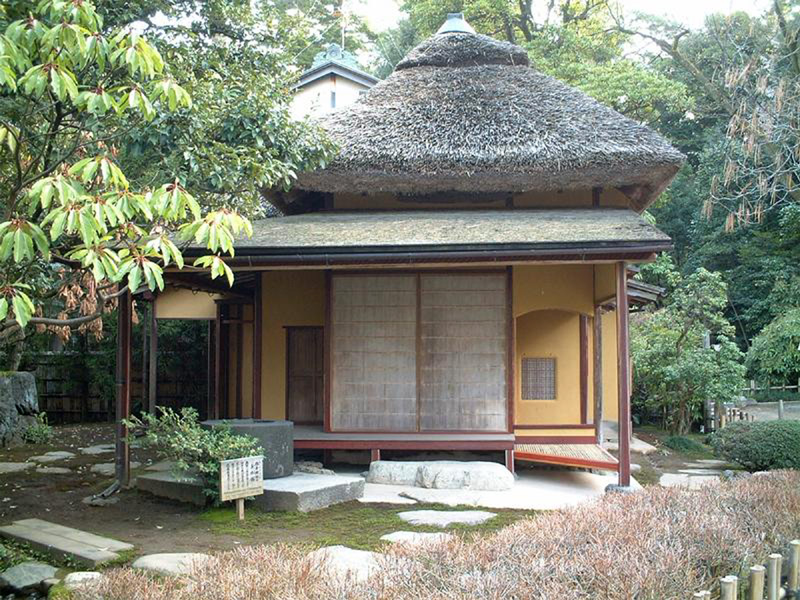
Japanese influences: Wabi-Sabi and the 'Ma' concept
The idea of simplicity that underlies Minimalism is present in many cultures, particularly in traditional Japanese culture. There seems to be a correlation between certain elements of Japanese philosophy and Minimalism, especially in its artistic and conceptual form. Certain fundamental principles, such as 'wabi-sabi' and the concept of 'ma', have provided a spiritual basis for many Minimalist works, framing them within a concept of essentiality and a sense of connection to the present moment and surrounding space. Besides celebrating the beauty of imperfection and the ephemeral, wabi-sabi also praises simplicity and invites us to find joy in modest and natural things, in the purity and essentiality of forms. In the context of Minimalism, this theory can be associated with the use of raw, unimaginative elements and the idea of reduction and linearity in artistic composition.
Related: Kintsugi: The Beauty of ‘Golden Scars’
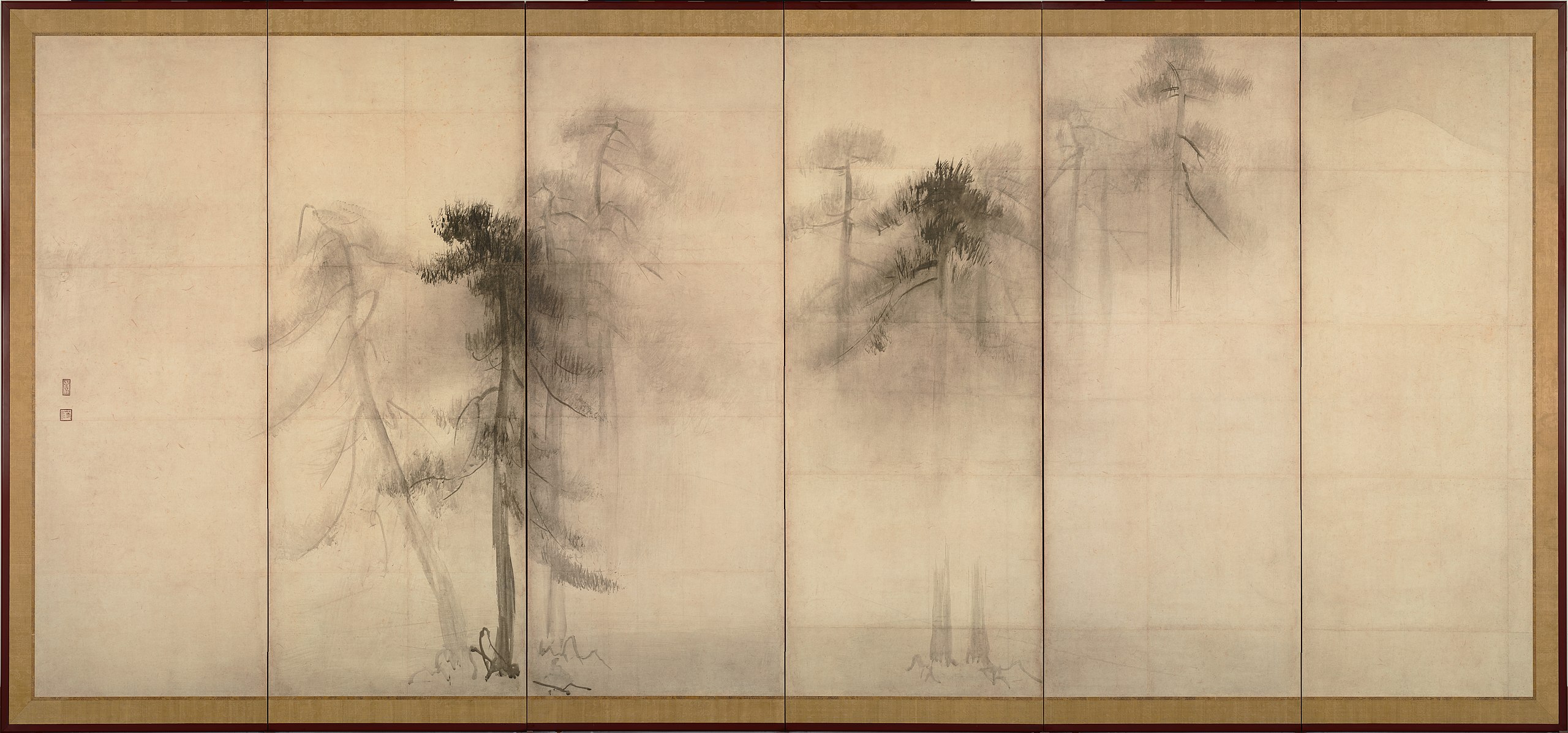
The Japanese concept of 'ma' is also related to Minimalism, as both emphasize the appreciation of emptiness. 'Ma' refers to space and emptiness, understood not in a negative sense, as the Latin phrase horror vacui ('fear of emptiness') refers. While the Western 'fear of emptiness' tends to fill the space with many details and decorations, the Japanese 'ma' considers empty space as an integral part of a creation and celebrates its beauty. The space between one object and another is considered as important as the objects themselves, and emptiness is an enriching element of the aesthetic experience.
Related: Redefining Japan: Shiro Kuramata for Memphis Milano
Similarly, in Minimalism, visual elements are reduced to a minimum and 'invisible qualities' such as natural light, air, earth and sky are given voice. Clean lines, simple geometric shapes, and empty spaces are used to create a sense of balance, harmony and visual silence. The voids left by the artist create interaction, open a dialogue with the surroundings and allow the eyes and mind to contemplate the work more consciously.
Minimal Masters, Great Works
Speaking of the influence of Japan, we cannot fail to mention the Japanese minimalist architect Tadao Ando, whose core concepts are pure geometry and nature, and Kazuyo Sejima, famous for her clean, simple lines, white spaces and emphasis on functionality. Other notable names include Carl Andre, Donald Judd, Agnes Martin, Anne Truitt, Sol LeWitt, Frank Stella, Robert Morris and Dan Flavin, whose well-known installations using ordinary fluorescent wall lamps are worth mentioning.
Want articles like this delivered straight to your inbox? Subscribe to our free newsletter!
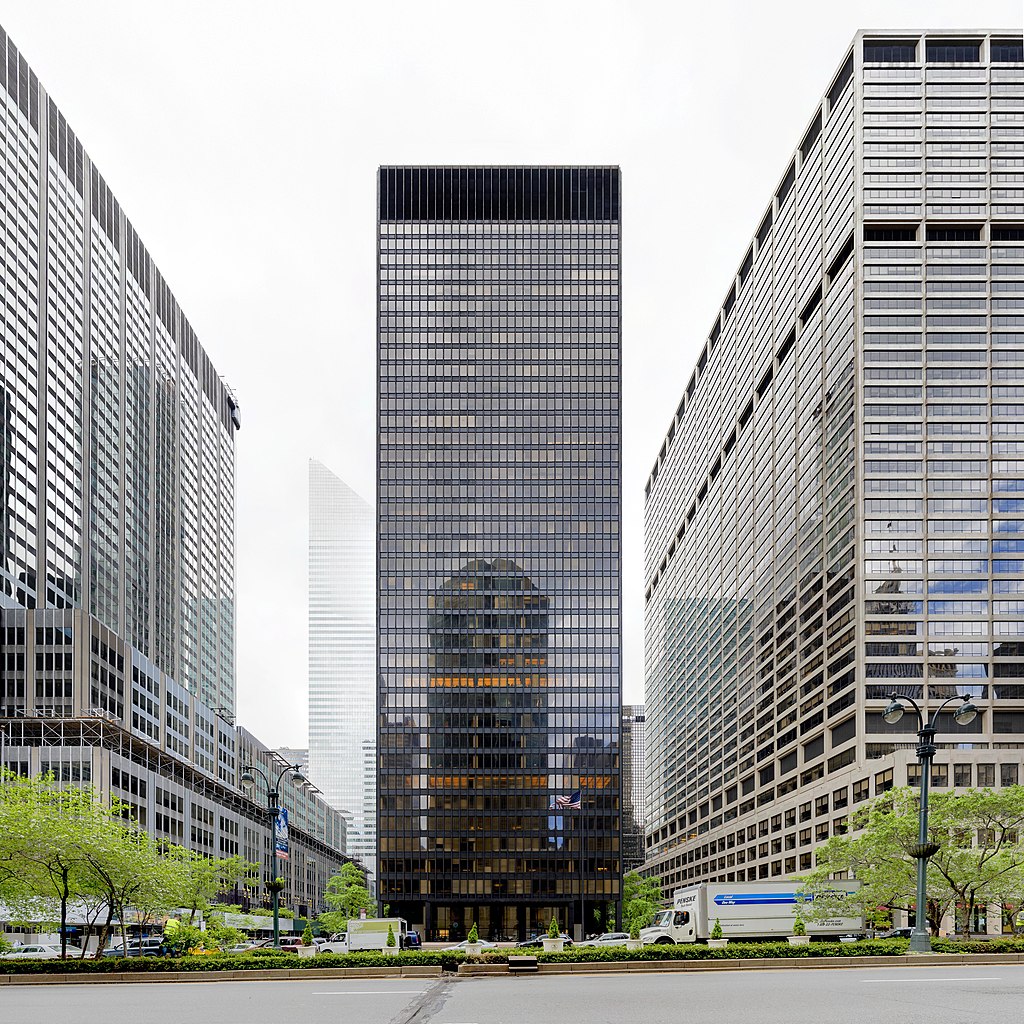
Any list of famous works belonging to the Minimalist current would be reductive, but particularly significant creations in the field of design include Dieter Rams' work for Braun, Achille and Pier Giacomo Castiglioni's Arco lamp, Richard Sapper's Tizio and Michele De Lucchi and Giancarlo Fassina's Tolomeo, as far as design is concerned. As far as architecture is concerned, Ludwig Mies van der Rohe's Seagram Building in New York (considered by some to be the forerunner of Minimalism), Herzog & de Meuron's Vitra Design Haus and Renzo Piano's small housing unit Diogene are often mentioned.
Minimalism has exerted a significant influence in contemporary design and art for years. Conceptual clarity, simplicity and a focus on the essential create orderly spaces and clean lines. Within this context, the spaces created are functional, pure, harmonious and timelessly elegant.