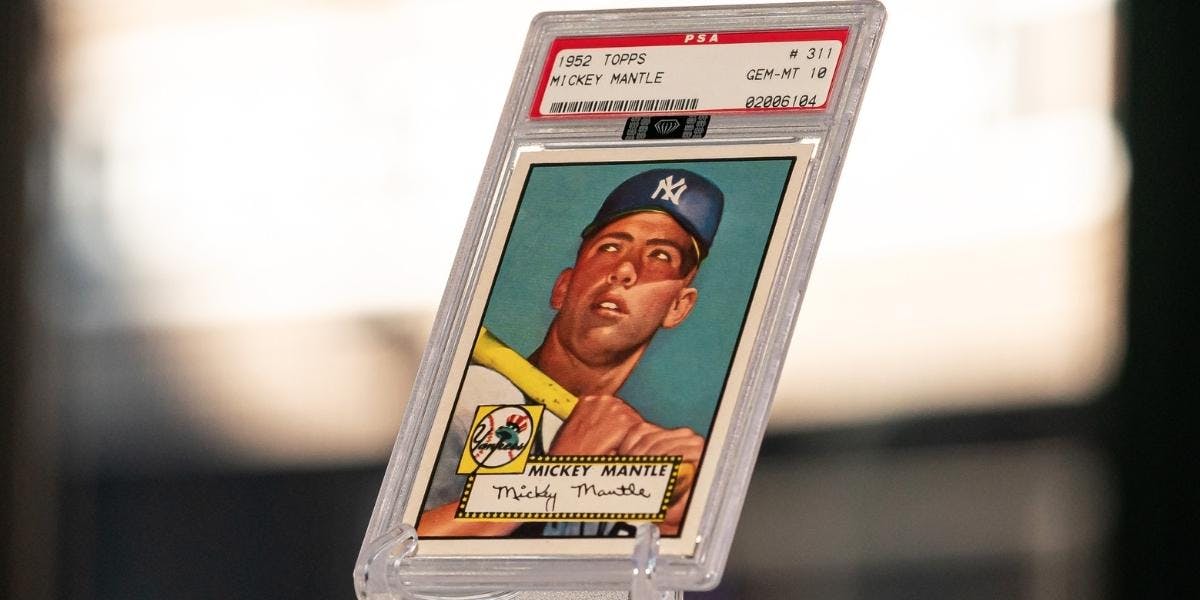
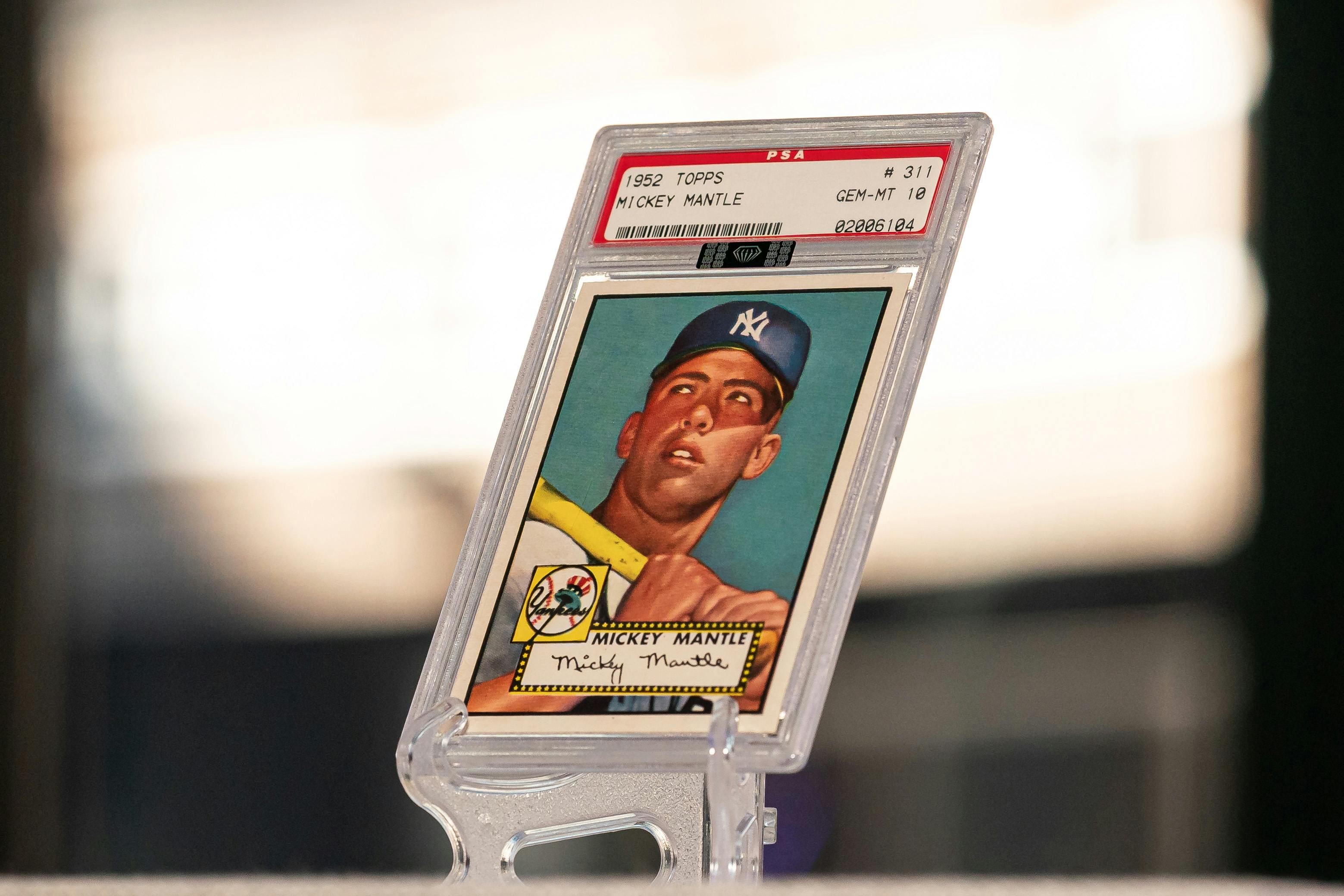
On August 28, 2022, a Mickey Mantle Topps card from 1952 sold for a shocking $12.6 million at Heritage Auctions, making it the most expensive sports trading card in history. The sports trading card industry experienced a resurgence during the pandemic, when nostalgic pursuits were revisited, and is estimated to be worth over $13 billion today. But to truly understand this fascinating market sector, we must start at the beginning.
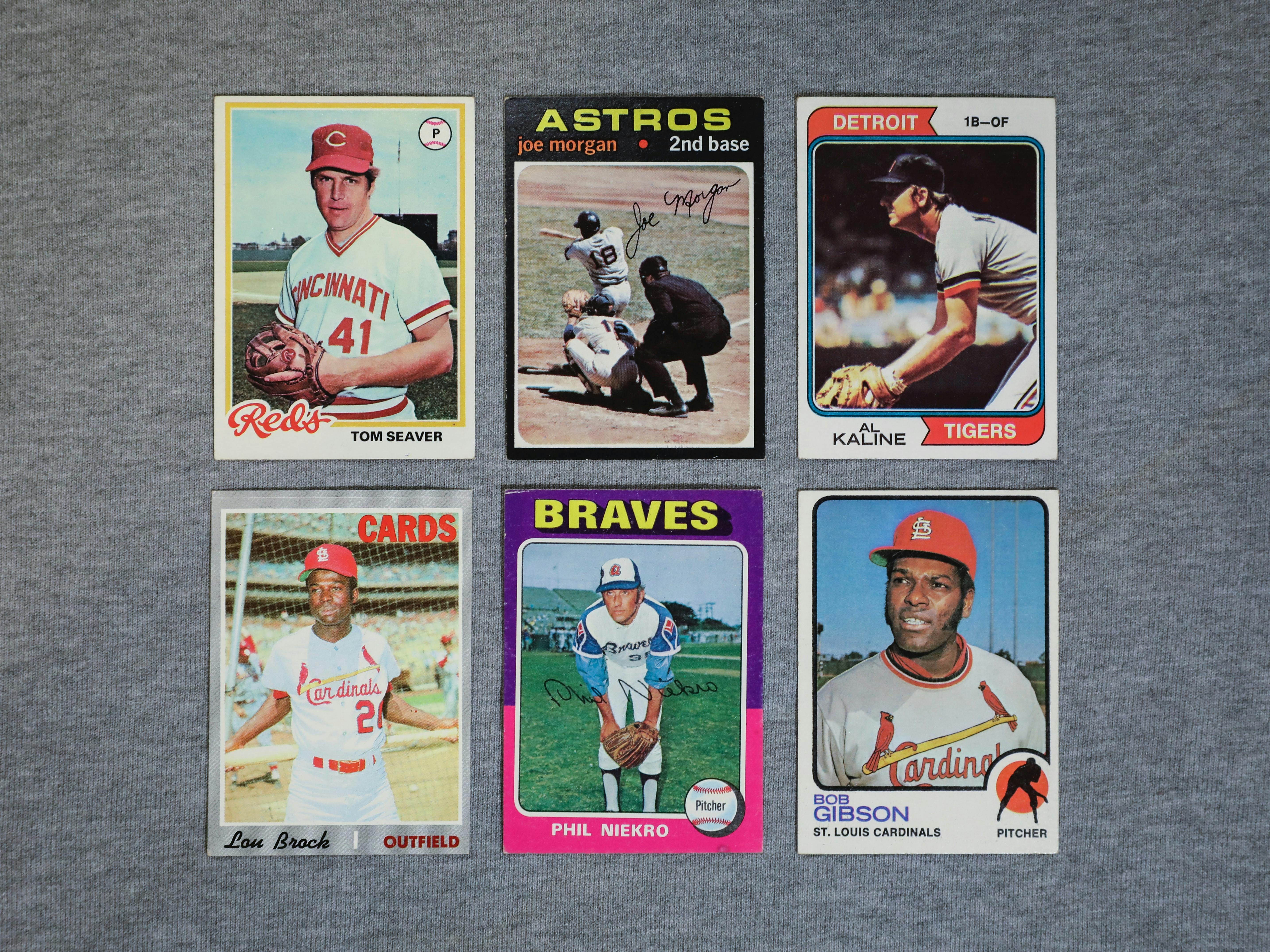
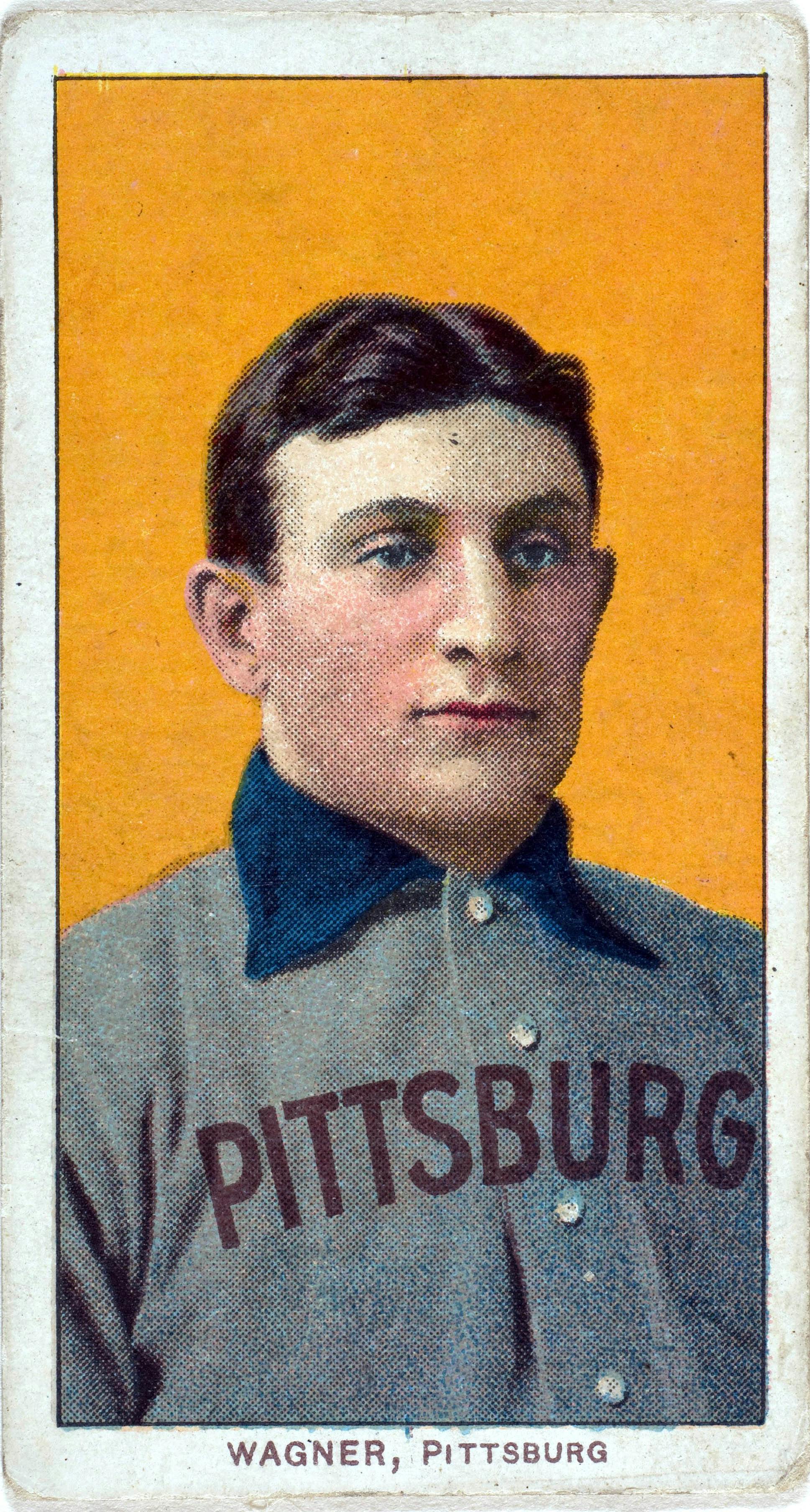
The modern sports trading card actually began as advertisement cards that were included in packs of cigarettes. In the 1860s, a sporting goods company, Peck and Snyder, started making cards featuring photos of baseball teams as a way to market their products. These cards are often considered the original baseball cards. Later, baseball cards would feature one player with his statistics on the back. As these baseball cards became collectibles, candy and tobacco companies began producing baseball cards to include in their products. For example, the American Tobacco Company introduced the Honus Wagner card from 1909-11, which would become one of the most valuable sports trading cards.
Related: The Emerging Category of Rare Sneakers
After World War I and into the 1920s, baseball cards declined in popularity until the 1930s. The Goudey Gum Company dominated this decade of baseball card production with cards of Babe Ruth and Lou Gehrig. By the late 1930s, Bowman, a Philadelphia-based gum company began to enter the field as a serious contender and is still known as the main source for rookie cards. By 1950, Topps (originally a tobacco company that pivoted to gum after the Great Depression) introduced cards of Western character Hopalong Cassidy. However, to truly compete with Bowman, Topps artists Sy Berger (known as "the father of modern baseball cards") and Wally Gellman decided to create the most captivating collection of baseball cards to encourage more gum sales.
Want articles like this straight to your inbox? Subscribe to our free newsletter!
In 1952, they launched a 407-card set of portraits of their favorite players in bright color with player statistics for the previous season and career totals on back. These cards also measured larger than past baseball cards, and their high quality made them beloved by children and collectors alike.
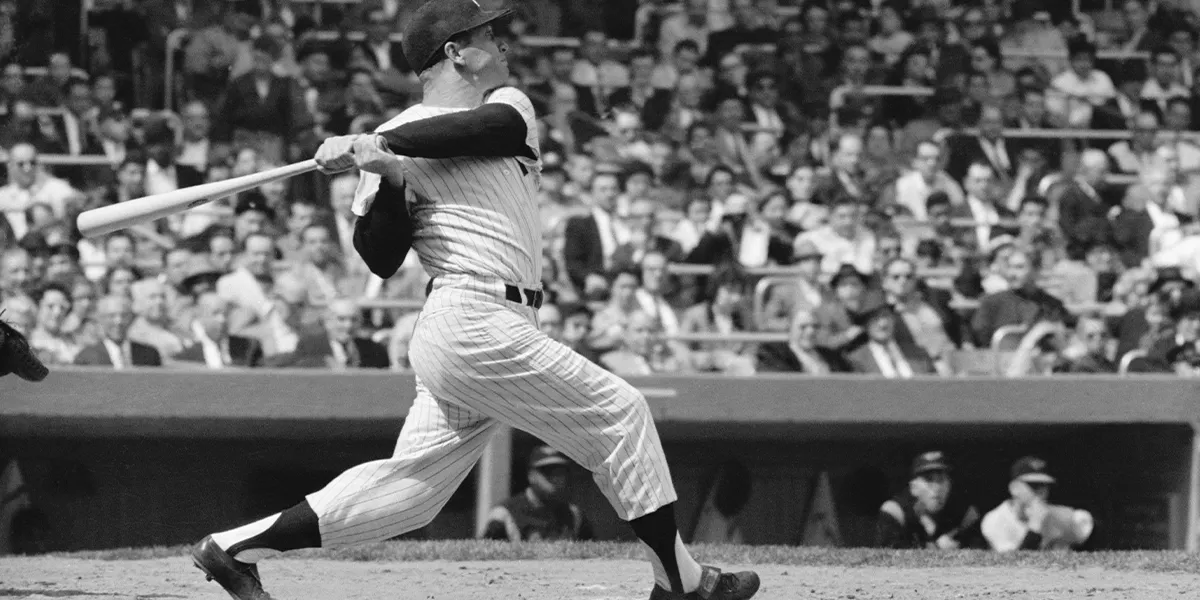
The #311 of the collection was a Mickey Mantle card that epitomized the golden age of American baseball. His rookie card would foreshadow his stratospheric success at the game, although at the time he was lesser known. However, card sales lagged as people became more interested in football, and large quantities of the cards sat in the Topps warehouse before it was decided that they would be dumped off the coast of New York. Suddenly, tens, and possibly hundreds of million of dollars worth of cards, disappeared at the bottom of the Atlantic Ocean.
Related: A Brief History of the Postcard
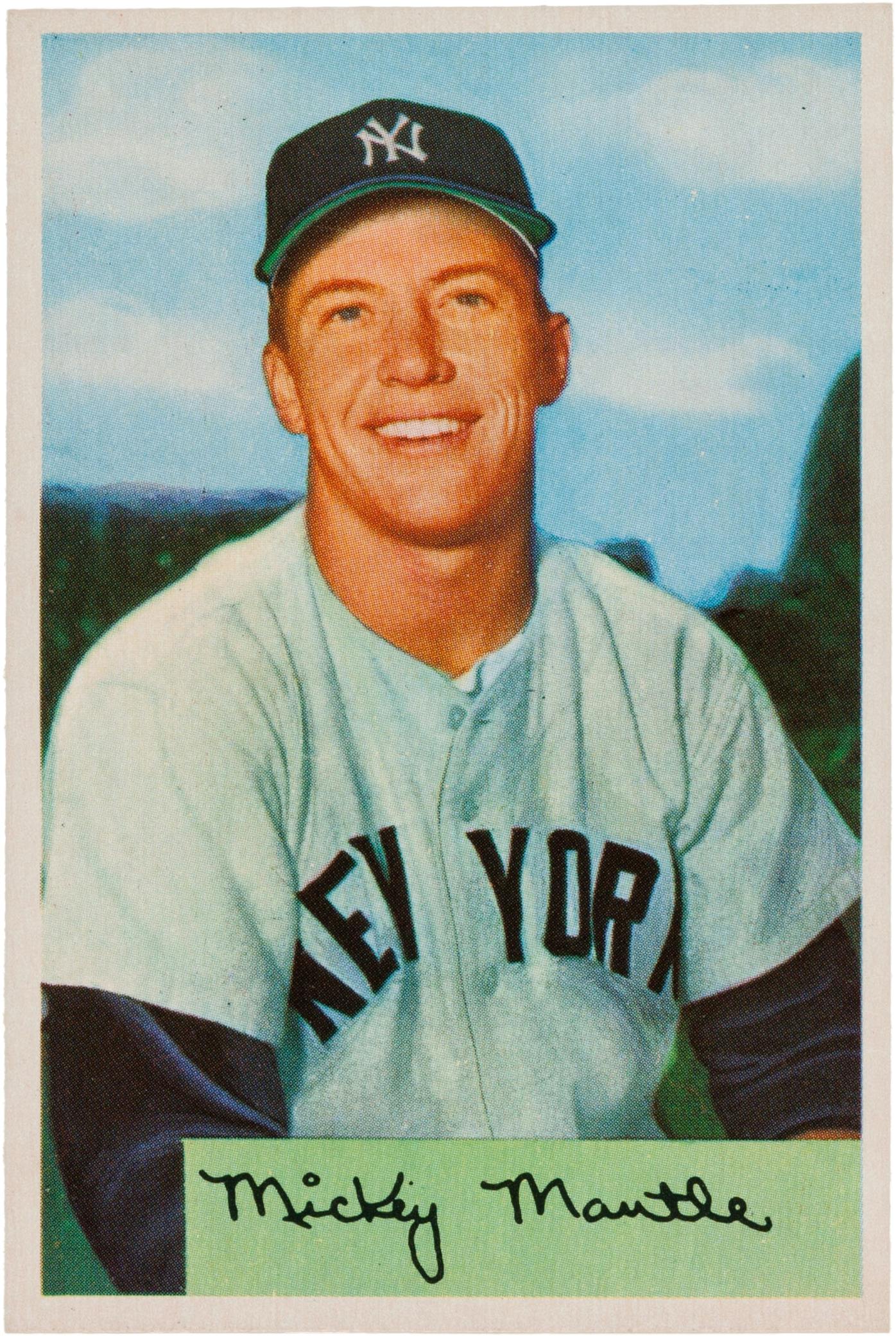
In the years that followed, Topps came to dominate the trading cards industry, buying out Bowman in 1956. Throughout the rest of the 20th century, baseball card collecting became an increasingly lucrative hobby, with rookie cards being the most valuable.
Related: Celebrating 35 Years of Garbage Pail Kids
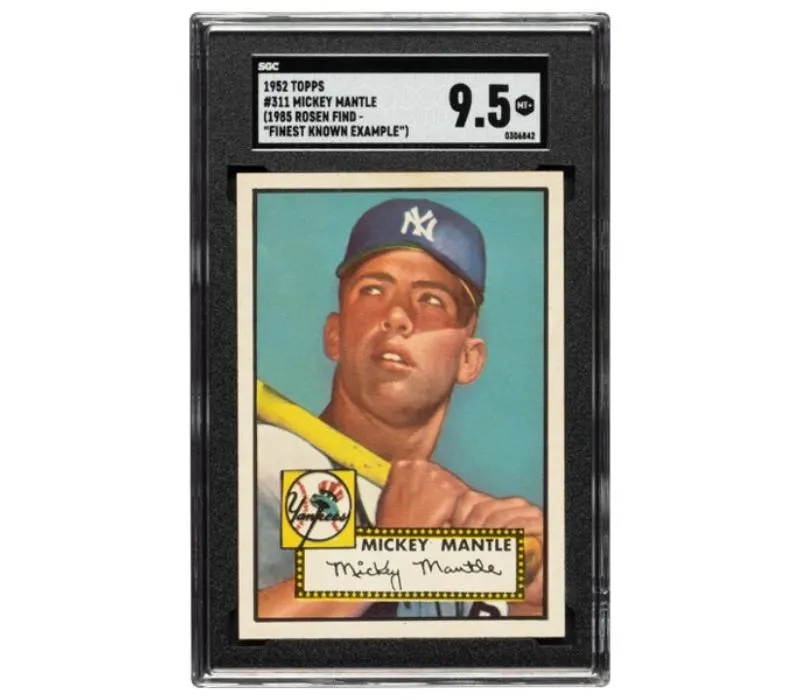
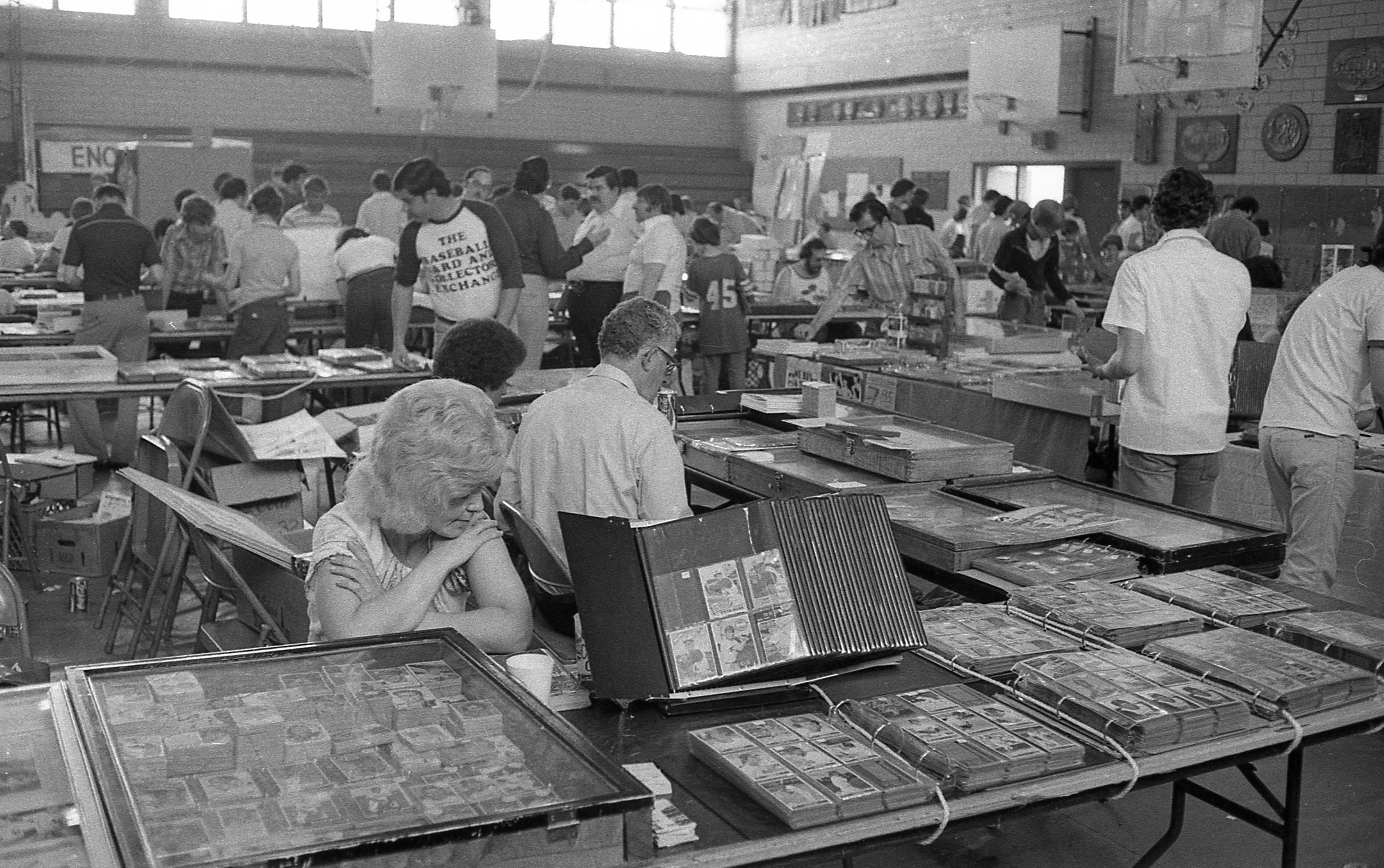
In the mid-1980s, gold was struck with the discovery of a full collection of the Topps 1952 issue. A man in Massachusetts called up Alan "Mr. Mint" Rosen, a famed New Jersey-based collector and card buyer, and told him that his father had been a delivery driver for Topps and owned a full case of the 1952 issue (the rest of which had been sunk.) By this time, Mickey Mantle was baseball legend. Rosen bought $150,000 worth of this man's baseball cards.
This find was a veritable gold mine, and Rosen was able to sell the Mickey Mantle cards for $1,000 each right away. The one card that he considered the finest example he bought back for $40,000 a few years later and sold it again for $50,000 in 1991. By now, rare rookie cards were making waves at auction. In fact, that same year, hockey player Wayne Gretzky had purchased a Honus Wagner card for $451,000, setting a new record for a baseball card.
This summer, 31 years later, the buyer of the card considered the best by Rosen hit the auction block at Heritage Auctions in August. The card was rated at a 9.5, one of the highest scores as they are graded on the average of the factors of centering, corners, edges, and surface from 1-10 each.
Related: The World’s Most Expensive Pokémon Card Has Sold
"This card is arguably the finest-condition example of the most iconic post-war card in the world," said Chris Ivy, Heritage’s Director of Sports Auctions. "That grade, plus the fact it has documented provenance from the most storied find in hobby history, puts this card in a category of its own. The card more than lives up to Rosen’s claim when viewed in person."
Want to figure out your baseball cards are worth? Submit them to ValueMyStuff!
The card's record-breaking sale of $12.6 million showcases a sector of the market that is only growing. The beloved childhood hobby of card collecting has suddenly become an investment sector, so don't forget to check your old trading card archives for a hidden treasure trove.