Portraiture offers wonderful insight into the changes in fashion and style. In portraits, the person depicted could choose how he or she wanted to be presented. A befitting wardrobe became an important status symbol; however, being on trend was not something everyone could afford.
Related: 5 Famous Women in Red
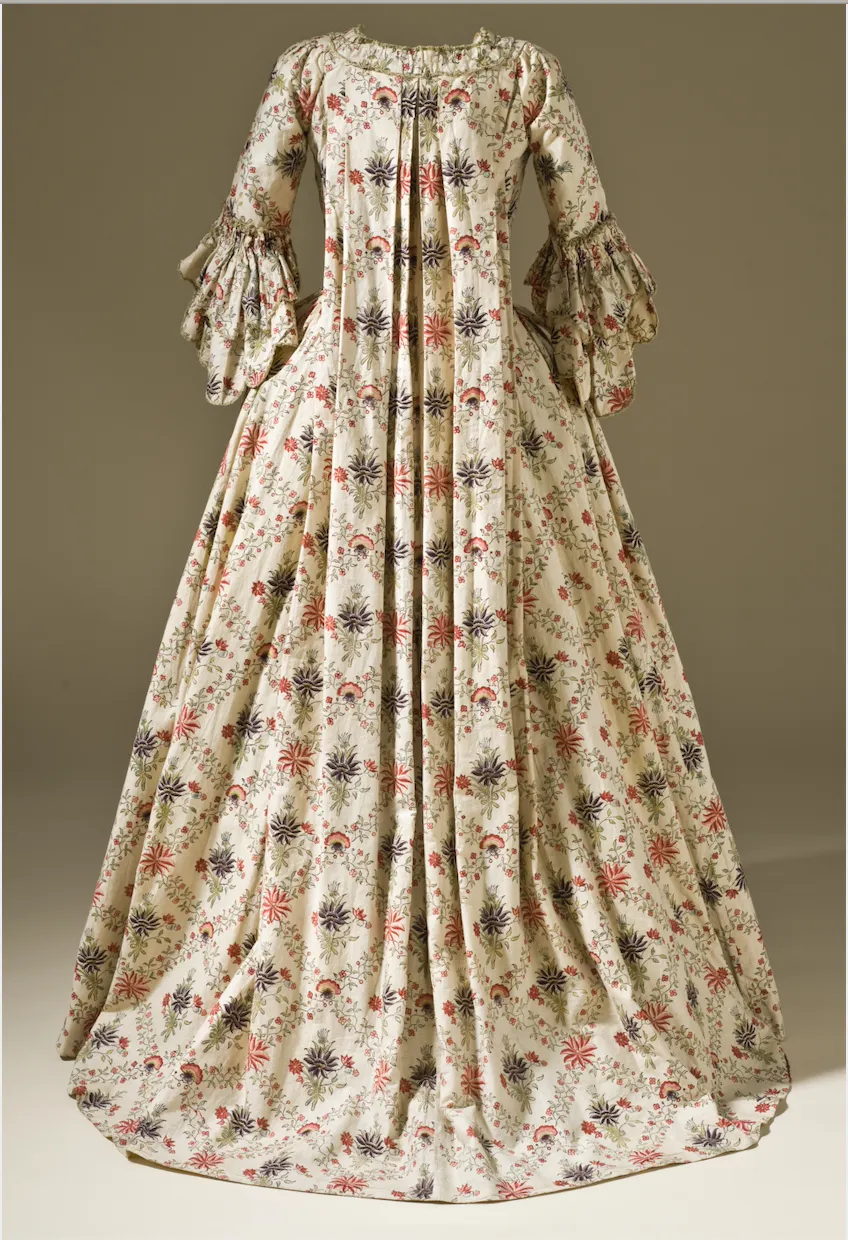
The culmination of portrait painting was witnessed in the 18th and 19th centuries. During this time, the undisputed capital of fashion was Paris. The gown that was worn by all women in Europe was the robe à la française, which was invented at the French royal court. It consisted of a hooped skirt and stiffened bodice, and was often decorated with elaborate bows, lace, embroidery and/or patterns. The gown was parted in the middle to form a V-shaped opening that allowed underskirts to show through and create the impression of an abundance of cloth and material.
Related: 5 Facts About Royal Mistress Madame du Barry
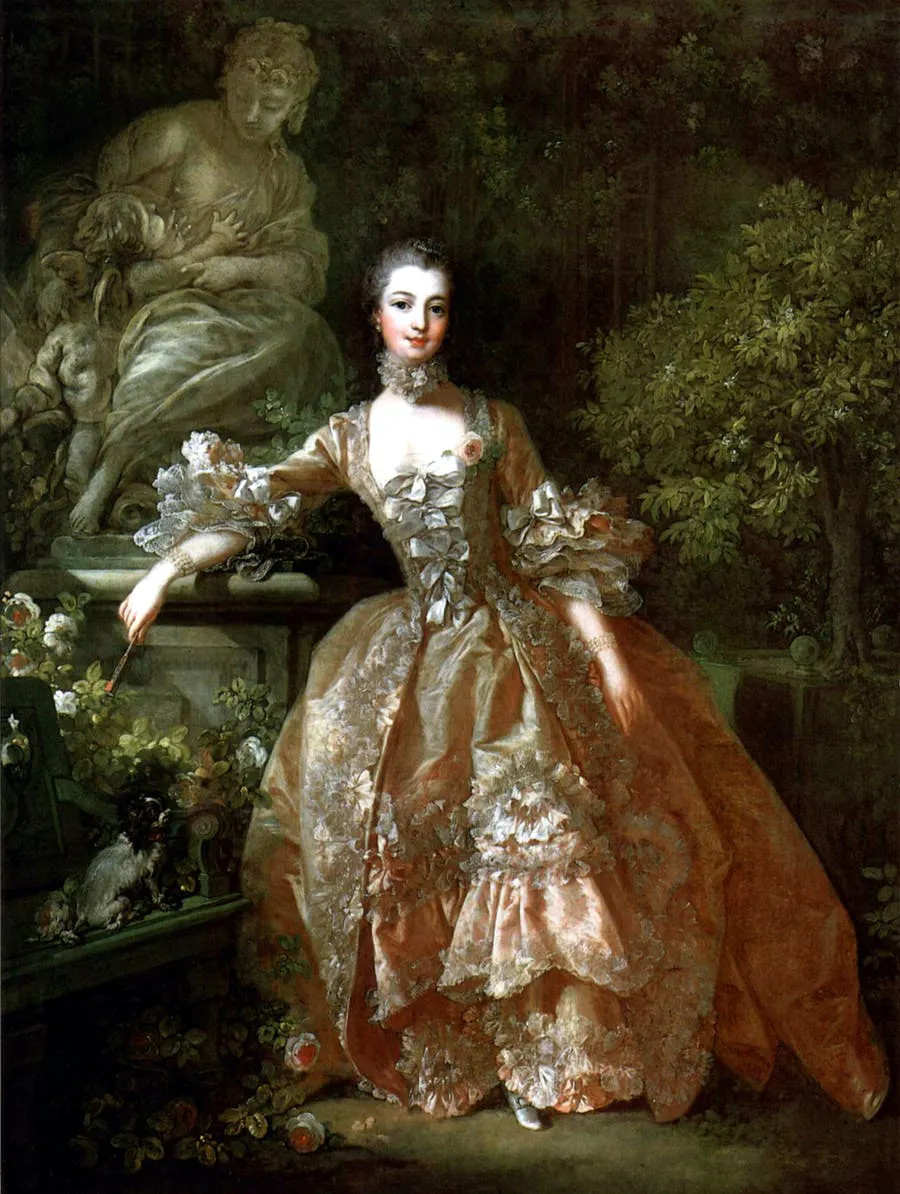
Jeanne-Antoinette Poisson Marquise de Pompadour, probably the most famous mistress of the French King Louis XV, was known to wear very elaborate and beautiful dresses. She often sat for portraits by the best painters of France, such as François Boucher. For Madame de Pompadour, a portrait represented her power and her good taste. By wearing incredible gowns in them, she became an advert for the finest fabrics of the French silk industry.
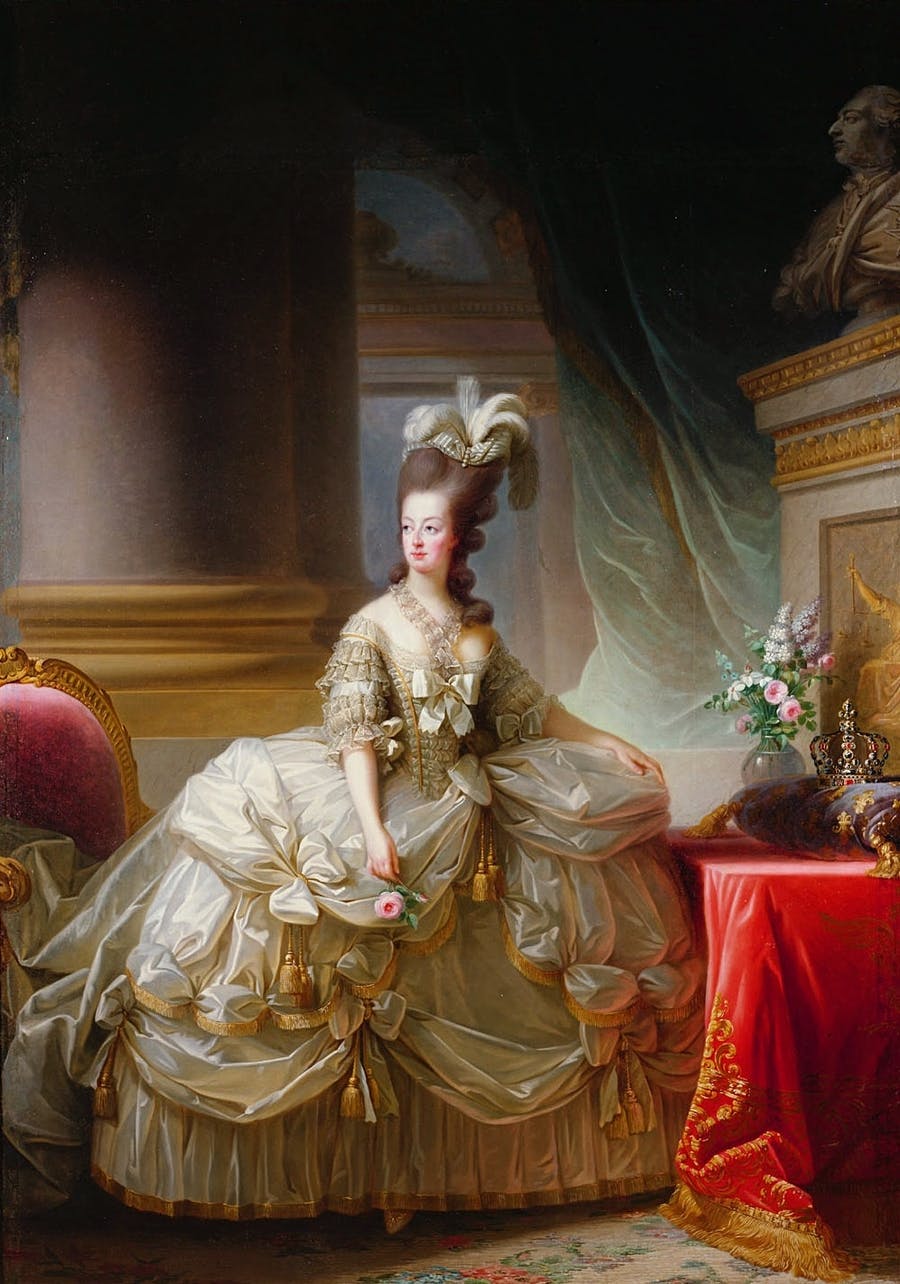
In the 1770s, the French court robe was as pompous as ever. The paniers, the amplified ‘substructures’ that gave the skirt the shape at its hip, became increasingly wider and the woman of the world also preferred towering hairstyles.
Related: A Brief History of 20th-Century Wedding Dresses
In 1778, the profligate Marie Antoinette sat in an ensemble for a portrait by Élisabeth Vigée Le Brun. The queen had a pronounced penchant for fashion and spent incredible sums of money on the outfit. She gave her favorite dressmaker, Rose Bertin, the title of ‘Minister of Fashion’.
The fashionable Marie Antoinette finally longed for a simpler wardrobe. She changed it to simple white robes of plain muslin. Of course, she wanted to be depicted in these simple outfits. She was painted by Vigée Le Brun this time in an informal white gown. The portrait was shown at the Paris Salon in 1783 and caused outrage. The Queen painted in a shirt! An impossible thought! The painting had to be removed from the exhibition.
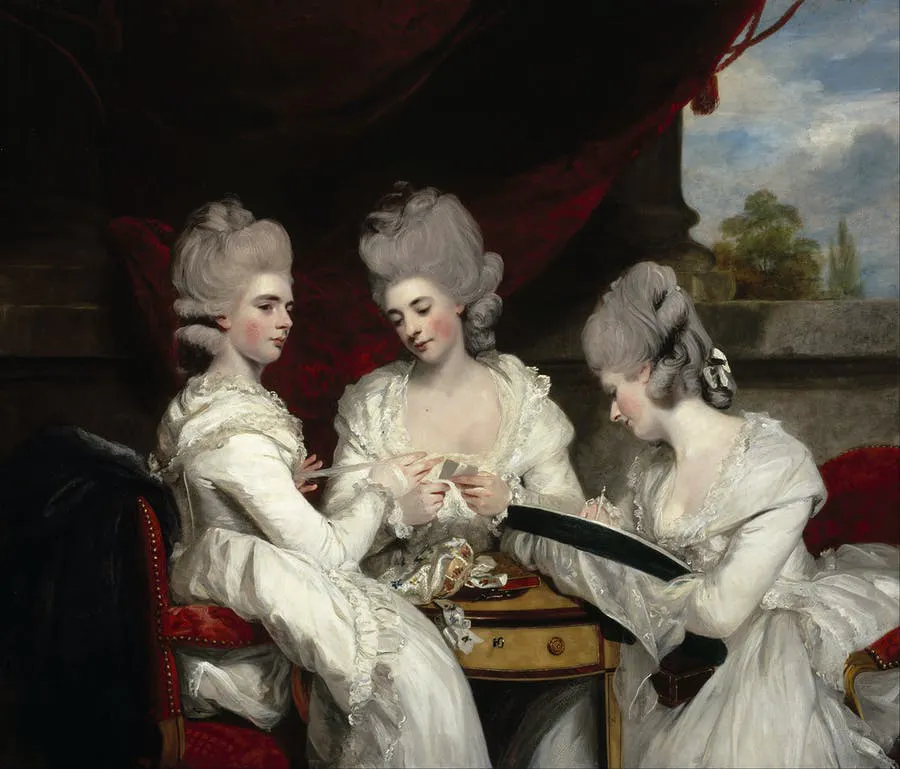
Related: The 8 Most Popular Fashion Brands
The triumph of the robe à la chemise (shirt dress) was unstoppable, however. The French Revolution also contributed to women's fashion becoming simpler. The three-piece robe à la française was over, the shaping ‘substructures’ had disappeared, and women's clothing was now comfortable. In England, the robe á l'anglaise was the preferred outfit of choice.
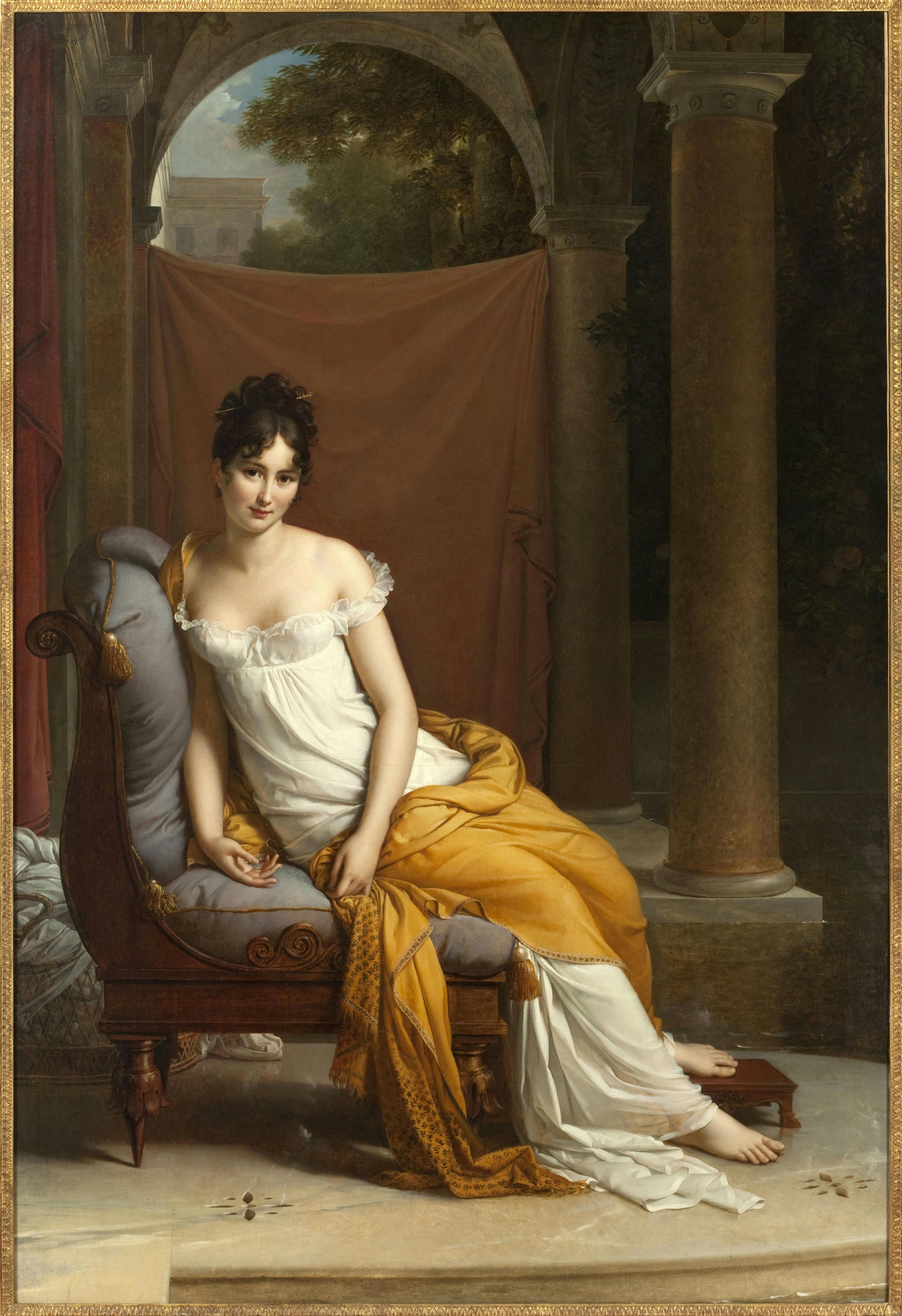
By the 19th century, wearing an extremely tight-laced corset was mandatory, and by the 1820s and '30s, puff sleeves were the fashion.
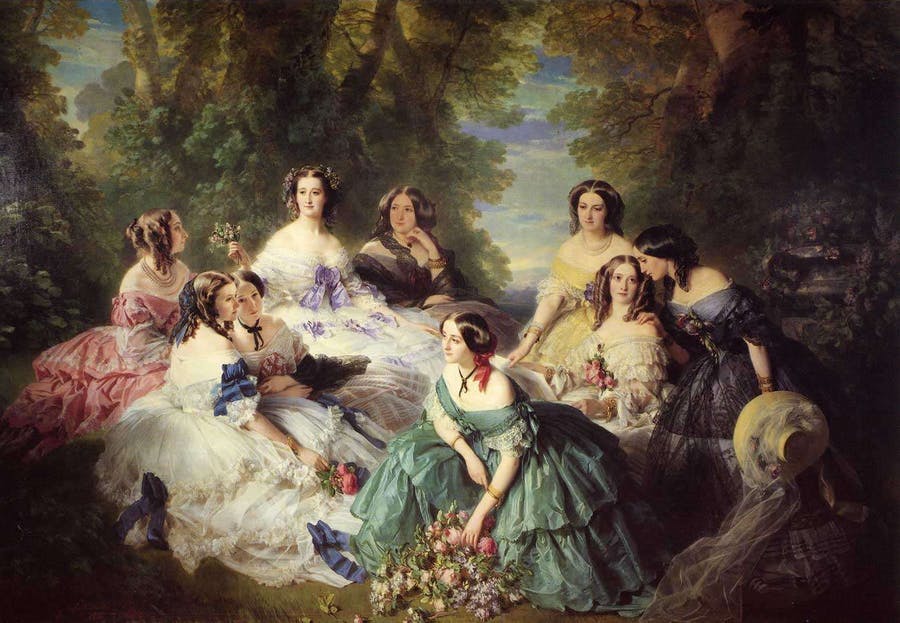
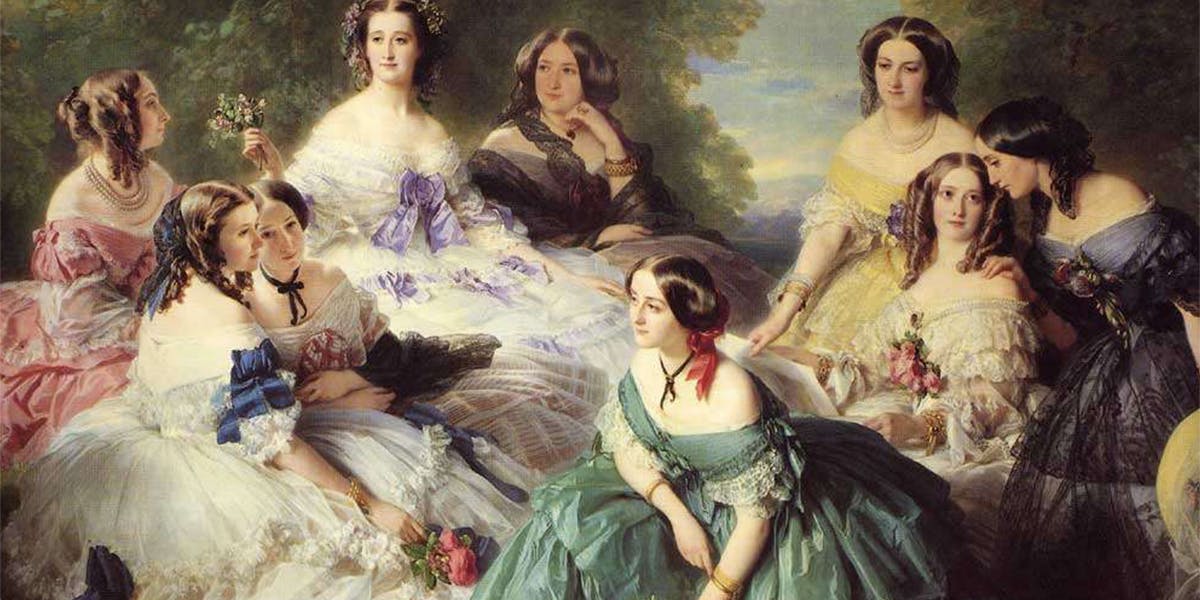
With the introduction of crinoline in 1840, clothes were a sea of fabrics and soft colors. In this painting by Franz Xaver Winterhalter, one of the most popular portrait painters of his time, the French Empress Eugénie and her ladies-in-waiting appeared in crinoline dresses. In the 1860s, the crinoline was voluminous: the width of a dress could measure more than 20 feet.
Related: 5 Portraits of Women in White
Around 1870, crinoline disappeared from the closet to make room for the bustle, which gave the dress volume on the rear only. The front portion was relatively tight, which was initially considered to be improper.
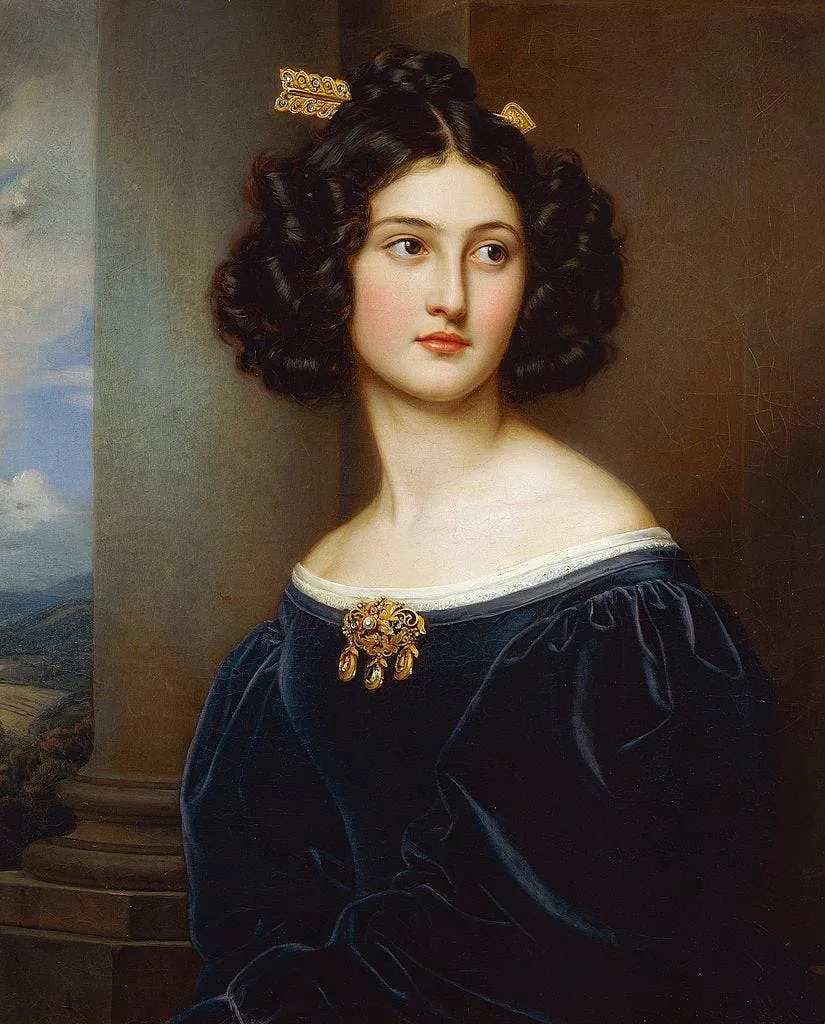
At the end of the 19th century, the bustle was out. Clothes became narrower. As was the case 50 years before, voluminous sleeves were fashionable again. They were used to create the delicate effect of the narrow waist.
At the beginning of the 20th century, with the invention of photography, portraiture came mostly to an end. It is here that we end our trip through the fashion of two centuries, but, thanks to the gifted painters of their times, the history of fashion still lives on.