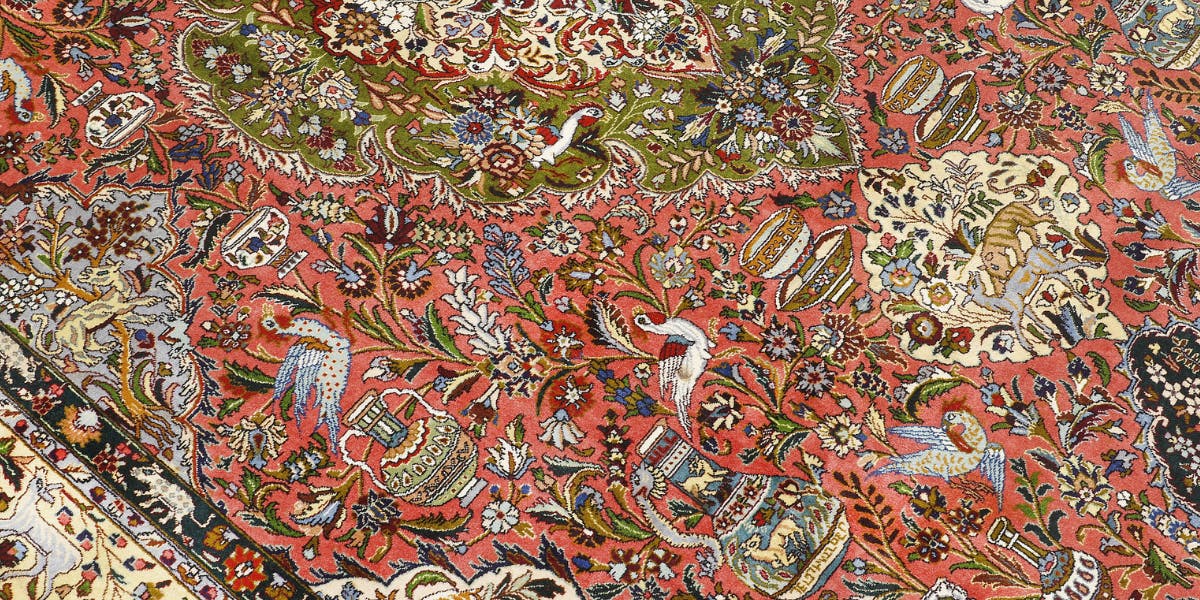
There is a booming global collectors’ market for Persian rugs and carpets evident today, and if you are considering joining in on collecting this magnificent art form, or have dipped a toe in the waters, then you will already have an appreciation of aesthetics. There are certain tips that are worth considering to gain the most out of your enjoyment in collecting. These include how to identify a beautiful example of type and origin, the importance of color and design, and where to gain additional knowledge. The history of rug weaving and existing collector preference can also guide a new or seasoned collector in understanding and developing an approach to meaningful and satisfying long-term collecting. There is something for all budgets in this remarkable subject of applied arts. Here, we look back specifically on Persian weavings and why they have become so popular over history.
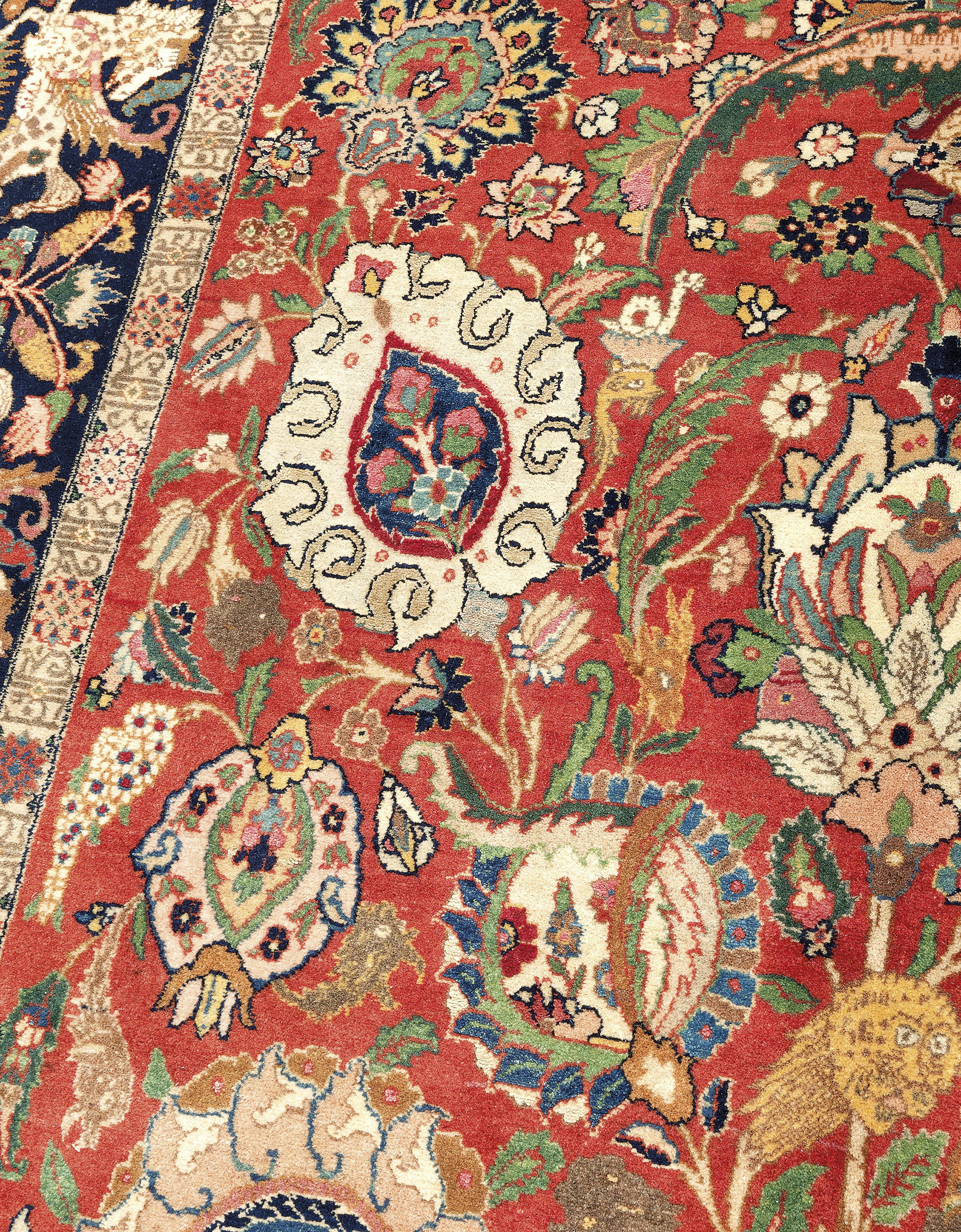
Weaving is one of the most ancient and pervasive creative activities. From the beginning of civilization, textiles have been valued the world over, embodying for many cultures the highest artistic values, and portraying countless narratives: social, spiritual, historical, technical, and commercial. Additionally, as tangible assets, rugs are portable heirlooms and generational. The term “rug” or “carpet” is far more than a floor covering in the Western understanding, for in ancient Eastern terms these single items may replace in importance a great variety of interior objects such as tables, chairs, beds, coverlets and pictures. To fully understand and appreciate this remarkable art form it seems appropriate to be reminded as to what and who is involved in the creation of a woven work of art. Several highly skilled individuals are required: loom builders, wool spinners, dyers, designers, and weavers. Ultimate teamwork, appreciation and understanding of traditions and inherent artistic skills are also prerequisites for those involved. Every rug is an individual creation of an artist and designer and associated skilled craftsmen, and as such the artist’s vision comes to fruition following months, and often years, of hard and patient work to embody the original moment of inspiration, culminating into a woven work of art mostly created by anonymous artists.
Related: Out with the New, in with the Old
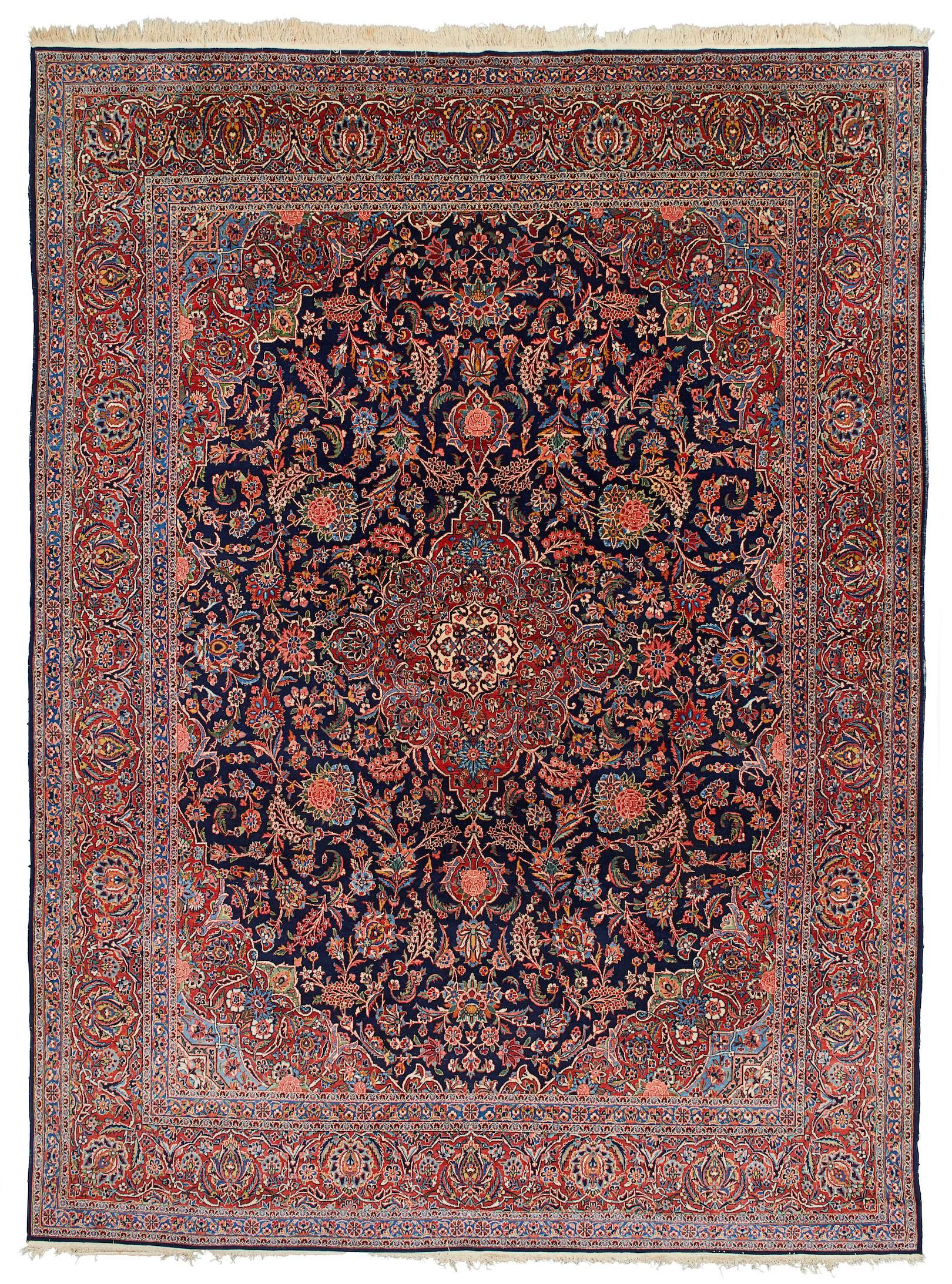
Historically, Persian royal patronage has played a crucial part in the development of woven art. The ‘Golden’ period of Islamic art, as it is often referred to, developed and flourished during the period of the Safavid Empire (1501-1736), when court workshops were established under royal patronage. This was a time when great masterpieces of woven art were created. Exposure to the West was established through increased trade and diplomatic interaction. Remarkably these magnificent woven treasures were made by anonymous weavers, and it was only in the second half of the 19th century that recognized master weavers began to appear, identified by woven inscriptions.
Related: Crown Jewels: 5 Times Royal Jewelry Made Auction Headlines
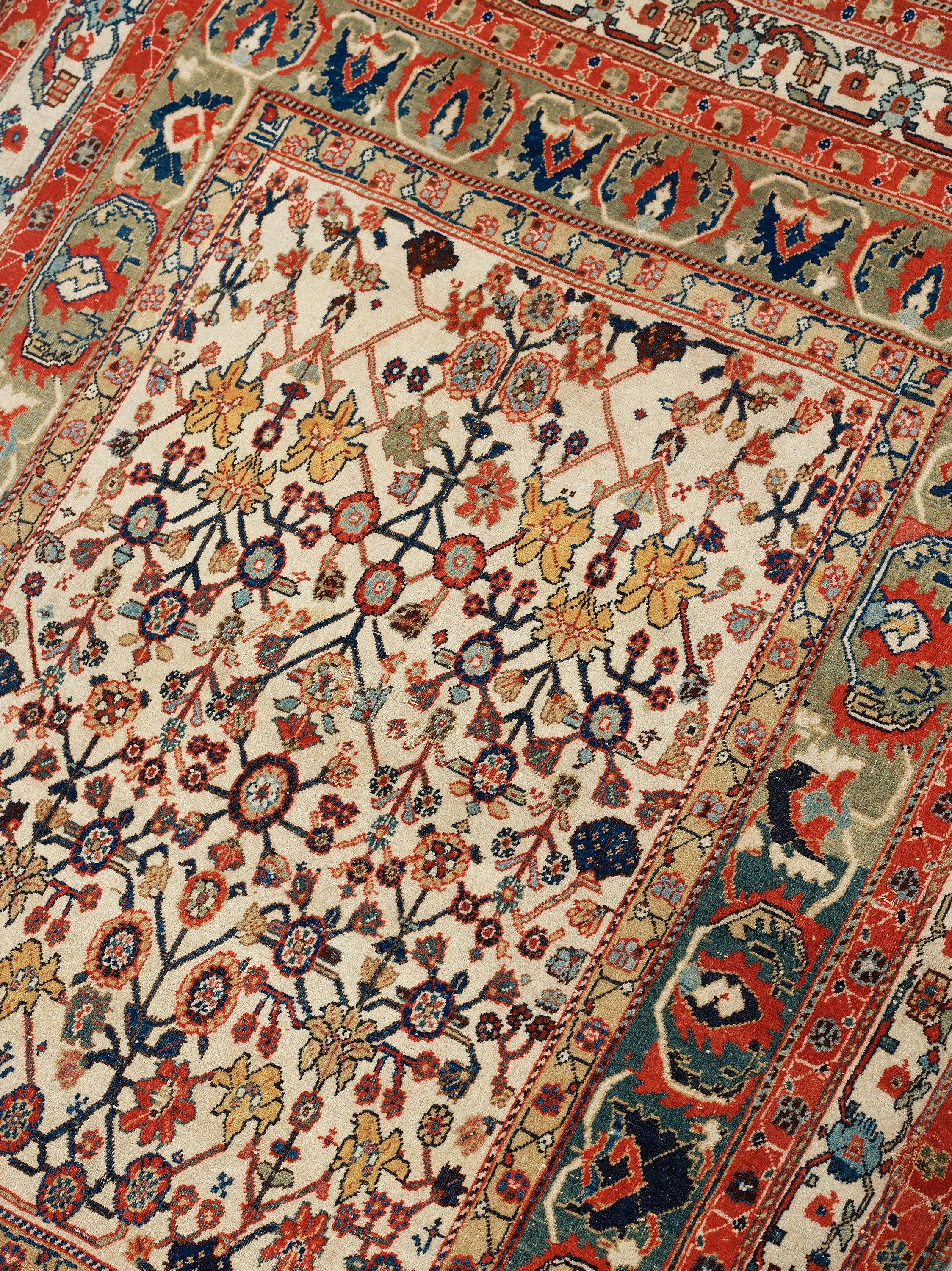
Consequently, it is no surprise that rugs and carpets have for centuries been considered collectible decorative and functional artifacts. There are many esteemed historical collectors. It is known that in the 16th century, King Henry VIII owned several hundred Ottoman Turkish rugs, from evidence gained from inventories. Some of these rugs appear in his many portraits by Hans Holbein. Indeed, such lasting evidence has assisted carpet scholars in understanding the evolution of designs and the art of weaving, and thereby has educated and enlightened budding collectors and art historians alike. It is generally believed that Henry VIII was often in competition with Cardinal Wolsey for gaining possession of fine examples. Such ‘historic’ collector competition in the market is of course prevalent today. Other significant collectors included Cornelius Vanderbilt, William Randolph Hearst, John Rockefeller and Sigmund Freud, whose psychoanalytical couch was famously covered with a magnificent Persian Qashqai tribal rug, supported by a mass of other beautiful colorful rugs and textiles.
Related: Collecting Like a King: Meissen Porcelain 101
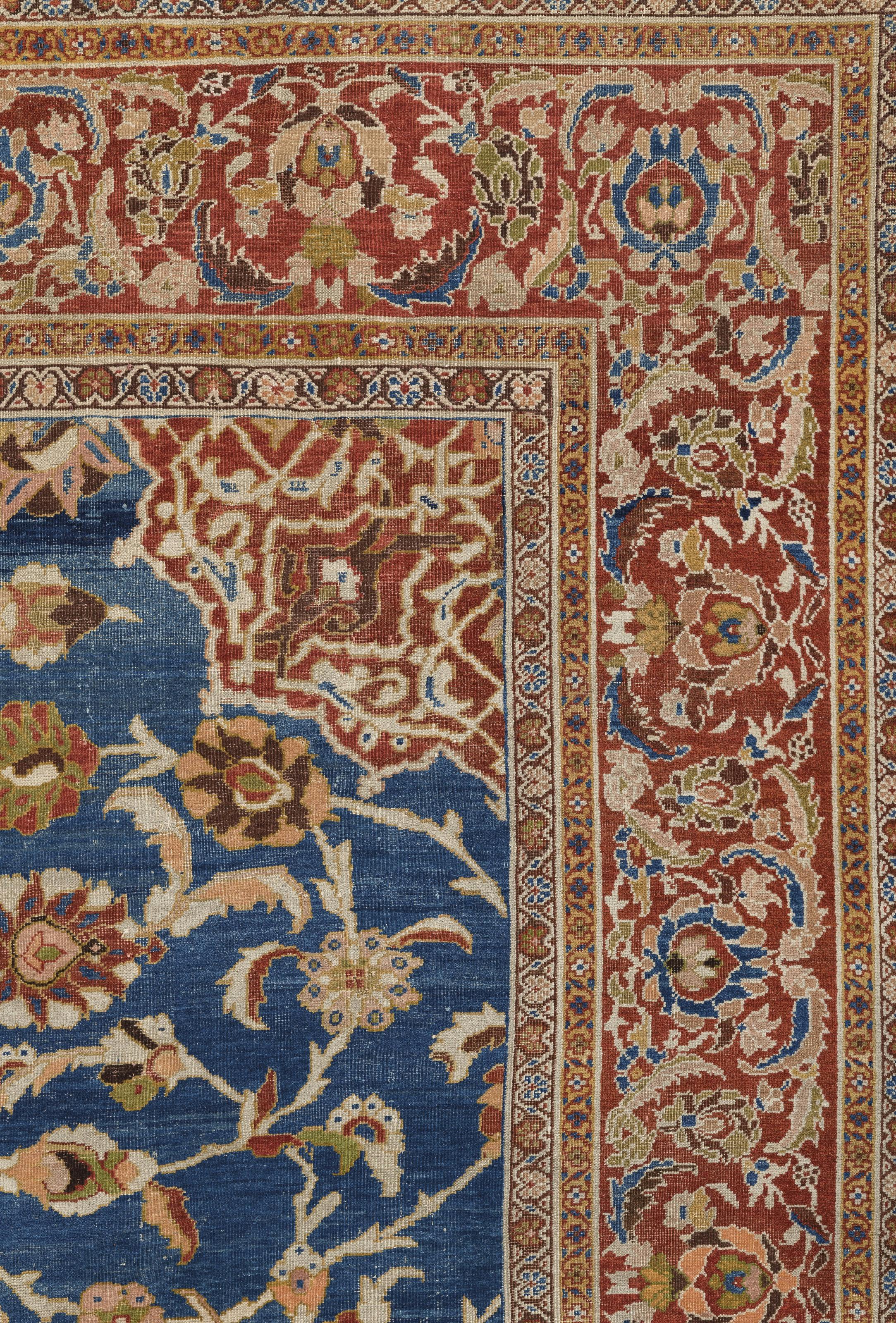
From the mid- 19th century, the world of collecting was transformed. From this time, the art of handmade carpet weaving underwent a significant revolution, heralding a new ‘Golden Age’ of Persian weaving, and generally considered as the ‘Revival’ in Persian woven art. Designs were no longer the exclusive domain of the weaver but influenced for the first time by Western intervention. This came about through increased interest among the rising middle classes in Europe and the United States, first initiated through the Industrial Revolution in the early 19th century United Kingdom with an entire new class of emerging wealth. This newfound wealth was focused on a revitalized interest in ‘all things Eastern’ which included fine carpets and textiles. Ziegler and Co., a textile company originally based in Manchester, England, is a prime example. They set up workshops in and around Sultanabad in north Persia and, from the 1870s to the 1920s produced carpets in a distinctive new style. They were primarily focused on creating carpets with bolder, more open patterns in a range of colors suited to Western tastes.
Related: Vintage Luggage & Trunks: Where to Begin
At the same time ‘home grown’ master weavers set about creating superb masterpieces in woven art based on traditional composition. A number of these master weavers are well known, and sign their work, and their weavings are highly prized in the collector and decorative furnishing markets. To name but a few, Hadji Jalili from Tabriz, Mohtasham from Kashan and Aboul Ghasem Kermani from Kerman. It is important to note that the majority of handmade rugs and carpets are woven by anonymous weavers and are regarded as outstanding works of woven art.
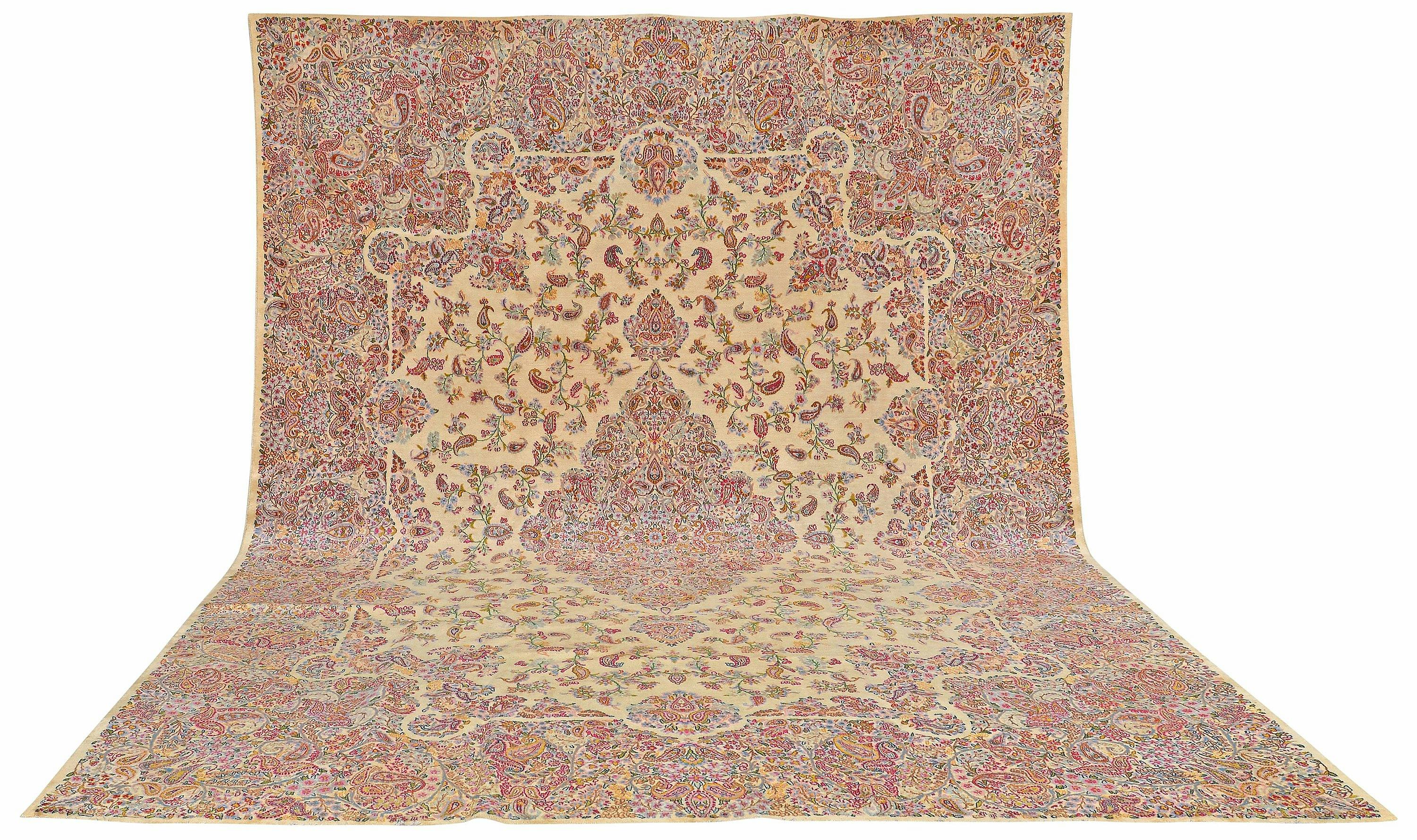
The furtherance of the ‘designer’ carpet can be seen in the rise of highly significant Persian master weavers of the 1920s, through to the 1970s, and this is combined with the emergence of important new centers of weaving. Historically, Persian Royal patronage played a crucial part in the development of woven art. Western intervention in carpet art revival, and significant royal patronage, returned under the Pahlavi dynastic period (1925-1979). It is known that Reza Shah Pahlavi commissioned magnificent carpets from the celebrated master weavers, Amoghli and Saber. Their workshops were established in the 1920s in Mashad, Khorasan. Inevitably this resulted in the setting up of increased numbers of carpet weaving workshops, not just in Khorasan, but in established traditional urban centers. In the 1930s, rugs began to appear from workshops established in Esfahan by the Seyrafian family, who successfully set about creating magnificent weavings in pursuit of technical excellence and beauty. Their rugs were duly signed and are highly prized by a discerning collector market. The increased output in carpet weaving massively increased the scope and availability for collectors to consider. It is also worth bearing in mind that rugs made around 1920 would now be considered antique.
Related: A Hotel Becomes a Home in Stockholm
In broad terms rugs can be divided into two distinct groups: weavings made in town and city workshops and those made in village workshops or woven on migration by tribal weavers.
Related: Chinese Porcelain: How to Build a Collection
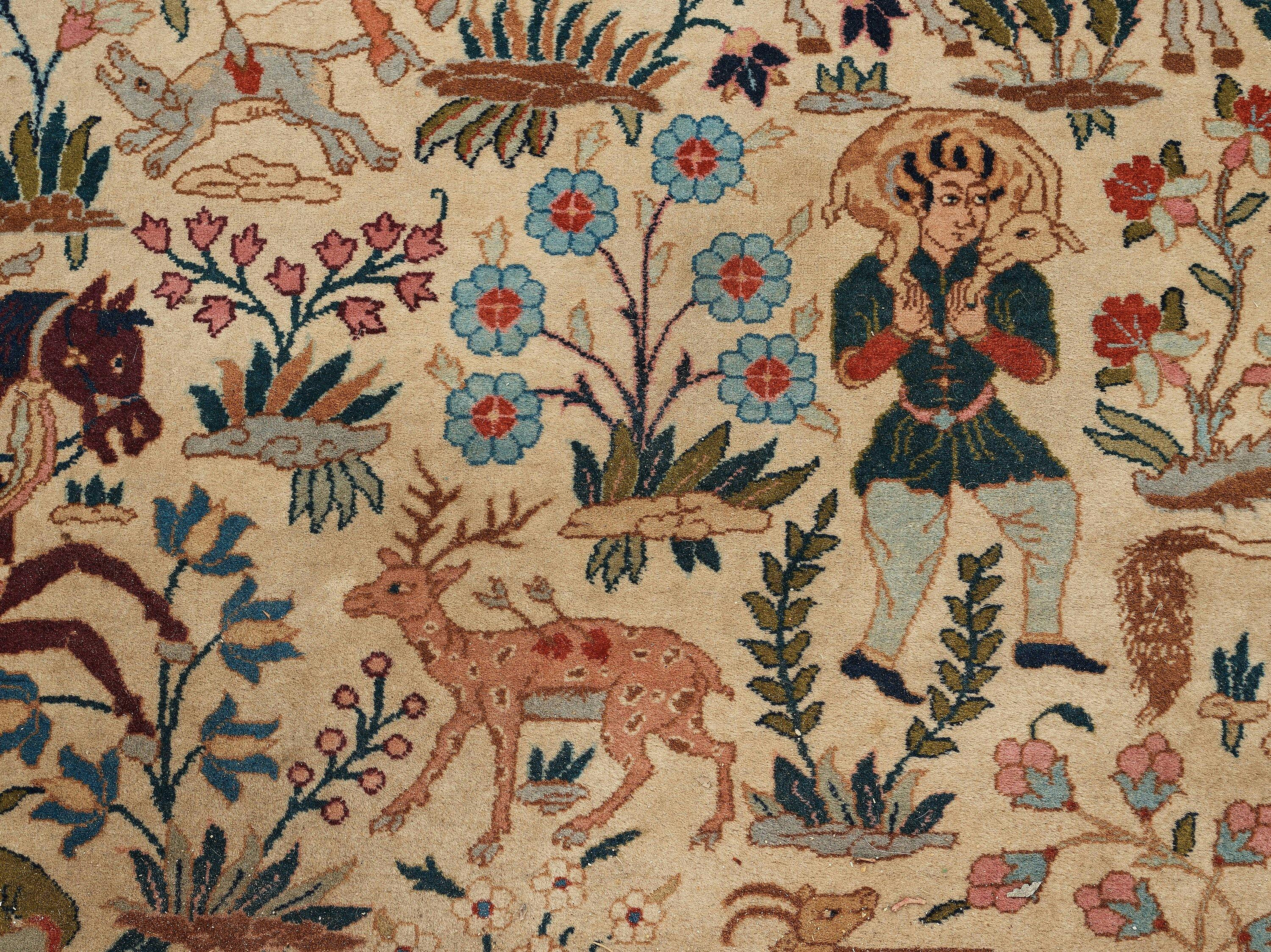
Town and city weavings display designs that are primarily based on traditional established patterns based on, or inspired by, the court carpets of the 16th and 17th century. Central medallion or all over designs are present. The looms used are fixed vertical constructions. The weaver creates the pattern from a drawn cartoon resembling graph paper, each square representing one knot. The finely drawn curvilinear patterns present predominantly flora forms, though animals, birds and human figures often feature in late 19th century weavings onwards. The pile is of finely spun wool or silk, or a combination of both woven on a cotton or silk foundation. Cotton and silk foundations allow for considerable detail to be created. Significant traditional Persian urban centers weaving in this style include Esfahan, Kashan, Tabriz, Kerman, Mashad, and Sarough.
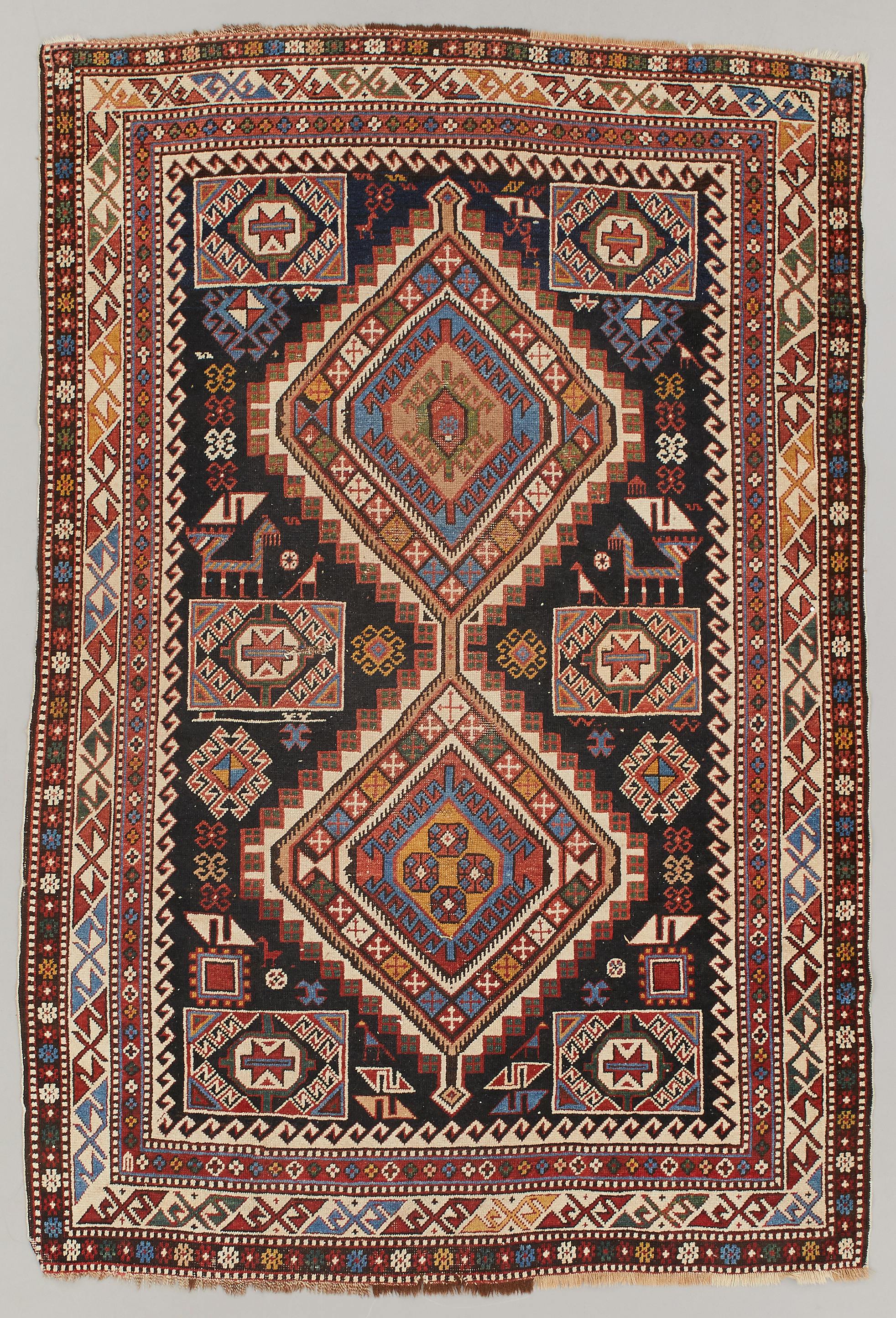
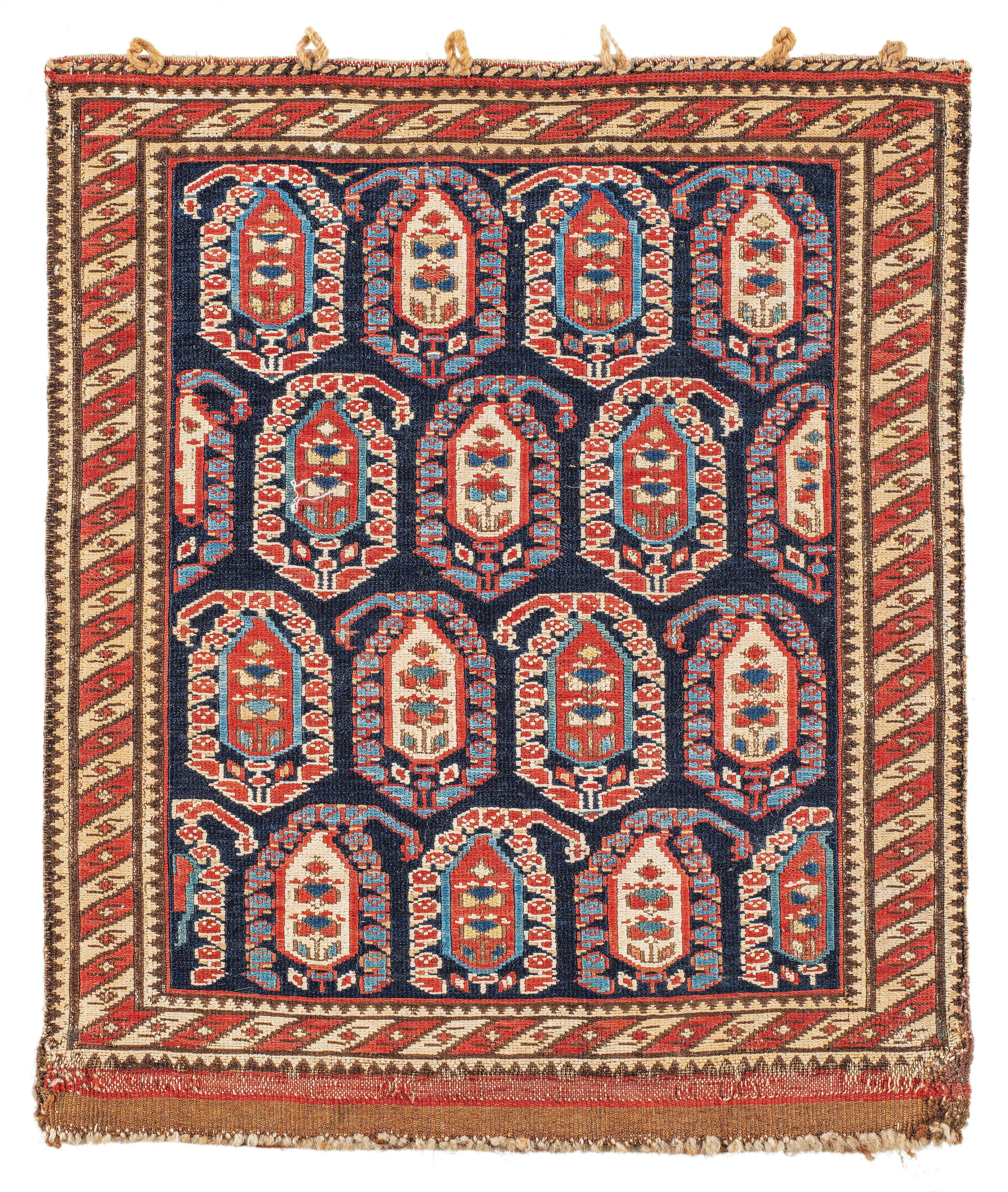
Rugs classified as ‘tribal’ stem from more ancient traditions, and are classified by the tribal name or region/place of weaving. Apart from rugs, woven artifacts such as storage bags and animal trappings, are also made, which form a collectible range of weavings. Their designs incorporate both bold and finely drawn geometric motifs depending on where they were made and are presented in a range of organic dyes. Characteristically they depict stylized or abstract flora and fauna forms, with motifs often totemic in appearance. Designs are woven from memory with motifs passed down from generation to generation for the weaver to use in whatever way they want. As such these weavings are highly original. The pile is of wool, woven on wool and sometimes cotton foundations. They are made on horizontal looms, in home workshops or made on migration and tend to be no larger than 8 feet in width due to space constraints and suitability for transporting if made on migration. The main areas of interest for the established collector are the Caucasus in Azerbayjan, including Kazak, Shirvan, Kuba, and related sub groups. Persian tribal groups of interest include the Qashqai, Afshar, and Kurds and related sub groups. Another significant desirable group are the Turkoman collective originating from Turkmenistan, and include sub-groups, namely the Tekke, Yomut, Salor, Saryk, and Ersari. There is also a collector focus on Baluche tribal weavings which originate from Baluchistan, Afghanistan.
Related: Inside a Designer's Punk-Inspired Italian Home
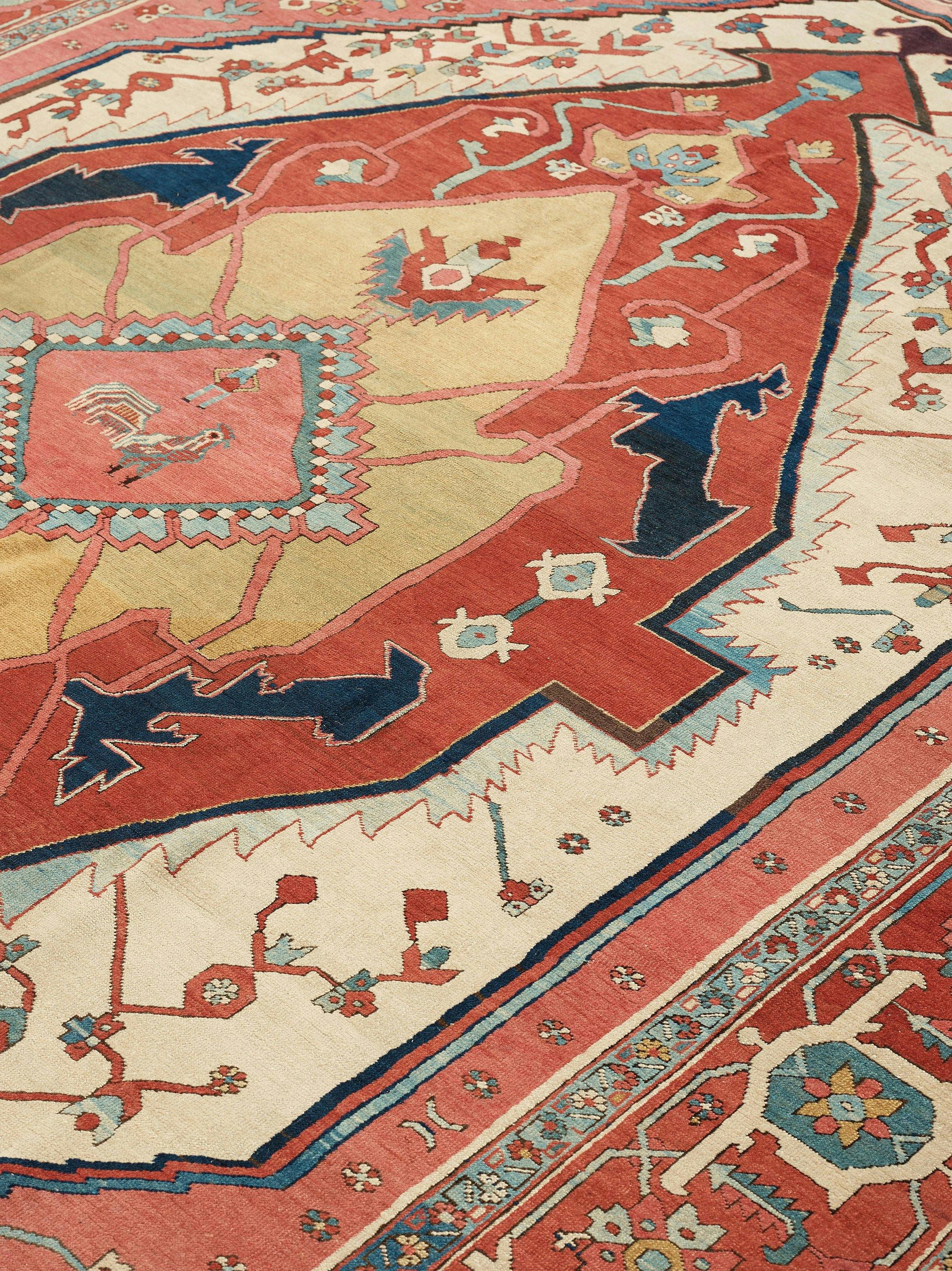
In either group, it is important that a collector considers what is beautiful. Beauty is ‘in the eye of the beholder’ but as a guide there are certain principles to be considered. The composition should respond to the senses, the more you look at rugs the more your taste refines and recognizes beauty. Designs should flow freely, be well-balanced in scale and harmonic. The pattern elements should be easily readable whether presenting highly detailed compositions or with more open patterns. Poorly contrived designs look crowded and are hard to read, particularly when looking at urban weavings. Constant comparing and contrasting trains the eye to recognize good or not so good examples of type and origin and is part of the ongoing learning curve for the collector.
Related: Forget Ikea: Buy Antique Furniture and Revive It
Designs only have meaning when brought alive by color. Naturally dyed yarns possess subtleties and nuances not generally seen in chemical (synthetic) dyestuffs. Rugs woven prior to 1880 are mainly made with colors derived from vegetation and insects. This applies to both urban, village and tribal weavings. Variations of color created by natural dyes give a translucent effect almost as if looking through a stained glass window. In addition, natural dyes don’t fade, unless exposed to lengthy periods of sunlight, so the original character of the rug is maintained over considerable time. Analine or chemical dyes began to appear from around 1860 onwards through Western intervention. These colors tend to be harsh and abrasive and ‘solid’ by comparison and lack the color variations as seen in naturally dyed weavings. The most easily identifiable synthetic colors are bright orange and purple. Both these distinctive colors began to appear from around 1870, introduced as a part of the European intervention, and were used extensively by the early years of the 20th century. Although many weaving centers continued to use these harsh colors well into the 20th century, their lack of subtlety soon became apparent and their use quickly declined. Chemical dyes are prone to fading over time, and this invariably has an unfortunate impact on appearance.
These days, there is a wealth of information available for collectors to help in the learning curve. The click of a mouse in a search engine can reveal articles, pictures, and a mass of information related to any aspect of woven art. Historically museums by very nature have always been a source of knowledge and inspiration. There is also a considerable amount of specialist and general literature available. Getting to know a specialist at a reputable dealer is invaluable. They will be more than happy to share their knowledge, point to relevant literature, give confidence and help you build your collection. The key is to always keep training the eye to appreciate beauty by whatever means possible. The more time put into the subject, the more satisfying and enjoyable the subject becomes.
Related: How to Value Your Objects in a Click of a Button
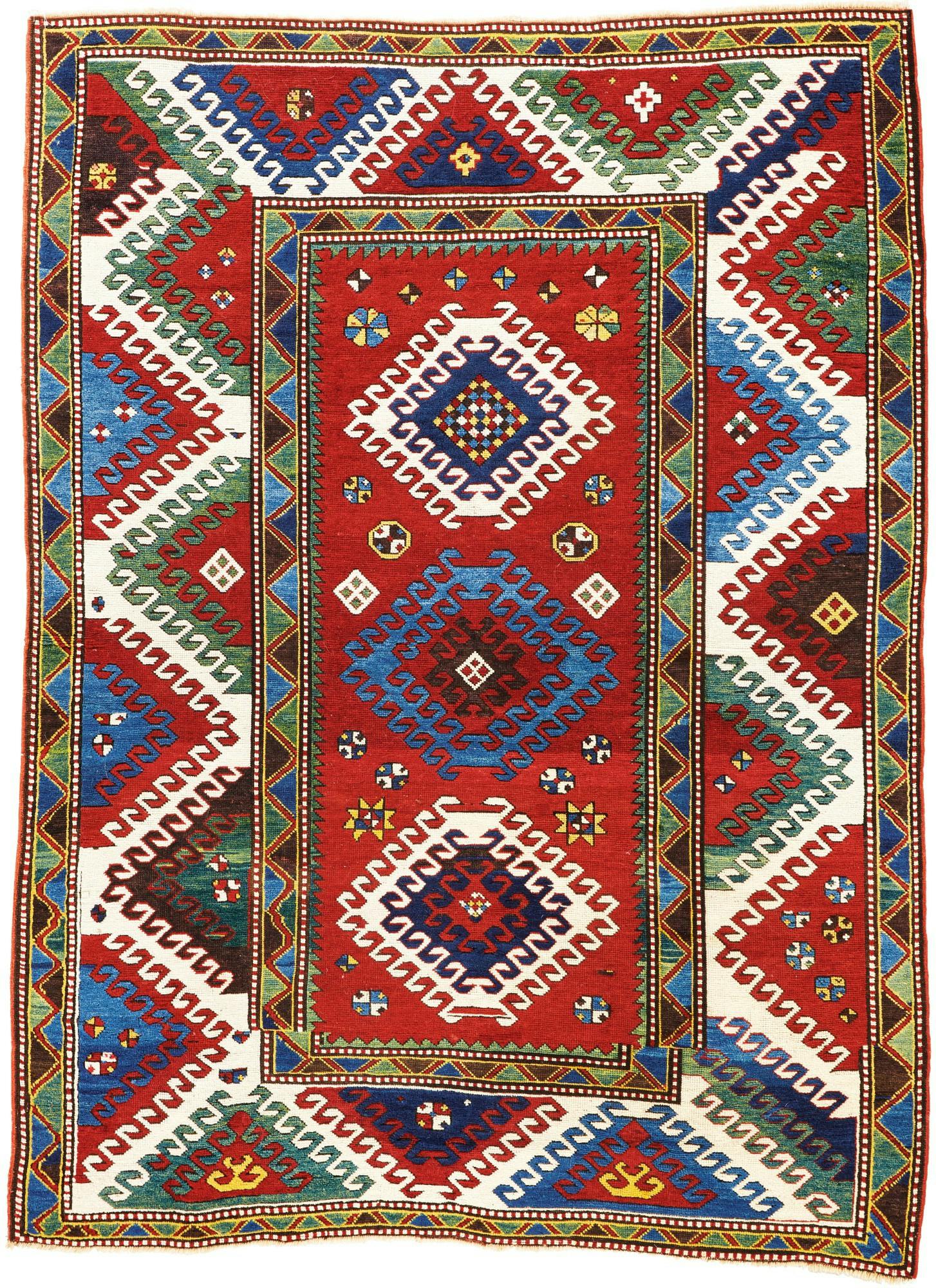
For the collector, appreciating woven Eastern art at any level involves patterns and designs which may seem repetitive and encompass meanings that we in the West cannot fully comprehend. Art in whatever form presented affects us on a humanist, universal level and will satisfy visually and viscerally. In woven art this satisfaction is achieved through color and its relationships, defined by forms and modified by texture. Immersing in this magnificent art form will give a lifetime of pleasure for sure.
Article by Jonathan Wadsworth
Jonathan is an established specialist in rugs and carpets based on 40 years of dedicated study, appreciation and passion for the subject. He was director and head of the rugs & carpets department at Sotheby’s, London from the mid 1990’s until 2000. Subsequently he ran his own dealership for a number of years. Jonathan has written for well- known publications including various Millers art publications, and conducted lecture tours at home and abroad, including in Philadelphia, Mumbai, and Singapore. As a broadcaster, Jonathan played a major part in the BBC program ‘The Great Antiques Hunt’ in the 1990’s. He has worked as the rugs and carpets consultant for VMS since its founding and for whom he still contributes on an ongoing basis.