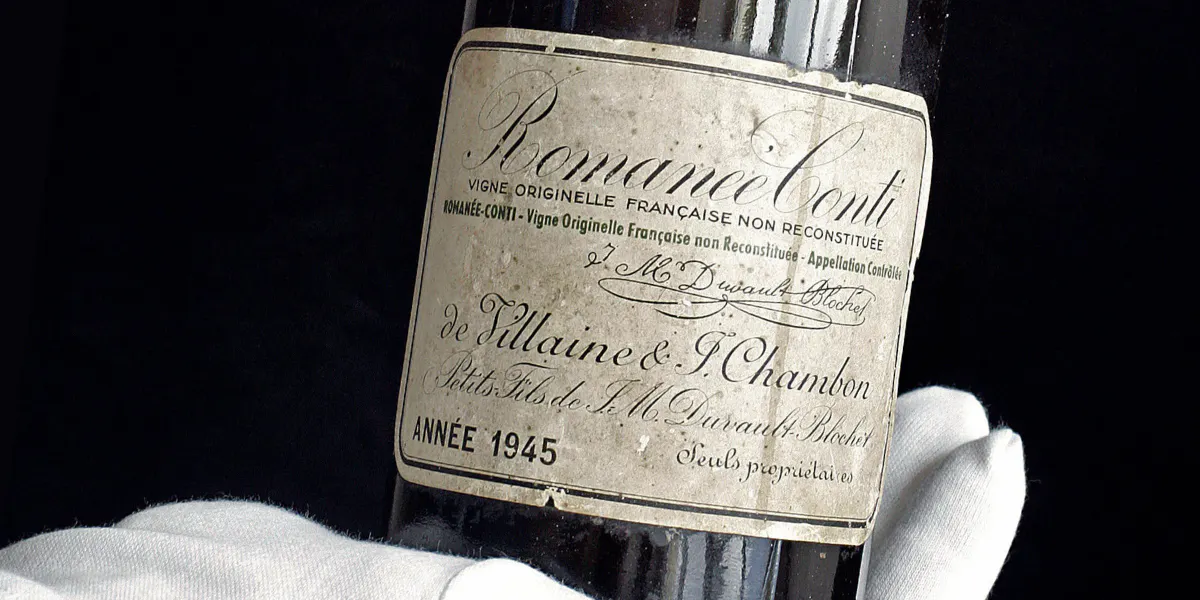
Buying wine at auction is a fantastic opportunity to discover rare, collectable wines—sometimes at prices that can beat retail, especially if you know what you’re doing. Here’s our guide to help you make informed purchases, whether you’re a collector, enthusiast, or simply looking for a special bottle.
1. Why Choose Auctions?
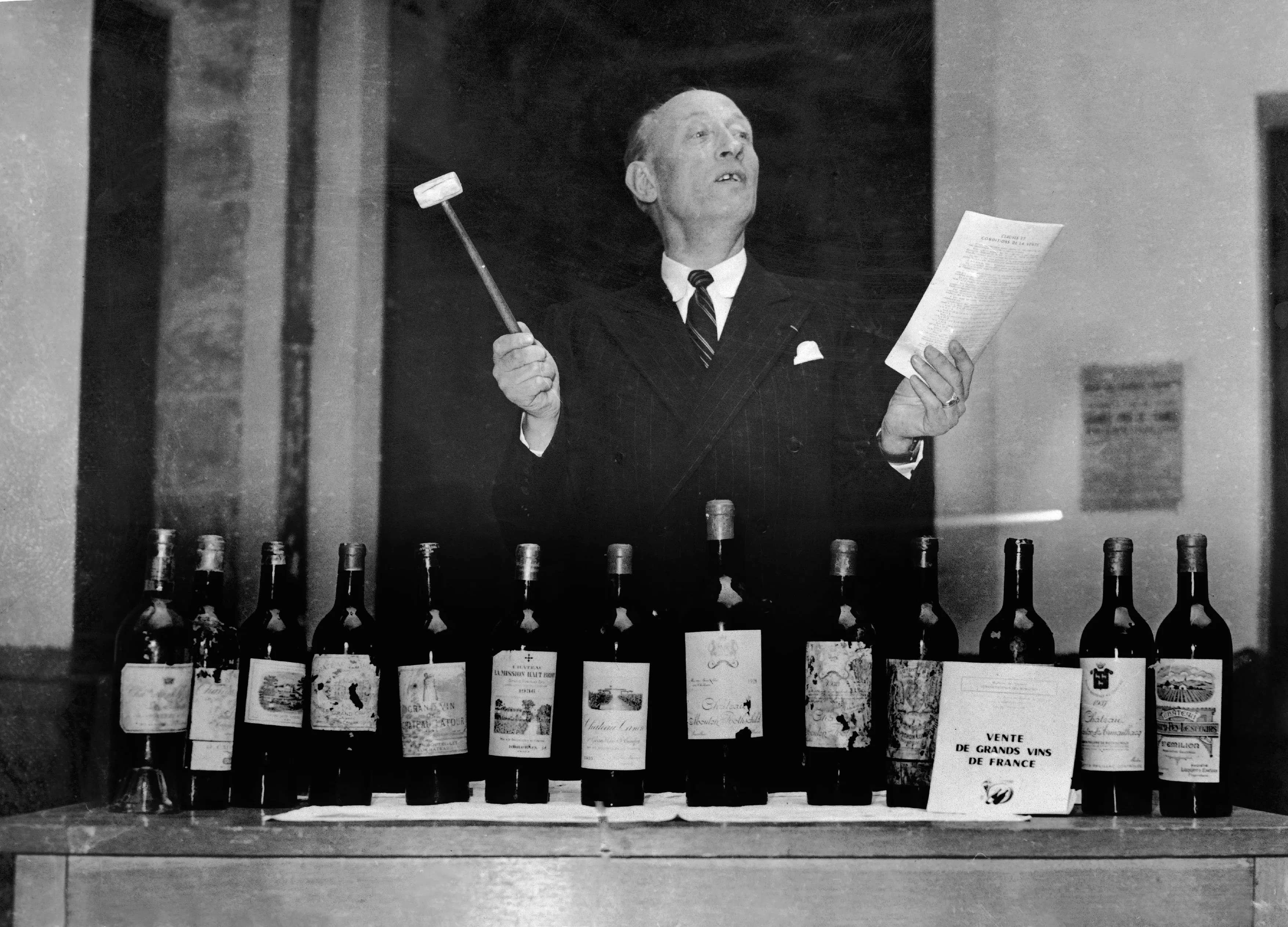
Auctions offer access to fine wines that are often unavailable through traditional retailers. Key reasons to consider buying at auction include access to rare, mature wines that are rarely seen on store shelves, expert quality control from auction houses that meticulously vet each consignment for authenticity and condition, and flexible pricing. The auction format also allows you to set your maximum bid, giving you the chance to score excellent deals if demand is low.
See also: Liquid Courage at Auction: Fine Wine and Spirits Market Insights
2. Define Your Goals and Set a Budget
Preparation is key when making any serious wine purchase. Start by considering your reasons for buying: Are you looking to collect wines from a specific region or producer? Do you need wines for a particular occasion, or are you building a cellar for long-term enjoyment or investment? Once your goals are set, establish a clear budget. Auctions can be lively, and bidding can easily escalate – a well-defined budget will help you focus on the bottles that best align with your purpose.
3. Assessing Quality: Condition, Provenance, and Authenticity
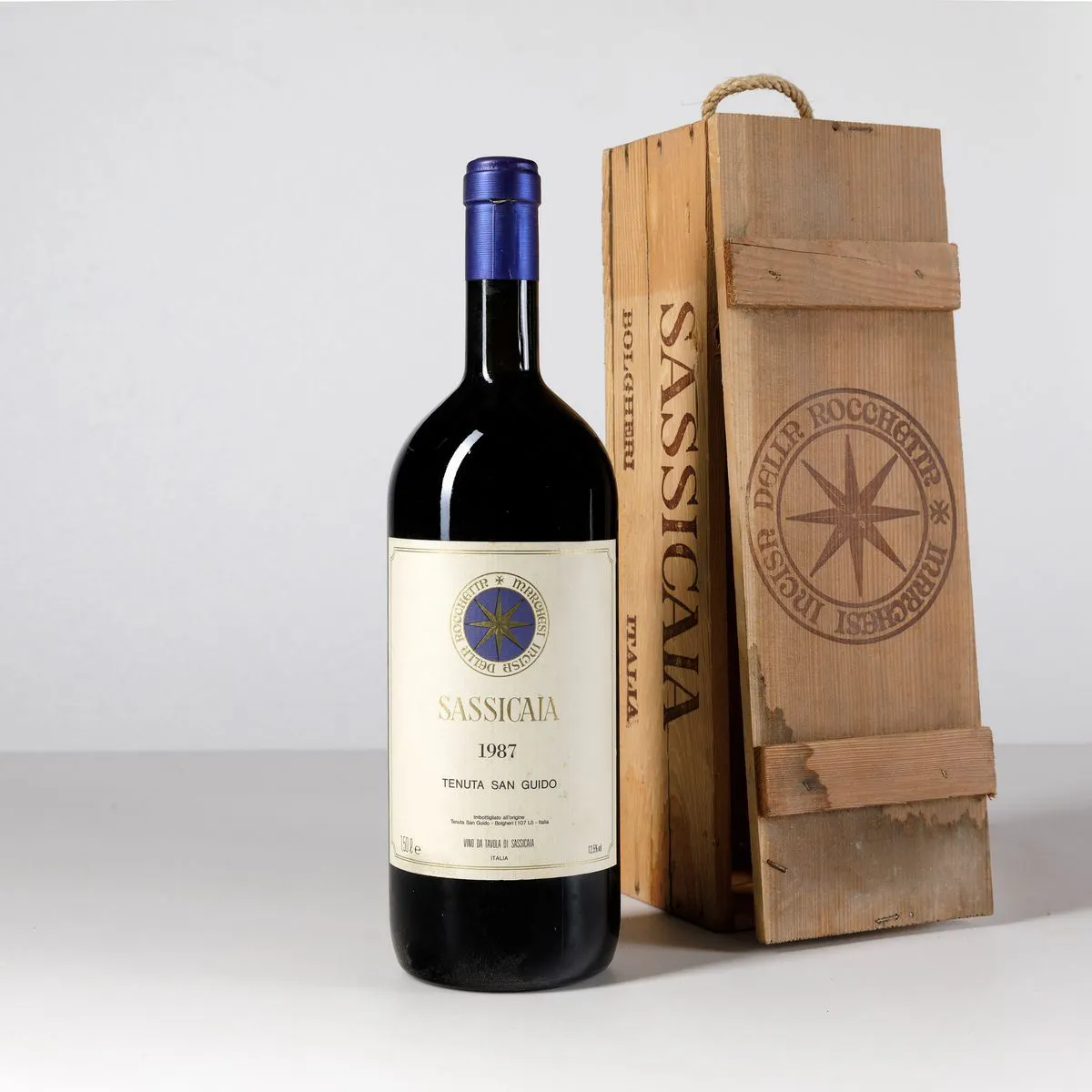
Auction listings provide detailed descriptions of each lot, which can range from a single bottle to a full case or even mixed varieties from different producers and vintages. Familiarising yourself with key auction terms will help you. For example, ‘OWC’ (Original Wooden Case) indicates that bottles come in their original packaging, which often adds value for collectors.
Listen to: Podcast Ep #33 Diving into Wine Collecting
When assessing quality, pay close attention to the ullage level (the space between the cork and wine), as it can reveal much about the wine’s condition. While higher ullage is common in older bottles, excessive air space may suggest spoilage. The condition of the label and capsule is also important—look for bottles with minimal damage, as this often suggests they have been well stored. Provenance significantly impacts the value of older, rare wines; those sourced from private collections or reputable consignors are likely to have received better care. For vintage wines, look for bottles that have been professionally cellared; descriptions of ullage and label condition can often provide clues about the wine’s handling. Don't hesitate to ask questions or consult a specialist for clarification, especially when considering high-value purchases.
Want to receive news like this straight to your inbox? Subscribe to our free newsletter!
4. Storage Considerations
Proper storage is essential to protect your investment. If you’re purchasing high-value bottles, think carefully about where and how they’ll be stored. For smaller purchases or limited space, a personal wine cooler is ideal, particularly if you don’t have a dedicated cellar. For larger collections or long-term investments, professional storage in a climate-controlled facility is recommended to maintain the wine’s quality over time.
5. Building Your Collection with a Starter Cellar
If you’re starting a wine collection, consider beginning with a 'starter cellar' that aligns with your space and interests. This approach lets you explore a variety of wines without committing to large quantities right away. A well-rounded starter cellar might include bottles ready to enjoy immediately, classics from key regions and producers to lay a solid foundation, and wines with ageing potential to observe how flavors develop over time.
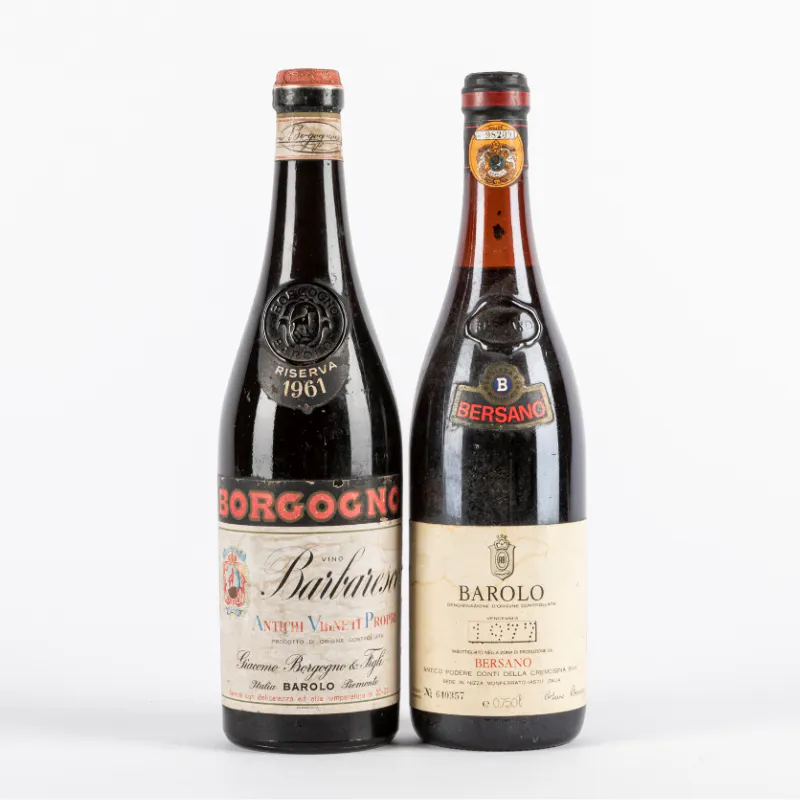
With thousands of wines to choose from, a versatile starter cellar might include lighter white wines such as Sauvignon Blanc and Pinot Grigio, along with fuller-bodied Chardonnays and Rhône varietals. For whites with ageing potential, consider German Riesling and white Burgundy. For young, everyday reds, options like Beaujolais and Côtes du Rhône are ideal, while Chianti and Portuguese reds offer choices that can improve with age. When it comes to more mature reds, classics like Bordeaux, Barolo, and Rioja make excellent additions. For higher-end investments, consider Grand Cru red Burgundys and luxury Champagnes.
6. Beyond the Basics: Key Wine Regions and Classic Producers
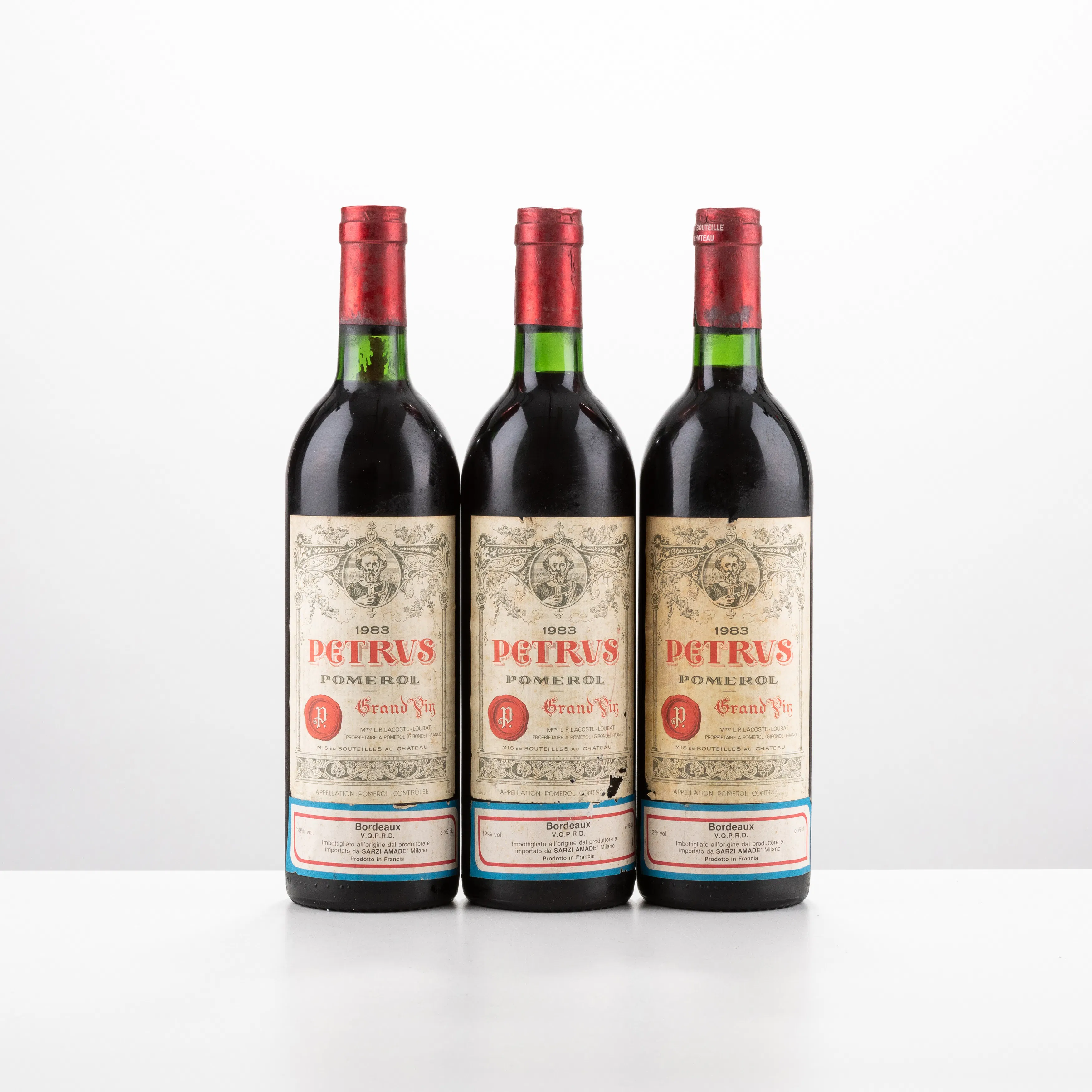
For collectors focused on building an investment-grade cellar, certain wines have a strong track record of appreciating in value over time. French regions like Bordeaux and Burgundy are home to some of the world's most prestigious wines. In Bordeaux, the premier cru estates of Château Lafite Rothschild, Château Latour, Château Margaux, Château Haut-Brion, and Château Mouton Rothschild, along with estates like Cheval-Blanc, Le Pin, and Pétrus, are highly prized. Burgundy’s grands cru reds, especially those from iconic producers such as Domaine de la Romanée-Conti, G. Roumier, Leroy, Ponsot, Ramonet, and Henri Jayer, also offer significant investment potential.
Italian wines from Piedmont, like Barolo, along with Super Tuscans such as Sassicaia and Tignanello, are frequently favoured at auctions and have a proven track record of appreciating in value. Tuscany’s Brunello di Montalcino is another strong option.
See also: Super Tuscan Wines: The Top 5 in the World
In the New World, Napa Valley in California produces iconic wines like Screaming Eagle and Harlan Estate, known for their high quality and ageing potential. Collectible Champagnes and select Rhône Valley wines are also often featured at auctions, offering both prestige and future value. These classic regions and top producers balance enjoyment with long-term investment, making them essential components of any serious wine collection.