
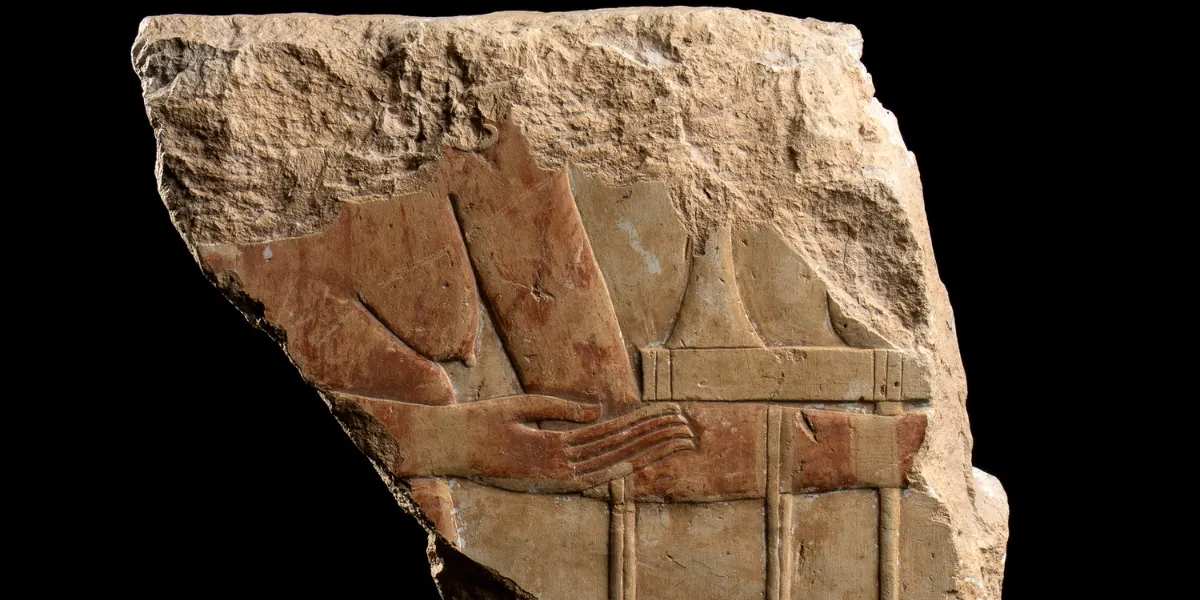
On July 16, Hôtel des Ventes de Monte Carlo (HVMC) will host their Archaeology, Numismatics, Ancient Jewelry and Glyptics auction. Featuring over 300 lots of antiquities, the sale surely has something for every historical collector. We spoke to Bianca Massard, the archaeology specialist at HVMC, about the top lots not to miss, the antiquities market and what to know as a new collector.
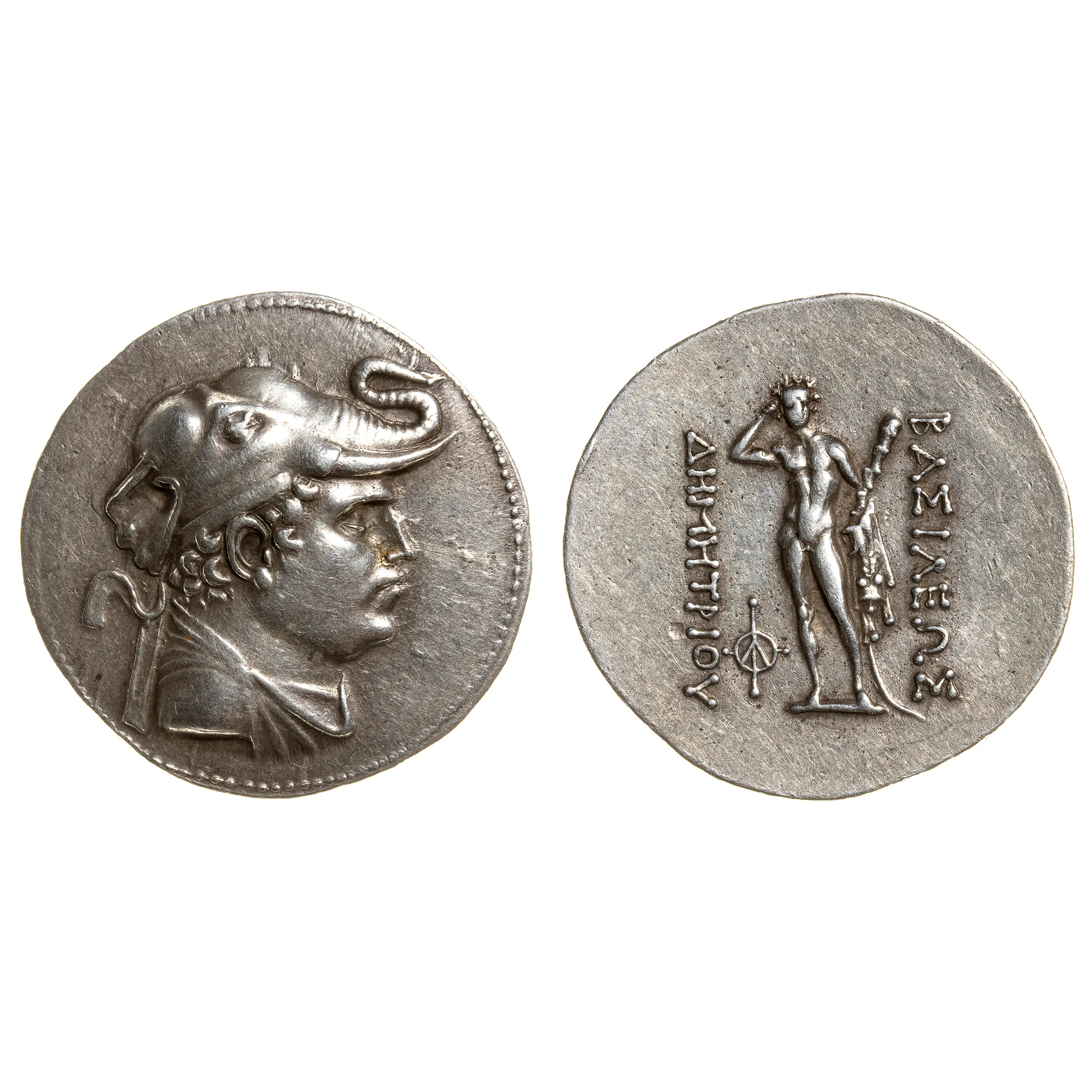
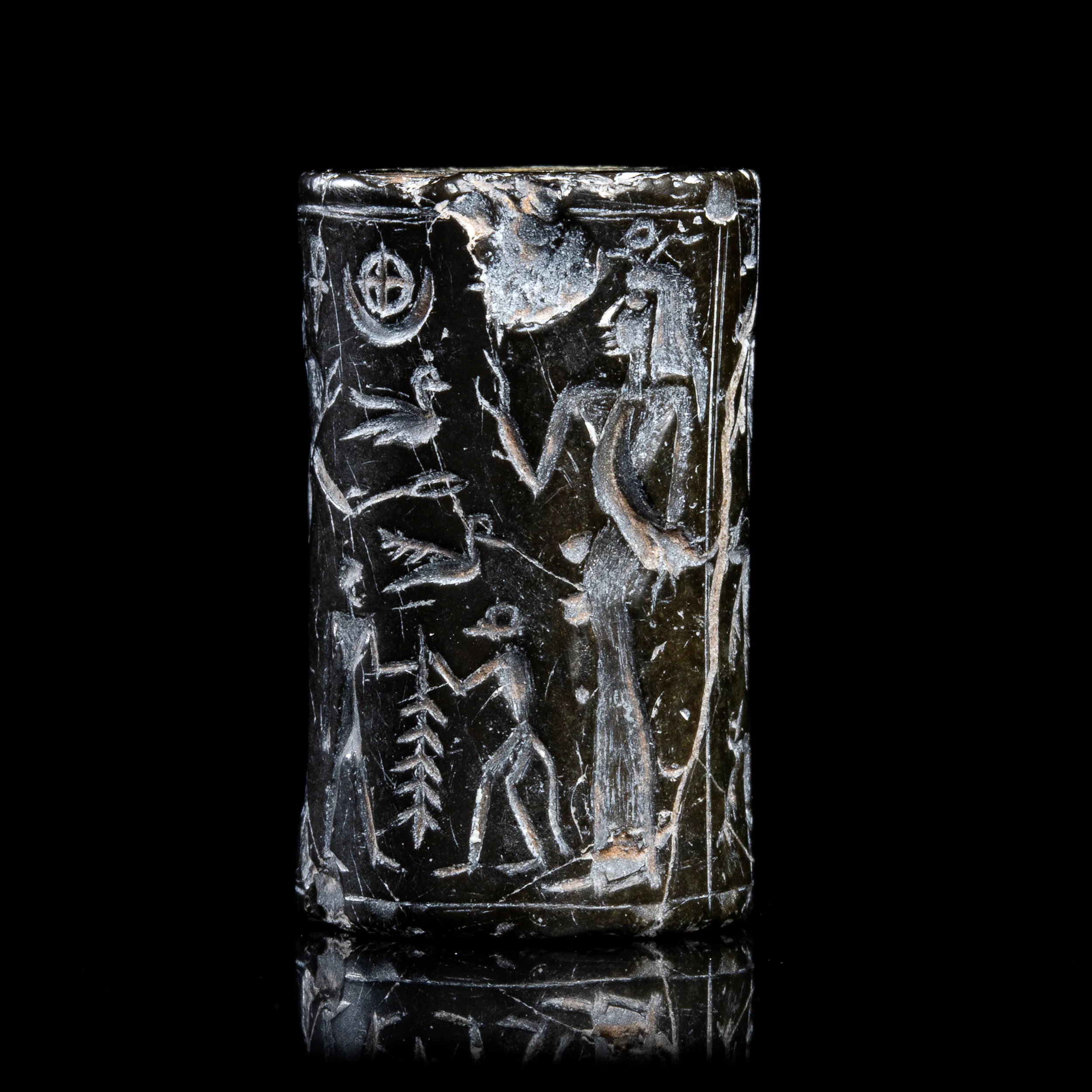
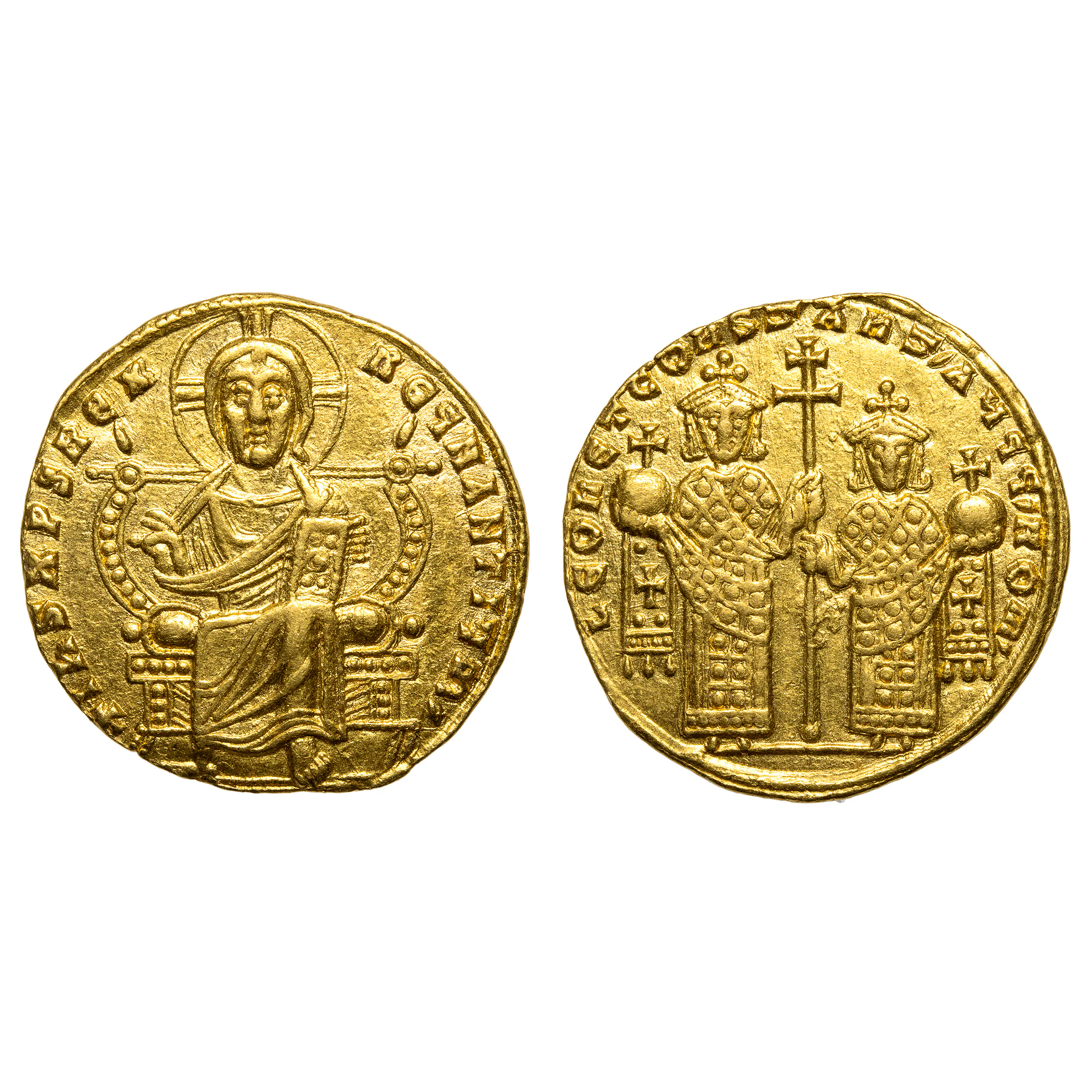
Barnebys: Tell us a bit about HVMC's upcoming Archaeology auction. What are some highlights? Bianca Massard: This sale focused on four major French and European private collections. Among them is a series of pieces from the Rassla Foundation of Giancarlo Ligabue (1931-2015) especially a group of cylinder and sigils seals with various publications. We also present a great selection of ancient and neoclassical engraved gems and a group of ancient and modern coins from two French private collectors.
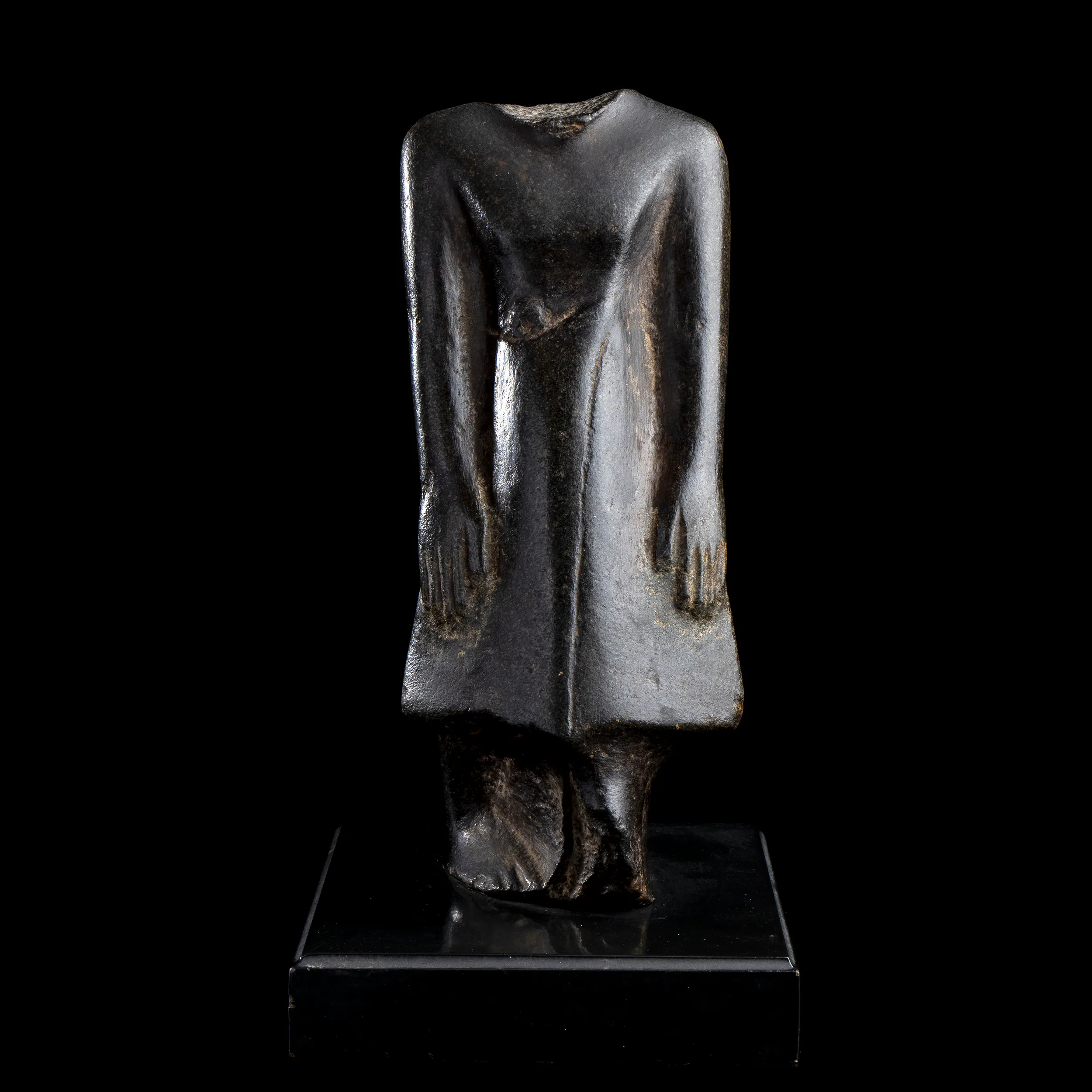
What is the auction market for ancient finds today and how has it evolved? It goes without saying that the antiques market is undergoing a turning point that will be decisive in the coming years. In particular, the new regulations on pedigree and provenance. While forgeries were once a major issue in the antiques market, today it's all about the hunt for provenance. The dialogue between governments, anti-trafficking authorities and art market professionals must be strengthened and made more fluid to avoid certain abuses and confusion. Antique dealers and collectors remain one of the last bulwarks against oblivion. The survival of our cultural identity and the DNA of our history depend on it. Despite a wind of confusion, we can fortunately notice great interest in ancient art on the auction market. Collectors show still strong interest with great consciousness and a desire to expand their collection.
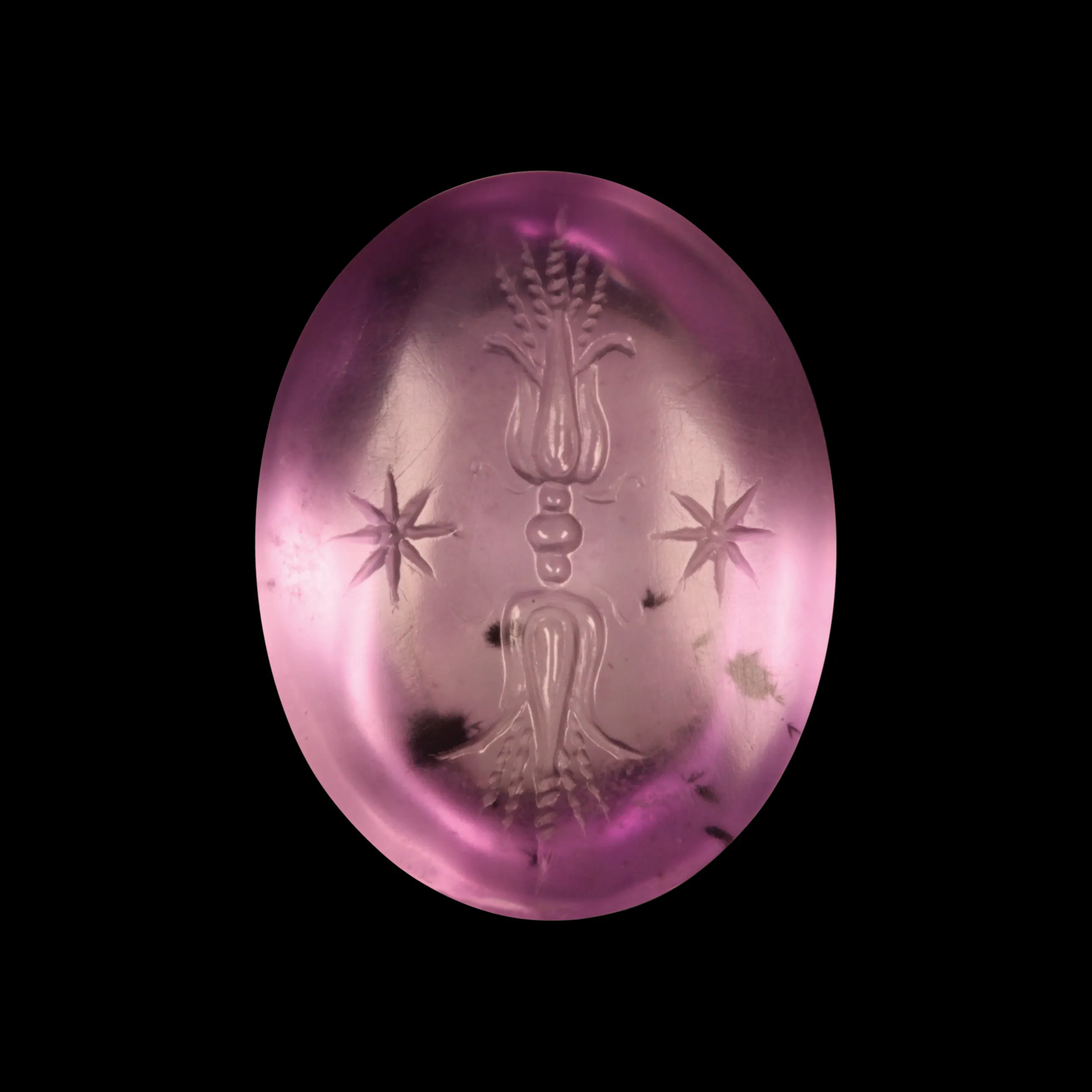
What are the most valuable ancient finds that go to auction? In line with the previous statement, the works that arouse the most interest are those with documented provenances that leave no room for doubt about their history or their journey through a collection. In recent years, there has also been a renewed interest in the passion of Grand Tour connoisseurs: glyptics, the art of engraved gems.
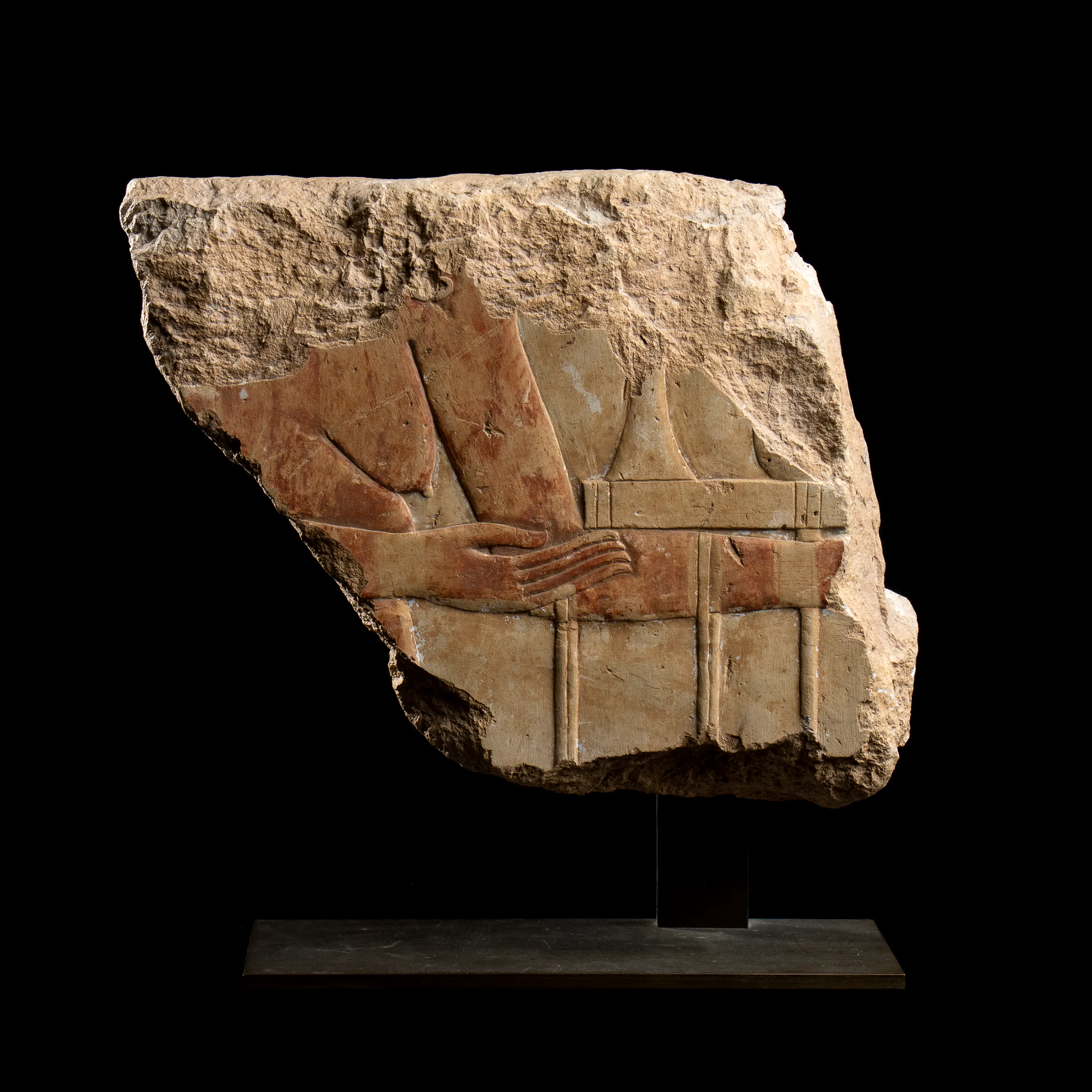
How do you source the lots for your auction? Are they privately owned? Private collections are still the most sought-after by auction houses, as they bring to light objects that have remained hidden from public view for decades. They are also the kind of pieces that attract the most collectors and market professionals. However, the relationship with market players remains indispensable and highly instructive, since dealers are also very attentive to market issues and do their utmost to keep this wonderful world alive.
Do you have any favorite lots that you've sold at HVMC? What are they? Throughout the years I had the great pleasure to work on beautiful collections and objects. Some of them hold great memories, such as a Roman black and white mosaic with the god Oceanus purchased by the Museum of Vienne in France in July 2017. Two others include an amazing and rare Hellenistic ivory head of a horse in 2018 and more recently an Egyptian Egg Head from the 25th Dynasty in July 2021.
Do you have any advice for new collectors who want to start collecting antiquities? To always follow one's heart, as aestheticism is also a matter of taste and experience. But the amazing thing with antiquities is the world a piece can open to its owner. By studying the context and function of a piece you will discover a part of the past and how the ancient civilizations were so modern, complex and attractive.