Fashion is in the sky, in the street, fashion has to do with ideas, the way we live, what is happening. ~ Coco Chanel
The world of fashion has long been synonymous with glamour and luxury and thus coveted items, from handbags to haute couture, are highly sought at auction. From an opulent Valentino ball gown to a Chanel purse, fashion has inspired confidence, personal expression, creativity, and an eye for beauty. Here are the eight most searched fashion brands on Barnebys:
8. Balenciaga
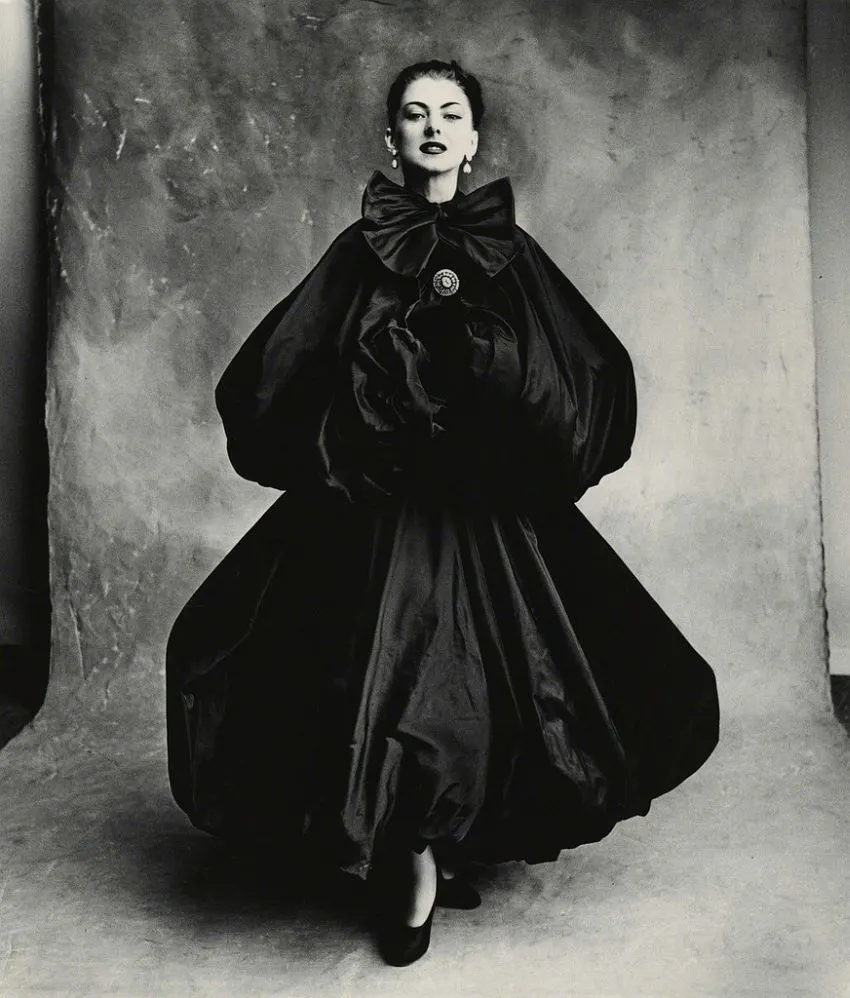
The couturier to Spanish royalty and nobility, Cristobal Balenciaga (1895-1972) worked in San Sebastian until 1927, when he relocated to Paris due to the Spanish Civil War. Throughout the 1950s and 1960s, his haute couture shows were defining in fashion, introducing such iconic looks like the high-waisted Baby Doll dress, Balloon jacket and Sack dress, and reviving the Empire waist. He famously designed the wedding gown of Queen Fabiola of Belgium in 1960 and First Lady Jackie Kennedy's ivory gown that she wore at the presidential inaugural ball in 1961. Though he closed the haute couture house in 1968, the brand was brought back in 1986 and now specializes in upscale urban-inspired chic, from the Classic City and Motocross handbags to high-end streetwear.
7. Burberry
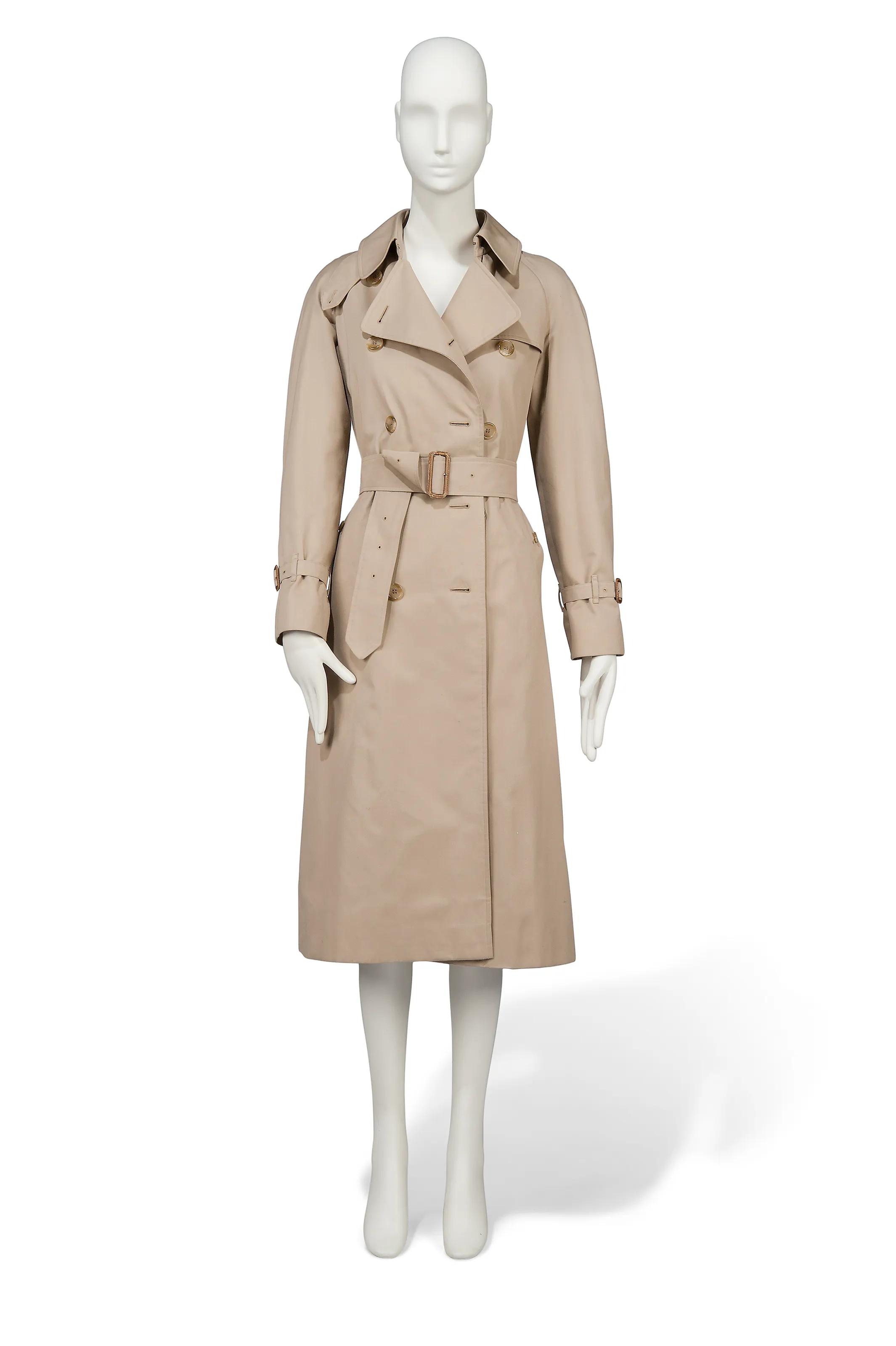
Synonymous with British fashion, Burberry was founded in 1856 by Thomas Burberry (1835-1926) who sold outerwear featuring gabardine, a waterproof wool fabric that he invented. The brand's coats were worn by leading explorers of the 20th century, as well as the British officers in World War I for whom the "trench coat" was named. After the war in the 1920s, the Burberry trench coat became a popular style with the inner lining bearing the recognizable check plaid. By the 1970s, the brand had expanded into ready-to-wear, accessories, handbags, shoes, cosmetics and more.
6. Dior
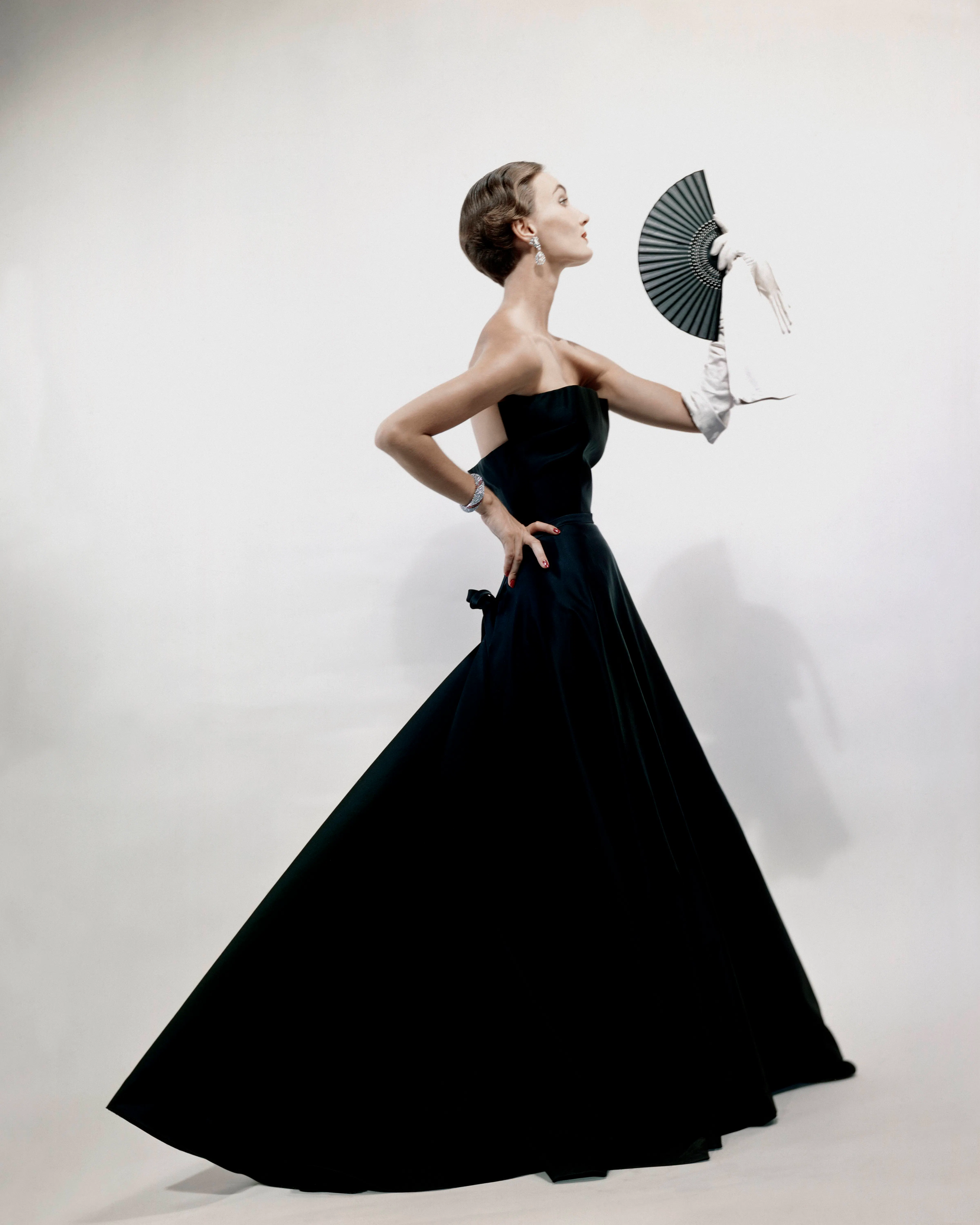
In the wake of World War II, Christian Dior (1905-1957) introduced his first designs: blown-up full skirts cut mid-calf with frills and a fitted waist, which turned heads and revolutionized the codes of fashion. By the 1950s, Dior created full collections, including ready-to-wear, haute couture, hats, accessories and perfumes. Dior soon represented 50% of French fashion exports and won the attention of the era’s great actresses, such as Marilyn Monroe and Marlene Dietrich, who coined the historic line: “No Dior, no Dietrich”. Even after the founder's death in 1957, the brand has continued to endure in popularity and elegance, including staples such the famous ‘Lady Dior’ bag (1995) named for Princess Diana, the ‘Eau Sauvage’ eau de toilette (1966) and the timeless ‘J’adore’ line (1999).
5. Gucci
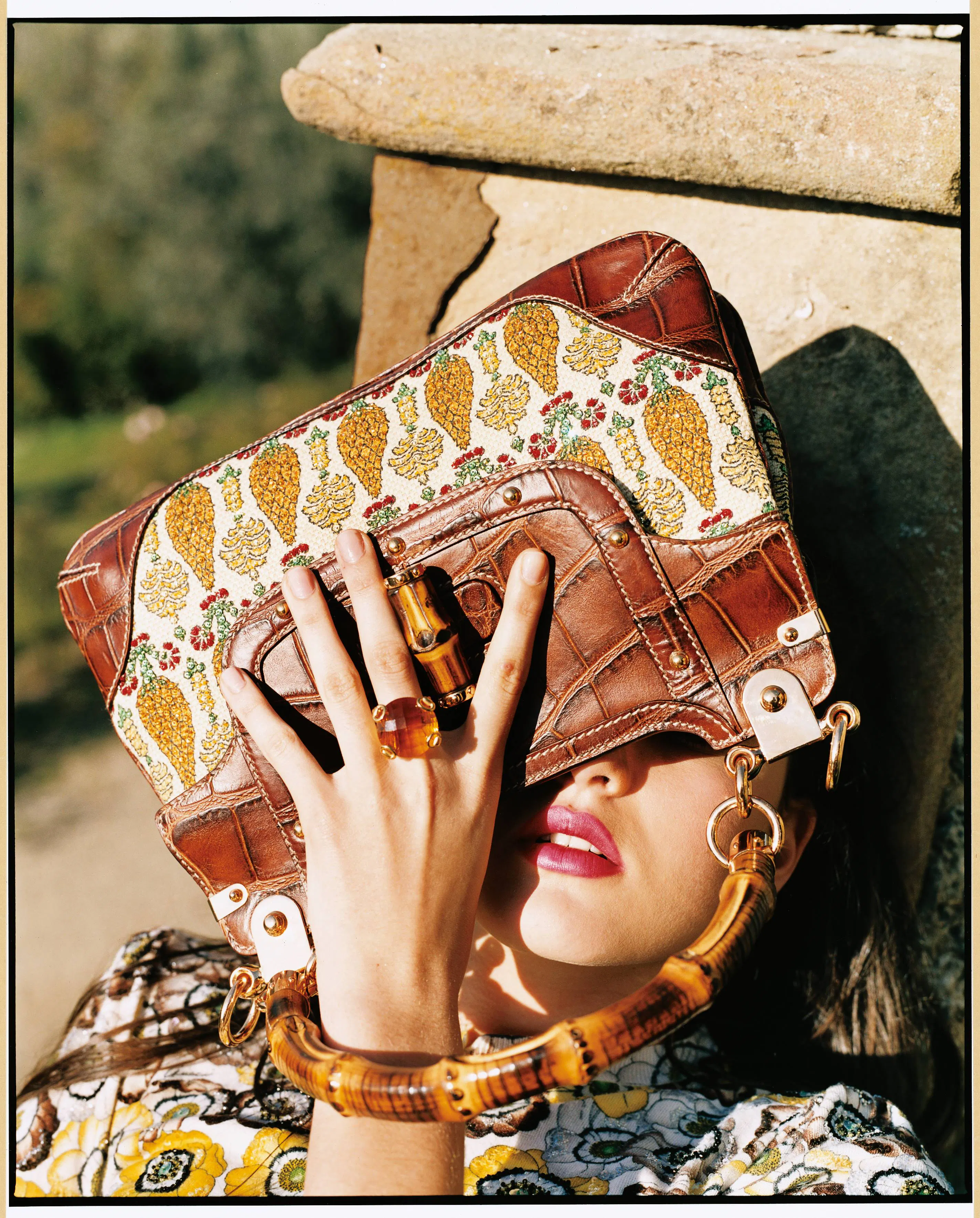
The top-selling Italian brand, Gucci launched in 1921 under the direction of Guccio Gucci (1881-1853), who opened a shop in Florence of fine crafted leather goods from purses to shoes. The brand came to recognition throughout Italy for its decorated loafers, knitwear, luggage and canvas handbags with intertwining G's. Throughout the '50s and '60s, Gucci was a worldwide phenomenon, and expanded later into belts, eyewear, jewelry, and even sports cars. Ready-to-wear by Tom Ford came by the end of the 20th century. Iconic Gucci today includes items with the Gucci monogram, the interlocking G Marmont logo, the red and green stripes, the knight of the Gucci crest, the bamboo handle, and the horse-bit clasp.
4. Valentino
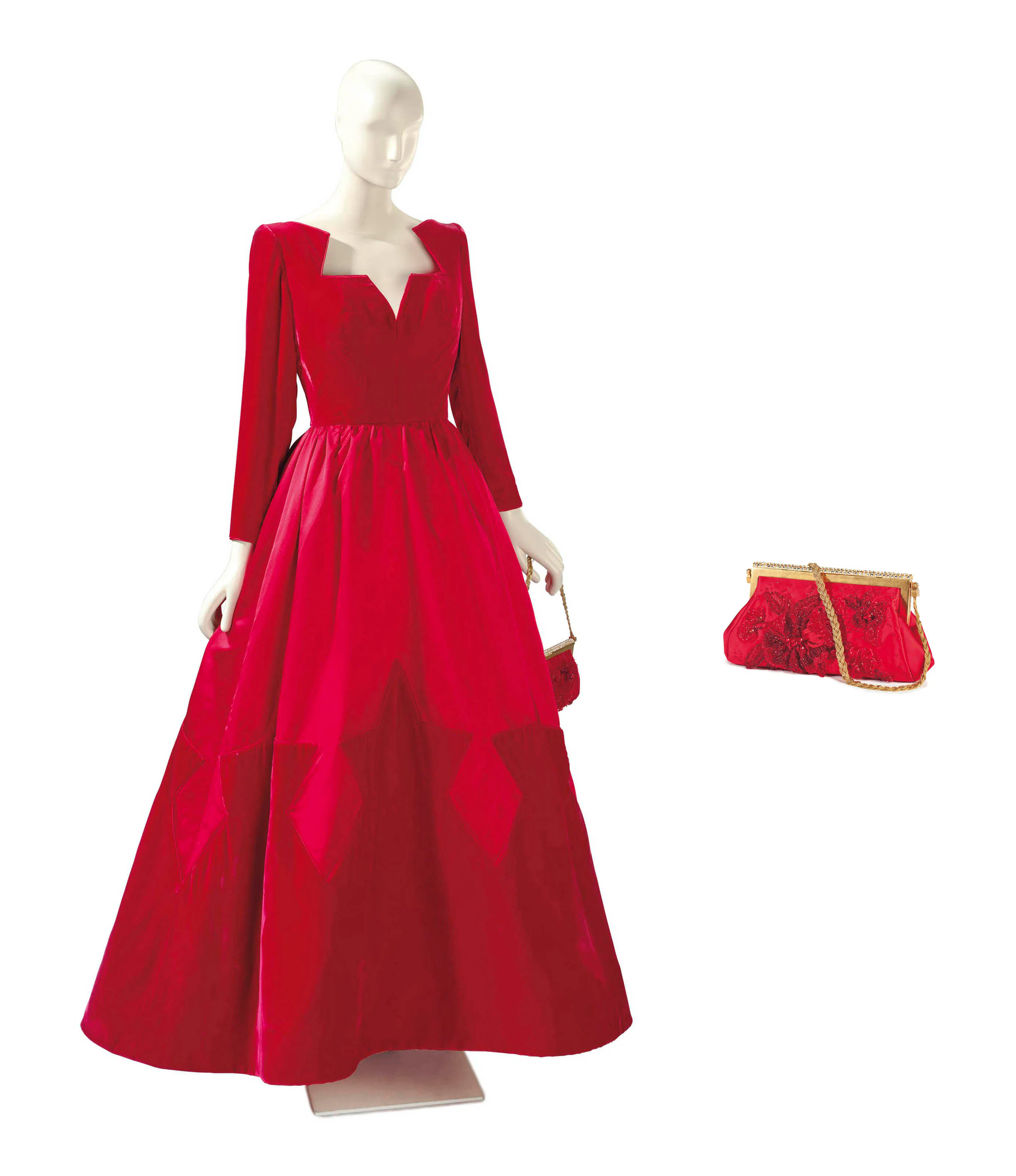
Named for the 1920s film star, Rudolf Valentino, Valentino Garavani (b. 1932) founded his eponymous brand in 1960 in Rome, inspired by the classic haute couture of Paris. Through the latter half of the 20th century, Valentino's extravagant and feminine fashions were the rage, especially gowns in his trademark Valentino red that used sumptuous fabrics, classic silhouettes and high-level craftsmanship. Though he retired in 2008, the brand is still iconic and vintage couture pieces are coveted at auction, as well as the more contemporary accessories like the rockstud spiked shoes, bags and eyewear.
3. Hèrmes
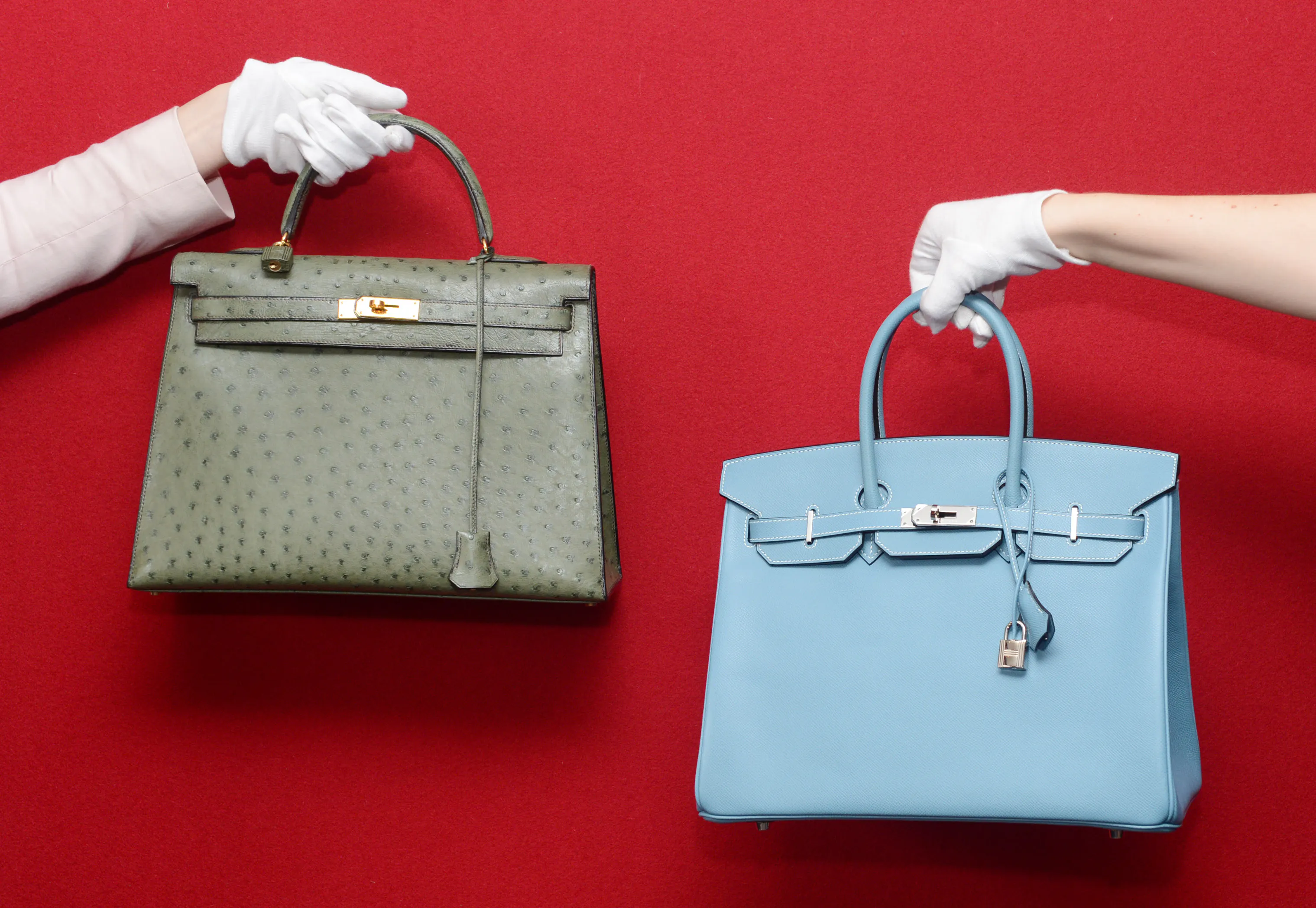
Launched as a fine equestrian accessories shop in Paris in 1837 by Thierry Hermès (1801-1878), Hermès morphed into an international fashion and luxury powerhouse in the 1920s and 30s, when they introduced handbags, couture and silk scarves. The Kelly bag, named for Grace Kelly, and the Birkin bag, for actress Jane Birkin, are two of the most recognizable Hermès leather items, and have reached high demand, often commanding months-long waiting lists and designs in extravagant and exotic leathers. The silk scarves, equally iconic, have been worn by Queen Elizabeth II and Audrey Hepburn, and there are over 2,000 intricate screen-printed designs. Today, the famous brand also offers ready-to-wear, perfume, silk ties, home décor, and more, and almost all of the their items are still handmade in France.
2. Louis Vuitton
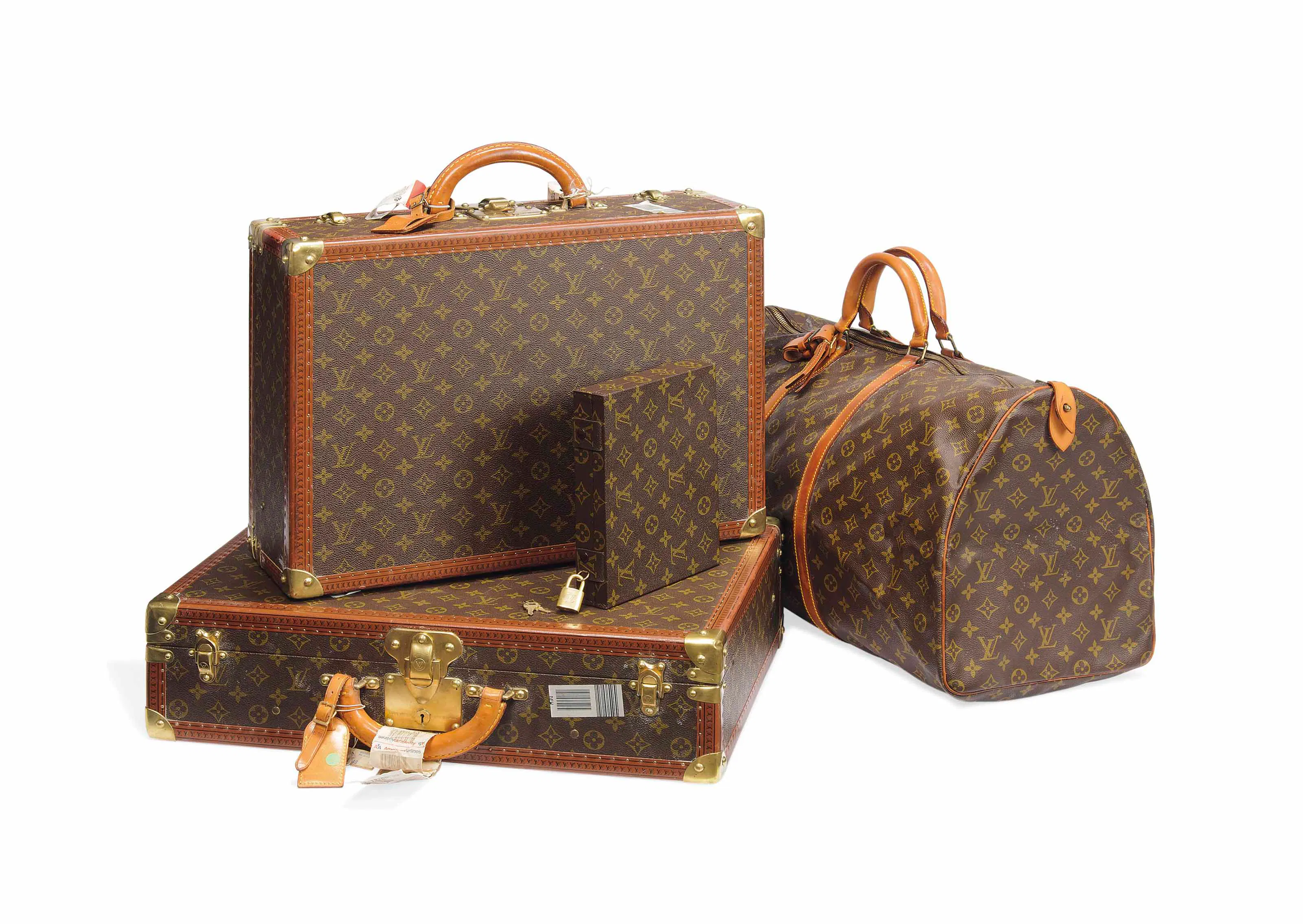
Though the LV logo is ubiquitous today, who was Louis Vuitton? Vuitton (1821-1892) was Paris' premier trunk maker as of 1854 and was the official trunk maker for Empress Eugenie, wife of Napoleon III. He designed lightweight, stackable traveling trunks and even invented the first pick-proof lock. The famous "LV" monogram was patented in 1896 and throughout the 20th century, the brand expanded their leather goods offerings, from travel luggage into handheld purses and wallets. In the late 1990s, Louis Vuitton ventured into ready-to-wear with Marc Jacobs at the helm. Its most famous handbag models today include the Speedy bag and the Neverfull totes in the LV monogram, as well as the checker pattern. The brand has also collaborated with famous artists such as Yayoi Kusama, Takashi Murakami, and Urs Fischer on limited-edition items.
1. Chanel

The top searched brand on Barnebys, Chanel traces its history back to 1909 when Gabrielle "Coco" Chanel (1883-1971) opened a hat shop in Paris. As the role of women changed due to World War I, Chanel's fashions reflected that with jersey sweaters, blouses and woolen skirt suits, which became known as the Chanel Suit in the 1920s. In 1921, Chanel also introduced the perfume No. 5, her trademark scent. By the 20th century, Chanel offered haute couture, perfumes, ready-to-wear, fine jewelry, (especially her famous strands of pearls) and the iconic 2.55 quilted handbag, named for its launch date. After Coco's death, Karl Lagerfeld became the lead designer, introducing an edgier spin on Chanel's traditional designs. Now, the interlinking C's logo, launched in the early 1990s, is synonymous with French elegance and modern femininity, epitomized by Coco Chanel.