Pre-Columbian art encompasses all the visual arts of the indigenous peoples from the North, Central, and South Americas, and the islands of the Caribbean. It spans thousands of years (from 13,000 BC - 1500 AD) and includes 12 main civilizations: Olmec, Maya, Toltec, Mixtec, Aztec, Chavín, Nazca, Moche, Wari, Tiwakanu, Chimu, and finally the Inca, the last civilisation conquered and destroyed by the Spanish colonizers.
What type of art did Pre-Columbian societies create?
Pre-Columbian civilizations made all kinds of art, from woven textiles to monumental sculptures and architecture, gold and jade figurines, ceramics, pottery, and much more. Since many Pre-Columbian cultures did not have writing systems, cosmology, myths, religion, rituals, and philosophical views were expressed through visual art – making their creations highly symbolic and expressive.
There are many examples of Pre-Columbian art and all cultures had their own idiosyncrasies, but some of the most famous types are Mayan pottery, Olmec jade work, Aztec mosaics, Chimu feather-headdresses, Inca textiles and patterns, as well as gold and silver metalwork from any region. Pre-Columbian art has been collected since the 19th century and its market has steadily grown over time, although certain artifacts have sparked controversy over forgery and theft. As with most artifacts, checking the provenance and the conditions of sales is essential.
What did Pre-Columbian artists represent?
Some of the finest craftsmanship of the ancient world comes from the Pre-Columbian cultures. There isn't a single ideology through which Mesoamerica's past can be decoded, but there are many examples of visual art that can give us a glimpse into a lost world, otherwise inaccessible because of the lack of literacy.
Pre-Columbian art is incredibly diverse and expresses a vast range of ancient humanity’s preoccupations: death and destruction, birth and regeneration, fear of nature, fear of god, familial ties and erotic bonding – to name a few. For a while, it was thought that Mayan art constituted the pinnacle of civilization, but recent studies have given credit to its predecessors and successors and their own visual cultures. Here are 5 of the most known Pre-Columbian civilizations and their art:
The Olmecs: Pioneers of Jade
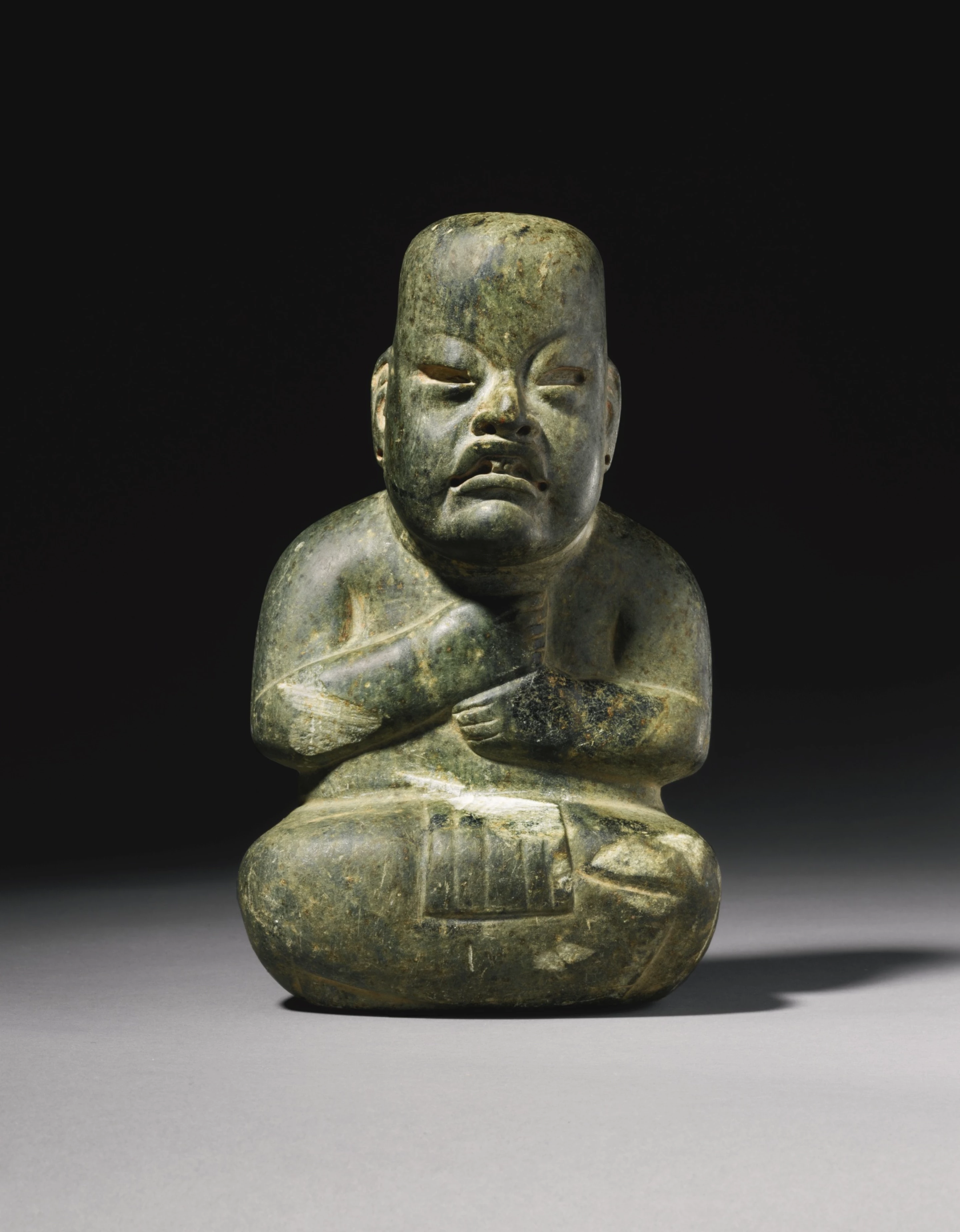
The Olmecs were the earliest known civilization in Mesoamerica, having developed between 1200 and 400 BC between the Gulf coast and Mexico. Olmec art is considered the mother culture of pre-Columbian art, with many of their symbolisms and institutions having permeated later civilizations. Olmec art is most famous for its colossal heads of rulers, made of basalt, weighing up to 40 tons and ranging from 6 to 11 feet high.
Related: Jade: A Coveted Asian Talisman
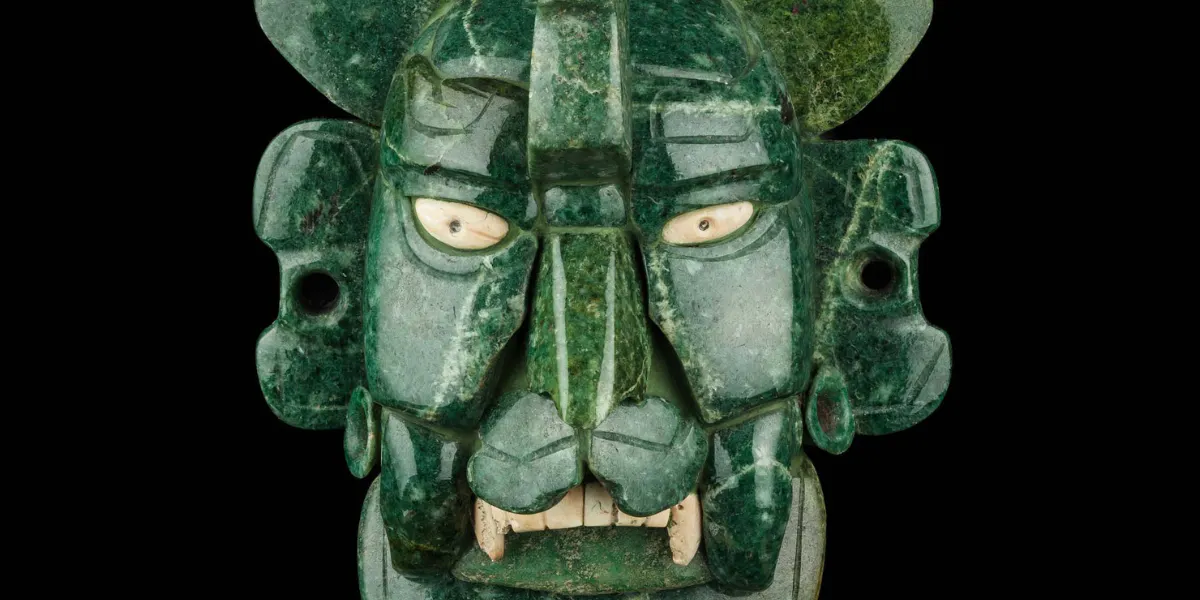
The Olmecs are also known for having been exceptional craftsmen of jade, one of the hardest stones to work with, and more precious than gold at the time. Their jewel-like sculptures range from tools to animals to incised masks, passed down from generation to generation. Famous symbols of Olmec art are birds, jaguars, and serpents, which stand for the Olmec threefold vision of nature, divided into sky, earth, and water.
The Mayans: Masters of Murals
The Mayans developed in what is today southeastern Mexico, Guatemala and Belize. The first cities are from around 750 BC, and the last city fell to the Spanish Empire in 1697. The most famous Mayan art spans from the Early Classic to the Late Classic period (250 - 950 AD). It focuses mainly on the natural world (specifically on rain and agriculture), and fertility. As a civilization, Mayans pioneered mathematics, astrology, calendars, hieroglyphic writing and architecture. Art was primarily rooted in religion, rituals and sacrifice. Mayan ancient murals and painted wall art are particularly well-known, recording cosmic events and ancient mythology. Stone and wood carvings, stelae, as well as stone, ceramics, and jade statues are also famous ancient Mayan artifacts.
Related: The Mystery of Frida Kahlo's Lost Masterpiece
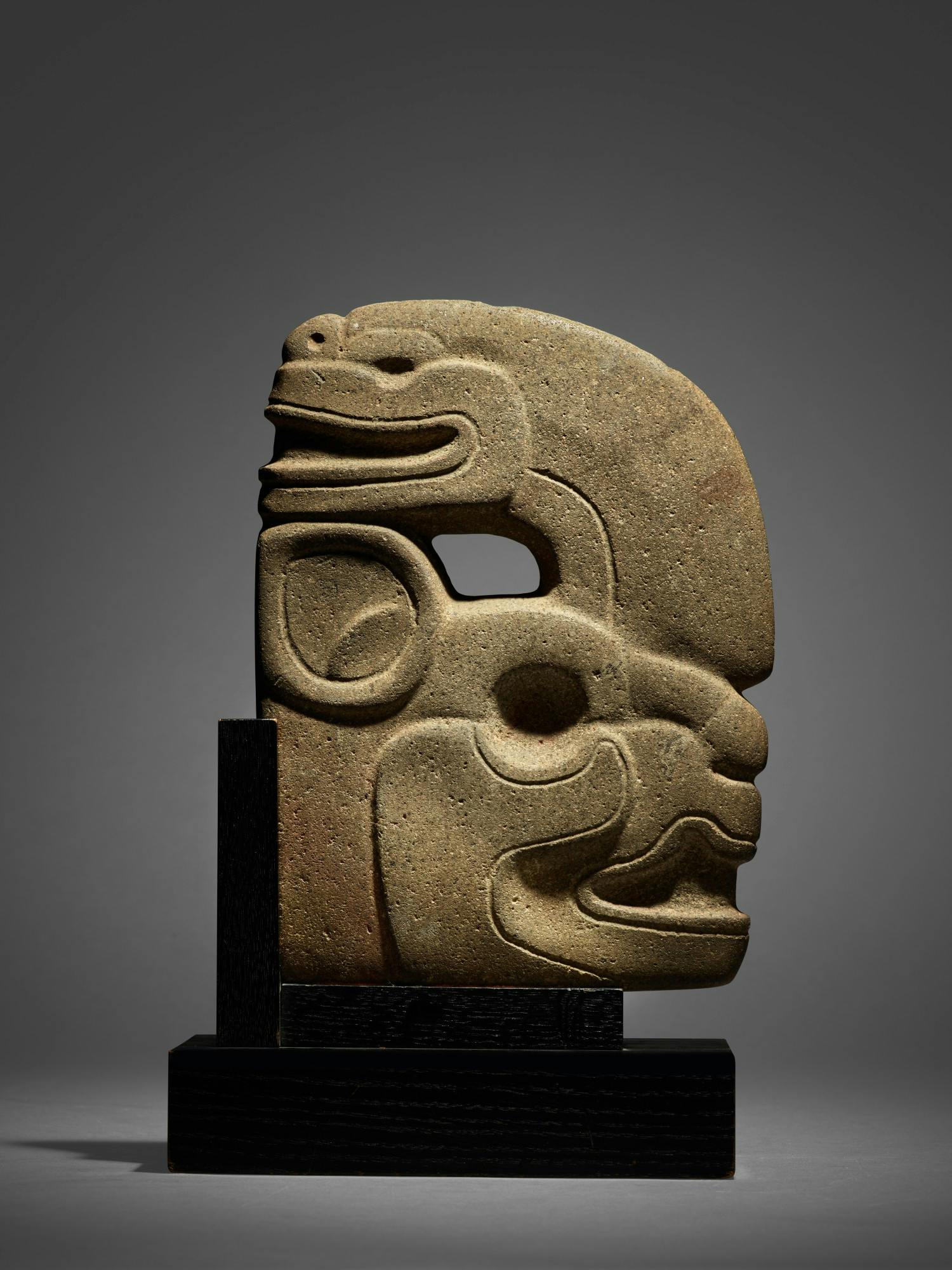
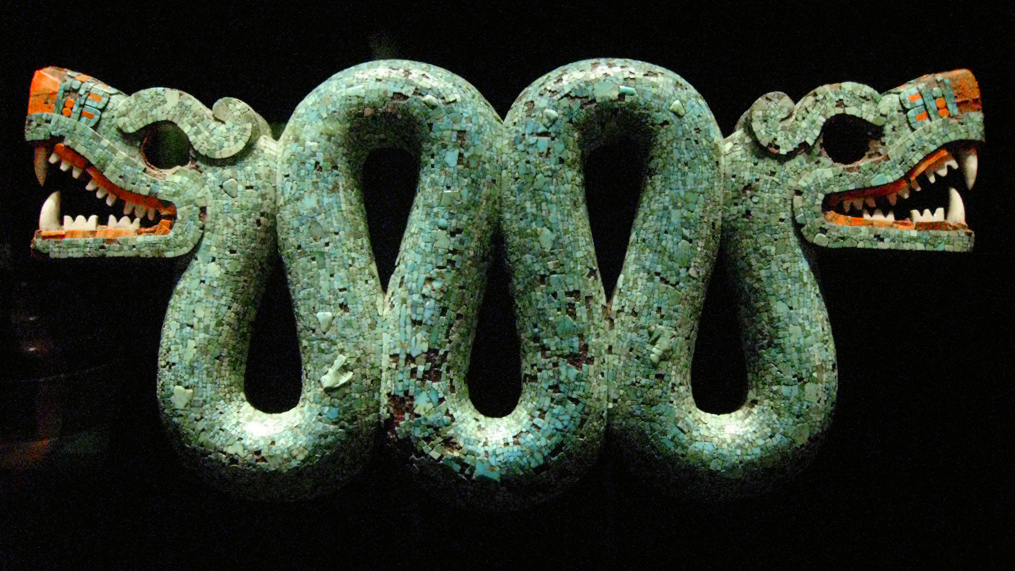
Mayan iconography often depicted snakes, whose shedding of the skin they associated with the cycle of creation and destruction; jaguars, a symbol of strength and courage; and the eagle, associated with the sun god and considered a divine animal that could fly to the heavens.
The Mezcalas: Abstract Architects
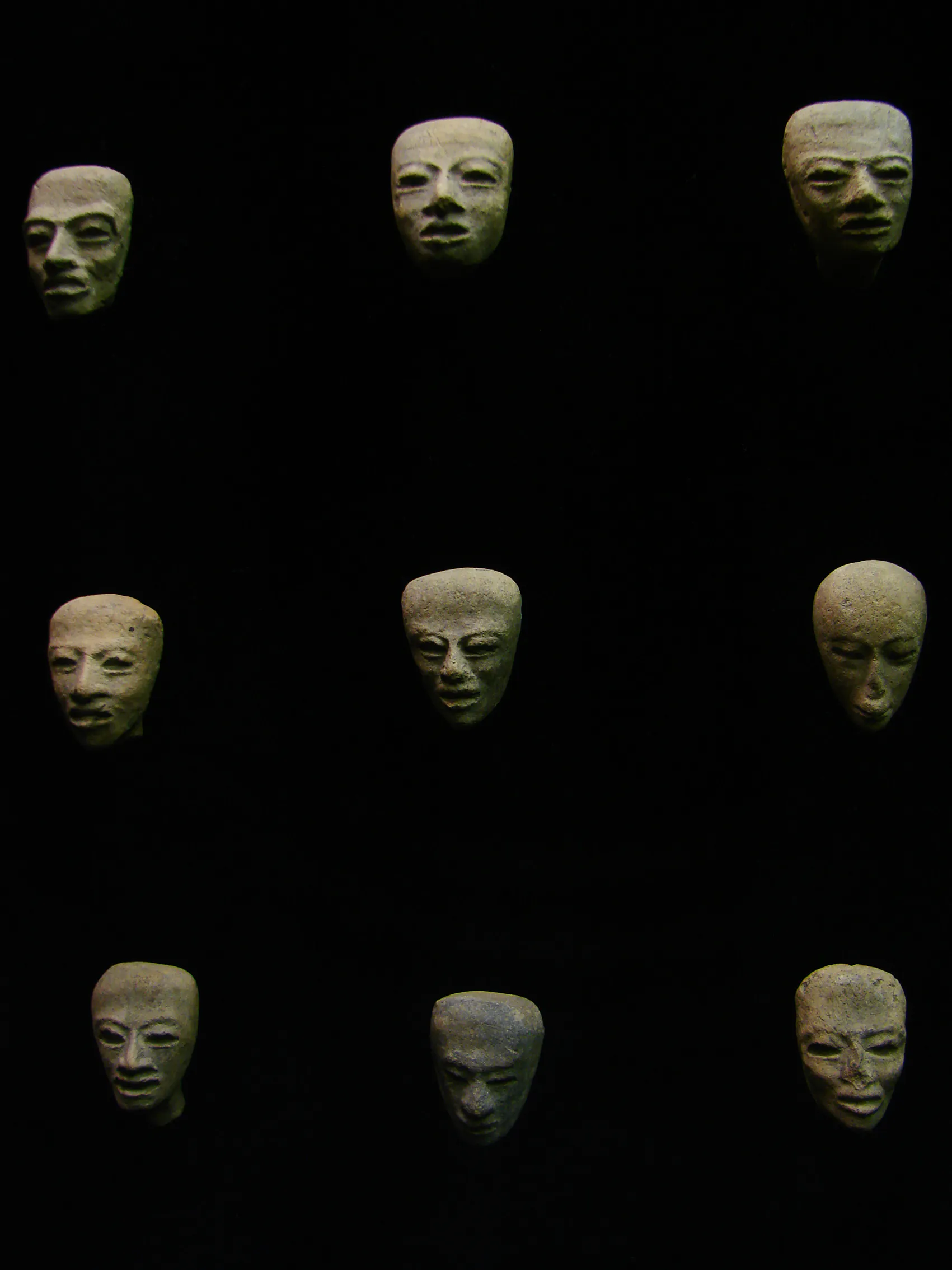
The Mezcala culture originated in the Guerrero state of Southwestern Mexico and overlapped with the Mayans between 700 and 200 BC. The Mezcalas are known for their sculpture characterized by abstract features, which may have been influenced by the Olmecs. Little is known about the customs of this civilization other than the fact that they placed great importance on architecture.
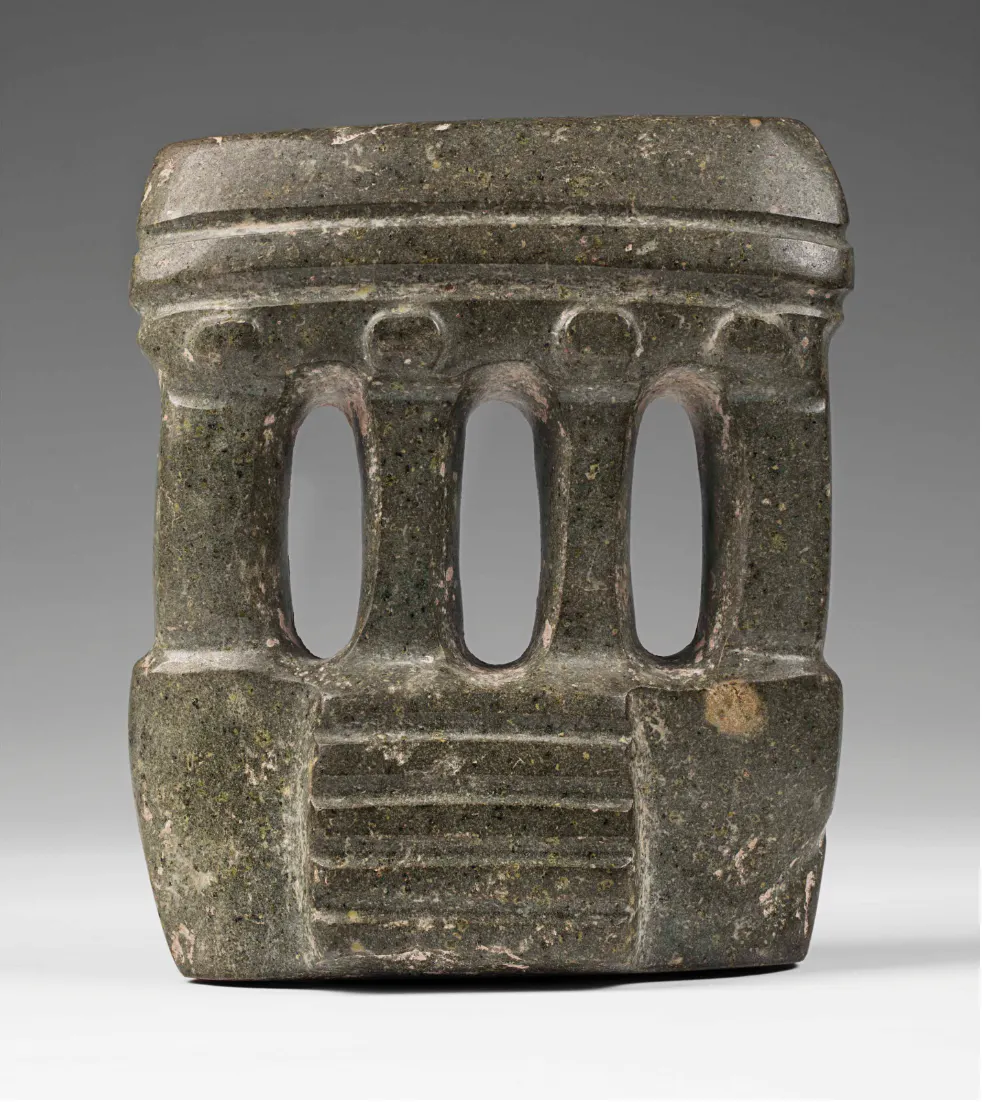
Their temple models and abstract stone carvings are particularly sought after and thought to have been created without using metal tools, simply sawing away stone with stone. The sculptural style of the Mezcalas is remarkably modern, with collectors comparing it to the sculptures of Picasso and Brancusi.
The Aztecs: Sensational Sculptors
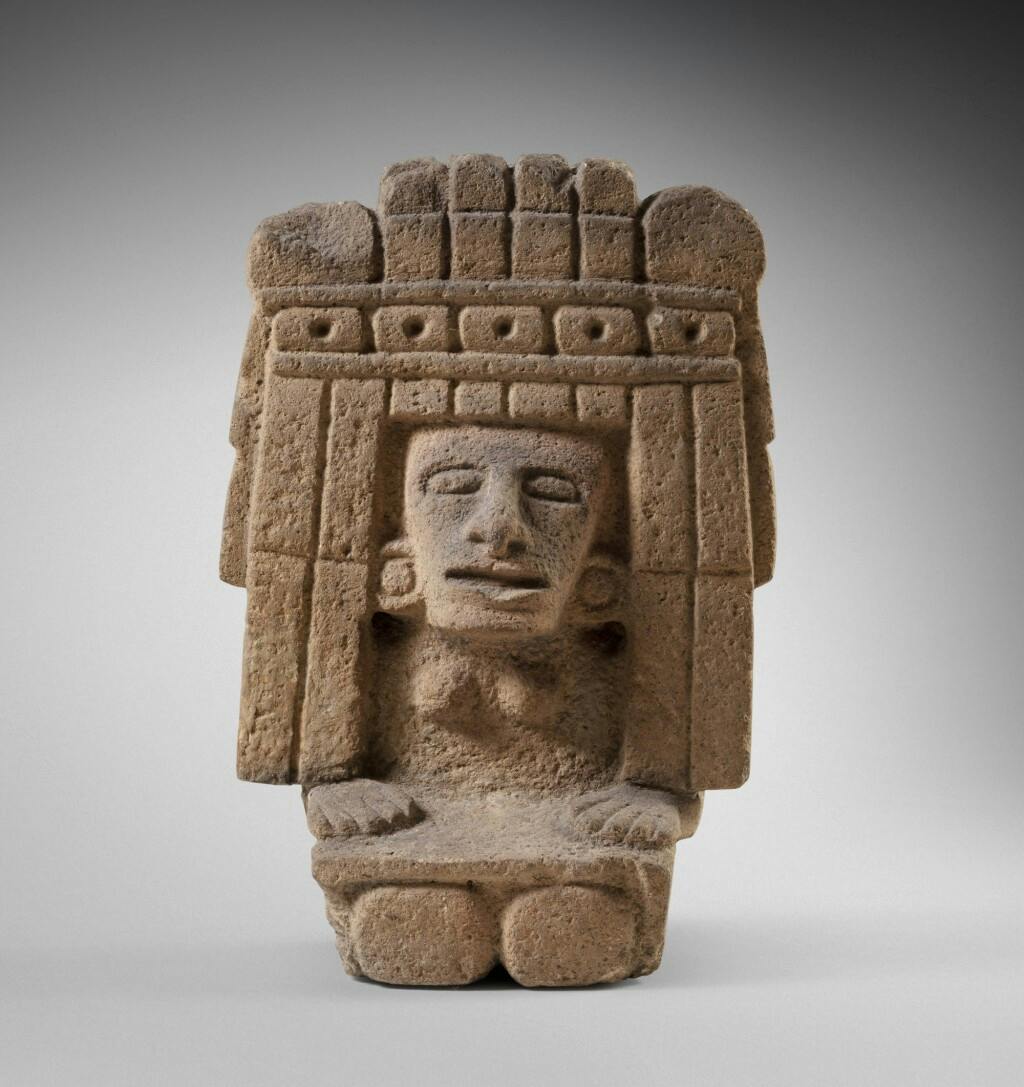
Aztec culture revolved around the capital of Tenochtitlan during the 15th-16th centuries (circa 1200-1541 AD). There are discernible influences from the Olmec, Mayan, Toltec and Zapotec civilizations in Aztec art, although their unparalleled conquest and expansion meant that they established a political and cultural hegemony seen nowhere else in ancient Mesoamerica.
Related: 10 Famous Sculptures in Art History
Aztec people were highly skilled in monumental stone sculpture, architecture, decorated pottery and fabrics, as well as metalwork of a variety of subjects, especially dedicated to agriculture and fertility. Aztec artists produced expressive and dramatic artworks, seen for example in the decorated skulls of prisoners of war and stone sculptures dedicated to gods. A running thread in Aztec art is a concept of naturalism: ceramics are often life-sized and colors were rendered beautifully to portray the subject as closely as possible.
The Incas: Finest Goldsmiths
The Inca Empire developed in the early 13th century in the Peruvian mountains and lasted until 1572, when the last Inca state was conquered by the Spanish. Incan art is some of the finest ever created in pre-Columbian Mesoamerica, best known for highly polished metalwork, ceramics, and textiles – these last ones considered by the Incas one of the most distinguished forms of art.
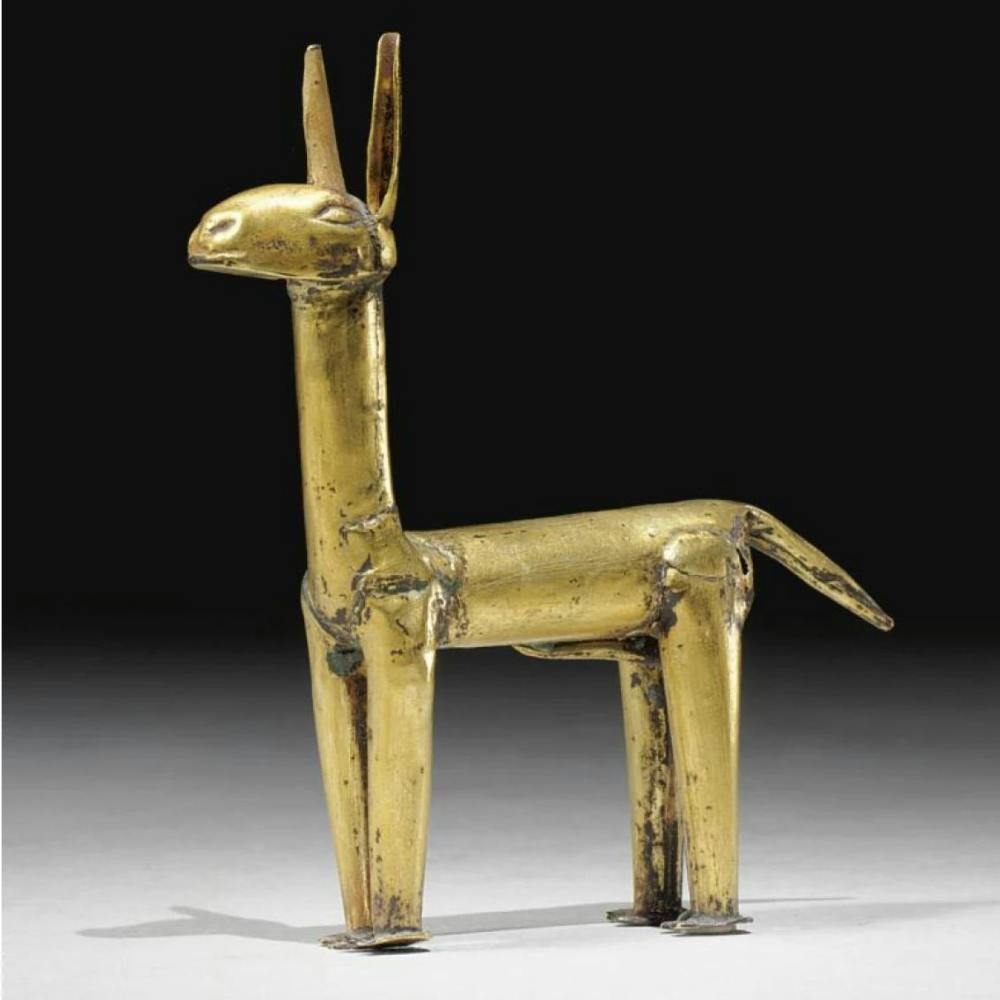
Inca patterns were often geometric, and it is believed that textiles and ceramics were produced on behalf of the state as tax, and so specific designs represented specific communities. Unlike other pre-Columbian civilizations, textiles and pottery were not figurative and lacked visual allegories, preferring colorful geometrical designs. The most valued material for the Incas was gold, thought to be the sweat of the sun, and silver, thought to be the tears of the moon. Masks for Inti, the god of the sun, and Mama Kilya, the goddess of the moon, were minted by metalworkers as special offerings. Jewels, beakers, religious pieces, figures of humans and llamas were also carved out of these precious metals. Unfortunately, most have been lost to the Spanish conquistadores, who melted down their artworks for currency.
Want more articles like this delivered straight to your inbox? Subscribe to our free newsletter!
Many more cultures contributed to Mesoamerican art and it cannot be understated how diverse these civilizations all were from each other. Artifacts from Southeastern Mexico can differ massively from those of Western Mexico. Even in the same region, the zoomorphic fine pottery of the Chavín was unlike the utilitarian vessels of the Inca. As with all ancient art, these cultures explored themes universal to humankind, but did so in their own unique styles.