Among the most expensive cameras ever sold, one brand alone dominates the market: Leica, the pioneering German company which patented the first 35mm camera, to which we owe many of the most famous images ever shot – from the V-J Day Kiss in Times Square by Alfred Eisenstaedt to Robert Capa's Death of a Loyalist Soldier and Nick Ut's The Terror of Vietnam.
Related: Robert Capa: Photographs From the Front
The Leica brand was founded by Ernst Leitz in the early 1900s, at a time in which cameras were still bulky and difficult to maneuver and carry around. Leitz, an optical engineer, made the first Leica prototype in 1914 with the aim of producing a smaller portable camera. Upon his retirement, he entrusted Oscar Barnack, a photographer and fellow optician, with continuing the production. Under Barnack, the company produced a model at the time known as the 'UR-Leica', a camera for 35mm perforated film.
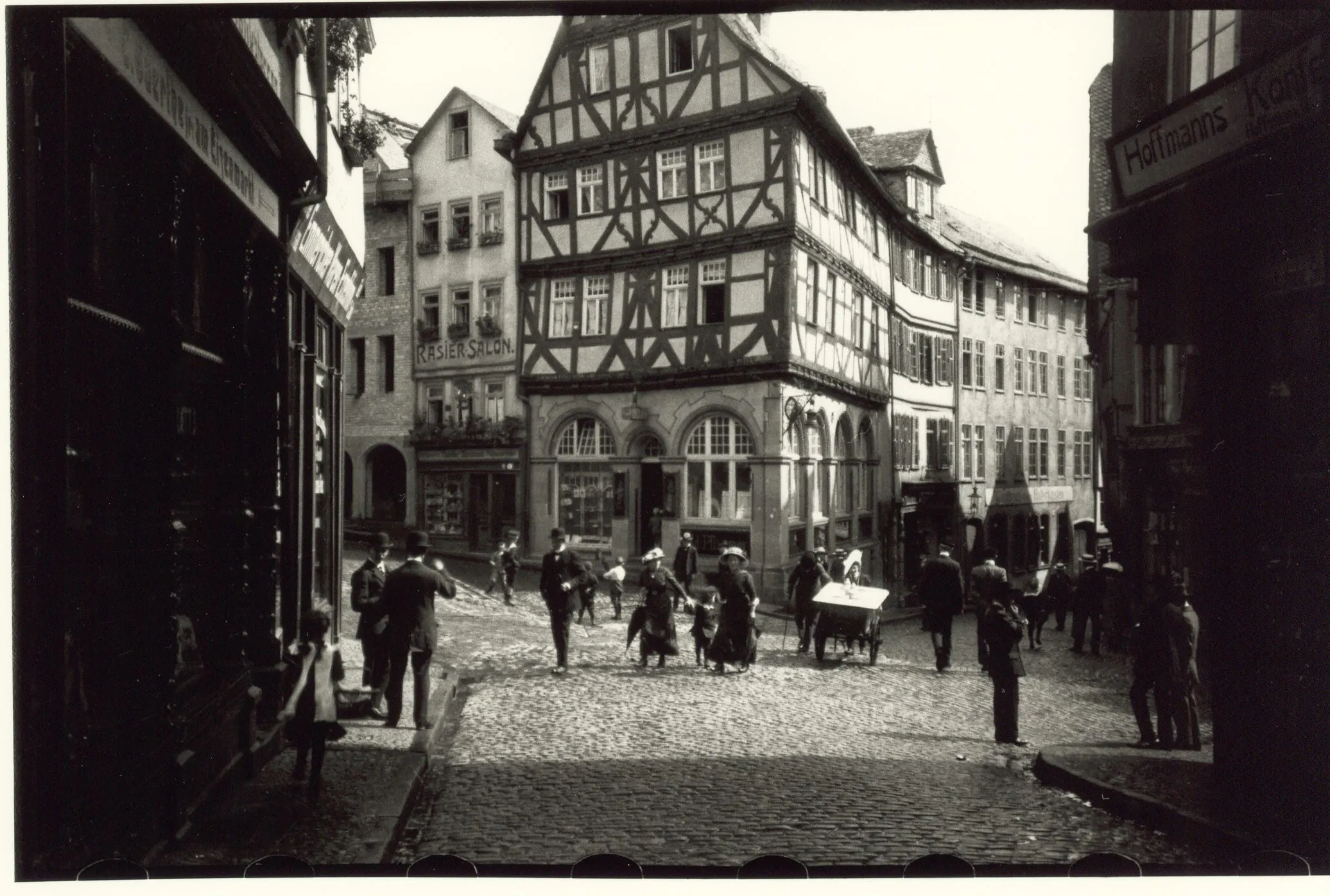
By 1925, the prototype was engineered for mass production, and the 'Leica I' was marketed to the world. From then on, the rest is history: more models were released, each better at shooting dynamic, high-quality film – making it a favorite of photographers worldwide. Many indeed credit the Leica brand with the birth of photojournalism in the 20th century.
Related: The 11 Most Expensive Photographers
The popularity and legacy of the brand, which produces cameras to this day, has led to incredible hammer prices. Here are the 5 most expensive cameras ever sold, all Leicas:
5. 2013 Jony Ive and Marc Newson’s Leica M
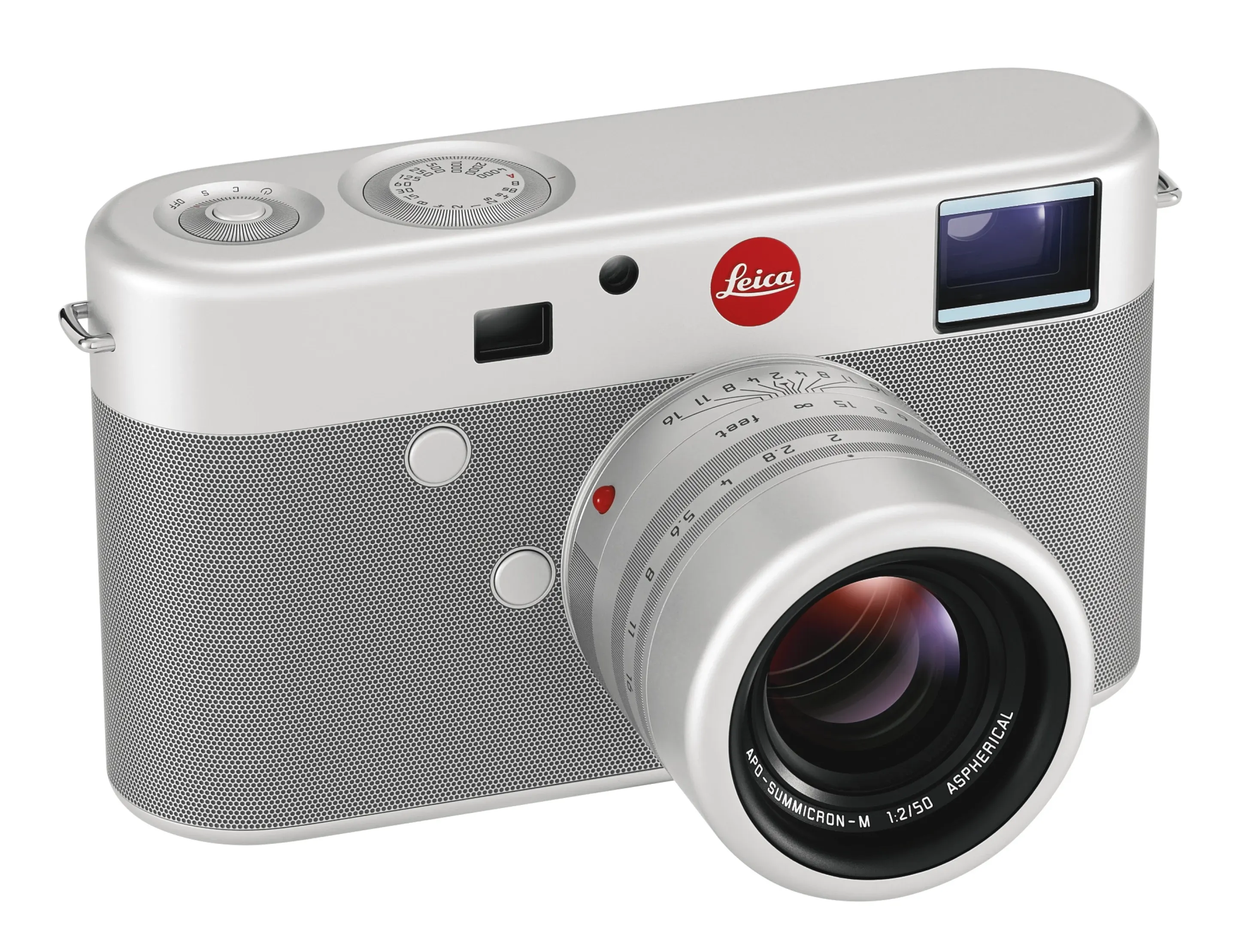
The fifth most expensive cameras is unique, but modern. This Leica M was in fact only created in 2013 as a charity project by Apple designer Jony Ive and industrial designer Mark Newson. It is reported that it took Leica engineers almost a hundred hours to produce this particular model, carved out of single block of aluminium engraved with more than 20,000 tiny holes. It was sold at Sotheby's for $1.8 million, more than double its estimate.
Related: The Polaroid Camera: The Eternal Charm of Instant Photos
4. 1923 Leica 0-Series No.122
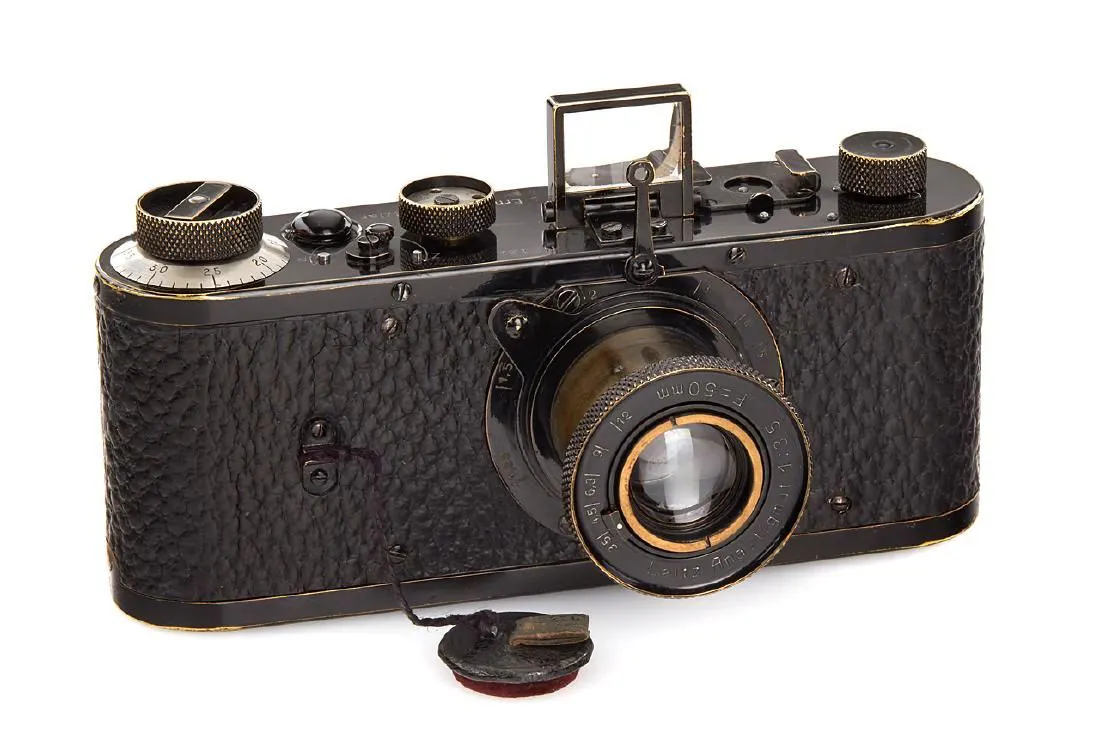
Surpassing the 2 million mark, the fourth most expensive camera ever auctioned comes from the 0-Series, sold to a private collector in Asia for €2.4 million ($2.97 million) at Leitz Photographica Auction in 2018. From 1923, there are only 25 versions of this model in the world, considered test cameras as they were produced by Ernst Leitz himself, two years before the final model was released for commercial production.
Want more articles like this delivered straight to your inbox? Subscribe to our free newsletter!
3. 1923 Leica 0-Series No. 121
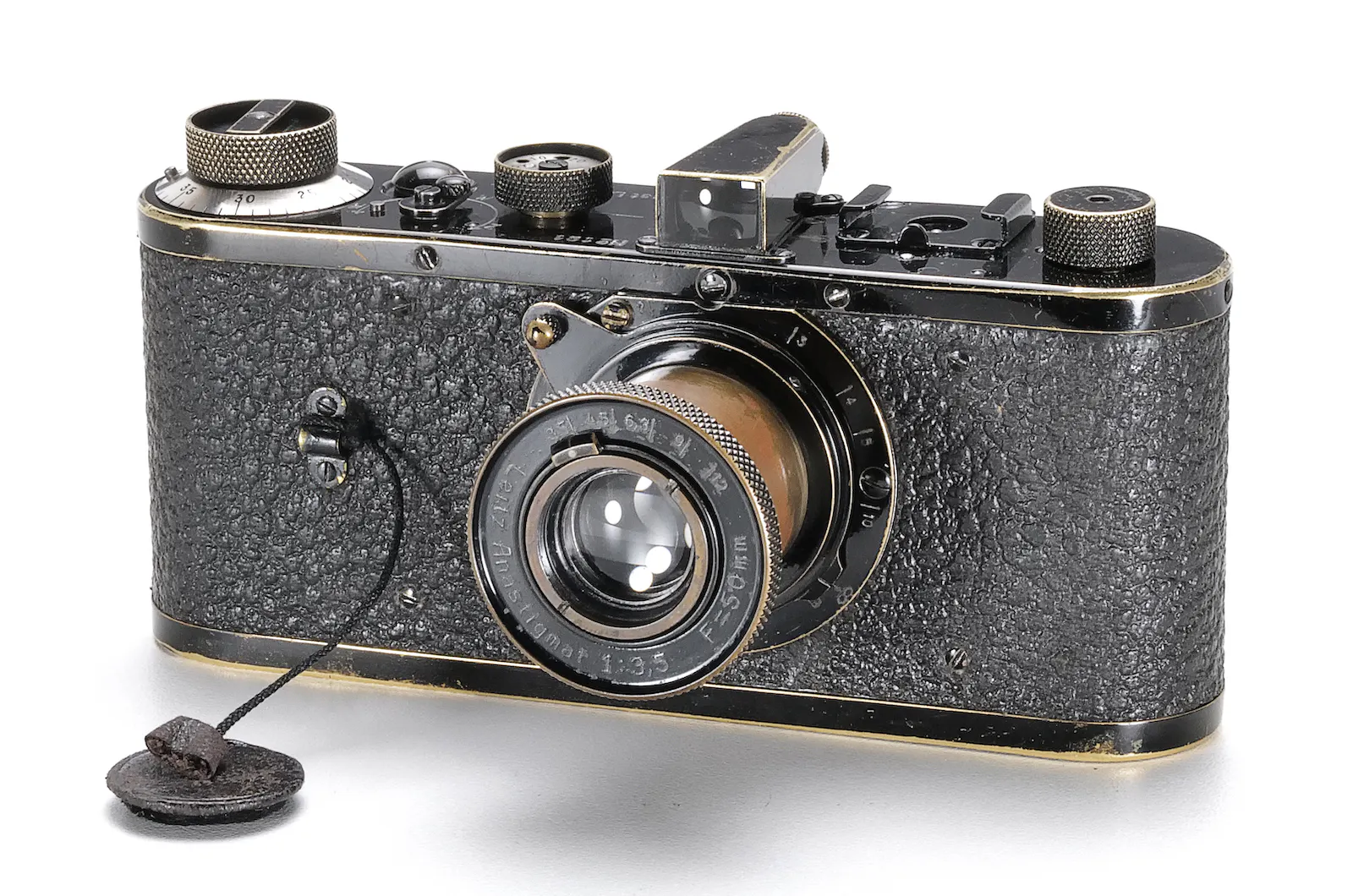
In October 2023, another Leica 0-Series camera from 1923 set records by selling for €3.5 million (£2.9 million) at Wetzlar Camera Auctions, marking it as the third most expensive camera ever auctioned. The piece, which had been held in an Italian private collection for 30 years, started bidding at €800,000 before its final hammer price.
See also: The 6 Most Expensive Film Costumes Sold At Auction
2. 1923 Leica 0-Series No. 112
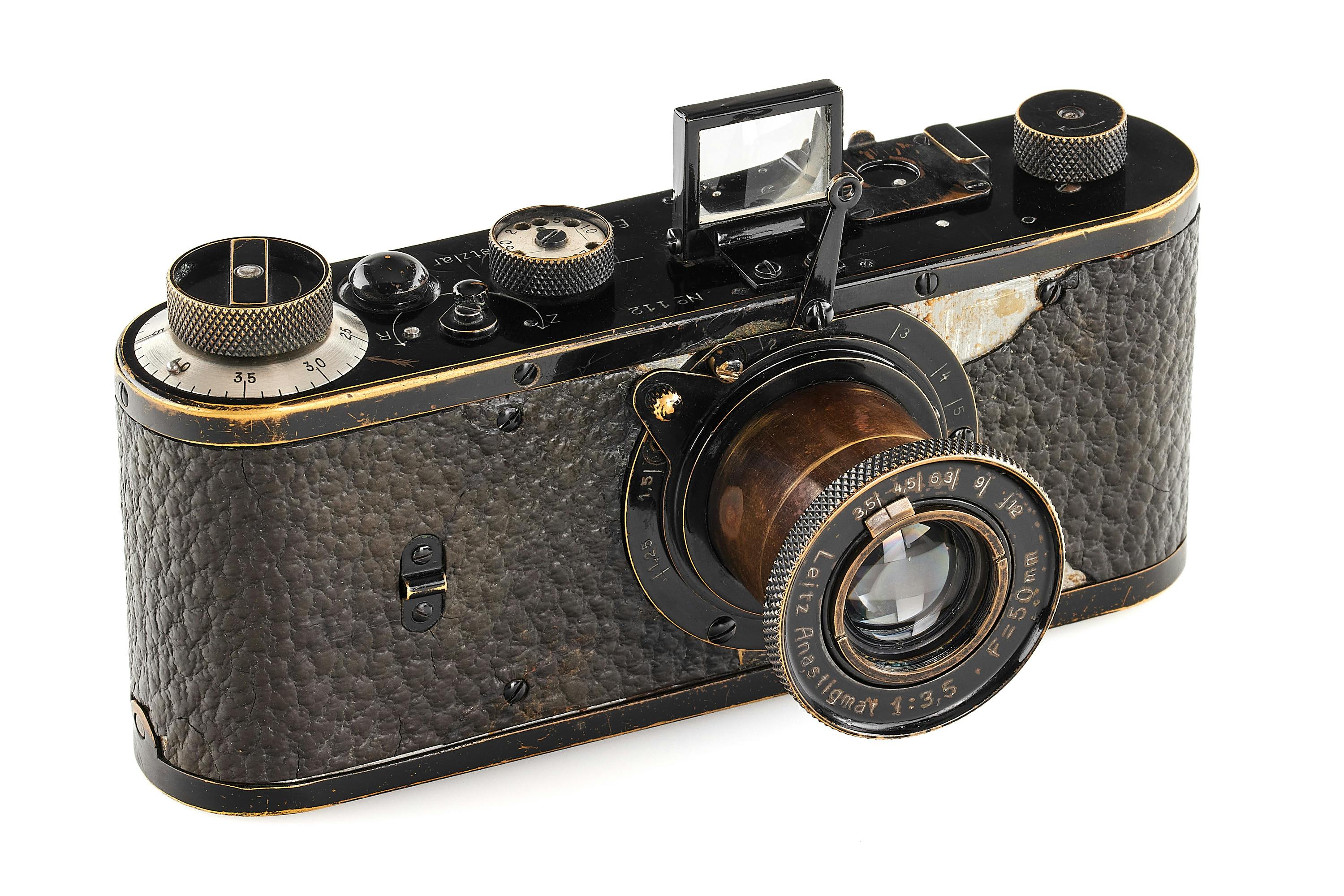
Auctioned for €7.2 million ($7.8 million) at Leitz Photographica Auction in June 2025, another 0-Series became the second most expensive ever sold. Originally produced in 1923 as one of the Leica I prototypes, No. 112 was offered during Leica’s 100th anniversary celebrations and drew intense interest due to its rarity, condition, and provenance.
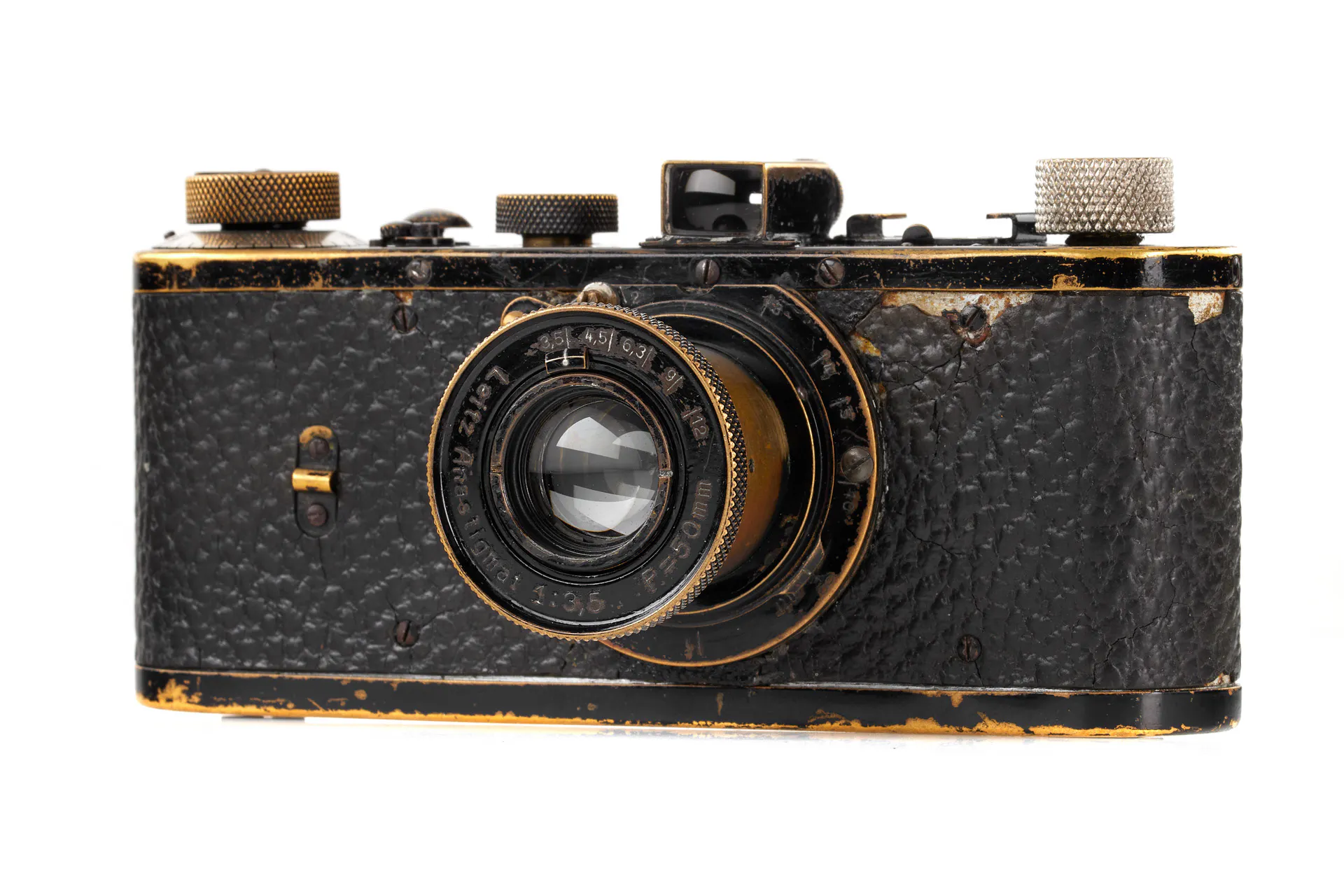
1. 1923 Oskar Barnack’s 1923 0-Series Leica
Related: The Transformer of Type: The History of the Typewriter
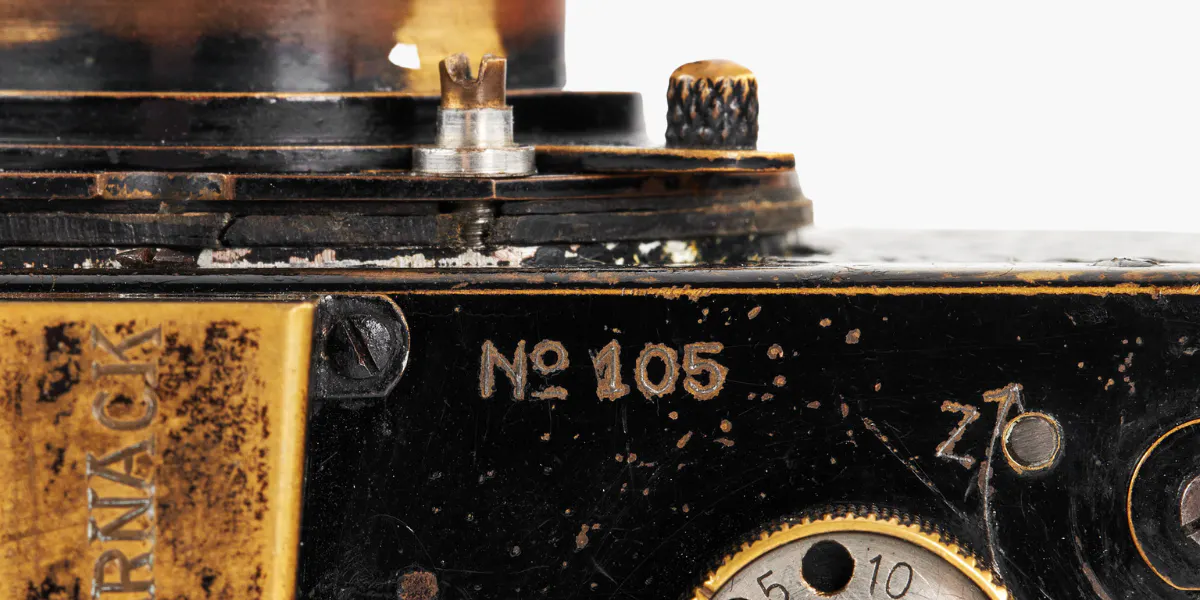
The ultimate record was set in June 2022, when a 1923 0-Series Leica was sold for a whopping €12 million ($15 million) at Leitz Photographica Auction. The No.105 0-Series was designed by none other than Oskar Barnack himself, who a year later finalized the design and released the original Leica I. In addition, the camera was Barnack's personal prototype, granting it an unrivaled provenance that led it to achieve such a staggering price. It is probably the rarest 35mm film camera in circulation, and it even still works!
Find more articles in Barnebys Magazine
This is an updated version of an article originally published on 20 March 2023.