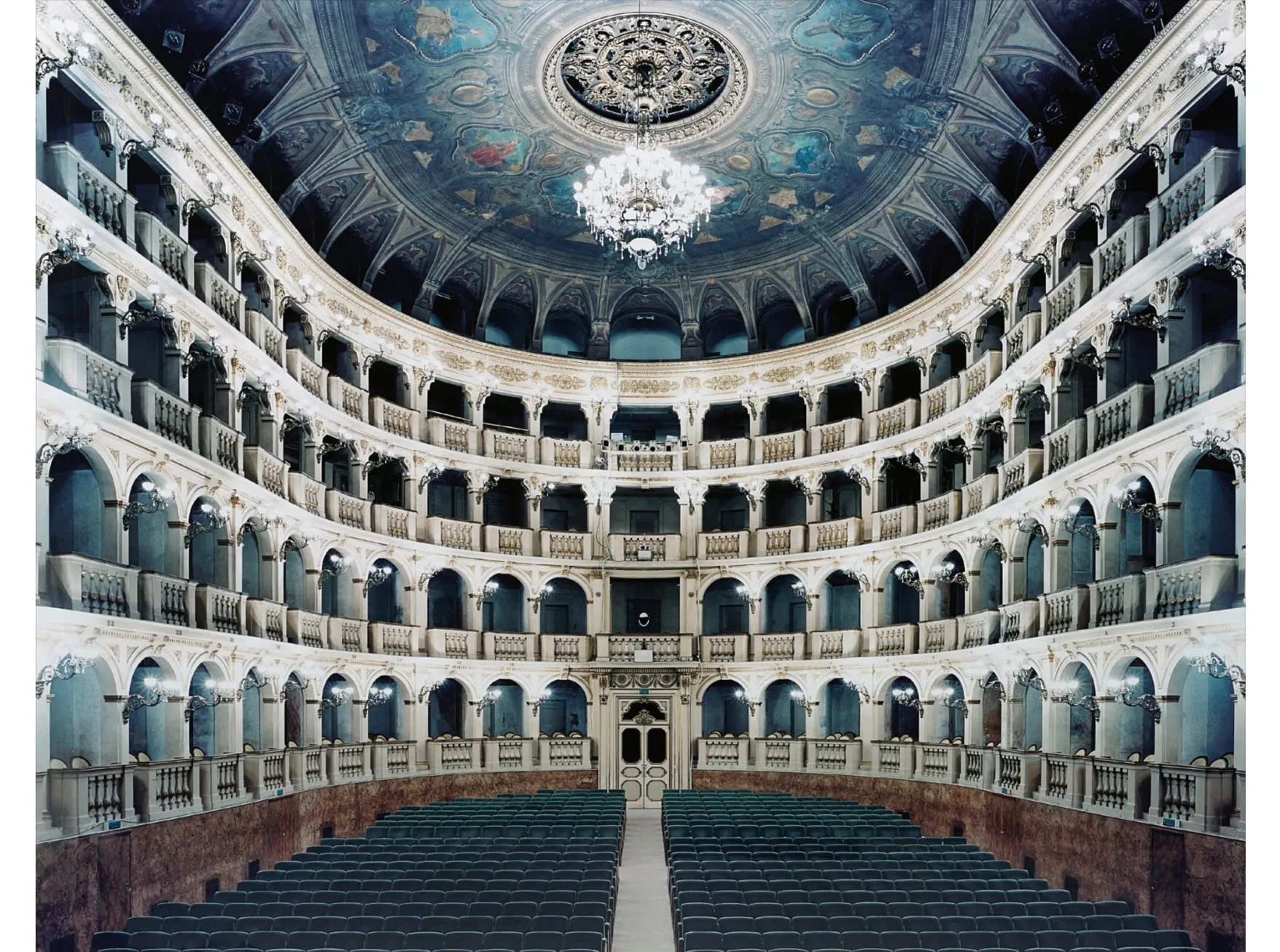
![Candida Höfer, ‘Palais Garnier Paris XXX’, 2005, Chromogenic print, mounted [detail]. Photo © PHILLIPS](https://images.prismic.io/barnebys/2b58bcdf-dba2-4db3-b17e-47c351c110d0_unnamed.jpg?auto=compress,format)
In my photographs, I speak of silence and distance.
Born at the end of World War II in 1944 in Germany, Candida Höfer was brought up in an intellectual but also creative family: her father was a journalist while her mother was a ballet dancer and a theatre critic. Cultural institutions were therefore not unfamiliar to her.
Höfer began her creative career in 1964 when she studied at the Cologne Academy of Fine and Applied Arts. However, it was before this that she came into contact with photography, volunteering at the Fotoatelier Schmülz-Huth in Cologne. After her studies, she worked for magazines producing black-and-white photography series, such as the Liverpudlian poets.
In her early years, Höfer focused on photographing people, which was a particular interest of hers. This was while working at the Werner Bokelberg studio in Hamburg, where she specialized in daguerreotypes.
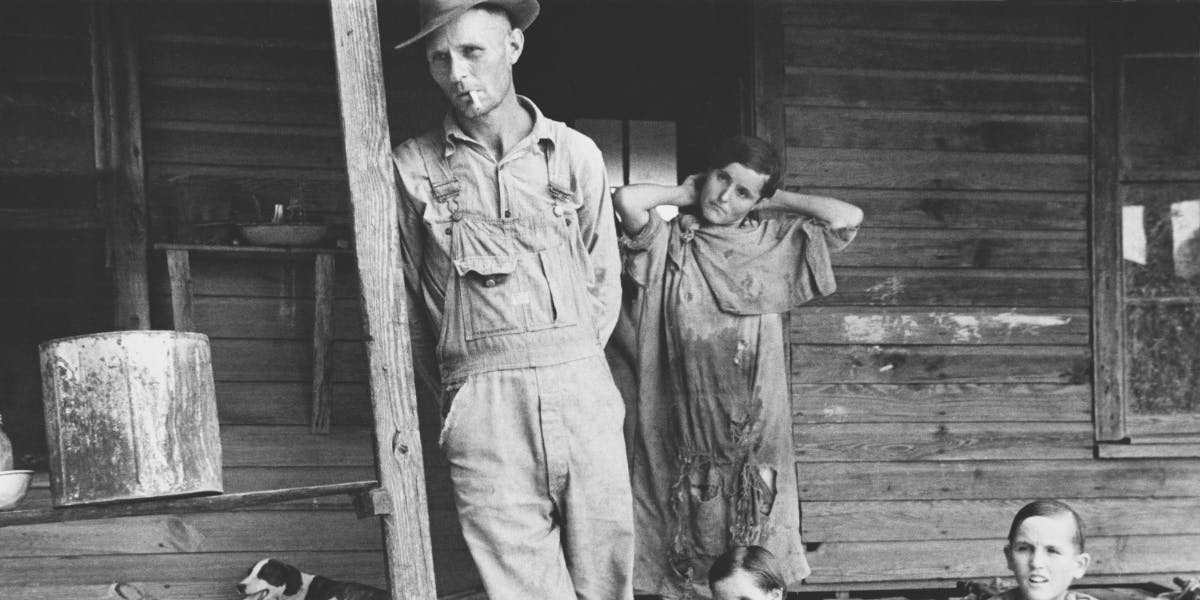
When she enrolled at the famous Kunstakademie Düsseldorf in 1973, there were no photography classes available so she began studying film. During this time, she focused on producing single slide projections. One of these projects was her series ‘Türken in Deutschland’ (Turks in Germany), which followed Turkish migrant families in their new German homes – and which caught the eye of the new, famous photography professor Bernd Becher. He and his wife Hilla Becher were known for their architectural photographs of industrial buildings and structures, often organized in grids. Together they founded what has become known as the ‘Becher school’ or the ‘Düsseldorf School’.
Related: The 11 Most Expensive Photographers
The Becher school was a class of photography students which included artists Andreas Gursky, Thomas Ruff, Thomas Struth, Axel Hütte and of course, Candida Höfer. Höfer was invited to join the class by Becher himself, to learn more about image production and manipulation. It was during this time that Höfer experimented with colored photography, which remains her main medium today, though she then stayed true to showing her images as slide projections.
Related: The Female Look: 11 Women Who Changed Photography
During her studies, Höfer also moved away from photographing people. In interviews, she has emphasized how her shy nature made working with people rather difficult. It was a challenge to direct individuals and tell them where to stand. She has also said it felt very intrusive for her, like she was entering the subjects’ private lives, which was why she evolved towards depopulated rooms. She stated in an interview about her work: “Present and past are equally important. In my photographs, I speak of silence and distance. For me, it is fundamental that the atmosphere, the light, the colors are grasped.”

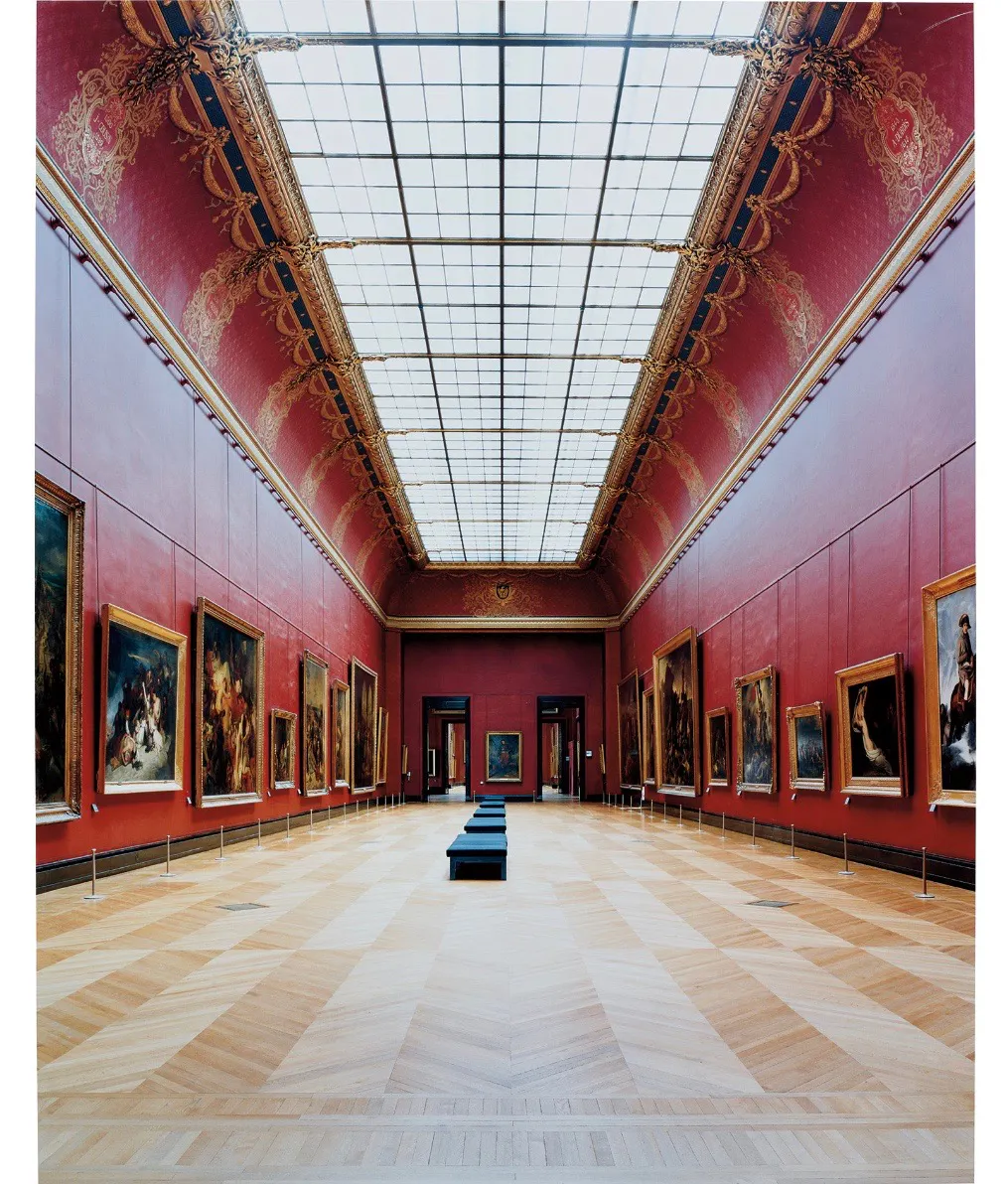
Höfer describes herself as an “unconventional tourist” who “tries to go anywhere”. Her photographs are taken from a straight-on, front angle, or else seek a diagonal in the composition. She tends to shoot each empty room from an elevated vantage point near one wall so that the far wall is centered. She uses the lighting provided by the rooms, which means planning and organizing her shoots has always been essential. Her commitment to her work is emphasized by her well-known images of an empty Louvre in Paris. She had to get up early and be there before everyone else in order to achieve the perfect shot of a completely desolate room.
Related: Feminism Captured: 9 Historic Photographs
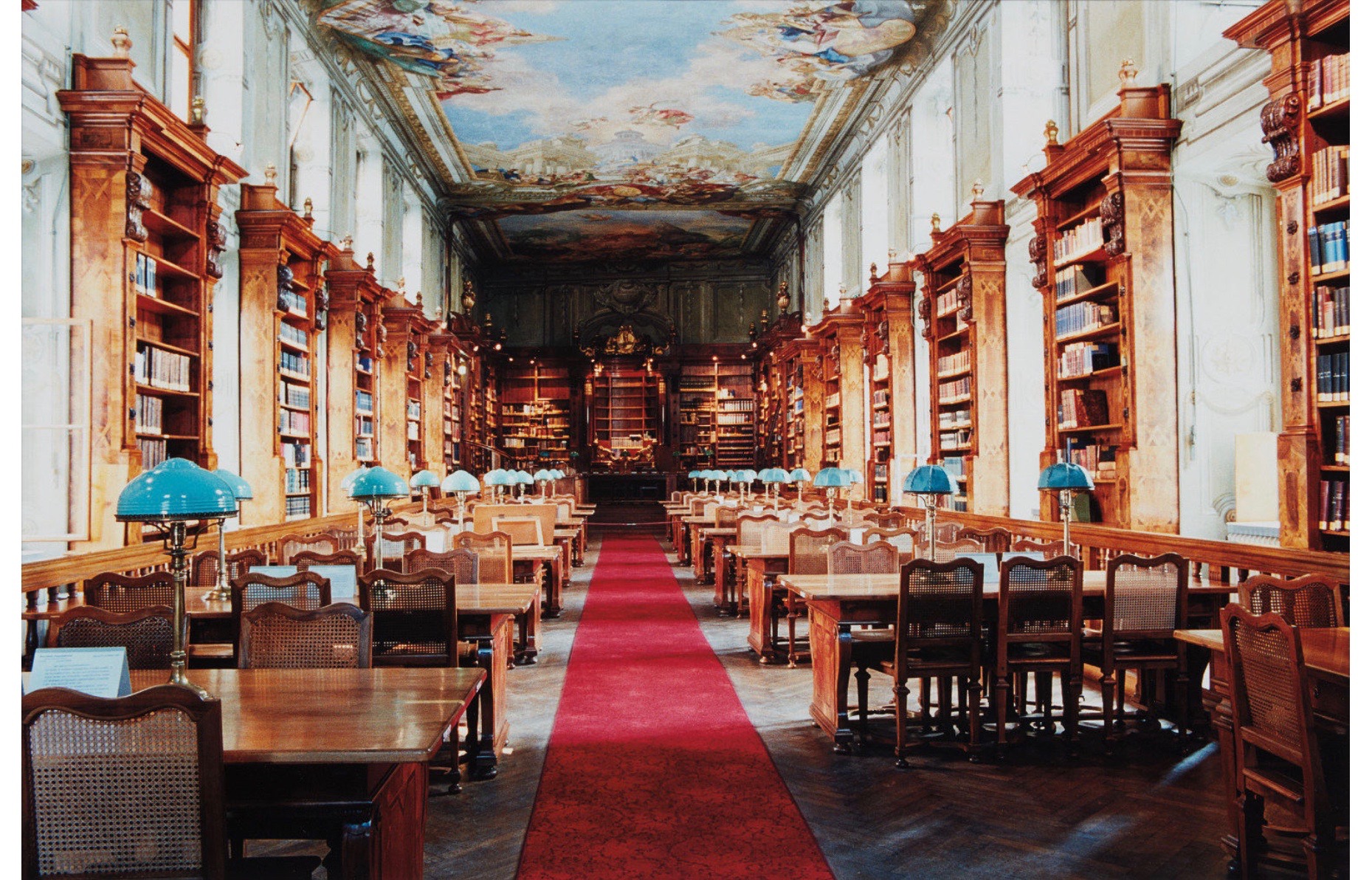
Her photographs have the ability to fabricate the feeling that you, as a viewer, are part of the scenery portrayed before you. As if, with just one step, it would be possible to be in a completely empty museum, baroque library or opera house. The large scale of many of her works could fool one into believing that there is a window through which a beautiful, empty and grand room can be glimpsed upon. It is as if it becomes more than just a mere room: it becomes a memory or even an experience.
Since her first exhibition at the Konrad Fischer Galerie in 1975, Höfer has built a successful career. She has had numerous large solo exhibitions in institutions such as the Louvre, the Guggenheim Museum Bilbao and the Venice Biennale, and she continues to exhibit her work today.
Related: 12 Women Who Rocked the Art World
Her works have also achieved great prices at auctions. In 2015, her photograph of the Bibliotheca Geral da Universidade de Coimbra (2006) achieved a record price of £80,500 ($121,233) when it was sold at Christie’s.

Her images emphasize the meaning of what it feels when cultural institutions have to shut their doors to the public, something felt in particular during the coronavirus pandemic and the empty feeling that rises from within as if imagining a world without humans.
Discover more articles with Barnebys Magazine
Article by Sophie Bubmann