Most popular in the second half of the nineteenth century, Symbolism was a broad artistic movement that included wide-ranging ideas and individuals. Reacting to the Naturalists and Positivists, Symbolist artists aimed to represent absolute truths symbolically through metaphorical images or language. Today, they are known for their mystical approach to art.
Symbolists were not one cohesive group. Rather, Symbolism is best understood as a belief-system that rallied together artists and authors from distant horizons. While many of the artists shared similar intentions, there was not one single claim or message.
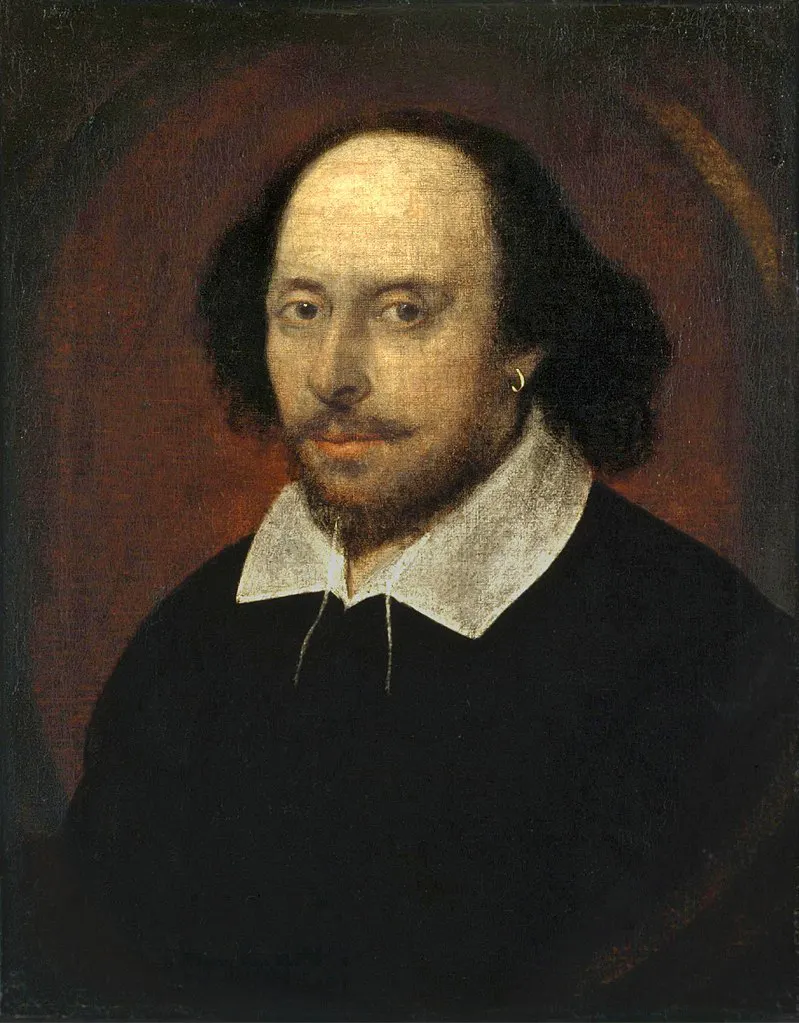
The Symbolism movement emerged simultaneously in painting and literature around the 1860s. The movement’s origins can be traced back to Great Britain with major figures like William Shakespeare, Horace Walpole, Edgar Allan Poe, William Blake, Henry Füssli and the pre-Raphaelites.
Symbolism In France
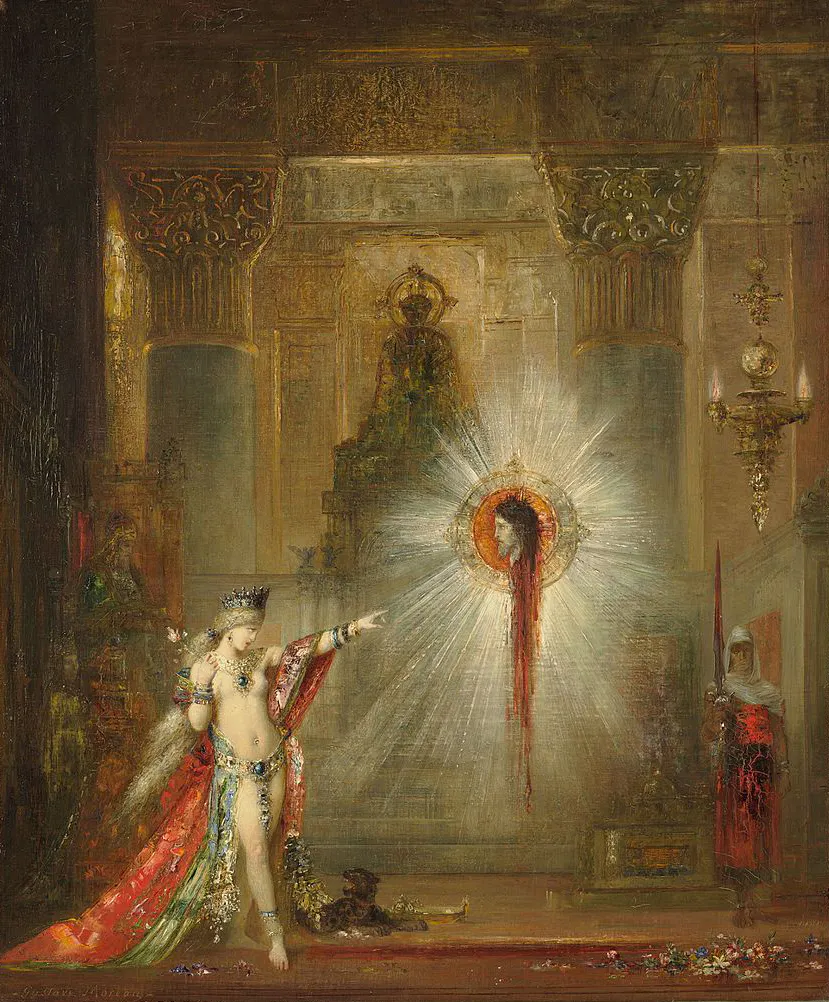
Symbolism found its most highly developed form in frenchman Gustave Moreau. A product of academicism, the painter had a highly original personal style. Moreau injected mysticism into ancient myths to produce grandiose paintings. The artist took inspiration from Antiquity, the Middle Ages and the Renaissance.
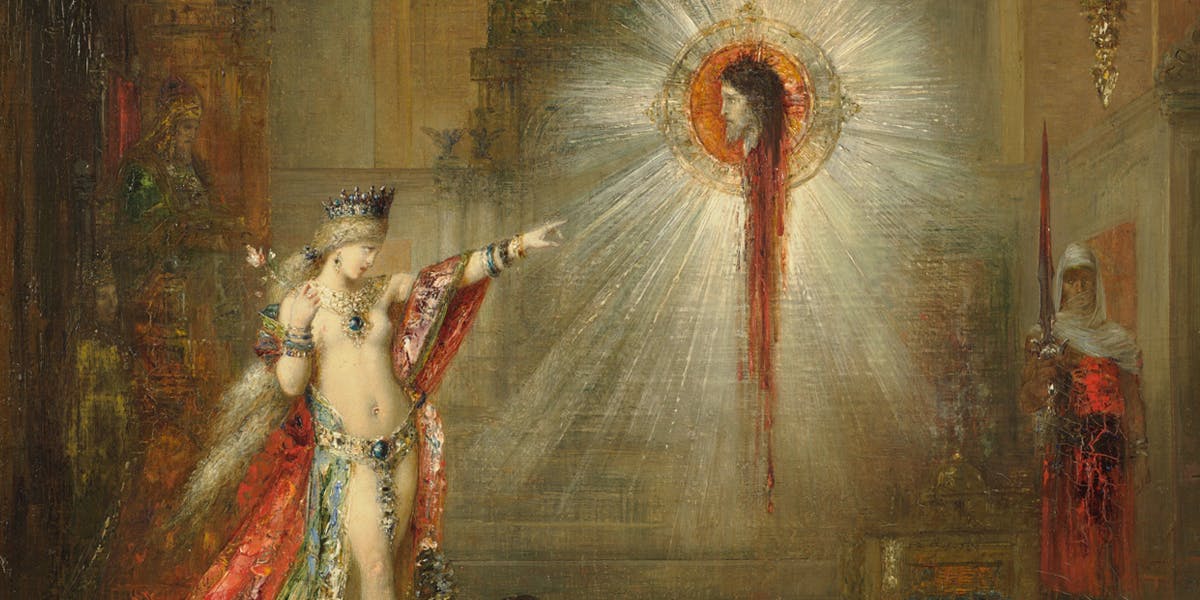
Many of Moreau’s paintings echoed and interacted with literary Symbolism. Moreau was influenced by authors like Paul Verlaine, Stéphane Mallarmé, Arthur Rimbaud and Charles Baudelaire, and writers, too, were influenced by Moreau. In Joris-Karl Huysmans’ novel À Rebours (1884), the writer describes Moreau’s Apparition (1875) as a reflection of Gustave Flaubert’s epic novel Salammbô (1862). Other French Symbolist artists were doing similar work, like Pierre Puvis de Chavannes’ The Dream, 1883.
Related: Top 10 Rediscovered Masterpieces
In Paris, a wave of mysticism washed over intellectual circles through literary salons, like the Salon de la Rose + Croix, founded by Joséphin Péladan. At his salons running from 1892 to 1897, Péladan presented works with Hermetic tendencies, exhibiting the phantasmagoric notions which characterized Symbolism.
Symbolism in Wider Europe
In Belgium, Fernand Khnopff was an eminent Symbolist painter. This esoteric artist was a member of a studio which, at times, mirrored the laboratories of medieval alchemists. Worshiping the god Hypnos, Khnopff produced introspective paintings such as I Lock my Door Upon Myself (1891) and Caresses of the Sphinx (1896). Other members of his Belgian group included Félicien Rops and James Ensor. In other parts of Belgium, painter Jean Delville took up Symbolism as well.
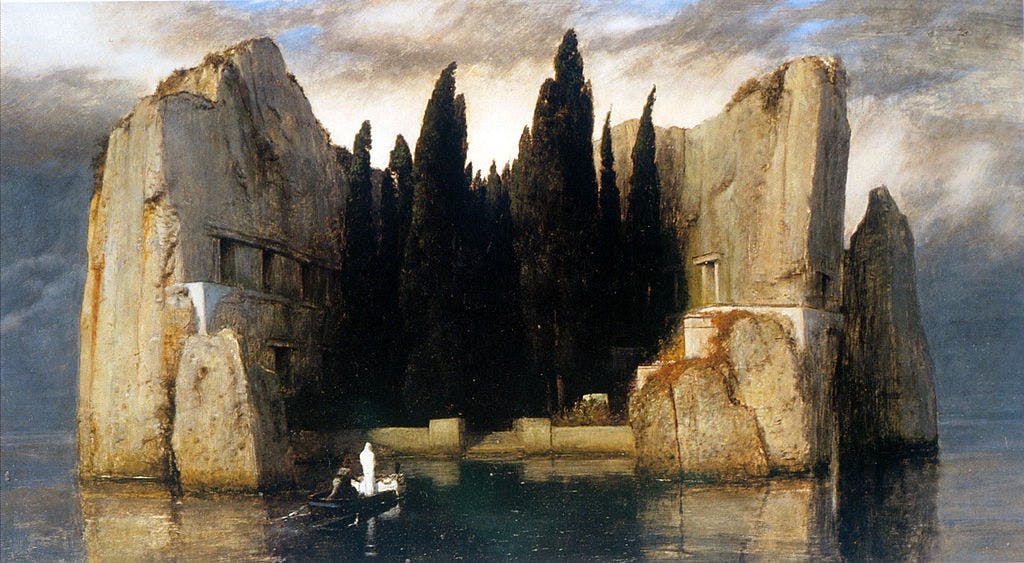
In Switzerland, Arnold Böcklin’s Symbolism bore traces of German Romanticism inherited from Friedrich. His painting The Isle of the Dead (1883) was a funerary ode to the silence of the departed, which Russian composer Sergei Rachmaninoff put to music several years later. Elsewhere in Switzerland, Carlos Schwabe’s paintings, like Death of the Gravedigger (1895), leaned in a similar melancholy direction. Artist Ferdinand Hödler, however, used a less sorrow and more speculative approach similar to that of Frenchman Moreau.
Related: The Unique Story Behind These Carnival Paintings
In Italy, Symbolism was one of the major aesthetic bridges that linked Impressionism to Futurism. The movement attracted artists such as Gaetano Previati.
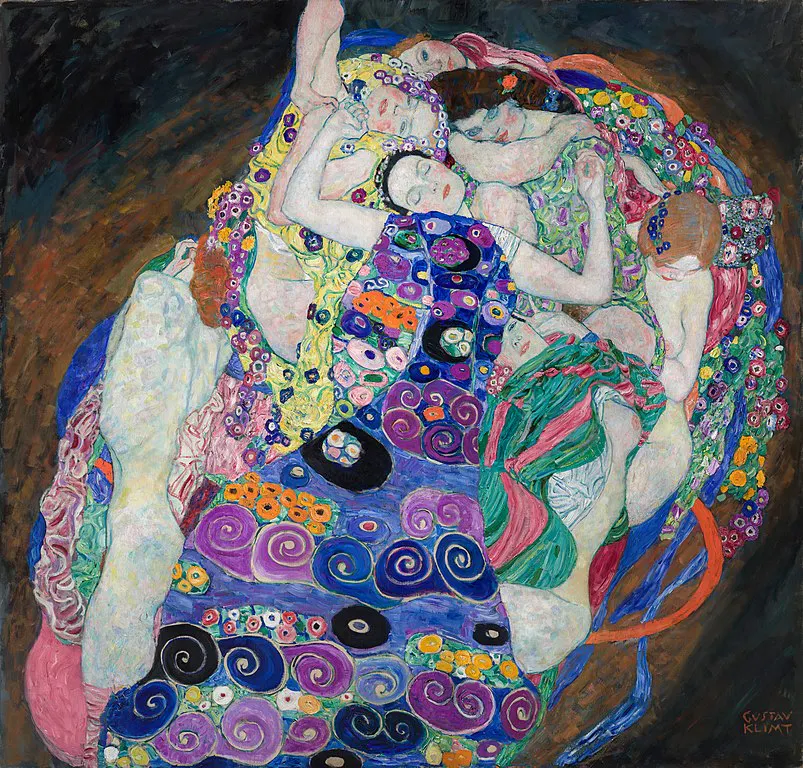
The Viennese Secession movement marked the beginning of the end for Symbolism. At the dawn of the twentieth century, Gustav Klimt was arguably the movement’s last authentic exponent. In the end, the growing ranks of abstract painters overshadowed the Symbolists’ last mystical lights. Piet Mondrian and František Kupka, both initially influenced by Symbolism, eventually abandoned the movement and set forward on different paths.