
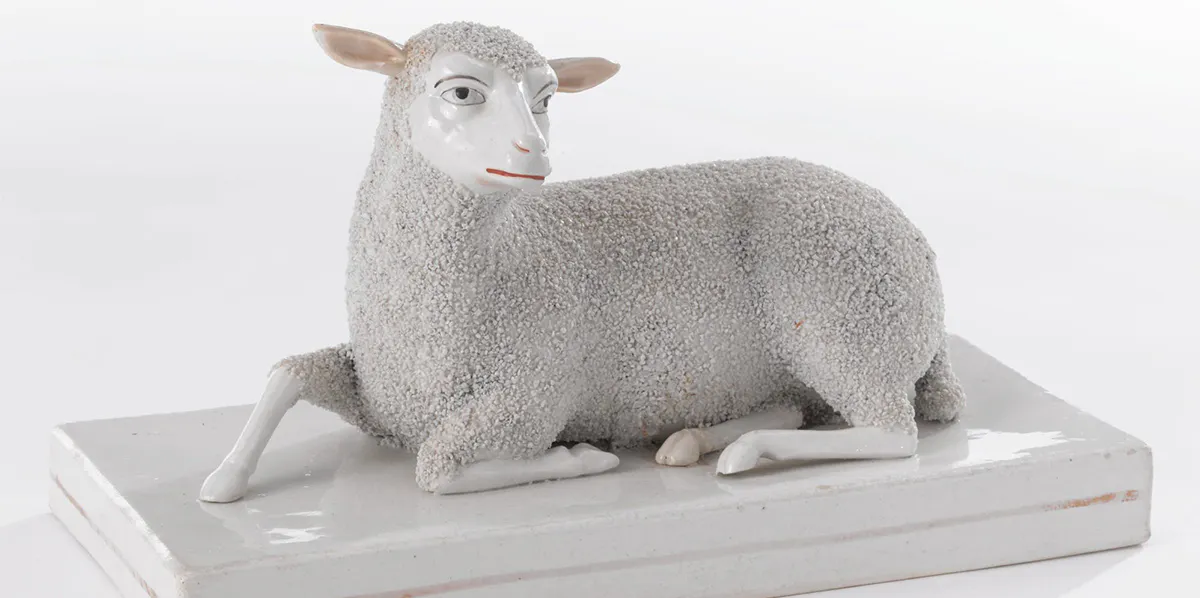
Among Europe’s great pottery traditions, Staffordshire potters, especially those from Stoke-on-Trent, are renowned for their exceptional craftsmanship. Founded in 1910 from six towns—Burslem, Hanley, Tunstall, Stoke, Fenton, and Longton—Stoke-on-Trent became the heart of Britain’s ceramic industry.
See also: Ceramics 101: British Studio Pottery
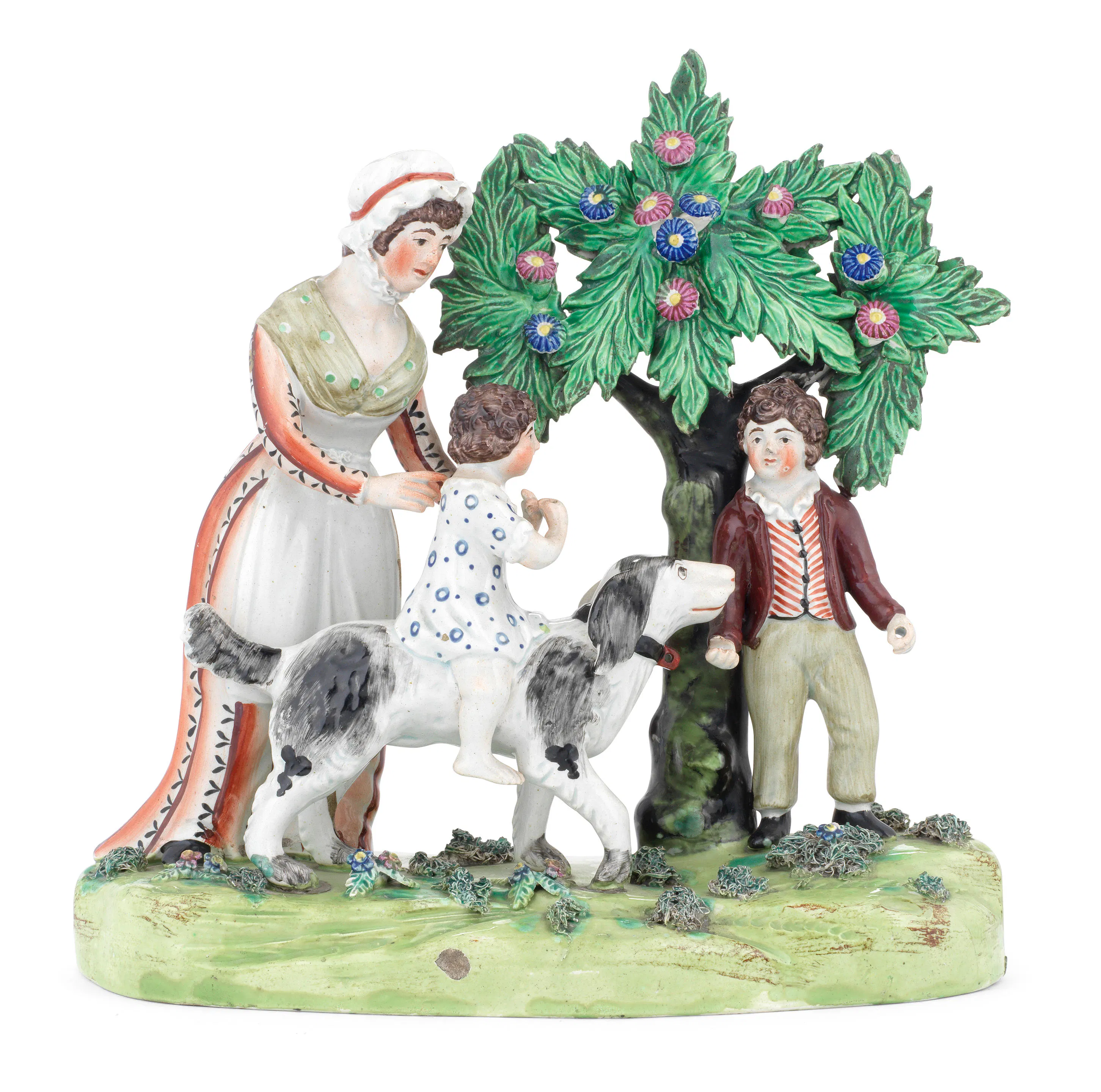
Staffordshire’s dominance in ceramics began in the 17th century, fueled by rich clay deposits, abundant coal, and access to salt and lead. Small, family-run businesses flourished, often managed by entire households and supported by private financing. This family-centric approach preserved traditional skills across generations.
See also: Expert Insights: 3 Questions on Porcelain
As British pottery gained European acclaim, competition in Staffordshire intensified. Potters fiercely protected their secret recipes and aimed for excellence in both craft and presentation. The 18th century saw Staffordshire’s pottery industry expand significantly, thanks in part to innovators like Josiah Wedgwood.
Want to receive articles like this to your inbox? Subscribe to our free newsletter!
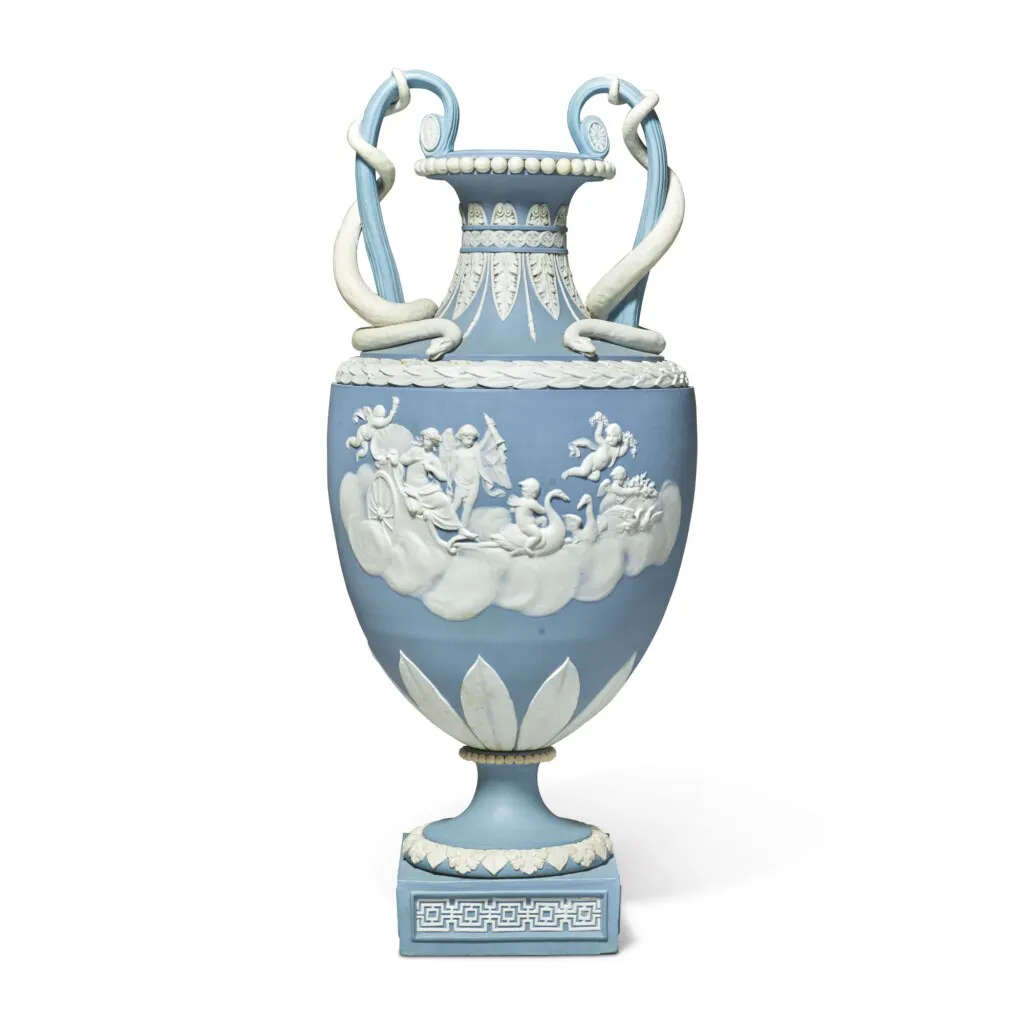
Josiah Wedgwood revolutionized pottery with his blend of art, technology, and business acumen. His invention of the pyrometer and iconic Jasperware set new standards in ceramics. His work earned him the title of ‘Queen’s Potter’ after impressing Queen Charlotte with his creamware, leading to prestigious commissions across Europe.
See also: The Wonders of Wedgwood: England’s Finest Porcelain
Staffordshire’s legacy extends to charming figurines, particularly the widely copied Staffordshire dogs. These figurines often depict Victorian scenes and animals, with Spaniels being especially prized. Identifying authentic antiques involves looking for small fire holes, uneven finishes, and hand-painted details. Authentic figurines are similar but never perfectly identical.
See also: The Story of the Staffordshire Dog Figurines
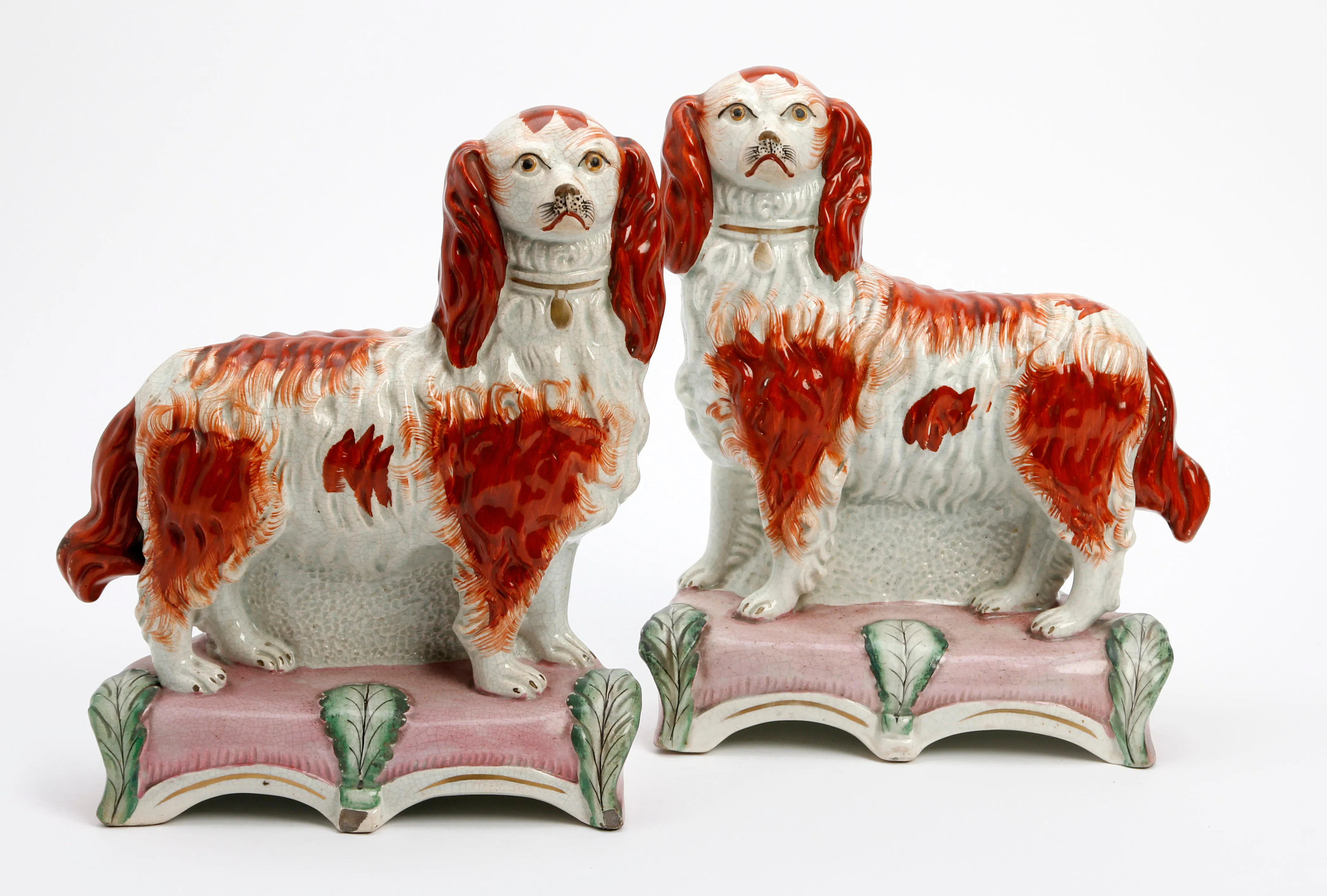
Well-preserved Staffordshire pottery remains highly coveted. Authentic Wedgwood pieces from the late 18th century can fetch hundreds of thousands of pounds, like the 'First Day's Vase', which sold for £482,500 at Christie’s. Rare Staffordshire figurines, especially early examples, also command significant sums at auction.
Text: Kristina Gyllenberg
This is an updated version of an article originally published on April 2, 2020.


