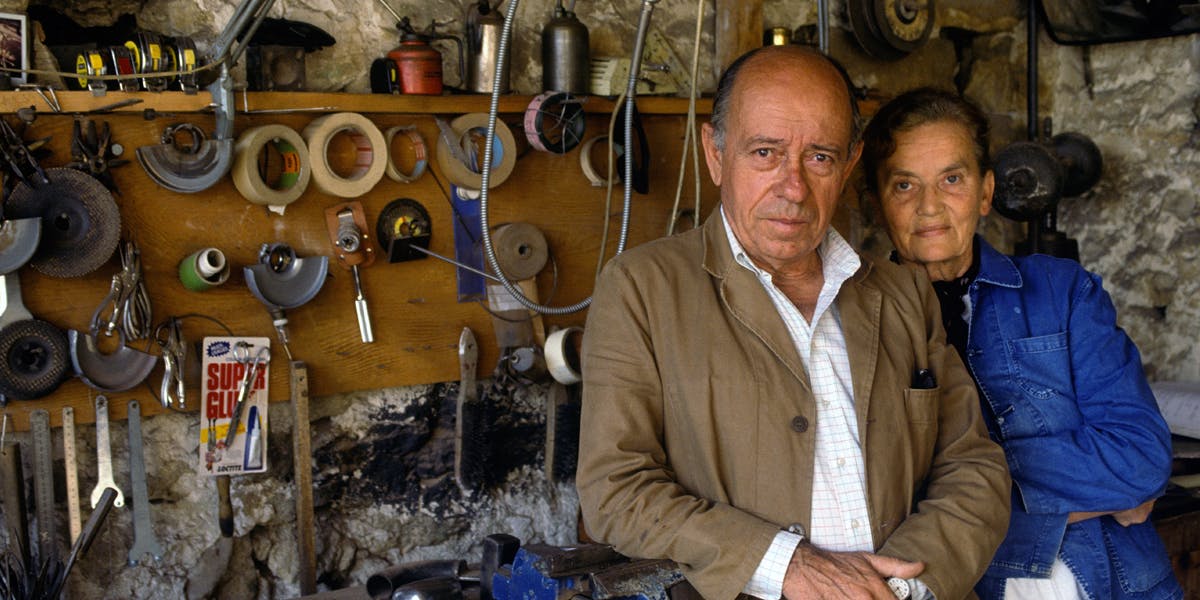
The visionary sculptors and designers established themselves on the world art scene while maintaining simplicity and honesty in their practice. Favorites of great fashion designers, and respected by artists (César, Magritte, Tinguely, Boubat and Nikki de Saint-Phalle were among their friends), François-Xavier and Claude Lalanne developed an atypical universe based on true complementarity. Plant, animal and mineral forms dominated all of their work, giving rise to a new genre of plastic vocabulary.
Here are six facts about the couple:
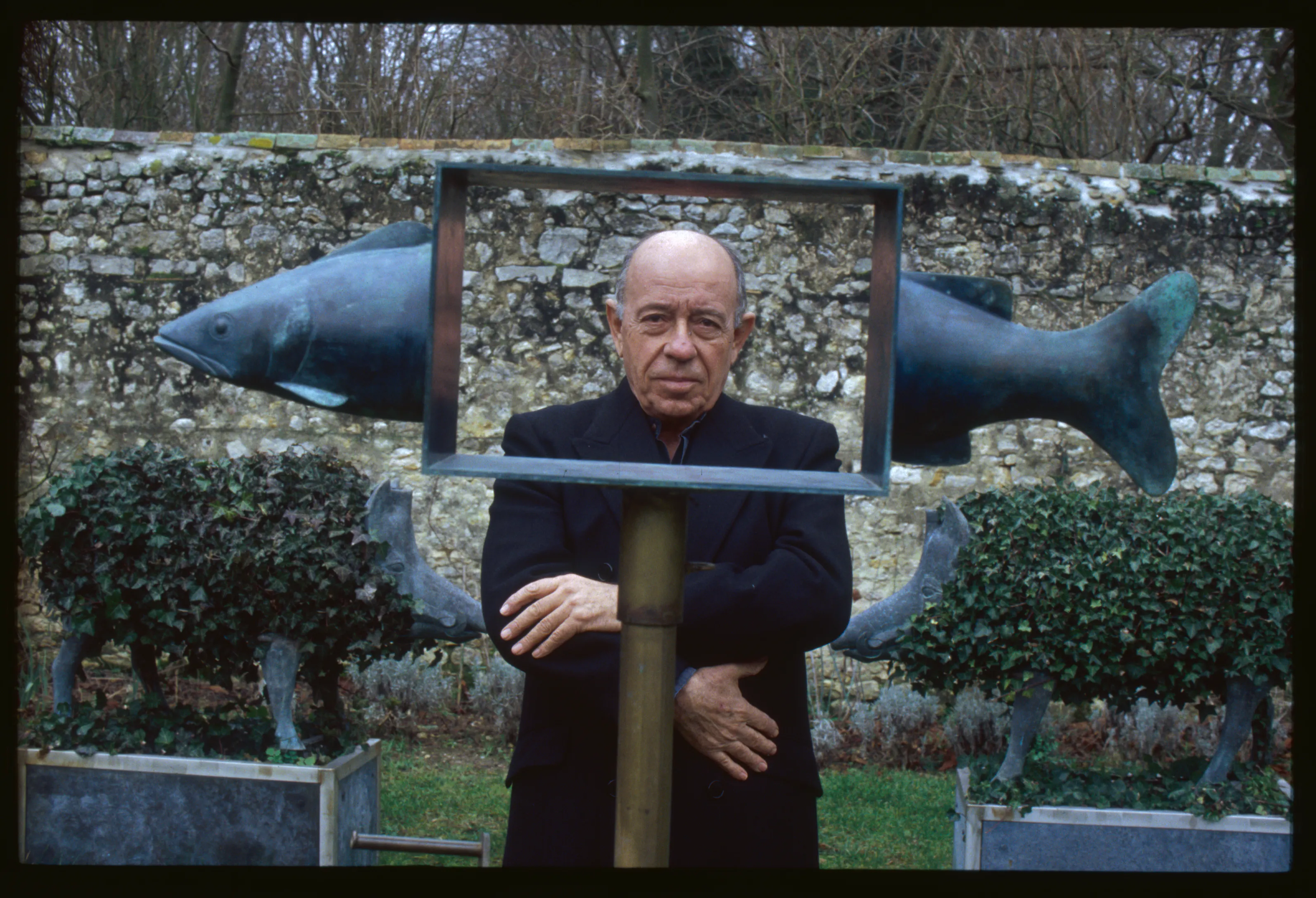
1. François-Xavier's sheep are a reference to Homer
The famous wool sheep by François-Xavier are in fact inspired by a passage of the Odyssey, the Greek epic composed in the 8th century BC by Homer. Originally presented with the title For Polyphemus, the sculptures of the artist refer to the moment when Ulysses and his comrades blind the Cyclops Polyphemus and escape from his cave by clinging to the belly of his giant sheep.
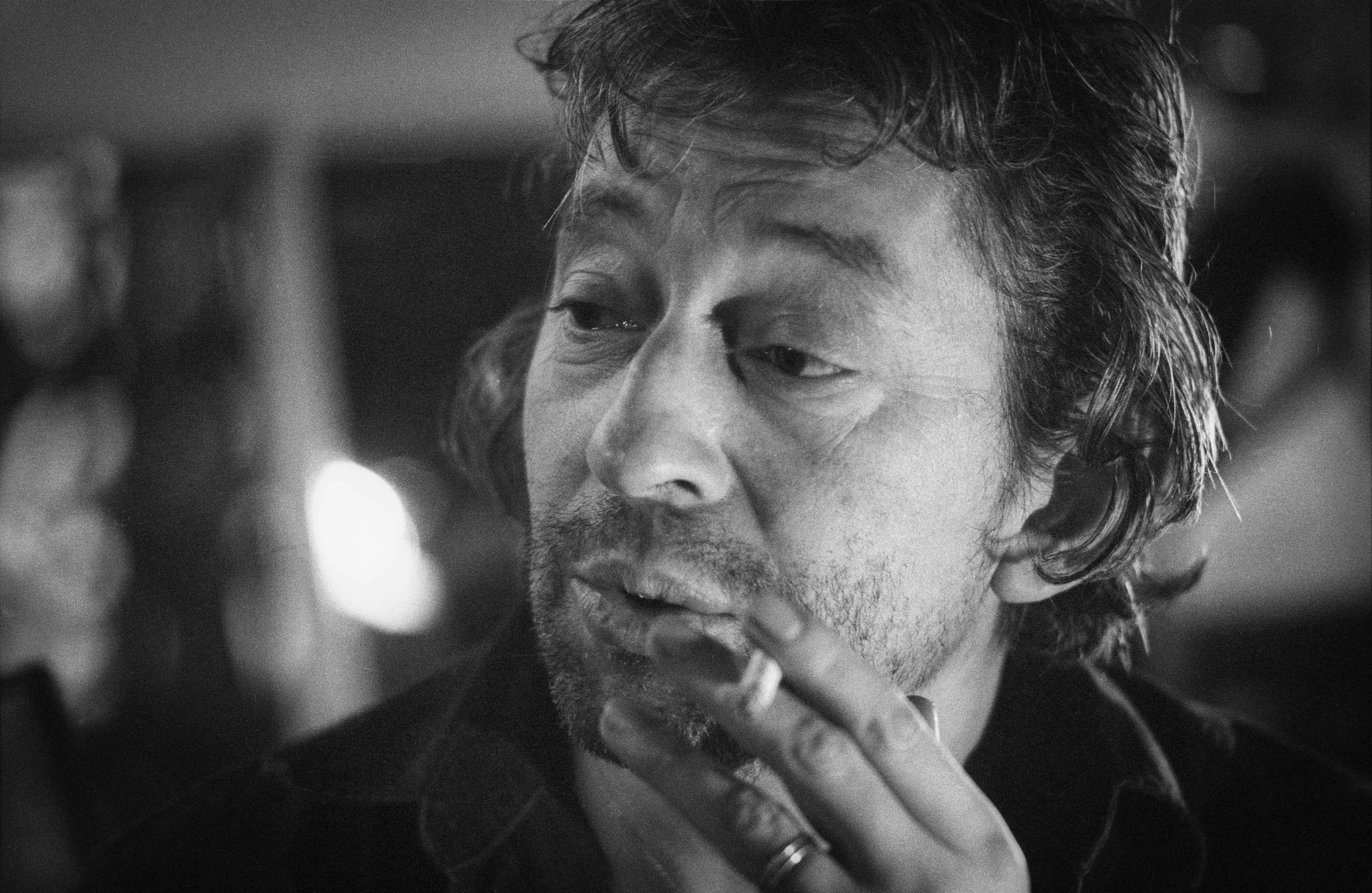
2. Claude inspired Serge Gainsbourg's album
French singer Serge Gainsbourg's album The Man with the Cabbage Head (1976) was inspired by a sculpture by Claude (of the same name), which Gainsbourg saw in a gallery in Paris and bought on the spot. The statue depicts a man sitting with a cabbage for a head, and a photograph of it was used for the cover of the album.
3. The art of Les Lalanne was meant to be used
For Les Lalanne, art was part of everyday life. Their creations were therefore both sculptural and functional, such as François-Xavier's sheep, which can serve as stools. "I thought it would be fun to fill this big room with a flock of sheep," he said, "it is, after all, easier to have a sculpture in your living room than a real sheep, and it's even better if we can sit on it."
Related: Mirrors: A Reflection
4. François-Xavier was good friends with Constantin Brâncuși
When he arrived in Paris in 1945, François-Xavier set up his studio in the Impasse Ronsin, the alley that was home to Parisian artists. He regularly visited his neighbor, Constantin Brâncuși, who introduced him to the circle of surrealists, including Man Ray and Max Ernst. Surrealism would have great influence on his works. Claude and François-Xavier would even meet at one of Brancusi's exhibitions in 1952.
5. Their first works were heavily criticized
"For [critics], creating sculptures that have utility was foolish," said Claude in 2013 about their first exhibition. Although their first works were not received warmly, the artist couple always refused to comply with the standards of the art world. It was a decision that served them well because only a few years later their atypical works invaded galleries and filled the pages of magazines.
Related: The 10 Most Expensive Sculptures Sold at Auction
6. François-Xavier was a guard at the Louvre
François-Xavier's first job when he arrived in Paris was at the Louvre. He was a security guard there and spent his time studying the Egyptian artifacts kept in the collections. Ancient statues of rhinoceros, baboons, cats and hippos greatly influenced his work.