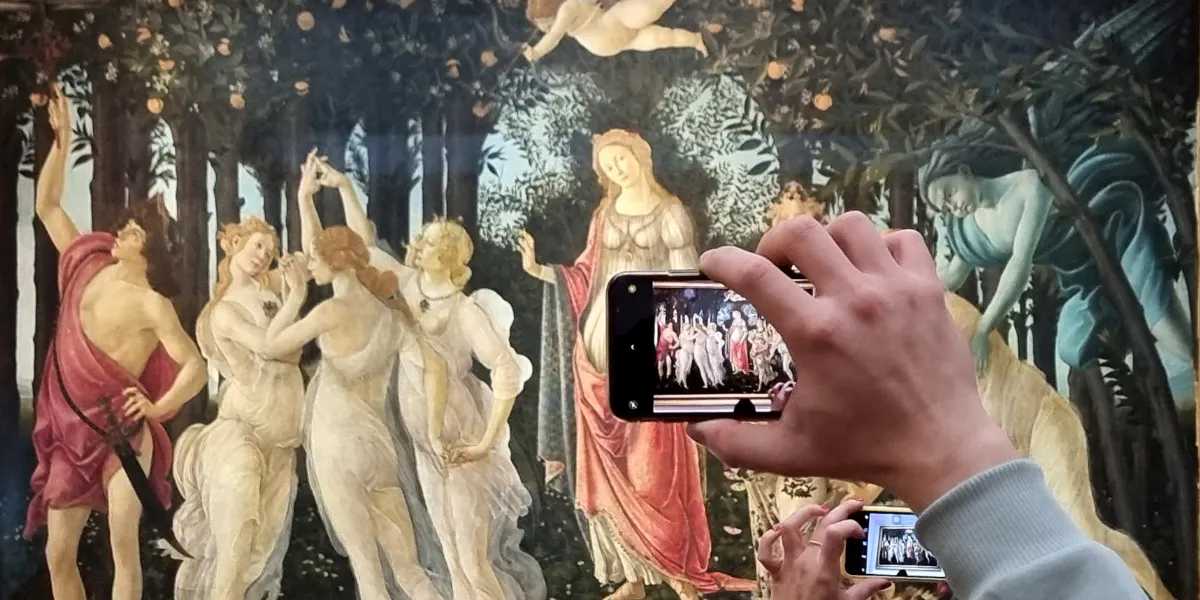
On June 12, surveillance footage from the Palazzo Maffei in Verona showed a man toppling onto a bejewelled sculptural chair by Italian artist Nicola Bolla while posing for a photo. The piece, an homage to Van Gogh’s famous painting of a wooden chair, was crushed under the weight. The man and his companion fled before staff could intervene.
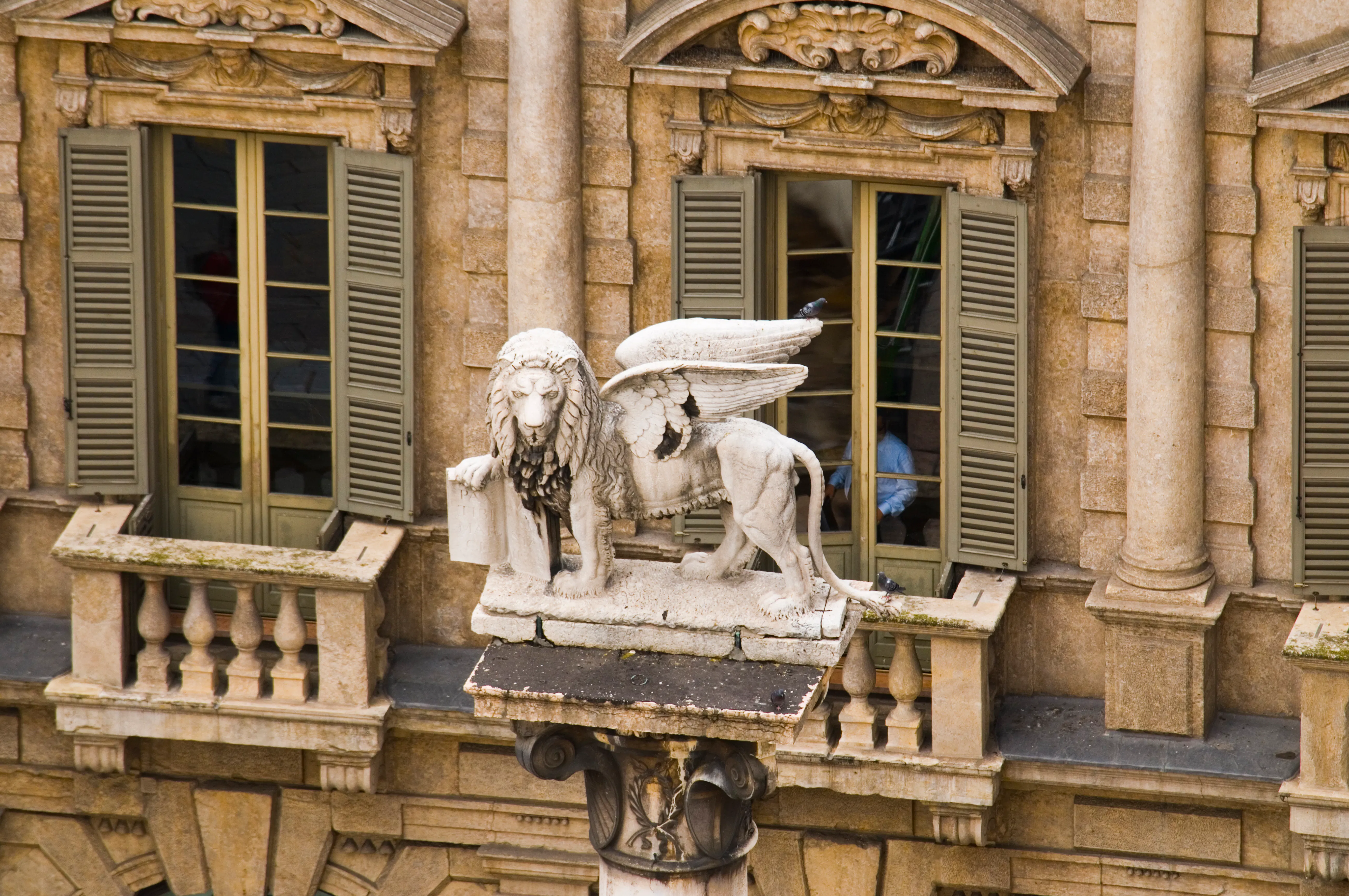
Just over a week later, the Uffizi Gallery in Florence reported that a visitor attempting to take a selfie had fallen backwards into an 18th-century portrait of Ferdinando de’ Medici by Anton Domenico Gabbiani, damaging the painting. Uffizi director Simone Verde, responding to the incident, told the Italian news agency ANSA that the problem of visitors coming to museums to take selfies for social media was getting out of control.
See also: Tourist Damages Statue Taking Photo
Within days of each other, two photo ops left two works of art damaged – a coincidence that feels less like chance than a sign of our times. Anyone who frequents museums knows how disruptive (and dangerous) it can be to navigate galleries crowded with people more focused on snapping pictures than on the art itself. The question of whether photography should be banned in museums hardly new, but incidents like these give it new relevance.
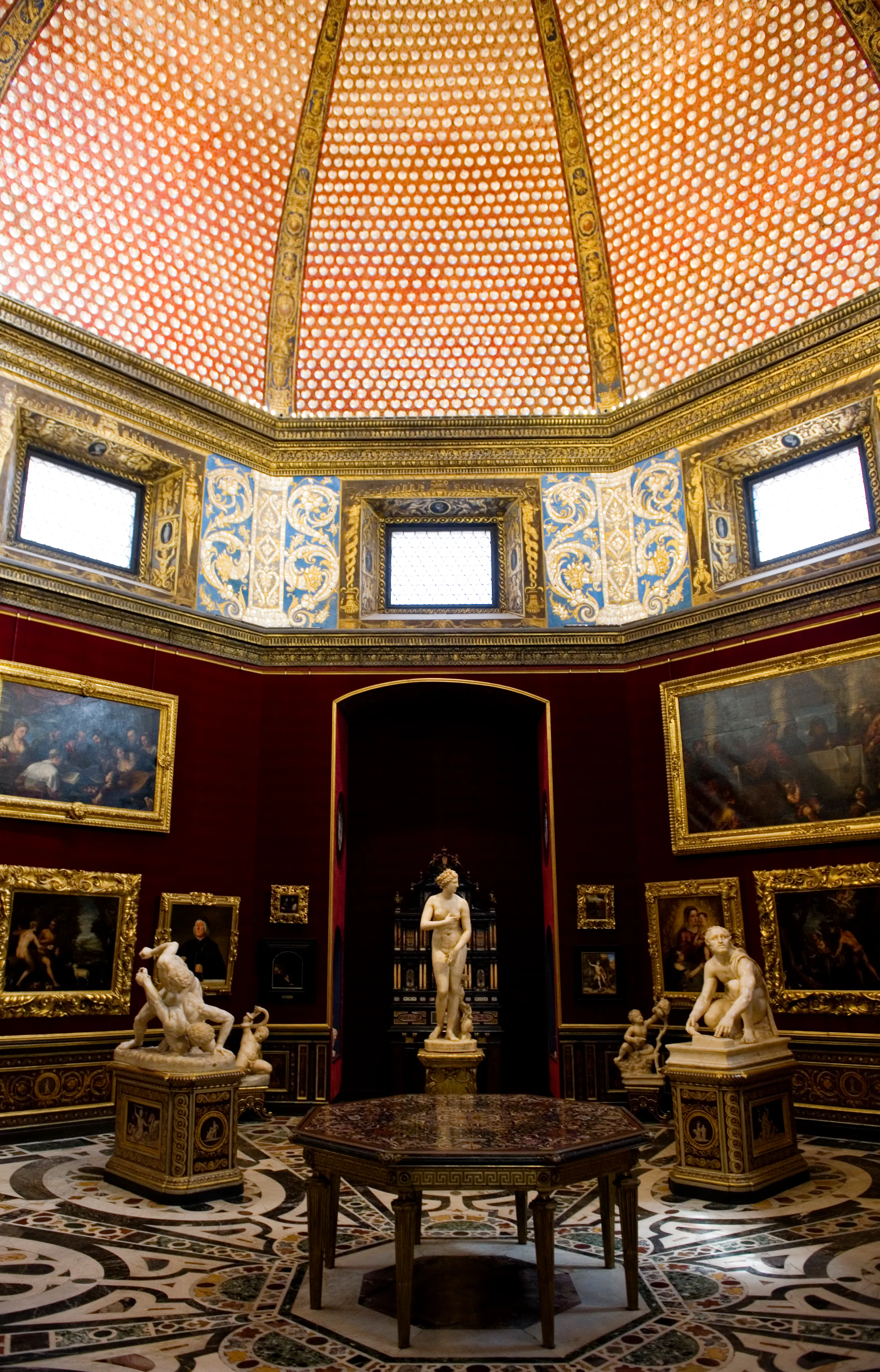
A recent visit to the newly renovated Frick Collection in New York, where photography has long been prohibited in the galleries, served as a reminder of what is gained in its absence. The rooms feel calmer, and the artworks are more approachable without clusters of smartphones surrounding them.
See also: The 10 Most Famous Works of Art and Where to Find Them
The Frick’s policy is grounded in conservation as well as atmosphere. Without glass vitrines or barriers around many of its fine and decorative arts, the museum has determined that photography poses an unacceptable risk. It’s a stance that has become less common in recent years. More than a decade ago, major institutions such as the Musée d'Orsay in Paris and the National Gallery in London maintained photography bans, but most have since reversed course. Among the few to maintain restrictions is the Prado Museum in Madrid, which continues to prohibit photography in its permanent galleries.
Want more articles like this straight to your inbox? Subscribe to our free newsletter!
There is no easy answer. The challenge for museums is finding ways to invite participation and attract visitors without putting collections at risk — a balance that’s getting harder to strike as visitor habits continue to be shaped by social media. After the incident in Florence, Uffizi director Simone Verde has vowed to take stricter measures on selfie-taking, telling ANSA: “We will establish clear rules to prevent behaviour that is incompatible with the purpose of our institutions and respect for cultural heritage.” Alongside policy changes, museums might also consider better staff training to help prevent accidents and manage visitor behaviour more effectively. Could other museums be prompted to follow suit?