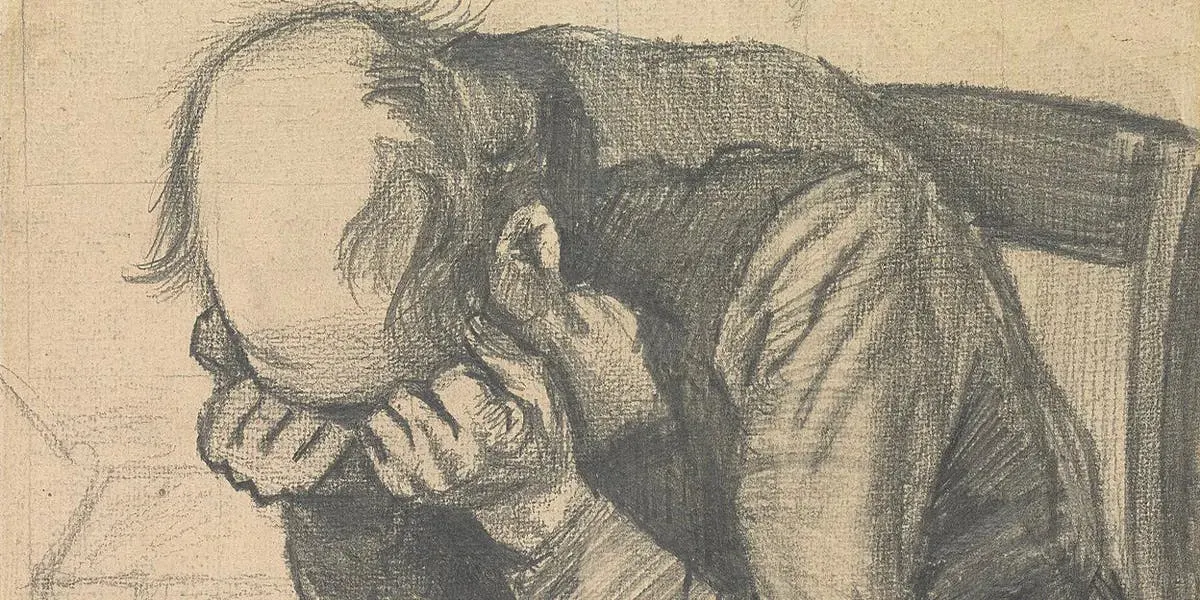
On the evening of July 27, 1890, a visibly ill Vincent van Gogh (1853-1890) entered his house, Auberge Ravoux, in Auvers-sur-Oise, France and painfully dragged himself into his guest room, where he had been living for 70 days. Worried, the landlord followed the painter to find him lying on his bed with a gunshot wound near the heart. “I hurt myself,” van Gogh explained. The bullet could not be removed and in the early morning of July 29, the 37-year-old artist died in the presence of his brother Theo.
The clumsy but eventually successful suicide attempt was the ultimate manifestation of the mental instability of van Gogh, who suffered from depression, hallucinations and demented fits, while going through phases of extreme creativity. During the two months spent in Auvers-sur-Oise, Van Gogh was cared for by the now controversial physician and art collector Paul Lachet, and completed more than 80 paintings and 64 drawings.
Related: Vincent van Gogh: The Myth of the Tortured Artist
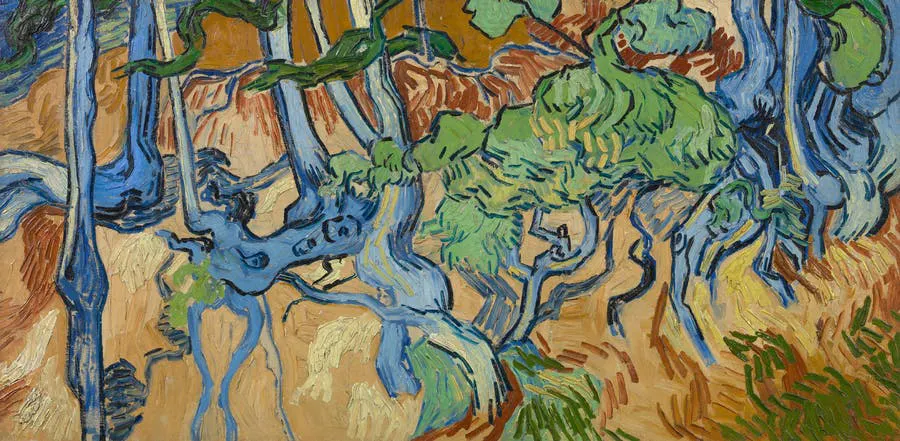
Van Gogh's last painting, Tree Roots, is said to have been made on the day of his suicide attempt. His brother Theo mentions the work in a letter to his brother-in-law, but the exact place where it had been painted, around Auvers-sur-Oise, was then unknown. The painting is now kept in the collection of the Van Gogh Museum in Amsterdam.
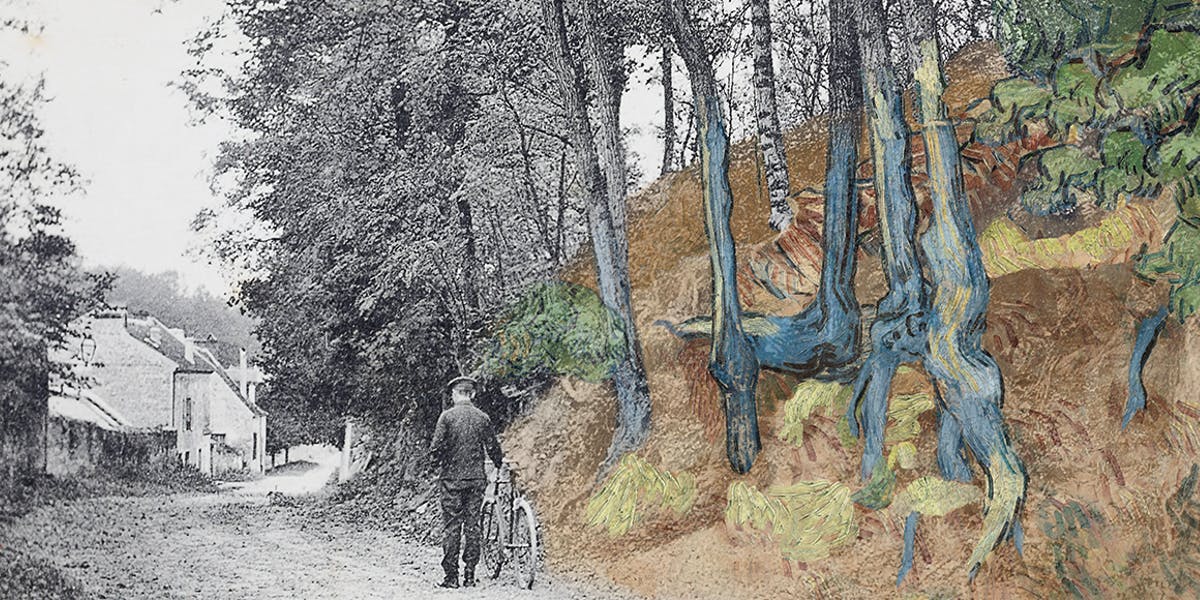
During the Covid-19 lockdown, Wouter van der Veen, the scientific director of the Institut Van Gogh, made a significant discovery: a postcard from the 1900s showing Rue Daubigny from a point of view similar to that captured by Van Gogh for his last masterpiece. Van der Veen immediately shared his discovery with Van Gogh Museum researchers Louis van Tilborgh and Teio Meedendorp, who then called in a dendrologist to verify the theory.
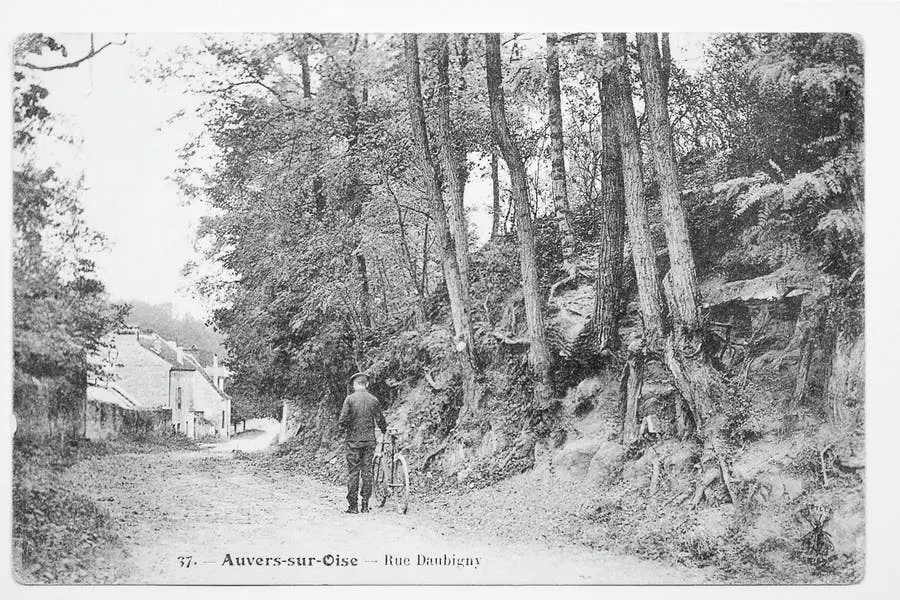
"In our opinion, the location identified by Van der Veen is highly likely to be the correct one and it is a remarkable discovery," explained Meedendorp. "On closer observation, the overgrowth on the post card shows very clear similarities to the shape of the roots on Van Gogh’s painting."
However, a visit to Auvers-sur-Oise could not be made until May 2020, after the relaxation of travel restrictions. The trip did not disappoint, because 130 years later, the imposing stump that appears on the painting is still visible, confirming the researcher's hypothesis.
Related: A Clue to the Stolen Van Gogh Painting Emerges
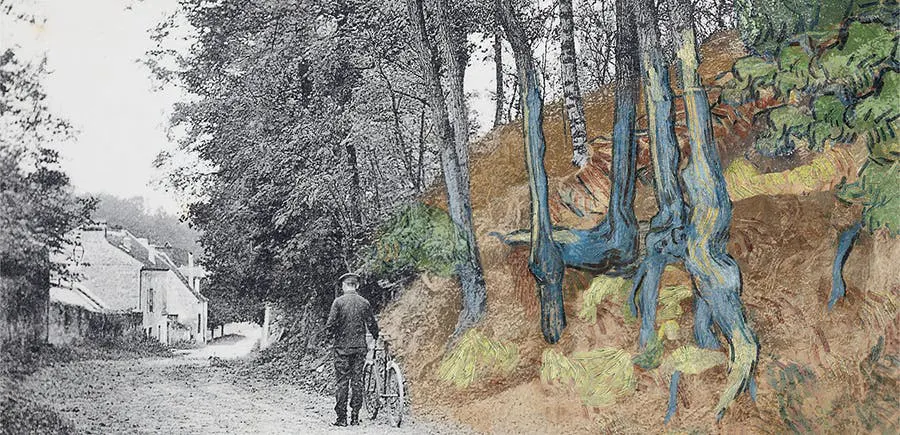
“Ending his life with this painting makes so much sense,” van der Veen told the New York Times. “The painting illustrates the struggle of life, and a struggle with death. That’s what he leaves behind. It is a farewell note in colors.”
At the end of July, a memorial to Vincent van Gogh's last source of inspiration was inaugurated in the presence of Willem van Gogh, the great-grandson of Théo van Gogh, and Emilie Gordenker, director of the Van Gogh Museum. From now on, visitors will be able to soak up the place where the illustrious painter set up his easel for the last time, 130 years ago.