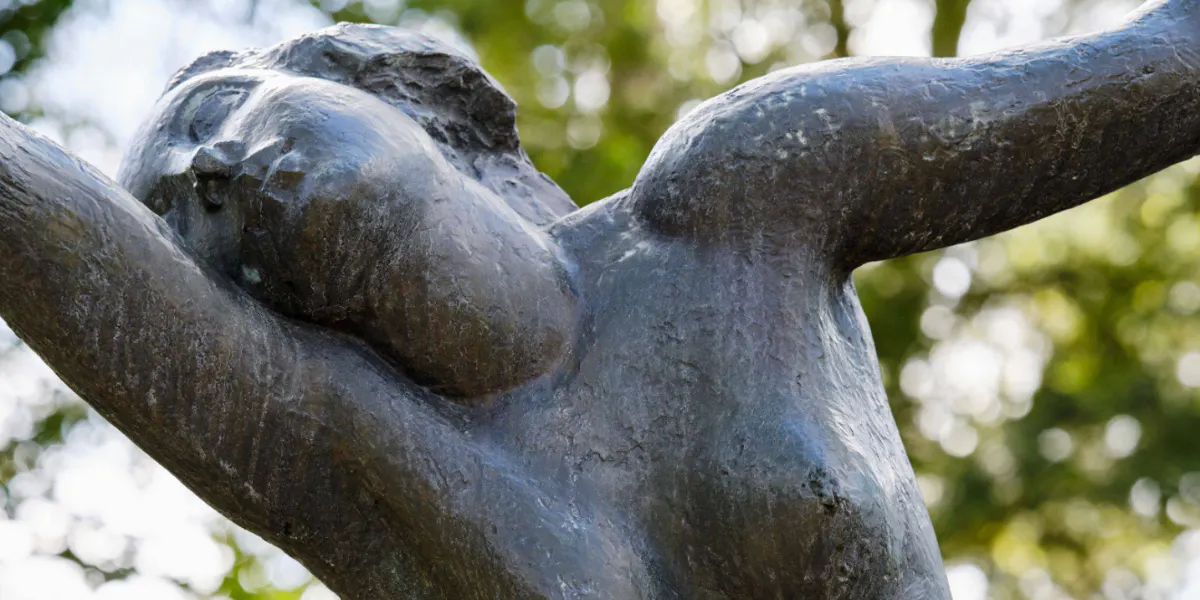
In 1922, Georg Kolbe was commissioned to design a fountain centered around a figure inspired by his celebrated 1911 sculpture of a dancer. The client was Heinrich Stahl, director of Victoria Insurance Company, an active member of Berlin’s Jewish community and a committed art collector who counted Max Liebermann among his friends. The completed fountain was installed in the garden of the Villa Stahl in Berlin-Dahlem.
In 1941, Heinrich Stahl and his wife Jenny were forced to sell their property. Shortly afterwards, they were deported to Theresienstadt, where Heinrich Stahl died. The fountain was later dismantled by its new owner, and the dancer figure was taken abroad. It was not until 1978 that the Georg Kolbe Museum acquired the sculpture and reunited it with the fountain basin. In spring 2026, the striking Gesamtkunstwerk was restituted to the heirs of Heinrich and Jenny Stahl, who have now consigned it to Grisebach for sale.
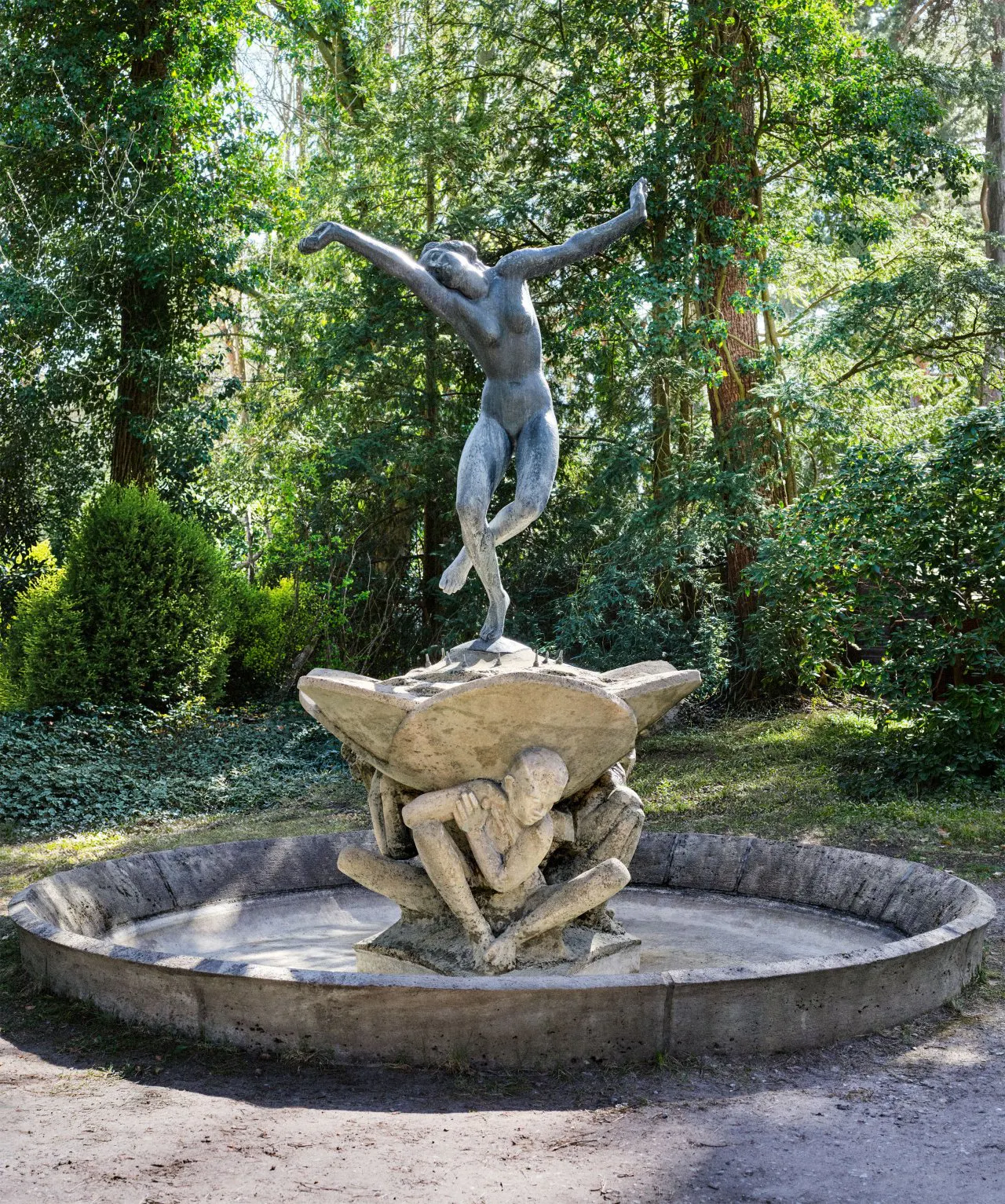
The work now leads Grisebach’s summer auctions in Berlin as the auction house celebrates its 40th anniversary this year, having set a new auction record for Georg Kolbe in 2025. Fountain of Dancers will be offered in the “Selected Works” sale, which opens the summer auctions on June 4 at 6 pm and brings together works from modern art to the present day.
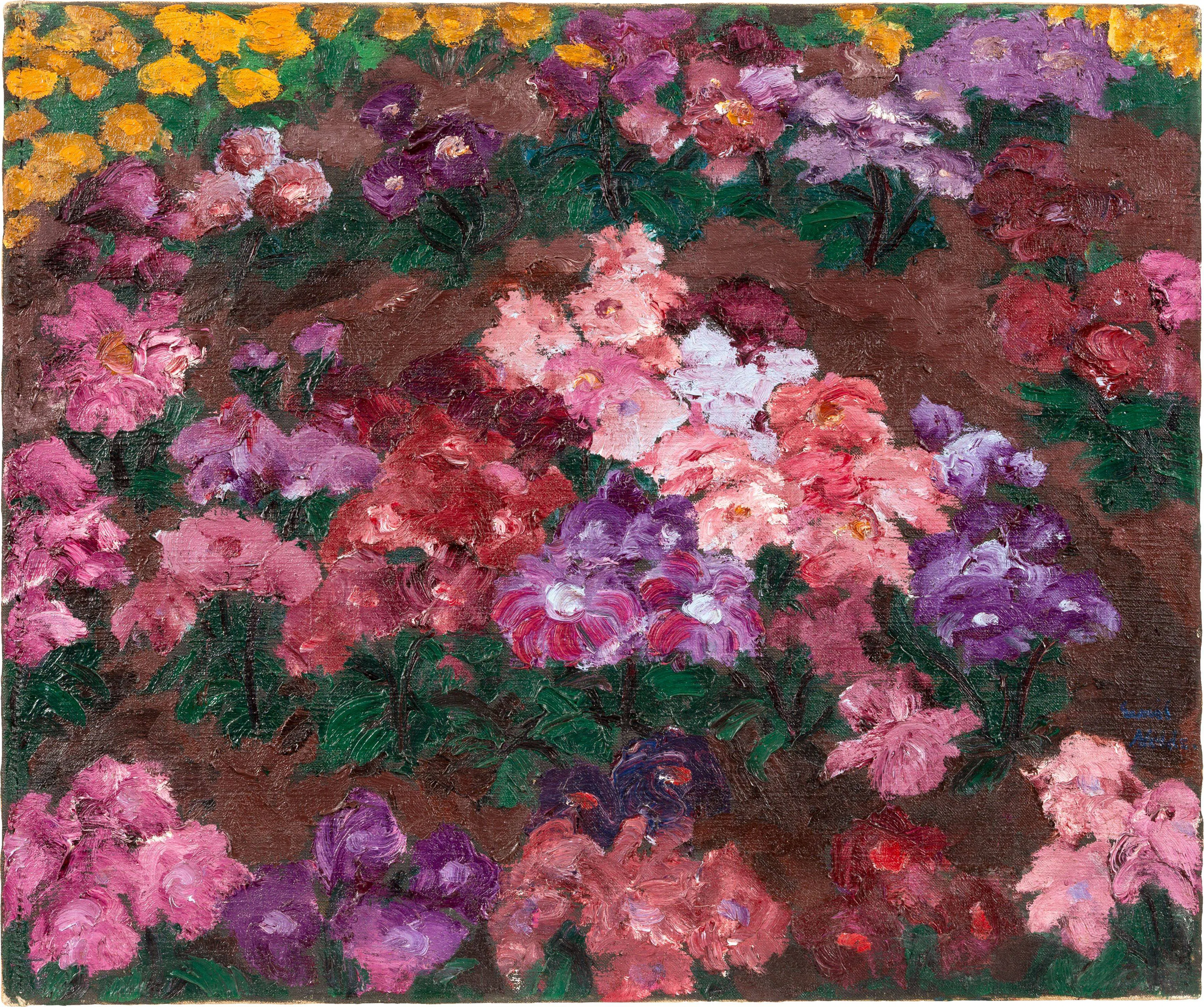
Another highlight is Emil Nolde’s early flower painting Asters from 1919, which was exhibited several times shortly after it was painted. Flowers occupy an important place in Nolde’s work. Wherever he lived in the countryside, he cultivated extensive gardens and repeatedly drew inspiration from them. Asters is one of only six flower paintings he completed in 1919.

Ernst Ludwig Kirchner is represented by the large-format color woodcut Toilette, created in 1921 after the artist found inspiration in the dancer Nina Hard, who modelled for several of his works that summer. Only five impressions of the print are known, and the color combination of the present example is unique, making it one of the standout works of the sale.
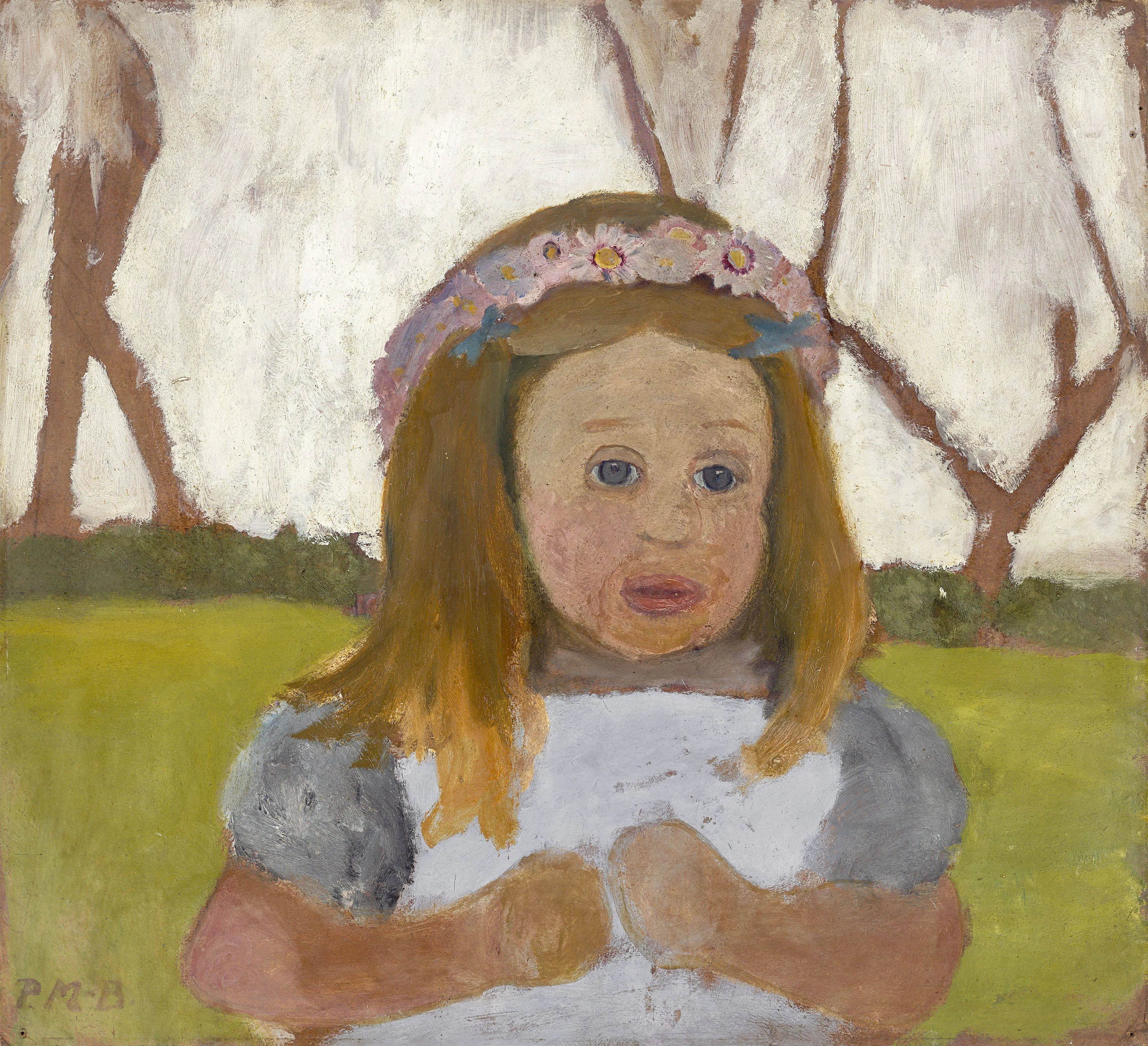
This year also marks the 150th anniversary of the birth of Paula Modersohn-Becker, represented in the auction by two works: the charcoal drawing Self-Portrait with Landscape in Front of Trees from 1903, and the oil-on-card portrait Elsbeth with Daisies in Her Hair, painted around 1901. Elsbeth was the approximately three-year-old daughter of Paula’s husband, Otto Modersohn, from his first marriage. The portrait is closely related to Girl with a Flower Wreath in Her Hair, which has been in Berlin’s National Gallery since 1962.
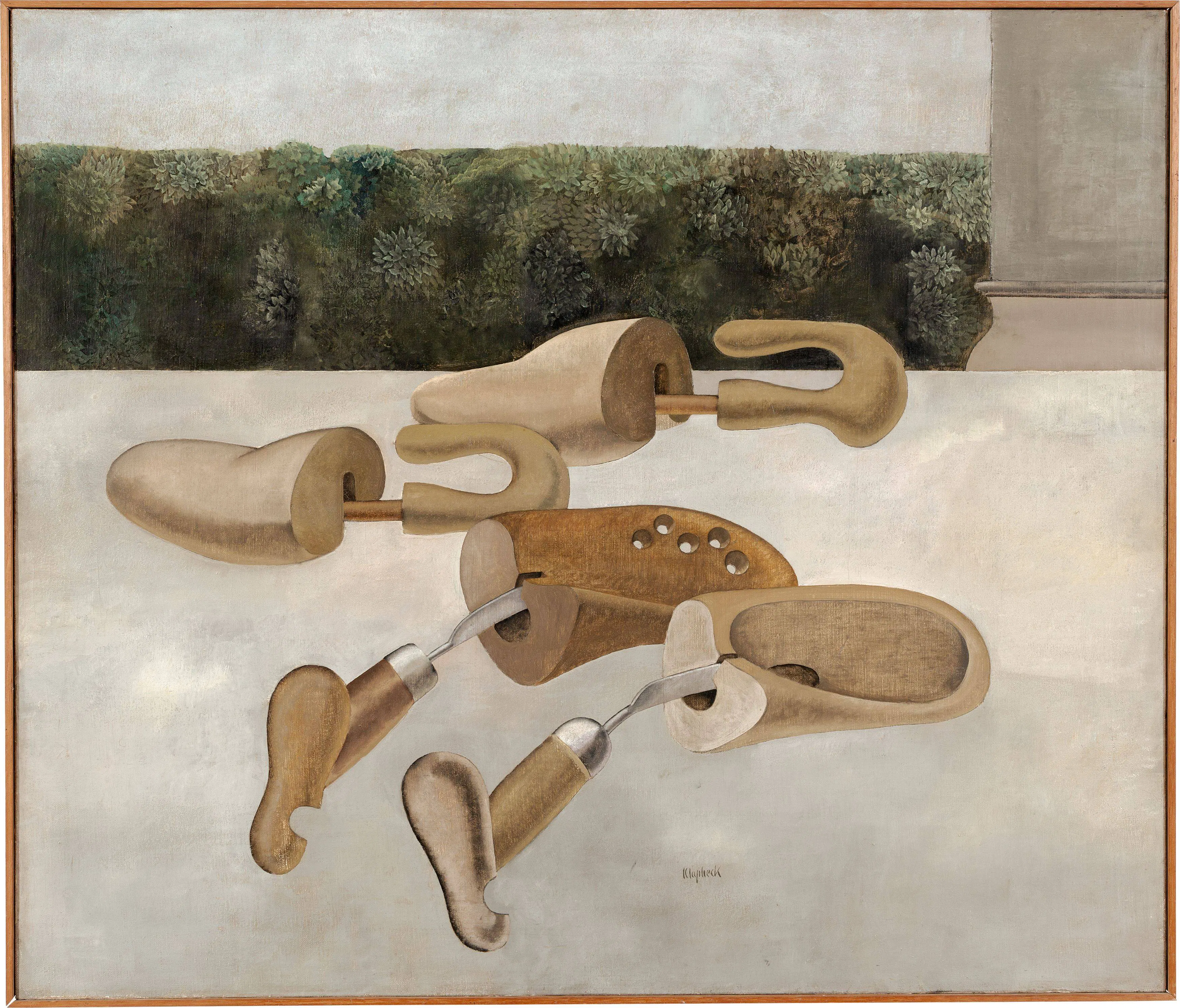
Konrad Klapheck’s Double Wedding from 1956 is another key work in the sale. After 70 years in private ownership, it is appearing at auction for the first time. The painting marks the first time Klapheck, then a 21-year-old art student in Düsseldorf, used the motif of the shoe tree, later central to his work, as a metaphor for interpersonal relationships. While the shoe tree reappeared throughout his oeuvre, the spatial setting defined by a hedge and the corner of a building remains unusual in his paintings.
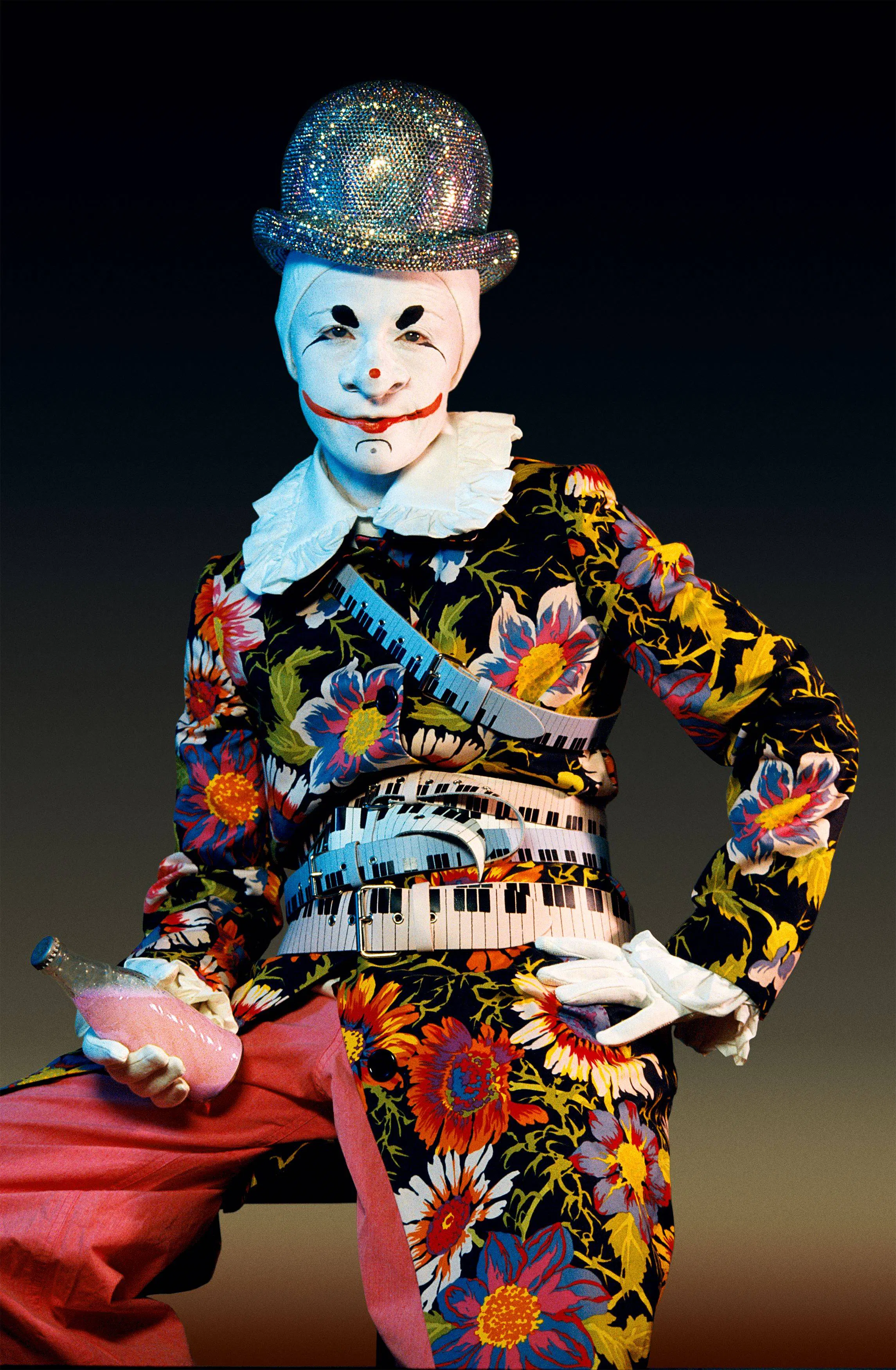
Also included is Cindy Sherman’s Untitled #415 from 2004, part of the artist’s well-known clown series. Here, Sherman again plays with the tension between appearance and reality. Set against a dark digital backdrop, the clown’s fixed smile and colorful costume appear strangely empty, raising questions about what lies behind the performance of permanent cheerfulness.
Further highlights include works by Edvard Munch, Jean Dubuffet, Eugen Schönebeck, Daniel Richter, Katharina Fritsch, Keith Haring, Antony Gormley and Max Beckmann.
The auctions continue on June 5 with the “Modern Art & 19th Century” sale at 11 am and “Contemporary Art” at 4 pm. Additional works by Max Liebermann, Ewald Mataré, Alexander Calder, Walter Leistikow, Georg Baselitz, Gotthard Graubner, Gerhard Richter and Karin Kneffel will also be offered.
Grisebach’s summer auctions take place on June 4 and 5 at Villa Grisebach, Fasanenstraße 25, Berlin. Public previews run from May 28 to June 3.