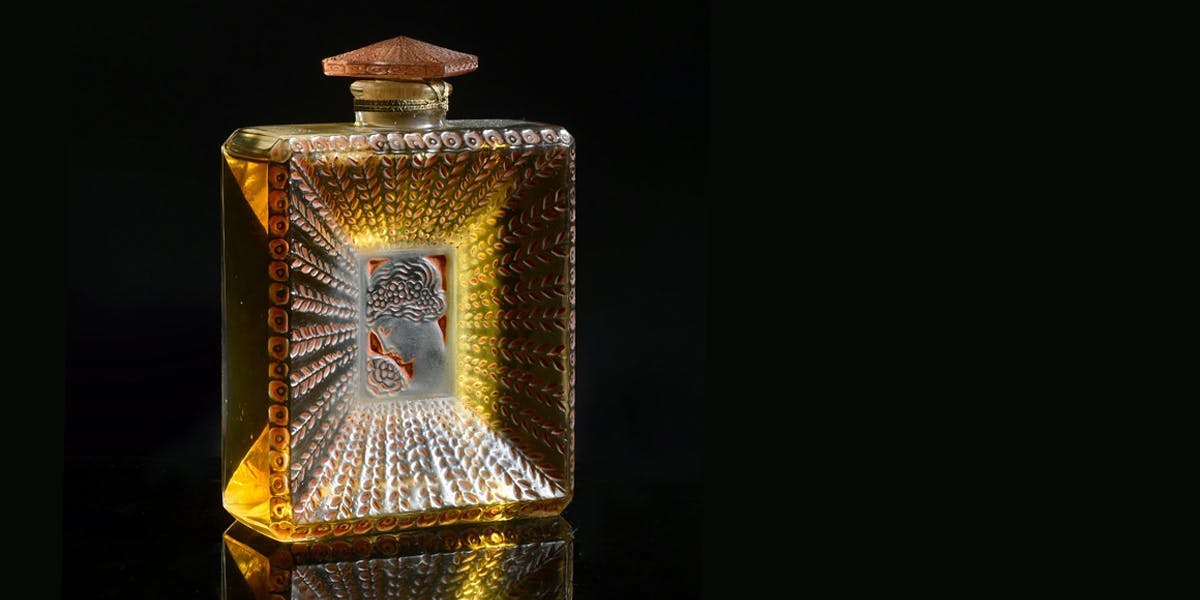
René Lalique, a French master glassmaker and jeweler born in 1860, was made famous by his astonishing creations including jewelry, perfume bottles, vases, candlesticks, clocks and even car radiator caps.
More than 130 years after its foundation, his company still operates and remains committed to creativity and quality, producing sumptuous but discreet objects faithful to his vision. His works are now highly sought after by collectors and connoisseurs of beautiful objets d'art.
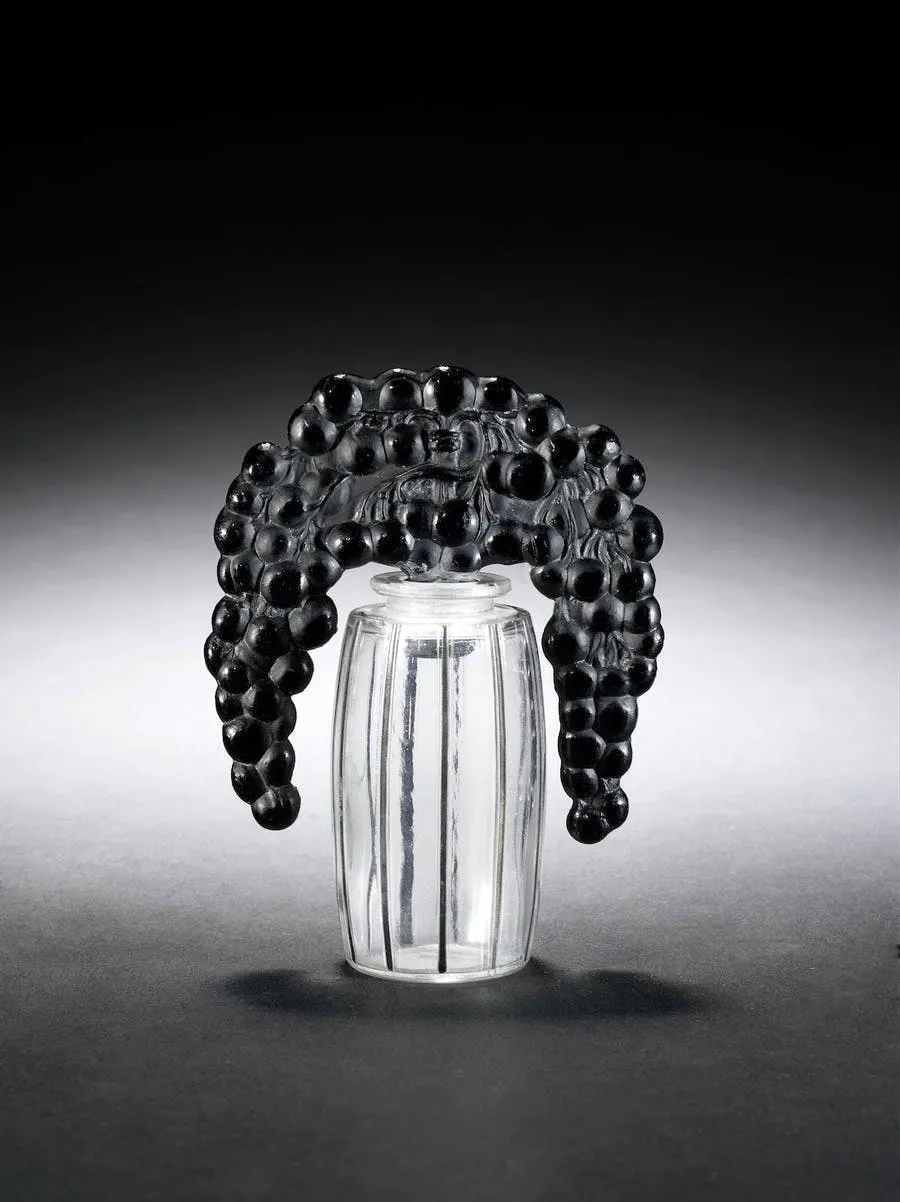
René Lalique started out in the field of jewelry, supplying pieces for major jewelers like Aucoc, Boucheron and Cartier. He became an independent designer for several Parisian houses at the age of only 22 and in 1885, took over the workshop of the jeweler Jules Destapes to fully launch himself as an independent jeweler.
Related: The 9 Most Popular Jewelry Brands
René Lalique used materials little considered in the manufacture of jewelry, such as glass, enamel, ivory and horn. Emile Gallé, the master glassmaker, ceramist and cabinetmaker, who discovered him at the 1897 Salon des Artistes Français, praised him and even gave him the nickname “inventor of modern jewelry.
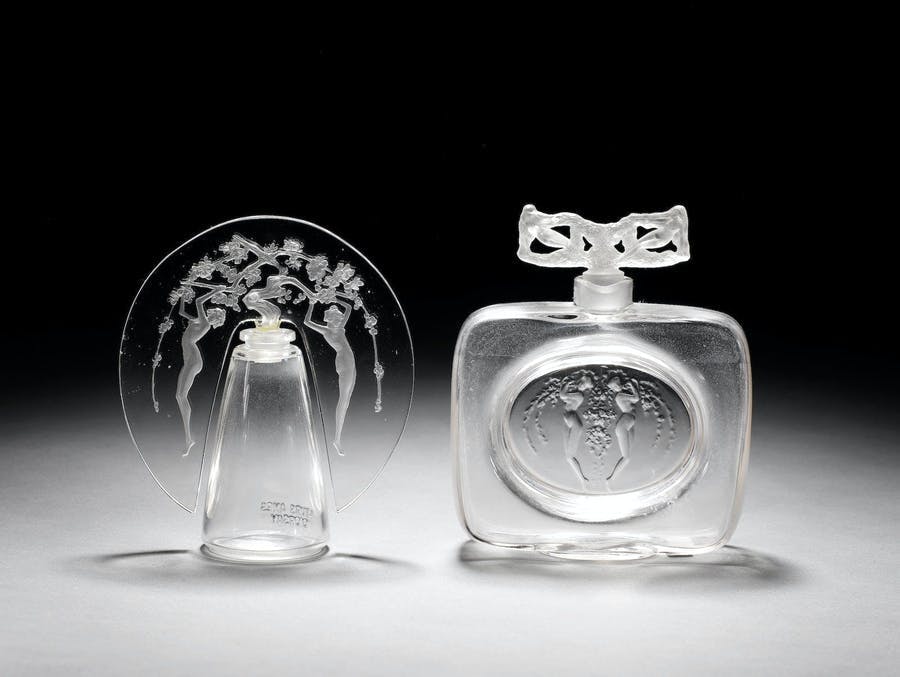
"3F", for female, fauna and flora, summarize the main sources of inspiration of the designer. Indeed, Lalique had a deep admiration for the female body and was strongly inspired, under the emergence of the Art Nouveau movement, by organic forms of nature. Peacocks, various insects and many other animals would adorn his creations.
Related: Ole Lynggaard: A Family Business
Lalique embarked on the design of perfume bottles in 1895, becoming the first to give real importance to the container of these luxurious liquids. This process also allowed him to produce objects in series and to democratize his art by making it more affordable. His meeting with the perfumer François Coty propelled his career in the field. Lalique created a large number of perfume glass bottles for Coty, including the bottle for the Ambre Antique perfume, beginning in 1910.
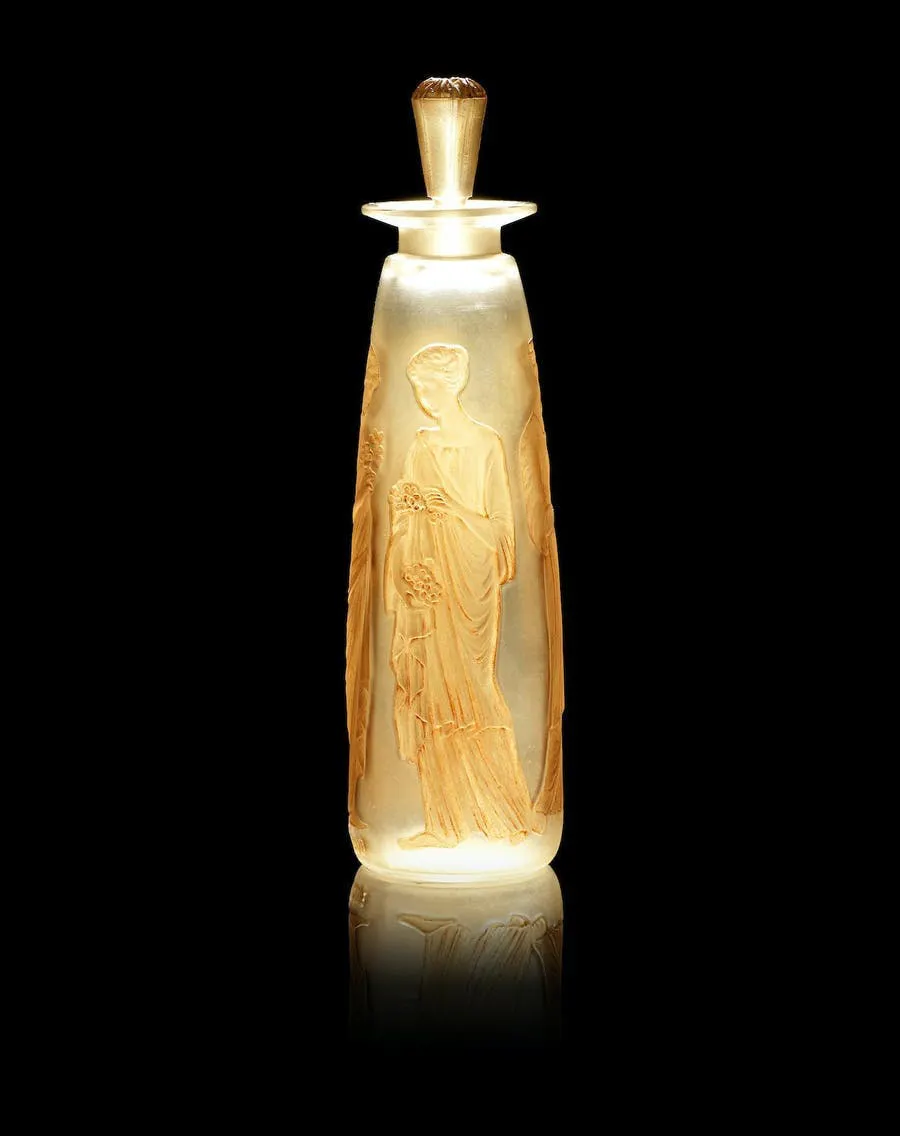
The Ambre Antique bottle was adorned with a theme that Lalique particularly liked: women. Four female figures dressed in classical fashion, all in different poses, appear in a reddish-brown patina on a very fine acid-etched glass. This creation marked the third collaboration between Lalique and Coty and remains one of the most famous.
Related: Tiffany Glass: Art Nouveau Illuminated
"One may rise to the supreme heights of luxury and possess the hand carved masterpiece of the famous Lalique, the intaglio bottle which holds the Styx of Coty at seventy five dollars. Another gem is Ambre Antique at twenty five dollars and seventy five cents," wrote Harper's Bazaar in 1916.
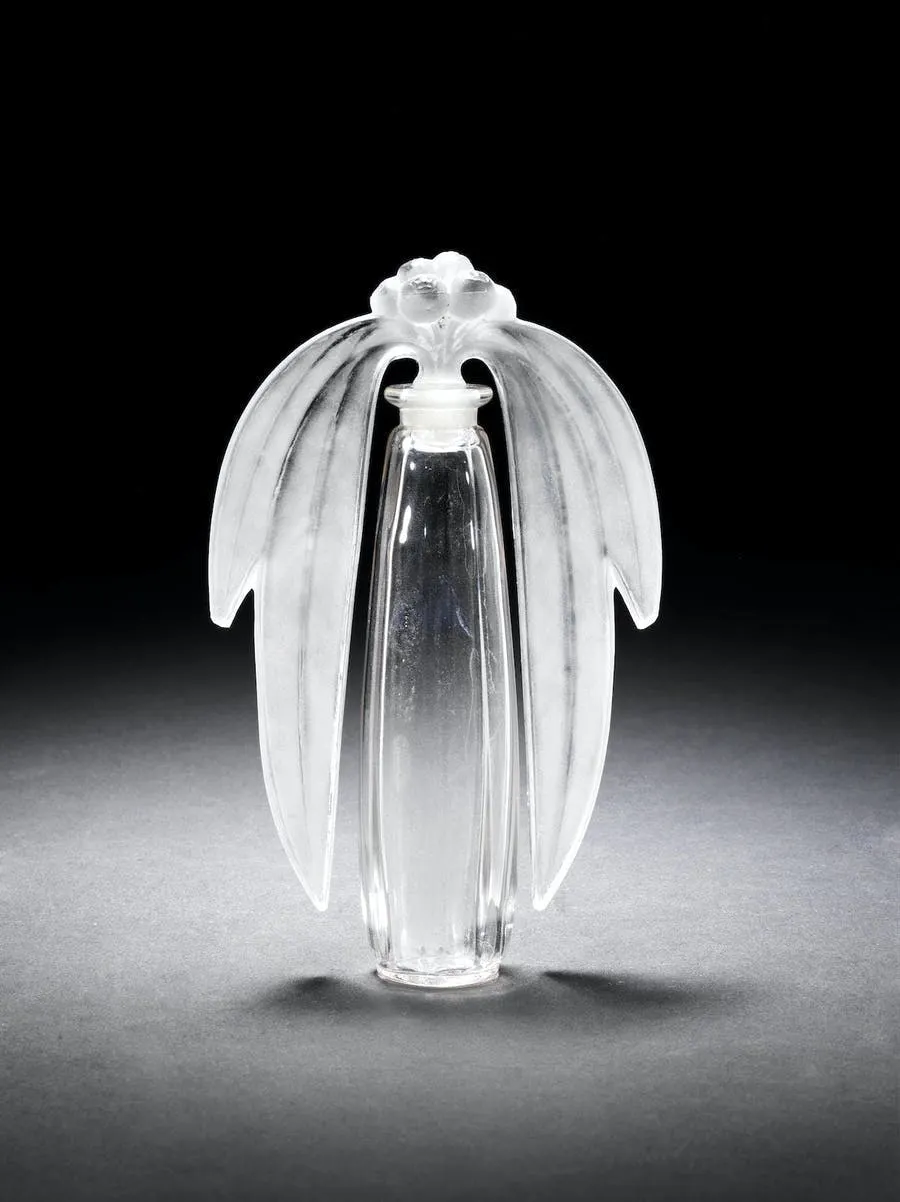
The collaboration between Lalique and Coty revolutionized the perfume industry, offering for the first time attractive bottles signed by a renowned designer at affordable prices. Their work in tandem would push Lalique to orient himself little by little towards the work of industrial glass, to which he would devote his work exclusively thereafter.
Related: 1925: The Height of Art Deco
In 1913, Lalique bought the glassworks factory of Combs-la-Ville, where he developed the production of his works in series. After the First World War, he realized that his colorful jewelry was no longer in fashion and felt the need to reinvent his style. From 1920, he abandoned his organic forms in favor of geometric and sober lines: the master jeweler of Art Nouveau became the master glassmaker of Art Deco.
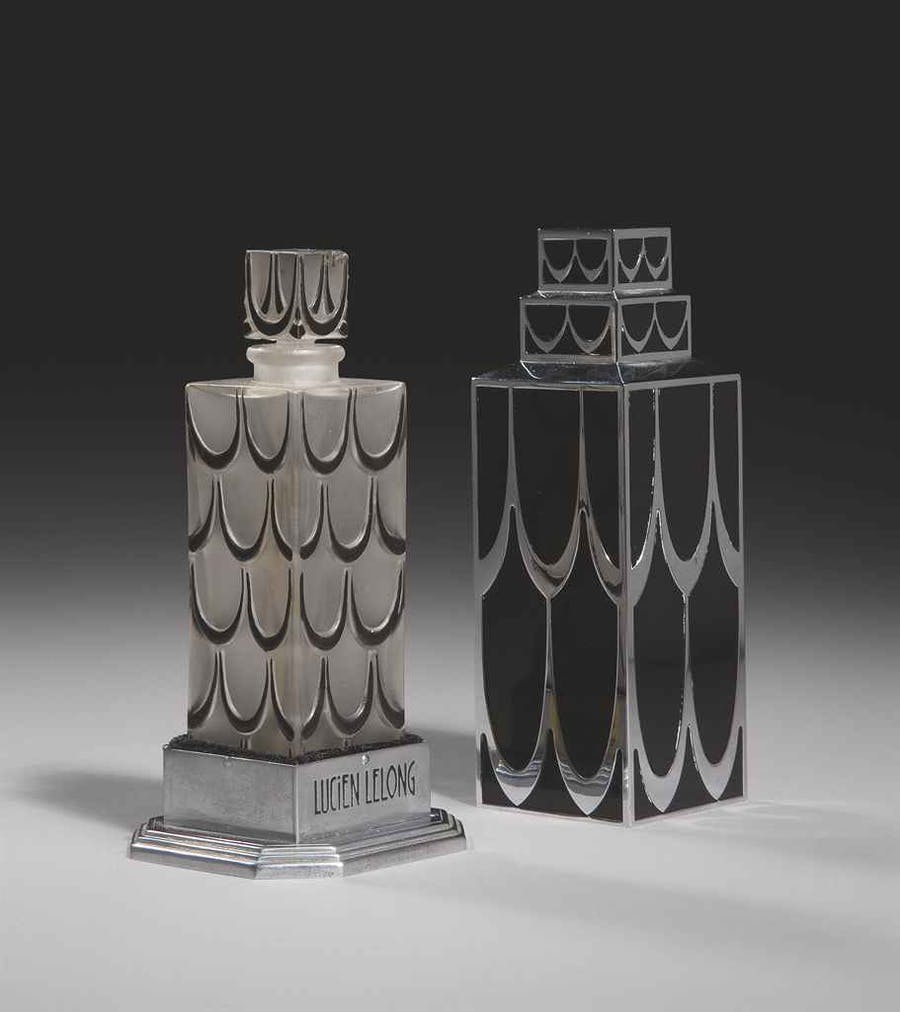
In 1921, he built a new factory in Wingen-sur-Moder in northeastern France, where he produced his creations in series and filed patents on various manufacturing techniques. The factory now houses a museum dedicated to his work.
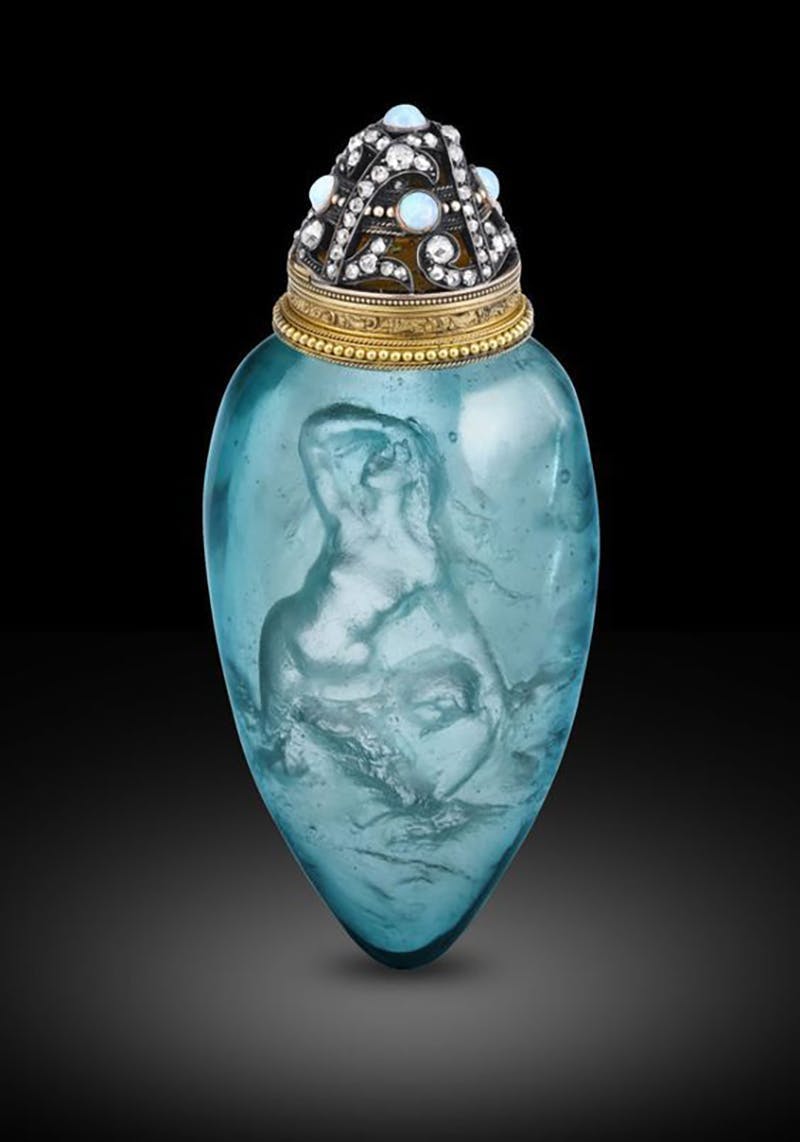
At auction, Lalique's perfume bottles can reach up to several hundred thousand dollars. The most expensive bottle to date, according to the Barnebys auction database, is a 1905 lost wax creation (probably the first bottle created using this process) titled "Les Sirènes", which sold for $284,800 in 2013.
Related: Venini: Glass and Light
Mostly sold during dedicated sales, the oldest Lalique bottles create a stir with each appearance on the market. The bottles for Ancient Amber, Treasure of the Sea, Bouchon Eucalyptus and Cap Cassis often sell for tens of thousands of dollars and embody the creative genius of the great master of the Art Nouveau and Art Deco eras.