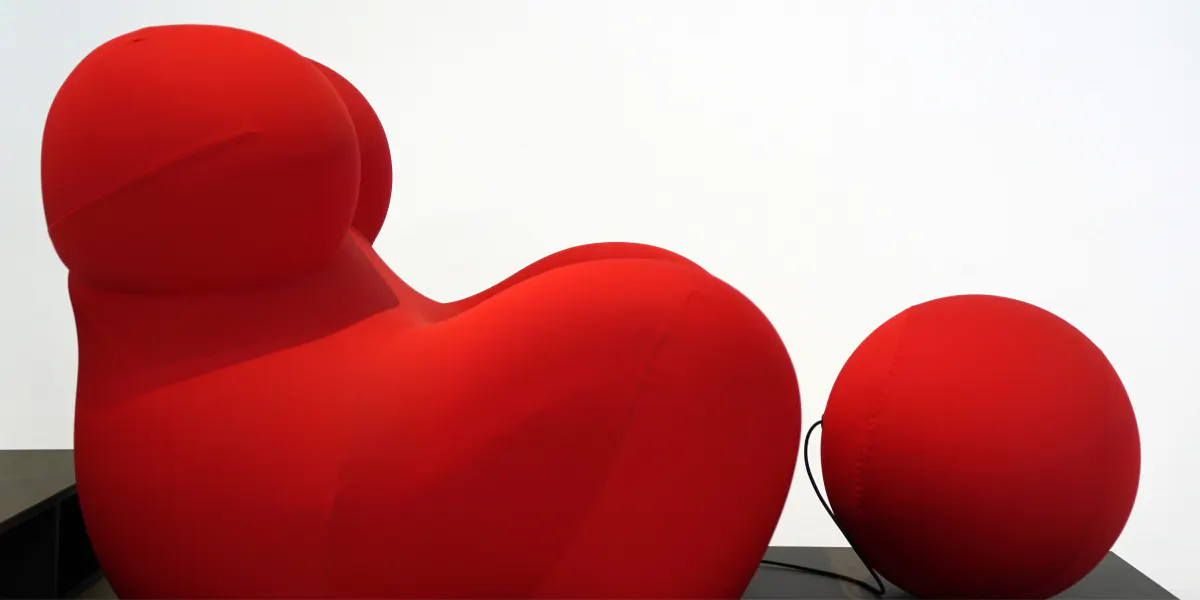
A multifaceted artist, Gaetano Pesce was one of the main exponents of Italian design in general and radical design in particular. His death, on April 3 in New York after a long illness, leaves an unbridgeable void in the world of Italian and international culture. Over the course of eight decades, Pesce has revolutionized the world of art, design, architecture and the liminal spaces between these categories. His inexhaustible creativity has transformed simple furnishing elements into small works of art, as in the case of the Sunset in New York sofa whose shapes are reminiscent of New York skyscrapers, with the central backrest cushion represented by a large semicircle in flaming red symbolizing the setting sun.

Pesce has also often created works with a strong symbolic meaning. His iconic anthropomorphic armchair from the UP series nicknamed La Mamma, Big Mama and Donna has a bulbous shape and also features a ball-shaped pouf. With it, the artist wanted to produce something about the condition of women in the world. From this perspective, some interpret the armchair as mother and the pouf as son. However, the second element could also represent a ball and chain, which suggests the prison in which the woman is forced to live.
Related: Gaetano Pesce's UP 2000: 'Big Mama' is Growing
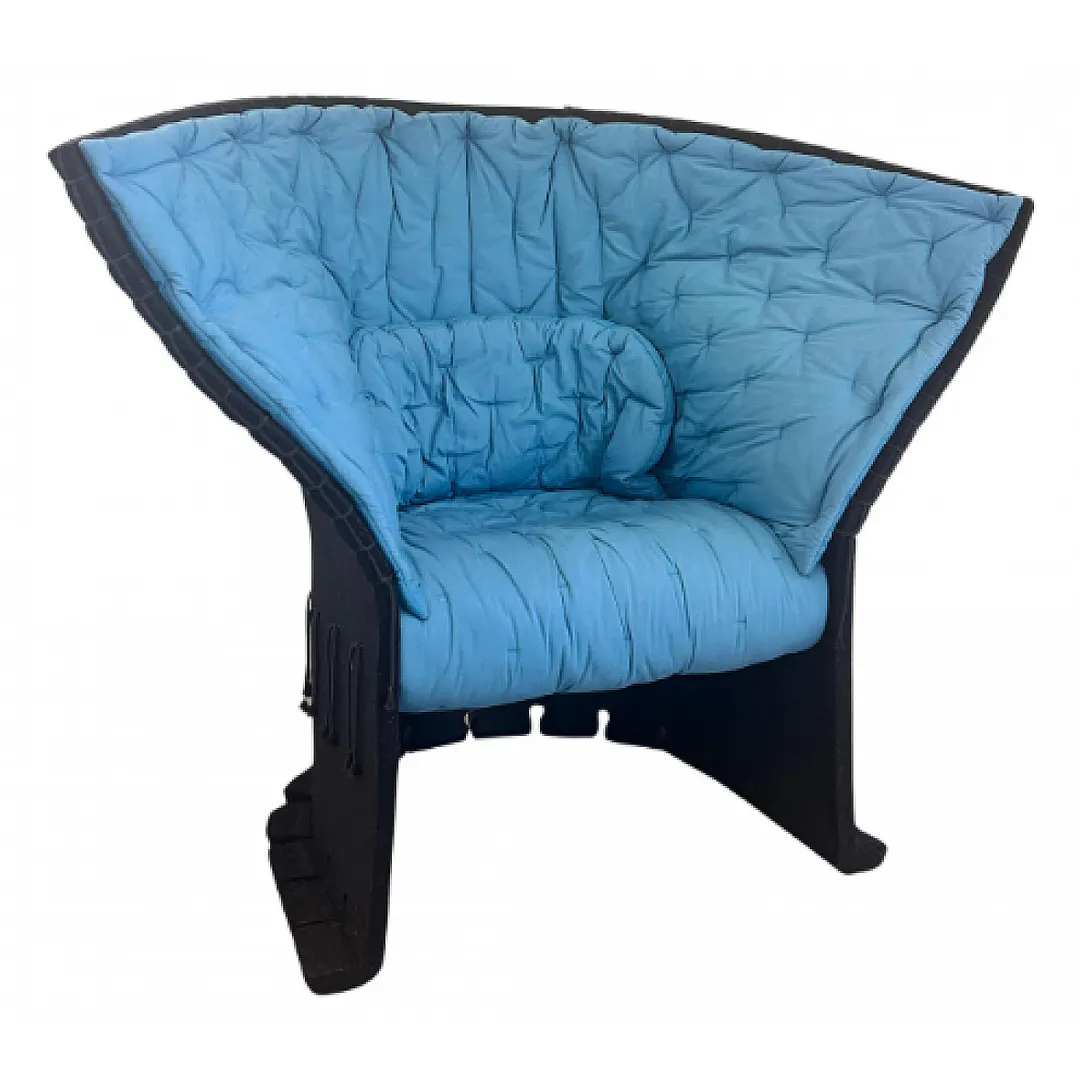
Among the most unique and innovative design products created by Pesce is the Feltri armchair, a wonderful combination of art and utility. Its structure is made of thick wool felt, a flexible material, filled with thermosetting resin which gives it a certain rigidity. The result is a product that adapts to the body flexibly in the upper part, while remaining solid and stable in the lower part. Gaetano Pesce conceived this armchair as a sort of cocoon, a primordial refuge that envelops and protects, like a tribal cloak.
Related: 11 Eccentric Designs to Rest On
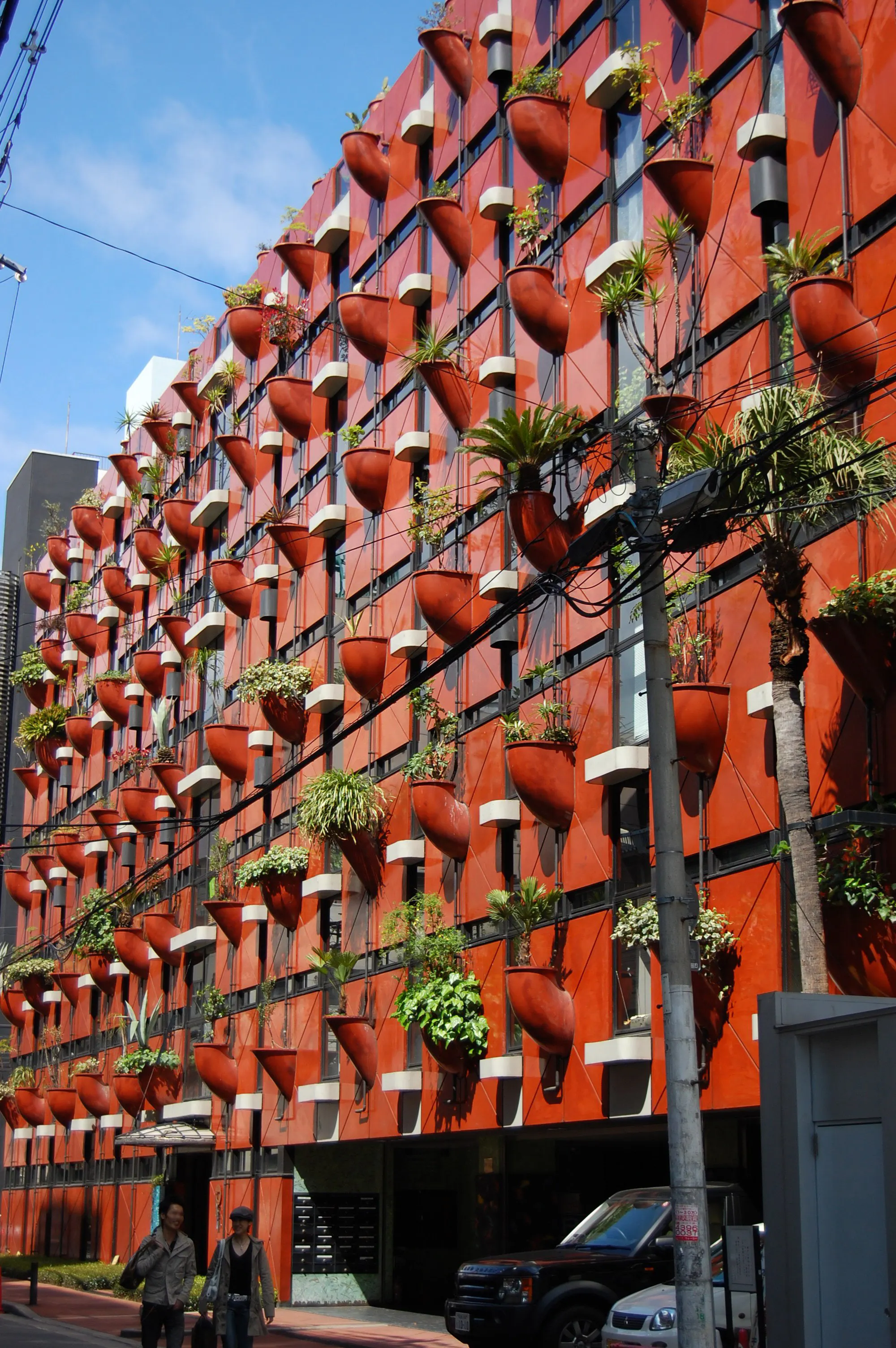
Pesce graduated in architecture from the University of Venice, under the guidance of illustrious mentors including Carlo Scarpa. Among Pesce's most famous works in this sector is the Organic Building in Osaka, Japan, completed in 1993. It is an innovative vertical garden-building with protruding "pockets" in which various types of plants are housed irrigated via a computerized water system. This ingenious solution allows gardens to be placed directly on buildings, overcoming the lack of space in a densely populated place.
Want to receive more articles like this via email? Sign up to our newsletter!
Related: 10 Reasons to Buy Vintage
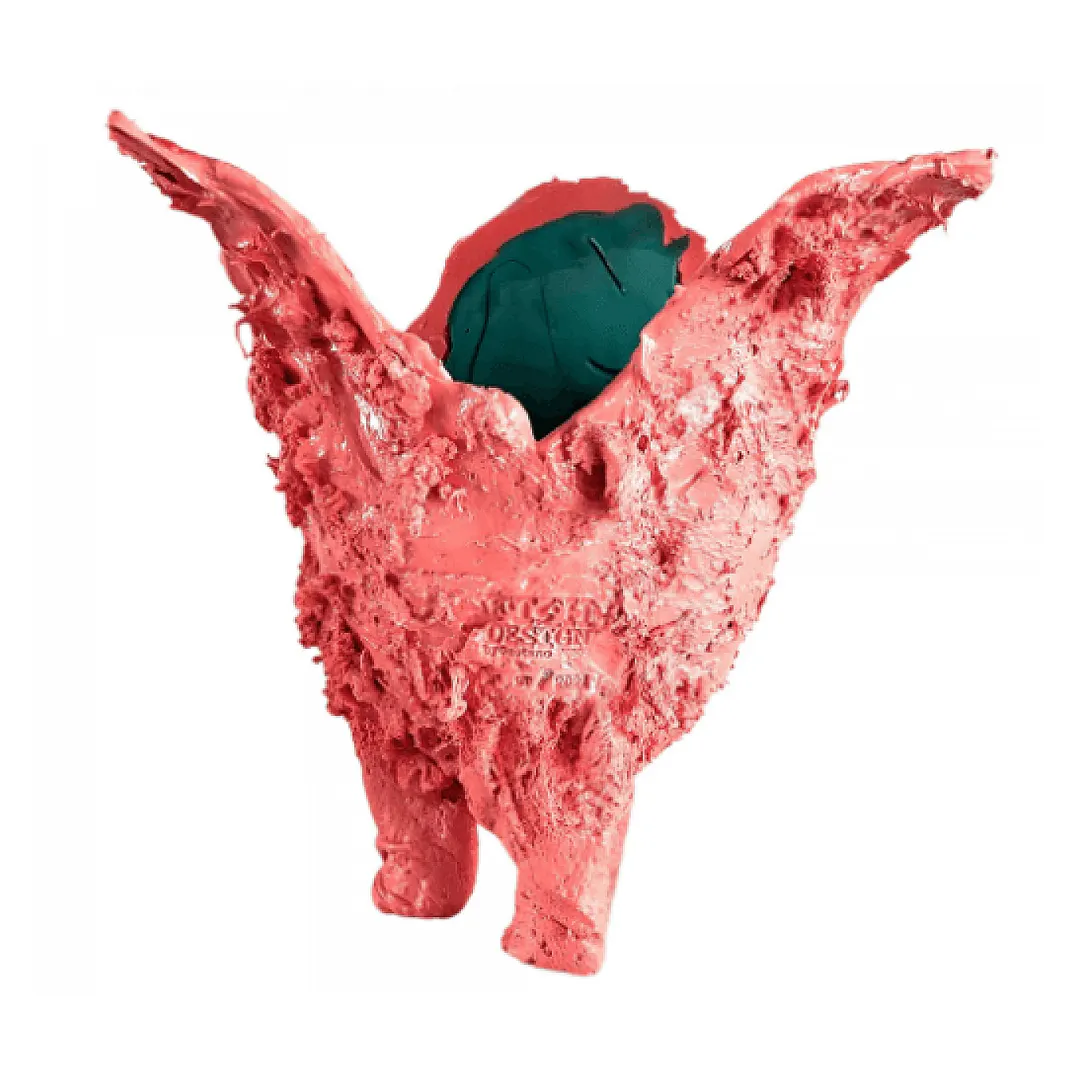
Pesce is also renowned for his mastery in the use of innovative materials. In addition to experimenting with polyurethane foam, he used resin, molds and casting techniques to create a vast range of objects, including vases, chairs and lamps. Pushing the boundaries of creativity, he produced works that challenge convention. Influenced by renowned Murano glassmakers, such as Moretti, Vistosi and Venini, his own experimentation in glassmaking led to surprising results.
Gaetano Pesce has left us, but the singularity, creativity and special message of his art leave a very precious legacy, which will continue to live forever.