On August 31, one of Sweden's prominent female designers and ceramicists of our time died. Since the 1940s, Signe Persson-Melin has designed a variety of useful objects for Swedish homes. In her production – where form meets function – influences from both the Asian tradition and Swedish folklore feature together.
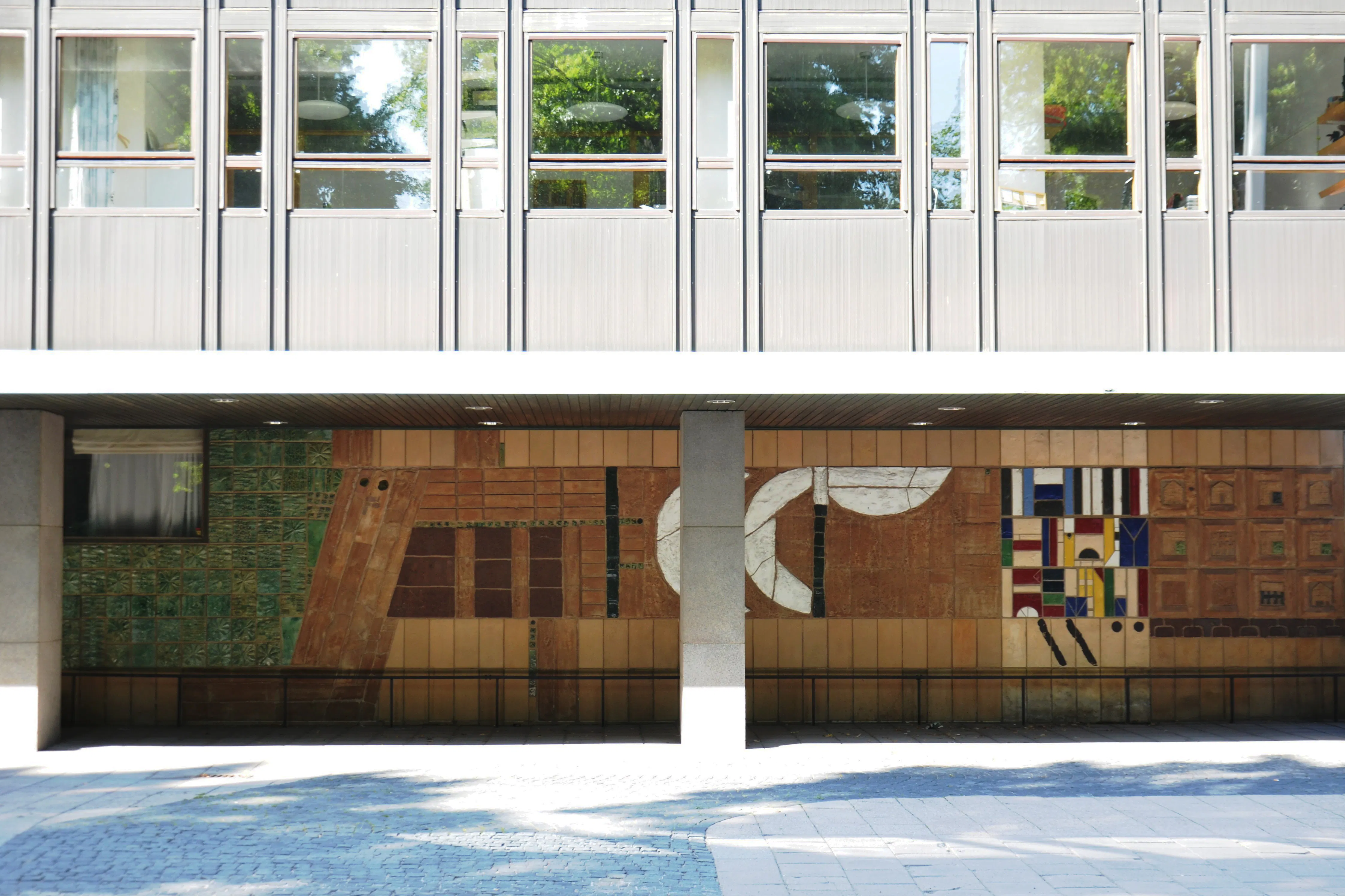
Her designs feature in many of Stockholm's public places, for example in the railway platform at the T-centralen or the facade of other buildings. Her objects can also be found in international museum collections, such as at the Museum of Modern Art in New York and the Museum of Modern Ceramic Art in Japan.
Related: Rosenthal: Art at the Table
Signe Persson-Melin was only a teenager when, in the early 1940s, she decided to become a ceramicist. After studying at Konstfack in Stockholm and Kunsthåndværkerskolen in Copenhagen, she opened her own workshop in Malmö in 1951.
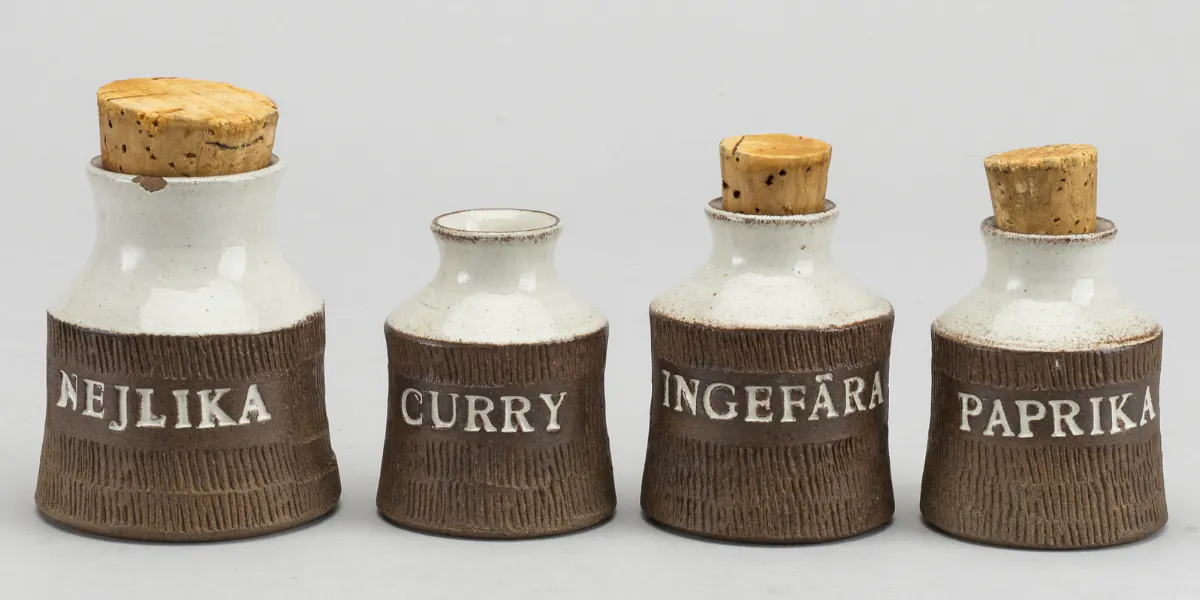
The big breakthrough came four years later at the H55 exhibition in Helsingborg. There, Persson-Melin's exhibited spice jars, made of tin-glazed stoneware, with cork lids and large letters that revealed the contents of the jars. She continued to create rustic utility objects in ceramics, with pared down and functional forms.
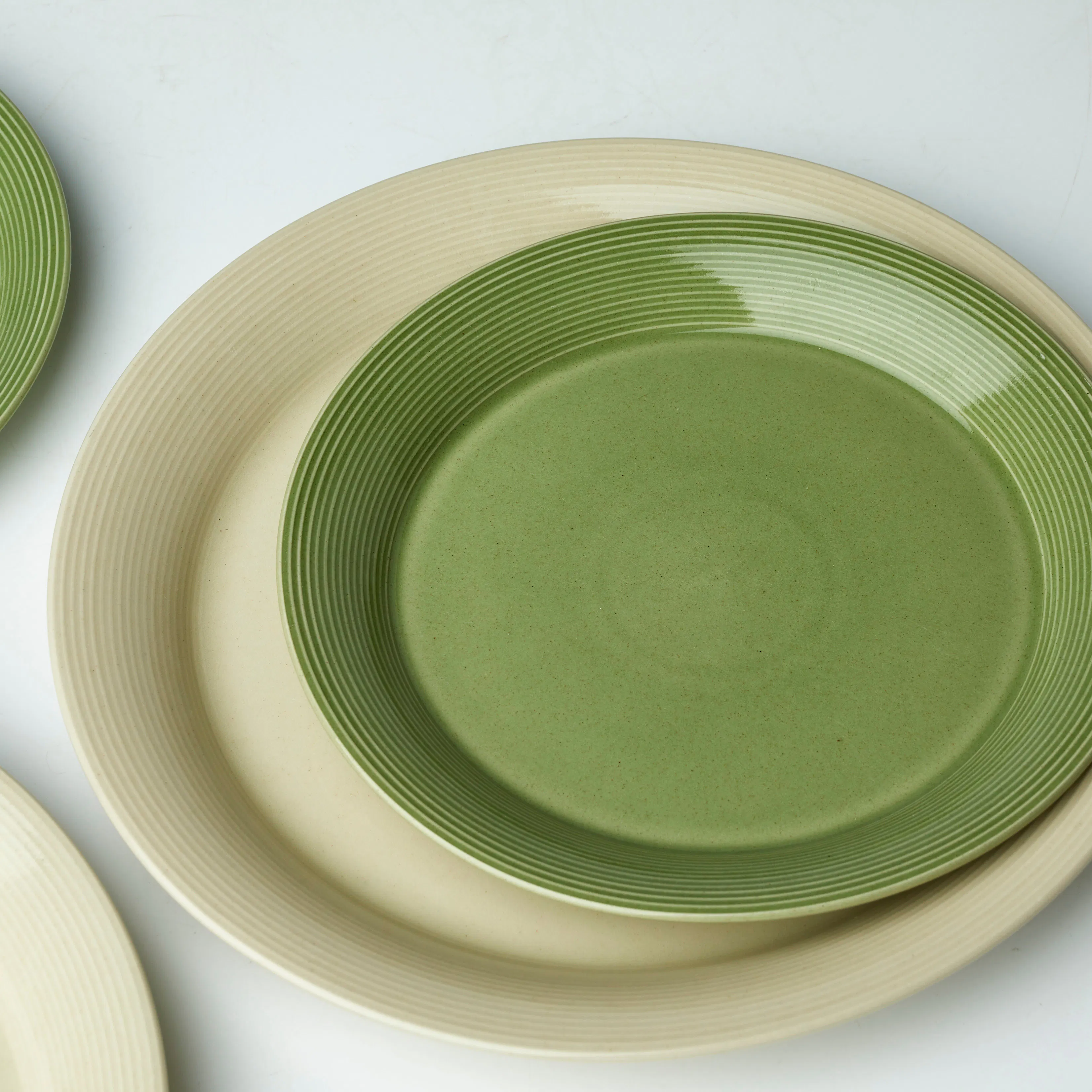
During the second half of the 20th century, Signe Persson-Melin designed for various Swedish and Danish companies, including Boda Nova, Höganäs Keramik, Rörstrand and Saxbo. In 1985, she was appointed Sweden's first professor at the Department of Ceramics and Glass at Konstfack.
Related: The History of Rörstrand in 10 Key Dates
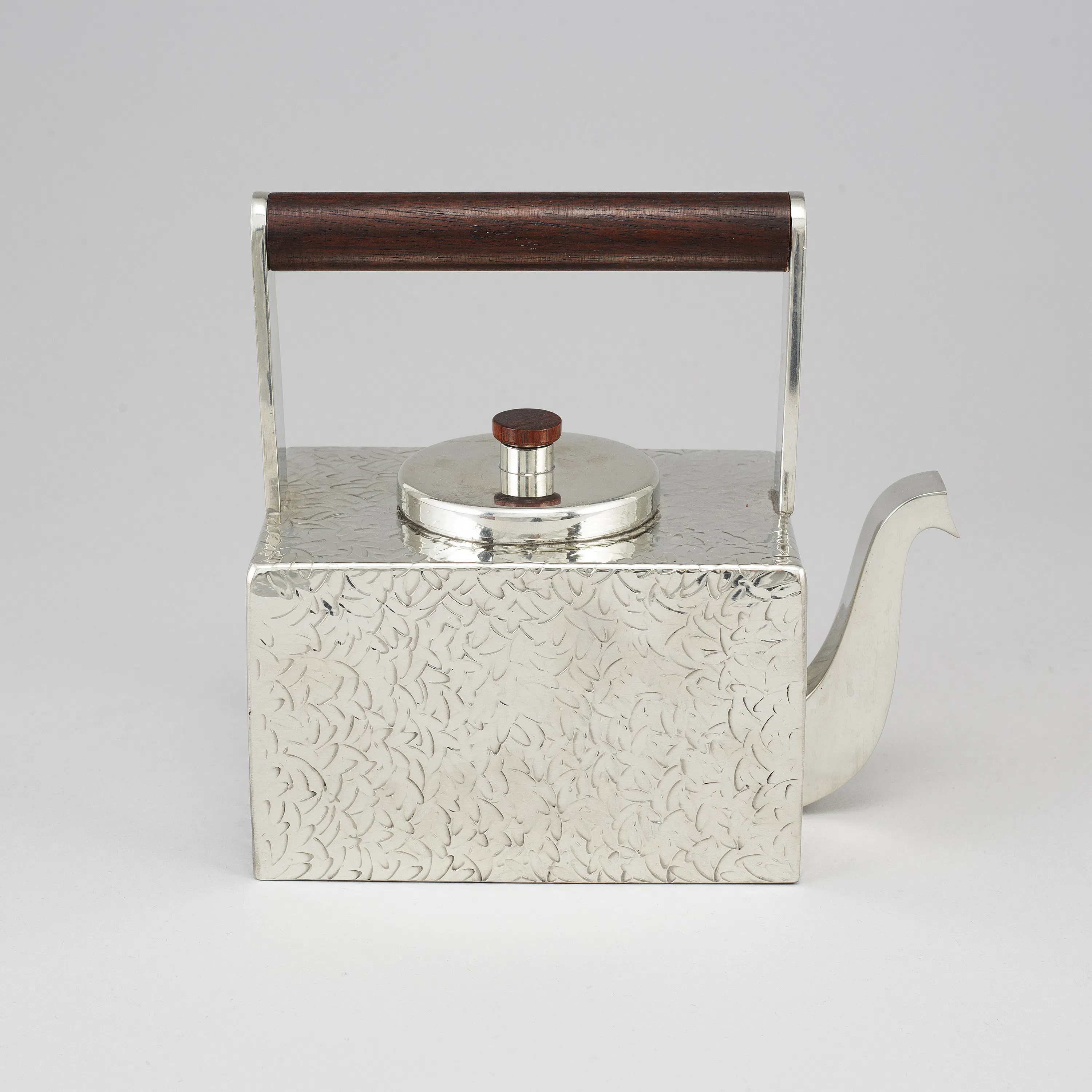
While she was studying at Konstfack in the late 1940s, the famous Svenskt Tenn design studio bought teapots and mugs from her production. Several decades later, she came to collaborate with the company again. It was in connection with Svenskt Tenn's 80th anniversary in 2004 that ten female designers were invited to create a tribute collection to the company's founder Estrid Ericson. Persson-Melin was one of them, and created for the occasion the Myrten teapot, made of pewter.
Want more articles like this delivered straight to your inbox? Subscribe to our free newsletter
Today, many of her design classics are sought after on the second-hand market as collectors' items, not only in Sweden but also in Japan, where her creations are sold with much success.
Related: The Noguchi Table: Art Meets Function
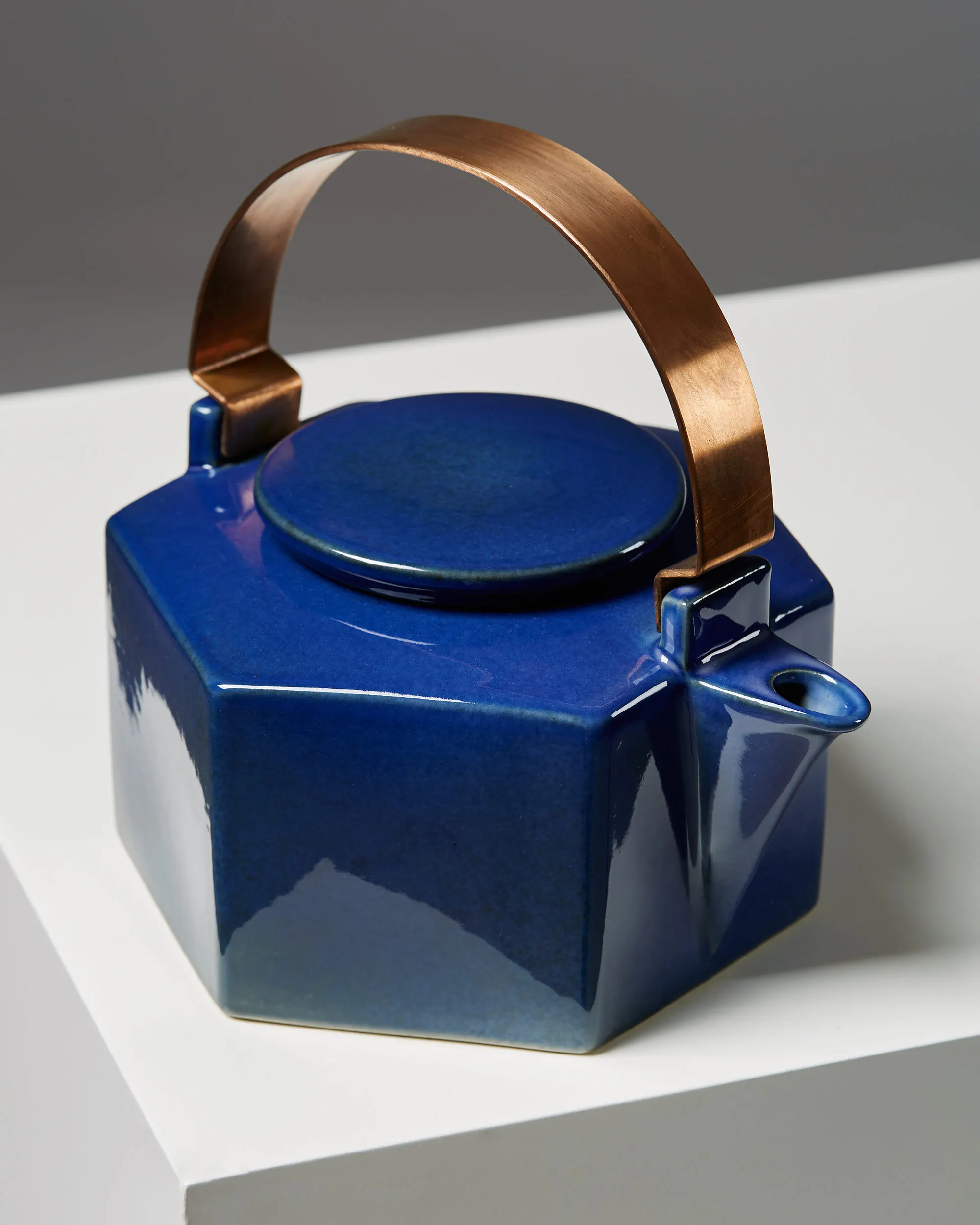
Some of her most loved objects are the Six-Sided and Kinesen teapots, the porcelain series Chess, Signum and Primeur as well as glass objects such as Ruben, Sill i kvadrat and Bouquet.
Signe Persson-Melin worked mainly with ceramics and glass, but also other materials such as tin, concrete and aluminium.
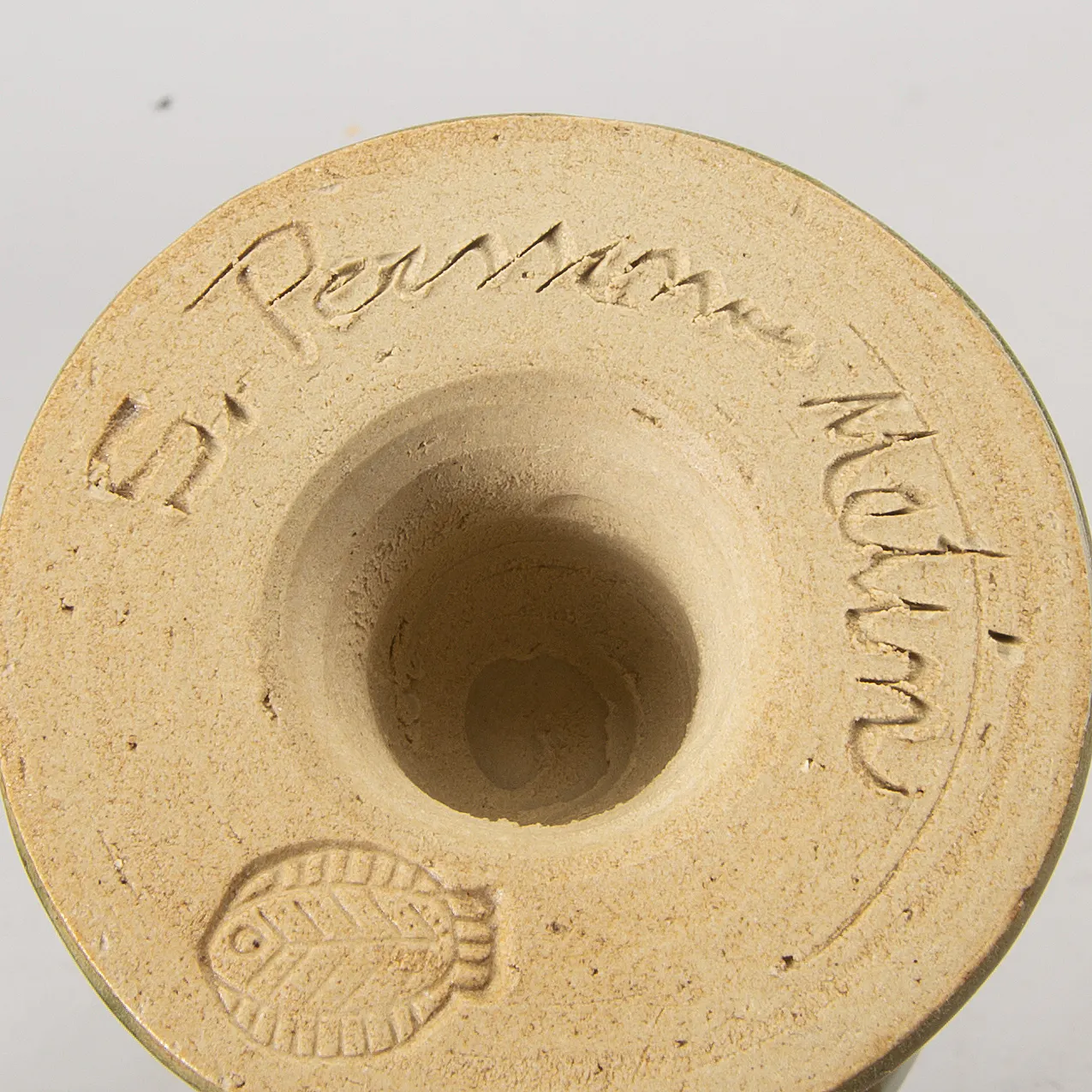
Her items are signed 'SP', 'SP-M' or 'S. Persson Melin', but she also used a small fish stamp as her signature. It came about when she made patterns in glaze painting and used two brushstrokes that crossed each other. She thought it resembled a fish and developed it into a signature that can be found today on some of her ceramic works.