
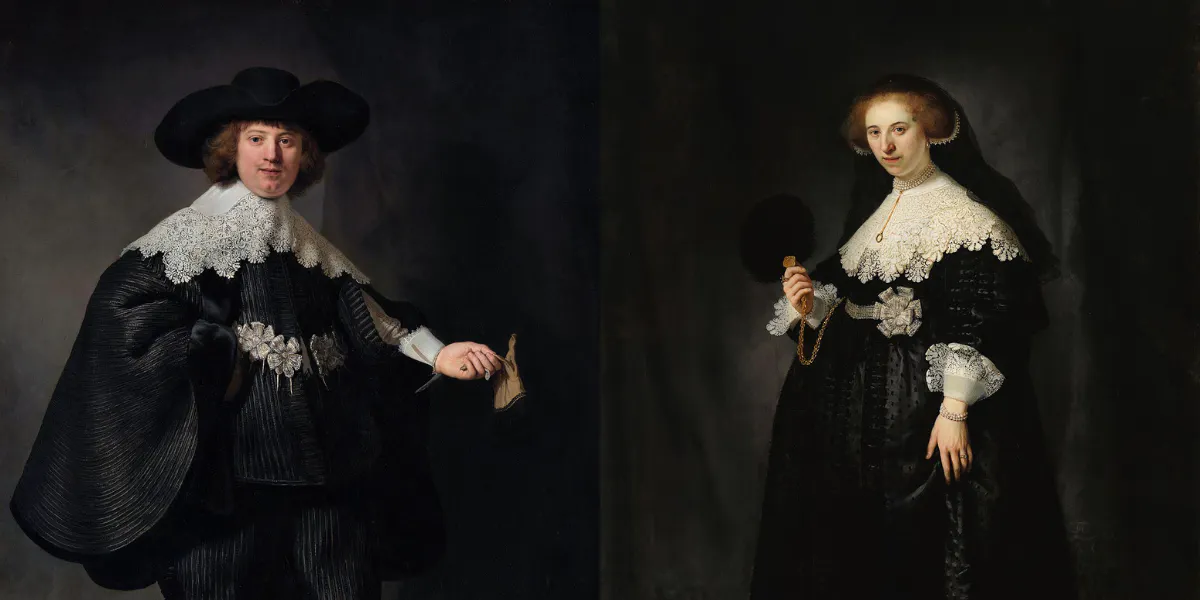
It all started in the spring of 2013 when the Rothschild family contacted the Louvre to sell the museum two paintings by Rembrandt. Dated 1634, these portraits depict two notable figures, Marten Soolmans and his wife Oopjen Coppit. The Rothschild family, which had owned the portraits for more than a century, wanted €160 million for the two paintings. However, the sum was too high, even for the Louvre. Instead, the museum came up with an ingenious idea: sharing custody of the two portraits with the Rijksmuseum in Amsterdam.
Related: Rembrandt: Painter of the Soul
On February 1, 2016, the Netherlands and France concluded a historic agreement: the Louvre purchased the Portrait of Oopjen Coppit and the Rijksmuseum acquired the Portrait of Marten Soolmans for €80 million each. There was one condition: the two spouses must never be separated and always be exhibited together. As a result, the two portraits cannot be loaned to another institution.
Related: A Brief History of the Louvre: The World's Largest Museum
After a five-year stay in Amsterdam, the Rembrandt's famous couple arrived in Paris on February 21, 2024 to be exhibited at the Louvre for the next five years.

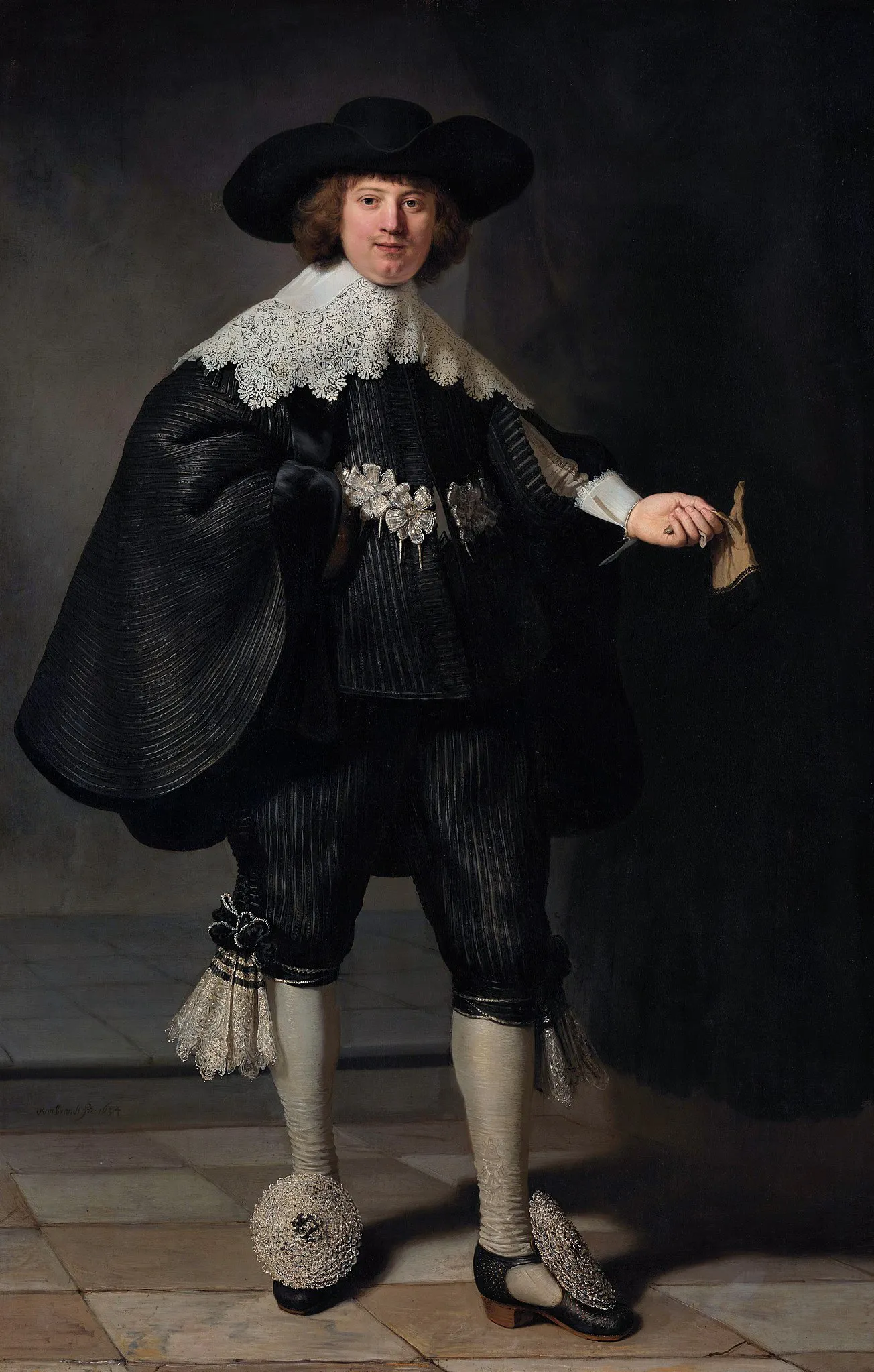
Painted in 1634 during a particularly prolific period, the two works represent an absolute rarity in Rembrandt's ouevre, as they are his only known full-length portraits. It is likely that the models wanted to assert their social status with this format. This hypothesis is also confirmed by the presence of a marble floor, something very rare in the Netherlands, but also in Rembrandt's work, since it is the only marble floor found in his paintings.
Would you like to receive other articles like this directly in your inbox? Subscribe to our newsletter!
The composition of the two portraits seems to announce their marriage and fidelity: Marten Soolmans hands a glove to his wife who seems to be walking towards him. In the background, an imposing curtain unites the two canvases. Likewise, the knots on the belts of the two subjects form a link that unites the spouses. Rembrandt demonstrates his talent in the representation of textures: Marten's rigid garment, with its satin cuffs, contrasts with the fluidity and lightness of the fabrics used for Oopjen's dress.
Related: The Power of Prints: Discover Rembrandt's Etchings
After 2029, the paintings will travel between Amsterdam and Paris for exhibition periods of eight years.
Find all the latest news from the art world on Barnebys Magazine