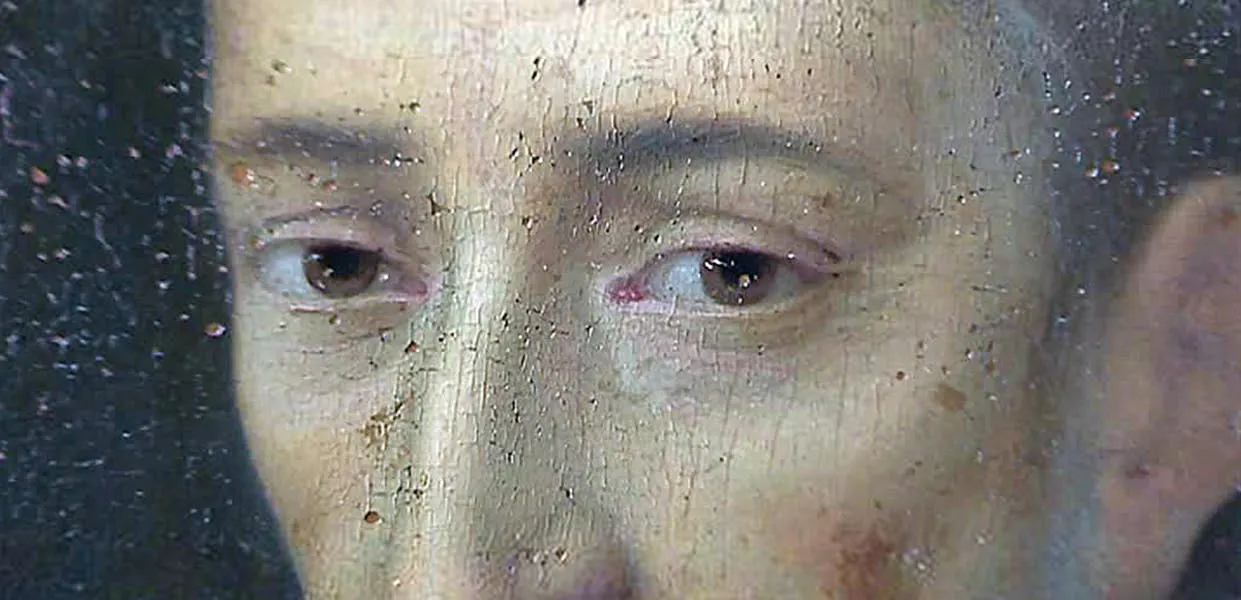
Found in the spring in the reserves of the Château de Valençay in Indre, France, the painting presented in the archives as a portrait of Niccolò Machiavelli has been attributed to Leonardo da Vinci, but needs to be examined more thoroughly by an expert before a definite consensus can be reached.
The painting is mentioned several times in the archives of the Château de Valençay, giving clues as to its provenance. There was a work formerly owned by the Prince of Talleyrand, and mentioned in a note from his steward in 1874, which reads: "I have the concierge pack and put to the railroad a box containing a painting (Machiavelli by Leonardo da Vinci)." The painting on wood painting measures 55 x 42 cm and depicts a bearded, balding man clad in black whose identity is unknown. The work is unsigned, but it fits the description of the Leonardo piece owned by the Prince of Talleyrand.
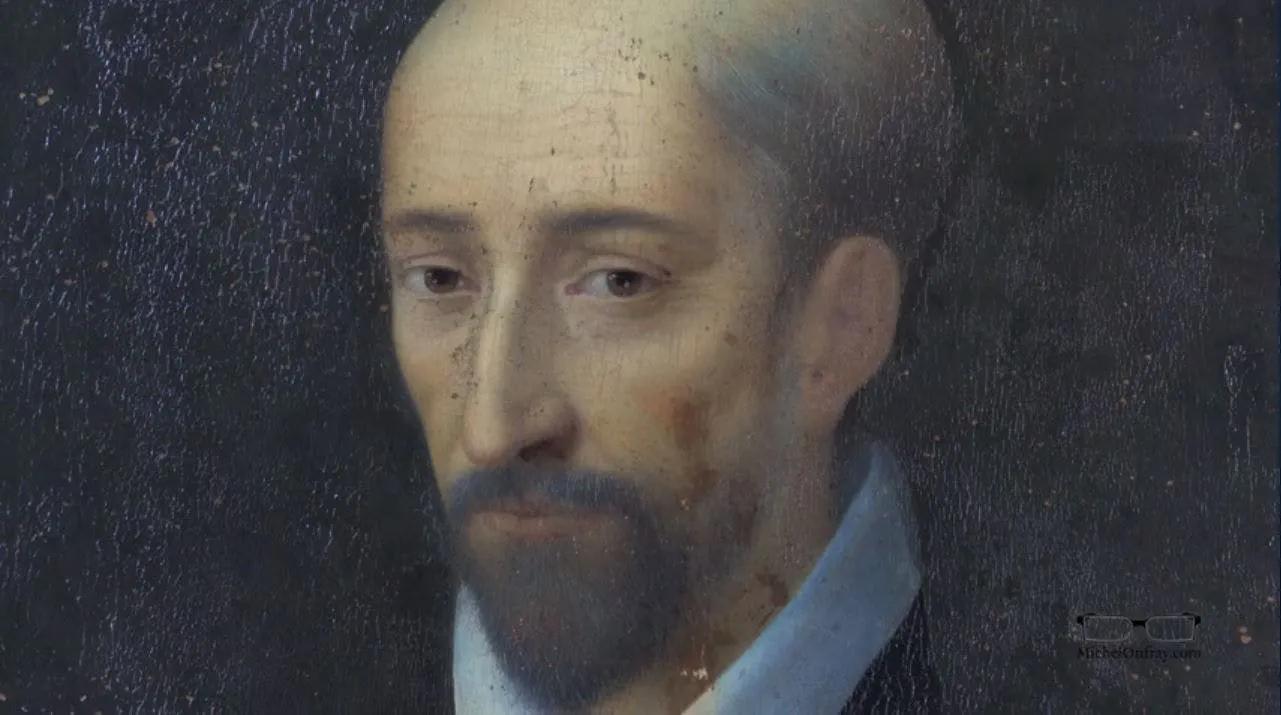
If the work is determined to really be that of da Vinci, Anne Gérardot, director of the archives office in Indre, cautions that "it is not because the archives say that it is true."
For Sylvie Giroux, the director of the Château de Valençay, the work being by da Vinci is "not impossible."
"We are in Talleyrand's house, who was a very wealthy art collector and had wonderful collections," she recalls. The work has already been restored and should be appraised soon.
See also: The Top 10 Rediscovered Masterpieces
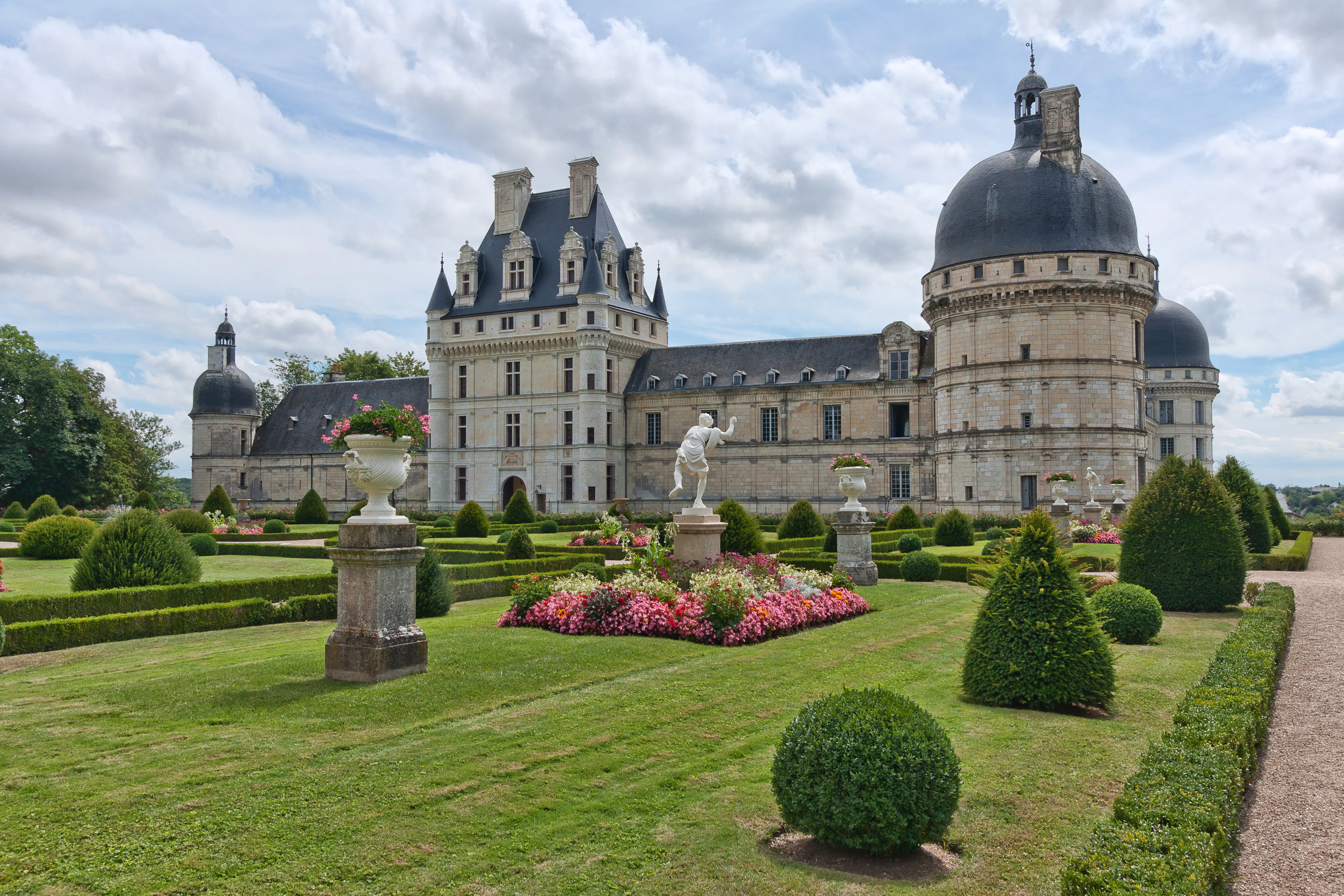
As Gérardot pointed out in an article in Cahiers de Valençay published in May, the portrait could prove that a physical encounter between Da Vinci and Machiavelli took place. However, according to the archivist, the characteristics of the man depicted here are much more similar to those of Michel de Montaigne, a French Renaissance philosopher, than Machiavelli. In addition, "the wooden panel on which the work depicted seems too regular to go back to the sixteenth or early seventeenth century."
Gérardot nevertheless says that the restoration undergone in Berlin in the 1890s could very well have ‘distorted his perception’ and altered the original aspect of the painting. This attribution to the Renaissance master could easily be, "the result of the gradual transformation of an assumption into an affirmation," she concludes.
See also: The Top 10 Stolen Paintings
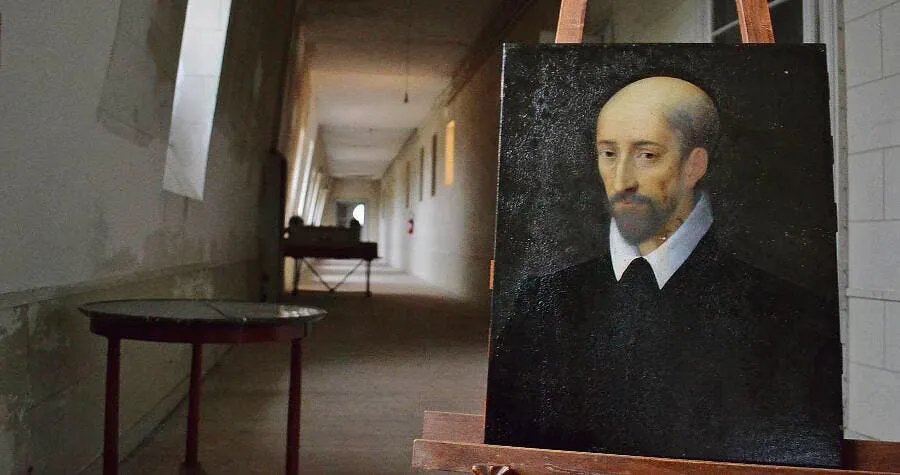
This discovery, coming right at the opening of the major retrospective organized by the Louvre on the occasion of the 500th anniversary of Leonardo’s death, has left some dubious. As reported by Le Figaro, Jacques Franck, an art historian who specializes in the technique of Leonardo da Vinci, is critical.
"[The painting is] a work rather mediocre, to say the least, unrelated to the style recognizable as Leonardo, at once powerful, mysterious and infinitely subtle," says Franck.
While waiting for further expertise, the mystery remains.