Vienna’s Palais Dorotheum will host its next Classic Week on 22nd and 23rd October, featuring important works by Old Masters and 19th-century artists. Art lovers and collectors have much to look forward to at the prestigious auction house.
The first auction day will feature the Old Masters at 6 pm. On the second day, 'Furniture, Antiques, Glass & Porcelain' will be auctioned at 1 pm, followed by '19th-century Artists' at 6 pm.

Leading the Old Masters catalogue is a pair of paintings by the renowned Perugino, likely created during or shortly after his time in Venice in the 1490s, where he was working on commissions. Perugino was in high demand, running workshops in both Florence and Urbino, and was among the first Italian artists to practice and teach oil painting. His most famous student was Raphael, whose early works clearly reflect his teacher's influence. The featured paintings, depicting Mary and Christ crowned with thorns against a dark backdrop, originally formed a portable diptych, as indicated by hinge remnants on the reverse.
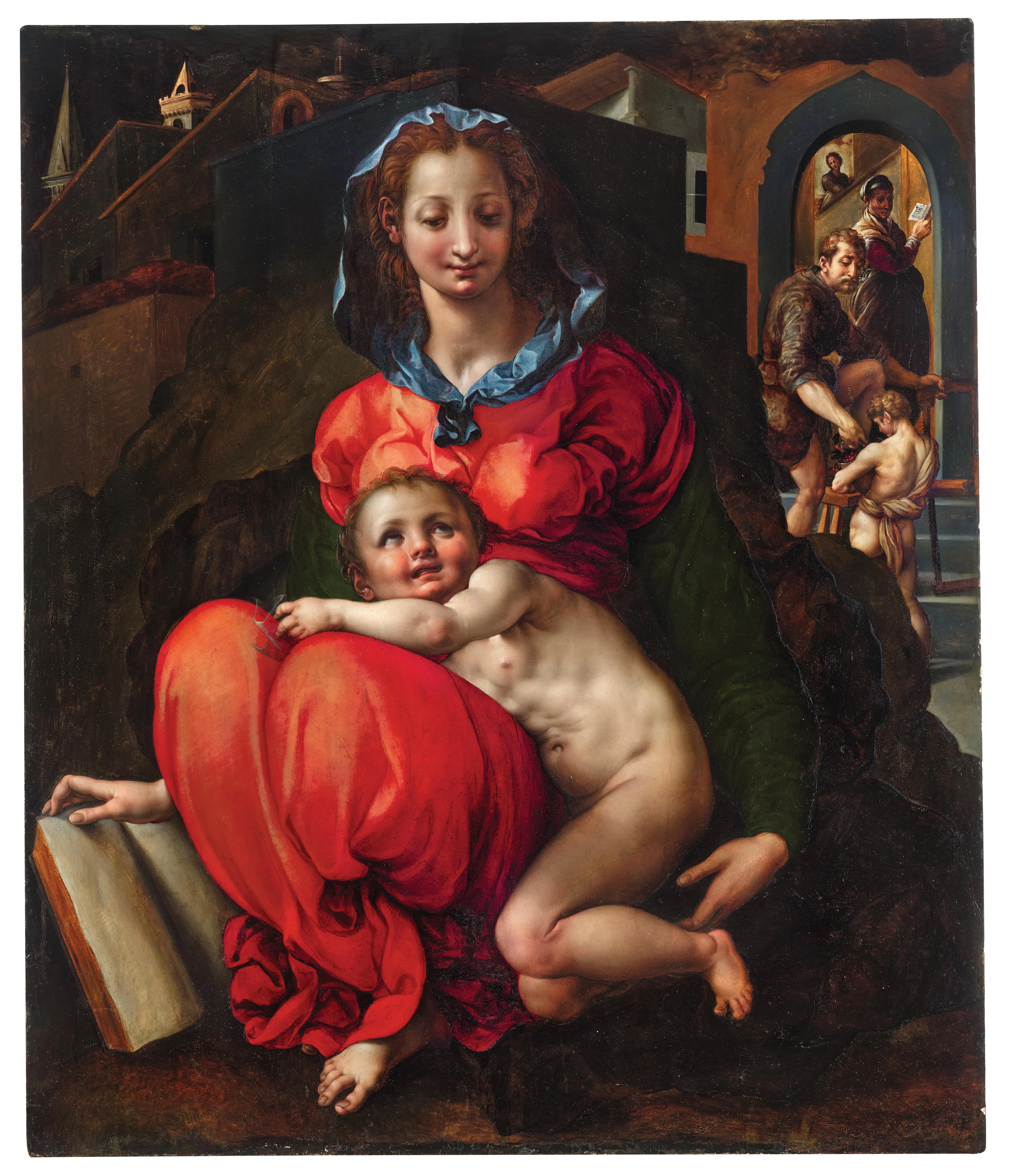
The Florentine painter Jacopo da Pontormo was a key figure of Mannerism, and his altarpiece The Deposition from the Cross for the Church of Santa Felicità in Florence is one of the defining works of this artistic movement. While The Deposition remains on display in the church, another important work by Pontormo, the Madonna del Libro, is believed to be lost in its original form, despite several preserved copies having been previously suggested as the original. The version being presented here was likely painted by an artist from Pontormo's close circle, as the exceptionally high quality suggests a deep familiarity with his technique.
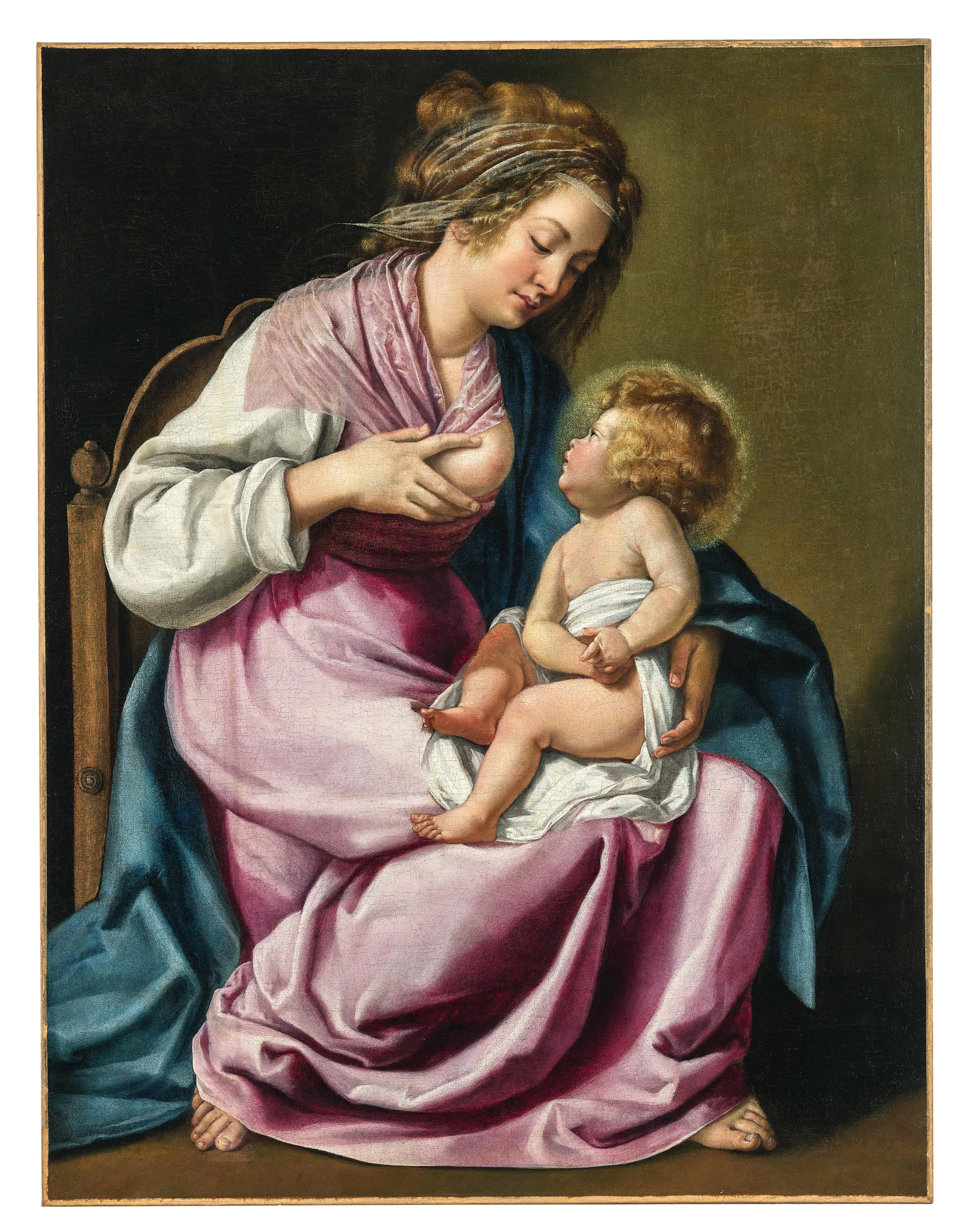
Another captivating depiction of the Madonna and Child can be found in an early work by Artemisia Gentileschi. The Maria lactans motif, showing the Madonna nursing the infant Christ, appears in several versions in her early oeuvre, with examples in the Palazzo Pitti in Florence and the Palazzo Spada in Rome, each differing slightly in detail. Artemisia was around 16 years old when she created this piece, working as both an assistant and student in the workshop of her father, Orazio Gentileschi, in Rome. While her father's painting served as her inspiration, the early death of Artemisia's own mother may have influenced her choice of this tender, maternal theme.
The catalogue of 19th-century paintings features several female artists, including Austrian painters Marie Egner, Olga Wisinger-Florian, and Leontine von Littrow. Joining them is the French classicist Hortense Haudebourt-Lescot, who was trained by the renowned portraitist Élisabeth Vigée-Lebrun, among others.
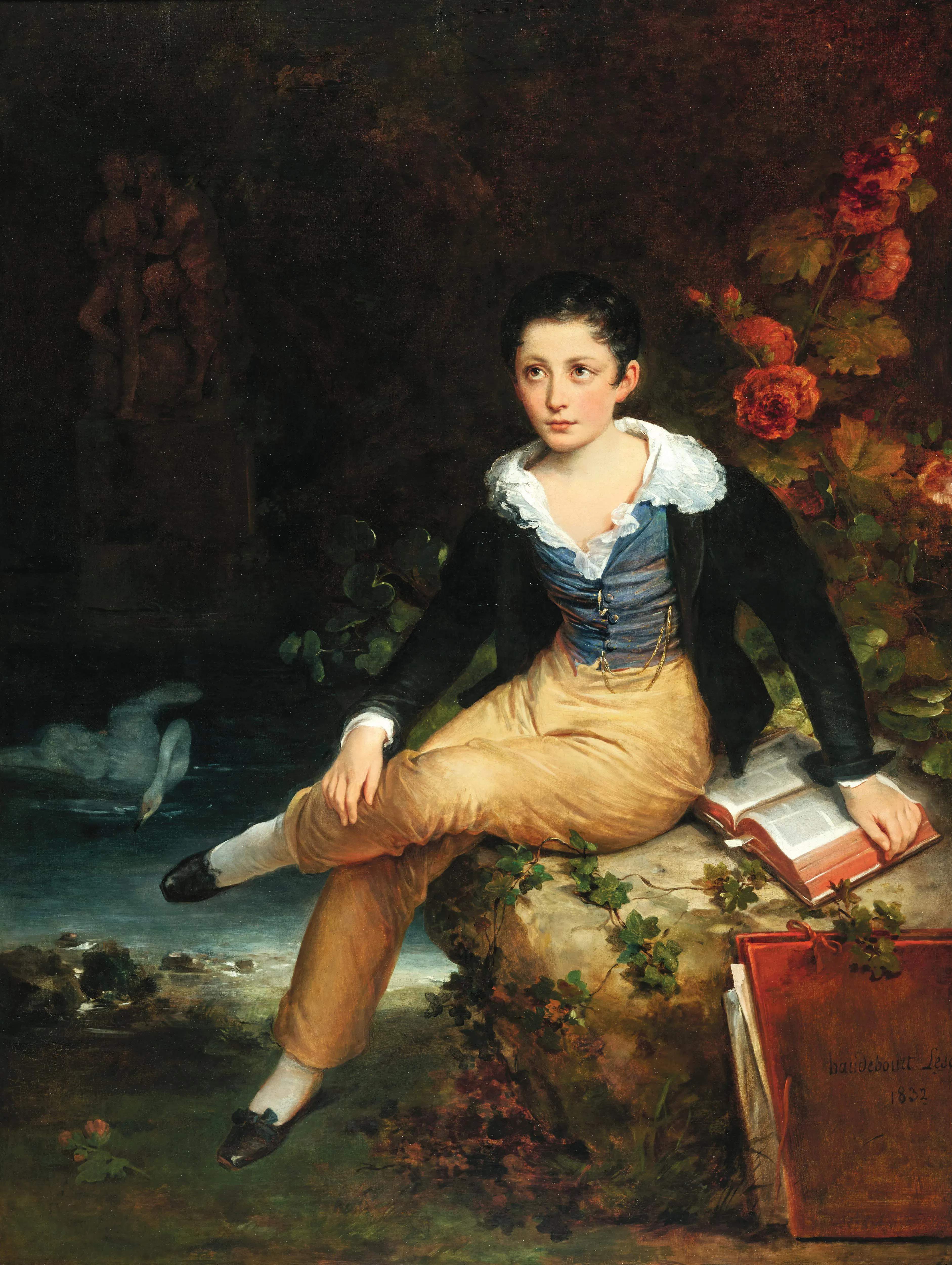
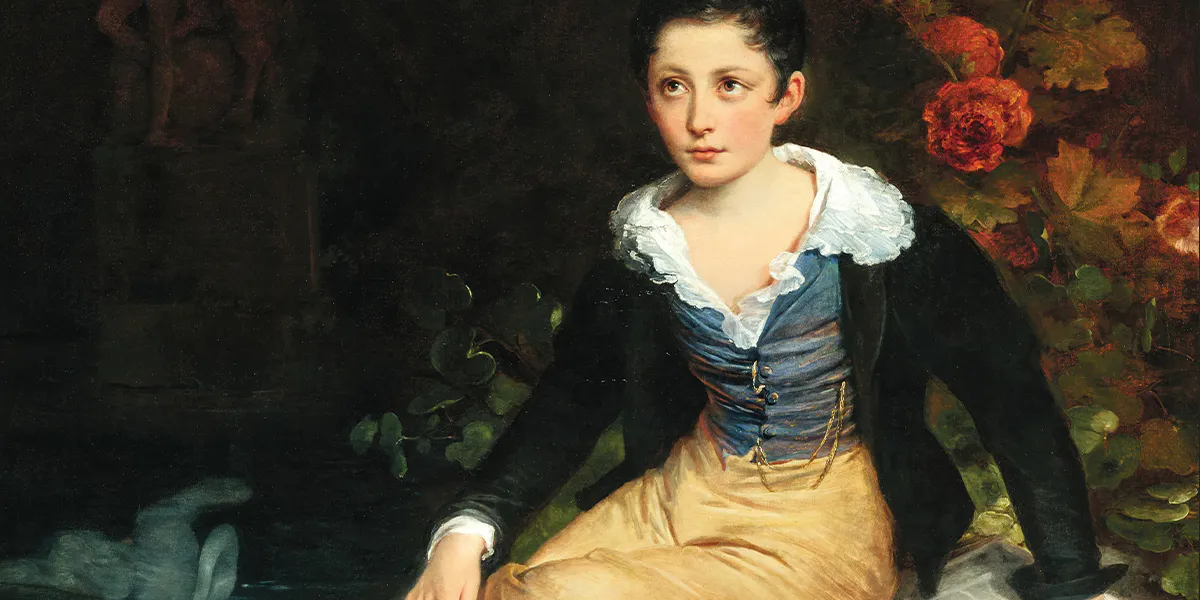
During Dorotheum's Classic Week, Hortense Haudebourt-Lescot is showcased with a deeply personal work: a portrait of her 12-year-old son, Louis Philippe Léon, created in 1832. Haudebourt-Lescot regularly exhibited at the Paris Salon and submitted this portrait the year after it was completed. The sensitive portrayal and the refinement of the composition received acclaim, with Thomas Lawrence's The Red Boy, exhibited in the Salon in 1827, identified as a notable source of inspiration.
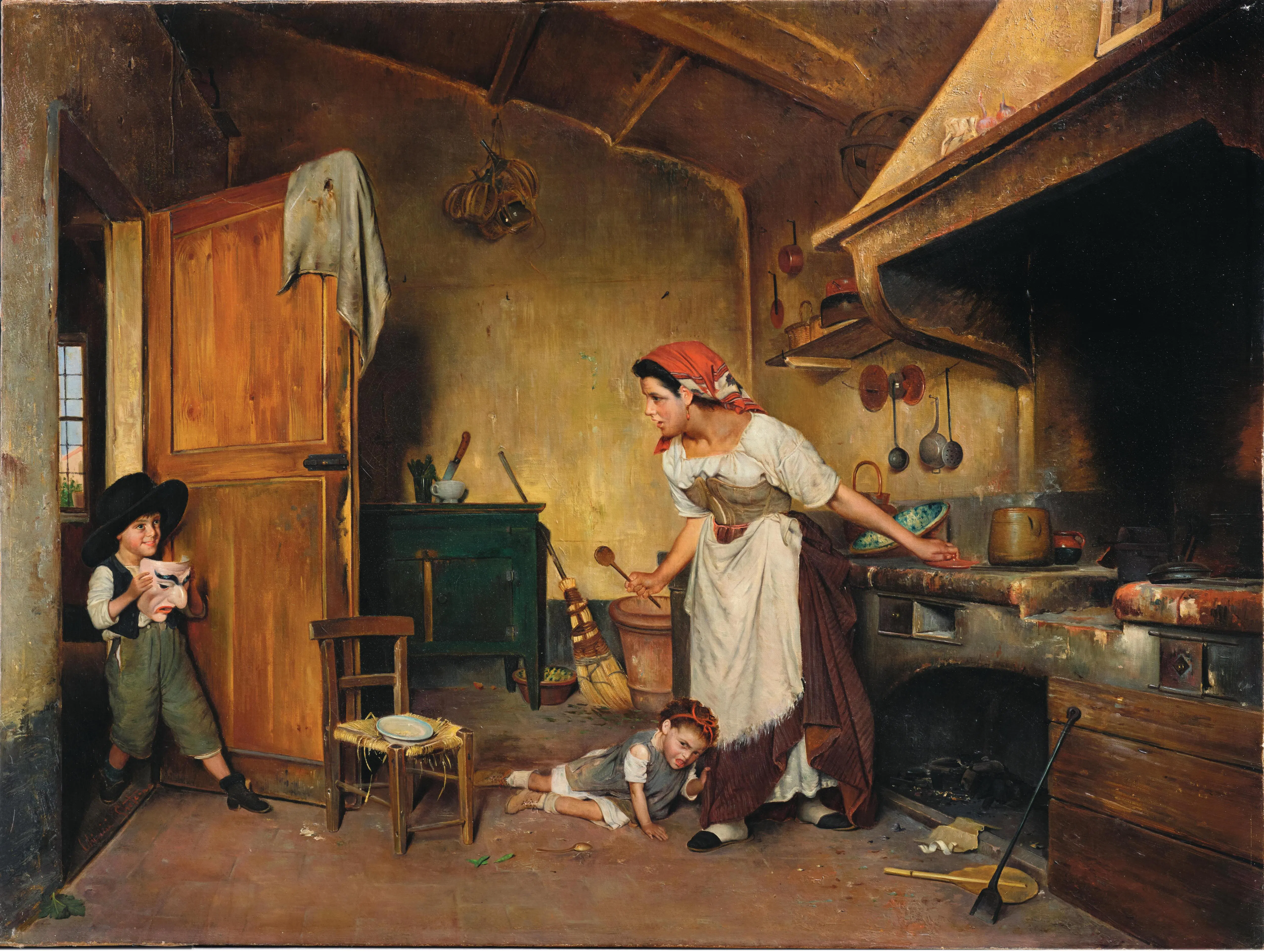
Moving away from romantically idealized portraits, the works of Franz von Defregger and his Italian contemporary, Gaetano Chierici, delve into the lives of the simple rural population. One notable piece by Chierici is titled The Mask, a motif he explored several times throughout his career. Set in a kitchen, the scene depicts a visibly shocked woman and her crying daughter, who have just fallen victim to a prank. The perpetrator, clearly pleased with himself, is seen in the open doorway, holding the mask that contributed to the prank's success. This painting exemplifies Chierici's talent for vividly capturing spontaneous emotions and interactions.
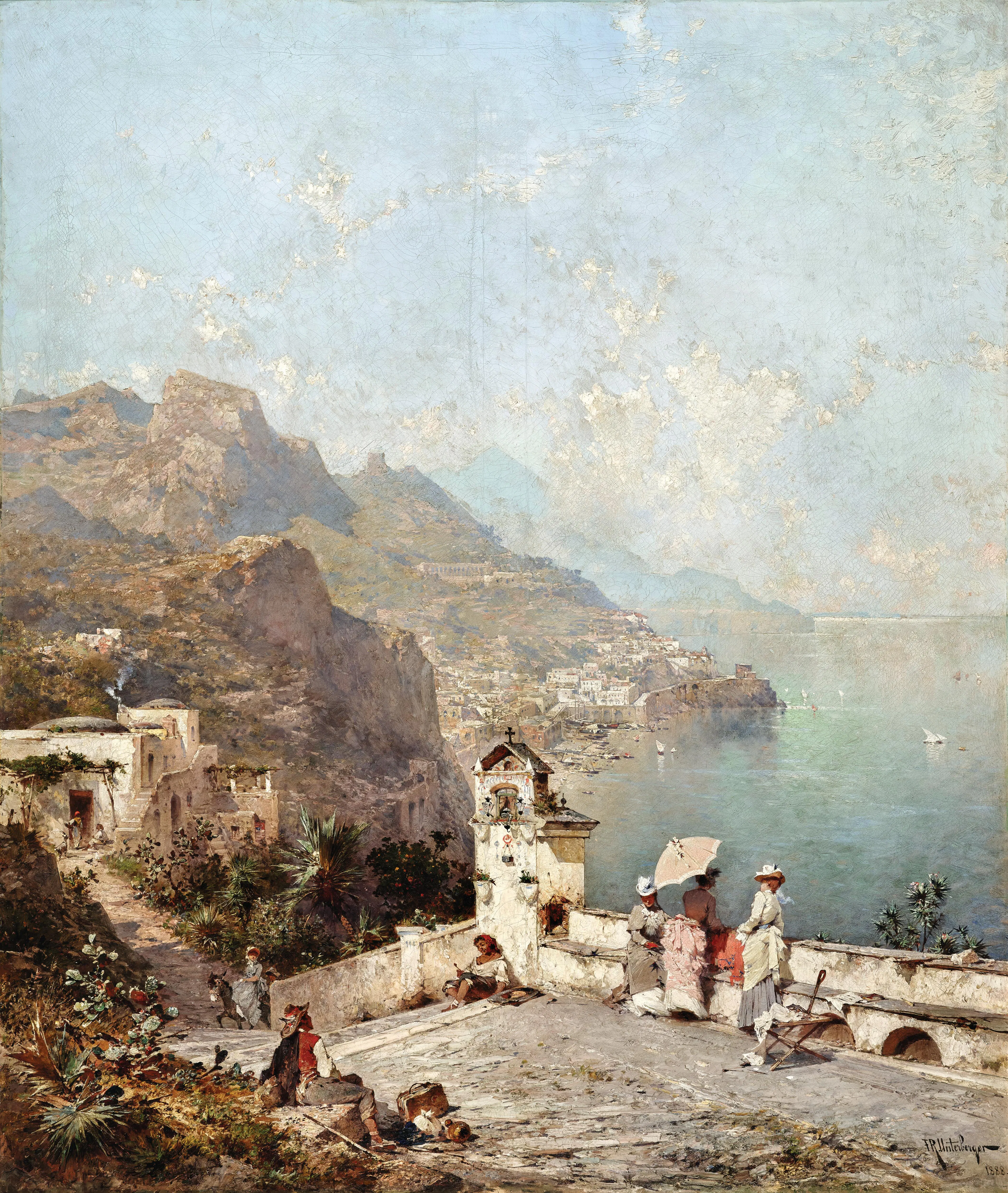
At the beginning of his career, Franz Richard Unterberger, a Tyrolean painter trained in Düsseldorf, travelled and painted in northern Europe, particularly Norway. From the late 1860s onwards, he was repeatedly drawn to sunny Italy, where he captured scenes of Venice, the Adriatic, the Gulf of Naples, and the Amalfi Coast on canvas. The present work, created in 1888, is Unterberger's most renowned painting of Amalfi, which he reproduced several times with slight variations.
The auctions of Classic Week will be held on 22nd and 23rd October at the Palais Dorotheum, located at Dorotheergasse 17 in Vienna. The exhibition will be open to the public starting on 12th October.