
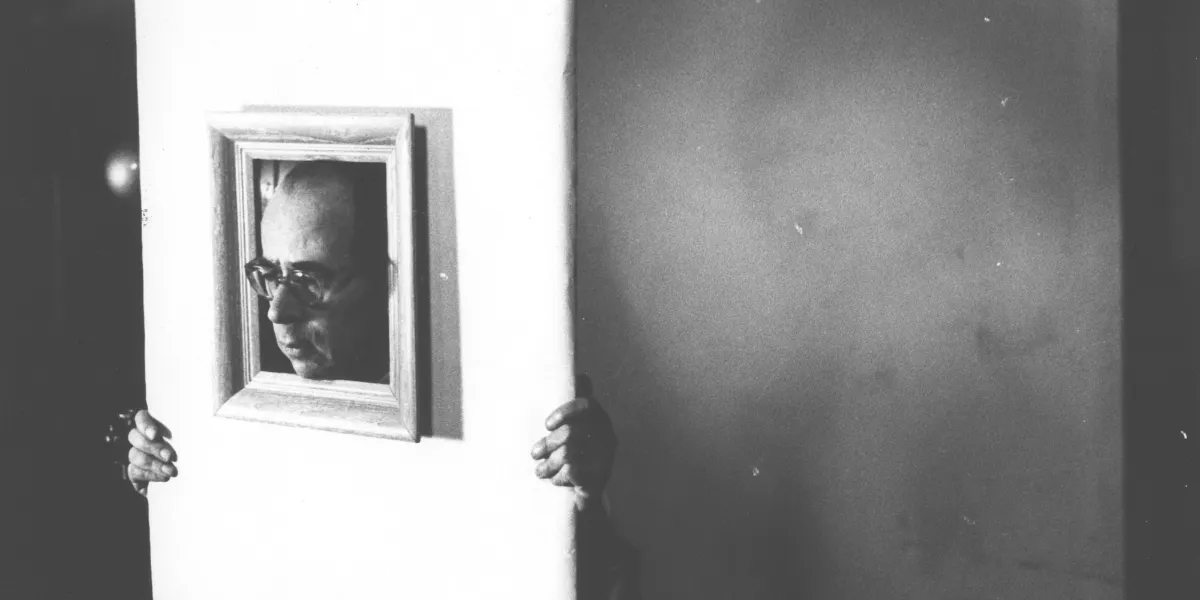
Philippe Halsman was born on May 2, 1906, in Riga (Latvia) into a Jewish family, son of a former teacher and a dentist father. At the age of fifteen, he discovered a passion for photography thanks to his family camera. In 1928, he went hiking in the Austrian Alps with his father, who had an accident and succumbed to head injuries. After his death, Halsman was falsely accused of parricide and sentenced to ten years in prison. However, he only remained behind bars until 1931, not only thanks to his sister Liouba who campaigned for his release, but also thanks to the support of great intellectuals such as Sigmund Freud, Thomas Mann and Albert Einstein who lobbied for him. Philippe Halsman was released on the condition that he left Austria permanently.
Related: Robert Capa: Photographs From the Front
Philippe Halsman then settled in Paris with the support of Minister Paul Painlevé, who helped him obtain his asylum application. He opened his studio as a freelance fashion photographer and did several shoots for Vogue magazine. His first celebrity portrait was captured in 1934, with the writer André Gide in front of the camera lens. Halsman then continued in this direction and immortalized other influential personalities of the Parisian scene, such as Claude Simon, Paul Valéry, André Malraux, Marc Chagall and Le Corbusier. Very quickly, he established himself as one of the best celebrity photographers of the time.
Want more articles like this straight to your inbox? Subscribe to our free newsletter
Associated with the great figures of the time, he adopted the expression “Astonish me”, a famous line once said by the patron and director of the Ballets Russes Sergei Diaghilev to Jean Cocteau. This sentence marked his entire career, first in Paris – a city that he eventually had to leave because of the war – and then in the United States.
In 1936, he developed a 9 x 12 cm dual-lens camera for his portraits. The following year, he married photographer Yvonne Moser, who specialized in children's portraits. In their marriage, they give birth to Irene and Jane and, on the professional side, they collaborated until the end of their lives.
The start of the Second World War prompted him to leave France in 1940. His wife and children went ahead, their journey being facilitated by their French passports. With the help of Einstein and the Emergency Rescue Committee, Halsman joined his relatives a few months later, only bringing his camera, some prints and his Latvian passport.
Related: Julia Margaret Cameron: The Visionary Victorian Photographer
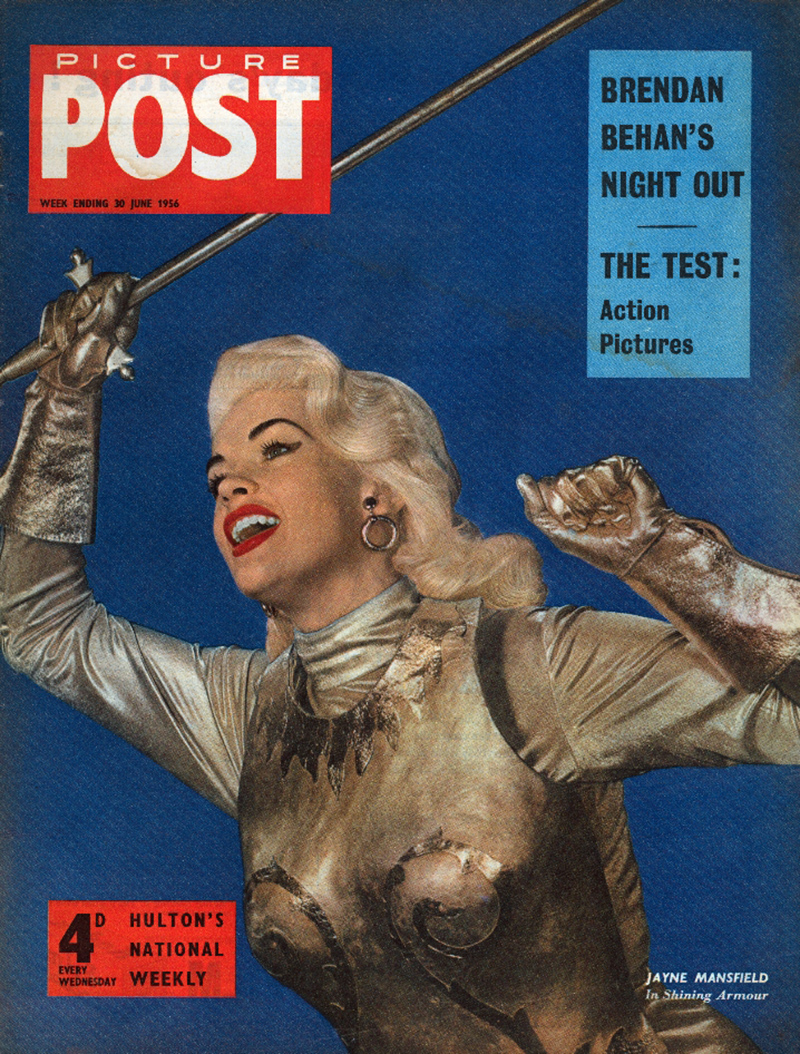
It wasn't long before he fostered a great reputation on the American continent and beyond, frequently delivering covers for the magazines Time, Picture Post and more than a hundred for LIFE magazine (a record for a single photographer).
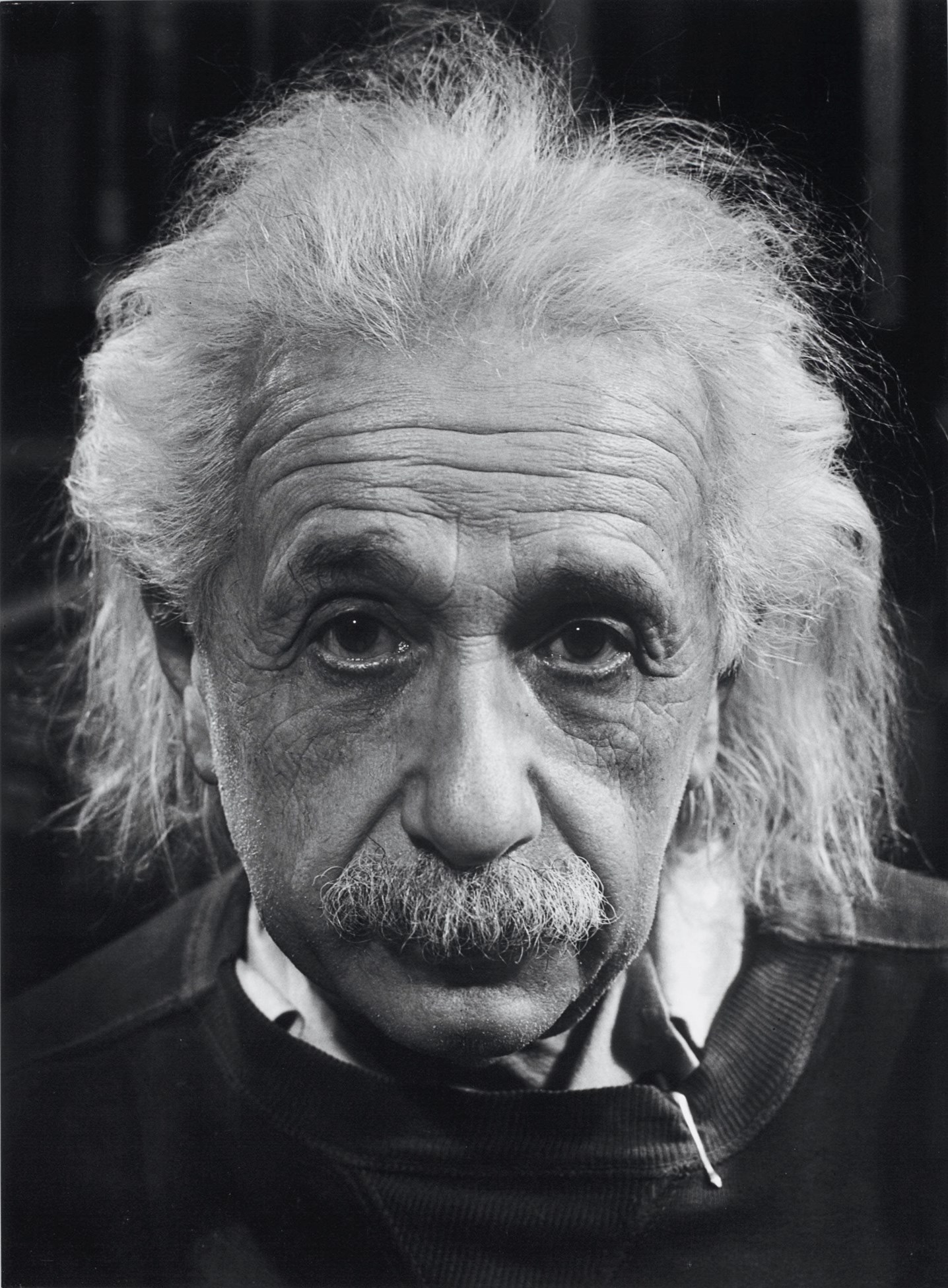
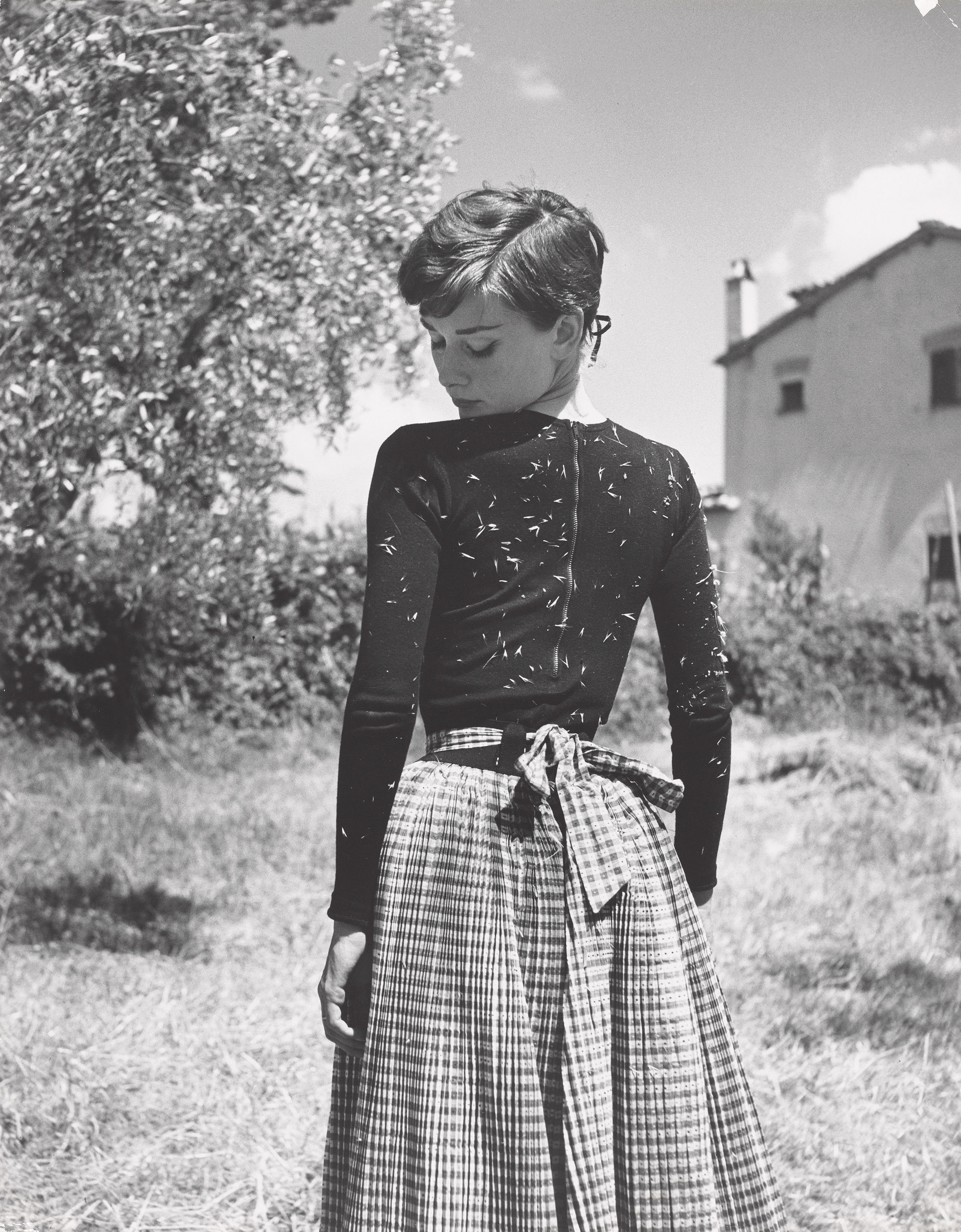
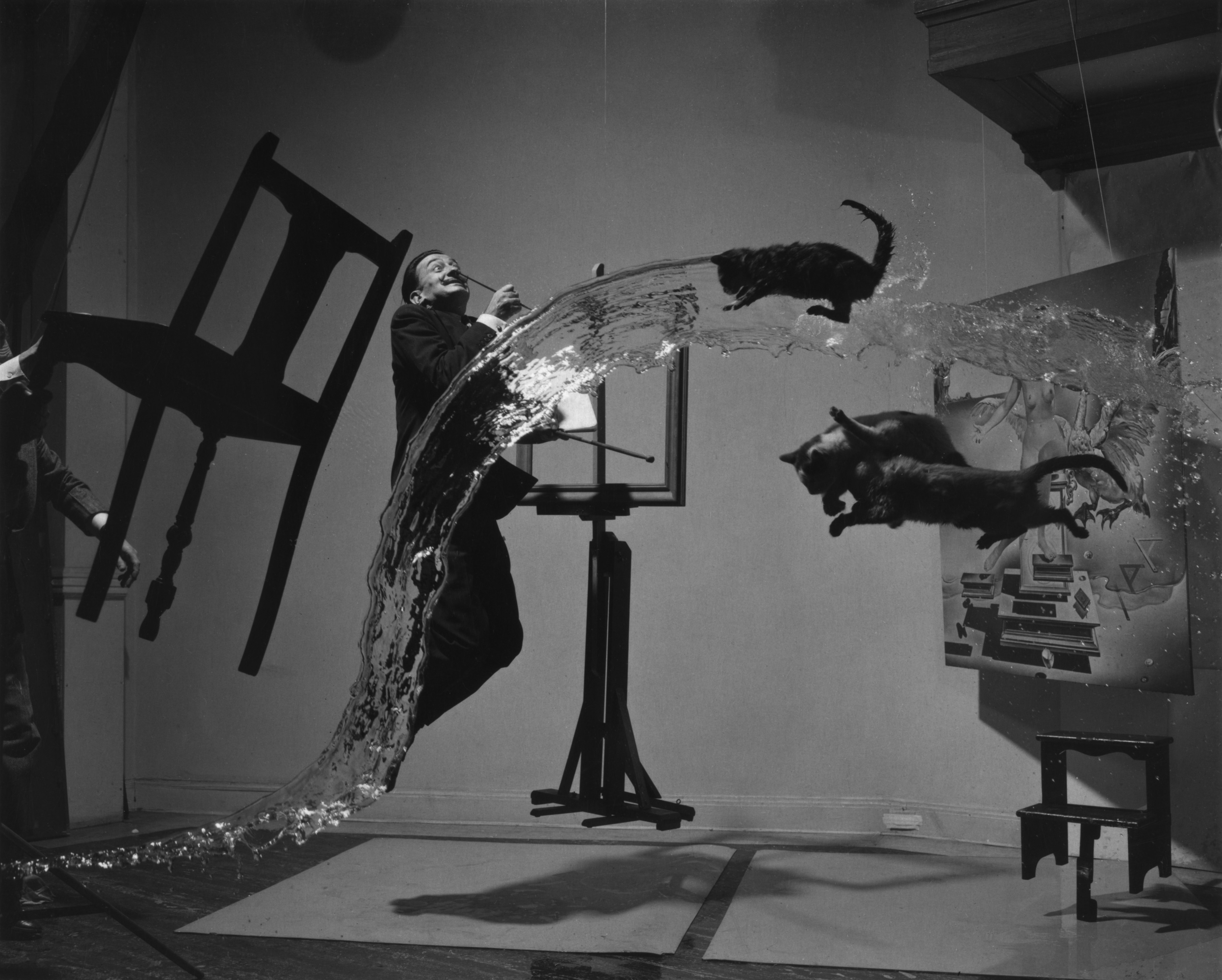
Among his best-known photographs are Richard Nixon, Frank Sinatra, Ava Gardner, Marlon Brando, Marilyn Monroe, Audrey Hepburn, Cary Grant, Alfred Hitchcock and, of course, Albert Einstein. In 1941, his meeting with Salvador Dalí marked the beginning of a 37-year collaboration. Together, they took surrealist shots using various techniques, including the famous Dalí Atomicus which would be published in LIFE in 1948.
Related: Surreal Glamour: The Photography of Angus McBean
For years, Philippe Halsman studied the creative potential that image capture can offer. He designed several cameras to cover all his creative needs.
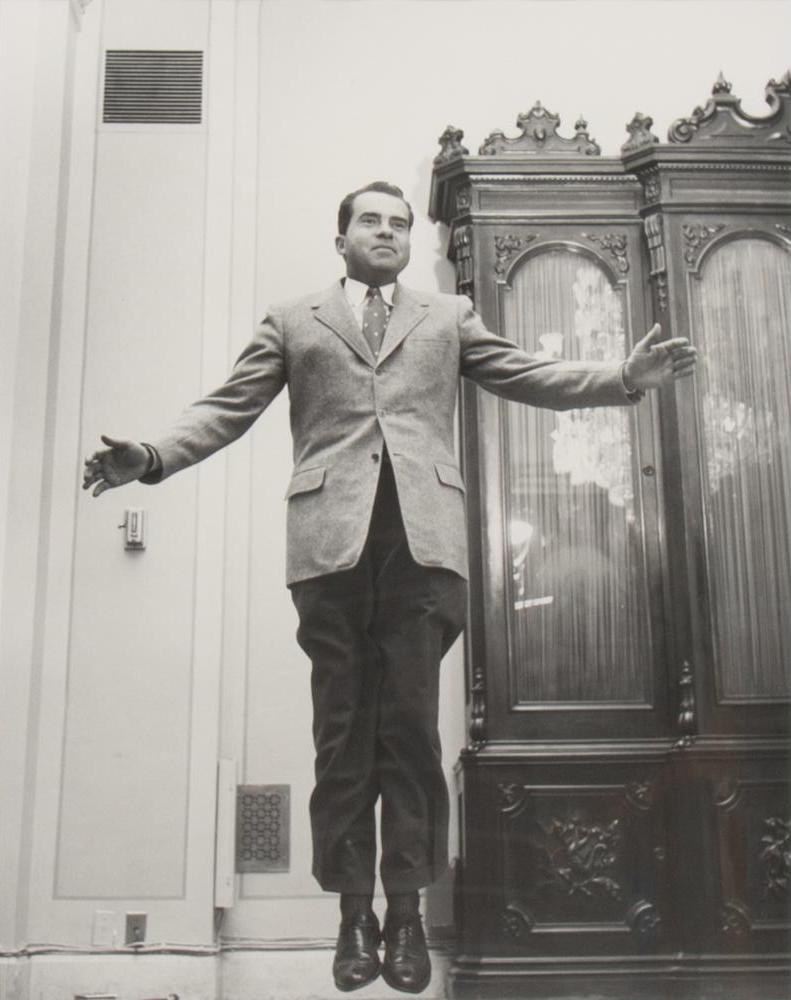
It was Halsman who developed the 'photographic technique' known as Jumpology, a method of immortalizing models in full swing to capture their most natural and naive expression.
Related: Technical Perfection: Candida Höfer
In 1949, Halsman published a complete work on many historical figures that he immortalized in full jump. The models appear, according to him, ‘without a mask’ and with a face that reflects their true personality. This technique of Jumping Style or Jumpology further established his reputation as one of the greatest photographers of the 20th century.
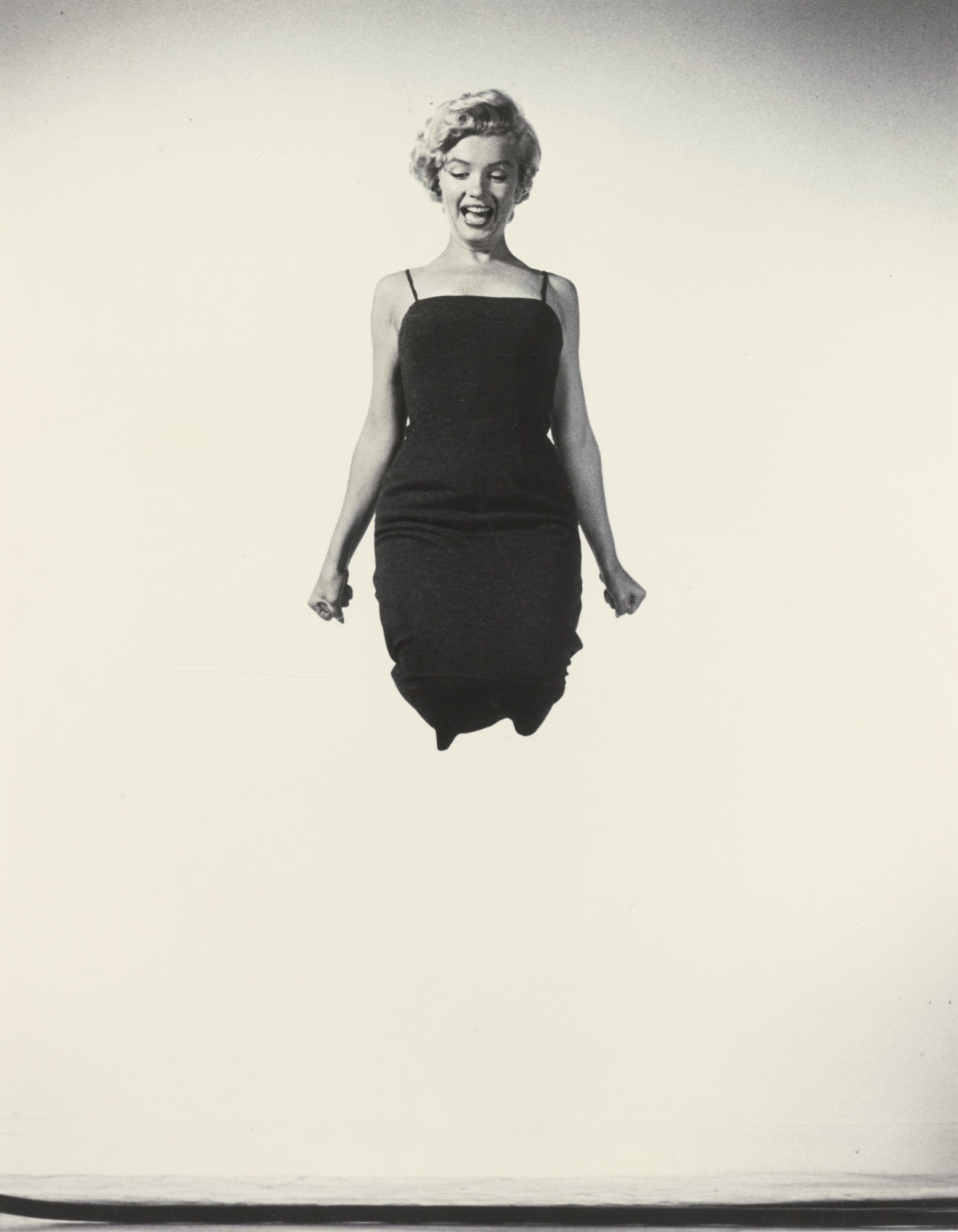
At auction, his photos go for tens of thousands of dollars. It is mainly the portraits of actress Marilyn Monroe, whom Halsman photographed several times, which sell for the highest prices. The artist's record (according to the Barnebys realized price database) goes to a 1959 print Marilyn Monroe Jumping, which sold for $100,000 at Sotheby's in 2013. A snapshot of his good friend Albert Einstein went for $44,650 at Christie's in 2000, while one of Elizabeth Taylor went for $32,500 in 2011.