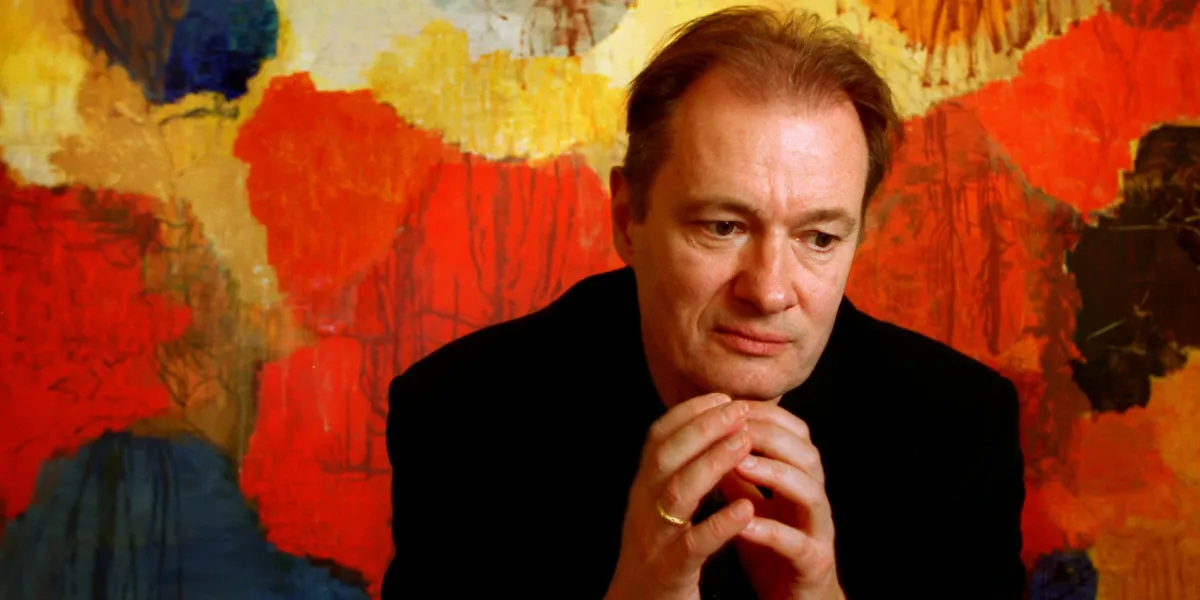
Born in Copenhagen in 1938, Per Kirkeby began painting as a teenager, a passion which he quickly combined with his studies of geology. By the late 1950s, Per Kirkeby was referred to as a landscape painter. Ten years later, in the 1960s, his practice became more experimental and was more influenced by the Pop Art movement, then very widespread in the United States. His oeuvre included numerous works inspired by comic books, as well as creations on Isorel, a type of highly compressed fiberboard. His paintings, produced using diverse and varied techniques, are today considered representative of the "Pop Art of geology."
Related: James Rosenquist: A Pioneer Pop Artist
Kirkeby was not only a painter and geologist, but also a poet, writer, teacher, filmmaker and explorer. The geology of the Arctic region fascinated Kirkeby. He made multiple trips to Greenland in the late 1950s, and while there he sketched rock formations and the glacial landscapes. In 1964, he received a master's degree in Arctic Geology at the University of Copenhagen.
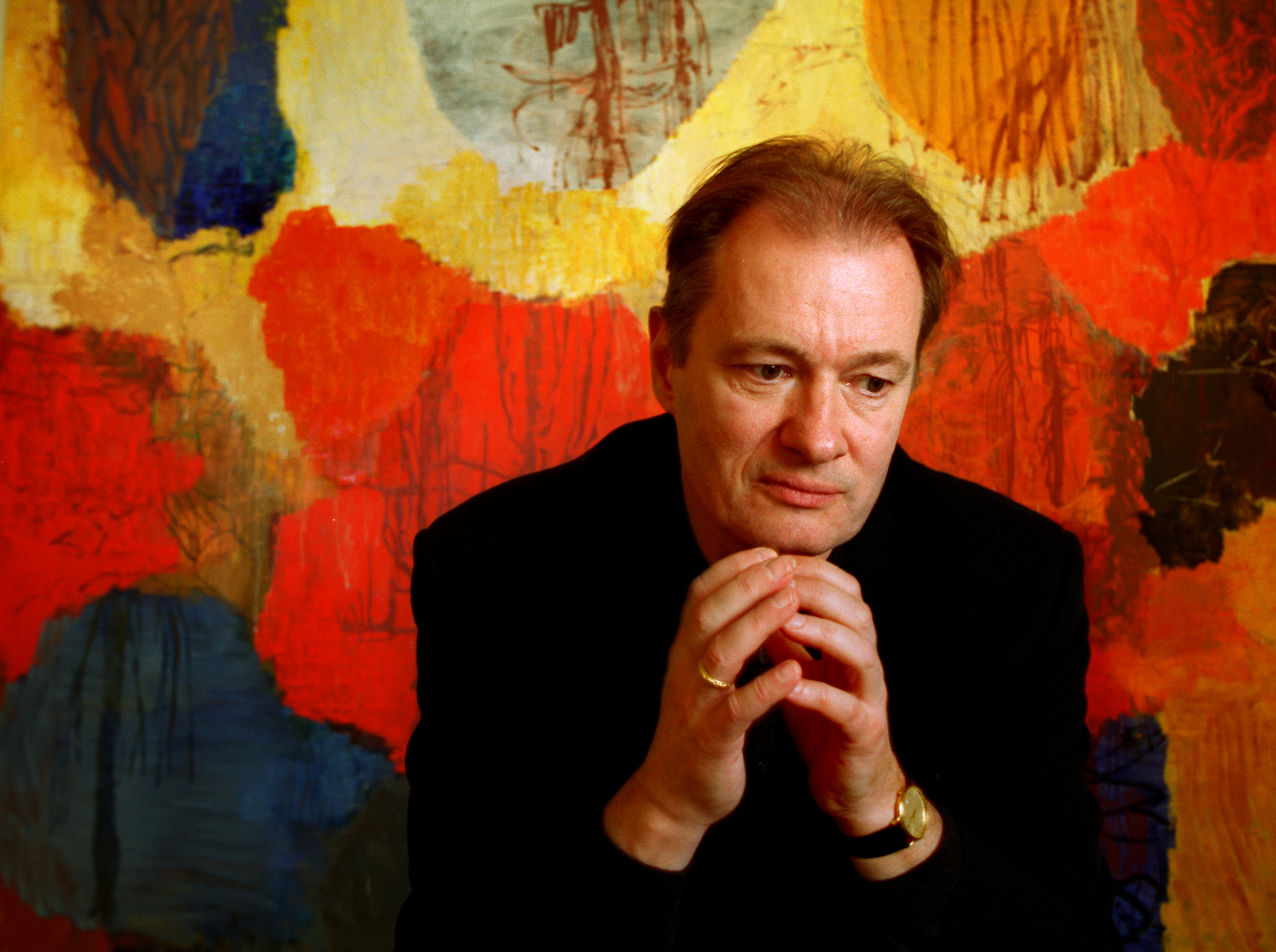
Kirkeby explored geological forms found in nature to incorporate references into his work. With such a mix of influences, his paintings were extremely intense, thanks in particular to the multiple layers of oil paint filled with earthy colors. His process was also very intensive and time-consuming. He once said, "A structure-less painting is, to me, a painting that does not matter. Structure mirrors your degree of responsibility toward the work. You can't just let it float around in pretty colors. It needs a kind of core. But this is an inner structure. It does correspond to being a geologist — the metaphor may be trite, but it works. Like when you see these breathtaking mountains in strange colors in eastern Greenland. As a geologist, you want to know what exactly they're doing."
Related: A Brief Guide to Danish Design
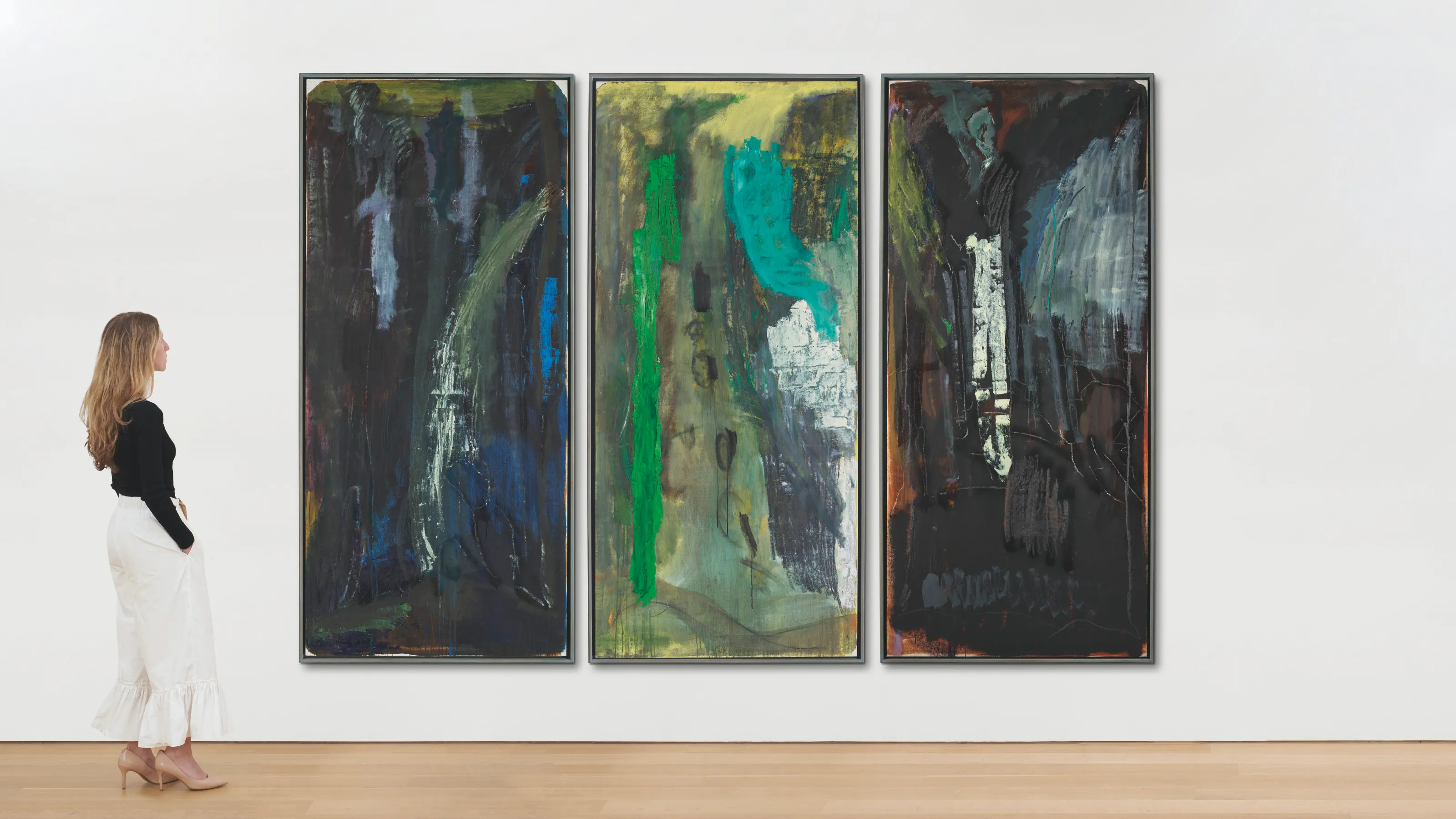
Accused by some of being a "provincial" Pop artist, or not using "sophisticated" or "correct" Pop Art methods, Kirkeby nevertheless used his art to capture his own personal experiences. His artistic motivations couldn't have been more honest, and that's part of the reason his work left a strong impression on the art world and continues to inspire today.
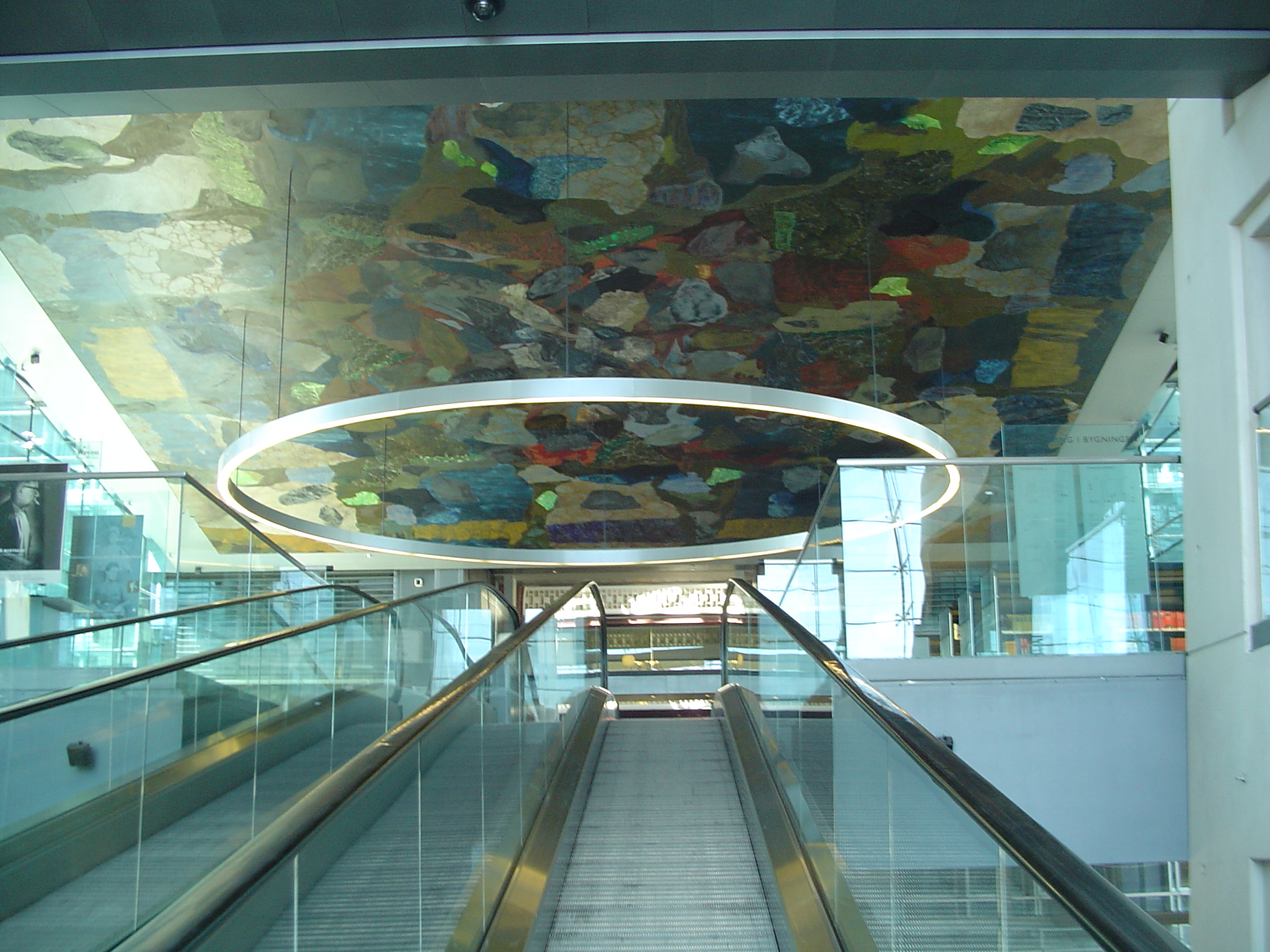
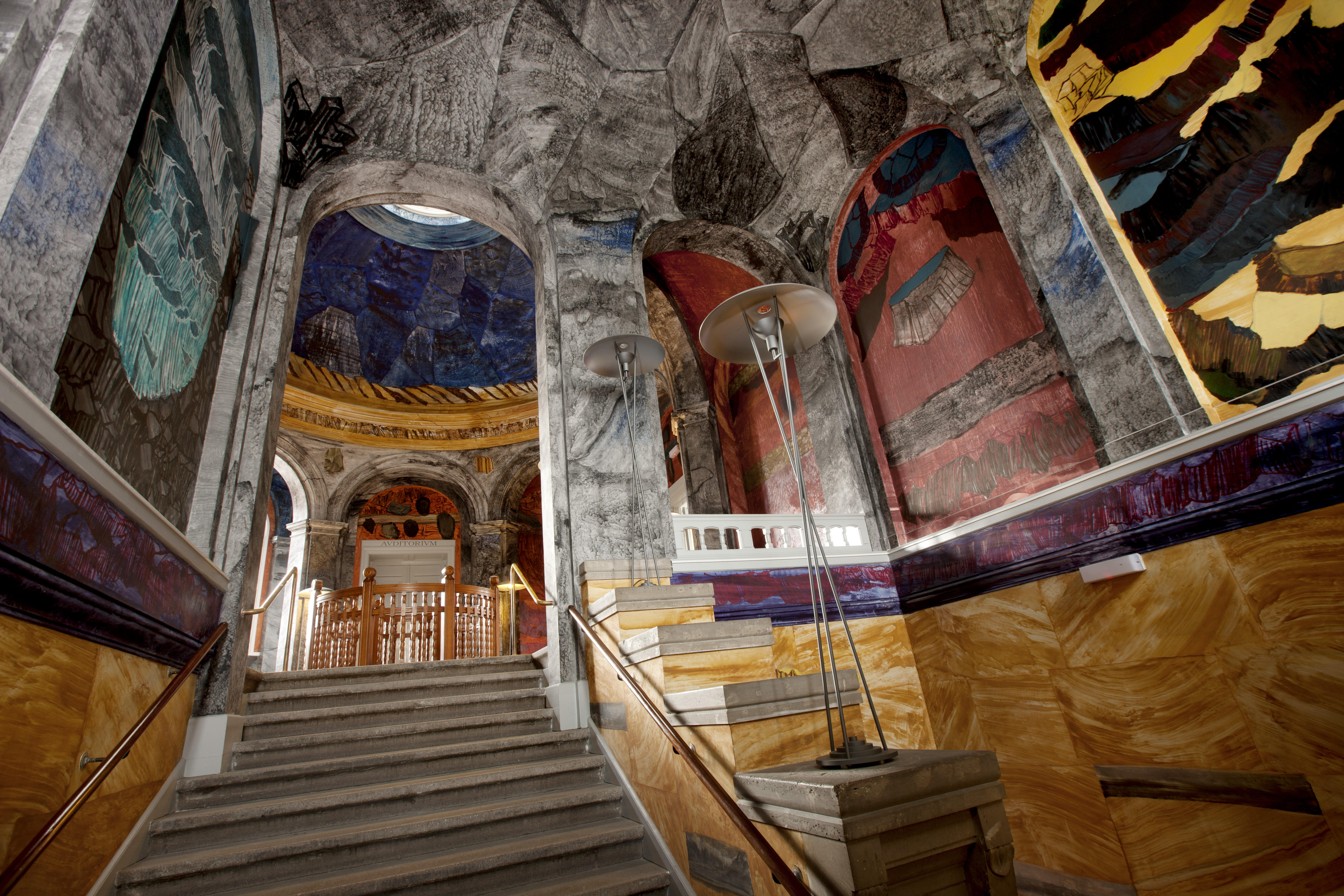
He also took numerous commissions to paint interiors, such as the rotunda at the Geological Museum of the National History Museum of Denmark and the Black Diamond extension of the Royal Danish Library, both in Copenhagen.
Want more articles like this straight to your inbox? Subscribe to our free newsletter here!
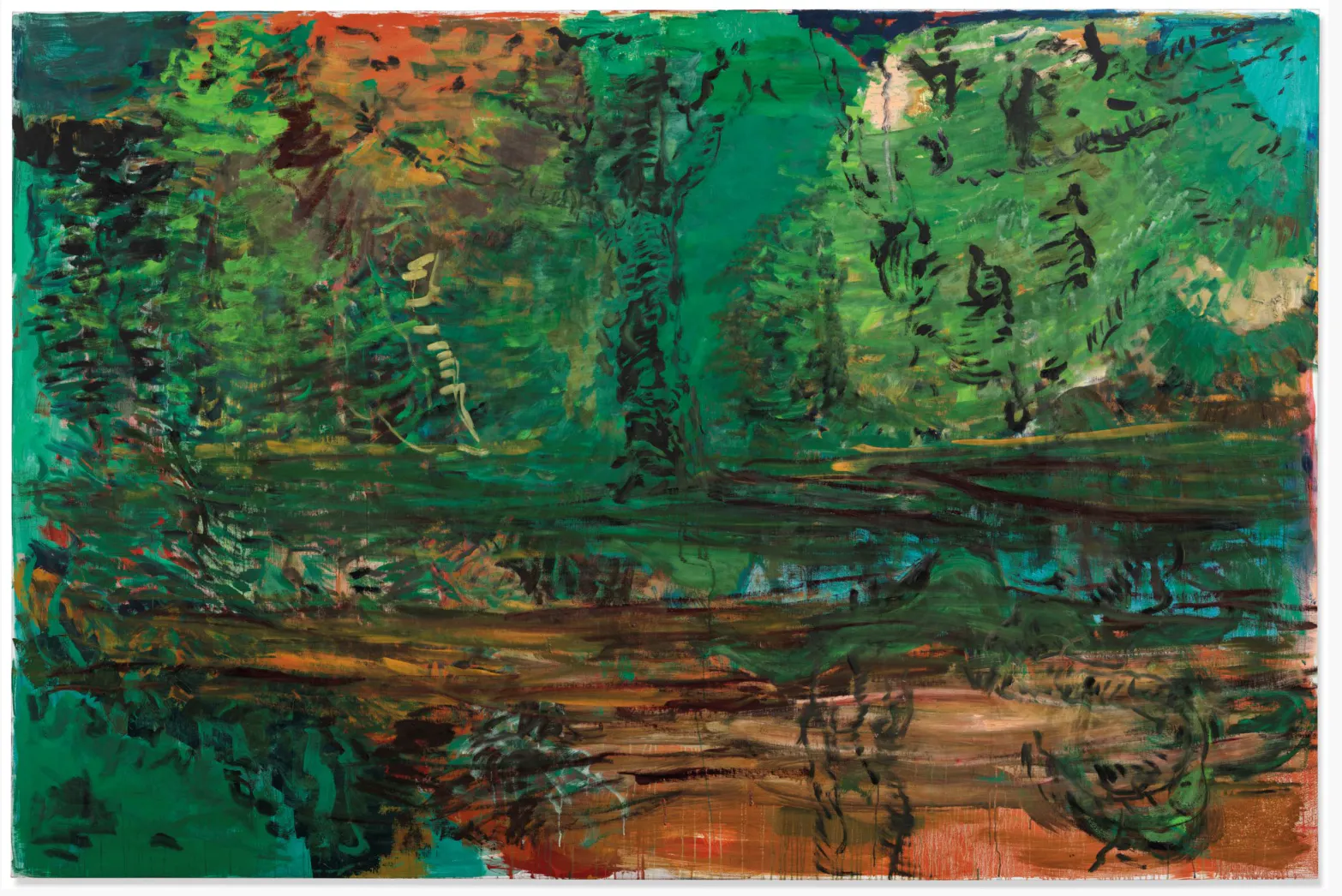
After a fall in 2013, where he sustained a brain injury, Kirkeby stopped painting, and he died on May 9, 2018. Today, his artworks can be found in major art collections, including the MoMA, the Met, the Centre Pompidou and the Tate. His auction record was set in 2019 when Untitled from 2012, one of his last works, sold for £431,250 ($544,669) at Christie's London.