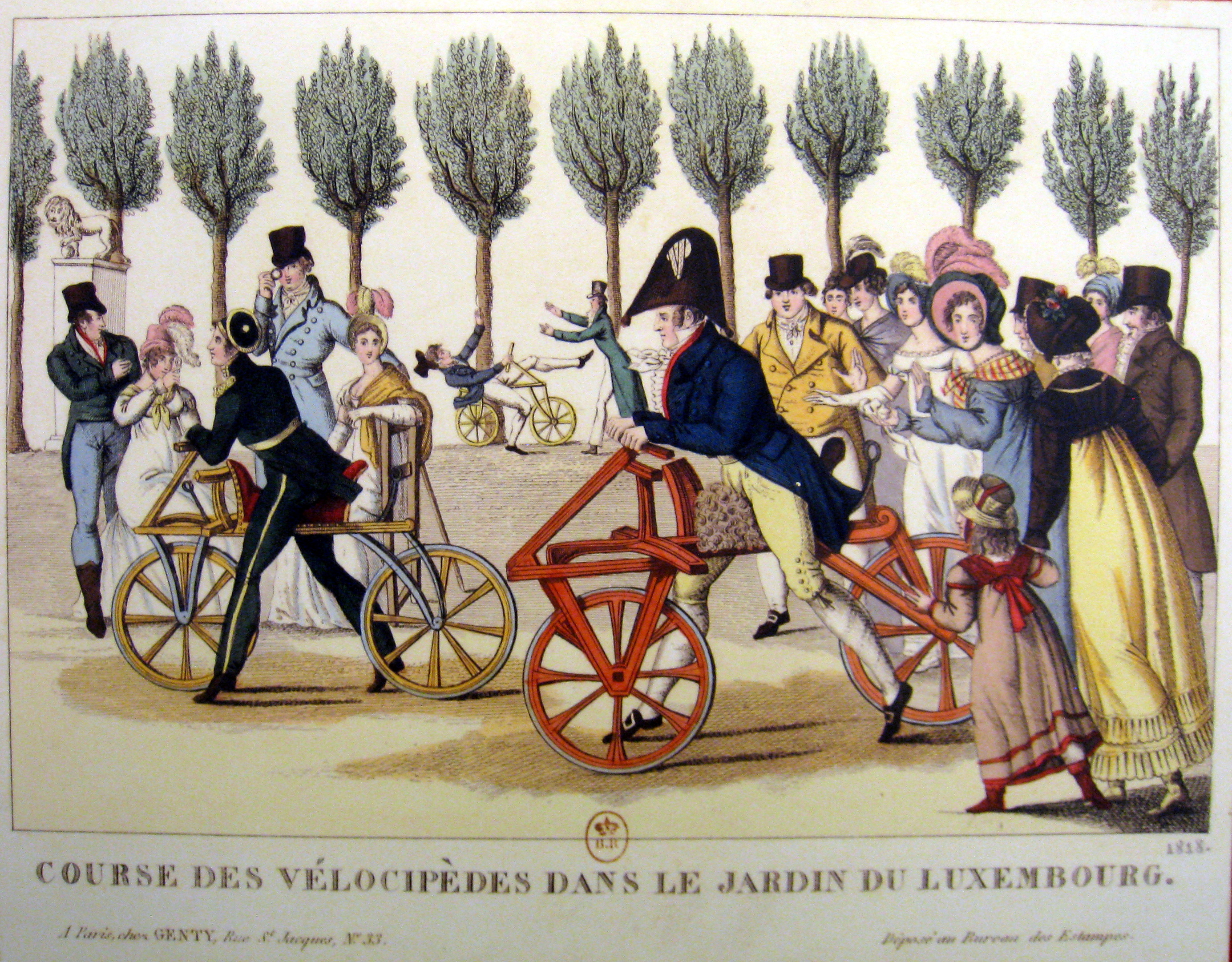
Mannheim, Grand Duchy of Baden, June 12, 1817: in front of an astonished crowd, the forest officer and inventor Karl Freiherr von Drais (1785-1851) takes his first long test drive with his latest creation: the walking machine, soon after designated the 'draisine' by the media of the time.
The 'Laufmaschine', or 'draisine' was the first steerable two-wheeler in the world, for which Drais was said to be inspired by ice skaters and their movement.
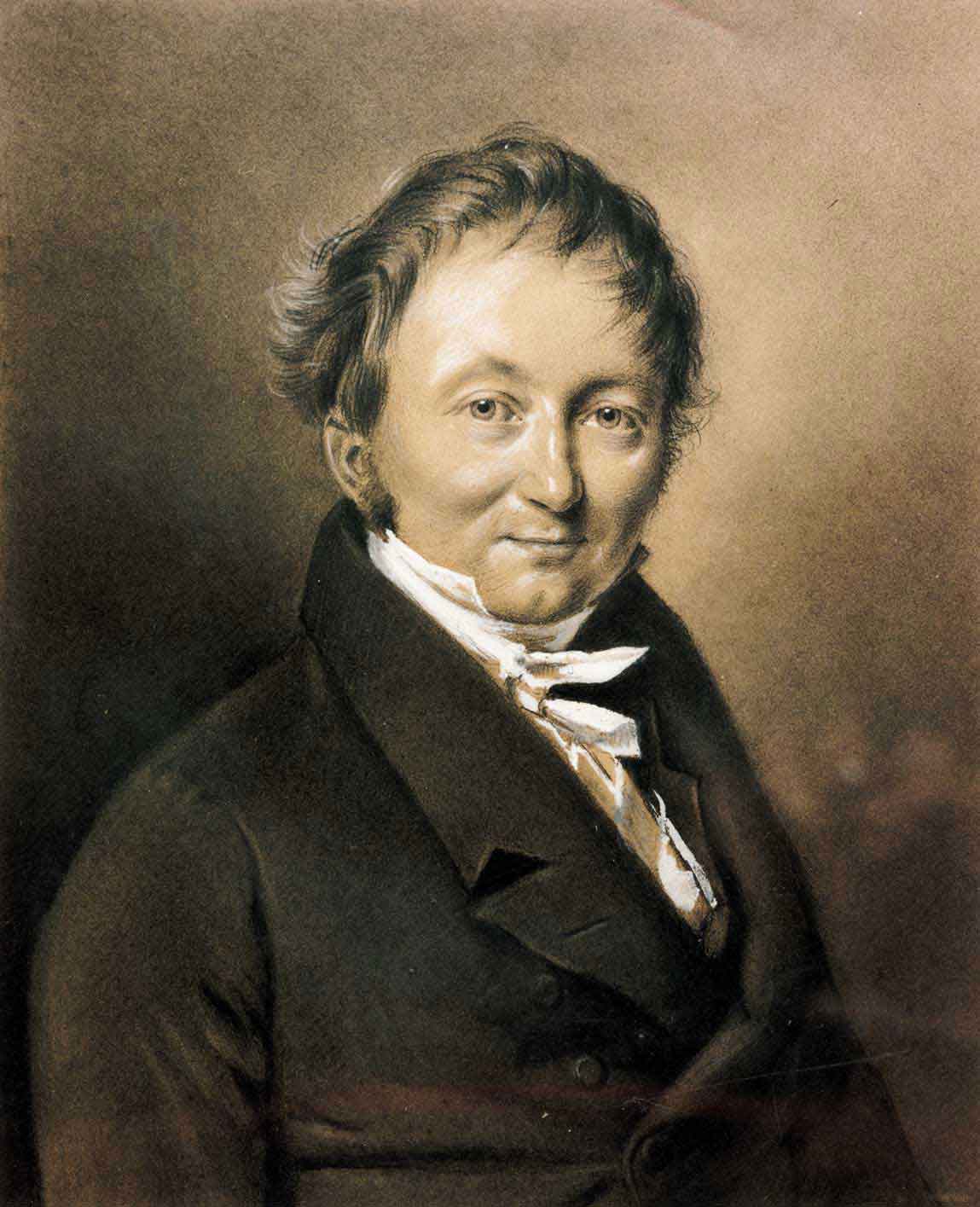
Why did Karl von Drais consider it necessary to invent such a means of transport? The technology historian Hans-Erhard Lessing brought up the theory that the 'year without a summer', in 1816, played a role. The phenomenon was triggered, as was only discovered about a hundred years later, by the eruption of the Tambora volcano on the Indonesian island of Sumbawa, which hurled an enormous amount of dust and ash particles into the atmosphere. The cloud covered the entire globe and effectively shut out the sun. The result was extremely cold periods, even in summer, which resulted in crop failures. In many places, people and animals died of starvation – including horses, of course. Drais is said to have invented the running machine as a kind of substitute for riding animals.
Related: What Lies Beneath the Red Sky of Munch’s ‘The Scream’?

Drais' machine was successful: he completed the designated 14 km route in less than an hour, at an average speed of 15 km/h – twice as fast as pedestrians. The running machine, made entirely of wood, had wheels fitted with sheet iron and weighed almost 25 kg.
The two-wheeler became a success, especially in south-west Germany, in France (where it was called the vélocipède, for 'nimble foot'), and in England (known as the hobby-horse). And it even had fans at the highest level: for example, the Austrian Archduke Johann was said to have had a particularly magnificent example made, which had a steering lever and fork made of gilded iron, and was shaped like a sea serpent.
But nothing new happened in the following decades – at least not officially. Because although there were various prototypes with a pedal crank driven by the feet, these attempts were hardly made public and went unnoticed.
This only changed in 1861, when father and son carriage builders Pierre and Ernest Michaux installed a bottom bracket in the front wheel of a handcar that had been sent to them for repairs. The next important step to today's bicycle was done by getting feet off the ground.
Want more articles like this delivered straight to your inbox? Subscribe to our free newsletter!
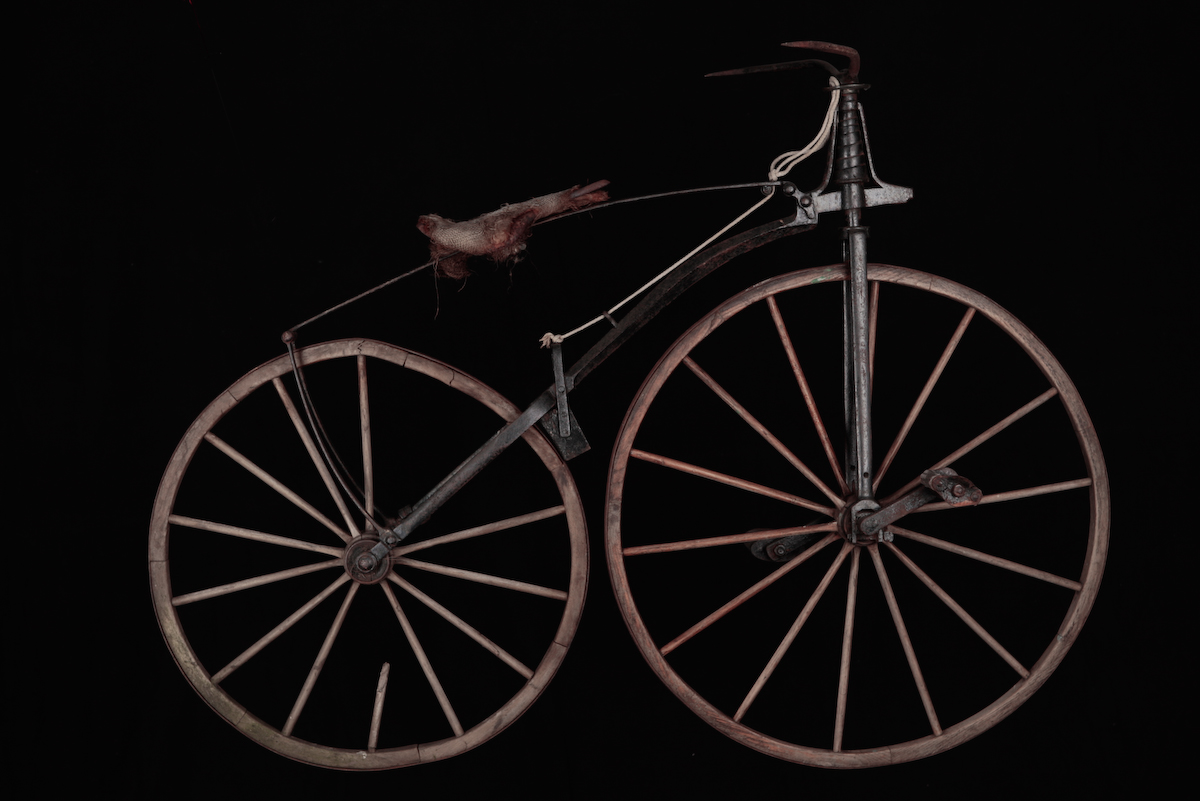
The first vehicle, called the 'Michaline', was not built until 1863 by father and son Michaux. They were supported by their employee Pierre Lallement, who went to America two years later and registered his own version of the Michauline for a patent there. The Michauline was presented to a wide audience at the 1867 World Exhibition in Paris, which enabled Pierre Michaux to find investors and set up a workshop in which his invention could be mass-produced. There were also factories dedicated to the production of Michauline in England, Germany, and the USA.
The michauline initially had iron-clad wooden wheels and a wooden frame. In 1867, they switched to a wrought iron frame. A leaf spring suspension for the saddle was supposed to provide some comfort, but this was only of limited use, as proved by the English nickname 'boneshaker'.
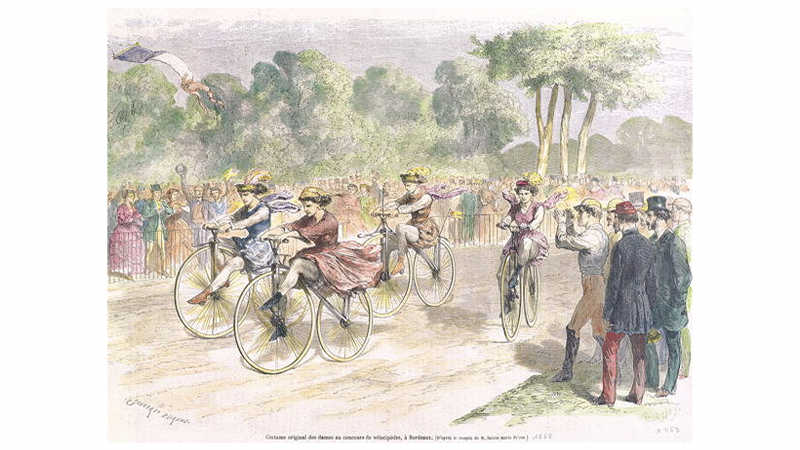
The Michauline era also saw the birth of road cycling, when in November 1869 a 123 km long race from Paris to Rouen was held, which the Englishman James Moore won. His average speed was 12 km/h. For comparison, in the most famous road bike race in the world, the Tour de France, which has been taking place since 1903, the average speed is around 40 km/h.
Related: 75 Years of Vespa
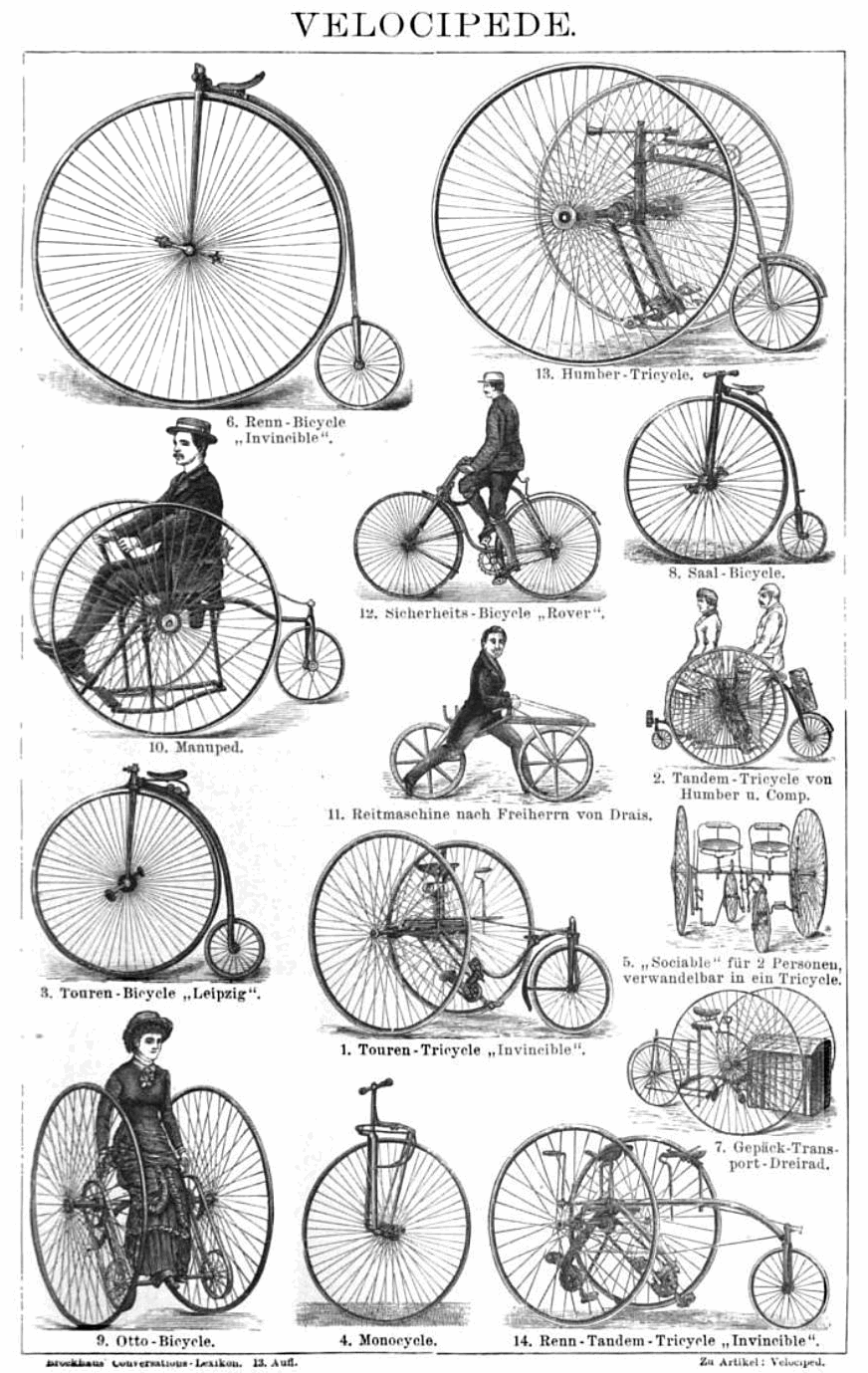
Since Germany and France were at war with each other in 1870, bicycle production came to a temporary standstill in those regions. The next stage of development thus took place in England, and Coventry became the center of the bicycle industry. While the front wheel was larger than the rear wheel on the Michauline, the proportions drifted even further apart on the penny-farthing that followed. While the front wheel could be more than 150 cm high, the diameter of the rear wheel was less than 56 cm on average. The penny farthing, also known as the 'ordinary' in England, owed its later nickname 'penny-farthing' to its size ratio, which referred to the corresponding English coins, which differed similarly in size.
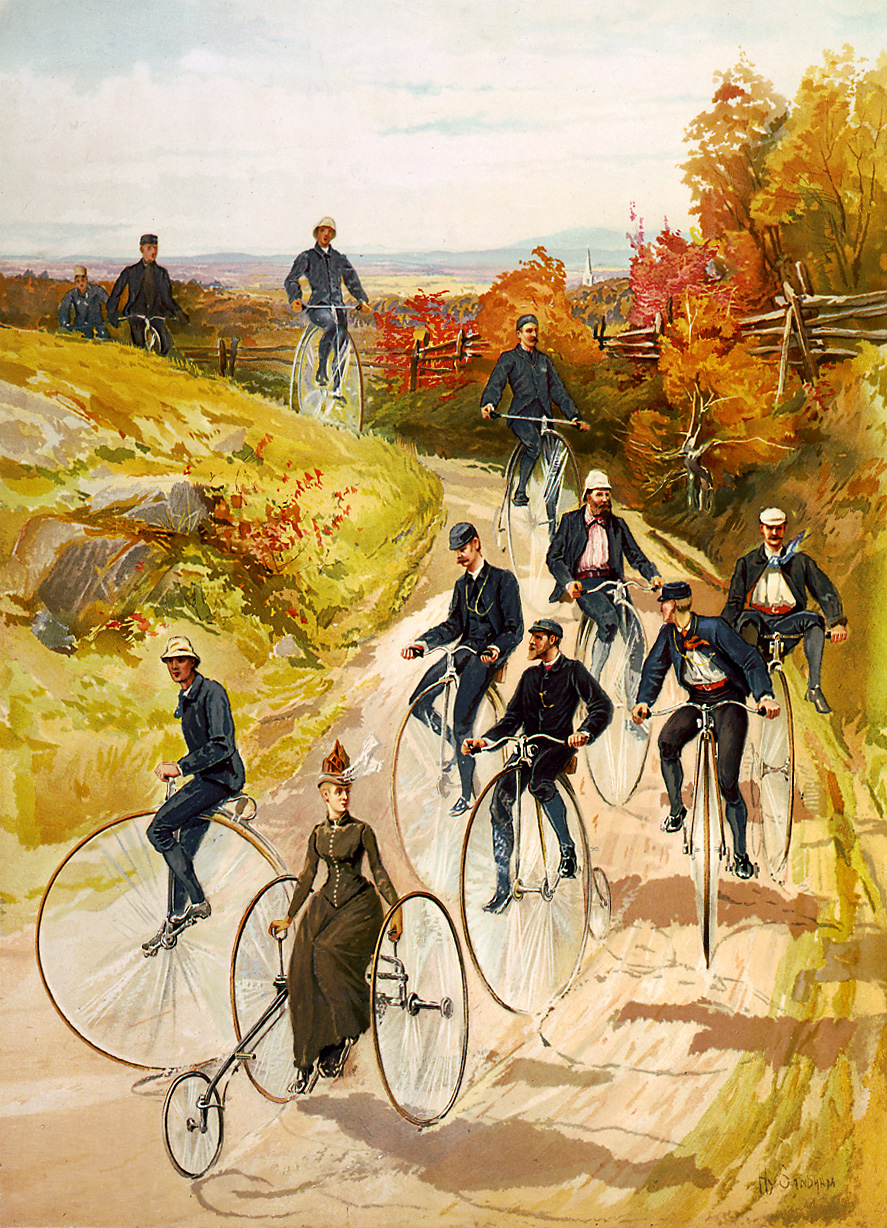
Such large wheels were made possible by replacing the wooden spokes with crossed wire spokes. In addition, the iron fittings on the wheels were initially replaced by solid rubber tires and, from 1888, by air-filled tires invented by the Scottish veterinarian John Boyd Dunlop. This and the size of the front wheel, which was still driven by a pedal crank mechanism, enabled faster progress and greater driving comfort, so that the penny-farthing soon replaced the Michauline. In addition, thanks to the airy seat height, people were now at eye level with the riders, who had up until then looked down on the cyclists.
Related: 10 Reasons to Buy Vintage
Although one obviously did not sit on a horse, the penny-farthing riders often carried a whip with them, because even if people had become accustomed to the sight of the two-wheelers, this was by no means the case the street dogs, who liked to follow the people on two wheels, jumping around them or trying to bite them in the calf.
The danger of falling headfirst over the bars was high because the saddle was quite close behind the bars, which put the center of gravity far forward. In order to avoid such serious accidents, people worked on the safety penny-farthing, where the center of gravity was set a little further back.
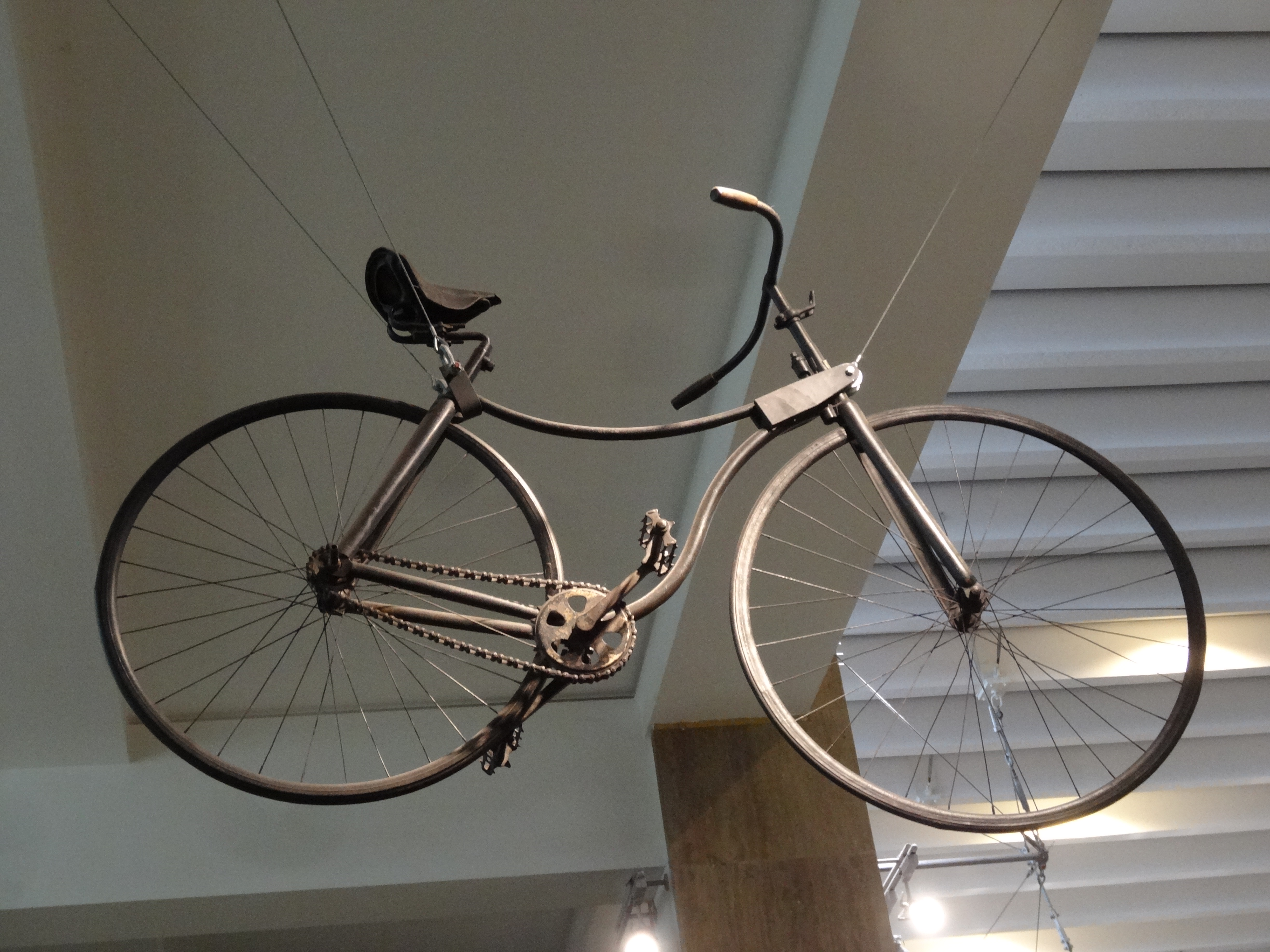
But getting on and off was a complicated problem, for which there was ultimately only one solution: the front wheel had to be smaller. In order not to lose speed as a result, the drive had to be improved. This was made possible by the roller chain, introduced in the 1870s, which was connected to the rear wheel and was driven by pedals as before - but with the rider now sitting in the safer middle of the bike. When the designer John Kemp Starley, who was of course based in Coventry, presented his new safety low bicycle, the Rover Safety Bicycle, in London in 1884, there was nothing but malice. The public and the press regarded the small bicycle as an alternative for the cowardly and infirm.
Related: 7 Paintings of London You Should Know
Thanks to an illegal race from London to Brighton and back, which also set a new world record, Starley was able to convince the cycling community of his invention. The small bikes also managed to regularly outperform their 'big brothers' in mixed races. The era of the penny-farthing, which is particularly popular with bicycle nostalgics today, ended in 1892. Starley continued to develop its Rover and also brought women's bikes with a low step-through onto the market.
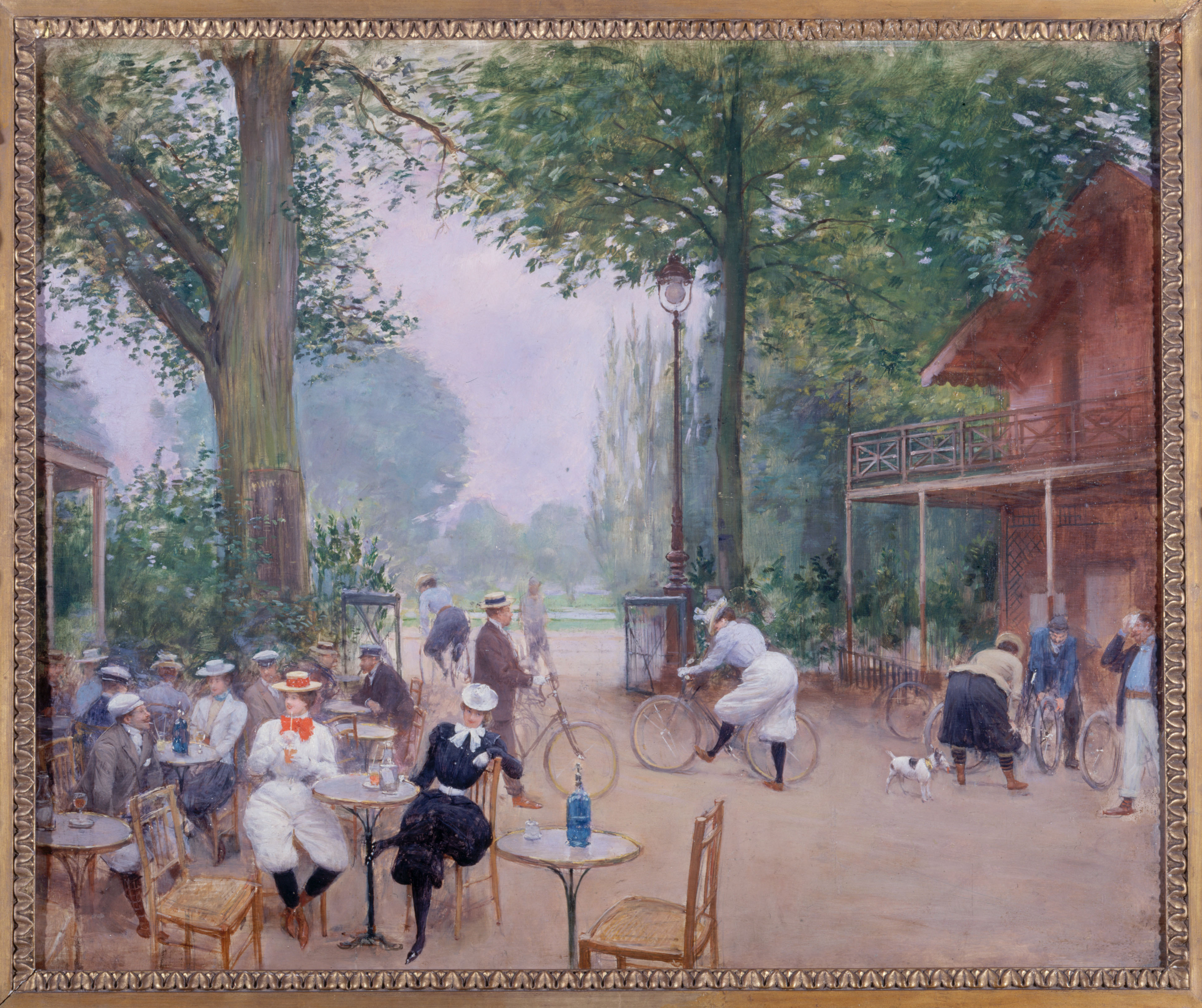
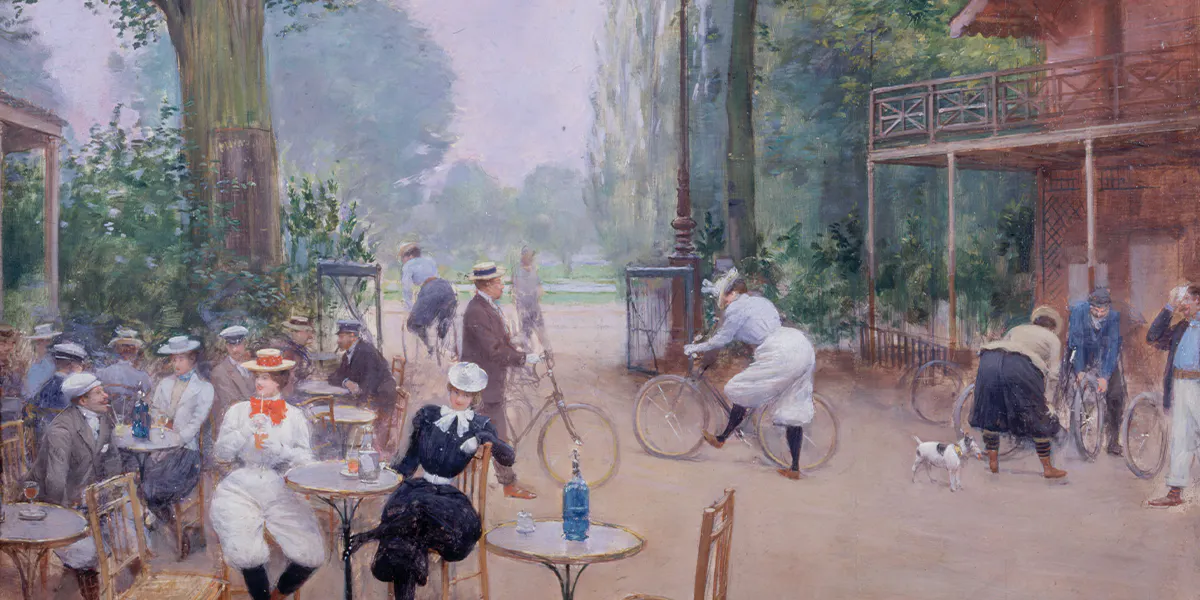
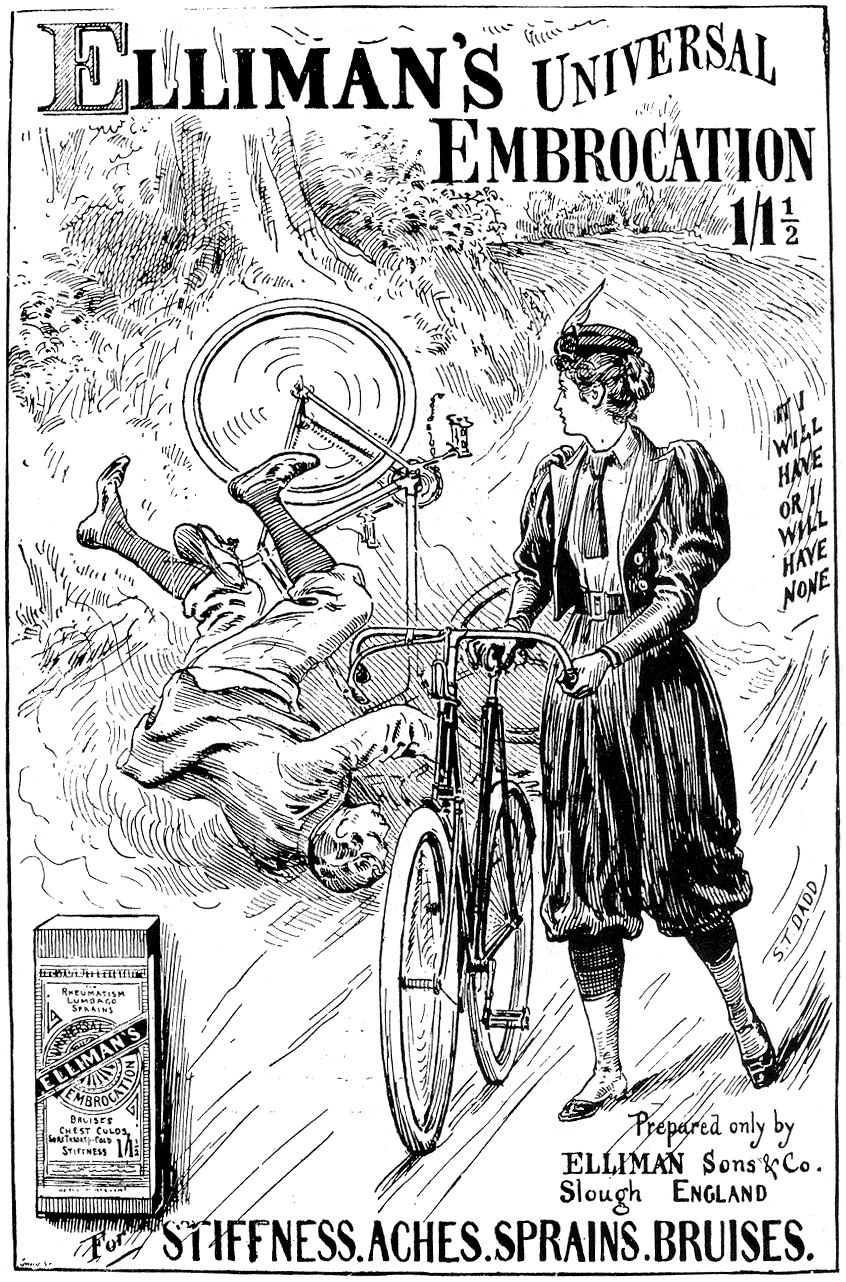
As a result, the bicycle enjoyed increasing popularity in Europe and North America and became almost synonymous with the Belle Époque. For the less well-off, who could not afford a horse as a means of transport, the bicycle was a game changer, enabling them to get from A to B as quickly as on horseback. For women in particular, it meant gaining a whole new level of independence. "The bicycle has done more for emancipation than anything else in the world," said the American women's rights activist Susan B. Anthony at the time.
Related: Feminism Captured: 9 Historic Photographs
Cycling also had an effect on women's fashion: sweeping dresses with all sorts of ruffles and ribbons were not suitable, and plain and shorter skirts were needed. The brave even pedaled in bloomers. Of course, there were male voices that criticized the whole thing and warned women who cycled against infertility, as well as unwanted defloration and all sorts of myths sparked by the bicycle saddle.
With the introduction of the so-called Diamant frame in 1890, named after its shape, and the invention of the double roller chain by the Saxon Diamant Fahrradwerke in 1898, the bicycle had reached the design that is still common today. Since then, work has primarily focused on perfecting this basic form, which is mostly made of steel or aluminum, for the various needs of users. New areas of application for bicycles were developed in the USA in the 1960s/70s when the all-terrain mountain bike and the BMX bike were invented.
Related: 10 Most Expensive Classic Cars Ever Sold at Auction
While the bicycle was still mass-produced in Europe and America prior to World War II, its popularity began to decline in the 1950s. The reason for this was the general economic upturn, which focused on the car as a status symbol. The situation was different in China, where people began to rely on bicycles as a result of the Cultural Revolution. Since then, China and Europe have gone in opposite directions when it comes to bicycles. While in Europe the bicycle, and especially the e-bike, is considered an environmentally friendly alternative to the car; in China, the car is pushing its two-wheeled competition off the streets, which in turn has to do with the strengthening of the middle class. Nevertheless, China remains the world's No. 1 bicycle producer.
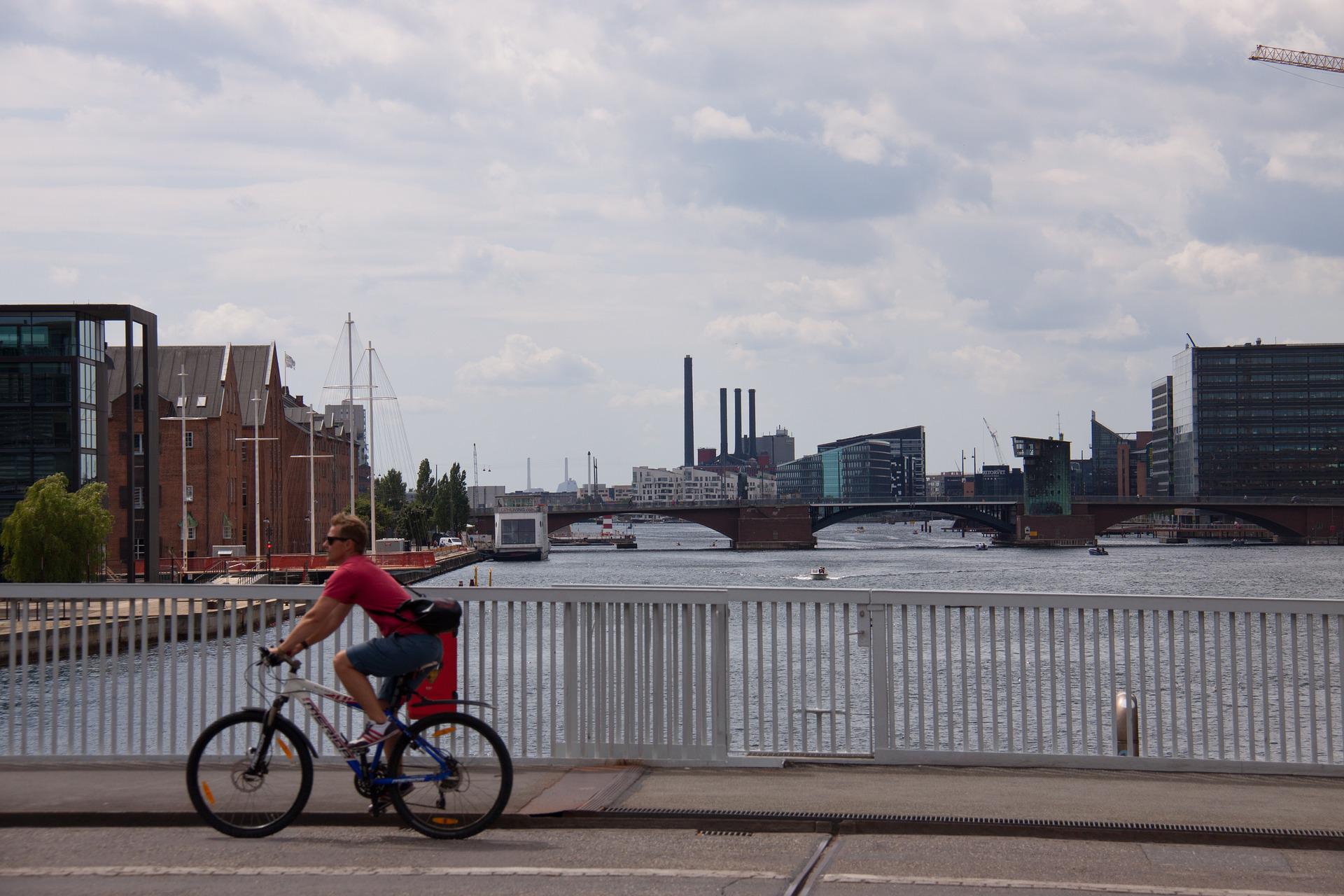
In an effort to reduce CO2 emissions from road traffic, more and more western cities are expanding their cycle lanes. Last year, Denmark's capital Copenhagen took first place on the list of the most bike-friendly cities, followed by Amsterdam and Utrecht in the Netherlands.
An alternative to the horse, a symbol of emancipation, a beacon of hope in the fight against climate change: in the course of its more than 200-year history, the bicycle has already mastered many a stage - and we are more than excited for the next one.