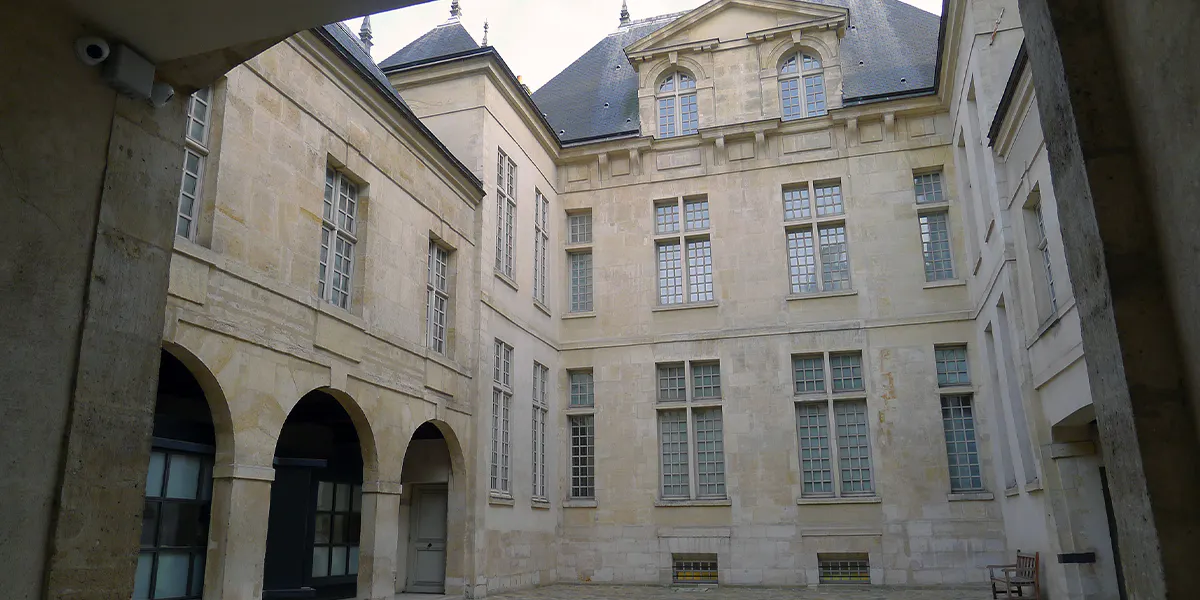
On the morning of October 19, thieves broke into the Galerie d’Apollon at the Louvre and stole historic crown jewels worth an estimated €88 million. The operation, which could have come from a film script, was carried out using a furniture lift positioned against the outer wall of the world-famous museum, allowing the thieves to reach the upper floor. The break-in through a window triggered an alarm, but the security staff who rushed to the scene could only watch as two display cases were smashed and numerous precious objects taken.
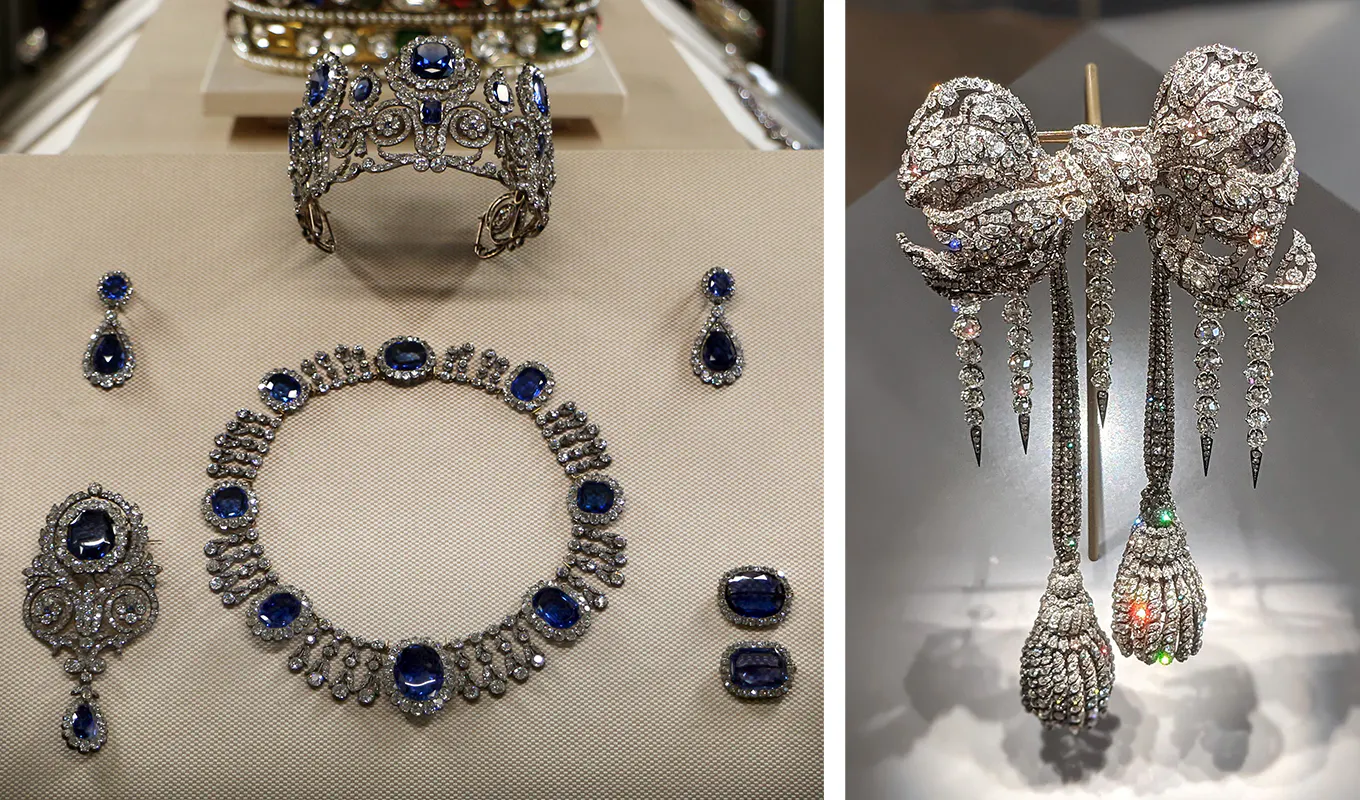
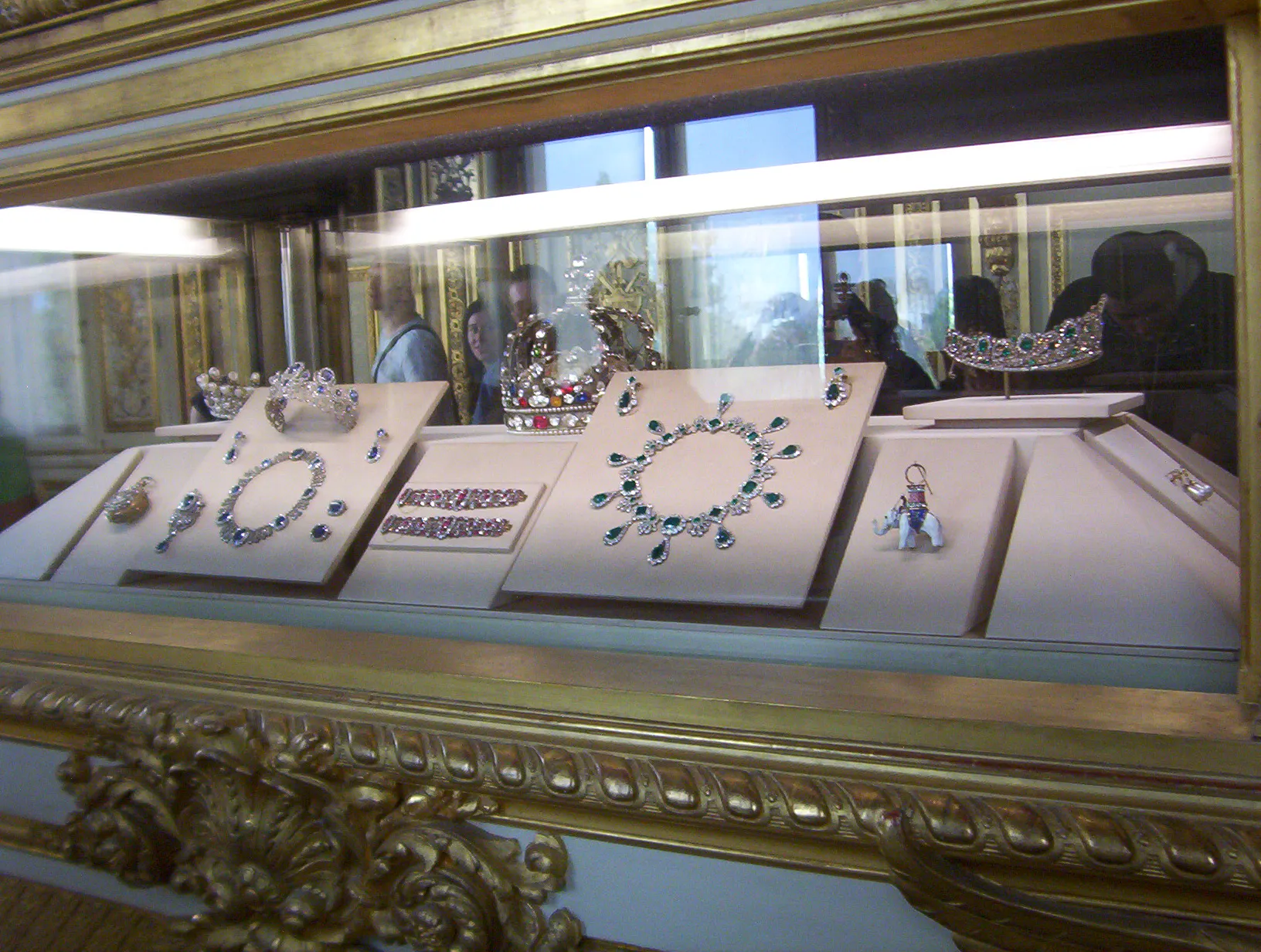
After just seven minutes it was over. The thieves escaped with the diadem, necklace and earring from the sapphire parure of Queens Marie-Amélie and Hortense, a necklace and earrings from the emerald parure of Empress Marie-Louise, and the pearl diadem and two large diamond brooches of Empress Eugénie. Eugénie’s crown was also stolen but was lost during the escape, carried out on motor scooters, and later recovered in a nearby side street.
See also: Crown Jewels: 5 Times Royal Jewelry Made Auction Headlines
The incident drew huge attention, but it was far from unique.
Observers quickly compared it with the burglary of November 25, 2019 at Dresden’s Green Vault, where several historic treasures were also stolen. Some items were later returned, partly broken and scratched, but others remain missing. Another mysterious case occurred in April 2017 at the Baden State Museum in Karlsruhe, where thieves targeted the diadem of the last Grand Duchess of Baden, set with 367 diamonds and valued at €1.2 million. Its absence was not immediately noticed, so the exact date of the theft is unknown. The investigation was closed in 2020 for lack of leads, and investigators assumed the diadem had been dismantled and sold.
See also: 31 Stolen Objects from the Green Vault are Recovered
The boldness and violence of some thieves were shown again on June 28, 2022 at TEFAF Maastricht. While visitors were present, robbers used axes to smash a display case and steal valuable jewelry, threatening those nearby with weapons. Shocked visitors and staff were also present during two thefts on November 20 and 21, 2024 at the Musée Cognacq-Jay in Paris and the Musée du Hiéron in Paray-le-Monial. In Paris, seven jeweled snuffboxes were taken; the next day, the target was Via Vitae, a religious marble sculpture with gold and ivory figures. Two diamonds from the TEFAF robbery and five of the stolen snuffboxes have since been recovered.
See also: Two Major Museum Robberies in France
Thieves are usually interested in the material value of what they steal. In most cases, the jewelry is dismantled, the metal melted down and the gemstones sold individually. To conceal their origin, stones are sometimes recut. With historic pieces such as the Louvre’s crown jewels, this is riskier. Antique stones have distinctive cuts that make them relatively easy to identify, so recutting is almost unavoidable if they are to be sold openly. This can reduce their value and adds cost, but since the expense of the theft itself is often low, it remains profitable.
See also: Barnebys' Guide to Precious Stones

The importance of material value is illustrated by three other cases between 2017 and 2022. On the night of March 27, 2017, the 100-kilogram Big Maple Leaf gold coin, worth about €3.8 million, was stolen from the Bode Museum in Berlin. On September 14, 2019, Maurizio Cattelan’s artwork America, a functioning toilet made of 18-carat gold and installed in a public restroom at Blenheim Palace in Oxfordshire, was dismantled and removed. It was valued at €5.4 million. Another theft, which was both a material and cultural loss, took place on November 23, 2022 at the Celtic-Roman Museum in Manching, where a large hoard of Celtic gold, consisting of 483 coins and a cast-iron ingot, was stolen. Although the perpetrators were identified and convicted in all three cases, only part of the Manching hoard was recovered, melted down beyond recognition. The whereabouts of the Big Maple Leaf and Cattelan’s golden toilet remain unknown.
See also: A Celtic Gold Treasure Stolen from Bavarian Museum
Such crimes often lead investigators into the world of organised crime. The Green Vault and Bode Museum break-ins were even linked to members of the same criminal clan. The aim is usually to sell the stolen goods for profit, although some collectors, unwilling to accept that money cannot buy everything, may also be involved. Whether the Louvre robbery falls into this category, or whether the crown jewels have already been dismantled and prepared for sale, is still unclear. Two suspects were arrested last Saturday and have partly confessed. Five other men believed to be involved were taken into custody on Wednesday evening. The stolen items have not yet been found.
Want more articles like this straight to your inbox? Subscribe to our free newsletter!
The Louvre theft highlights how urgently museums must strengthen their security systems to protect their collections from increasingly audacious and ruthless criminals.