
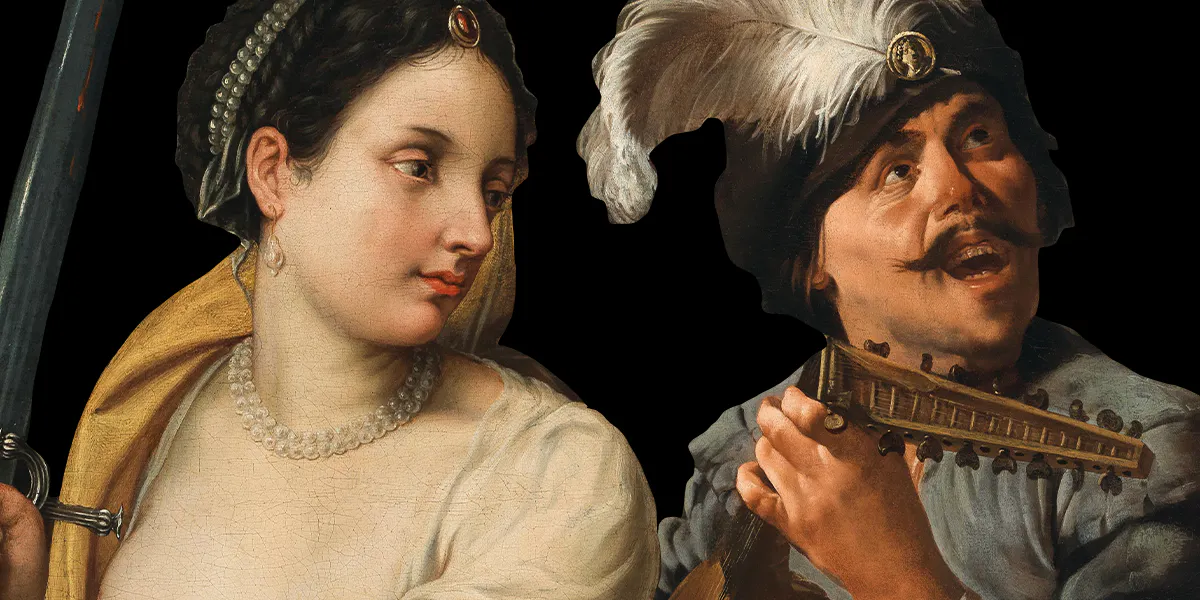
Rome was the destination of Hendrick ter Brugghen, who had been a pupil of Abraham Bloemaert in Utrecht. In 1608 at the latest, the twenty-year-old painter reached the Eternal City, where he stayed until 1614 before returning to his homeland. In Rome, ter Brugghen studied the chiaroscuro painting of Caravaggio and kept company with the Bentvueghels, a group of painters from the Netherlands who lived in Rome and liked to have a good time.
Both Caravaggio and his experiences with the Bentvueghels were to have a great influence on Hendrick ter Brugghen's painting style and choice of motifs. One of his favorite subjects was the depiction of musicians, such as in the work A Lute Player. Both the musical instrument and the feather on the musician's headdress allude to the red-light district with all its licentiousness.
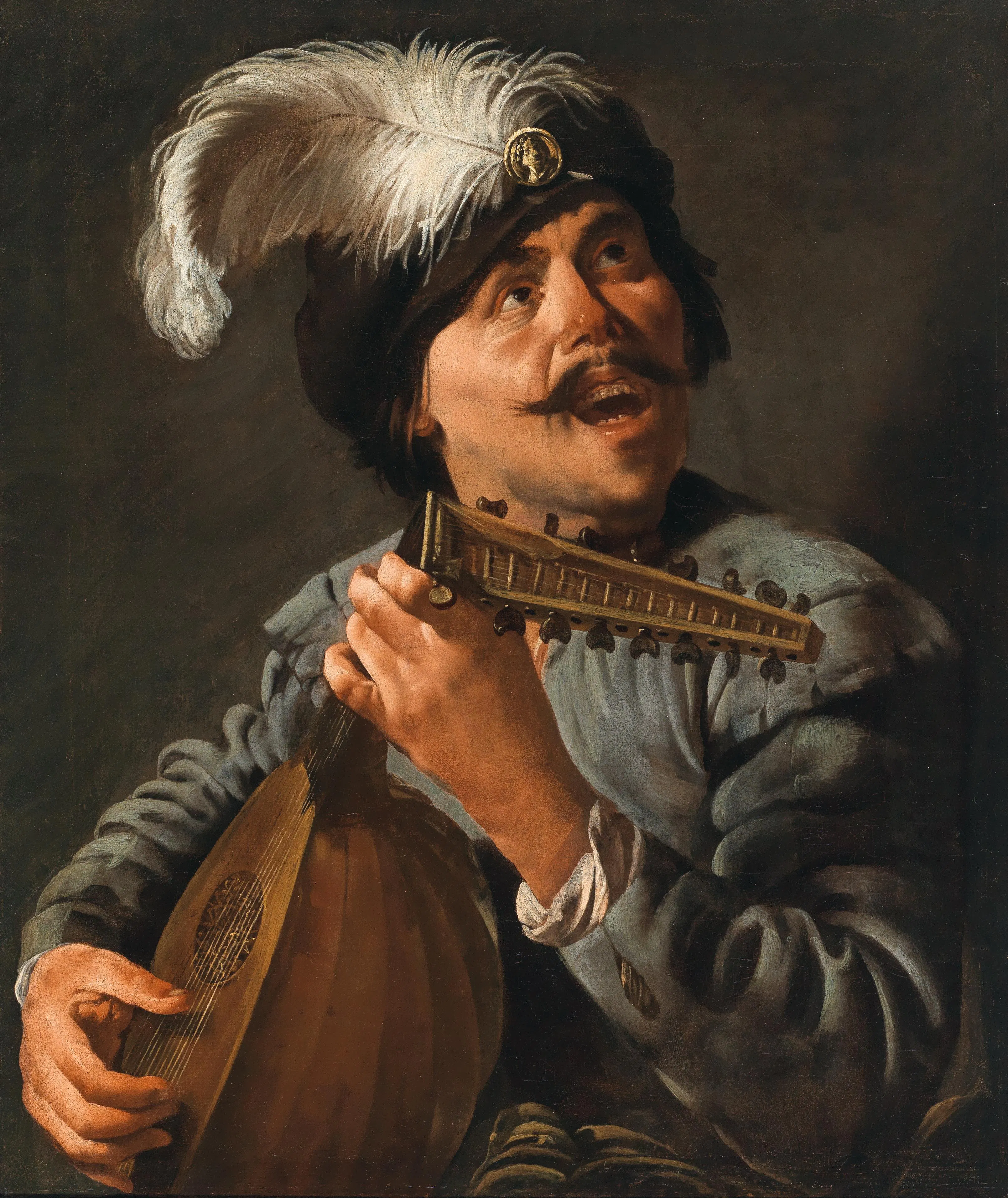
Once considered a historical reproduction, careful examination and technical research suggest it is likely an original composition by ter Brugghen, who probably painted it around 1626. Similar works by the artist can be found in Stuttgart and Milan.
Hendrick ter Brugghen's A Lute Player is one of the highlights of the Old Masters auction, taking place at Dorotheum on May 3 as part of their Classic Week. In fact, ter Brugghen's work is not the only recent reattribution in the offering; the mid-1640s painting Abraham and the Three Angels has also been identified as a work by Artemisia Gentileschi with her colleague Onofrio Palumbo.
Other old masters in the offering are Ossola Maddalena Caccia, represented by a depiction of Saint Catherine of Alexandria, and Fede Galizia with the painting Judith With the Head of Holofernes.
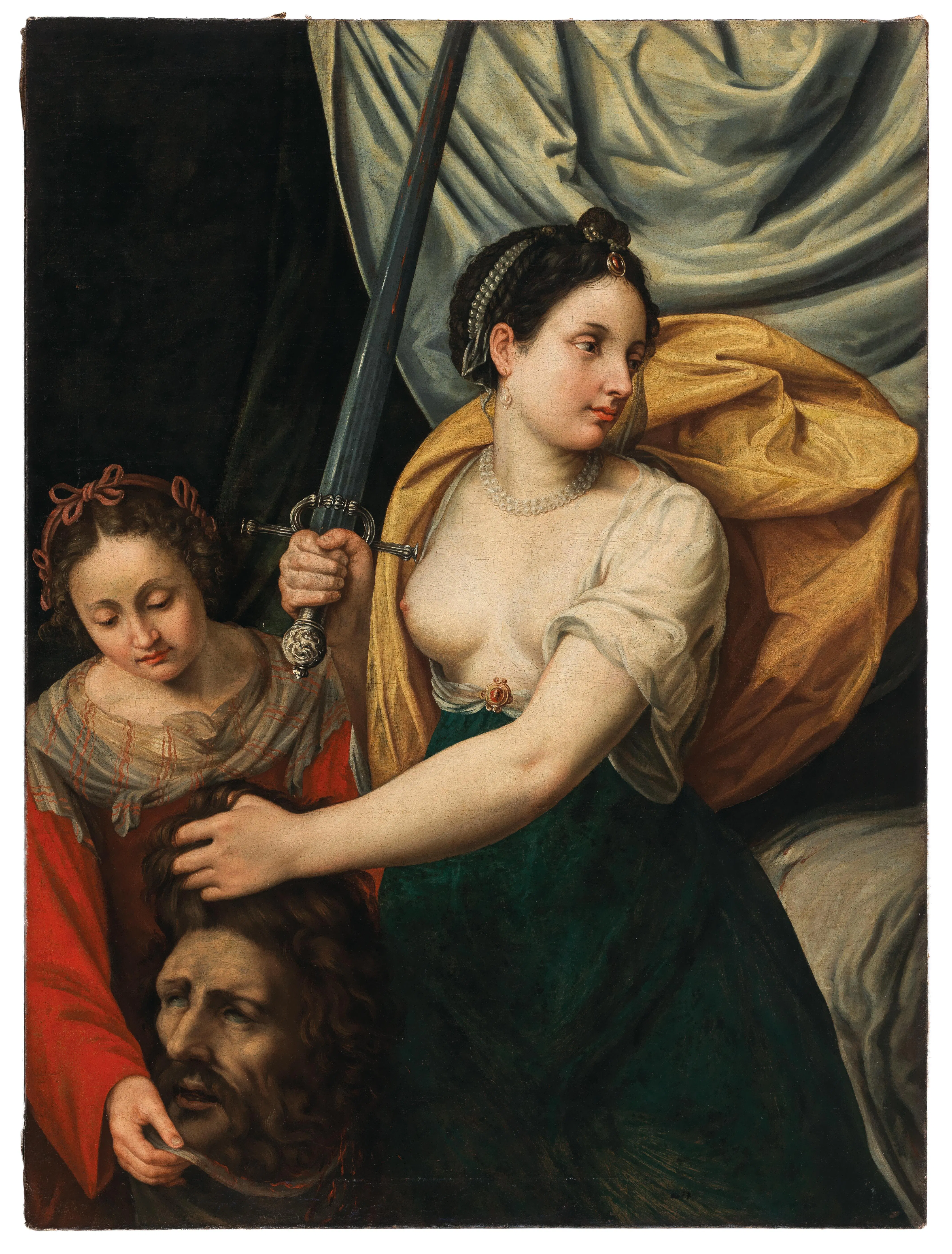
Fede Galizia was trained in Milan by her father, a miniature painter, and created still lifes as well as portraits and religious works. Another painting by Fede Galizia depicting the same subject is in the John and Mable Ringling Museum of Art in Sarasota, Florida in the United States..
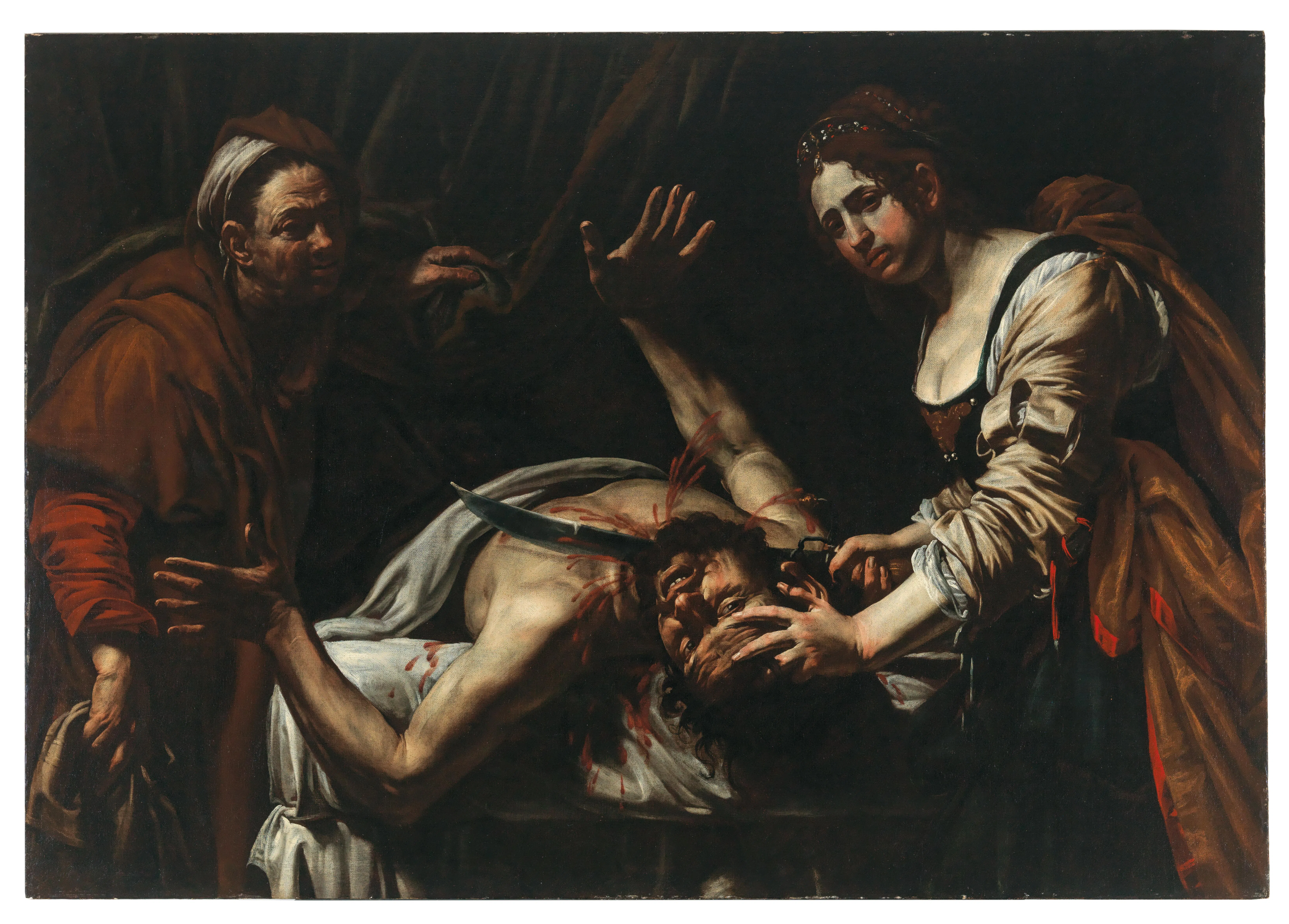
A related scene is depicted in the painting Judith Beheading Holofernes by Bartolomeo Mendozzi, who worked in Rome. As with Hendrick ter Brugghen, the influence of Caravaggio is evident here in the light-dark contrasts as well as the composition, which is based on Carravaggio's famous painting of the same scene in the Palazzo Barberini (1598-99). Parallels to Artemisia Gentileschi's well-known depiction of the same subject (c. 1612 and 1614-20) are also recognizable in the work.
Judith Beheading Holofernes is one of the most important works by Bartolomeo Mendozzi, who painted the painting in his mature period in the early 1630s.

Around the same period, the Antwerp master Frans Snyders painted this magnificent still life, also at the height of his skill. A specialist in still life and animal painting, Snyders combines his two genres here with astonishing realism; a lobster, laid to rest on a porcelain plate, with artichokes and asparagus and a basket full of grapes, quinces, apples and peaches surrounding it in a lush spread.
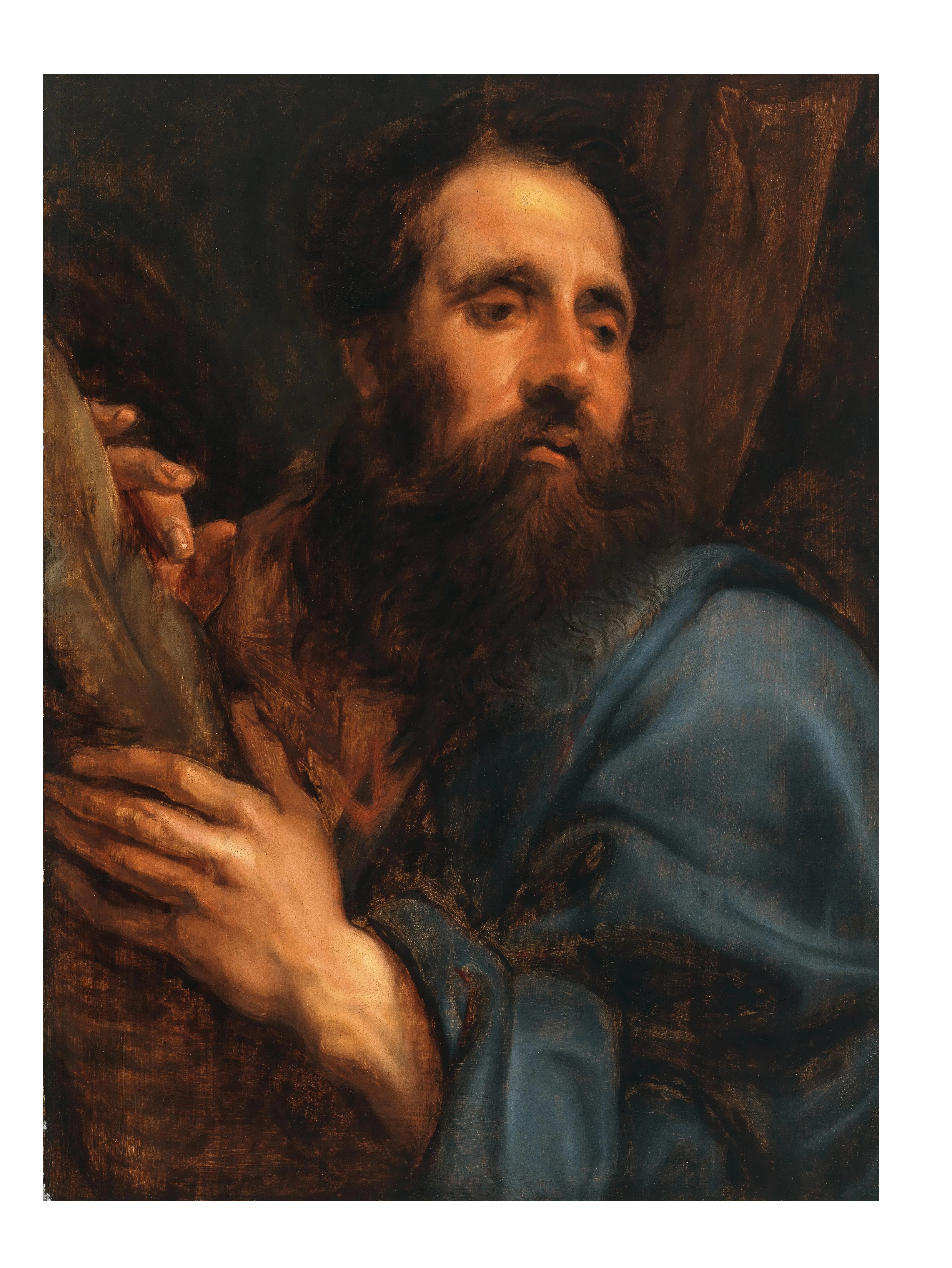
This depiction of St Andrew was (re)confirmed as Anthonis van Dyck's own work. Following the example of his teacher Peter Paul Rubens, van Dyck repeatedly produced depictions of apostles, each of which corresponded to a type of man that the painter used in other paintings. The identification of the sitter as Saint Andrew is unmistakable thanks to the iconography, as the apostle wears the cross with the sloping beams over his shoulder, named after him, on which he was crucified in the Greek city of Patras during the time of Nero.
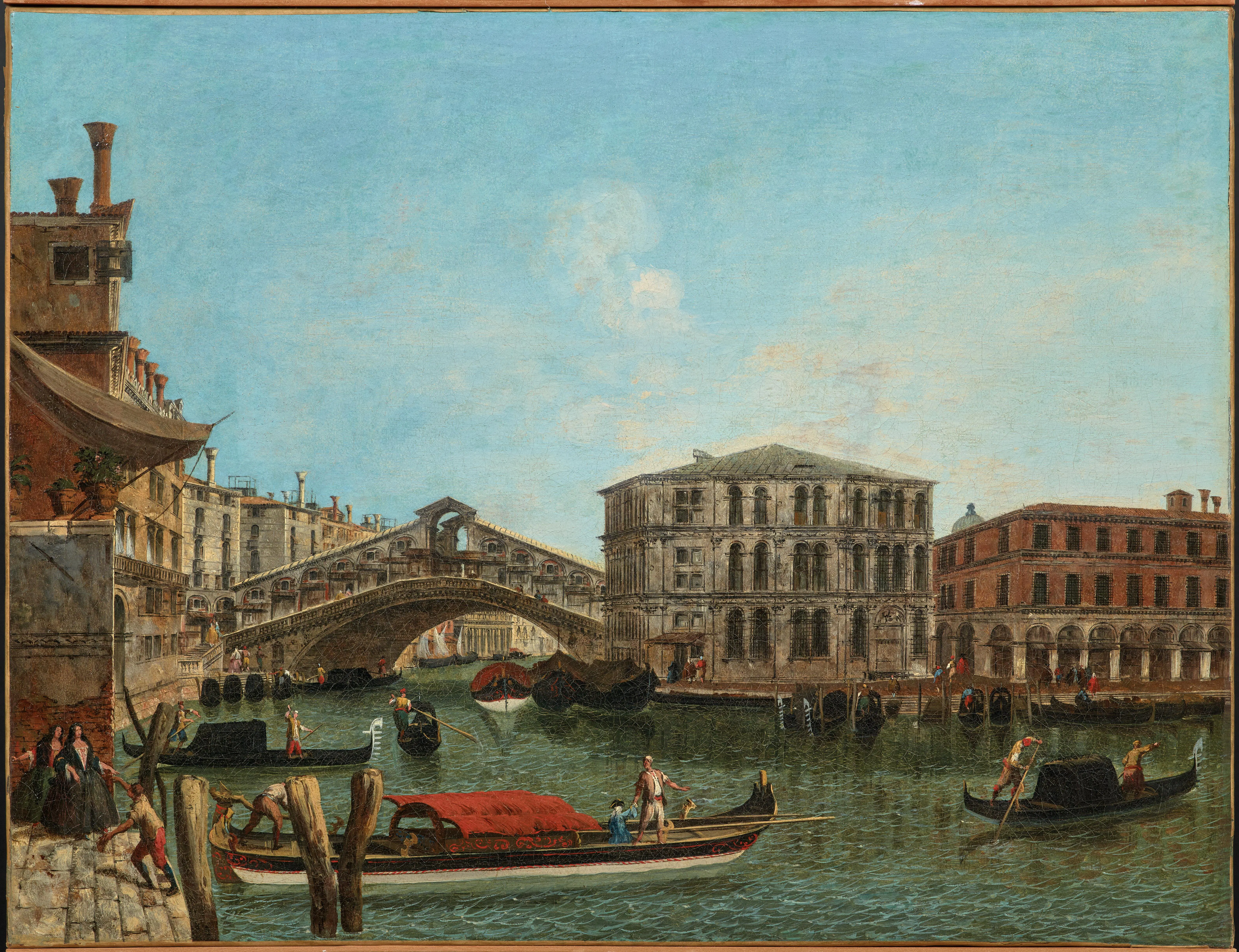
Moving past the 17th into the 18th century, a piece executed by the Venetian painter Michele Marieschi shows the Rialto Bridge and the Palazzo dei Camerlenghi in the lagoon city is also available. With a date of origin around 1737-40, the painting comes from the mature period of the artist, who is known for his detailed and precise architectural depictions.
The Old Masters auction on May 3 will conclude the Dorotheum's Classic Week, which also includes sales of antiques and 19th-century paintings on May 2.
The Classic Week auctions will take place at the Palais Dorotheum at Dorotheergasse 17 in Vienna. The accompanying exhibition will be open there from April 22.