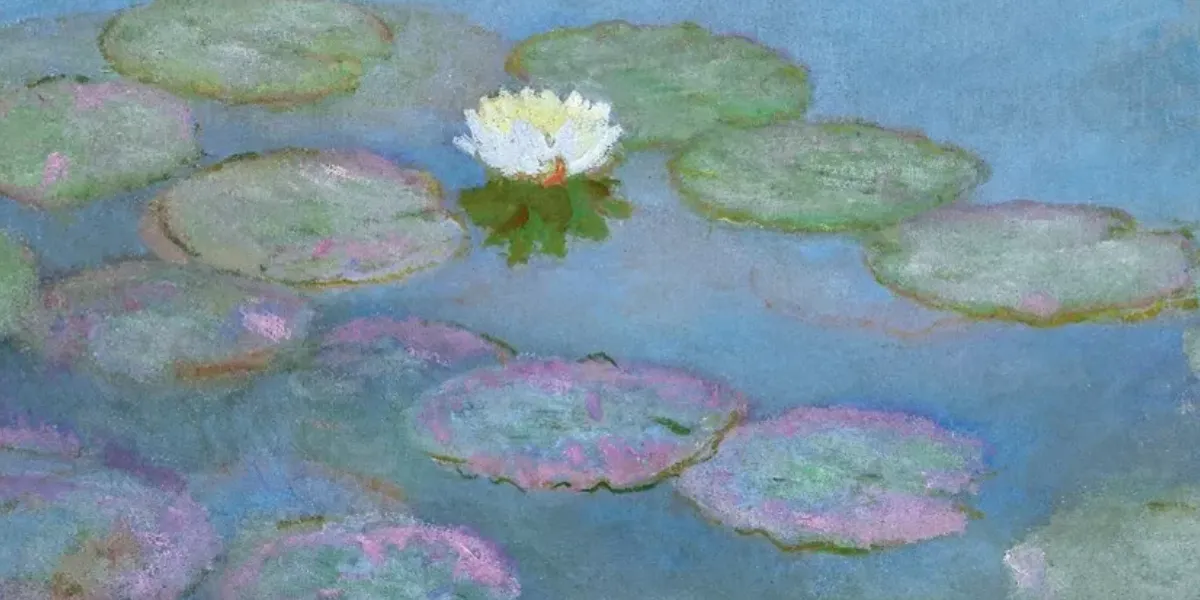
Claude Monet’s Nymphéas, from the artist’s first water-lily series, made its auction debut after 125 years, selling for an impressive HKD 233,375,000 ($30.1 million) at Christie’s inaugural 20th/21st Century Evening Sale at The Henderson in Hong Kong. Estimated to fetch between HKD 200,000,000 and 280,000,000, Nymphéas is one of only eight works from Monet’s pioneering water-lily series, four of which are housed in prestigious museums, including the Musée Marmottan Monet in Paris and the Los Angeles County Museum of Art. The sale marked the first time one of these early water-lily works has been offered at auction.
See also: Claude Monet: The Father of Impressionism
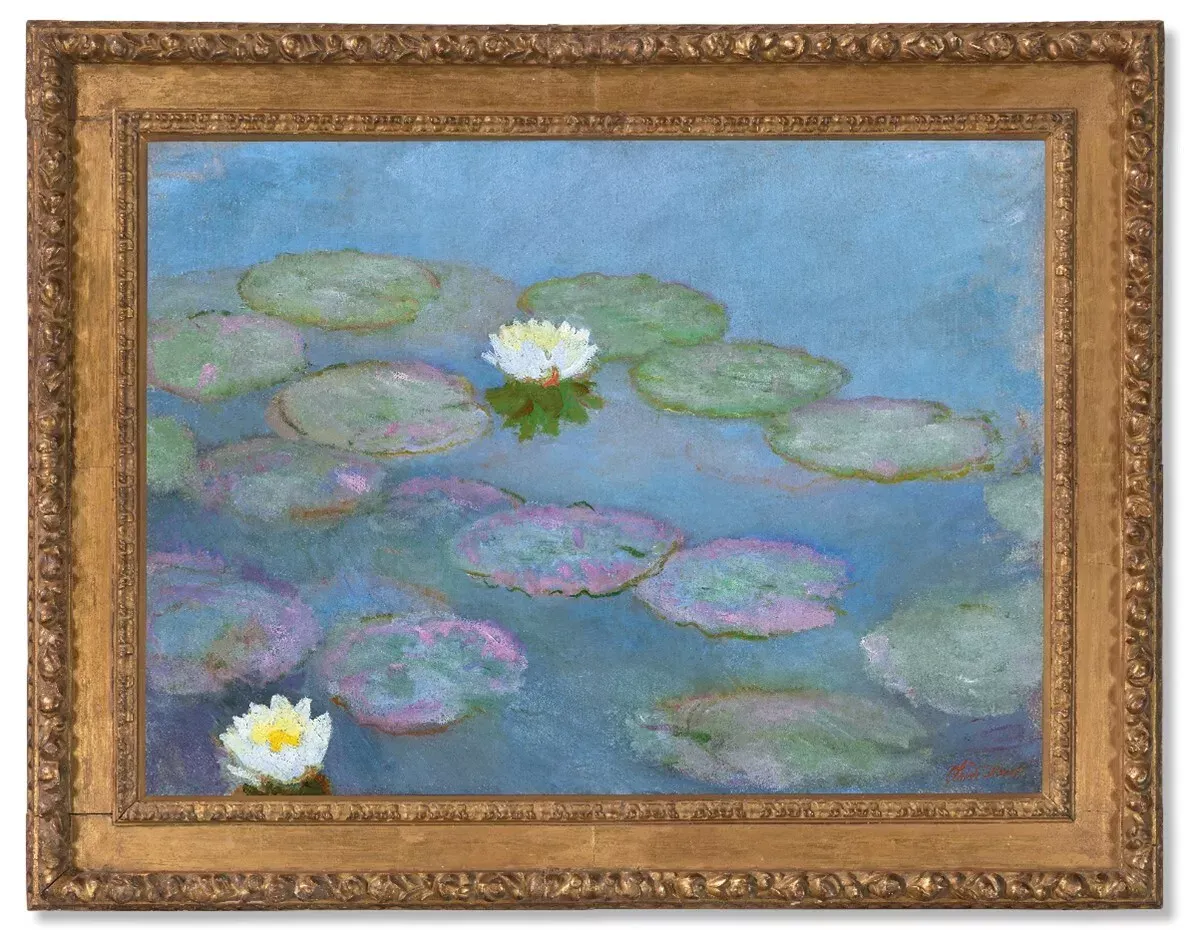
Painted between 1897 and 1899, Nymphéas was part of Monet's early explorations of the water-lily pond at his home in Giverny, a motif that would dominate his work for the rest of his life. This seminal work introduces one of the most radical aspects of Monet's style: the elimination of the horizon line, immersing the viewer in the center of the pond and directing attention to the harmony of color and light reflected in the water. These explorations would later culminate in Monet’s monumental Grandes Décorations, now housed in Paris’s Musée de l’Orangerie.
See also: Paul Durand-Ruel: Promoter of Impressionism
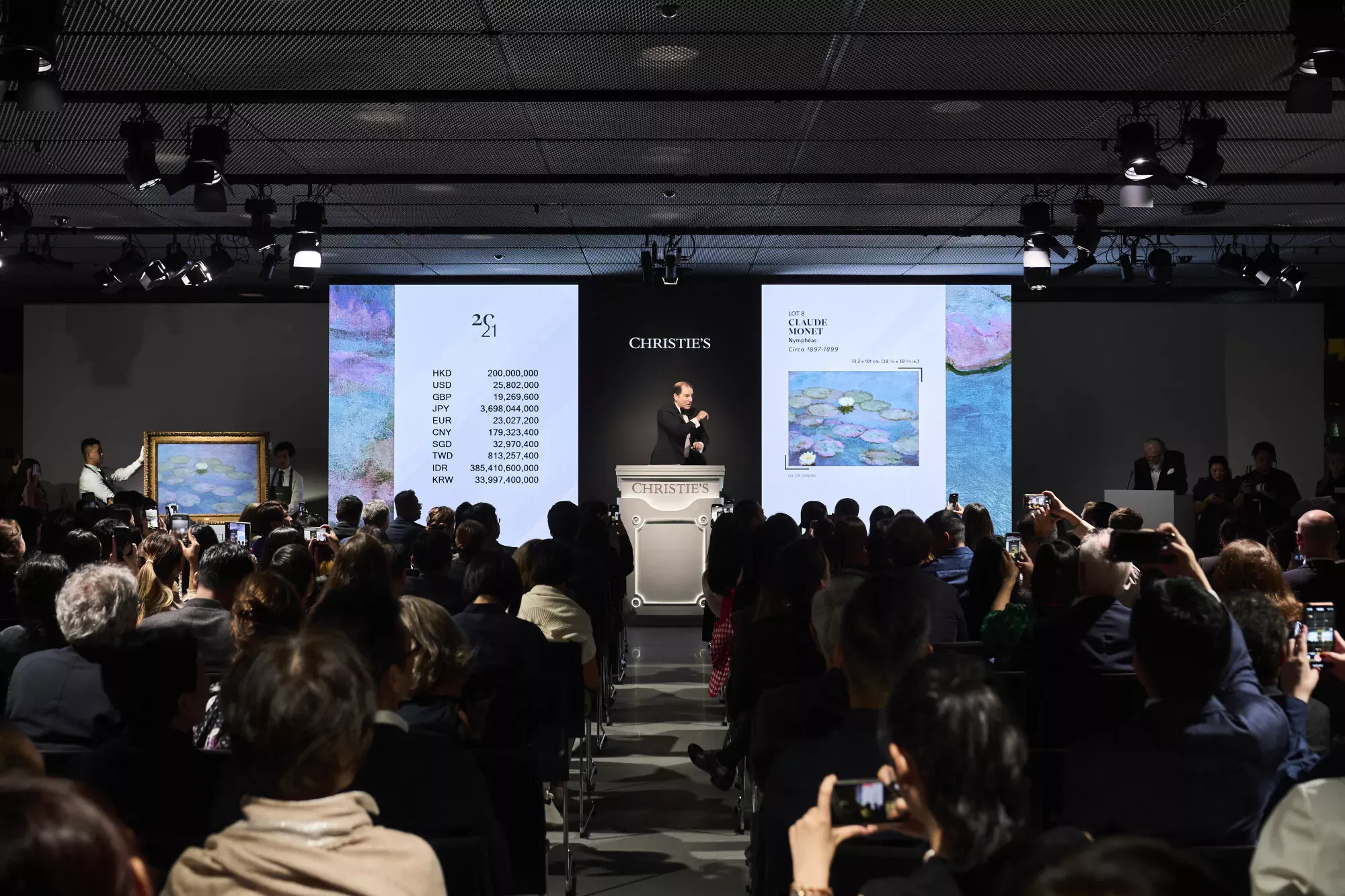
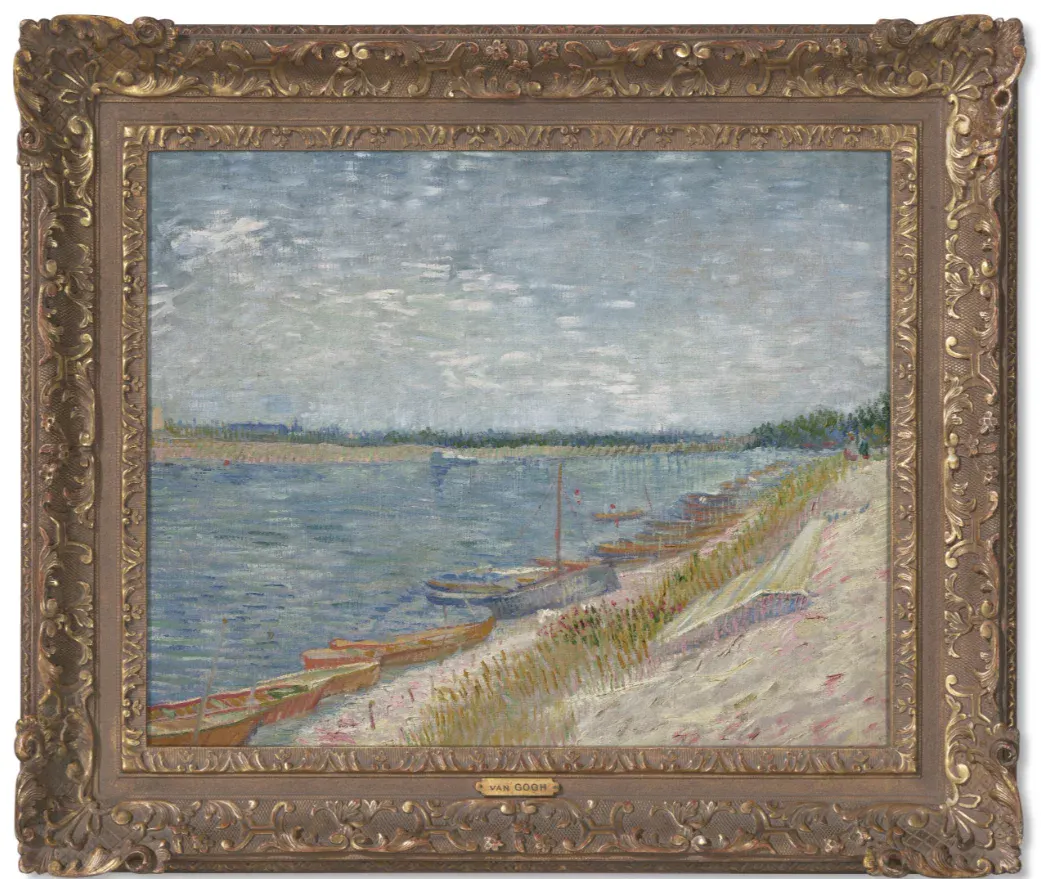
Nymphéas was among several standout pieces that contributed to an impressive total of HKD 1.2 billion ($162.2 million) for the inaugural sales at The Henderson, with over 90% of the lots sold. Leading the sales was Vincent van Gogh's Les canots amarrés, which achieved HKD 251 million ($32.3 million).
Want more news like this straight to your inbox? Subscribe to our free newsletter!
The sale reflects the growing demand for Western masterpieces in Asia, where collectors continue to seek out the world’s most iconic works. The appetite for Impressionist and Modern art has reshaped the global art market, positioning Asia as a pivotal hub for high-value sales. Collectors from mainland China, Hong Kong, and across Southeast Asia are driving demand, and the region now accounts for a significant share of the global art market.