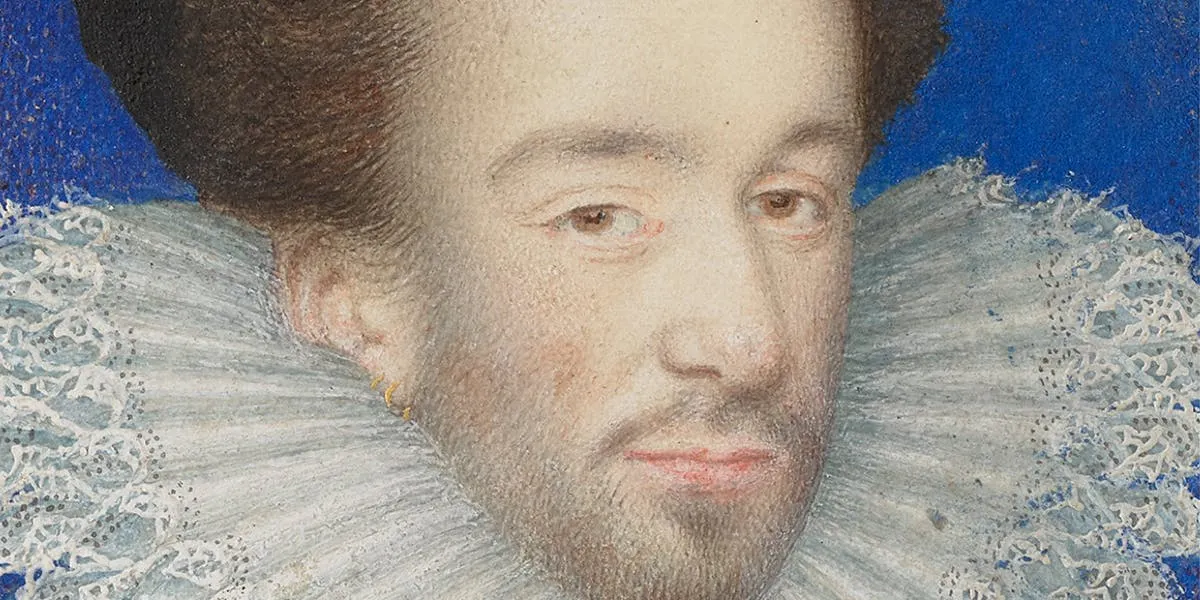
The throne of France has welcomed many strong personalities over the centuries: the ‘Sun King’, Louis XIV, who brought France immense prestige within Europe, or Prince François I, a humanist, protector of historical documents and heritage, and a relentless city planner. This is also the case for Henry III (1551-1589), the last king of the Valois dynasty who wasn’t expected to hold the throne and who caused more sensation for his sense of style than his war tactics...
Last year, an alleged portrait of Sir Walter Raleigh, a 5.7cm tall miniature, was sold at an English auction house. The buyer, London art dealer Philip Mold, quickly realized that the elegant gentleman depicted was not Queen Elizabeth I's favorite, but in fact France's most extravagant king: Henry III.
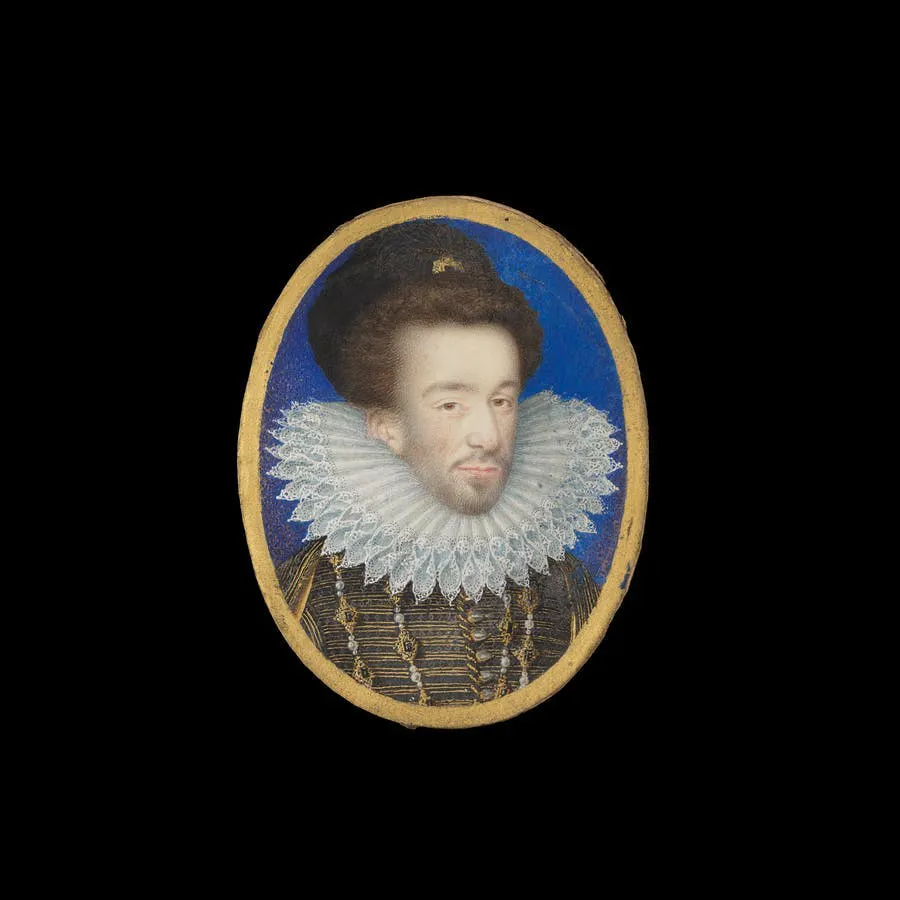
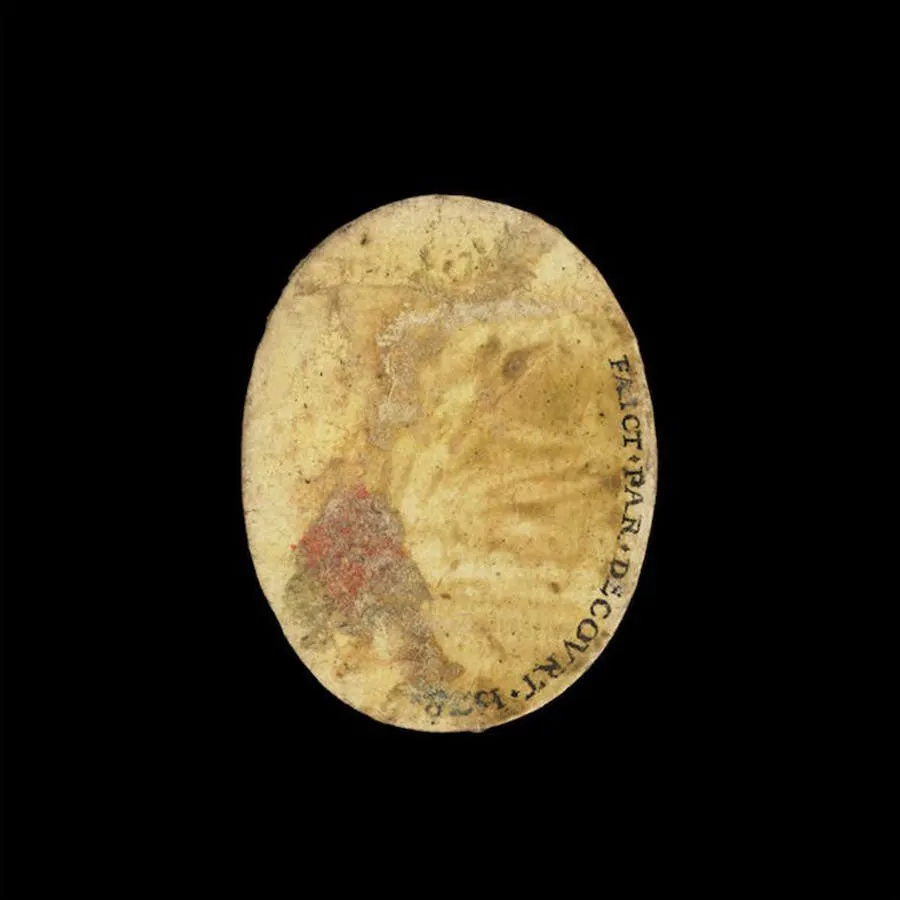
This exciting discovery was followed by another revelation when the frame of the work was removed, revealing the signature of the painter Jean Decourt, visible on the back with the date 1578. This work constitutes the only known portrait by the artist bearing his signature.
Related: Why is Napoleon So Popular at Auction?
In 1572, after the death of François Clouet (1510-1572), Jean Decourt was appointed court painter to King Charles IX of France. Mary Stuart, wife of the future King François II from 1558 to 1560 (he died prematurely after acceding to the throne), particularly appreciated his talent (and access to the throne).
The likelihood that Henry, the sixth of ten children of Henry II and Catherine de Medici (with two older brothers), would one day ascend the throne of France seemed extremely unlikely. Far from battlefields and responsibilities, he preferred to devote his time to his particular interests: dance, literature, jewelry and fashion (with a penchant for feminine clothing).
Related: How the Medici Influenced Renaissance Florence
Henry was Catherine's favorite son, for whom she wanted only the best. First a contender for the hand of the Queen of England Elizabeth I, he then presented his candidacy for the Polish throne with the support of his mother and of Bishop Jean de Monluc, whose diplomatic talents obtained him the support of 40,000 noble voters.
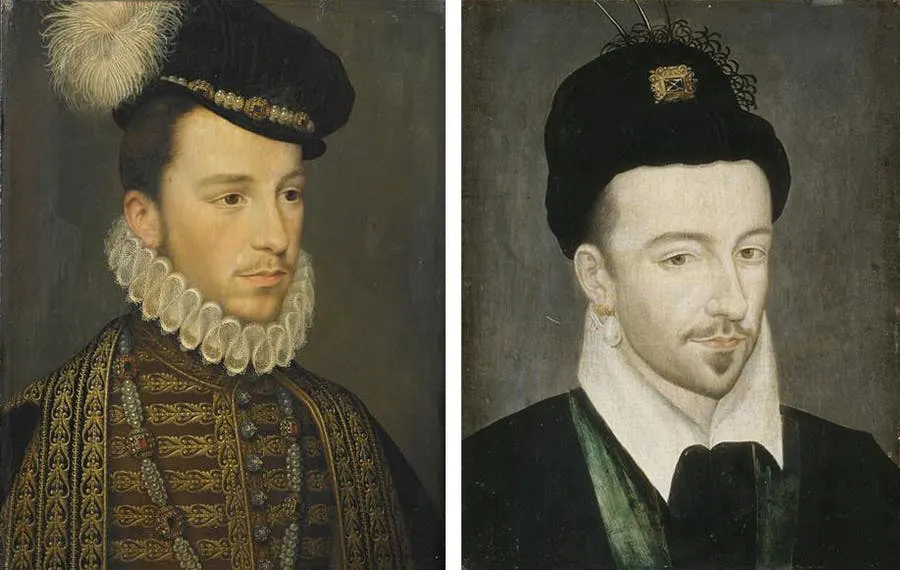
Once elected King of Poland, Henry showed little interest in his role as sovereign. When his second older brother, Charles IX, King of France, died suddenly in 1574, he returned to France to take his place. On his return trip, he made a detour to Venice, where he was enthusiastic about the splendor and entertainment of the carnivale.
Related: 5 Facts About Royal Mistress Madame du Barry
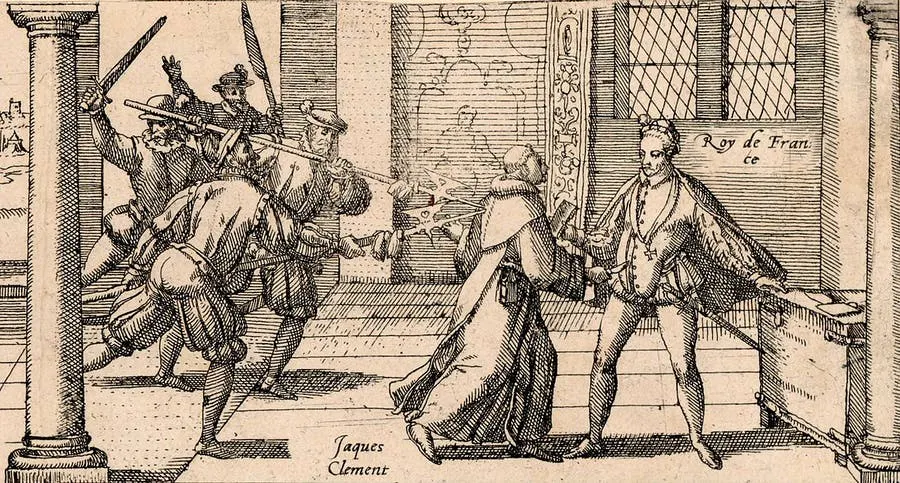
But Henry was not the king that France, shaken by wars of religion, needed. He surrounded himself with his favorite people who enjoyed a great fortune and who were called his ‘cuties’, thus marginalizing the great noble families who could constitute an obstacle to his power. Disgusted by hunting and warlike activities, he asserted himself as a gentle, elegant man who loved entertainment and life’s pleasures. Passionate about fashion and its extravagances, it was he who made popular the wearing of the white pearl as a simple pendant. He ended up being one of the many victims of the conflict at the time: he was assassinated in 1589 by the monk Jacques Clément, taking with him the dynasty of the Valois. Henry IV, of the House of Bourbon, succeeded him.
The memory of Henry III was tarnished after his death, especially during the French Revolution. It is likely that the miniature of the extravagant king, now rediscovered and an important addition to French portrait painting of the 16th century, reached England at this time.
“This work is a French National Treasure – a hugely significant unpublished image of a misunderstood King, and confirmation of Jean Decourt's immense talent. It would be wonderful if it could 'come home' to Paris, as I believe that is where it truly belongs. We have therefore given the Louvre the first opportunity to purchase it,” said art dealer Philip Mold.