
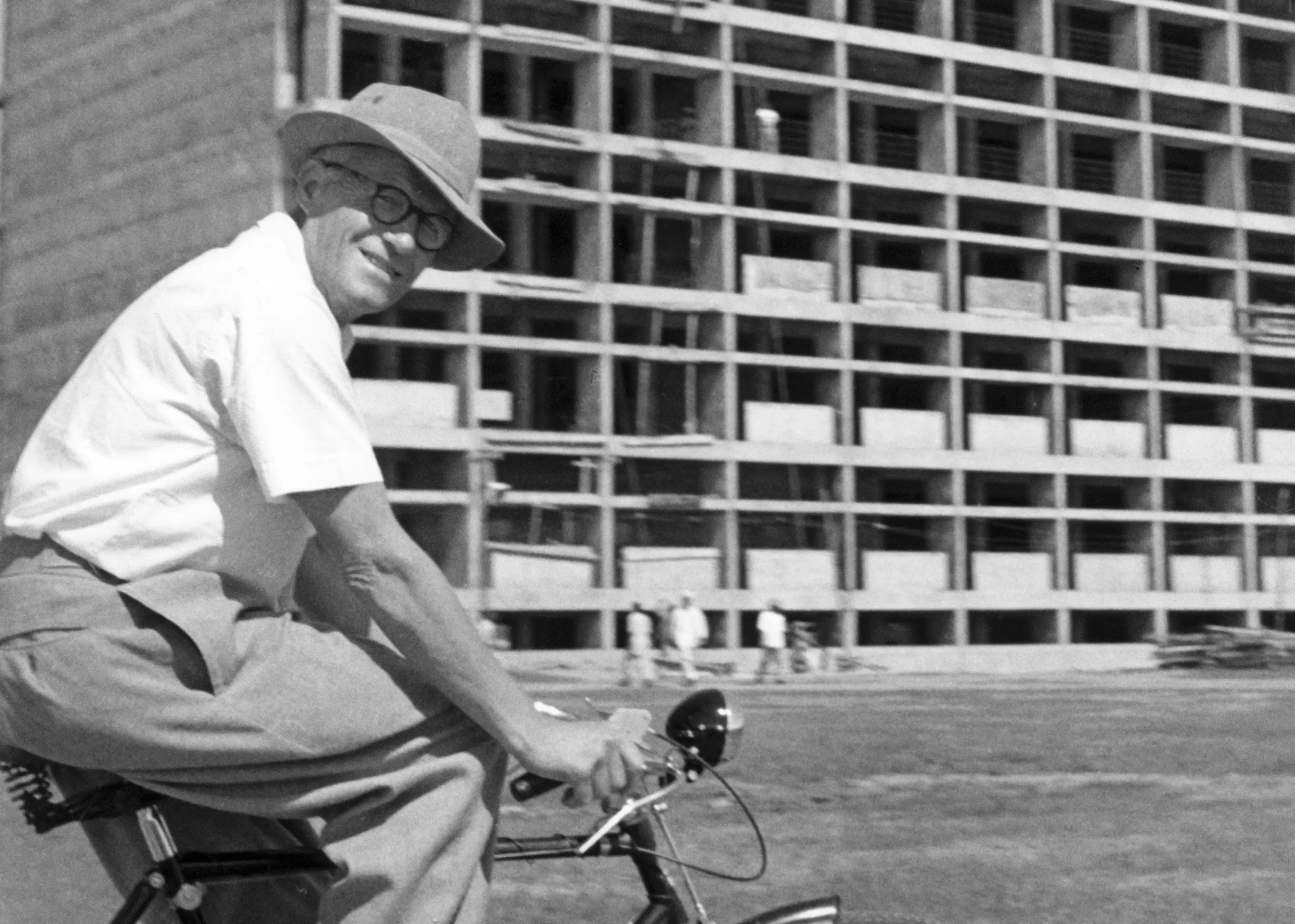
Pierre Jeanneret's cousin, Charles-Édouard Jeanneret, otherwise known as Le Corbusier has a worldwide reputation as an influential architect, designer, planner and philosopher. From the beginning to the mid 20th century, his vision was to create designs for a better quality of life through concept living. His innovative, open floor plans changed the future of architecture and his urban concept of living was that all habitants should live in accessible and community-oriented living spaces – a much more humanistic approach to urban development following World War II.
In the 1920s and ‘30s, when Le Corbusier and Pierre Jeanneret co-produced furniture and designed buildings, Jeanneret kept the company on course. Next to Charlotte Perriand who was in charge of the interior, he played an equal role in the creative work of the company’s designs. Jeanneret was even co-author of Five Points of Architecture, the work that helped to establish Le Corbusier’s fame.
Le Corbusier was good at designing, but he lacked a little something when it came to giving credit to others. His biggest contribution to history, the city of Chandigarh, India, for whose design he is well known, is a prime example. Chandigarh remains one of the most ambitious public architectural designs ever undertaken. However, few know that his designs were originally designed by the American planner Albert Mayer and the Polish architect Matthew Nowicki.
See also: Alvar Aalto: A Finnish Hero
Following Nowicki’s death from a plane crash, Mayer abandoned the project and Le Corbusier was hired to complete it. He barely changed the original designs made by Mayer and Nowicki, yet he refused to credit them when the city was completed.
See also: Charles and Ray Eames: Democratic Design
Chandigarh is also the place where the story of Jeanneret becomes a little complicated. Jeanneret and Le Corbusier had a dispute during World War II. Jeanneret defied the Nazis and joined the French resistance. Le Corbusier proved his neutrality by demonstrating his willingness to cooperate with the Third Reich. He was less concerned with who was in power as long as they gave him the opportunity to design and build.
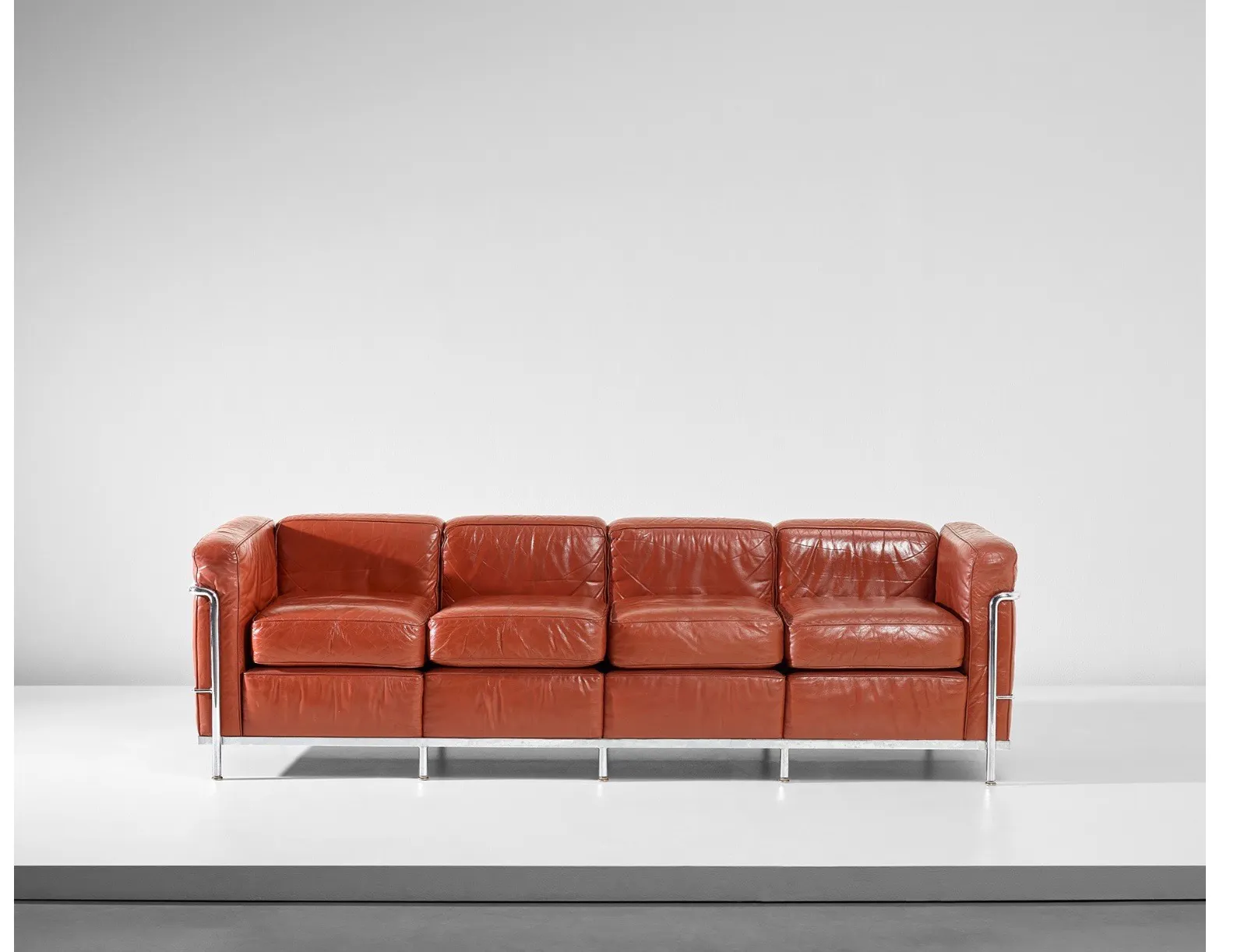
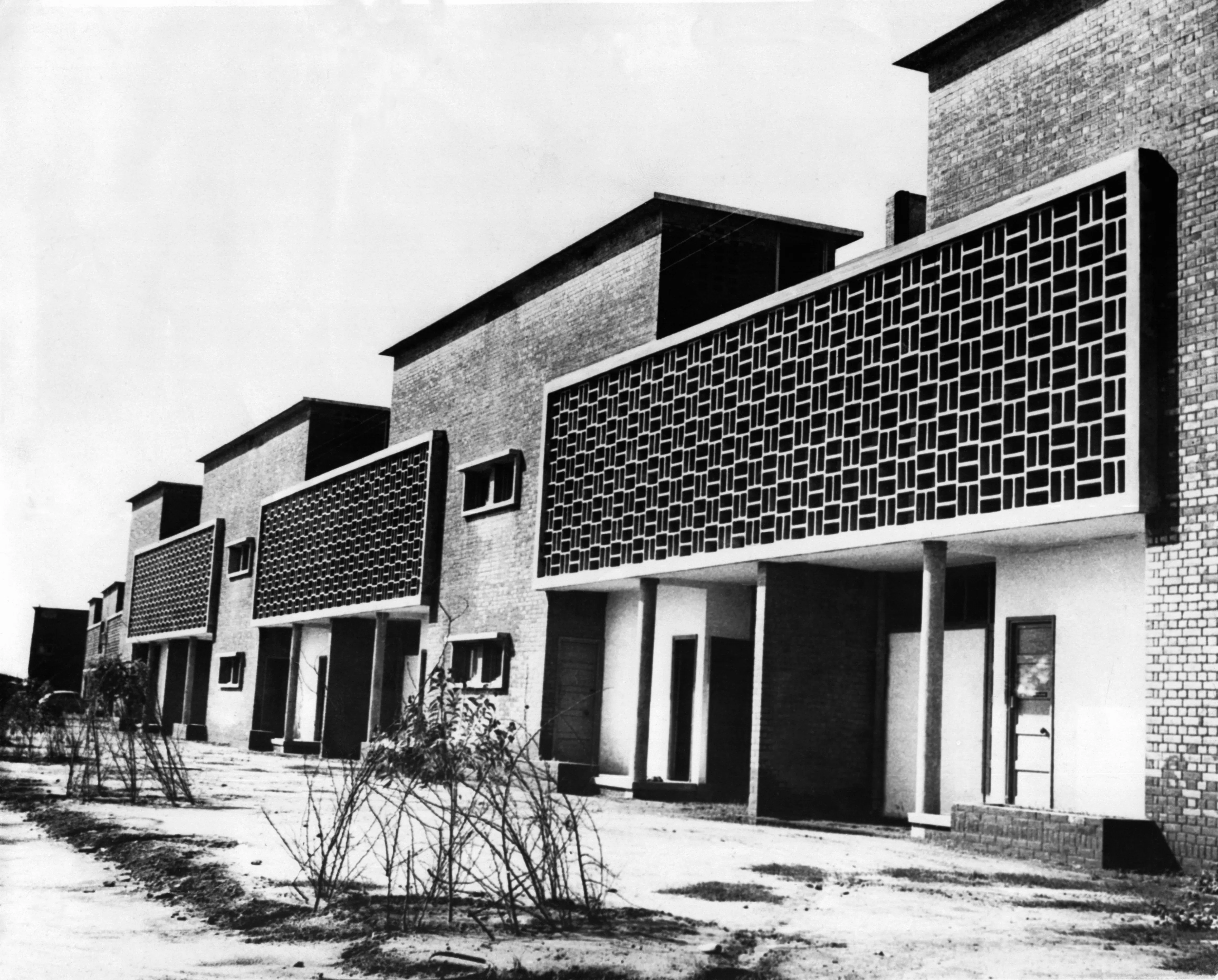
Their political differences drove a wedge between the designers. However, in 1950, when the Indian Prime Minister asked Le Corbusier to take over the Chandigarh project, Jeanneret was the first person he asked for help. Jeanneret agreed to join the project and stayed in Chandigarh long after Le Corbusier left. Together with British architects Maxwell Fry and Jane Drew, Jeanneret took over the majority of the work.
He believed only a good human being could create a good building.
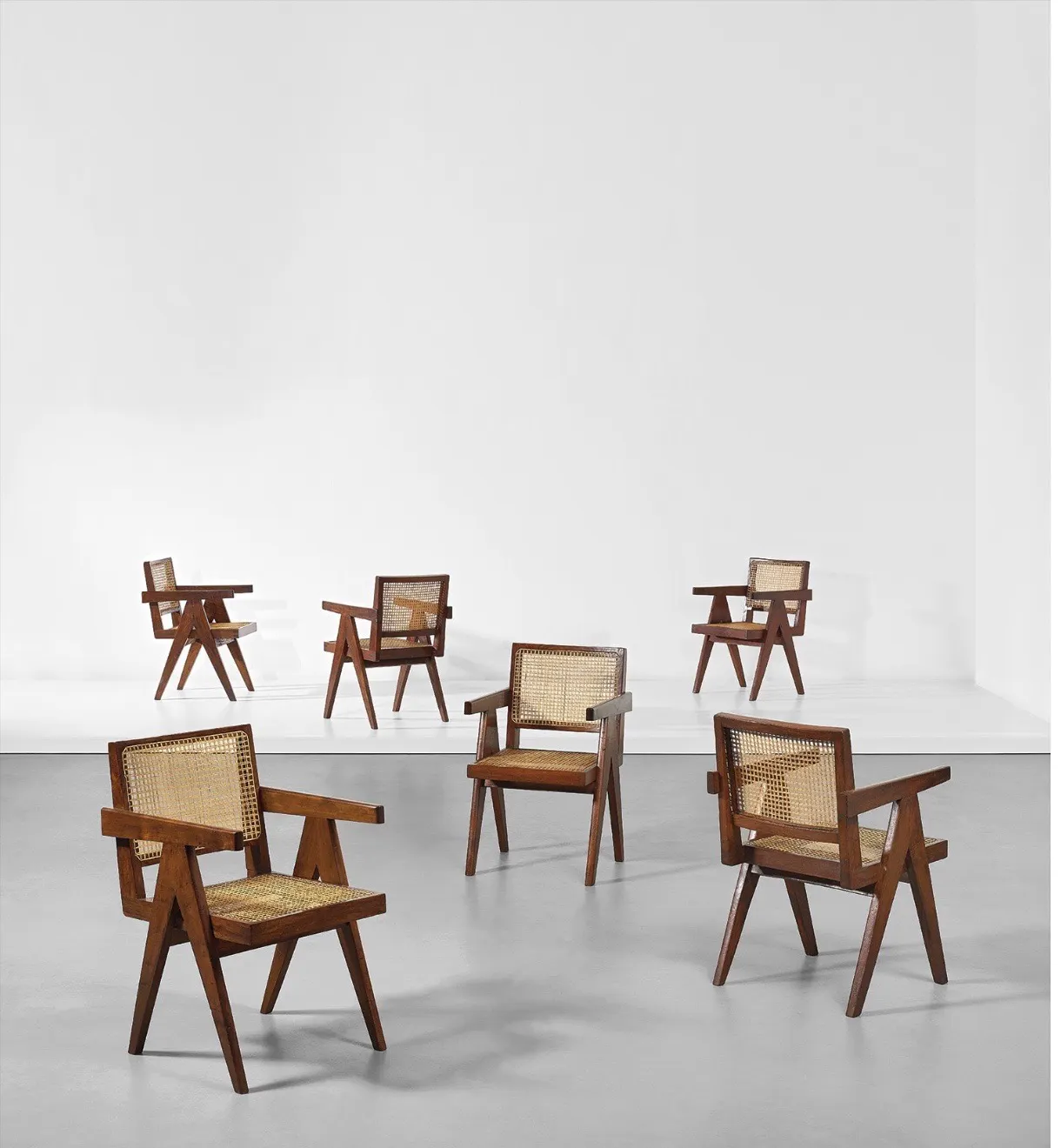
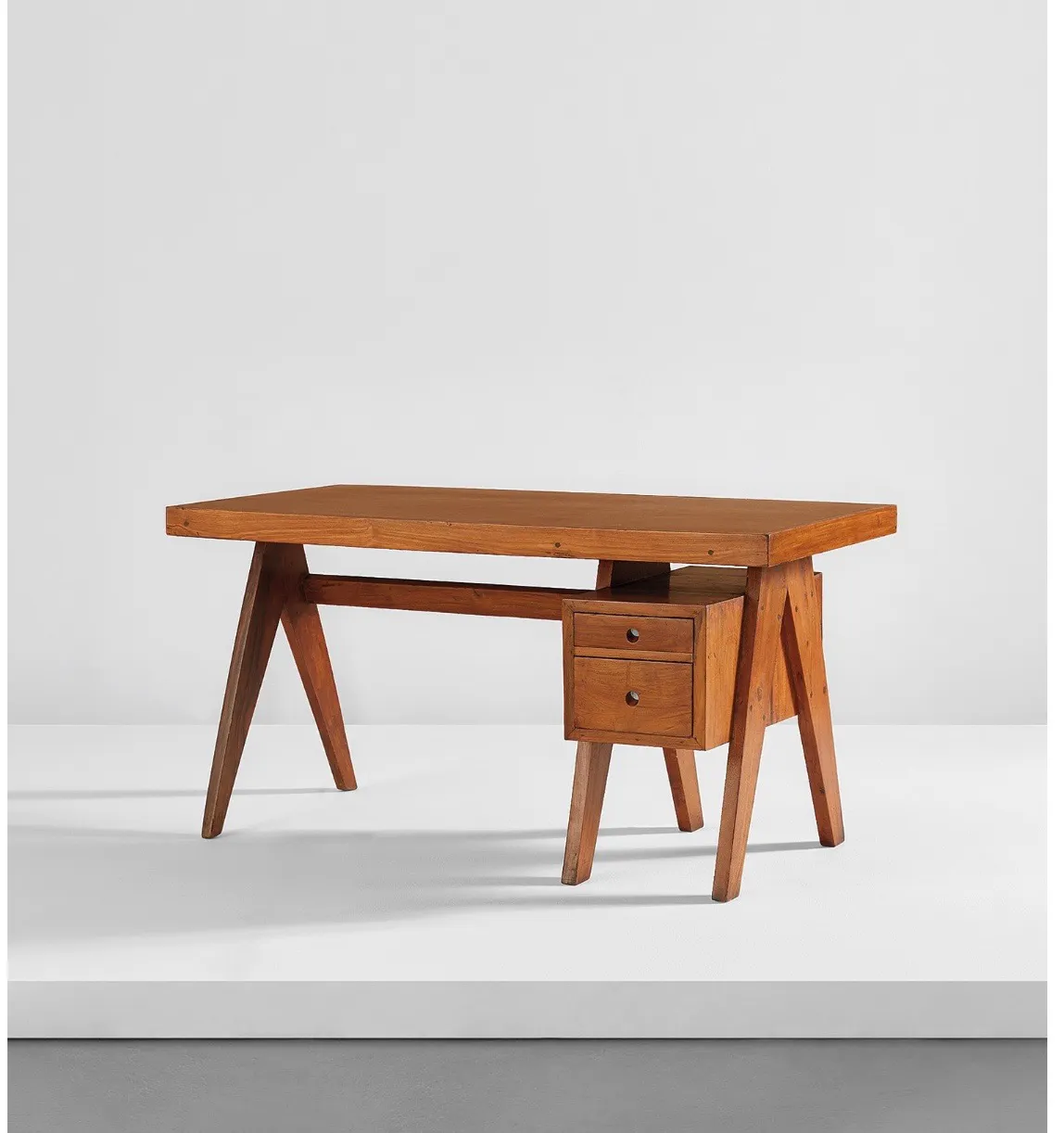
Jeanneret’s designs weren’t limited to buildings. His vision for Chandigarh was that the everyday people should also have aesthetically beautiful, comfortable and solid furniture. One of his assistants during this time described him by saying: “He believed in the elements of purity, simplicity, and order. He believed only a good human being could create a good building.” He designed chairs, tables, beds, benches, and other pieces of furniture that he hoped would improve the quality of life of his new neighbors. Thousands of Jeanneret's pieces of furniture were made, filling houses, offices and public buildings. Their modern design was fresh and innovative even by today's standards, and their quality beyond question.
See also: Arne Jacobsen: The Father of Danish Functionalism
They were so well made that they survived an unfortunate tragedy when, at the end of the 20th century, the people of Chandigarh decided to ‘modernize’ their surroundings and dump most of the Jeanneret furniture in rubbish pits in the city. No one is quite sure how many pieces of furniture were destroyed or lost during these so-called upgrades; however, around twenty years ago, a handful of visionaries who understood the value of the pieces travelled to India to save what they could from the dumps. Fortunately, the people of Chandigarh recognized their mistake.
In 2017, the Pierre Jeanneret Museum opened in the townhouse designed and built by Jeanneret. He lived there from 1950 until he fell ill in 1965. After leaving this house to return to Europe, a number of bureaucrats systematically ruined the interior with various renovations. It took years for the restorers to bring the building back to its original condition and to form it into a museum. Today, it is filled with furniture designed by Jeanneret – a permanent monument to a man who has often been content to thank others for his brilliance, and a reminder of the importance of protecting modernist treasures from destruction.