With his gallery in Cologne, Rudolf Zwirner became a groundbreaking pioneer for the market and perception of contemporary art in Germany in the 1960s. In 1966 he was a co-founder of the Cologne Art Market, a fair for modern art, from which today's Art Cologne developed. Zwirner privately collected a wide range of works on paper, including works by contemporary artists and old masters.
With the special auction "Rudolf Zwirner Collection - Works on Paper", which will open the Grisebach summer auctions in Berlin on May 30 at 2 p.m., Zwirner is now parting with 31 of these works, which were dated between 1641 (Rembrandt's Landscape with Hut and Haystack) and 1993 (Al Taylor's Untitled (Can Study)).
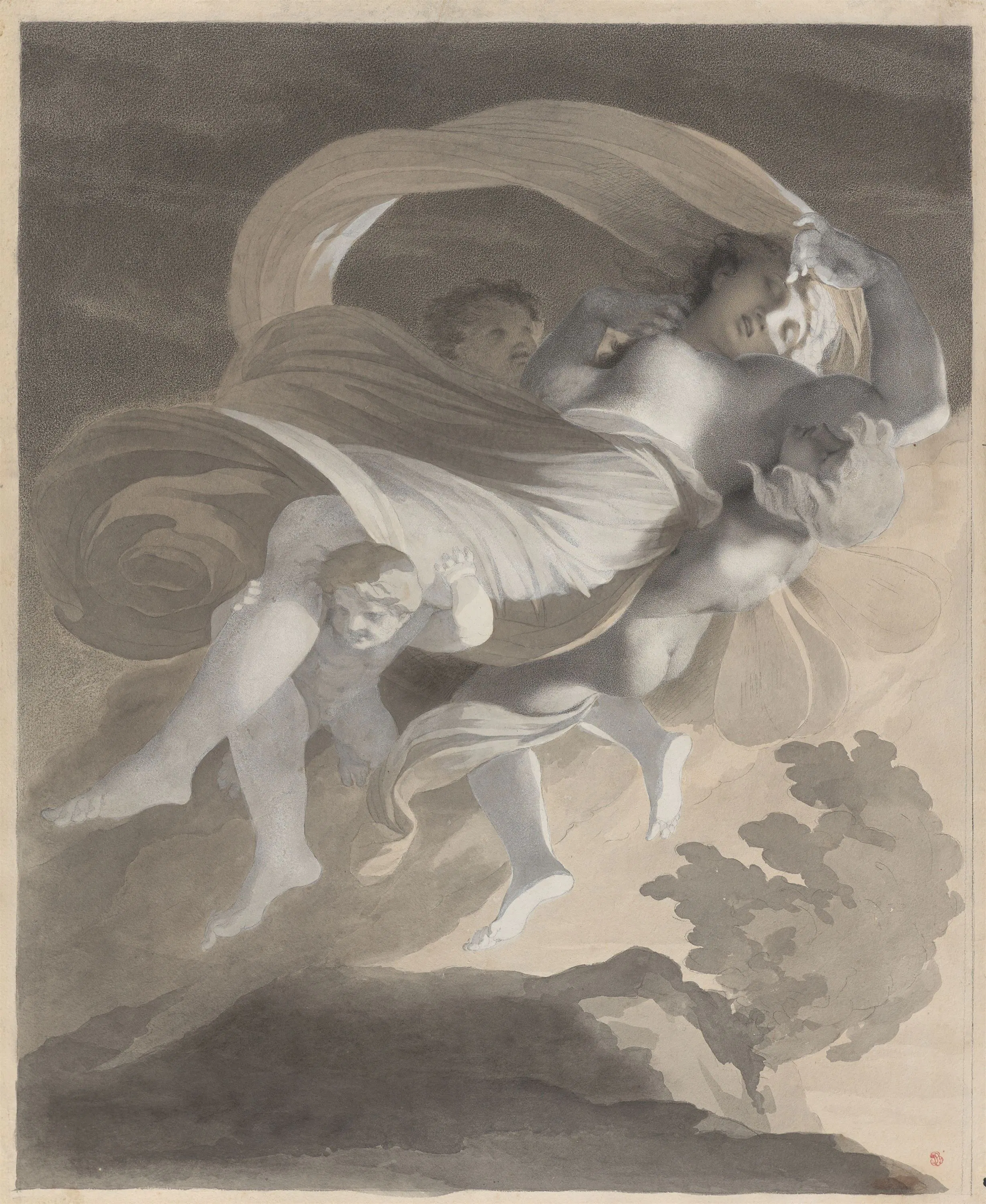
The top lot here is L'Enlèvement de Psyché (around 1808), a wonderful preliminary study by Pierre-Paul Prud'hon for his painting of the same name, which is on display in the Louvre. Also worth mentioning is Carnet Guernesey, a rare painted work by the great writer Victor Hugo, who painted it in 1856 during his exile in the Channel Islands.
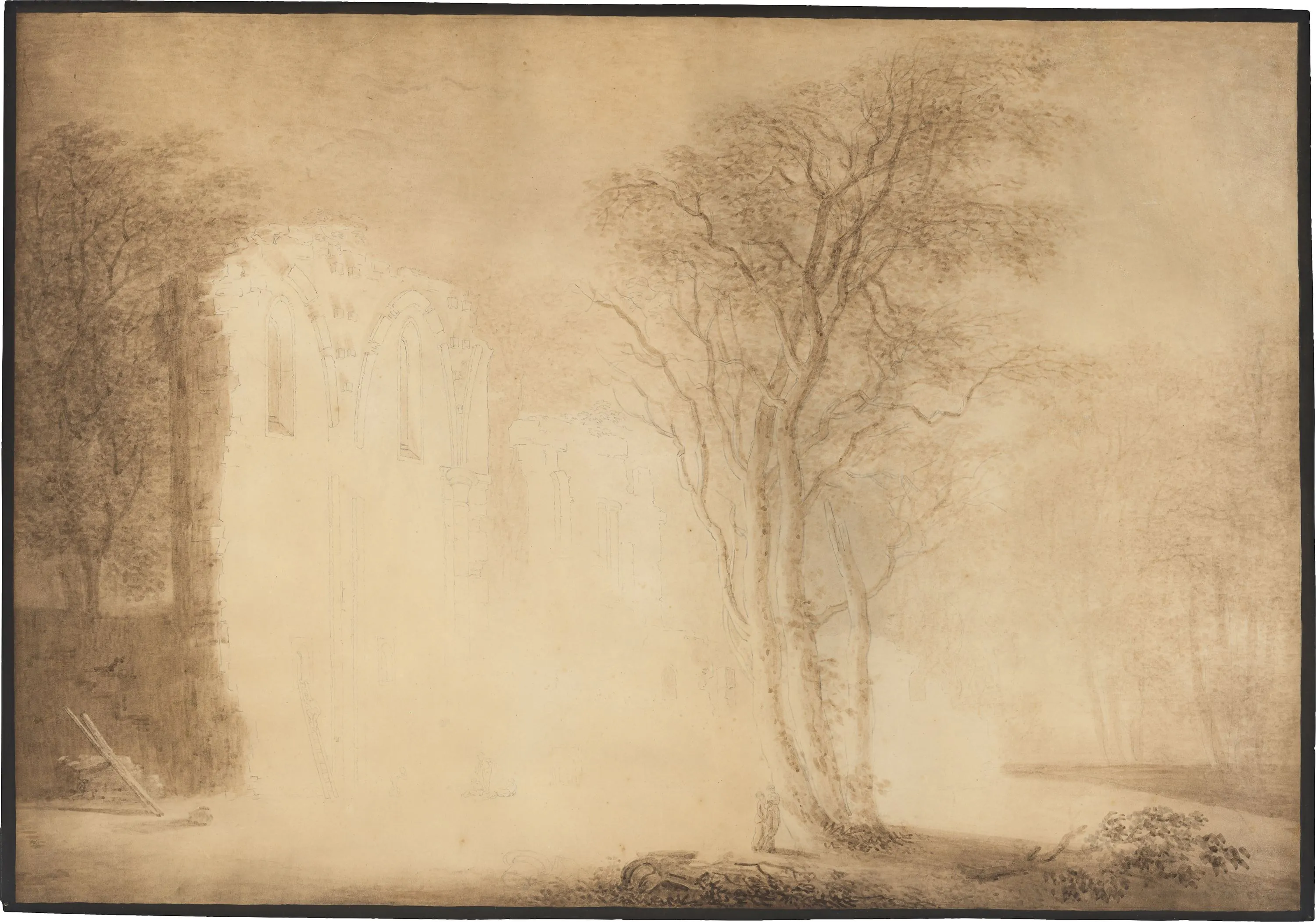
Afterwards, 19th century art is on the program at 3 p.m. Five works by Caspar David Friedrich are up for grabs here, including an early oil painting and the unfinished drawing Fire in a Church Ruin (around 1800/01), which was initially owned by one of the artist's brothers and was then passed on through direct inheritance. Friedrich himself served as the motif for another highlight of the offer: Caspar David Friedrich on the Rock ("View of the Sea") by his friend Georg Friedrich Kersting was created around 1809/10 and is still owned by his family today.
Finally, at 6 p.m., the "Selected Works" auction, which is always eagerly awaited, will not disappoint art lovers and collectors of modern and contemporary works.
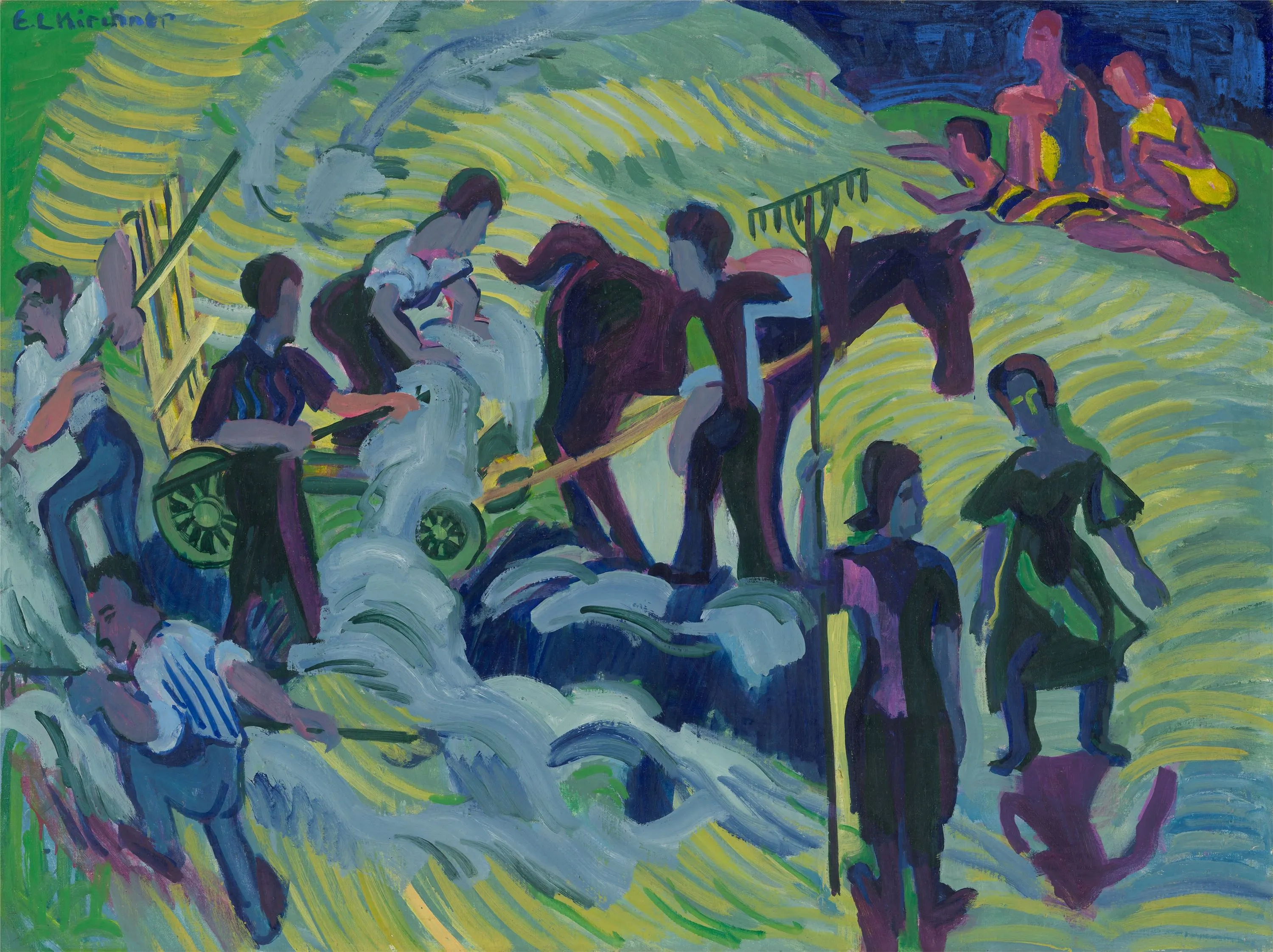
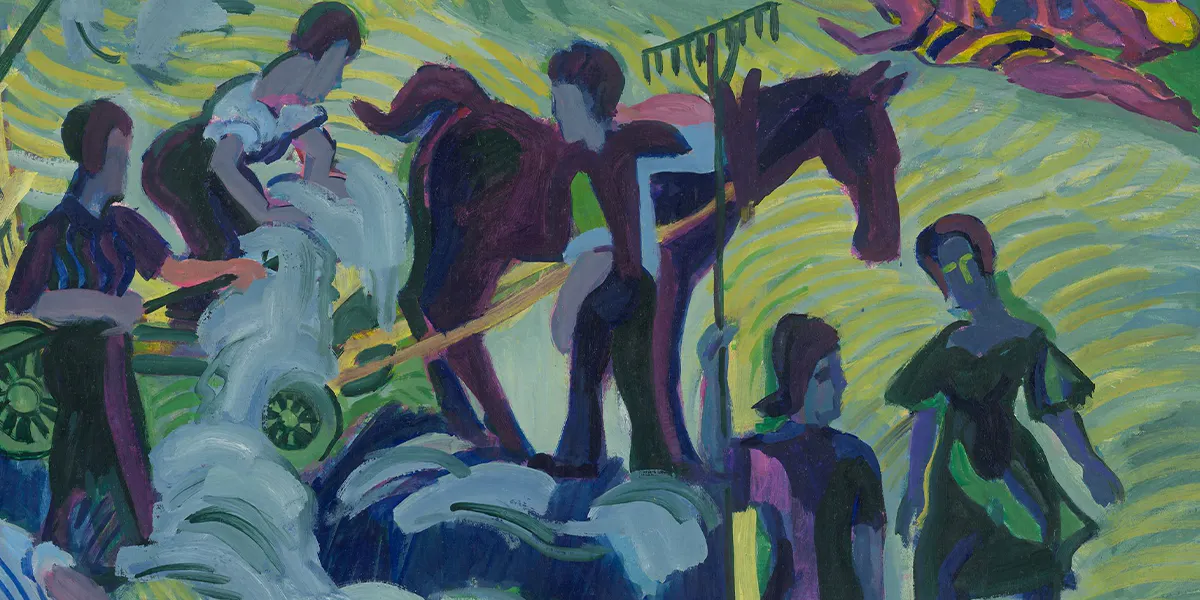
First of all, attention must be paid to Ernst Ludwig Kirchner's Hay Harvest from 1924-26, which deals with the everyday life of farmers on the mountain pastures near Davos, Switzerland. Kirchner, scarred by the horrors of the war, went to Switzerland in 1917, where the simple life of the people, characterized by the necessities of daily work, gave him new inspiration. This also becomes clear in Heuernte, in which he clearly puts the farmers toiling in the foreground and makes the summer vacationers, who are relegated to the upper right corner, appear like foreign bodies. Also offered is a rare flower painting by Kirchner, Bluebells, which was created in 1919.
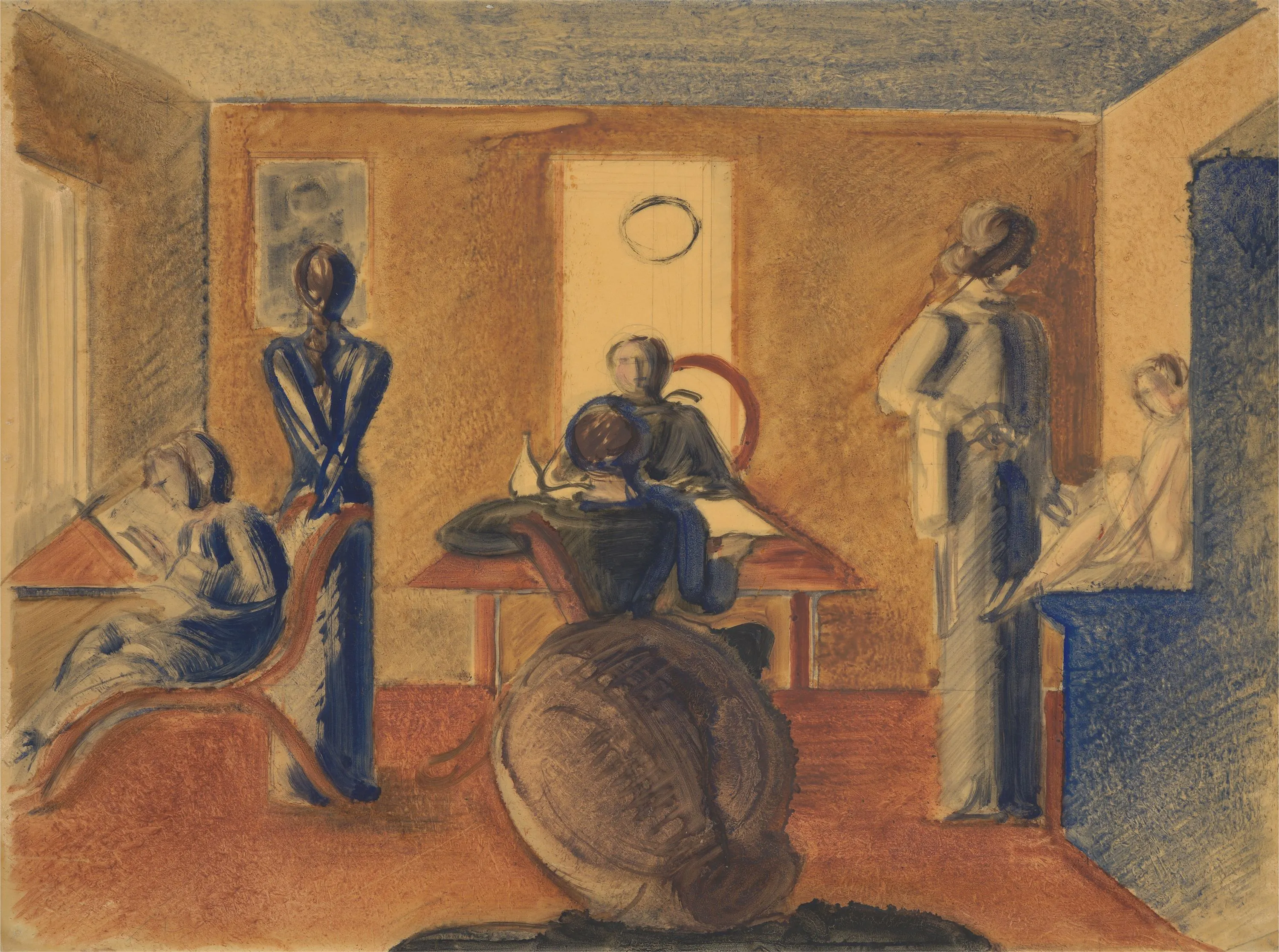
Life is a stage and people act on it - both in reality and on a metaphysical level. Oskar Schlemmer's present work actually looks like a stage, as viewed in the foreground by a back view figure, typical of the artist, who maintains an analytical distance from the well-composed event despite the intimacy that the scene conveys. Room with Seven Figures from 1937 is one of Schlemmer's life sketches surrounding his family and reflects the limited freedom of movement that he experienced after his art was deemed "degenerate" by the Nazis.
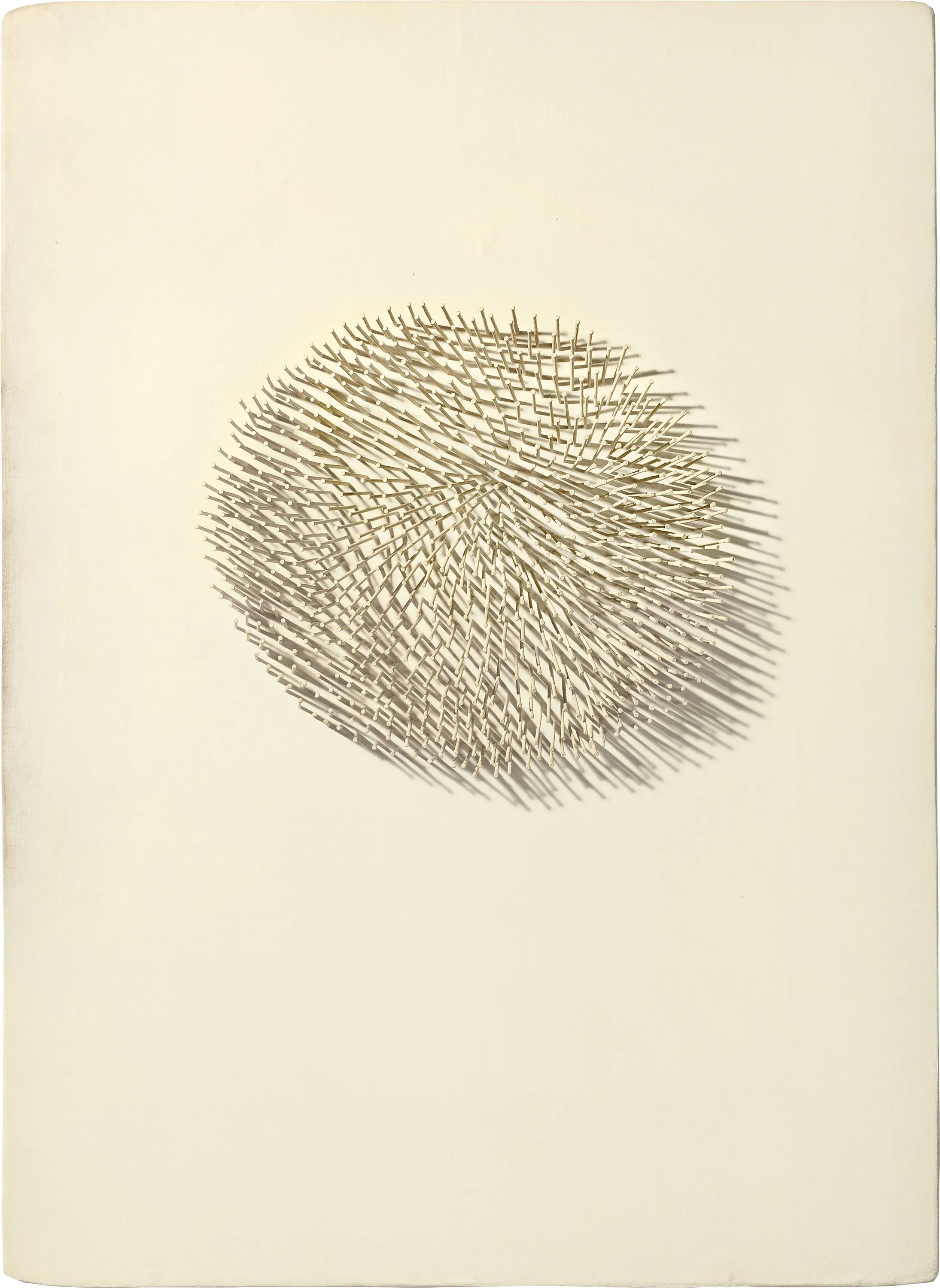
Founded in Düsseldorf in 1958 by Heinz Mack and Otto Piene, the ZERO group strived for a new beginning in art with light as a central element. In 1961, Günther Uecker joined the group and faced this challenge with the help of an inconspicuous everyday object: the nail. Indomitable in its shape, the nail proves to be surprisingly versatile in the company of other nails. When placed correctly, they create the impression of movement through the play of light and shadow. This also applies to Uecker's present work, which was created in 1962 in the middle of his main creative period as part of ZERO.
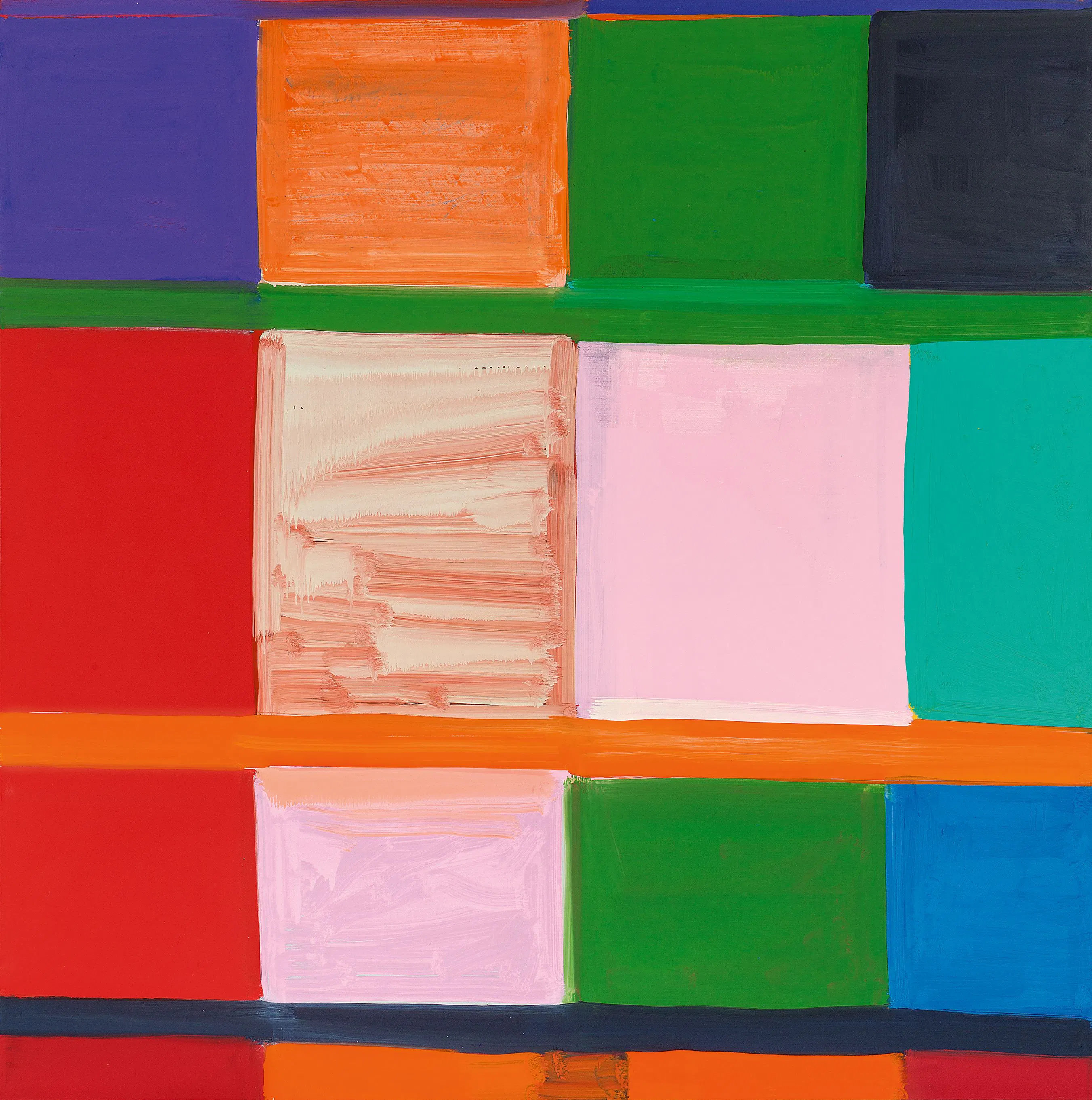
The works of Stanley Whitney are similarly lively, but he does not rely on nails, but rather on colors, which he distributes in individual boxes on his square canvases. He proceeds intuitively; apart from the color of the first box, nothing is planned, which is why the viewer can always look for a new path through the composition and thus experience it again and again.
Also noteworthy among the selected works are Wassily Kandinsky's important oil study Rapallo - Castello and Church from 1906, Ernst Wilhelm Nay's Pillar of Fire from 1965 and CLOUSE!, which Neo Rauch performed in 2000.
On May 31, two further auctions will follow: Modern Art (11 a.m.) and Contemporary Art (6 p.m.), which round off the outstanding offering.
Grisebach's summer auctions will take place on May 30 and 31 at Fasanenstrasse 27 in Berlin. All works will be exhibited there from May 23-29.