
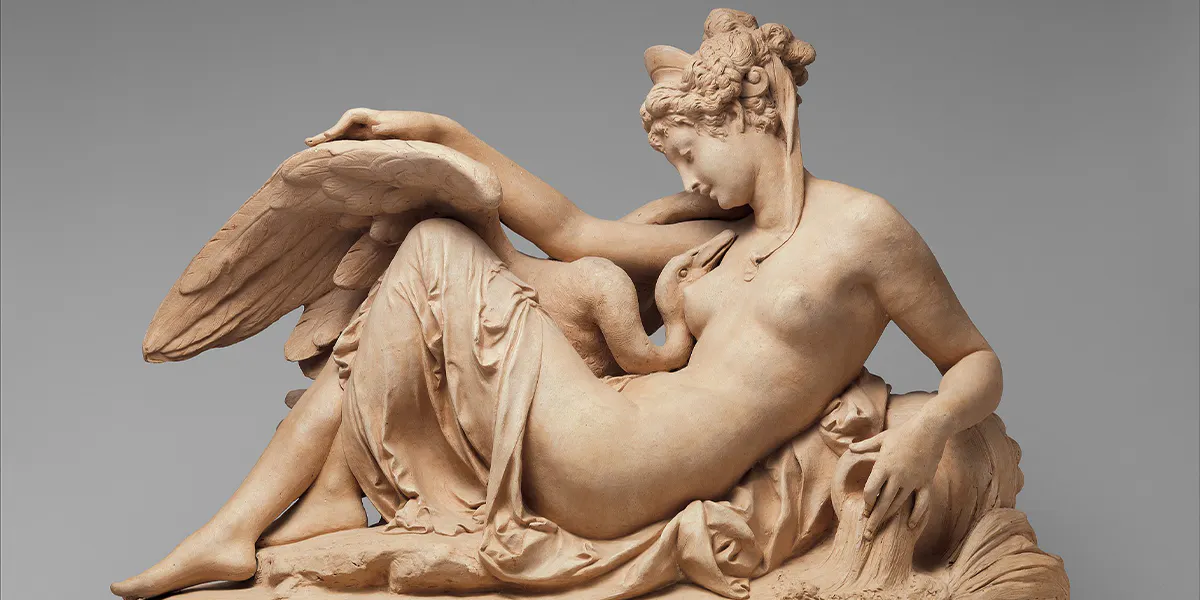
Unlike some of his contemporaries, Albert-Ernest Carrier-Belleuse (born Albert-Ernest Carrier de Belleuse; June 12, 1824 - June 4, 1887) had a versatile career, which expanded beyond the French borders: between 1850 and 1855, he worked in the well-known Mintons company in England. Then, in 1871, he worked in Brussels.
Related: 5 Must-see Cultural Destinations in the North of France
In France, he was an important figure in sculpture, as he was a founding member of the Société Nationale des Beaux-Arts, for which he was made an officer of the Legion of Honor.
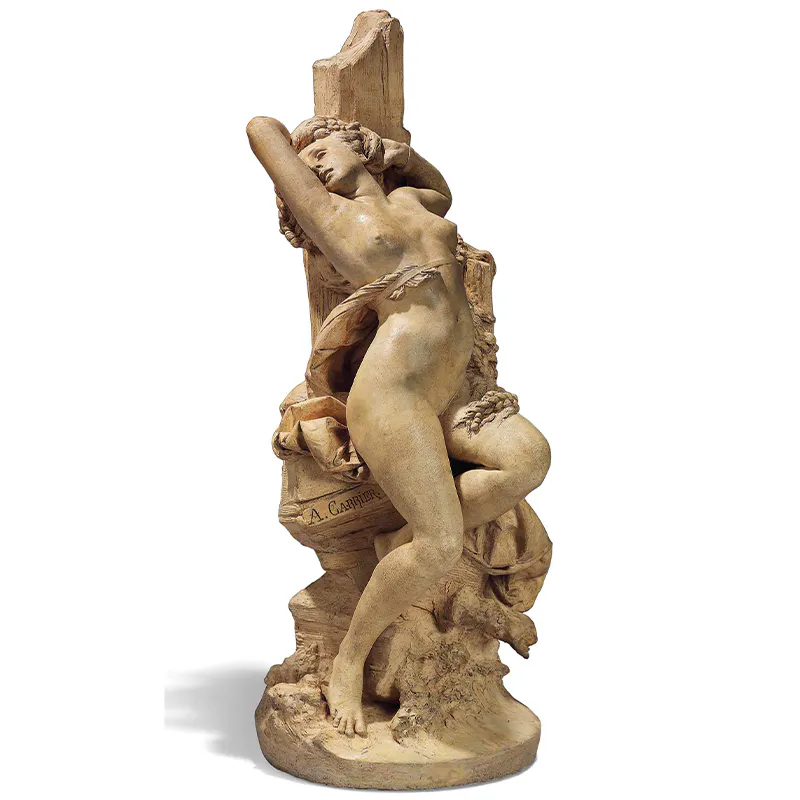
Born in Anizy-le-Château, Aisne, France, he began training as a goldsmith's apprentice. He was a pupil of David d'Angers and studied briefly at the École des Beaux-Arts. His most famous assistant was Auguste Rodin, who worked alongside him for several years from 1864. During their stay in Brussels, the two worked on Carrier-Belleuse's architectural sculpture for the Brussels Stock Exchange.
Related: The 5 Most Important Sculptures in Italy
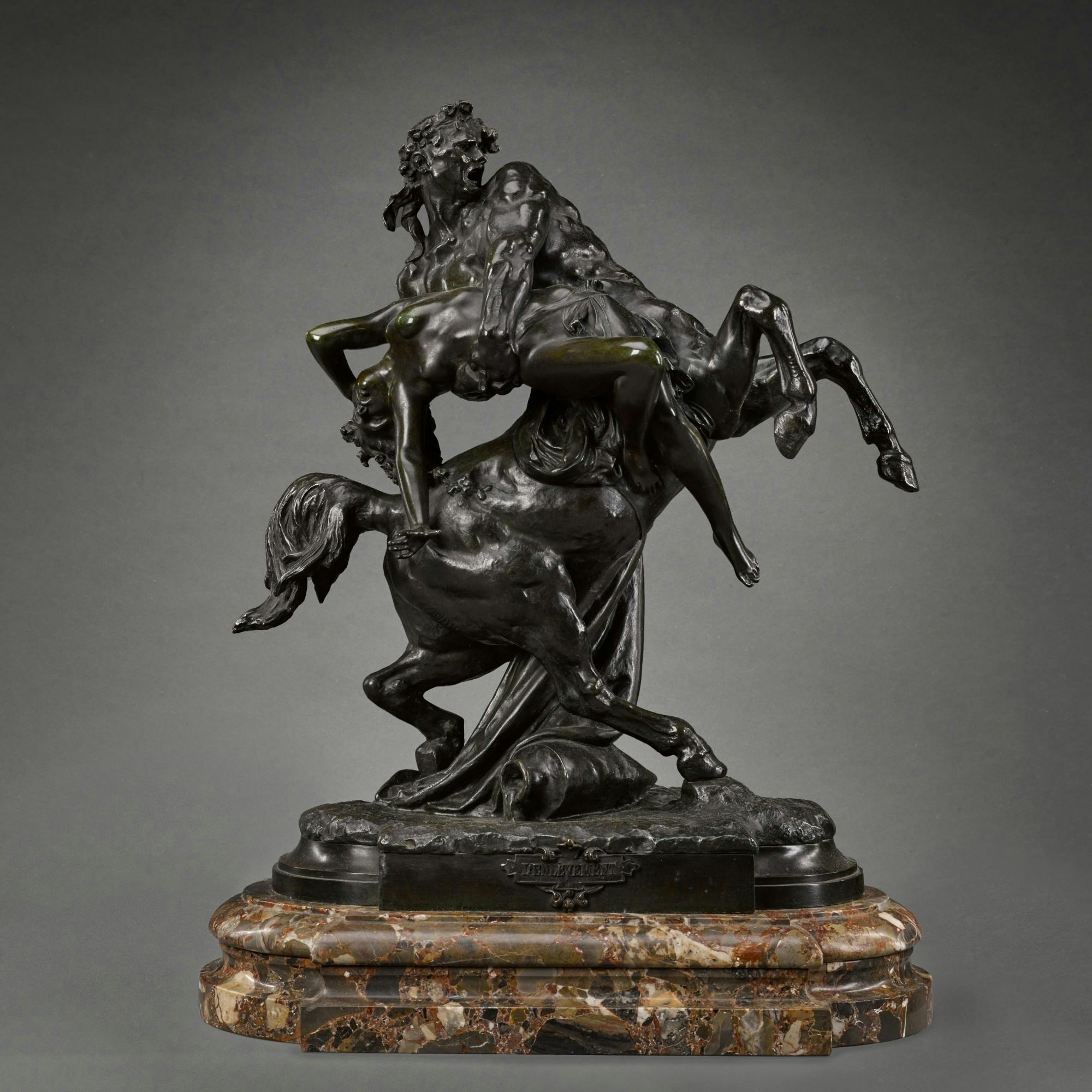
Carrier-Belleuse produced many terracotta works, one of the most famous and iconic being L'Enlèvement d'Hippodamie ('The Abduction of Hippodamia'). It portrays the Greek mythological episode where a centaur abducts Hippodamia, daughter of Oenomaus and wife of Pelops, on her wedding day.
In terms of style, this French artist's work encompassed all kinds of sculptural subjects and materials and incorporated a wide range of styles: from unadorned realism to Rococo elegance and to Neo-Baroque buoyancy.
Want to read more articles like this? Subscribe to our free newsletter!
Carrier-Belleuse was able to pass on his love of art to his sons Louis-Robert Carrier-Belleuse (1848-1913) and Pierre Carrier-Belleuse (1851-1932), who embarked on a career in painting.
The French sculptor died on June 4, 1887 in Sèvres, France. Today his work sells for hundreds of thousands at auction, though you can find pieces for a few thousand as well.