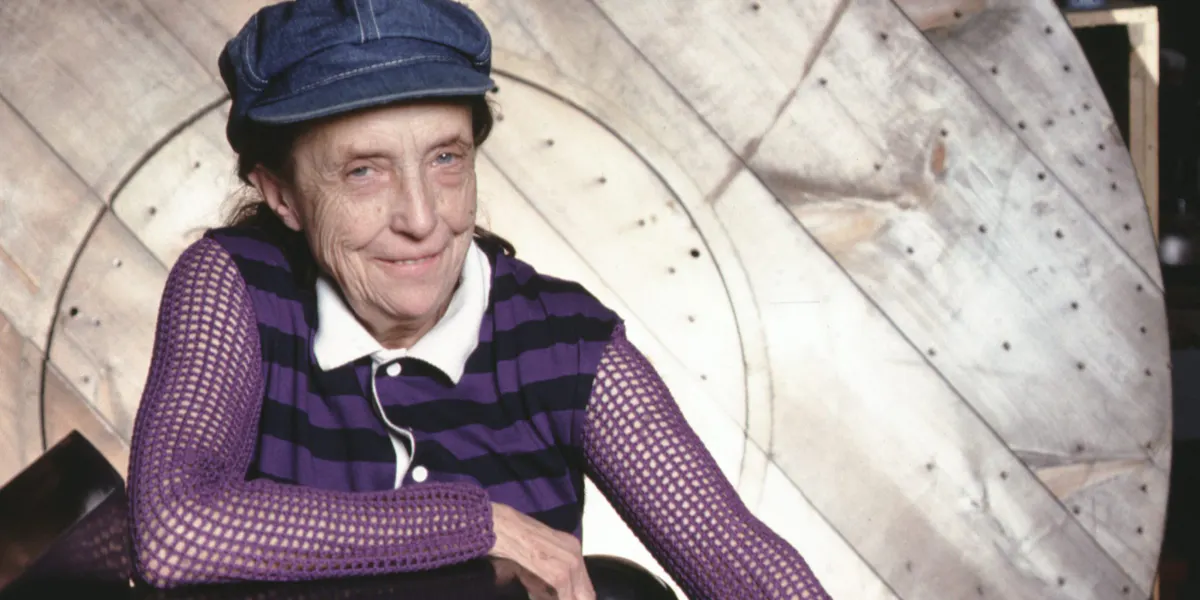
After immigrating to the United States on the eve of World War II, this classification-defying artist transformed her homesickness and childhood suffering into art that is still engaging and fascinating. It does well at auction also – in 2023, one of her monumental spiders sold for more than $32 million at Sotheby’s New York. Nearly a decade after her death, Bourgeois continues to weave her web.
Born in Paris on December 25, 1911 into a family of tapestry restorers, Bourgeois quickly picked up handiwork by involving herself in the family business. She contributed by reweaving and recreating motifs, sometimes filling in when the house designer was absent. Gifted all-around and exposed to Enlightenment philosophy and progressive ideals (she was allegedly named after the anarchist Louise Michel), Bourgeois obtained her baccalaureate at the Lycée Fénelon in 1932 then studied mathematics at Sorbonne University. However, she found the subject too theoretical for her liking and went to find something to release the inner angst that she attributed to familial troubles.
See also: The 14 Most Expensive Female Artists
Bourgeois progressed through several free academies and the École des Beaux-Arts, then enrolled in the École du Louvre in 1936. In Paris, she met Fernand Léger, André Loth, and several other figures in the avant-garde movements, mostly Surrealists, who she would later meet up with in America during the war. In 1938, she married the American art historian Robert Goldwater, whom she had met in a gallery. They settled in America, where she mingled with Marcel Duchamp and the architect Le Corbusier, among others. This is when her artistic career really began.
See also: Le Corbusier: 5 Facts to Know
In her first significant works after those from her early Parisian years, Bourgeois developed an interest in the figure of the mother and the idea of the domestic space as both protective and demeaning. By 1941 she had three sons, including one adopted in France, and she could view motherhood from the perspective of both a daughter and a mother. In a bid to cure herself of homesickness and sadness from the loss of her own mother, she began her Femme Maison/Woman House series, which depict curving female forms merging with geometric architecture.
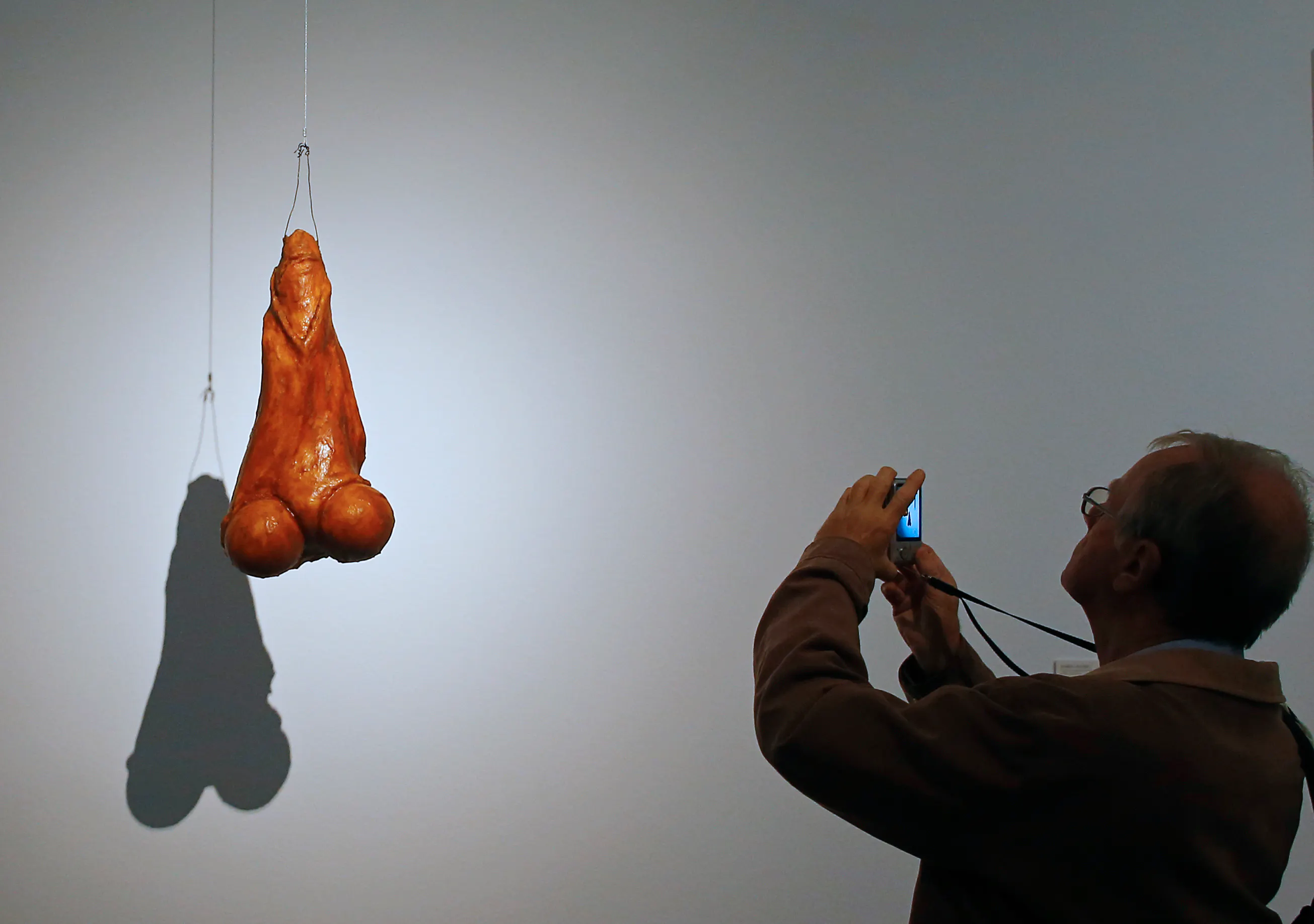
Bourgeois admitted to always seeing art as a type of therapy, and in the 1950s, after the death of her father, she began 30 years of psychoanalysis that would have a deep-reaching effect on her work. Her woman-houses were succeeded by totems – oblong, necessarily phallic sculptures by which she broached themes of domination and fragility from a surrealist angle. Sexuality and genitalia, whether masculine (like her Fillette, 1968) or feminine, abound profusely in her protean world which she developed on the fringes of the American art scene, working profusely on sculptures, engravings, paintings, and installations, while seldomly exhibiting in solo shows.
Want more news like this straight to your inbox? Subscribe to our free newsletter!
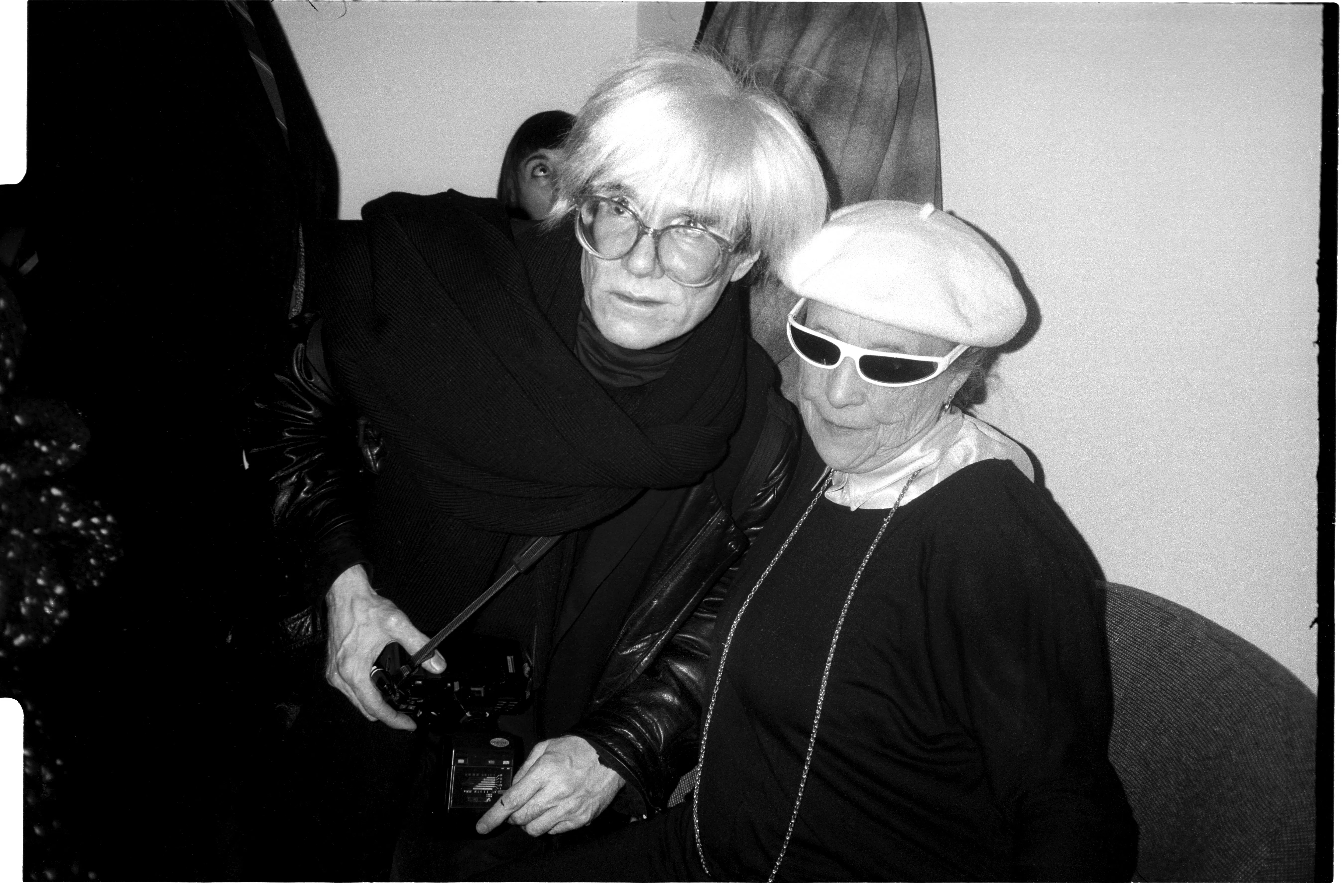
Bourgeois’ work nevertheless gained renown from the 1970s onwards, when critics and the public showed a lively interest in the links with the unconscious and memory that nourish her work. Her installations especially are highly erotic, dreamlike, and sometimes provocative with regard to the feminist cause. The MoMA in New York devoted a retrospective to her in 1982, and after that the well-deserved laudatory articles, solo exhibitions and distinctions began coming to her.
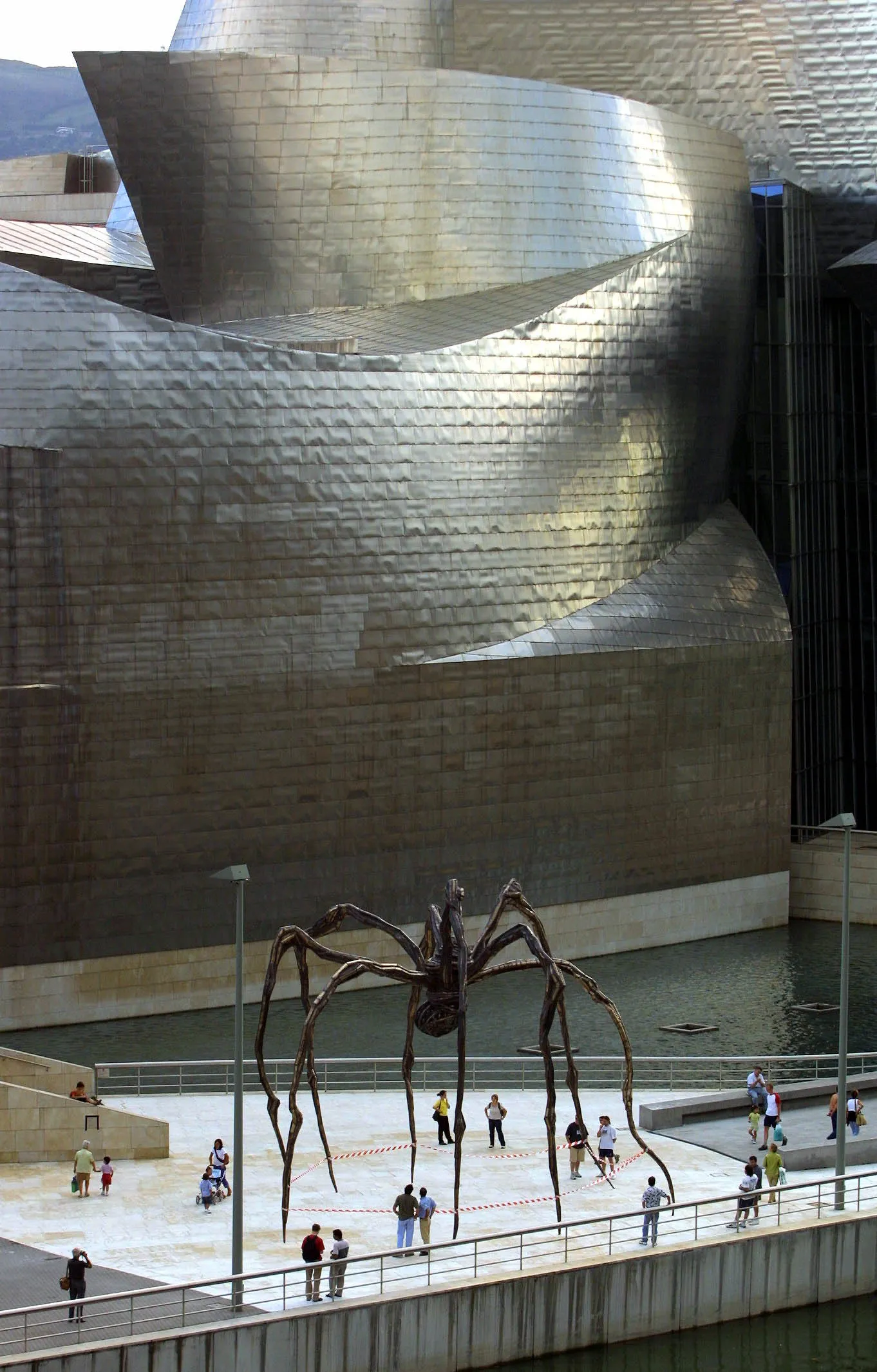
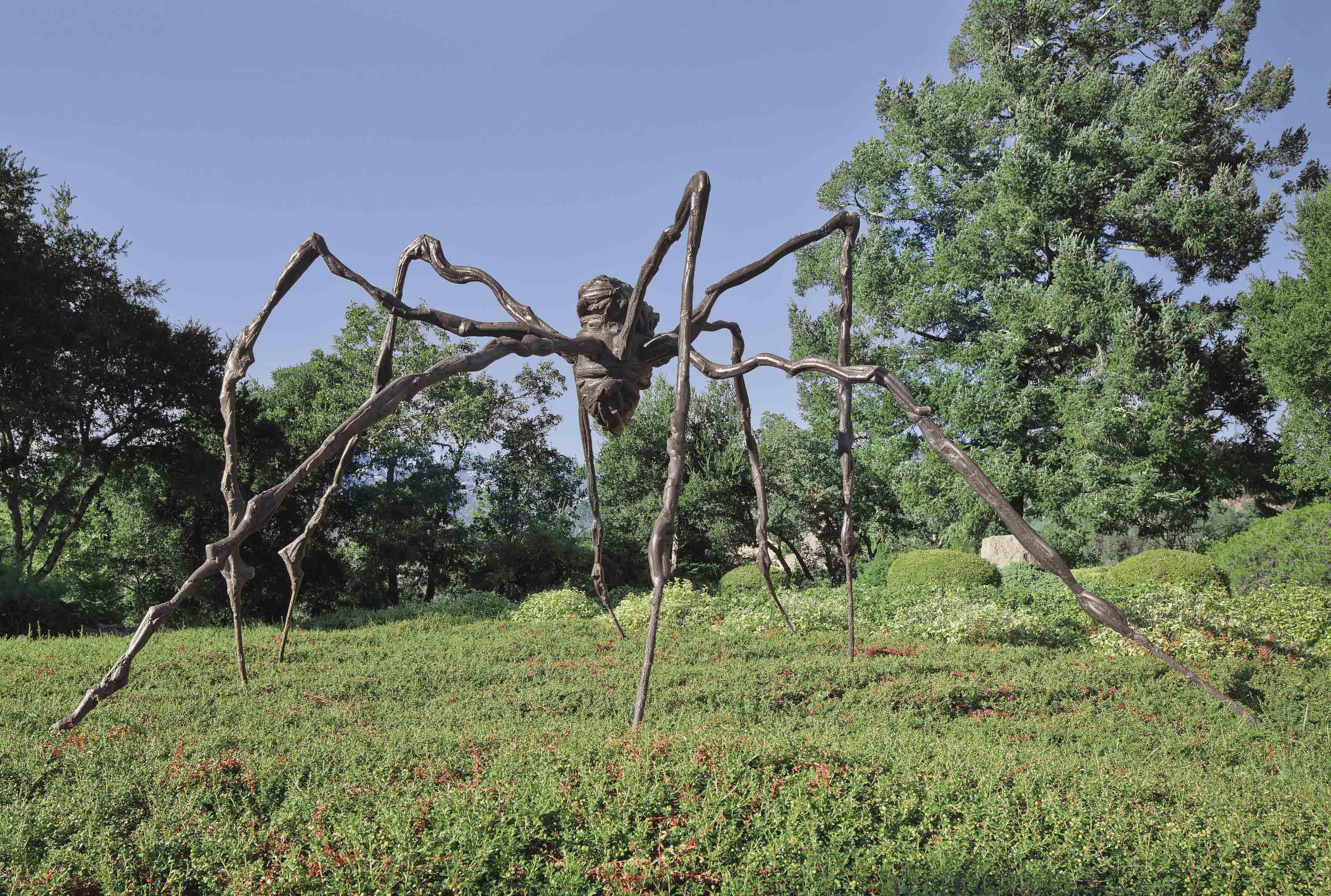
In 1999 she received a Golden Lion at the Venice Biennale for the entirety of her body of work. In the 1990s she had refocused on the mother figure, this time in the form of monumental spiders that referred more to the materials of her tapestry weaving background than to a psychoanalytical interpretation. These ‘mothers’ are exhibited in Paris and the Château la Coste in Provence, as well as in museums in Bilbao, Havana, Ottawa, St. Petersburg, Tokyo, and Seoul.
See also: 12 Women Who Rocked the Art World
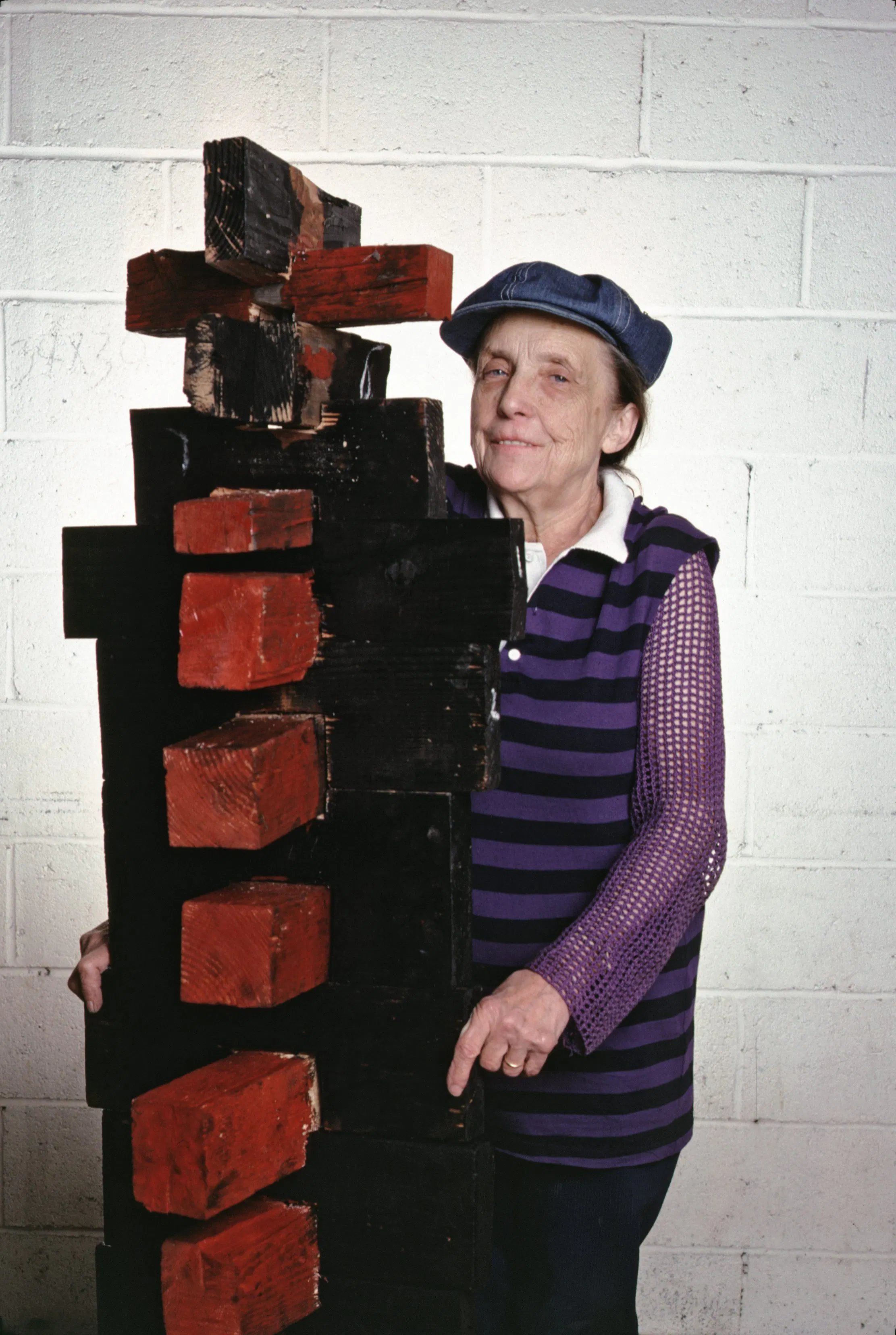
In 2008, the Centre Pompidou partnered with the Tate Modern in London to organize a major retrospective of over 200 drawings, engravings, sculptures, paintings and other objects by Bourgeois. That year she was also awarded the Légion d’Honneur by the French president when he made an official visit to the United States. Until her death in 2010, at the age of 98, the artist never stopped creating. She produced several artist’s books, as well as books of illustrations and essays on psychoanalysis. Through both her art and writing, she has left a legacy that will be explored and admired for generations to come.
Find more articles about your favorite artists here
This is an updated version of an article originally published on 10 December 2019.