British painter Laurence Stephen Lowry is best known for his distinctive industrial landscapes and depictions of working-class life, contributing to his enduring legacy as one of the most celebrated artists of the 20th century. Here are six facts to know about the artist behind the well-known 'matchstick men' and mid-century urban scenes.
1. He was a part-time painter
Originally born to a middle-class family, the son of an estate agent father and an aspiring pianist mother, Lowry and his family moved from their first home in Manchester to the industrial area of Pendlebury because of financial difficulties. To help make ends meet, Lowry had to leave school at the age of 16 and started working for an accountancy firm. From then, he'd spend most of his life working as a rent collector in the industrial areas around Manchester.
Related: Ceramics 101: British Studio Pottery
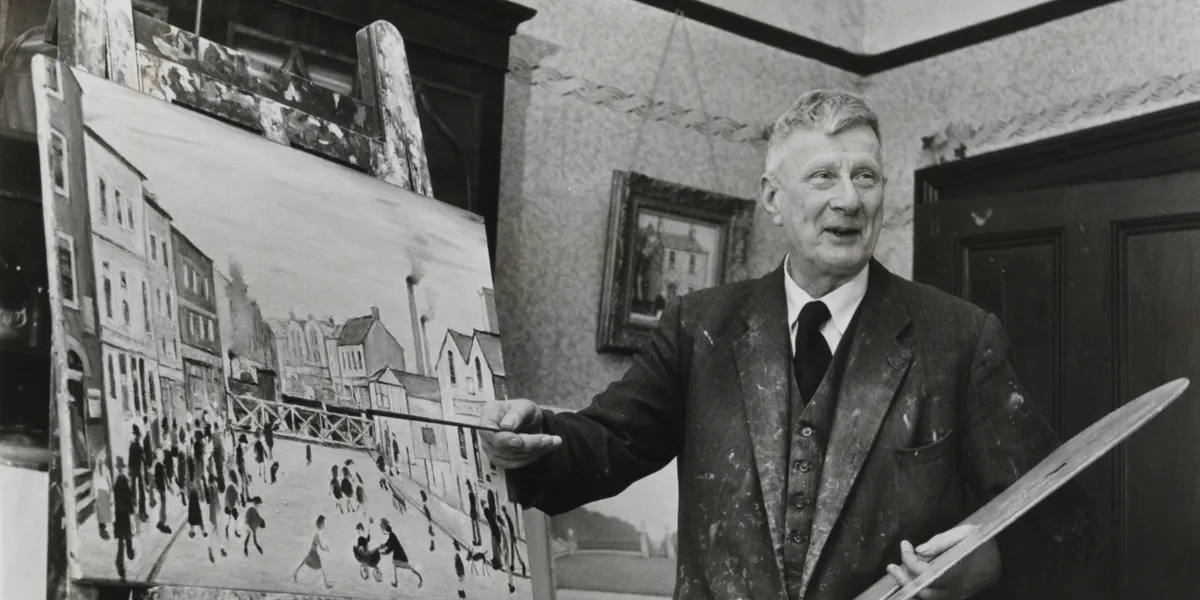
Until he retired in his sixties, Lowry painted most days after work late into the night, although he always firmly rejected the label, given by some of his critics, of 'Sunday painter,' replying: "I’m a Sunday painter who paints every day of the week!"
2. He was trained by a French impressionist
As he was primarily a part-time painter and his style appeared somewhat naive, it was often assumed that Lowry was self-taught.
Related: The Art of Plein Air Painting
Lowry, however, studied painting and drawing at various art schools in Manchester and Salford. Between 1905 and 1915 he was taught by an important French Impressionist, Adolphe Valette, at Manchester’s Municipal College of Art.
Valette, according to Lowry, had an immense effect on his art. While he never fully adopted an Impressionist style or palette (favoring a limited selection of just five colors), Lowry shared its affinity for portraying modern urban life.
3. A vision of Acme Mill changed his life
In 1916, Lowry missed a train from Pendlebury into Manchester. "It would be about four o’clock and perhaps there was some peculiar condition of the atmosphere or something. But as I got to the top of the steps I saw the Acme Mill; a great square red block with the cottages running in rows right up to it – and suddenly I knew what I had to paint."
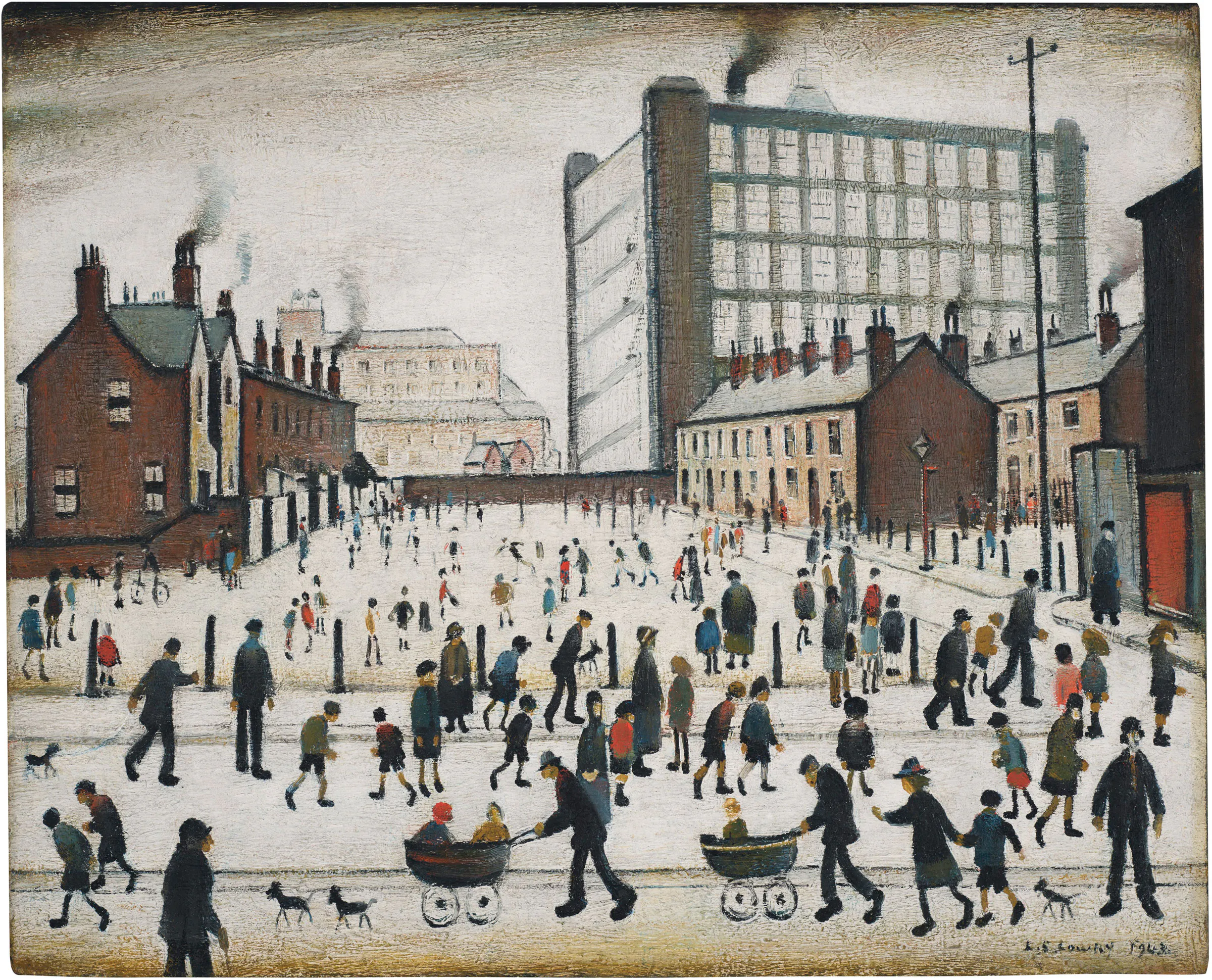
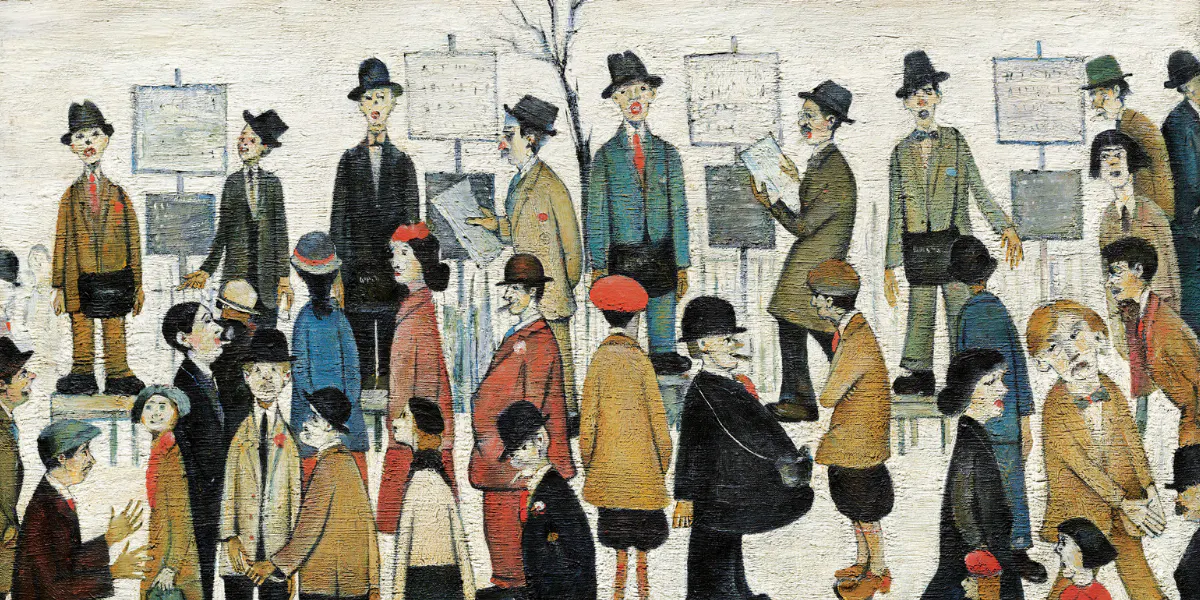
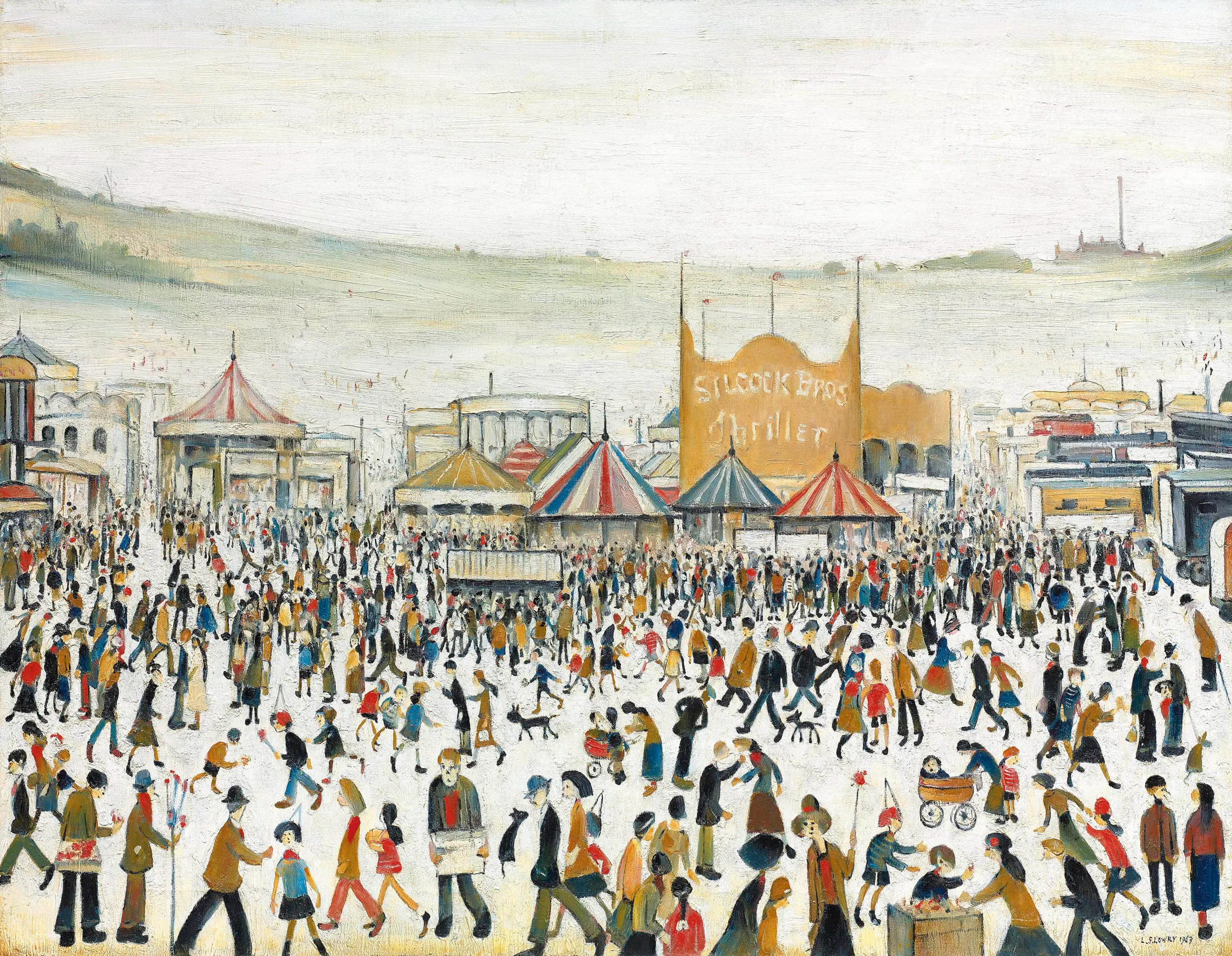
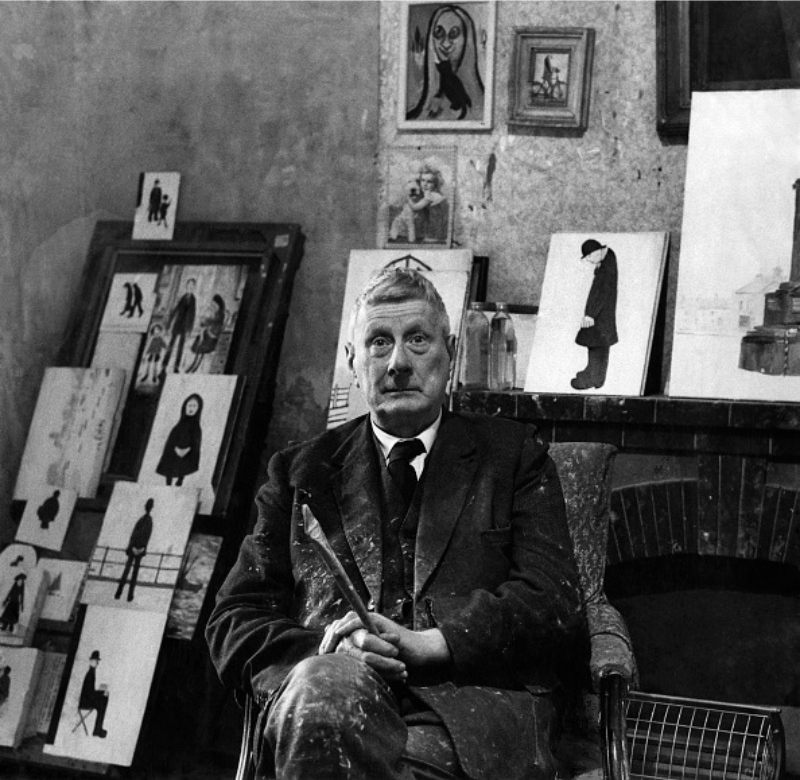
For the rest of his life, Lowry spoke of that moment as a sort of epiphany. The industrial landscapes of the East Midlands, featuring bustling streets, factories, and mills, became his primary subjects. His paintings often depicted scenes of urban life with meticulous detail, portraying the rhythm and energy of the working-class communities he observed. Lowry’s distinctive figures, often likened to 'matchstick men', became iconic features of his paintings. These simplistic yet emotive figures captured the essence of working-class life in the modern industrial city.
Related: Bauhaus: A New Guild of Craftsmen
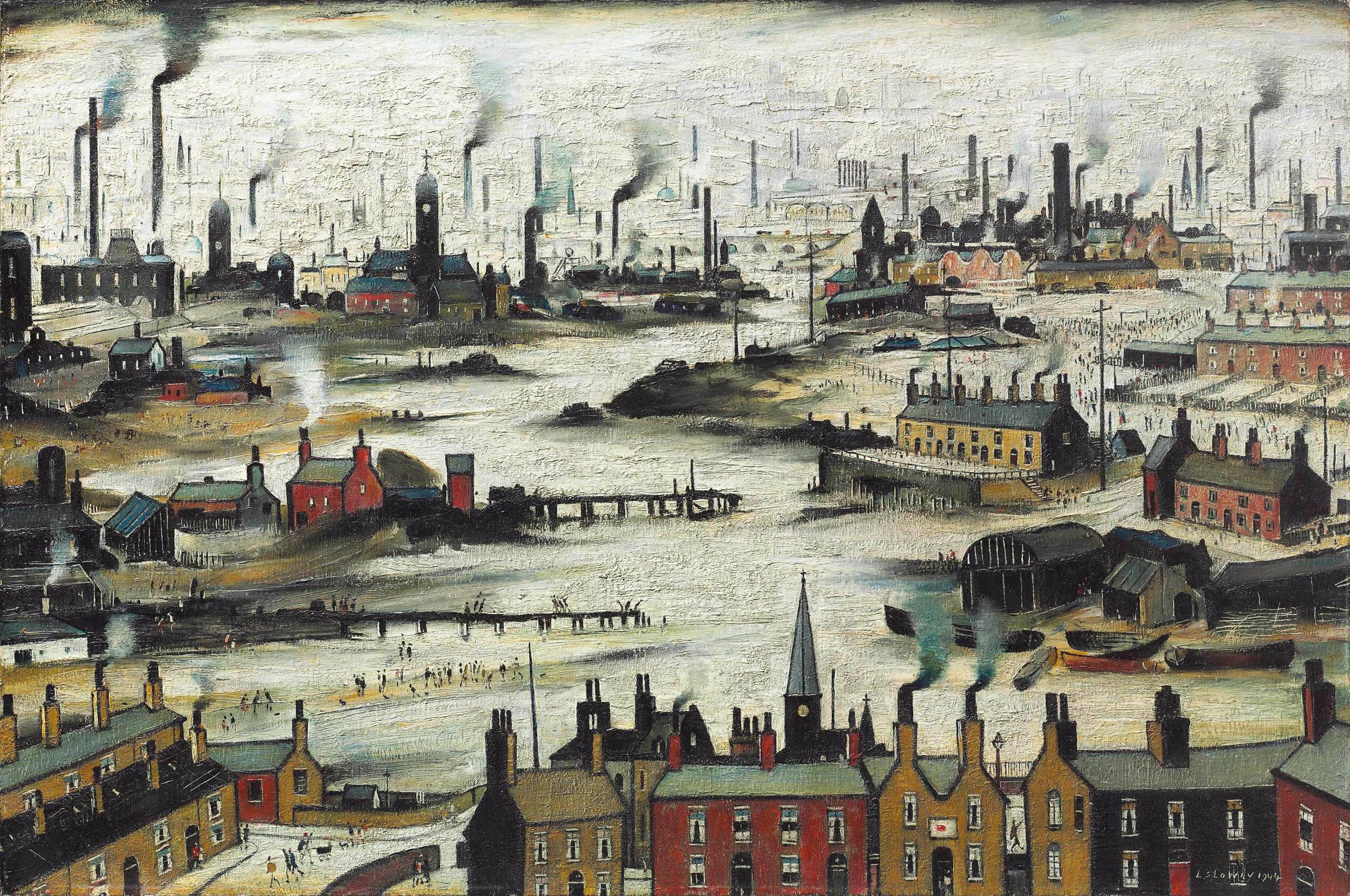
"My ambition was to put the industrial scene on the map, because nobody had done it – nobody had done it seriously" – Lowry was quoted saying in Michael Howard’s monograph from 2000.
4. He loved football
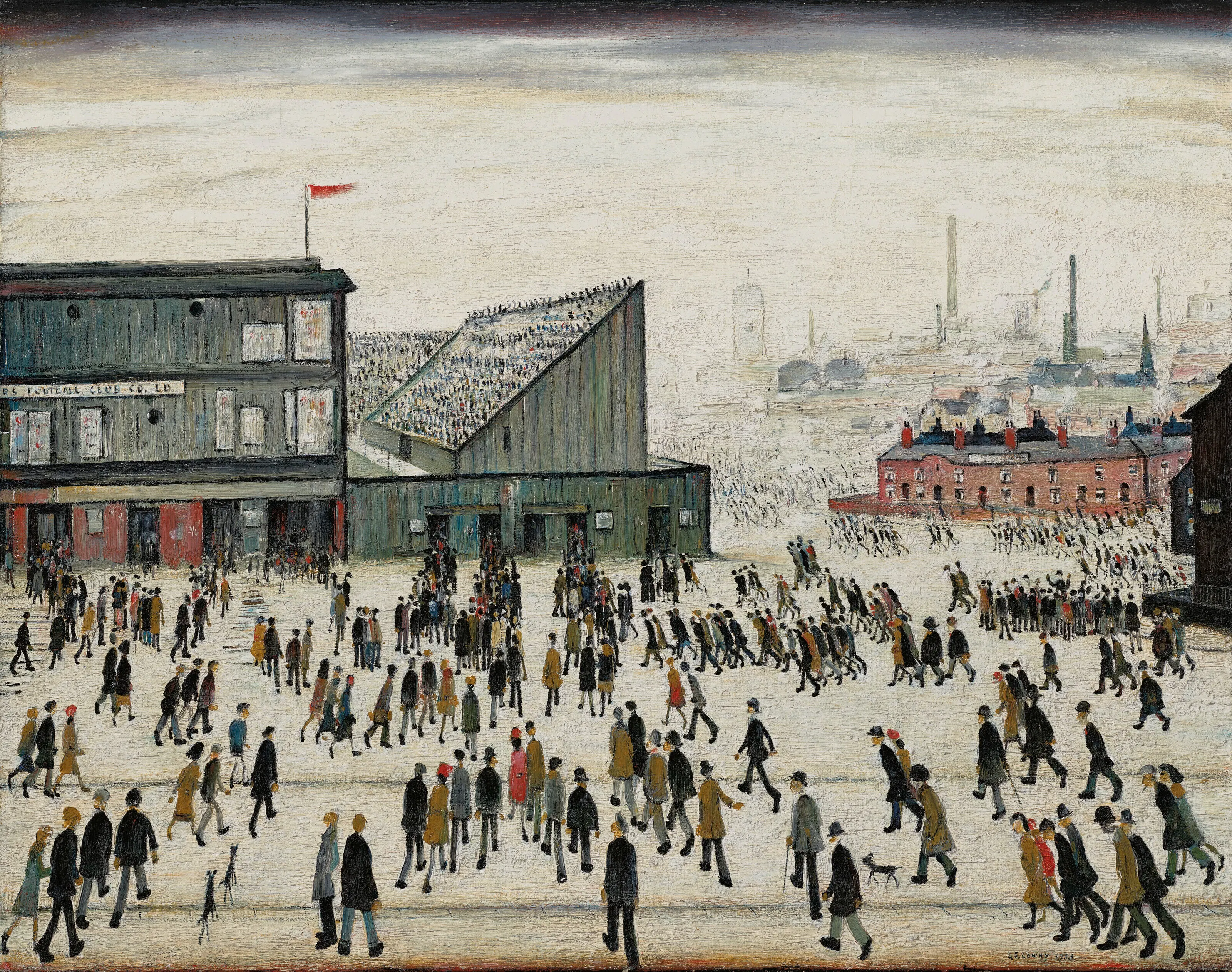
Lowry was an avid supporter of Manchester City football club and often attended its matches. His love of football often found its way into his artwork. He painted several depictions of fans on their way to the stadium or watching the game, capturing the excitement and energy of match days with characteristic detail.
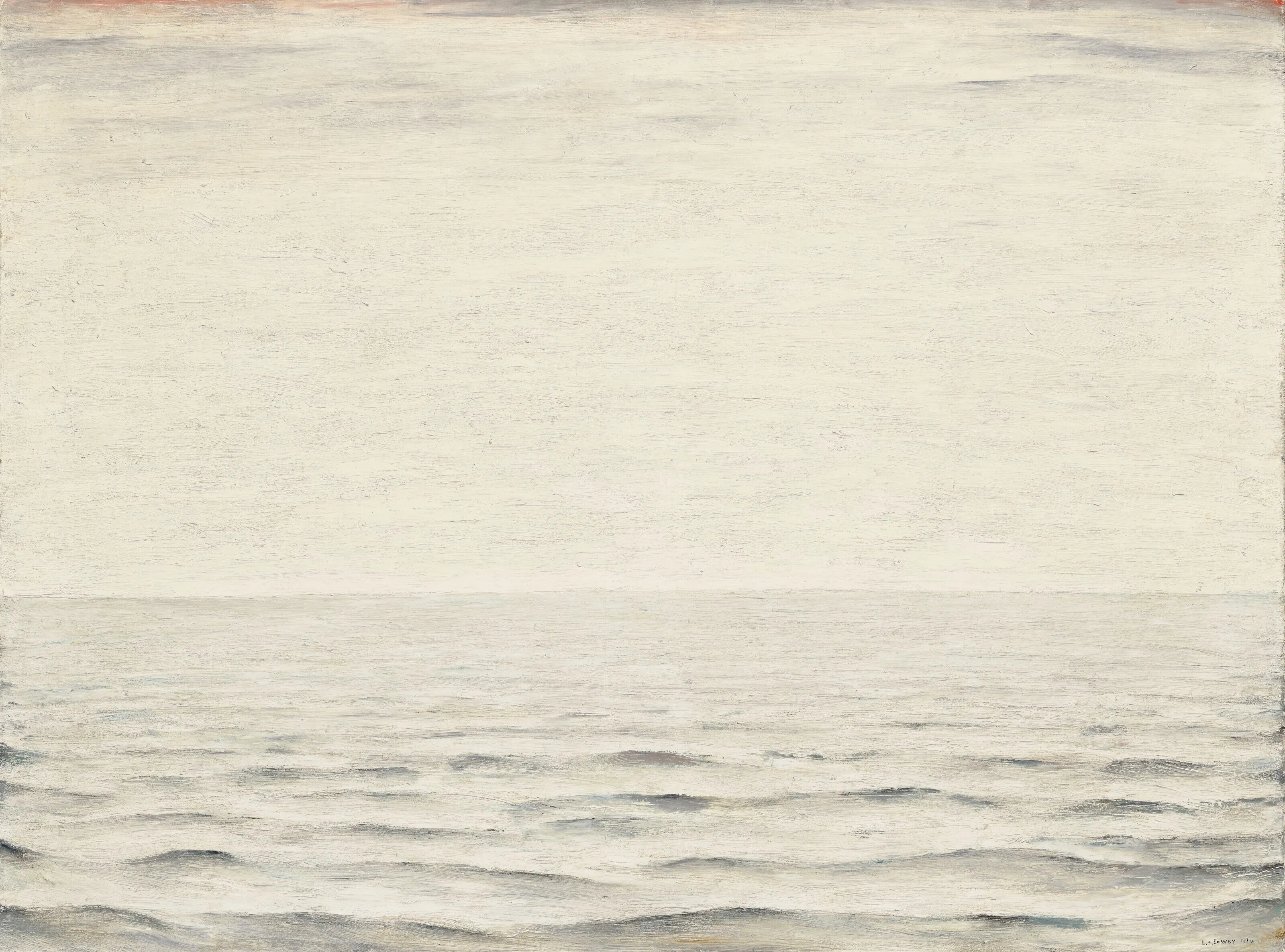
He was also deeply fascinated by the sea and painted several seascapes of the northeast of England later in his career. These canvasses often depict an almost abstract expanse of water and sky with a thin horizon line in between them. Free of men and buildings, they are very different from his best-known city scenes.
5. He had his first solo show at 51
Despite eventual acclaim, early in his career Lowry faced criticism from art critics, who thought that his art was repetitive and lackluster. His matchstick men and industrial scenes were criticized for looking a bit uniform and tedious. This sense of monotony in his paintings, however, might just be the point. The limited color palette, flattened perspectives and lack of individuality in his figures perhaps best capture the repetitiveness and dehumanizing essence of 20th-century industrialization and working-class life.
Related: 7 Paintings of London You Should Know
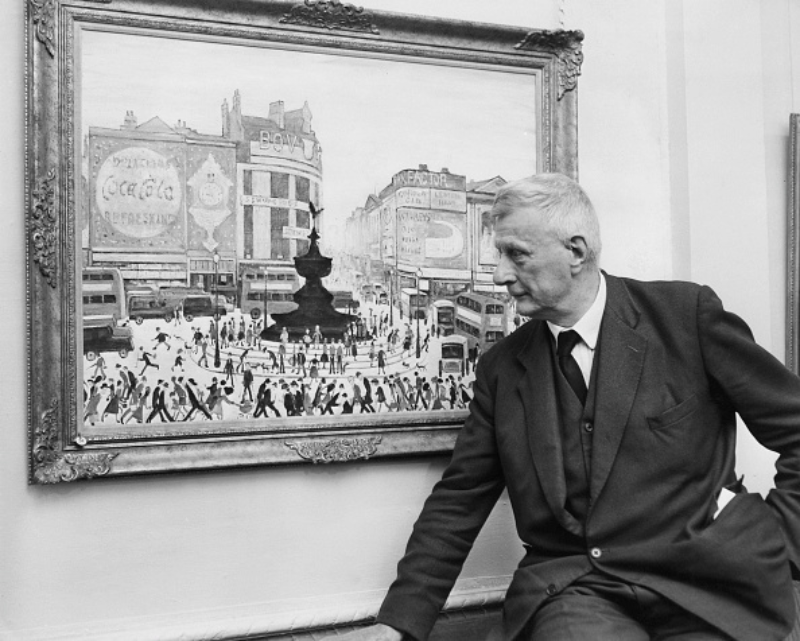
The first public recognition came in 1939, when he had his first solo show in London at the Lefevre Gallery. In 1962, he was named a member of the Royal Academy. He also became a visiting tutor at the Slade School of Fine Art, one of England’s most prestigious art schools.
6. He turned down a knighthood
Lowry was also offered a knighthood in 1968, which he turned down. "All my life I have felt most strongly against social distinction of any kind," he told Prime Minister Harold Wilson. Lowry holds the record for rejecting British honors – five, including the knighthood.
Want more articles like this delivered straight to your inbox? Subscribe to our free newsletter!
Lowry died in 1976 at the age of 88. Shortly after his death, the Royal Academy put on a retrospective exhibition of his work, which became one of the museum’s most-visited shows ever for a 20th-century artist. Another major retrospective, titled 'Lowry and the Painting of Modern Life' opened in 2014 at Tate Britain. The Lowry, a purpose-built gallery in Salford Quays, comprises about 400 pieces from all periods of Lowry’s career.