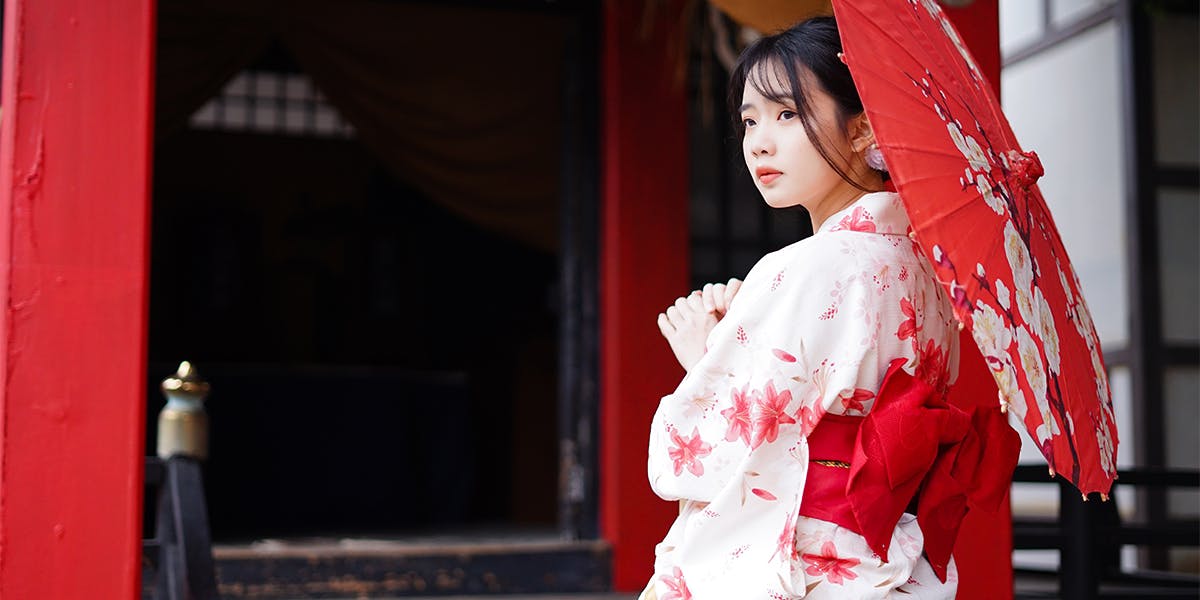
The term kimono (literally 'thing to wear') originally meant any kind of dress, and only later did it come to mean specifically the long dress as we understand it today, worn by people of both genders and all ages.
The kimono is a robe with straight, T-shaped lines, which reaches down to the ankles, with wide sleeves at the wrists. The garment is wrapped around the body and fastened by a wide belt, knotted at the back, which is called obi.
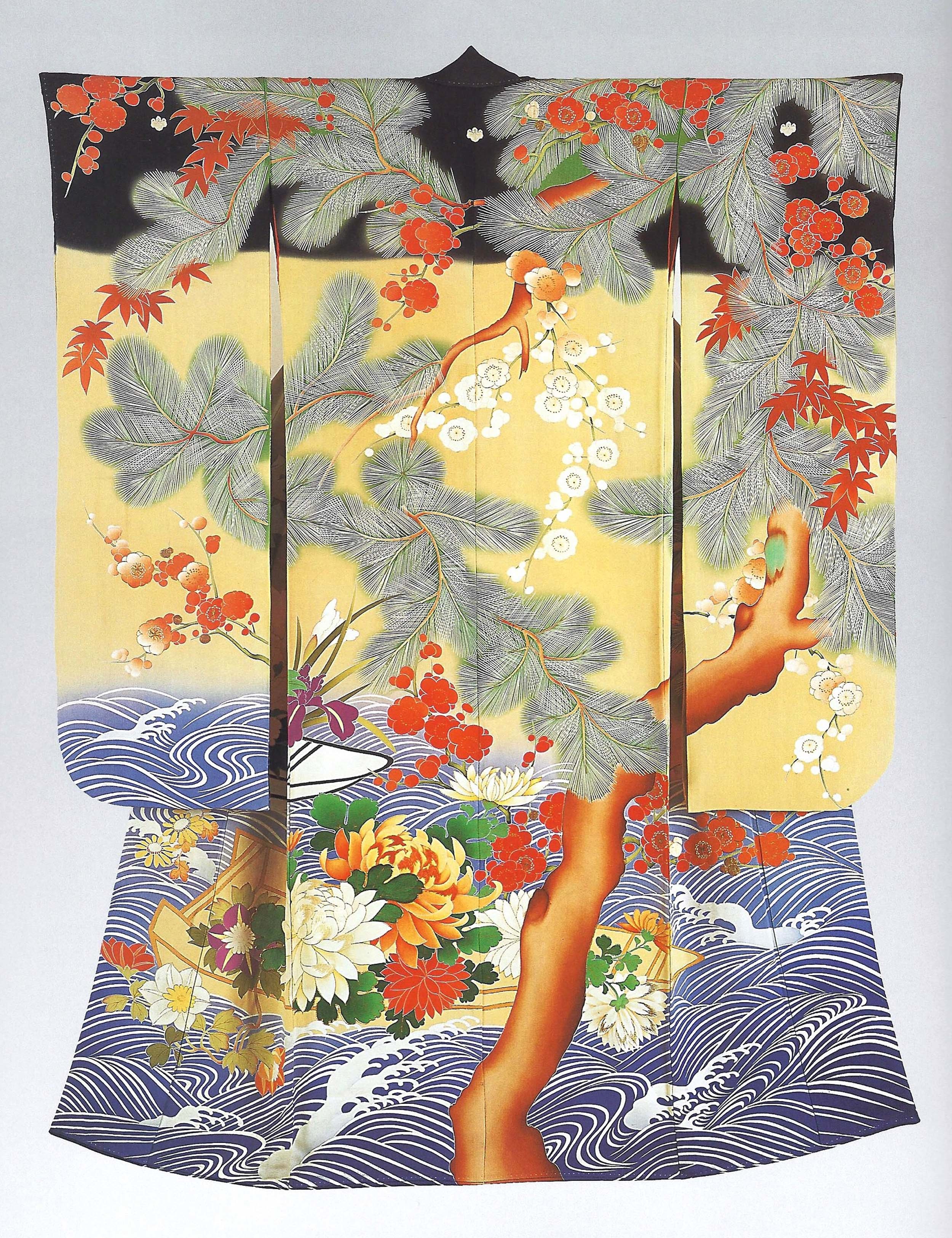
Traditionally, single women wear a kimono with long sleeves that almost reach the ground, called furisode (literally fluttering sleeves, from furi, 'fluttering' and sode, 'sleeves').
There are various styles of kimono that change depending on the occasion, be it formal or casual. In general, the level of formality of a woman's kimono is given by the fabric, pattern, shape, and color. Printed or embroidered motifs on the dress often represent certain times of the year and can be matched accordingly to the season in which they are worn. Maple leaves, plum blossoms, cherry blossoms and water features can thus depict autumn, winter, spring and summer, as in a beautiful painting.
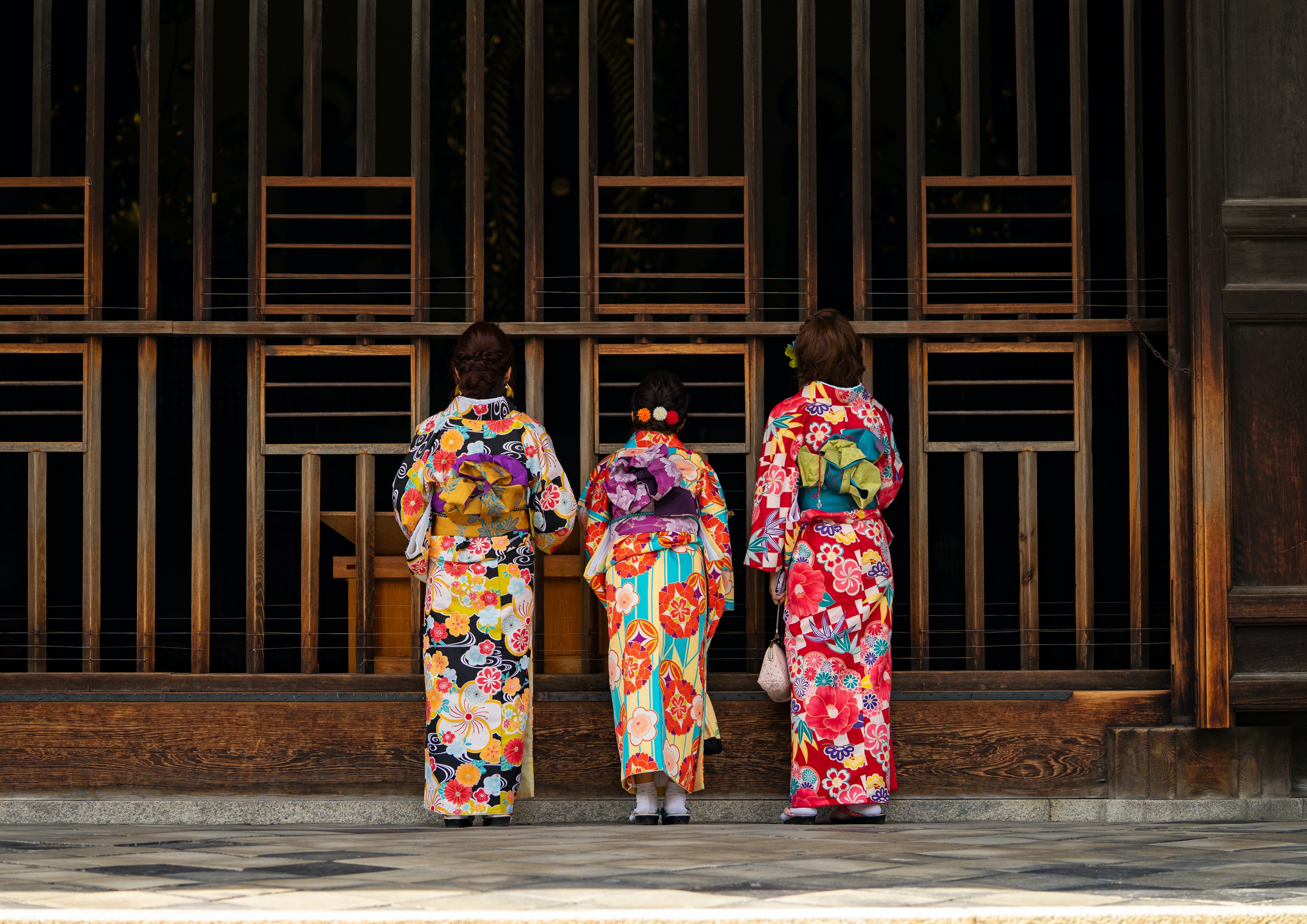
A woman's kimono is usually a complex garment consisting of at least twelve separate parts. These have to be worn and fastened according to precise rules, so the garments are sometimes complicated to put on without someone's help. Men's kimonos, on the other hand, are much simpler and are made up by fewer elements. Both the kimono and the obi are traditionally made of fine materials such as silk (obligatory on grand formal occasions), satin, or brocade; however, modern ones are also made of less fine fabrics and are therefore less expensive. Nowadays, the kimono is not necessarily an expensive garment and it is not uncommon to buy it second-hand online or in vintage shops.
The kimono is also worn with traditional footwear, especially the 'Geta' sandals, called Zōri, and socks separating the big toe from the other toes, called Tabi. The kimono is also composed of various parts, each with a specific name.
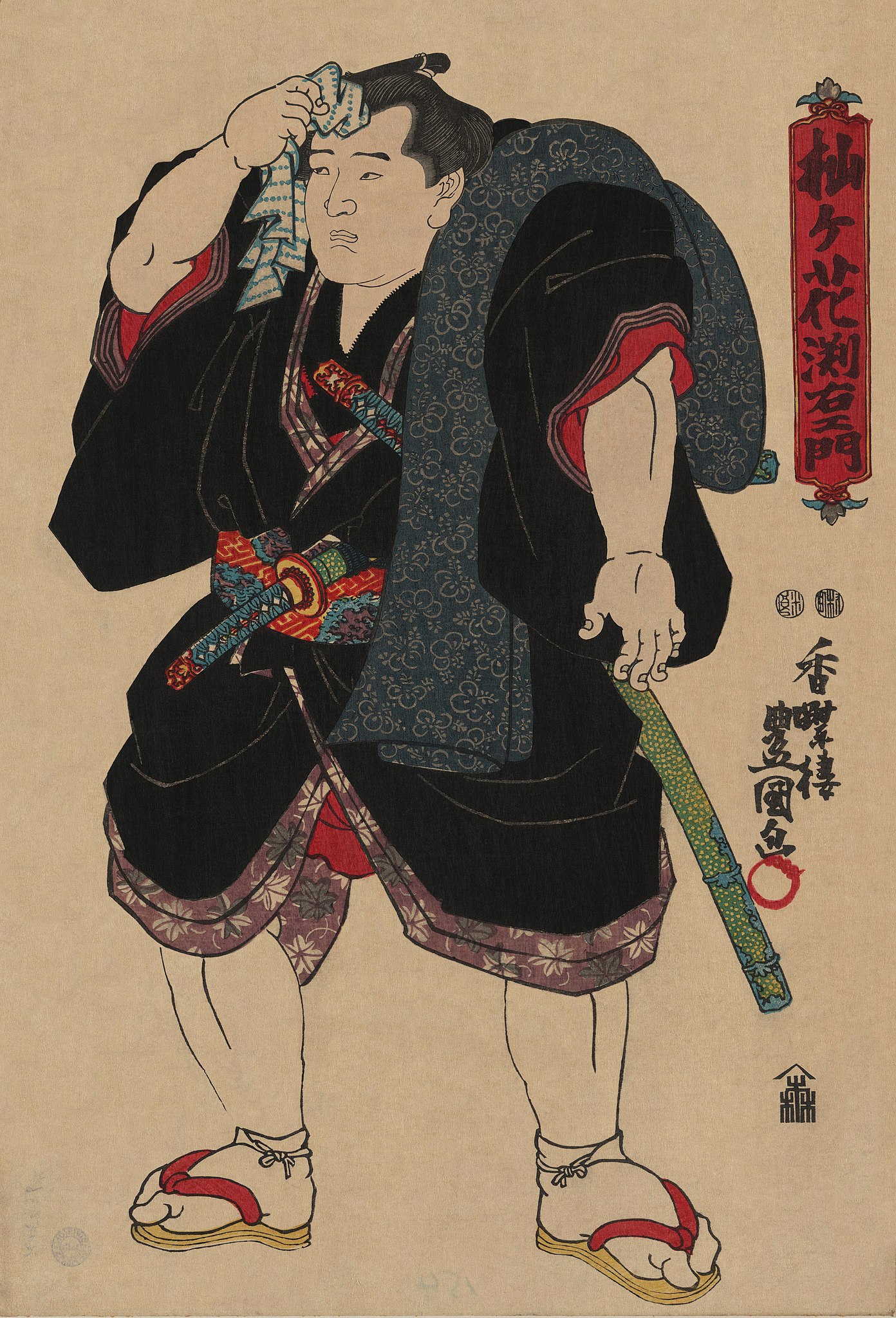
Today, professional sumo wrestlers often wear kimonos because tradition dictates that they wear Japanese clothing when appearing in public.
Related: The Amazing Art of Sagemono and Netsuke
Starting in the 1920s, the kimono was phased out in favor of Western clothes. Two incidents caused the kimono's loss of popularity: the Great Kantō Earthquake of 1923 and the Shirokiya shop fire in Nihonbashi in 1932. After the earthquake, kimono wearers were targeted by criminals because they could not run around in their constricting clothing. In the 1932 fire, it is said that women refused to jump from the burning building into safety nets to protect their modesty. However, some believe that the role of these events in the decline of the kimono in everyday wear was fictitious.
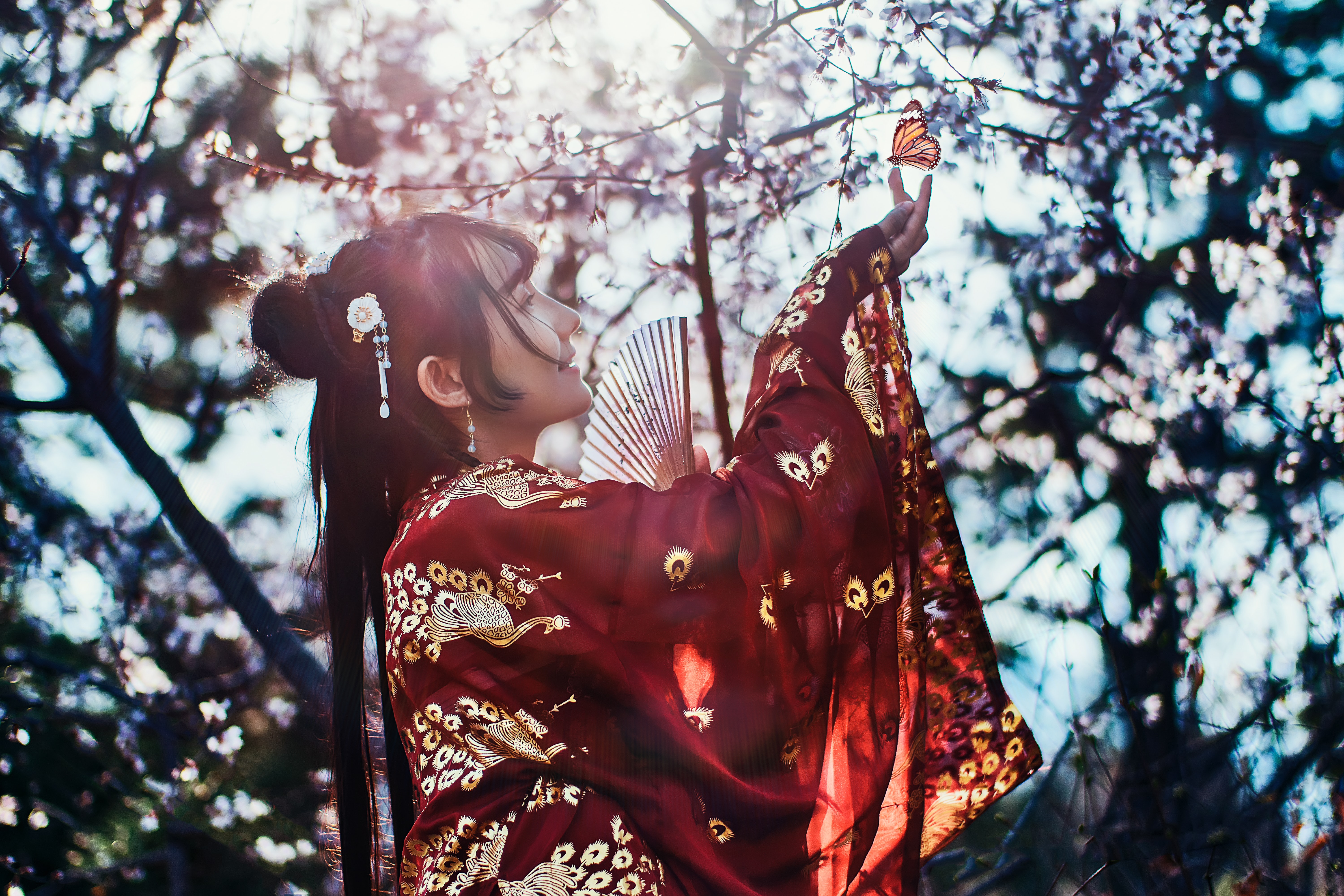
The kimono has conquered the Western world in recent years, not least because of its presence in highly successful films. The cult classic Lady Snowblood, a 1973 Japanese thriller directed by Toshiya Fujita and starring Meiko Kaji, features one of the most famous scenes with the kimono. Based on the manga series, the film tells the story of Yuki, a woman who seeks revenge on three people after an attack on her family. In the infamous scene, Kaji's pure white kimono is splattered with bright red blood. The kimono was also featured in the 1941 film I Dreamed of an Angel (Penny Serenade), starring Irene Dunne and Cary Grant, which saw Grant nominated for an Oscar for Best Actor for his performance. The film is set in Japan, where Grant's character, a reporter, is sent to work.
Related: For Sake's Sake: A Japanese Nectar
Want more articles like this delivered straight to your inbox? Subscribe to our free newsletter!
A fashion chameleon, David Bowie was known for his eccentric stage clothes as much as his music. In the 1970s, during the Ziggy Stardust and Aladdin Sane eras, the star fell in love with Japanese style. At that time, the musician was dressed by Japanese designer Kansai Yamamoto. Yamamoto described Bowie's look as 'beyond nationalities, beyond gender'.
Martin Scorsese's epic Gangs of New York explored the effects of immigration on mid-1800s America. Perhaps Diaz's kimono-inspired costume in the film was a nod to the melting pot that New York was rapidly becoming.
Related: History's 6 Most Popular Film Posters
'Paint me like one of your French girls': who can forget the scene from James Cameron's 1997 tearjerker Titanic? Perhaps winking at globalization, Winslet's Rose character wears a gorgeous floor-length kimono, which she then happily disposes of.
Nor should we forget the famous male kimono wearers. It is no coincidence that the dress of the Jedi in George Lucas' Star Wars saga recalls the samurai of Japan. Lucas was inspired by Akira Kurosawa's 1956 film Seven Samurai. The film's costume designers were influenced by the robes of Tibet, China and Japanese Buddhist monks who, like the Jedi, are a brotherhood of men who do not marry, but serve a higher purpose.
Today, you can find many kimonos at auction at a range of prices, from a few hundred to several thousand dollars, depending on age, color, condition and provenance.